


Where Earth’s dramatic geological features meet thriving ecosystems, nature creates some of its most spectacular displays. Across our planet, unique landforms shaped by millions of years of geological processes have become sanctuaries for diverse wildlife. These dual wonders—geological marvels that also serve as wildlife hotspots—represent some of the most precious and fascinating destinations on Earth. From towering mountain ranges to vast underwater reef systems, these locations demonstrate the intricate relationship between physical landscapes and the living organisms that have adapted to thrive within them. This exploration takes us to twelve remarkable places where geology and biodiversity converge in extraordinary ways, creating ecosystems as fragile as they are magnificent.
The Grand Canyon: A Stratified Haven for Desert Wildlife
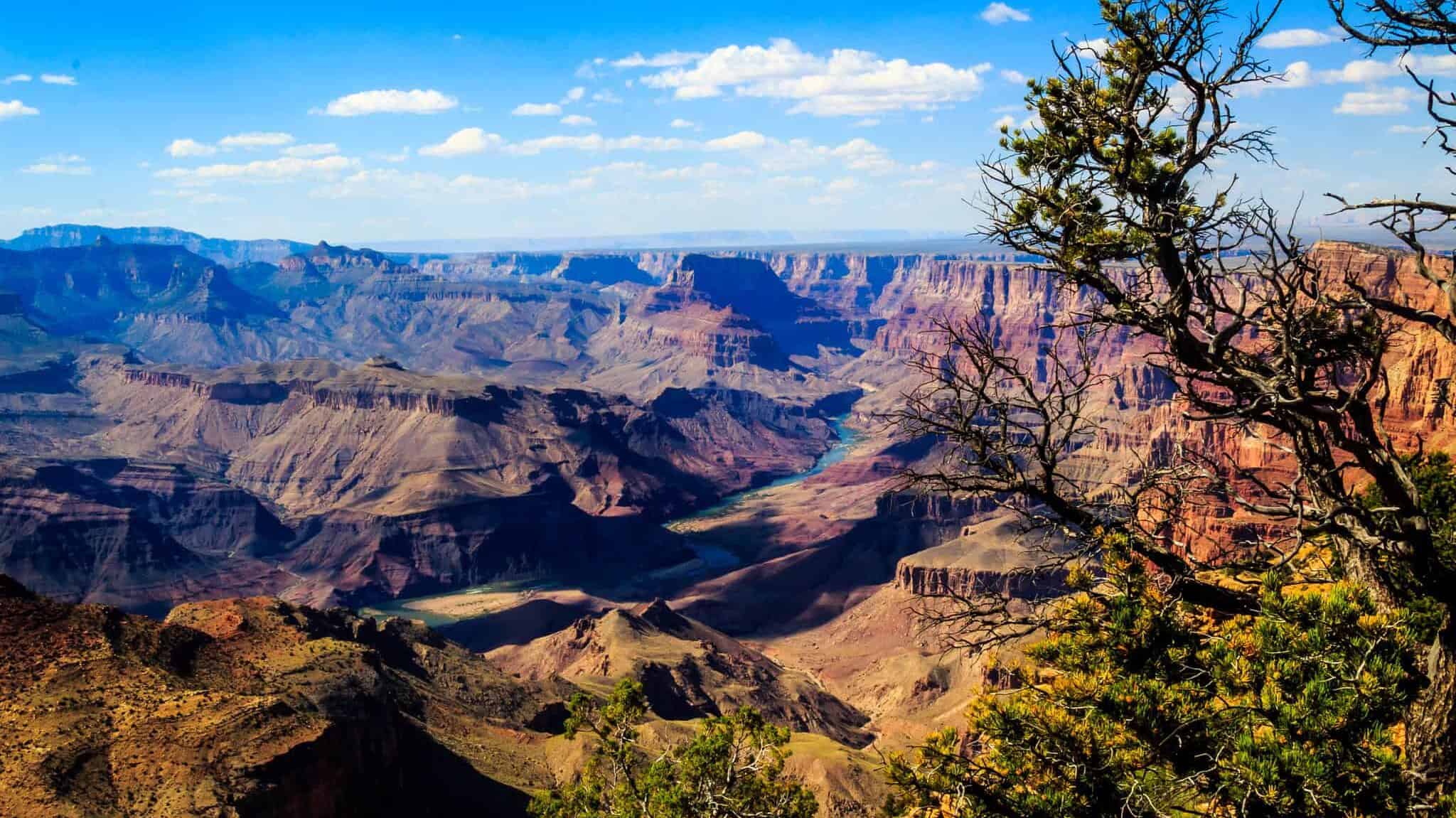
The Grand Canyon stands as one of Earth’s most impressive geological showcases, with layers of rock chronicling nearly two billion years of our planet’s history. Carved by the persistent flow of the Colorado River, this massive chasm stretches 277 miles long, up to 18 miles wide, and plunges more than a mile deep. Each colorful stratum tells a different chapter of Earth’s past, from ancient seafloors to prehistoric deserts, creating a natural archive of geological time.
Beyond its geological significance, the Grand Canyon hosts remarkable biodiversity across its varied elevations and microclimates. More than 447 bird species, 91 mammal species, 58 reptiles and amphibians, and 18 fish species call this natural wonder home. California condors, North America’s largest birds with wingspans reaching 9.5 feet, soar above the canyon rim, while desert bighorn sheep navigate the precipitous slopes with astonishing agility. The canyon’s riparian zones support rare species like the Kanab ambersnail, while endemic fish like the humpback chub have adapted to the Colorado River’s unique conditions, creating a wildlife haven within this geological masterpiece.
The Great Barrier Reef: Living Geology in Action

The Great Barrier Reef represents a geological phenomenon unlike any other—a living structure built by tiny marine organisms over millions of years. Stretching over 1,400 miles along Australia’s northeastern coast, it comprises nearly 3,000 individual reef systems and hundreds of islands built from the accumulated calcium carbonate skeletons of countless coral polyps. This colossal structure is so massive it can be seen from space, making it the largest single structure created by living organisms on Earth.
This underwater geological wonder serves as home to one of the planet’s most diverse ecosystems. Over 1,500 fish species dart through its coral formations, while 4,000 mollusk species and 240 bird species depend on the reef’s resources. The reef shelters endangered species like the dugong (sea cow) and six of the world’s seven marine turtle species. Perhaps most remarkably, the reef demonstrates the living intersection of geology and biology—coral polyps continue building the reef today, though climate change and ocean acidification threaten this delicate process. The reef’s very existence depends on the symbiotic relationship between coral polyps and photosynthetic algae, illustrating how biological activity can create geological features of extraordinary scale and importance.
Yellowstone National Park: Geothermal Wonders and Megafauna
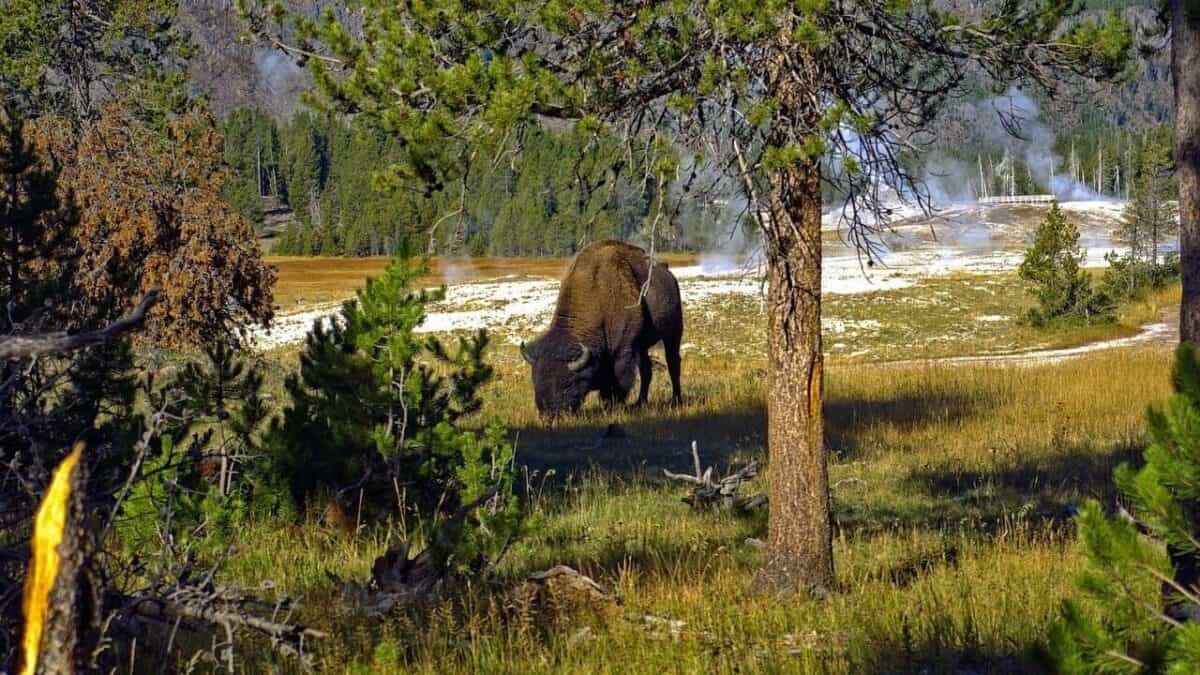
Yellowstone National Park sits atop one of Earth’s largest active volcanic systems, a massive caldera formed by cataclysmic eruptions approximately 640,000, 1.3 million, and 2.1 million years ago. This geological hotspot powers more than 10,000 geothermal features, including approximately half of the world’s active geysers. The park’s iconic Grand Prismatic Spring—the third-largest hot spring on Earth—displays vivid rainbow colors created by heat-loving microorganisms that thrive in its mineral-rich waters. These extraordinary geological features result from magma chambers that lie just a few miles beneath the park’s surface.
This geothermal landscape supports an exceptional array of wildlife, including the largest concentration of mammals in the lower 48 United States. Yellowstone hosts the nation’s largest public herd of American bison, with population estimates of approximately 5,450 as of 2021. The reintroduction of gray wolves in 1995 restored a critical predator to the ecosystem, creating one of the few places where visitors might glimpse the complete assemblage of large mammals that existed before European settlement. Grizzly bears, black bears, moose, elk, pronghorn, and over 300 bird species thrive in this landscape where geological wonders create diverse habitats ranging from alpine meadows to geothermal basins with their unique extremophile communities.
The Galápagos Islands: Volcanic Crucibles of Evolution
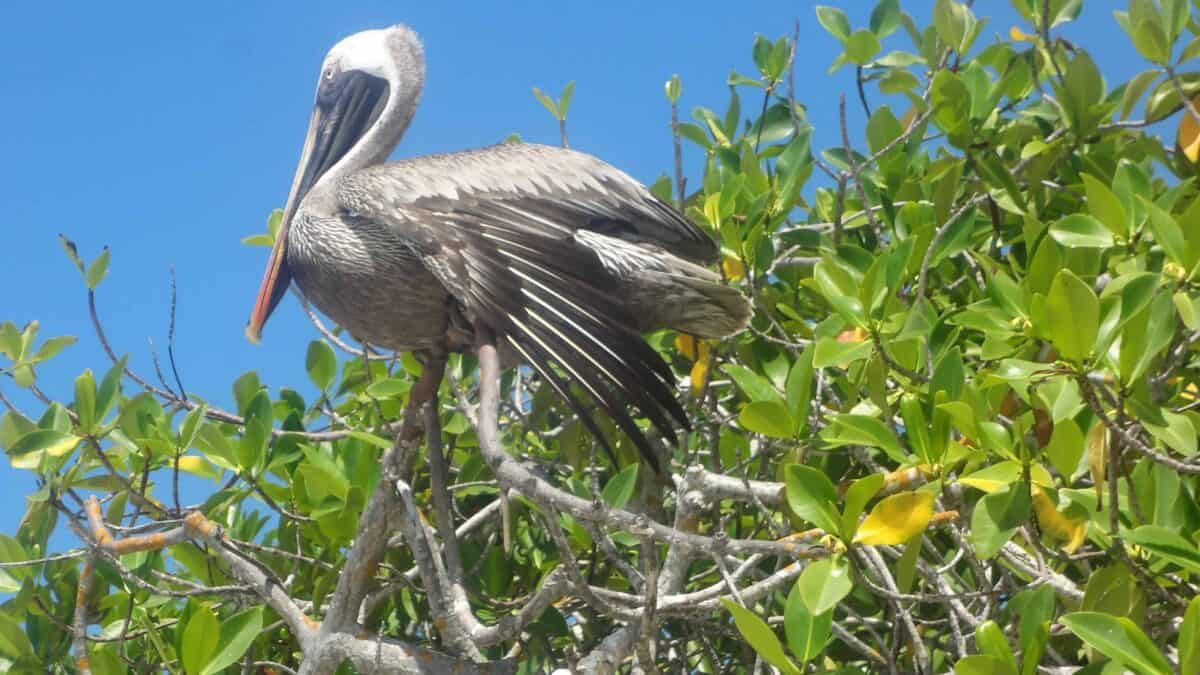
The Galápagos Islands emerge from the Pacific Ocean as the visible tips of massive underwater volcanoes, formed as the Nazca tectonic plate moves over a mantle hotspot. This ongoing geological process has created an archipelago of 21 islands and numerous islets over approximately 5 million years. The youngest islands, like Fernandina and Isabela, still experience active volcanism, while the easternmost islands have begun the slow journey back into the sea through erosion. This geological chronology provides a natural laboratory for studying both volcanic processes and the evolution of species across islands of different ages.
The islands’ isolation and unique geological conditions have created one of Earth’s most remarkable wildlife sanctuaries, famously inspiring Charles Darwin’s theory of evolution by natural selection. Each island hosts distinct adaptations among its inhabitants—most famously displayed in the 13 species of Darwin’s finches, which evolved different beak shapes to exploit specific food sources. The Galápagos is home to extraordinary endemic species, including the only marine iguana in the world, the giant Galápagos tortoise that can live over 100 years, and the flightless cormorant that lost its ability to fly due to the absence of predators. The islands demonstrate how geological isolation drives evolutionary adaptation, creating a living showcase of speciation directly tied to the archipelago’s volcanic origins.
Borneo’s Limestone Caves: Subterranean Biodiversity Treasure
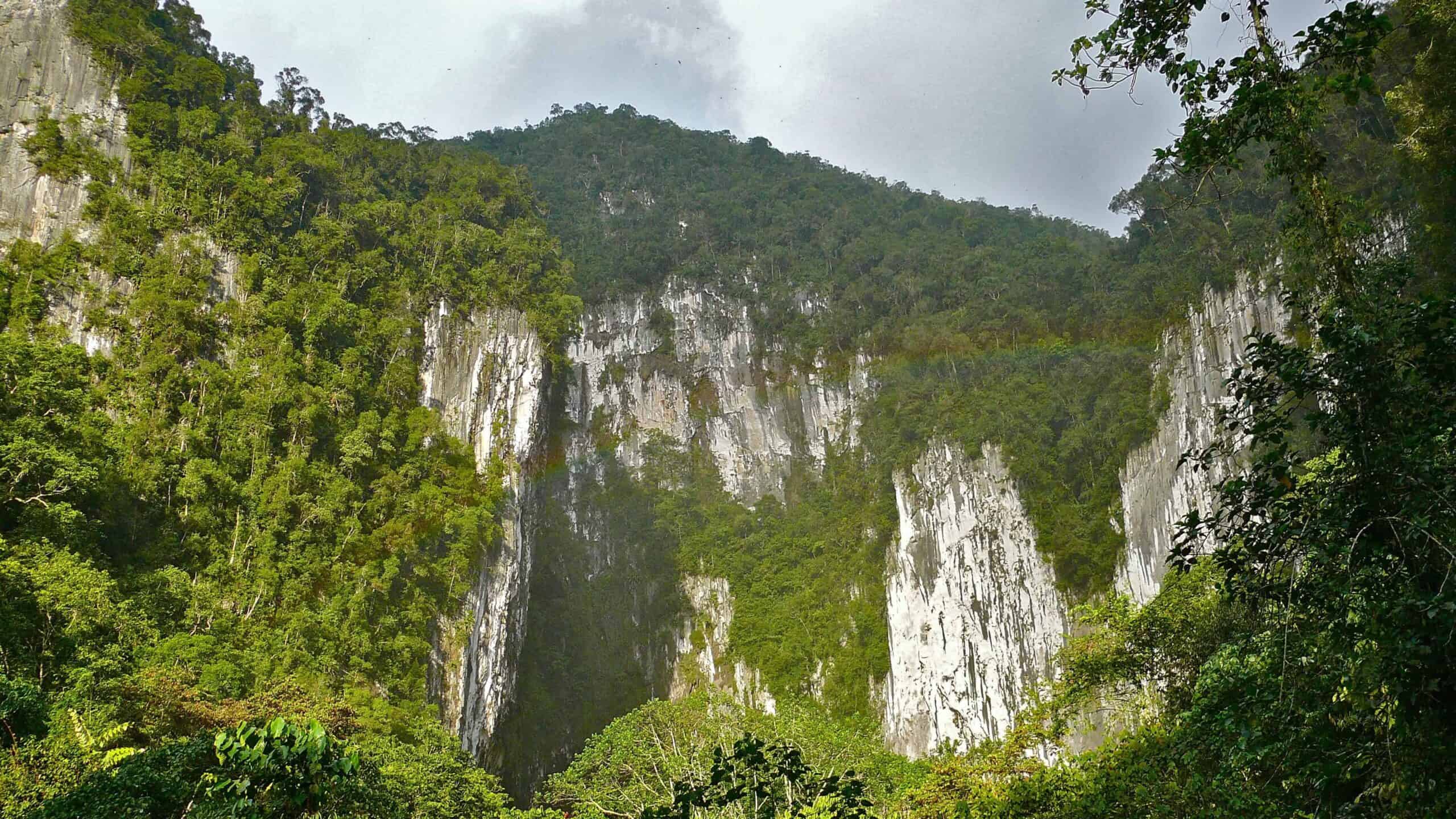
The island of Borneo features some of the world’s most extensive and spectacular karst landscapes, where limestone formations have been sculpted over millions of years by rainwater slightly acidified by dissolved carbon dioxide. This geological process has created a honeycomb of caves, sinkholes, and towering pinnacles throughout the region. Mulu National Park in Malaysian Borneo contains some of the most impressive examples, including Sarawak Chamber—the world’s largest known cave chamber by area—and Deer Cave, which shelters millions of bats. These limestone formations began as marine deposits approximately 20-40 million years ago before tectonic uplift exposed them to erosion.
These ancient caves host extraordinary wildlife adapted to subterranean environments. Most dramatically, Deer Cave contains an estimated three million wrinkle-lipped free-tailed bats that emerge each evening in spectacular columns. The caves also harbor unique invertebrates, including blind crabs, translucent shrimp, and specialized insects that have evolved in isolation within these dark ecosystems. The limestone forests above the caves support one of Earth’s richest assemblages of plant and animal life, including orangutans, clouded leopards, and thousands of endemic plant species. The interaction between the limestone geology and Borneo’s high rainfall has created microhabitats on cliff faces and limestone soils that support rare and specialized plants found nowhere else, making these karst landscapes critical conservation priorities.
The Pantanal: Earth’s Largest Tropical Wetland
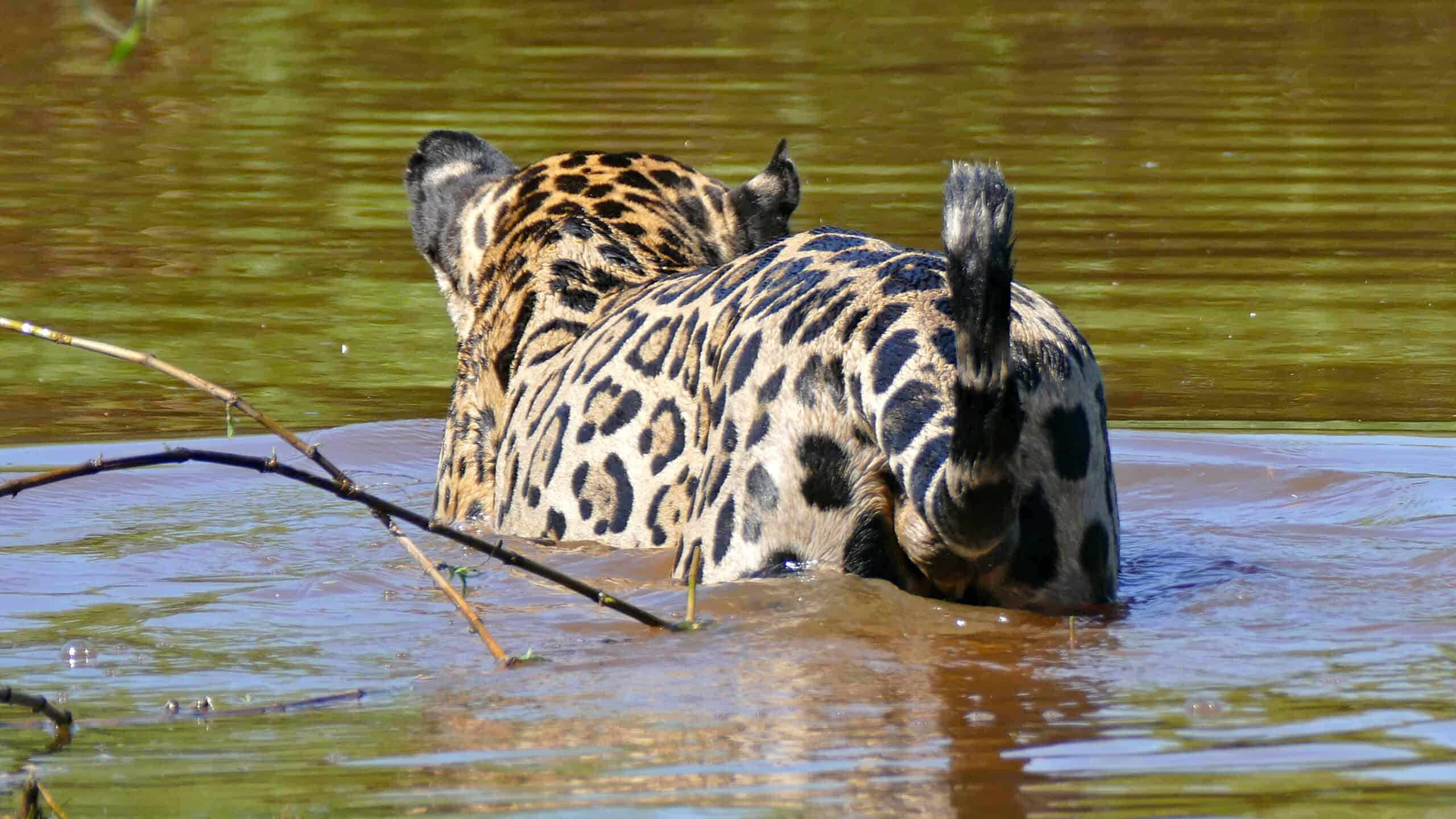
The Pantanal stretches across approximately 42 million acres in Brazil, Bolivia, and Paraguay, forming the world’s largest tropical wetland. This remarkable landscape developed in a vast depression—the Pantanal Basin—created by the uplift of the Andes Mountains beginning about 65 million years ago. As the Andes rose, they created a geological trap for sediments and water flowing eastward, gradually filling with alluvial deposits from the surrounding highlands. The resulting floodplain experiences dramatic seasonal fluctuations, with water levels rising up to 15 feet during the rainy season, covering about 80% of the entire region before receding during the dry months.
This pulsing hydrological cycle supports extraordinary biodiversity, with the Pantanal hosting the highest concentration of wildlife in South America. The wetland sustains an estimated 1,000 bird species, 400 fish species, 300 mammal species, and 480 reptile species. Particularly notable are the Pantanal’s jaguars—the largest population anywhere—which have adapted to a semi-aquatic lifestyle, swimming between islands during flood seasons and hunting caimans along riverbanks. Giant river otters, capybaras, marsh deer, and hyacinth macaws thrive in this seasonally transforming landscape. The wetland’s unique geology creates a natural water filtration system, with floodwaters moving slowly through the basin and depositing nutrients that support the extraordinary productivity of this ecosystem, demonstrating how geological processes directly influence biological abundance.
Madagascar’s Tsingy: Stone Forests and Isolated Evolution
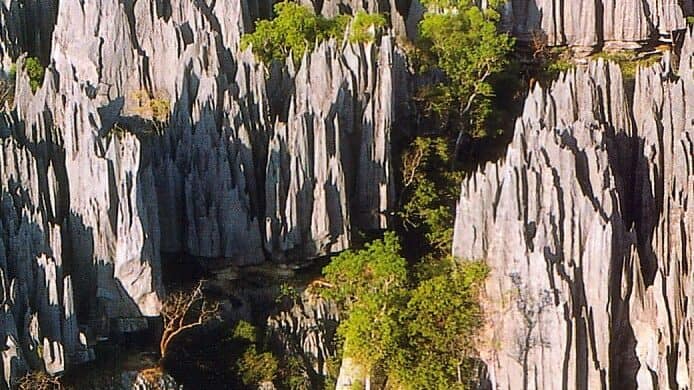
By My father (who approves of its use) – Own work, CC BY-SA 3.0, https://commons.wikimedia.org/w/index.php?curid=171751
Madagascar’s Tsingy de Bemaraha stands as one of Earth’s most unusual landscapes—a labyrinth of razor-sharp limestone needles rising up to 150 feet from the ground. This “stone forest” formed when ancient limestone seabeds were uplifted, then gradually carved by slightly acidic rainwater that dissolved the rock along vertical and horizontal fissures. Over millions of years, this process created a maze of narrow canyons, caves, and pinnacles so sharp they can cut through equipment and skin. The word “tsingy” in Malagasy means “where one cannot walk barefoot,” an apt description of this formidable terrain.
Despite—or perhaps because of—its seemingly inhospitable nature, the Tsingy harbors remarkable biodiversity. The stone labyrinth creates countless microhabitats that support different species, with the tops of pinnacles experiencing different conditions than the sheltered canyons below. Eleven lemur species navigate this vertical world, including the endangered Decken’s sifaka. The Tsingy houses over 100 bird species, 45 reptile and amphibian species, and numerous endemic plants that have adapted to grow in limestone crevices. The geological isolation of these habitat pockets has driven speciation in a similar manner to island ecosystems, with many species found nowhere else on Earth. In 2010, scientists discovered that some forest patches within the Tsingy remained completely isolated from human contact, preserving pristine ecological communities in this natural fortress created by geological processes.
The Namib Desert: Ancient Sands and Fog-Dependent Life
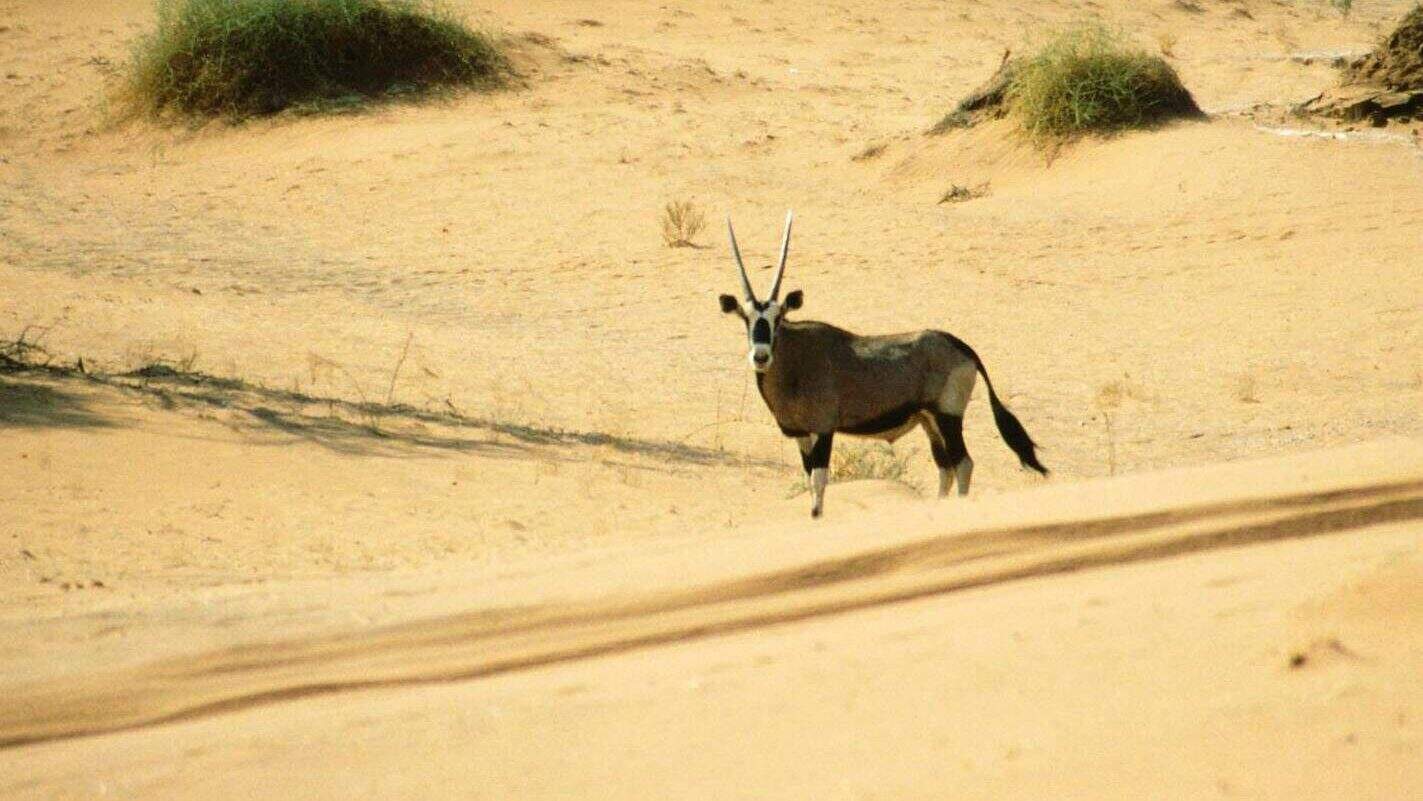
The Namib Desert stretches along Africa’s southwestern coast for approximately 1,200 miles, distinguished as the world’s oldest desert with arid or semi-arid conditions persisting for at least 55 million years. This geological antiquity is most dramatically displayed in its towering sand dunes, including those at Sossusvlei where orange-red dunes rise over 1,000 feet—among the tallest in the world. These distinctive colors come from iron oxide coating the sand grains, which have been oxidizing over millions of years. The desert’s age results from its position adjacent to the cold Benguela Current, which creates high pressure that prevents moisture-laden air from reaching inland.
Despite receiving less than 10mm of rainfall annually in some regions, the Namib supports a surprising diversity of uniquely adapted wildlife. The desert’s location beside the ocean creates a lifeline—coastal fog that rolls inland, providing crucial moisture captured by specialized organisms. The Namib beetle (Stenocara gracilipes) has evolved microscopic bumps on its back that collect fog droplets, which then roll into its mouth. Plants like Welwitschia mirabilis—a living fossil that can survive for over 1,000 years—capture fog through specialized leaves. The desert hosts unusual mammals including the fog-basking Namib Desert golden mole and the desert-adapted elephants that can go days without water by digging wells with their trunks. This harsh geological environment has driven some of Earth’s most remarkable adaptations, creating a living laboratory of survival strategies in extreme conditions.
The Himalayas: Vertical Worlds of Biodiversity
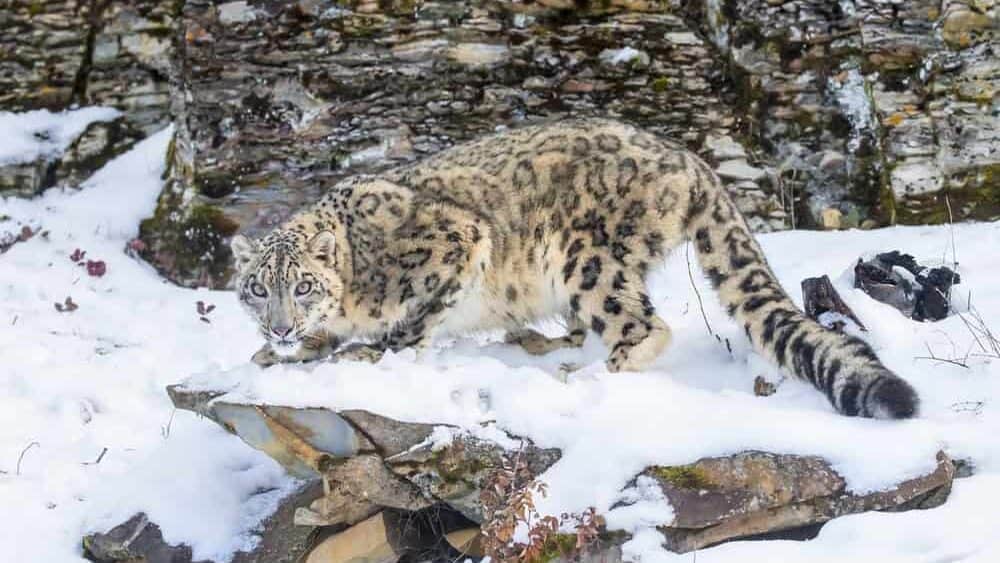
The Himalayan mountain range represents one of Earth’s most dramatic geological features, formed by the ongoing collision between the Indian and Eurasian tectonic plates that began approximately 50 million years ago. This massive orogeny (mountain-building process) continues today, with the Himalayas still rising at a rate of about 5mm per year. The range includes all 14 of the world’s peaks exceeding 8,000 meters (26,247 feet), including Mount Everest. This relatively young mountain system features active geological processes including glaciation, erosion, and landslides that continuously reshape the landscape.
The Himalayas’ extreme vertical relief creates a remarkable succession of ecosystems stacked upon one another, from subtropical forests at lower elevations to alpine meadows and permanent ice fields at the highest reaches. This altitudinal zonation supports extraordinary biodiversity, with the Eastern Himalayan region recognized as one of Earth’s 36 biodiversity hotspots. The mountains harbor iconic species like the snow leopard, which has evolved specialized adaptations for high-altitude hunting, and the Himalayan musk deer, valued for its scent glands. Over 10,000 plant species grow across the Himalayan elevation gradient, including many medicinal plants used in traditional healing systems. The region’s complex topography has created countless isolated valleys where species evolve independently, leading to high rates of endemism—species found nowhere else—directly tied to the mountains’ geological formation and structure.
The Dead Sea: Extreme Salinity and Microbial Adaptation
The Dead Sea occupies the lowest land elevation on Earth, sitting approximately 1,410 feet below sea level in a depression created by tectonic movements along the Dead Sea Transform fault system. This hypersaline lake lies within the Great Rift Valley, where the Arabian and African tectonic plates have been pulling apart for millions of years, creating a steep-sided graben (depression). The lake’s extraordinary salinity—about 34% compared to the ocean’s average 3.5%—results from high evaporation rates, limited freshwater input, and the dissolution of mineral salts from surrounding rocks. This geological setting has created one of Earth’s most extreme aquatic environments.
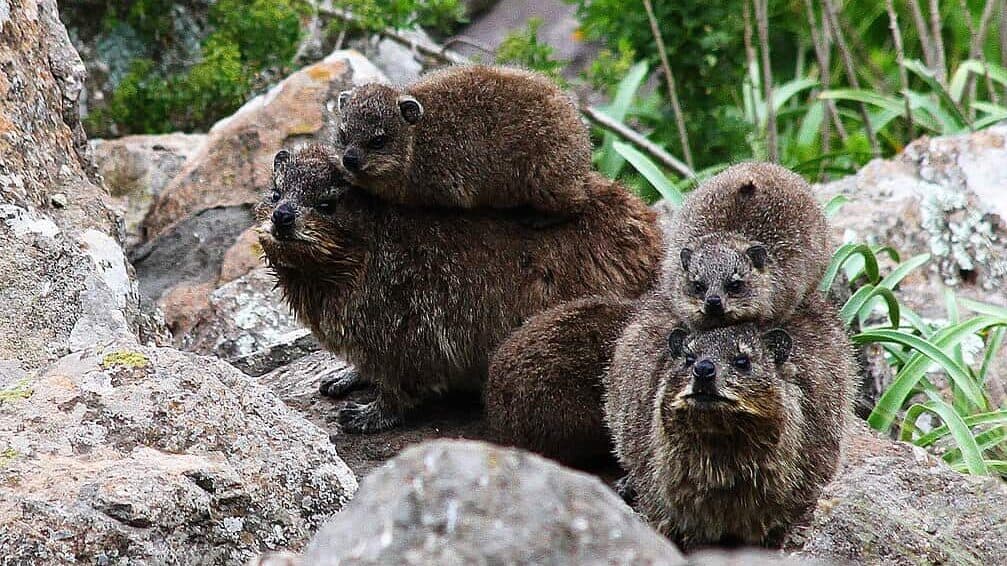
Despite its forbidding name and conditions too harsh for fish or most aquatic organisms, the Dead Sea supports remarkable extremophile life. Several species of halophilic (salt-loving) archaea thrive in its hypersaline waters, containing specialized proteins and membranes that function under conditions that would destroy most cells. These microorganisms sometimes bloom in such numbers that they color portions of the lake reddish-pink. The unique mineral composition of the Dead Sea, particularly its high concentrations of magnesium, potassium, and bromine, has created waters renowned for their therapeutic properties. The surrounding landscape supports desert-adapted wildlife including Nubian ibex, hyrax, and striped hyena. This geological marvel demonstrates how even Earth’s most extreme environments can foster specialized life forms that have evolved to exploit seemingly impossible conditions.
The Virunga Mountains form a chain of eight volcanoes along the borders of Rwanda, Uganda, and the Democratic Republic of Congo, part of the Albertine Rift in the Great Rift Valley system where the African tectonic plate is slowly splitting apart. Two of these volcanoes—Nyiragongo and Nyamuragira—remain highly active, with Nyiragongo containing one of the world’s largest and most persistent lava lakes. Nyiragongo’s lava is exceptionally fluid due to its unusual chemical composition, capable of flowing at speeds up to 60 miles per hour. The most recent major eruption in 2021 sent lava flows toward the city of Goma, demonstrating the ongoing geological dynamism of this region.
These volcanic slopes, with their fertile soils and varied elevations, support one of Africa’s most precious wildlife populations—the mountain gorilla. Approximately half of the world’s 1,063 remaining mountain gorillas live in the forests of the Virunga range. The volcanoes create a series of distinct habitats at different elevations, from dense bamboo forests to Hagenia woodlands and alpine zones near the summits. This diversity supports not only gorillas but also golden monkeys, forest elephants, and over 200

- The Smartest Small Dog Breeds Ranked - June 22, 2026
- The Amazing Memory of Migratory Monarch Butterflies - June 22, 2026
- 12 Dog Breeds That Could Take Down a Mountain Lion - June 22, 2026