

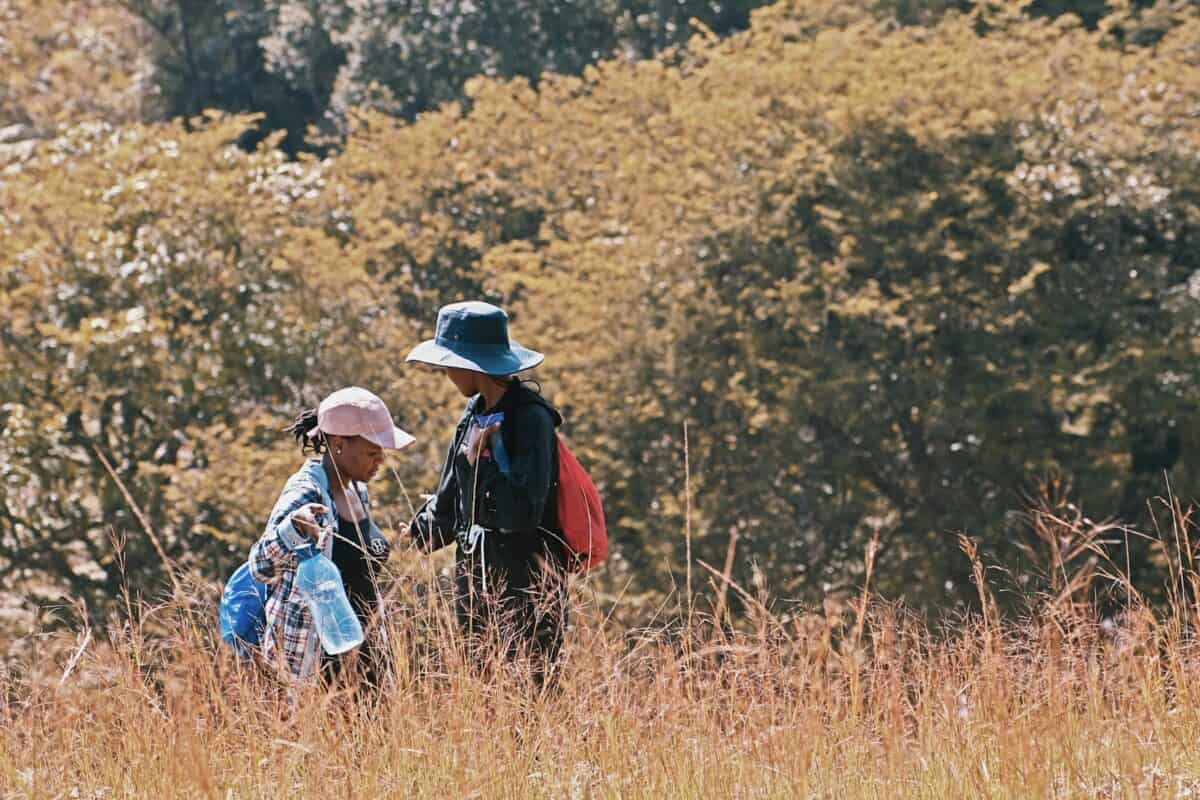
Across America’s diverse landscapes, from coastal wetlands to alpine meadows, a quiet revolution in wildlife conservation has been gaining momentum. Citizen science—the practice of engaging non-professional volunteers in scientific research—has transformed how we monitor and protect our nation’s biodiversity. This participatory approach to science has democratized data collection, allowing everyday Americans to contribute meaningfully to our understanding of wildlife populations, migration patterns, habitat use, and responses to environmental changes.
In recent years, the number of citizen science projects focused on wildlife has expanded dramatically. According to the Citizen Science Association, participation in these programs has increased by approximately 300% since 2010, with more than 3 million Americans now regularly contributing to wildlife monitoring efforts. This surge reflects both technological advances that facilitate participation and a growing public awareness of biodiversity challenges. From retirees tracking monarch butterfly migrations to families documenting backyard birds, citizen scientists have become an indispensable force in American conservation efforts.
Historical Context: From Audubon’s Christmas Bird Count to Modern Monitoring
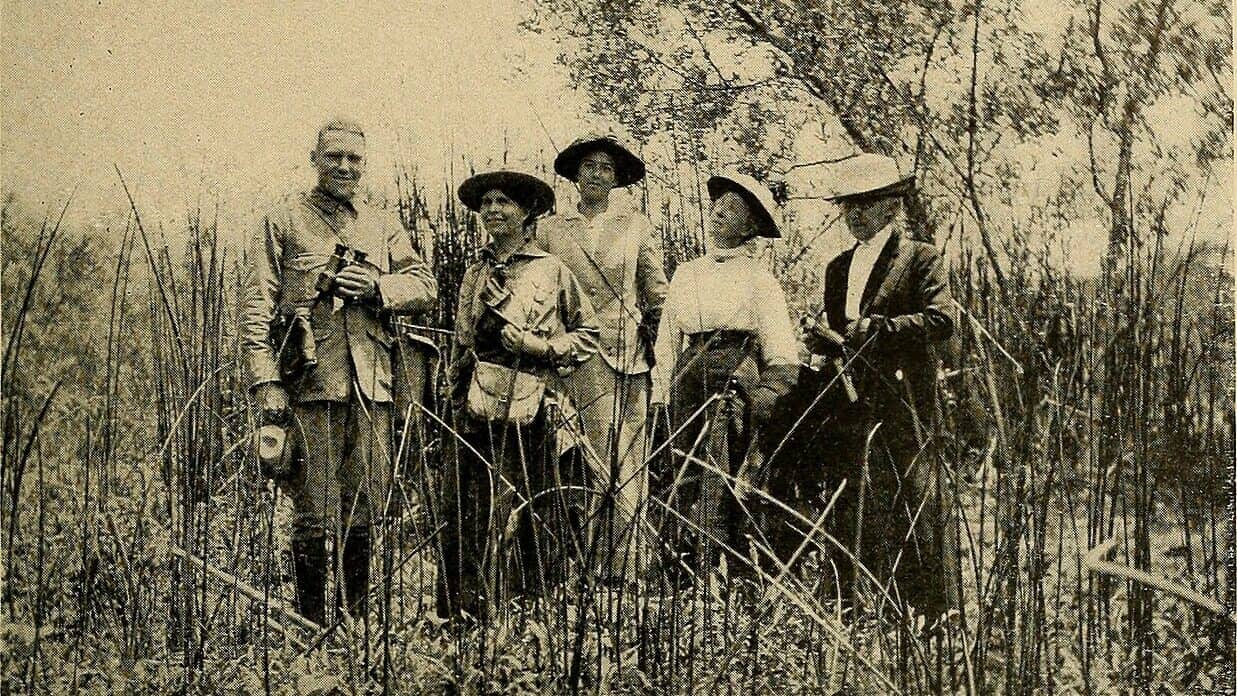
The roots of citizen science in American wildlife monitoring stretch back over a century. The National Audubon Society’s Christmas Bird Count, established in 1900, stands as North America’s longest-running citizen science wildlife census. What began as an alternative to Christmas “side hunts” (competitive bird shooting) has evolved into an annual tradition that now engages over 80,000 volunteers who count approximately 30 million birds across the Western Hemisphere. This pioneering program demonstrated that motivated volunteers could collect scientifically valuable data at geographic scales impossible for professional scientists to achieve alone.
Throughout the 20th century, additional monitoring programs emerged, including the North American Breeding Bird Survey (established 1966) and the Monarch Watch (established 1992). The digital revolution of the 21st century catalyzed exponential growth in citizen science initiatives. Platforms like iNaturalist (launched 2008), which now hosts over 125 million wildlife observations, have transformed how the public engages with wildlife monitoring. These technological advances have built upon the foundation laid by early conservation pioneers, creating a continuous thread of citizen participation in America’s wildlife conservation story.
Technological Innovations Powering Citizen Science
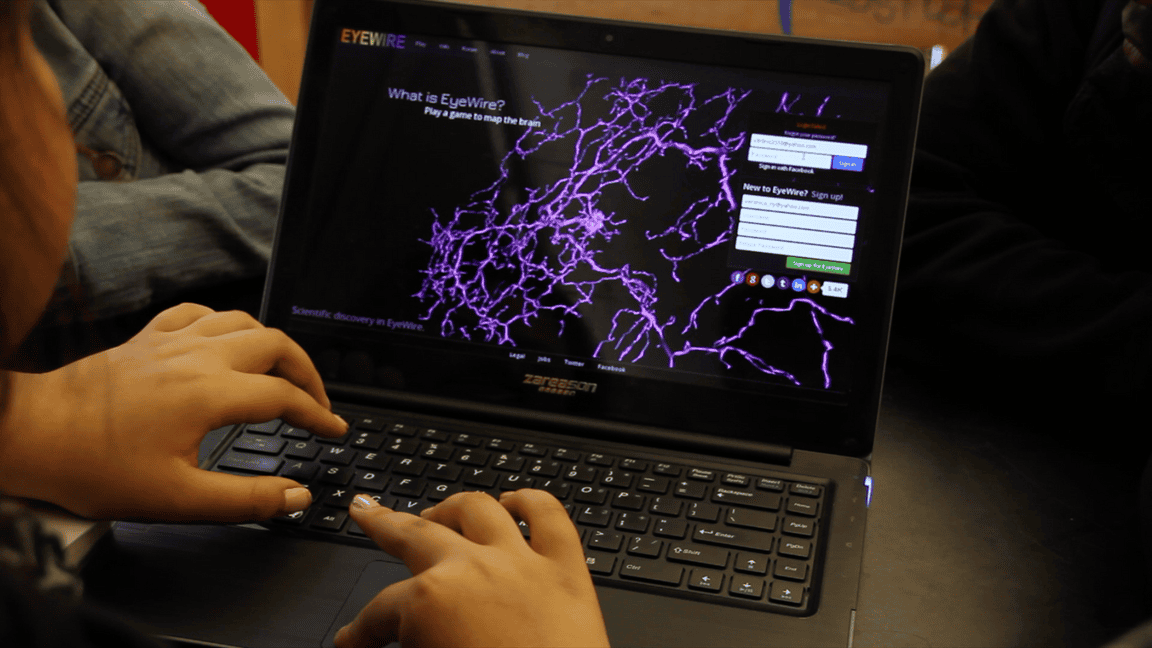
Technology has dramatically lowered barriers to participation in wildlife monitoring. Smartphone apps with built-in GPS capabilities, high-quality cameras, and user-friendly interfaces have transformed ordinary citizens into data collection powerhouses. Platforms like eBird, developed by the Cornell Lab of Ornithology, process more than 100 million bird observations annually from birders across North America. Similarly, iNaturalist allows users to photograph any organism, with artificial intelligence suggesting identifications that are then verified by a community of experts and enthusiasts.
Beyond mobile applications, affordable wildlife cameras, acoustic monitoring devices, and environmental DNA (eDNA) sampling kits have expanded the toolkit available to citizen scientists. The U.S. Geological Survey’s Wildlife Health Information Sharing Partnership (WHISPers) enables citizens to report wildlife mortality events through an online portal, creating an early warning system for disease outbreaks. These technological innovations have not only increased the quantity of data collected but also improved data quality through automated validation tools, photographic verification, and expert review systems that help ensure scientific rigor.
Major American Citizen Science Wildlife Programs
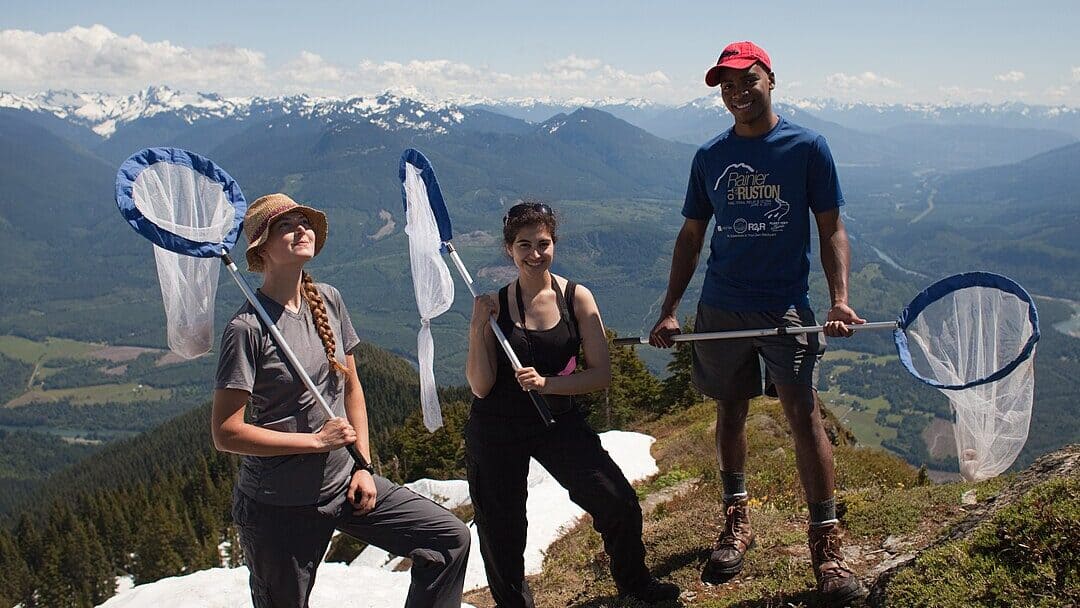
The landscape of citizen science wildlife monitoring in America is rich and diverse, with programs targeting various taxonomic groups and conservation challenges. The North American Butterfly Association’s Butterfly Count engages approximately 5,000 volunteers annually to monitor butterfly populations across the continent. FrogWatch USA, coordinated by the Association of Zoos and Aquariums, trains volunteers to identify frogs and toads by their calls, helping track amphibian populations that serve as important indicators of environmental health. The Coastal Observation and Seabird Survey Team (COASST) mobilizes over 1,000 volunteers to monitor marine bird mortality along Pacific Northwest beaches.
Mammal monitoring programs have also flourished. Projects like Snapshot USA use a coordinated network of camera traps across all 50 states to document mammal diversity and distribution, generating millions of images that volunteers help classify. Montana’s Wolverine Watch enlists backcountry skiers and snowmobilers to document rare wolverine sightings and tracks. These programs collectively form a nationwide monitoring network that complements professional scientific research while engaging diverse communities in wildlife conservation efforts.
The Scientific Value of Citizen-Collected Data
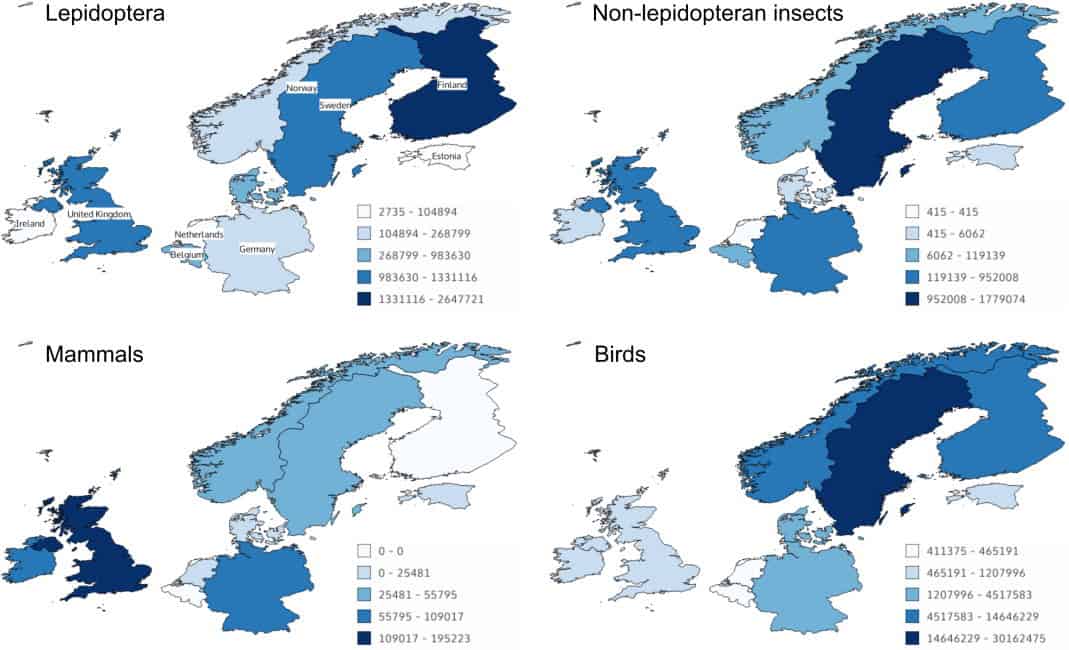
Despite initial skepticism from some academic quarters, citizen science data has proven its scientific merit. A 2019 meta-analysis published in Conservation Biology examined over 500 peer-reviewed studies and found that citizen science data was used in approximately 12% of all conservation science publications, with that percentage rising annually. When properly designed, citizen science programs implement rigorous protocols, training systems, and data validation procedures that produce reliable, high-quality information. The vast spatial and temporal coverage achieved through volunteer networks often surpasses what’s possible through conventional scientific staffing.
Citizen science has proven particularly valuable for tracking population trends over time. The North American Breeding Bird Survey data, collected primarily by amateur ornithologists, serves as the foundation for continental bird conservation planning and has documented the alarming 29% decline in North American bird populations since 1970. Similarly, the Monarch Larva Monitoring Project has generated crucial data on monarch butterfly reproduction rates across their breeding range, informing conservation strategies for this threatened species. The scientific community increasingly recognizes that well-designed citizen science programs produce data that complements rather than competes with traditional research approaches.
Ecological Discoveries Powered by Citizen Scientists

Citizen scientists have contributed to numerous significant ecological discoveries across America. In 2012, volunteers participating in the Lost Ladybug Project rediscovered the nine-spotted ladybug (Coccinella novemnotata) in New York, a native species thought to be locally extinct. Their continued monitoring has documented this beneficial insect’s gradual recovery. In California, citizen scientists participating in the Reef Check program documented the devastating impacts of sea star wasting disease along the Pacific coast beginning in 2013, providing critical early data on what became one of the largest marine disease outbreaks ever recorded.
Bird-focused citizen science has been particularly productive. eBird participants documented the dramatic shift in winter ranges of numerous bird species in response to climate change, with some species’ winter territories moving northward by more than 40 miles in just two decades. In urban environments, participants in neighborhood-based monitoring programs have documented surprising wildlife adaptations, including changes in bird song frequencies to overcome city noise and altered nocturnal behavior in mammals responding to artificial light. These discoveries highlight how citizen scientists often detect ecological changes that might otherwise go unnoticed, particularly in human-dominated landscapes where professional scientists conduct fewer studies.
Conservation Impacts and Policy Influence
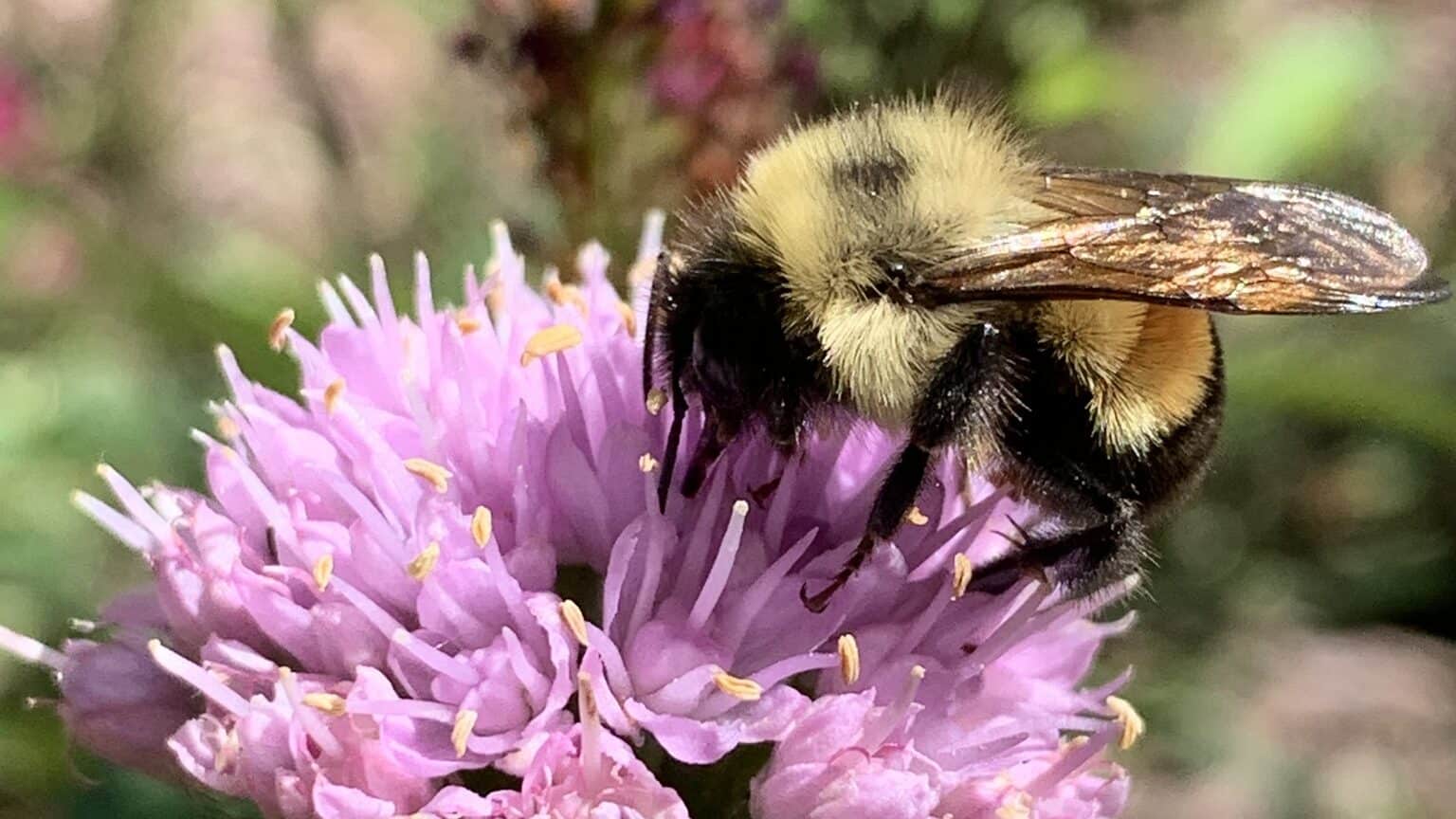
The conservation impact of citizen science extends beyond data collection to influence policy and management decisions. Volunteer-collected data has directly contributed to numerous Endangered Species Act listings and recovery plans. For example, the rusty patched bumble bee was listed as endangered in 2017 largely based on distribution data collected through the citizen science platform Bumble Bee Watch, which documented a 90% range reduction for this important pollinator. Similarly, citizen monitoring of sea turtle nesting beaches has informed protective ordinances regarding coastal lighting and development in Florida and other coastal states.
At the landscape level, eBird data identifying migratory bird hotspots has influenced the strategic acquisition of conservation lands by land trusts and government agencies. The U.S. Fish and Wildlife Service formally incorporates citizen science data into its wildlife management decisions, particularly for migratory birds and endangered species monitoring. In 2020, the agency released guidelines for integrating citizen science into official monitoring protocols, a testament to the increasing importance of these volunteer efforts. This policy influence represents one of the most significant outcomes of the citizen science movement, translating individual actions into collective conservation impact.
Demographic Challenges and Inclusion Efforts
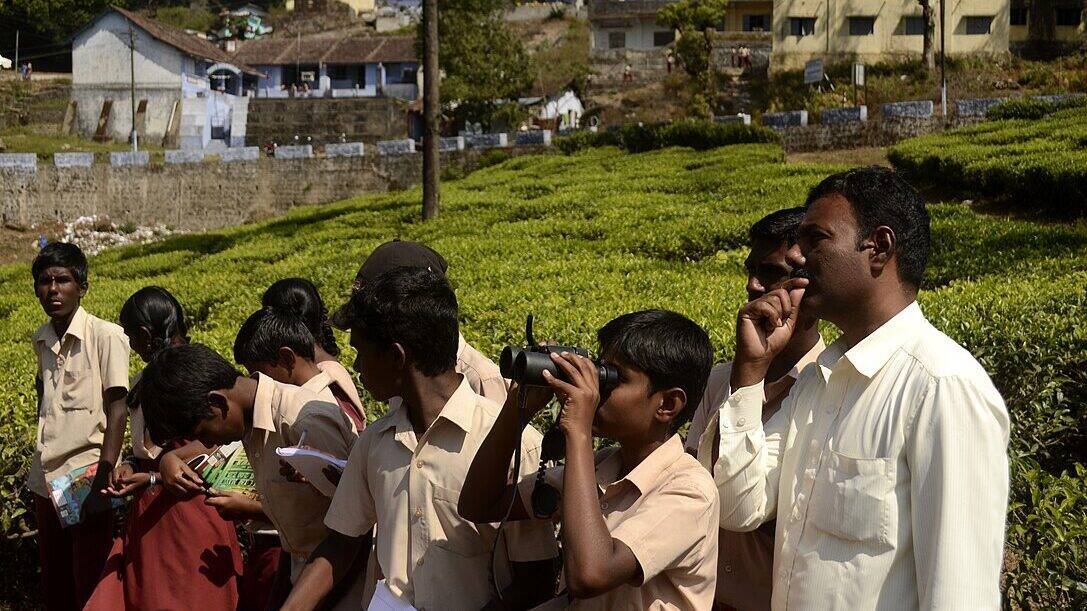
Despite its growth, citizen science faces significant demographic challenges. A 2018 survey by the Cornell Lab of Ornithology found that participants in major wildlife monitoring programs were overwhelmingly white (91%), educated (78% with college degrees), and middle to upper income (median household income of $75,000). This lack of diversity limits both the reach and perspective of citizen science efforts. In response, many organizations have launched initiatives specifically designed to broaden participation. The Urban Bird project focuses on engaging urban communities of color through multilingual materials and partnerships with community organizations. The Indigenous Phenology Network connects traditional ecological knowledge with scientific monitoring, creating culturally relevant participation pathways for Native American communities.
Geographic disparities also present challenges, with rural areas often underrepresented despite their importance to wildlife conservation. Programs like the Rural Engagement Initiative by the Ecological Society of America provide equipment, training, and connectivity solutions for rural participants. The Chicago-based Calumet is My Back Yard project engages underserved youth in environmental monitoring, building both science skills and career pathways. These inclusion efforts recognize that democratizing wildlife science requires intentional strategies to overcome historical barriers to participation in scientific activities.
Educational Benefits and Science Literacy

Participation in wildlife monitoring delivers significant educational benefits beyond the data collected. Research published in the Journal of Science Communication shows that regular citizen science participants demonstrate measurable improvements in science literacy, critical thinking skills, and understanding of the scientific process. For youth participants, these programs often provide formative experiences that inspire career paths in conservation and science. A five-year study of participants in the Youth Birding Program found that 68% of participants later pursued education or careers in environmental fields, compared to 9% of their peers.
Beyond formal knowledge, citizen science fosters what biologists call “nature connection”—a personal relationship with wildlife and natural systems that motivates conservation behaviors. A 2021 survey of 2,500 citizen scientists found that 89% reported increased concern for environmental issues and 73% had adopted new conservation behaviors (such as habitat-friendly gardening or reduced pesticide use) as a direct result of their monitoring experiences. Teachers have increasingly incorporated citizen science into their curricula, with programs like Project WILD providing ready-made activities that meet Next Generation Science Standards while engaging students in authentic scientific contribution.
Challenges in Data Quality and Program Sustainability
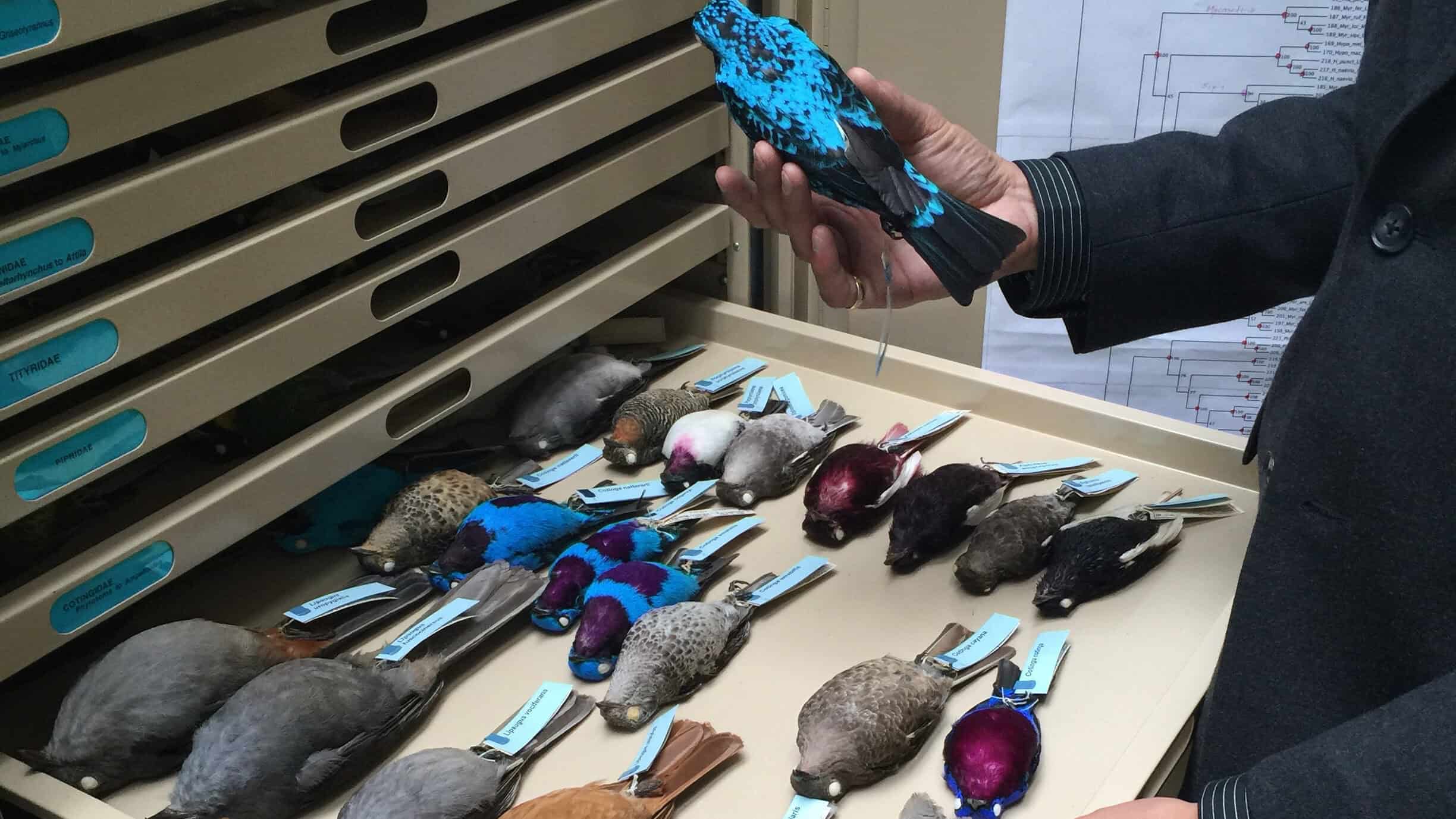
Despite its successes, citizen science faces ongoing challenges in maintaining data quality and program sustainability. Observer skill variation can introduce biases, particularly in programs requiring species identification or population estimation. Leading programs address these challenges through tiered participation systems that match tasks to skill levels, standardized protocols, expert verification systems, and statistical methods that account for observer variation. The eBird platform, for example, employs automated filters that flag unusual sightings for expert review, maintaining data integrity despite its massive volunteer base.
Financial sustainability represents another significant challenge. Many citizen science programs operate on shoestring budgets despite their scientific value. The North American Breeding Bird Survey, which informs millions of dollars in conservation decisions annually, operates on a budget of less than $500,000 per year. Innovative funding approaches include public-private partnerships, corporate sponsorships, and the integration of citizen science into agency monitoring budgets. The National Science Foundation has increasingly recognized citizen science through dedicated funding streams, including the Advancing Informal STEM Learning program. These funding mechanisms acknowledge that citizen science delivers exceptional return on investment compared to traditional research approaches.
The Future of Citizen Science in Wildlife Monitoring
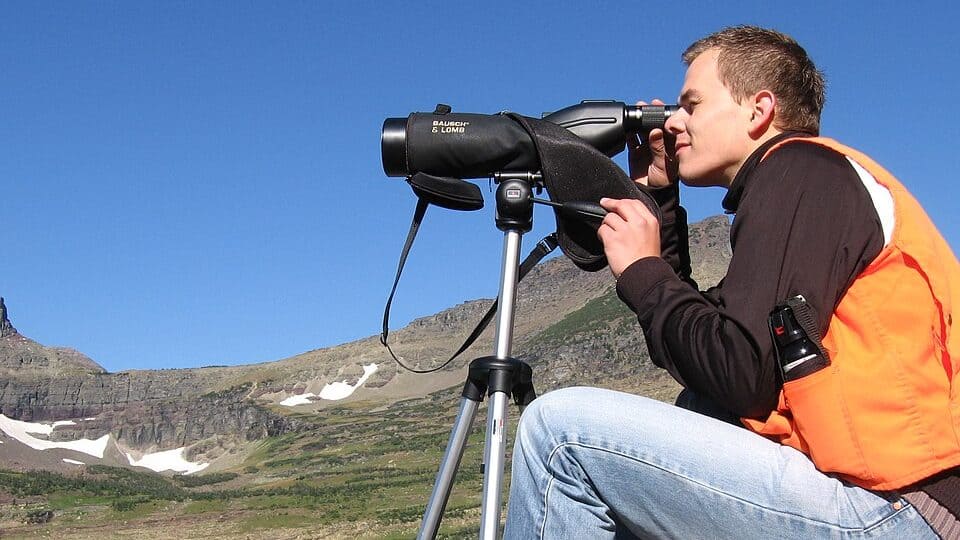
Looking ahead, citizen science appears poised for continued expansion and innovation in American wildlife monitoring. Emerging technologies like automated acoustic monitoring, environmental DNA sampling, and satellite-enabled tracking devices are becoming increasingly accessible to volunteer networks. The U.S. Citizen Science Association projects that participation could double by 2030 if current growth trends continue. Integration with artificial intelligence systems presents particularly promising opportunities, with machine learning algorithms helping to verify identifications and detect patterns in massive volunteer-collected datasets.
Climate change monitoring represents a frontier for citizen science expansion. Programs like Season Spotter engage volunteers in analyzing vegetation phenology (seasonal timing) through digital photographs, tracking climate impacts on plant and animal life cycles. The National Phenology Network’s Nature’s Notebook program coordinates observations of seasonal events like leaf-out, flowering, and animal migrations across the country, creating a comprehensive picture of climate impacts on ecological systems. These programs will become increasingly valuable as ecosystems respond to accelerating climate change, providing early detection of impacts that inform both conservation strategies and climate adaptation policies.
The rise of citizen science represents nothing less than the democratization of wildlife monitoring in America. What was once the exclusive domain of professional scientists has become an inclusive endeavor engaging millions of Americans from diverse backgrounds and regions. This transformation has expanded not only the scale of wildlife monitoring but also its connection to communities and public policy. The collective efforts of volunteer observers have filled critical data gaps, detected emerging threats, and built a constituency for science-based conservation action.
The citizen science movement demonstrates that conservation is not solely the responsibility of professionals or government agencies but a shared societal commitment. Through their patient observation and documentation, citizen scientists have created a unprecedented portrait of America’s wildlife—its diversity, its challenges, and its resilience. As biodiversity faces mounting pressures from habitat loss, climate change, and other human impacts, these volunteer efforts take on even greater importance.
The future of American wildlife depends in no small part on our ability to understand and respond to complex environmental changes. Citizen scientists, armed with field guides, smartphones, and passionate curiosity, have become essential partners in this endeavor. Their contributions remind us that scientific discovery remains accessible to anyone willing to observe carefully and participate in the collective enterprise of understanding the natural world. As this movement continues to grow, it promises to strengthen both our scientific understanding and our societal commitment to wildlife conservation.
In a time of unprecedented environmental change, the watchful eyes of citizen scientists across America provide both hope and essential data for ensuring that future generations will inherit a nation still rich in wildlife diversity. Their efforts embody the democratic ideal that everyone can contribute to scientific knowledge and the conservation of our shared natural heritage.

- Chocolate and Wildlife: How Cocoa Farming Affects Rainforest Animals - July 21, 2026
- How Koalas Survive on a Diet of Toxic (To Humans) Eucalyptus Leaves - July 21, 2026
- Where to Catch a Glimpse of River Otters in the Wild - July 21, 2026