


In the frigid waters of the world’s oceans, a remarkable predator-prey relationship unfolds that has captured the attention of marine biologists and wildlife enthusiasts alike. Orcas, often called killer whales, have developed sophisticated hunting strategies that include coordinated attacks on sea lion colonies. These events, sometimes sensationalized as “gang raids,” represent complex ecological interactions rather than random acts of violence. Behind the dramatic surface appearances lies a fascinating story of evolution, adaptation, and the intricate balance of marine ecosystems. This article explores the reality behind orca predation on sea lions, separating fact from fiction and revealing the true nature of these impressive marine hunters.
The Natural Role of Orcas as Apex Predators

Orcas (Orcinus orca) stand at the pinnacle of marine food chains worldwide. As the ocean’s true apex predators, they have no natural predators themselves and play a crucial ecological role in maintaining healthy marine ecosystems. Their presence helps regulate populations of prey species, which can prevent overgrazing of marine vegetation and maintain biodiversity throughout the food web.
Although sometimes called “killer whales,” orcas are actually the largest members of the dolphin family (Delphinidae) and are renowned for their intelligence, social complexity, and sophisticated hunting strategies. Their predatory behavior toward sea lions and other marine mammals represents not ruthless aggression but rather their evolutionary adaptation to survive in challenging marine environments where energy-rich prey is essential for sustaining their large bodies and complex social structures.
Understanding Orca Ecotypes and Specialization

One of the most fascinating aspects of orca biology is their specialization into different ecotypes. Scientists recognize several distinct populations of orcas that have specialized in different prey and hunting techniques. Transient (or Bigg’s) orcas specialize in hunting marine mammals, including sea lions, seals, and even other whales. Resident orcas primarily target fish, particularly salmon.
Offshore orcas feed on sharks and other fish, while Antarctic orcas have developed various specializations, including creating waves to wash seals off ice floes. This specialization extends to distinct vocal dialects, social structures, and hunting techniques that are passed down through generations. The orcas that raid sea lion colonies are typically transient orcas that have evolved specific strategies for hunting marine mammals efficiently. These distinct ecological roles highlight how orcas have adapted to exploit different niches in marine ecosystems around the world.
The Coordinated Hunting Strategies of Orca Pods

What might appear as “gang” behavior to human observers is actually highly sophisticated cooperative hunting. Orca pods hunting sea lions display remarkable coordination and communication. They often employ a division of labor, with some members herding prey while others block escape routes. Some pods have developed techniques specific to targeting prey on shorelines or ice floes, such as intentionally creating waves to wash sea lions into the water or briefly beaching themselves to capture prey on land before sliding back into deeper water.
These complex behaviors require not only intelligence but also precise coordination among pod members. Communication during hunts involves both vocal signals and physical positioning. Such advanced cooperative hunting is rare in the animal kingdom and demonstrates the exceptional cognitive abilities of orcas. Rather than random acts of violence, these coordinated attacks represent millions of years of evolutionary refinement to efficiently obtain the high-calorie food sources necessary for survival.
Sea Lion Colony Dynamics and Defense Mechanisms

Sea lion colonies have not remained passive targets for orca predation. Over evolutionary time, they have developed various defensive strategies to mitigate predation risk. Colony formation itself provides safety in numbers, with multiple vigilant animals more likely to detect approaching predators. When orcas are detected, sea lions typically respond with rapid movement to shorelines where the larger predators cannot follow, or by clustering tightly together to make individual targeting more difficult.
Some species, like Steller sea lions, have evolved to be larger, providing some defense against predation. Sea lions also time their breeding and pupping seasons strategically, often choosing protected beaches with limited water access. Despite these adaptations, orcas continue to successfully hunt sea lions by exploiting vulnerabilities, such as targeting individuals separated from the colony or using specialized techniques to overcome defensive strategies. This ongoing evolutionary arms race has shaped both predator and prey behaviors over millennia.
The Ecological Impact of Orca Predation
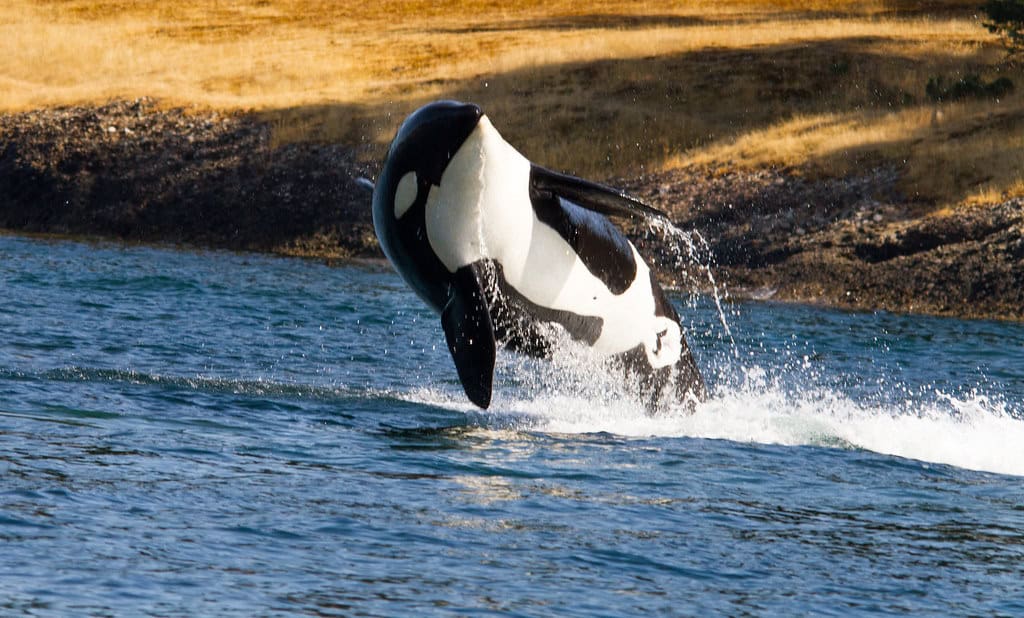
Orca predation on sea lion colonies serves vital ecological functions beyond simply feeding the predators. As apex predators, orcas help maintain healthy populations of sea lions by removing sick, injured, or weak individuals, thereby strengthening the overall genetic fitness of prey populations. This selective pressure has driven the evolution of sea lion speed, agility, and social behaviors. Additionally, orca predation prevents sea lion overpopulation, which could lead to overgrazing of fish stocks and disruption of coastal ecosystems.
Research in the Aleutian Islands has demonstrated cascading ecological effects when orca predation patterns shift. When orcas reduced sea lion numbers, sea urchin populations—which sea lions help control by eating urchin-consuming fish—increased dramatically, leading to the decimation of kelp forests through overgrazing. This illustrates how orca predation helps maintain balanced, functioning marine ecosystems through trophic cascades that affect multiple species across different levels of the food web.
Cultural Transmission of Hunting Techniques

One of the most fascinating aspects of orca hunting behavior is how techniques are passed down through generations as cultural knowledge. Young orcas do not instinctively know how to hunt sea lions effectively; they learn by observing and participating in hunts alongside experienced pod members. This cultural transmission of knowledge allows for regional specialization in hunting techniques and explains why different orca populations around the world have developed distinct strategies for targeting the same prey species.
In Argentina’s Peninsula Valdés, orcas have famously developed a technique of intentionally stranding themselves temporarily on beaches to capture sea lion pups, a behavior found nowhere else in the world. Studies have documented mother orcas actively teaching this risky technique to their calves through demonstration and assisted practice. This cultural learning represents a form of non-genetic inheritance that allows orcas to rapidly adapt hunting strategies to changing environmental conditions or prey defenses without waiting for genetic evolution—a significant advantage for a long-lived species that produces few offspring.
Seasonal Patterns in Orca Raids

Orca predation on sea lion colonies is not random but follows predictable seasonal patterns that coincide with vulnerable periods in sea lion life cycles. Many orca pods time their hunting efforts to coincide with sea lion pupping seasons, when inexperienced young provide easier targets. For example, in the Punta Norte region of Argentina, orcas increase their presence during October through December when sea lion pups are learning to swim. Similarly, in the Bering Sea, orca predation intensity increases during spring when young Steller sea lions are first entering the water.
These seasonal patterns demonstrate the sophisticated ecological awareness of orca pods, which track the reproductive cycles of their prey and adjust their movements accordingly. Some pods have been documented traveling hundreds of miles to arrive at sea lion rookeries precisely when hunting conditions are optimal. This temporal precision allows orcas to maximize their energy gain while minimizing hunting effort, reflecting their deep integration into the rhythms of marine ecosystems.
The Anthropomorphic Mischaracterization as “Gangs”

The portrayal of orca hunting groups as “gangs” represents a problematic anthropomorphization that projects human moral frameworks onto natural ecological processes. Terms like “gangs” and “raids” carry connotations of malicious intent and unnecessary violence that misrepresent the biological reality of predator-prey relationships. Orcas hunt sea lions not out of cruelty but out of biological necessity—they must consume large quantities of high-calorie food to survive in cold ocean environments.
What might appear brutal to human observers represents millions of years of evolutionary adaptation on both sides. This mischaracterization can influence public perception of orcas and potentially impact conservation attitudes. Even terms like “killer whale” contribute to a distorted image of these animals as uniquely aggressive, despite the fact that orcas have never been documented killing humans in the wild. Understanding orca predation in its proper ecological context allows for a more accurate appreciation of these complex marine predators and their ecological role.
Regional Variations in Hunting Behaviors

Orca predation on sea lions shows remarkable regional variation, with different populations developing specialized techniques adapted to local conditions. In Patagonia, orcas have developed the previously mentioned intentional stranding technique to capture sea lion pups on beaches. In contrast, orcas hunting Steller sea lions in Alaska’s Aleutian Islands typically employ a strategy of silent, coordinated approaches to rookeries, followed by rapid attacks that prevent escape to shore.
In the Crozet Islands of the southern Indian Ocean, orcas have developed techniques for washing seals off ice floes by creating coordinated waves. These regional variations demonstrate both the behavioral plasticity of orcas and the influence of local geography, prey behavior, and environmental conditions on hunting strategies. The differences also highlight the role of cultural transmission in orca societies, as specific techniques become established traditions within particular populations. These regional specializations allow orcas to efficiently exploit prey resources across diverse marine environments from polar to temperate waters.
The Role of Research and Documentation

Scientific research has transformed our understanding of orca predation on sea lions through long-term studies, innovative tracking technologies, and underwater observation. Early research relied primarily on surface observations, which provided limited insights into underwater hunting dynamics. Modern studies employ drone footage, underwater cameras, acoustic monitoring, and satellite tracking to build a comprehensive picture of these predator-prey interactions. Long-term research projects, such as the 45+ year study of orcas in the Pacific Northwest, have allowed scientists to document how hunting strategies evolve over time and are transmitted between generations.
These research efforts have revealed the complexity of what once appeared to be simple predation events. Scientific documentation has also helped correct misconceptions popularized by sensationalized wildlife documentaries that sometimes portray orca hunting behavior out of ecological context. Ongoing research continues to reveal new aspects of orca hunting behavior, including evidence of strategic planning, prey specialization within pods, and the neurological basis for their complex cooperative behaviors.
Conservation Implications and Human Interactions

The predator-prey relationship between orcas and sea lions faces growing disruption from human activities. Commercial fishing can reduce prey availability for both species, potentially intensifying predation pressure on sea lion colonies when fish populations decline. Marine pollution, particularly persistent organic pollutants, accumulates in both predator and prey, with apex predators like orcas suffering the highest contamination levels through biomagnification.
Climate change is altering the distribution of prey species and affecting the timing of sea lion breeding seasons, potentially creating mismatches between orca movements and traditional hunting opportunities. In some regions, humans have directly intervened in this relationship by culling sea lions perceived to compete with fisheries, which can alter natural predator-prey dynamics. Conservation efforts increasingly recognize the importance of preserving not just individual species but entire ecological relationships. Protecting both orcas and sea lions requires ecosystem-based management approaches that consider predator-prey dynamics, marine food webs, and the effects of human activities on these natural processes.
Ethical Considerations in Observing Natural Predation

The observation of orcas hunting sea lions raises important ethical questions about human responses to witnessing predation. Wildlife tourism focusing on these dramatic events has grown substantially, creating both educational opportunities and potential disturbance to natural behaviors. Tour boats that approach too closely may interfere with hunting sequences or cause stress to both predator and prey. For researchers and wildlife managers, questions arise about when, if ever, to intervene in natural predation events.
Generally, scientific ethics support non-intervention in natural processes, even when they may appear disturbing to human observers. For wildlife photographers and filmmakers, ethical considerations include how to present predation events in ways that educate without sensationalizing violence or anthropomorphizing natural behaviors. These ethical dimensions highlight the complexity of human relationships with wildlife and the importance of developing observation practices that respect natural ecological processes while fostering scientific understanding and public appreciation for marine ecosystems.
Understanding the Truth Behind Orca Predation on Sea Lions
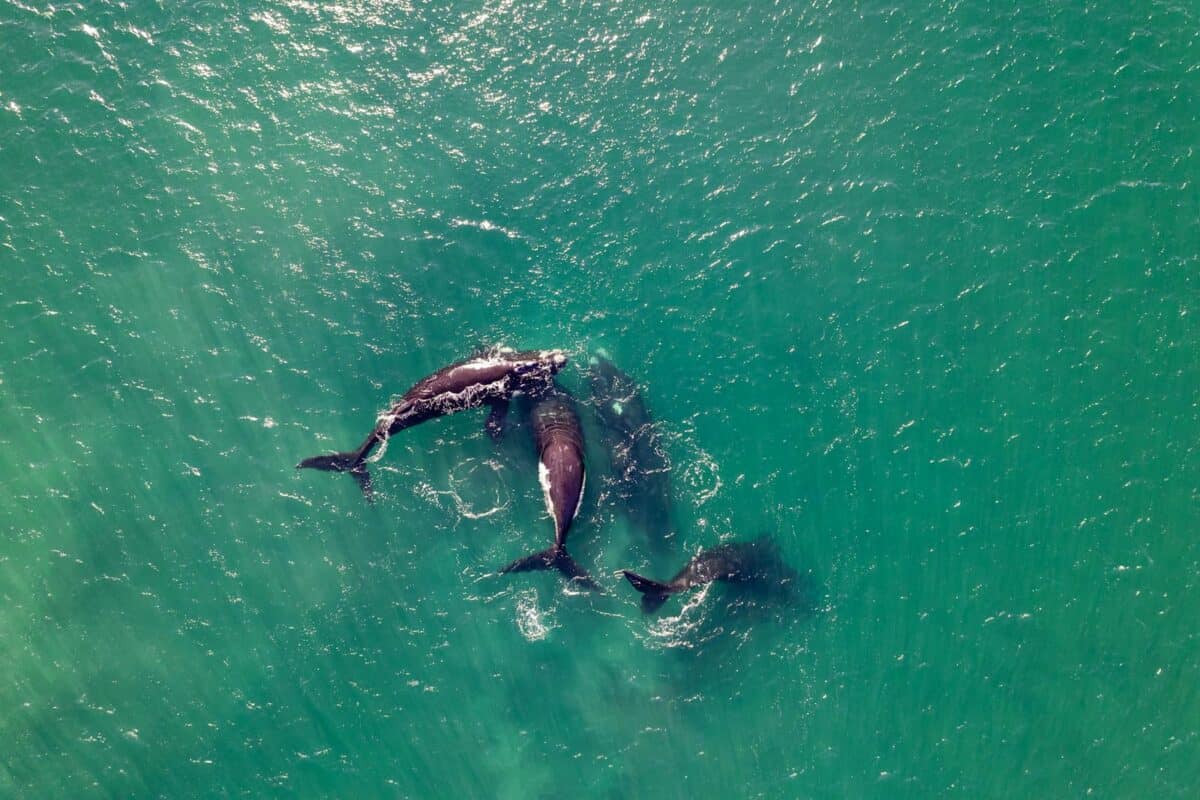
The characterization of orcas as forming “gangs” to “raid” sea lion colonies fundamentally misrepresents what is actually a sophisticated ecological relationship shaped by millions of years of evolution. These predation events represent not random violence but precisely adapted hunting strategies developed by highly intelligent social predators fulfilling their ecological role. The remarkable coordination, regional specialization, and cultural transmission of hunting techniques among orcas demonstrate their complex cognitive abilities and deep integration into marine ecosystems.
For sea lions, predation by orcas has driven the evolution of defensive strategies and colony behaviors that help ensure species survival despite predation pressure. Rather than viewing these interactions through an anthropomorphic lens, we gain deeper appreciation of marine ecosystems by understanding them as essential components of healthy oceans where predator and prey have co-evolved in dynamic balance. By recognizing the truth behind orca predation on sea lions, we can better appreciate the remarkable adaptations of both species and the importance of conserving the ecological relationships that sustain marine biodiversity.

From exploring the marine wonders in the Azores and witnessing the vast savannas of Kenya, to delving deep into the rich biodiversity of South Africa and traversing iconic landscapes in Australia and the US like Yellowstone, Chris's experiences are vast.
With a penchant for diving alongside sharks, the ocean holds a special place in his heart.
Through his academic insights, he champions wildlife conservation, striving with 'Animals Around The Globe' to cultivate a profound connection between humans and animals, enhancing our mutual appreciation.
Connect with him at Feedback@animalsaroundtheglobe.com.
- This Monkey Has a Mustache - July 21, 2026
- How Steve Irwin Changed the World’s View of Wildlife - July 21, 2026
- The Catfish That Caused Earthquakes in Japanese Folklore - July 21, 2026