


Snakes are among nature’s most fascinating predators, distinguished by their remarkable ability to consume prey much larger than their own head size. Unlike mammals that tear their food into manageable pieces, snakes have evolved specialized anatomical features that allow them to swallow prey whole. Their highly flexible jaws aren’t actually dislocated during feeding as commonly believed, but rather connected by stretchy ligaments that permit extraordinary expansion. This adaptation, combined with their unique skull structure featuring independently movable bones, enables snakes to work their mouths around prey in a process that can sometimes take hours.
The digestive system of snakes is equally impressive, producing powerful enzymes that can break down entire animals, including bones, fur, and feathers. Most snakes are opportunistic feeders, but they do show preferences for certain prey types while avoiding others that might be dangerous, unpalatable, or simply too difficult to consume. This article explores ten common prey items that various snake species readily consume whole, as well as five types of potential prey that snakes typically avoid—offering a window into the complex feeding behaviors of these remarkable reptiles.
Mice and Rats The Ultimate Snake Staple

Rodents, particularly mice and rats, form the cornerstone of most snake diets in both wild and captive settings. These mammals provide an ideal nutritional package for snakes, offering a balanced ratio of protein, fat, and calcium from their bones. Species like corn snakes, king snakes, ball pythons, and most vipers have evolved specifically to target these abundant prey animals. Their hunting techniques vary—some like rattlesnakes use heat-sensing pits to detect rodents’ body heat, while constrictors like pythons ambush and squeeze their prey before consumption.
The size relationship between snakes and their rodent prey follows predictable patterns. Juvenile snakes typically begin with newborn “pinky” mice, gradually progressing to adult rodents as they grow. Larger snake species can consume impressively sized rats—a 15-foot reticulated python might easily swallow a 2-pound rat. In captivity, most snake owners provide pre-killed rodents to avoid the risk of injury to their pet from live prey fighting back. The widespread availability and nutritional value of rodents make them the perfect fuel for a snake’s relatively slow metabolism, allowing some species to go weeks or even months between meals after consuming a substantial rodent meal.
Birds Aerial Prey for Ambitious Snakes
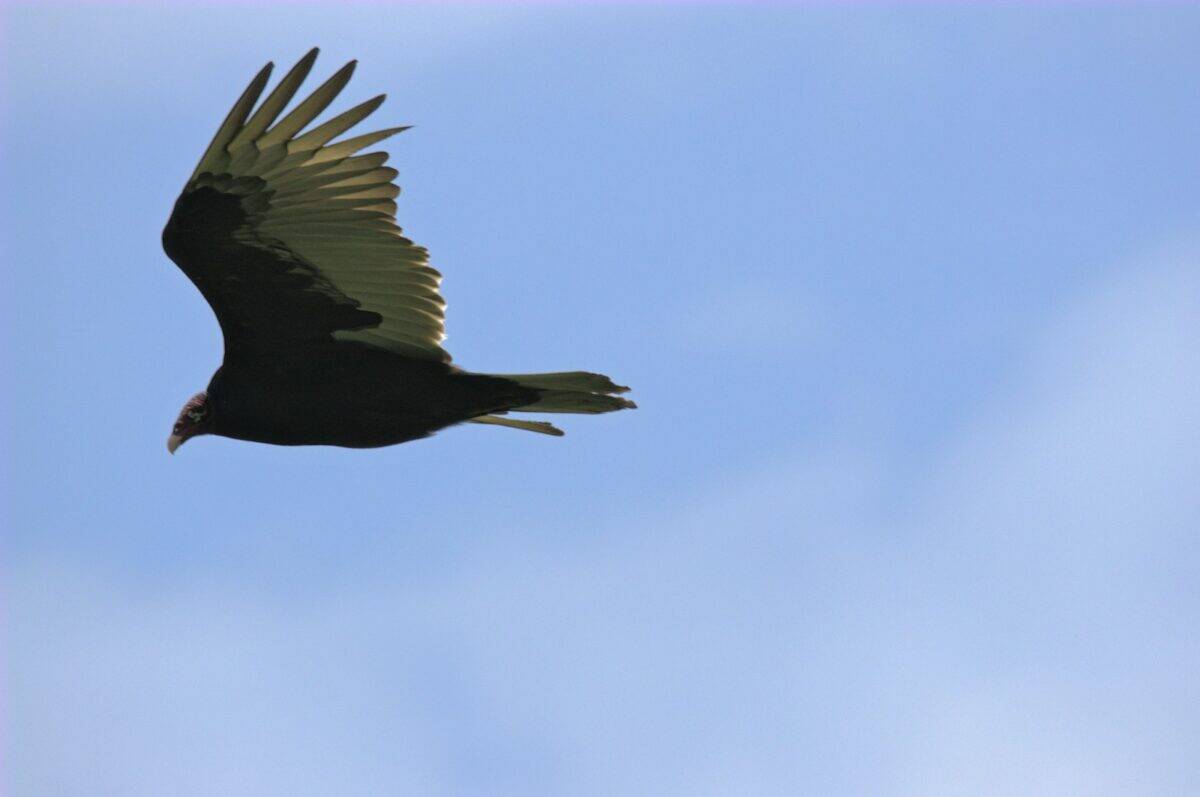
Birds represent a significant food source for many snake species worldwide, particularly arboreal (tree-dwelling) snakes that have evolved to hunt in the canopy. Species like the emerald tree boa and green tree python display remarkable adaptations for bird predation, including cryptic coloration that helps them blend with foliage and specialized heat-sensing pits that can detect the body warmth of nearby birds. Some of the most specialized avian hunters are found in the Boiga genus, including the brown tree snake, which has decimated bird populations after being introduced to Guam, demonstrating the efficiency of snakes as bird predators.
The consumption process for birds presents unique challenges compared to mammalian prey. Snakes must navigate around wings, feathers, and beaks—structures that can potentially cause injury during swallowing. Many snake species target eggs and nestlings when available, as they present less resistance during consumption. Larger snakes like pythons and certain constrictors will tackle adult birds, including chickens and wild fowl. When consuming birds, snakes typically begin with the head, which streamlines the swallowing process and prevents wings from extending outward. The powerful digestive acids in a snake’s stomach efficiently break down feathers and hollow bones, leaving little waste behind after digestion is complete.
Eggs Perfect Packages of Nutrition

Eggs represent a nutritional goldmine for snakes, offering concentrated protein and fat without the risks associated with capturing live prey. Several snake species have evolved specifically to exploit this resource, most notably the egg-eating snakes of the genus Dasypeltis found in Africa. These remarkable specialists can consume eggs that appear impossibly large for their slender bodies. They possess reduced teeth and specialized vertebral processes that project into the esophagus, functioning as “egg teeth” that crack the shell after it’s swallowed. The snake then expels the crushed shell while retaining the nutritious contents—a fascinating adaptation that allows them to extract maximum nutrition with minimal waste.
Other snake species that regularly include eggs in their diet include rat snakes, king snakes, and cobras. These opportunistic feeders will raid bird nests when available, though they lack the extreme specializations of true egg-eaters. The king cobra, interestingly, primarily hunts other snakes but will supplement its diet with bird eggs when encountered. For many snake species, eggs represent an important seasonal food source that becomes available during bird breeding seasons. In captivity, snake owners occasionally offer quail eggs as dietary enrichment for certain species, though they generally don’t provide complete nutrition on their own for most snakes.
Fish Prey for Aquatic Specialists

Aquatic and semi-aquatic snake species have evolved remarkable adaptations for capturing and consuming fish. Water snakes (Nerodia species), garter snakes, and the true sea snakes are among the most proficient fish hunters in the serpent world. These species possess specially adapted sensory organs that can detect water vibrations and chemical cues released by fish. Their hunting techniques vary—some remain motionless with open mouths, ambushing fish that swim too close, while others actively pursue prey through the water. The North American water snake can consume fish nearly half its own body weight, demonstrating the impressive capacity of these specialized predators.
Anatomical adaptations for fish consumption include backwards-pointing teeth that help secure slippery prey and valved nostrils that can close underwater. Sea snakes have evolved particularly toxic venom that immobilizes fish quickly, preventing escape in the open water environment. After capture, most fish-eating snakes manipulate their prey to swallow it headfirst, which reduces resistance from fins and scales during consumption. Digestion of fish presents unique challenges, as fish bones are more flexible than mammalian skeletons, but snake digestive systems handle them efficiently. Some captive water snakes and garter snakes are maintained on diets primarily consisting of whole fish, though owners must ensure proper vitamin supplementation, as captive fish may not provide the same nutritional profile as wild prey.
Other Snakes Cannibalistic Consumption

Ophiophagy—the consumption of other snakes—is a specialized feeding strategy employed by several snake species. The king cobra stands as perhaps the most famous snake-eater, with a diet consisting predominantly of other serpents, including venomous species. King snakes (Lampropeltis genus) have earned their regal name through their remarkable ability to prey upon other snakes, including rattlesnakes. These ophiophagous specialists possess a natural resistance to the venom of pit vipers, allowing them to consume these dangerous prey items without harm. The common kingsnake can overpower and consume rattlesnakes larger than themselves, typically beginning with the head to neutralize the venomous threat immediately.
Other notable snake-eaters include the indigo snake, mussuranas, and certain species of coral snakes. The ecological implications of ophiophagy are significant; snake-eating snakes help control populations of other snake species, including those dangerous to humans. Interestingly, many ophiophagous species show cannibalistic tendencies, consuming members of their own species when opportunity arises. This behavior presents challenges for captive keepers, who must house these snakes individually to prevent cannibalism. When consuming other snakes, ophiophagous species typically swallow their serpentine meals headfirst, with the prey’s body essentially folding in half as it passes through the predator’s digestive tract—a remarkable demonstration of a snake’s digestive capabilities.
Amphibians Frogs, Toads, and Salamanders

Amphibians constitute a significant prey category for numerous snake species worldwide, with certain snakes having evolved specific adaptations for capturing and consuming these slippery creatures. Garter snakes, ribbon snakes, and hognose snakes are particularly adept amphibian hunters in North America, while species like the Asian vine snake specialize in tree frog predation. These snakes have developed heightened resistance to the toxic skin secretions produced by many amphibian species, particularly toads. The Eastern hognose snake possesses enlarged rear teeth that help puncture the inflated bodies of toads, which often puff up as a defensive mechanism when threatened.
The hunting strategies employed for amphibian capture vary by species and habitat. Aquatic hunters may lurk near shorelines to ambush frogs as they emerge from water, while arboreal specialists stalk tree frogs among vegetation. After capture, most snakes maneuver amphibians to swallow them headfirst, which prevents limbs from splaying outward during consumption. Amphibians provide excellent nutritional value for snakes, offering high protein content with relatively little indigestible material. However, certain amphibian species present challenges—the cane toad of Australia produces toxins potent enough to kill many predators, including snakes not specifically adapted to handle such potent chemical defenses. This toxicity represents one reason why some snakes reject certain amphibian species, even when they readily consume others.
Lizards Reptilian Prey for Specialized Hunters
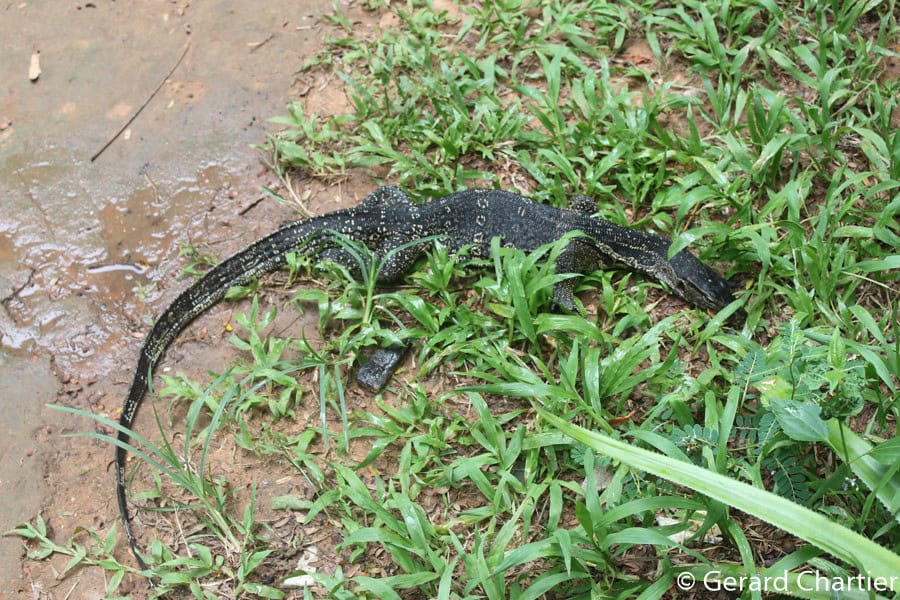
Lizards feature prominently in the diets of many snake species, particularly those in arid and tropical environments where lizards represent an abundant prey resource. Coachwhips, racers, and whipsnakes are among the most prolific lizard hunters, possessing the speed and agility necessary to chase down these quick-moving prey items. Juvenile snakes of many species begin life specializing in lizards before transitioning to larger prey as they grow. Some snake species, like the common sharp-tailed snake, have evolved specialized diets focused almost exclusively on specific lizard prey—in this case, small skinks and their eggs.
The consumption of lizards requires snakes to overcome several challenges. Many lizard species practice caudal autotomy—the ability to detach their tails when captured—which can momentarily distract predators. Specialized lizard-eating snakes counter this defense by striking at the head or midsection rather than the tail. Some lizard species also possess spiny projections or hard scales that can complicate the swallowing process. When consuming larger lizards, snakes typically begin with the head, which prevents limbs from extending outward during ingestion. Notably, monitor lizards represent a role reversal in this predator-prey relationship—these large lizards are known to prey upon snakes, including venomous species, demonstrating the complex interactions within reptilian food webs.
Small Mammals Beyond Mice and Rats

While rodents form the bulk of many snake diets, numerous snake species regularly consume a diverse array of other small mammals. Rabbits and hares are staple prey for larger snake species, including various python and boa species. The reticulated python, one of the world’s longest snakes, can consume prey as large as young deer, while anacondas are known to take capybaras—the world’s largest rodent. These substantial meals can sustain large constrictors for weeks or even months. Medium-sized snakes like fox snakes and bull snakes frequently target moles, voles, and shrews, filling important ecological roles by controlling these prolific small mammal populations.
Bats represent a specialized prey item for certain snake species with unique hunting adaptations. The Cuban boa has been documented using a remarkable cooperative hunting strategy, positioning themselves at cave entrances to capture bats in flight. Similarly, certain arboreal species like the brown tree snake will position themselves near bat roosts to ambush these flying mammals. When consuming non-rodent mammals, snakes face varied challenges—rabbits have powerful hindlimbs that must be managed during swallowing, while bats present awkward wing structures. Regardless of the mammalian prey type, most snakes employ a headfirst consumption strategy that streamlines the swallowing process and prevents limbs from extending outward, making these diverse mammalian prey accessible to serpent predators.
Invertebrates Small Prey for Small Snakes

Invertebrates constitute a critical food source for many smaller snake species and juvenile snakes of larger species. Earthworms form the dietary foundation for species like the ring-necked snake, red-bellied snake, and western ground snake—these specialized hunters possess adaptations for detecting the subtle vibrations of worms moving through soil. Their smaller skull dimensions and specialized dentition allow them to efficiently capture and consume these soft-bodied prey. Similarly, rough earth snakes have evolved to specialize in earthworm predation, spending most of their lives underground where they can access this abundant food source.
Beyond earthworms, various snake species consume an array of other invertebrates. Slugs and snails are targeted by certain specialized predators like the Asian slug snake, which has evolved teeth specifically designed for extracting these mollusks from their shells. Insects, particularly soft-bodied larvae, feature in the diets of numerous small snake species and juveniles. Thread snakes—among the world’s smallest snake species—specialize in consuming ant and termite larvae, their diminutive size allowing them to enter insect nests. Even scorpions, despite their formidable defenses, are regularly consumed by certain snake species with resistance to their venom, such as the western shovel-nosed snake. These invertebrate specialists demonstrate the remarkable dietary adaptability within the snake world, with specialized feeding strategies evolving to exploit virtually every available prey niche.
Crocodilians Ambitious Meals for Giant Snakes
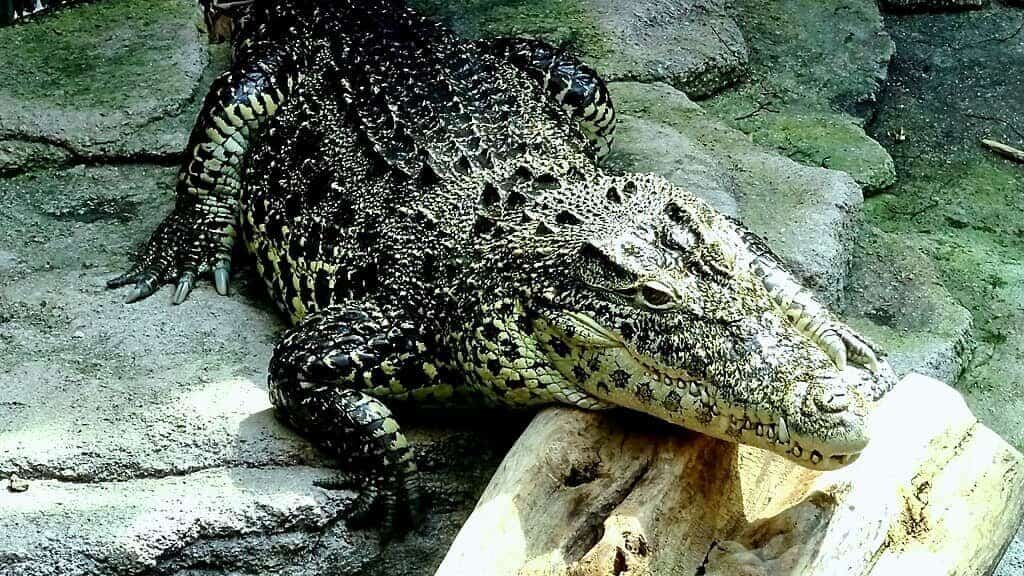
While rare, predation on young crocodilians represents one of the most dramatic examples of snake feeding capabilities. Large constrictors, particularly green anacondas and reticulated pythons, occasionally consume juvenile alligators, caimans, and crocodiles in their native ranges. These interactions typically occur in shallow water environments where the massive snakes can successfully overpower young crocodilians before they reach a size that would make them dangerous opponents. Documented cases include pythons in Florida’s Everglades consuming American alligators and anacondas taking young caimans in South American wetlands. These predation events demonstrate the remarkable capabilities of the world’s largest snakes.
The consumption of juvenile crocodilians presents significant challenges, even for massive snakes. The prey’s armored scales, powerful bite, and strong limbs make them formidable meals. Successful predation typically involves the snake ambushing and constricting the young crocodilian underwater, where the reptile’s mobility is somewhat restricted. The snake must then maneuver the prey for headfirst consumption, preventing the legs and tail from creating resistance during swallowing. These ambitious meals carry risks—there have been documented cases of large alligators rupturing python bodies when the snake had underestimated prey size. Such interactions between apex predators highlight the thin line between predator and prey in certain ecosystems, where body size often determines the outcome of these dramatic encounters.
Prey Snakes Reject: Hedgehogs and Porcupines
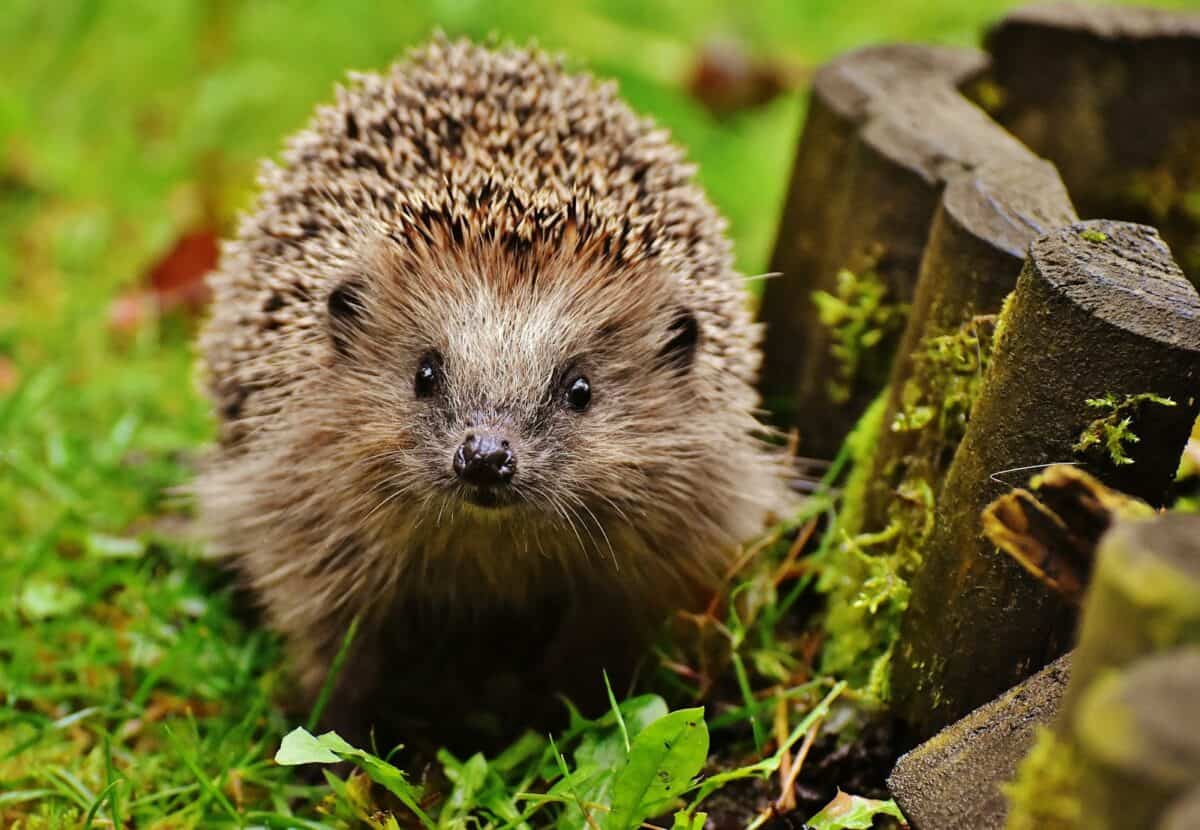
Despite their impressive feeding capabilities, snakes demonstrate clear avoidance of certain prey types that pose significant consumption challenges or dangers. Spiny mammals like hedgehogs and porcupines top the list of rejected prey. The European hedgehog’s defensive mechanism of rolling into a ball presents an impenetrable barrier of approximately 5,000 spines, making them virtually impossible for snakes to consume safely. Similarly, porcupines bristling with sharp quills represent a lethal meal for potential serpent predators. These specialized defense mechanisms have evolved specifically to deter predation from a wide range of carnivores, including snakes.
There have been documented cases where snakes attempting to consume these spiny mammals suffered fatal consequences. Pythons occasionally attempt to constrict and consume porcupines, but the result is typically the snake’s death as quills penetrate digestive organs. The defensive quills of porcupines are designed with backward-facing barbs that drive deeper when pressure is applied—precisely what happens during a snake’s constriction attempt. The few snakes that occasionally tackle such dangerous prey typically target juvenile specimens with underdeveloped spines or quills. Even specialized snake-eating mammals like mongooses possess thick, loose skin that makes them difficult for snakes to efficiently constrict and consume, creating another challenge that discourages serpents from making such attempts. As a result, these mammals are generally avoided altogether in the wild. Evolution has taught snakes to recognize the threat such prey presents—either through painful past encounters or innate aversion to their distinct odor and appearance.
Toads with Toxic Defenses

While many snakes consume amphibians regularly, some toads possess potent toxins that make them inedible or even fatal to the wrong predator. Chief among these is the cane toad (Rhinella marina), an invasive species infamous for its deadly impact on Australian snakes. These toads secrete bufotoxins from parotoid glands behind their eyes—chemicals powerful enough to disrupt cardiac function and cause death in many native snakes.
Unfortunately, the introduction of cane toads into environments with non-resistant snakes has led to devastating population declines. Species like the red-bellied black snake and the death adder have suffered greatly, as they attempt to eat these toads and succumb to the toxins. Over time, some snakes have evolved a degree of resistance or learned to avoid the toads altogether. Even in their native range, many snakes instinctively avoid particularly toxic toads, opting for less dangerous amphibians instead.
Large Ungulates and Hoofed Mammals
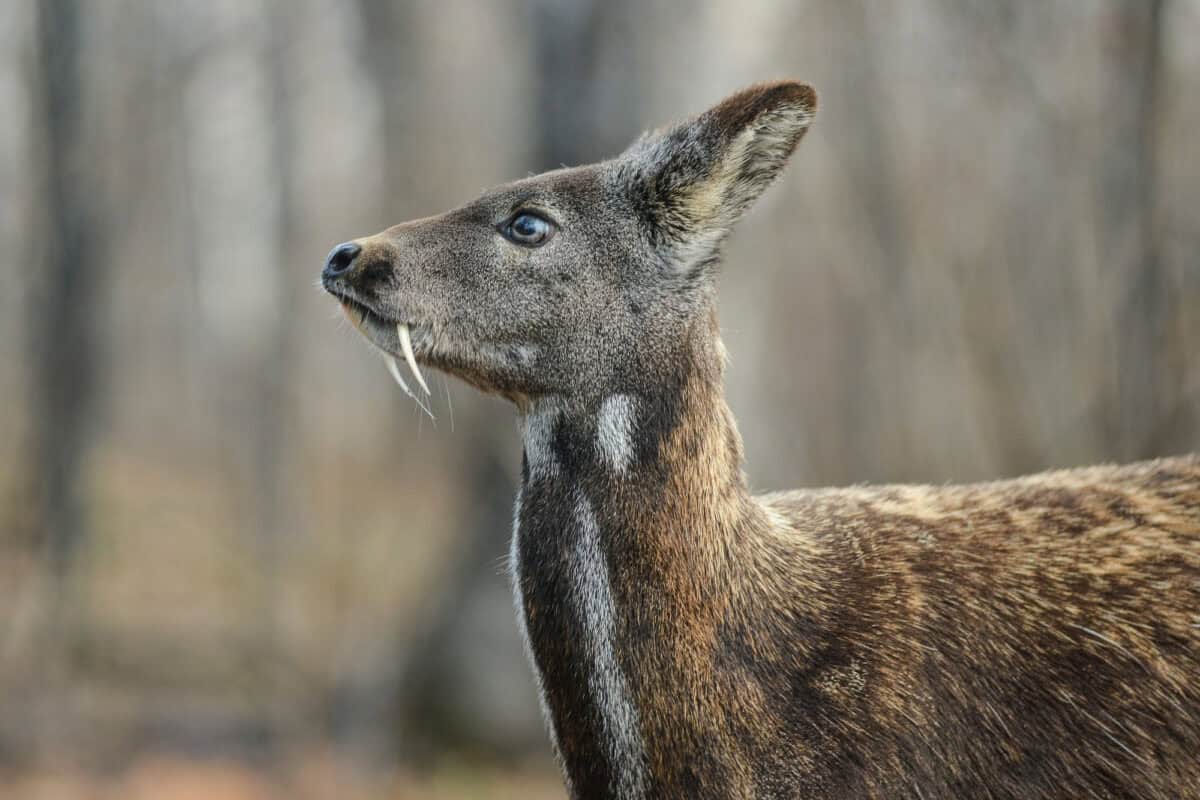
Though large snakes like reticulated pythons and anacondas are capable of taking down impressive prey—including pigs and deer—they draw the line at very large ungulates such as adult cows, goats, or horses. The sheer size, strength, and anatomical structure of these animals make them unrealistic targets. Their broad ribcages, sharp hooves, and powerful kicks present both mechanical and physical hazards during both constriction and swallowing.
There are rare documented cases of pythons attempting to consume juvenile goats or deer, but such events are risky. In some instances, the prey is too large, leading to regurgitation or even internal injury to the snake. For the most part, snakes stick to prey within a manageable size range, instinctively avoiding ungulates whose body proportions and potential defensive reactions make them too dangerous to pursue.
Venomous Insects and Stinging Arthropods

While some small snakes consume invertebrates like worms, larvae, and slugs, most avoid insects and arthropods equipped with venomous defenses—such as bees, wasps, and large spiders. These prey are simply too risky for their caloric reward. A wasp’s sting or a spider’s venomous bite can inflict significant pain, if not death, to a snake, especially smaller or juvenile individuals.
Certain desert species, like the shovel-nosed snake, may consume small scorpions, but they generally target species with less potent venom and small pincers. Larger or more dangerous arthropods are almost universally avoided. This selective feeding reflects a simple but crucial rule in the natural world: the energy required to catch and consume prey should never outweigh the risk involved.
Birds of Prey and Large Predatory Birds
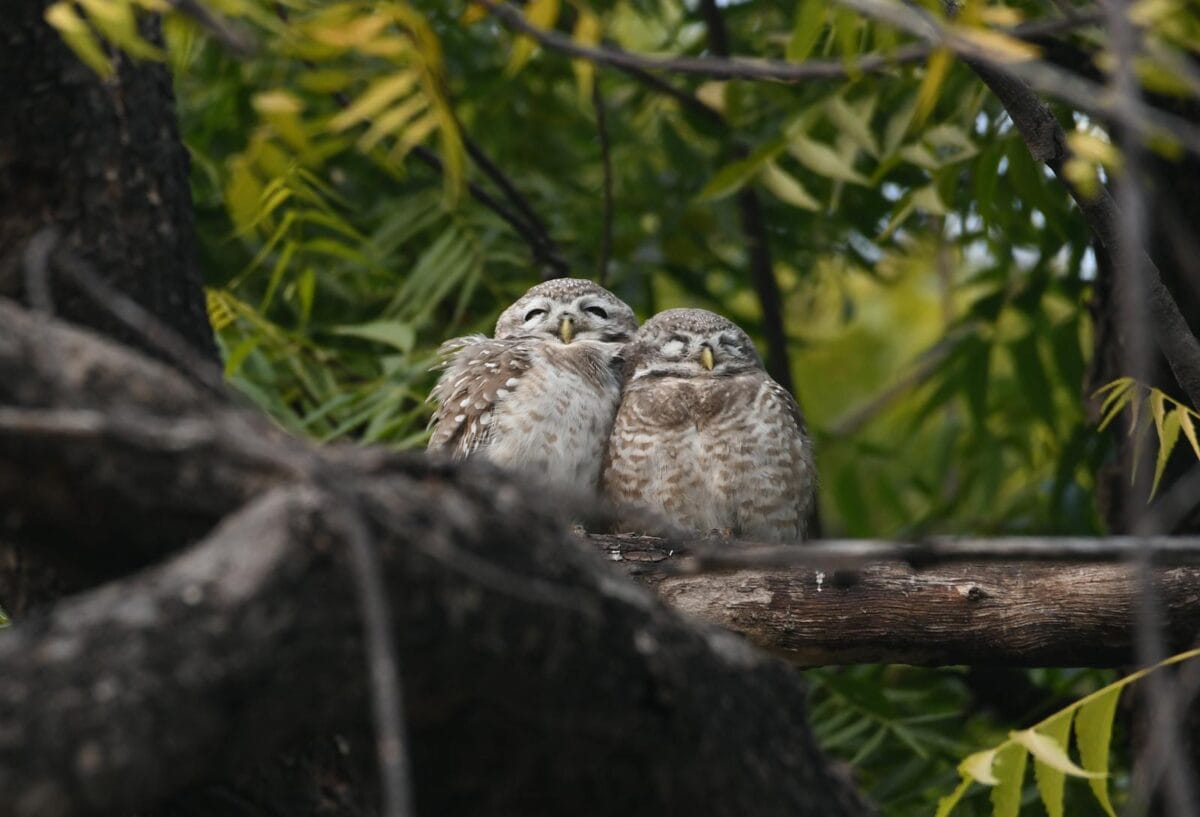
Though not often considered traditional prey, some opportunistic snakes will raid bird nests. However, most snakes instinctively avoid attacking adult birds of prey, such as hawks, owls, and eagles. These birds not only represent a physical threat with sharp talons and beaks but also occupy a higher rung on the food chain.
In some rare defensive scenarios, a snake might bite or lash out at a bird of prey that tries to capture it, but the interaction usually ends with the bird consuming the snake—not the other way around. Even larger snakes avoid these aerial predators, recognizing the danger posed by their superior speed, vision, and lethal talons. The dynamic between snakes and raptors is firmly in favor of the bird, not the serpent.
Conclusion: A Predator’s Selective Palate

Despite their fearsome reputation, snakes are surprisingly selective eaters. Their incredible ability to swallow prey whole—ranging from birds and mammals to fish, amphibians, and even other snakes—demonstrates a level of anatomical and behavioral specialization unmatched in the animal kingdom. Yet, they are not indiscriminate in their choices.
From porcupines with deadly quills to toxic toads and hoofed mammals too large to handle, snakes make calculated decisions about what to eat—and what to avoid. This selectivity isn’t just about preference; it’s a matter of survival. Each prey item a snake consumes or avoids reflects millions of years of evolutionary trial and error, guiding them toward meals that sustain rather than endanger them. In the end, a snake’s survival depends not just on what it can eat, but on knowing what it shouldn’t.

As a little kid, I fell in love with nature, wildlife, and animals. Living in the USA, South Africa, Italy, China and Germany gave me the opportunity to discover the world's Wildlife. My favorite animals are Mountain Gorillas, Siberian Tigers, and Great White Sharks.
I'm a certified PADI Open Water Diver, went to Everest Base Camp and Trekked Gorillas in Uganda. I hold a Master of Science in Economics and Finance.
Please send any feedback to feedback@animalsaroundtheglobe.com
- 15 PowerfulAnimals Where Females Rule the Male - July 21, 2026
- 14 Mammals That Use Tools - July 21, 2026
- Discover the Animal that can regenerate itself: Baby Axolotl - July 21, 2026