

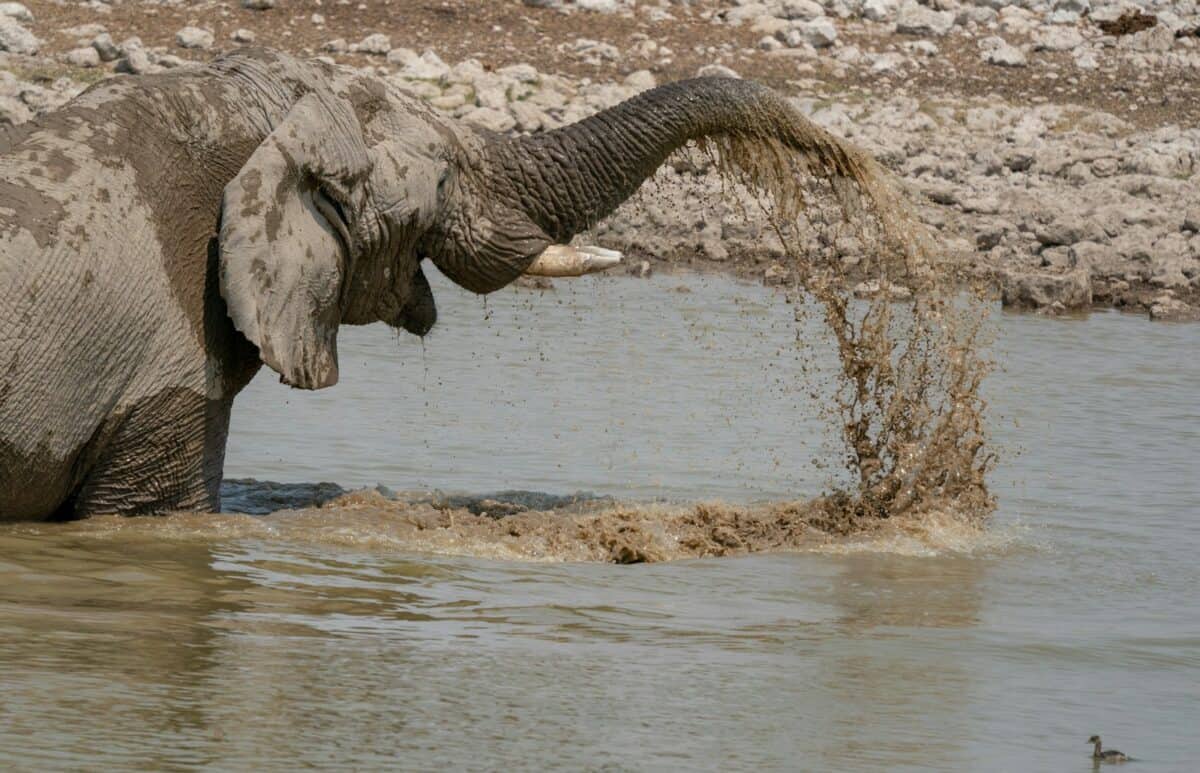
In the sweltering heat of the African savanna or the humid forests of Asia, elephants can often be observed engaging in what appears to be a messy ritual—covering themselves liberally with mud or dust. This behavior, far from being merely playful or random, serves multiple crucial functions for these majestic mammals. From temperature regulation to skin protection, the practice of mud and dust bathing represents a sophisticated adaptation that has evolved over millions of years. Understanding why elephants engage in this behavior provides fascinating insights into their physiology, social dynamics, and survival strategies in challenging environments.
The Elephant’s Sensitive Skin
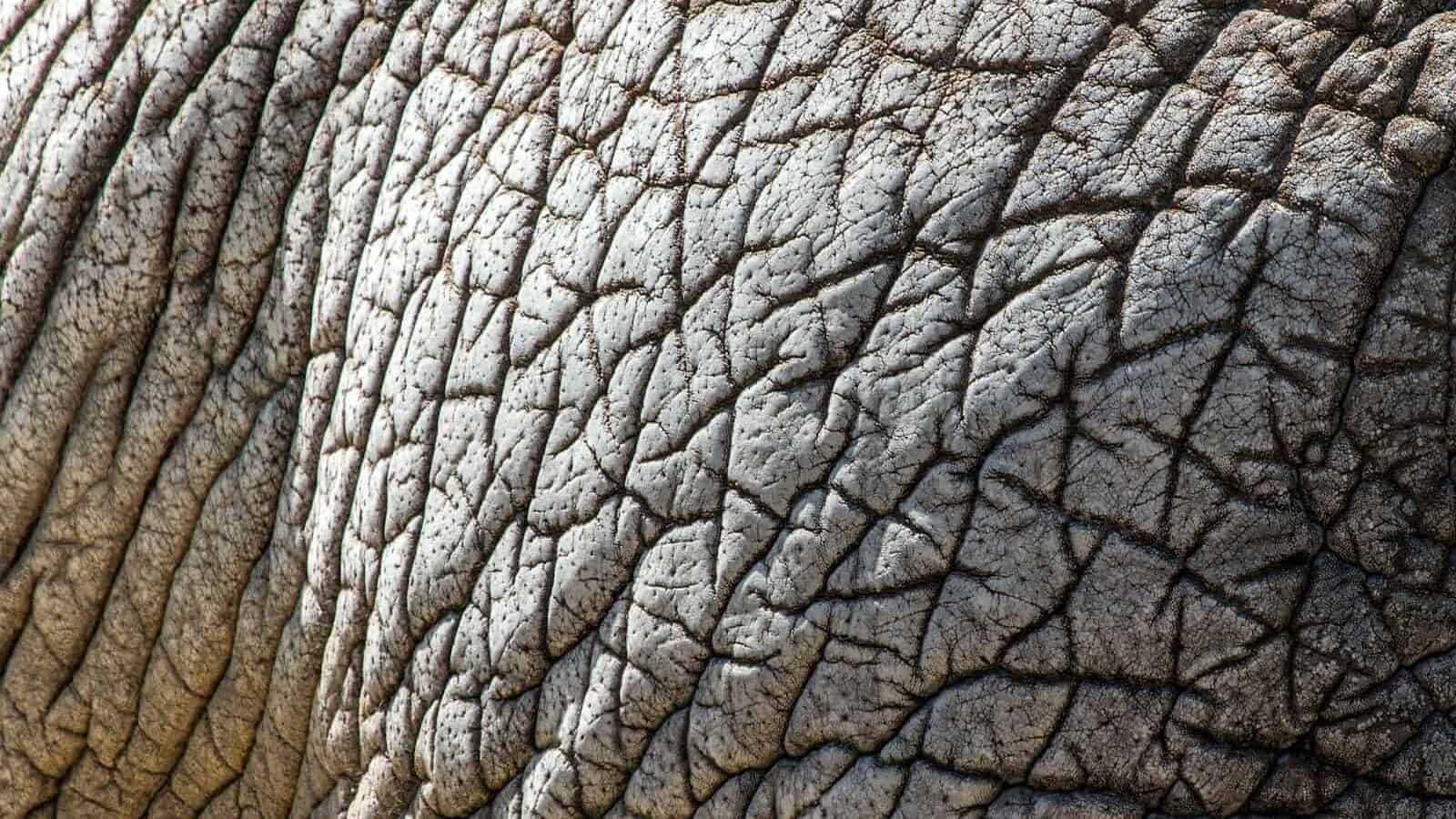
Despite their massive size and seemingly tough exterior, elephants possess surprisingly sensitive skin. At approximately 2.5 cm (1 inch) thick, elephant skin is actually quite delicate and prone to various issues if not properly maintained. The skin contains numerous nerve endings that make elephants highly responsive to even slight environmental irritants, temperature changes, and insect bites.
This sensitivity is compounded by the fact that elephants have relatively few sweat glands for their body size. Unlike humans who can perspire across most of their body surface, elephants’ sweat glands are limited primarily to areas around their toes and behind their ears. This anatomical limitation significantly restricts their natural ability to cool down through perspiration, making alternative cooling methods essential for their survival in hot climates.
Temperature Regulation
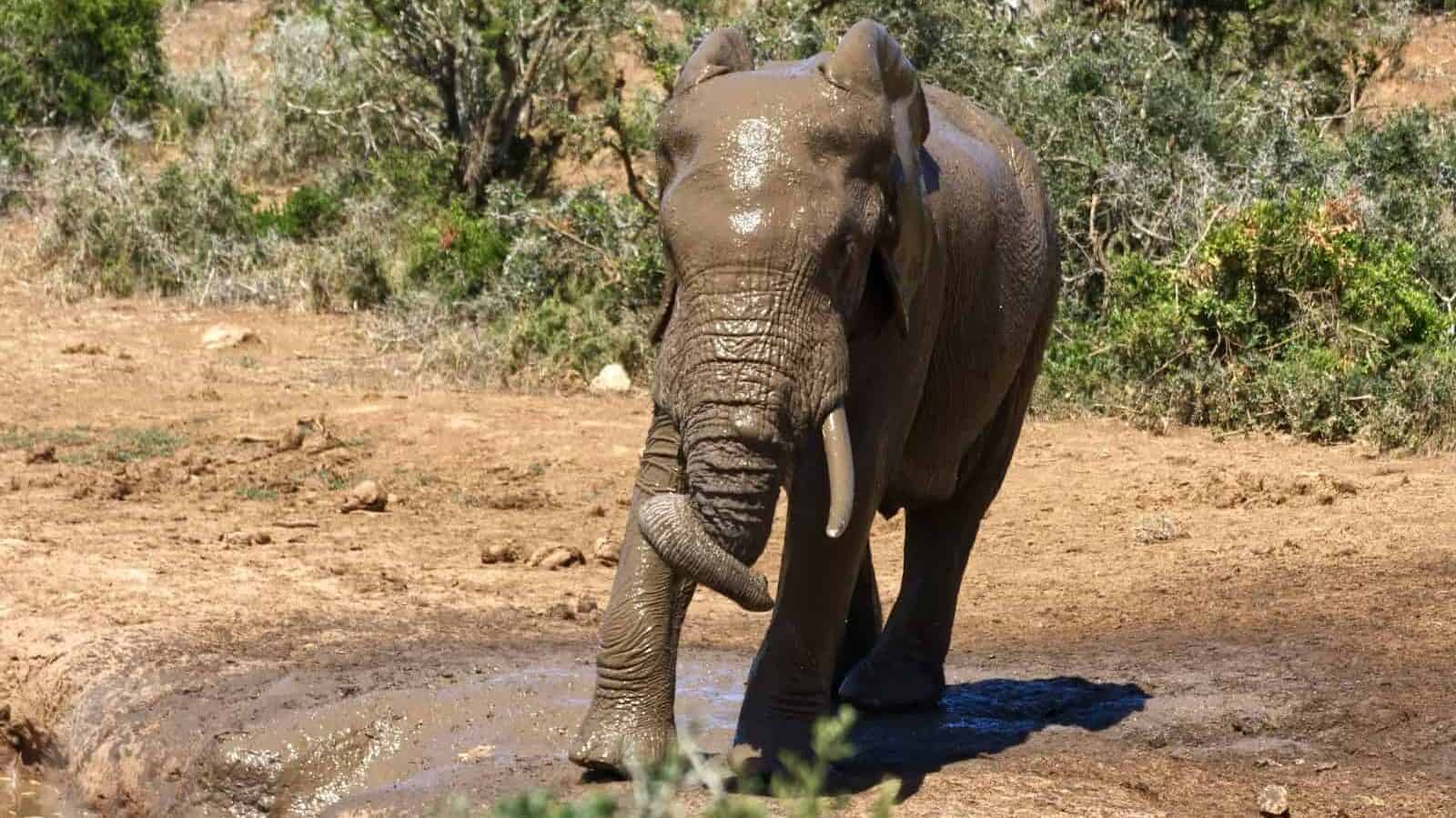
One of the primary reasons elephants cover themselves in mud is for temperature regulation. With their massive body size and limited sweat glands, elephants face significant challenges in keeping cool, especially in tropical and subtropical environments. When temperatures soar, elephants can struggle to dissipate body heat effectively. Their large body mass generates substantial internal heat, while their relatively small surface area-to-volume ratio makes heat loss difficult.
Mud provides an elegant solution to this thermal challenge. When elephants apply wet mud to their skin, the evaporation of water from the mud creates a cooling effect, much like sweating does in humans. Research has shown that this mud coating can lower skin temperature by several degrees, helping elephants maintain their optimal body temperature of around 36°C (97°F). This natural cooling system becomes especially crucial during the hottest parts of the day when elephants might otherwise risk dangerous overheating.
Protection Against Sunburn
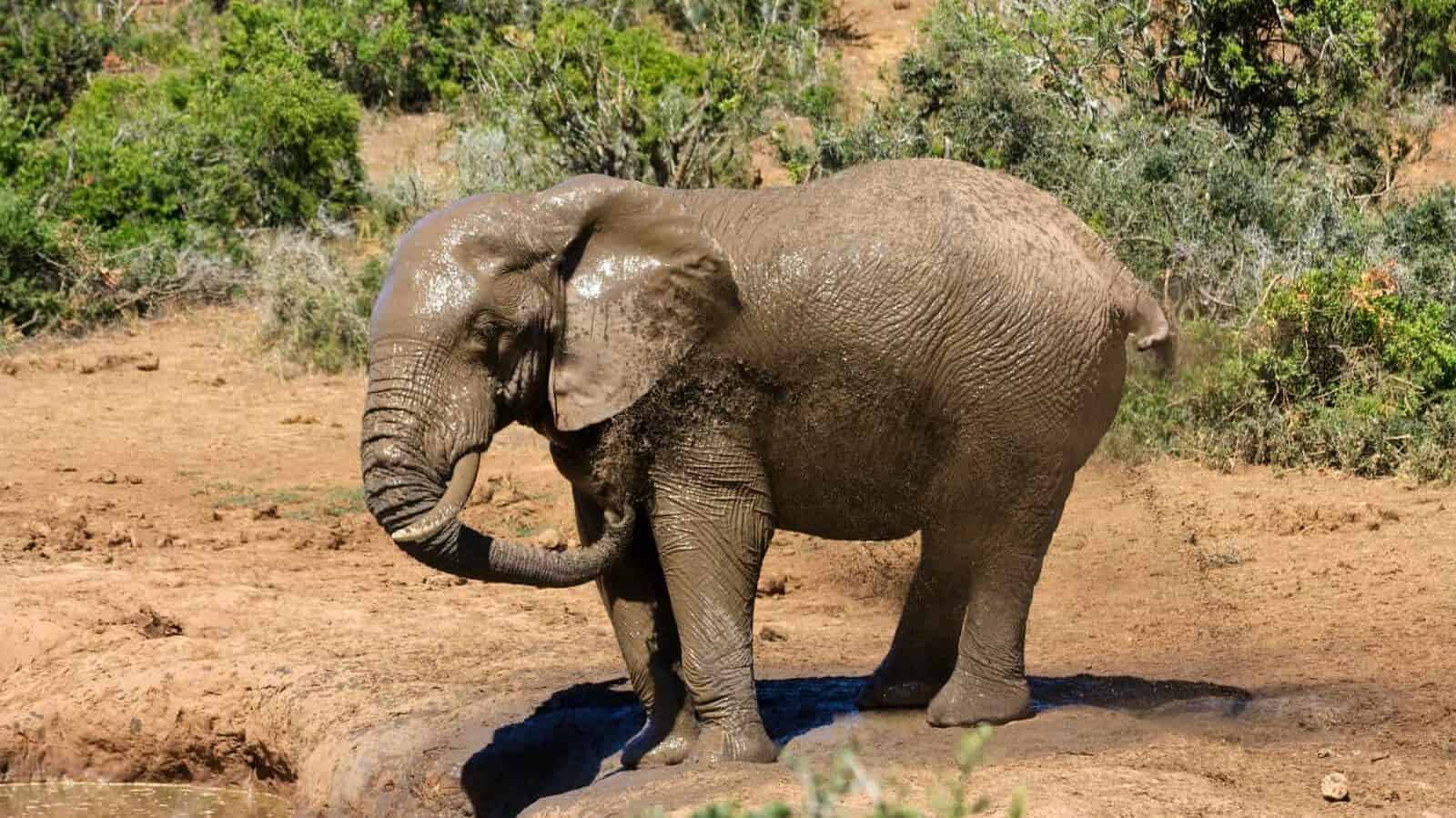
Surprisingly, elephants are susceptible to sunburn despite their thick appearance. Their skin can be damaged by prolonged exposure to harsh sunlight, particularly in areas with less hair coverage. The mud and dust that elephants apply acts as a natural sunscreen, creating a physical barrier between their skin and the sun’s harmful ultraviolet rays. This protective layer is especially important for young elephants whose skin is even more vulnerable.
The minerals in certain types of mud may also provide additional protection against UV radiation. Some mud contains natural minerals like zinc and iron oxides, which have sun-blocking properties. Over time, wild elephants learn which mud sources provide the best protection, often traveling considerable distances to access particular mud holes with ideal consistency and mineral content for maximum sun protection.
Defense Against Biting Insects
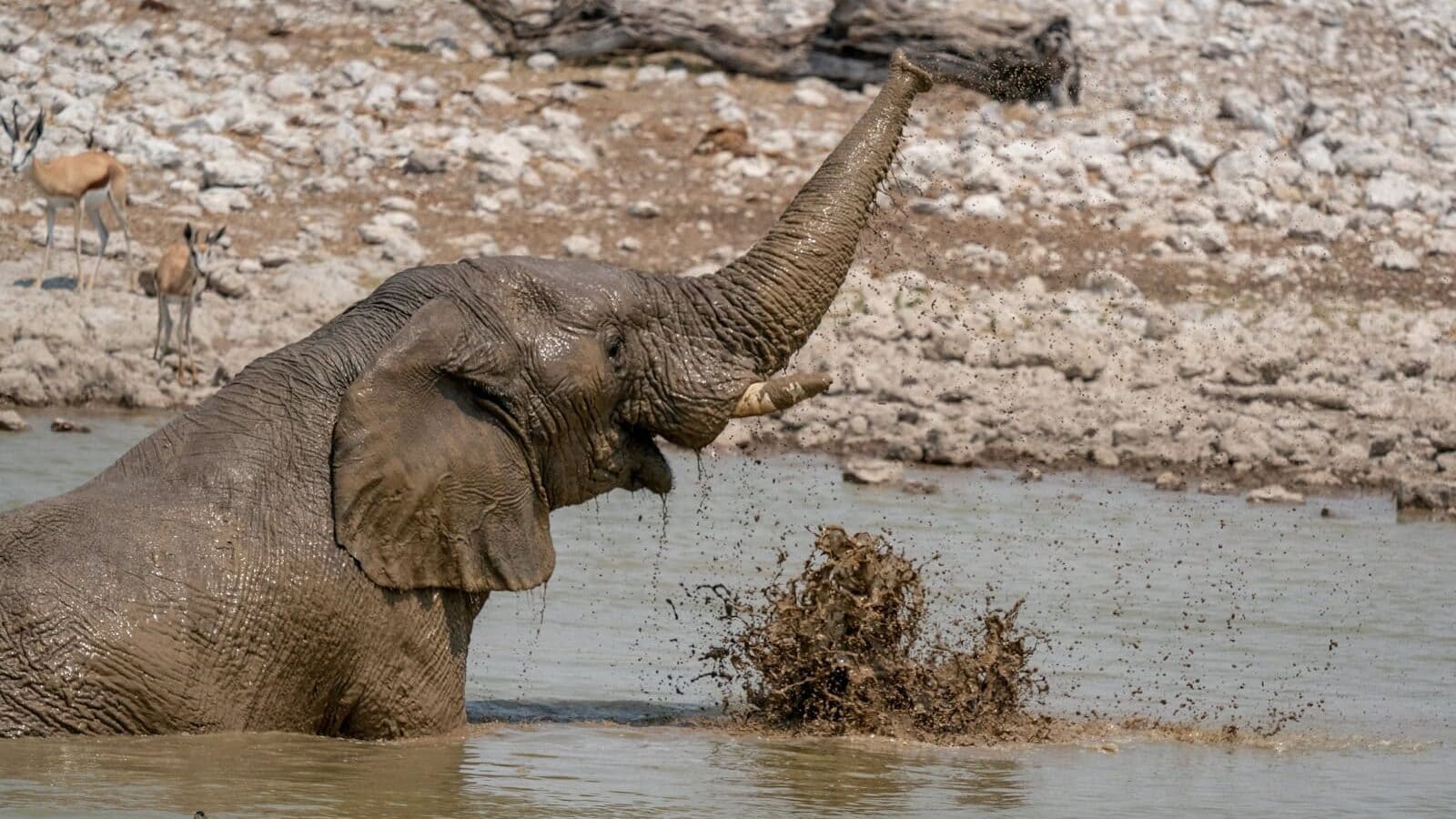
Insects pose a constant nuisance and potential health threat to elephants. Mosquitoes, flies, ticks, and other biting insects can cause significant discomfort and transmit diseases. The thick layer of dried mud or dust creates a physical barrier that insects struggle to penetrate with their mouthparts. When the mud dries and cracks, it also falls off, taking attached parasites with it. This natural pest control mechanism is particularly important in regions where insect-borne diseases are prevalent.
Studies have observed that elephants increase their mud-bathing behavior during peak insect seasons, suggesting a deliberate strategy to combat these pests. Some elephants even appear to target specific body areas that are most vulnerable to insect attacks, such as the sensitive skin around their eyes, ears, and trunks. This targeted application demonstrates the elephants’ sophisticated understanding of their own bodies and the threats they face from the environment.
Wound Treatment and Antiseptic Properties
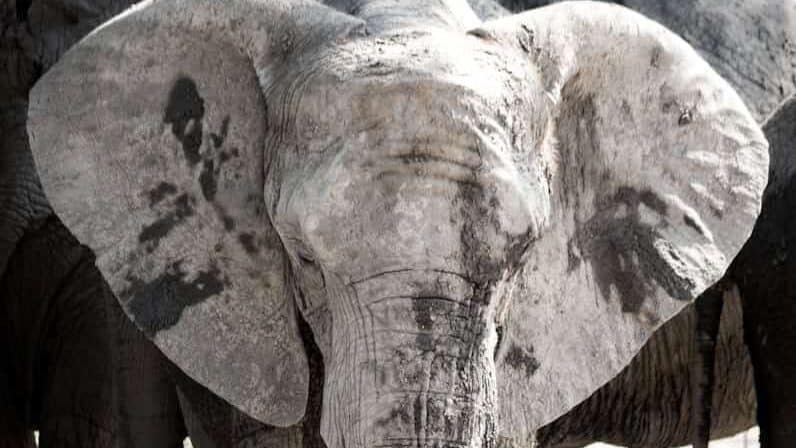
Certain types of mud, particularly those containing clay minerals, possess natural antiseptic properties that can help treat minor wounds and skin infections. When elephants cover cuts or abrasions with mud, they’re essentially applying a primitive form of medication. The mud can form a protective barrier over wounds, preventing further contamination while the minerals work to combat existing bacteria. As the mud dries, it also helps to reduce inflammation and soothe irritated skin.
This medicinal use of mud represents a remarkable example of self-medication in the animal kingdom. Researchers have documented cases where elephants with skin conditions or injuries deliberately seek out specific mud sources with higher mineral content. This behavior suggests an innate knowledge of which substances will provide healing benefits, highlighting the sophisticated health management strategies these intelligent animals have developed over millennia of evolution.
Social Bonding and Play
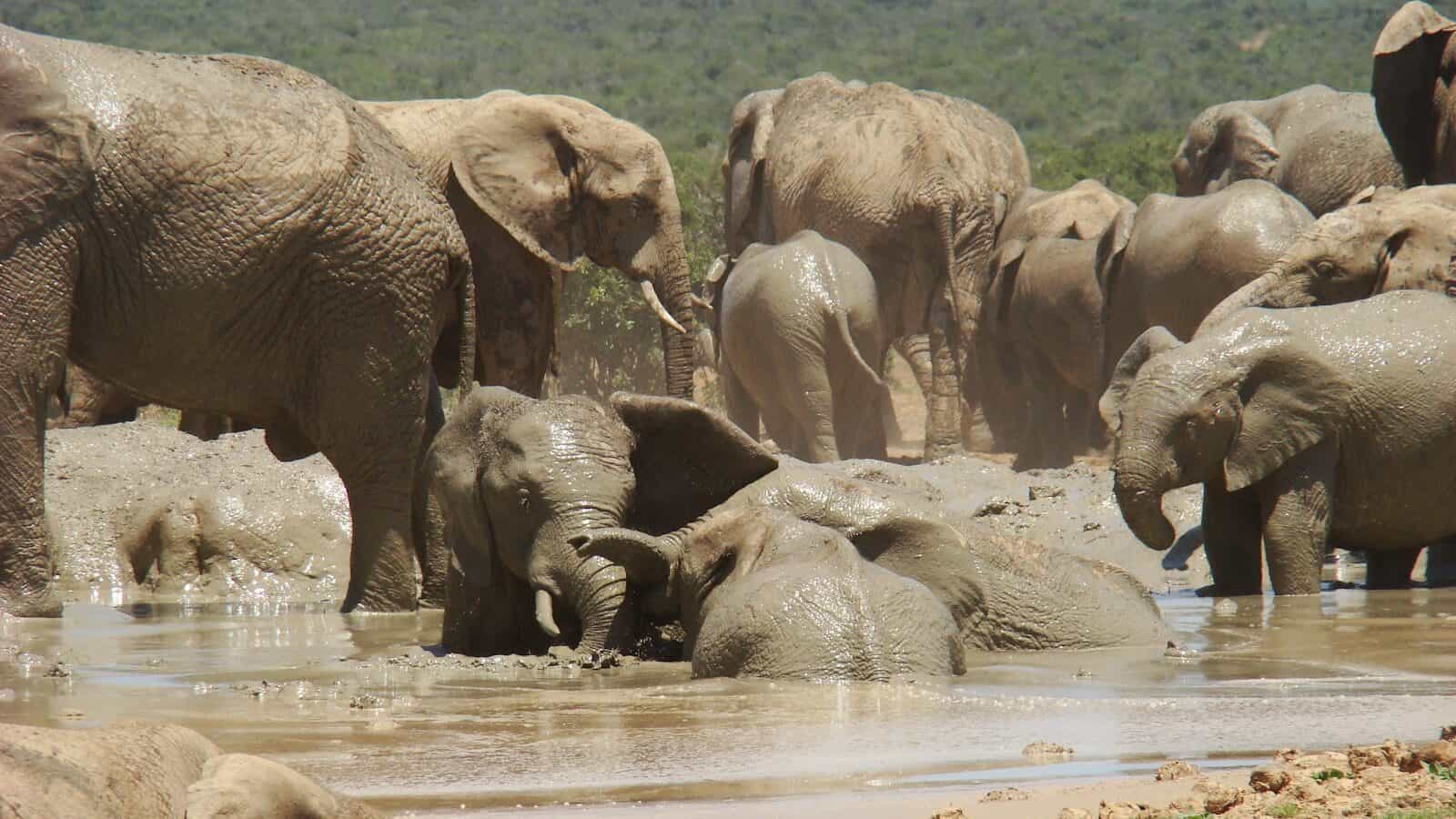
Mud and dust bathing also serves important social functions within elephant herds. These activities often occur as group events, with multiple family members participating simultaneously. Young elephants learn the technique by observing adults, and these shared experiences strengthen social bonds within the family unit. Playful interactions during mud baths—splashing, rolling, and sometimes even gentle pushing—are common, especially among juveniles.
These communal bathing sessions provide crucial learning opportunities for calves as they develop physical coordination and social skills. The relaxed atmosphere during mud baths also offers a context for establishing and reinforcing social hierarchies within the herd in a relatively low-stress environment. Researchers studying elephant behavior have noted that mud bathing activities often coincide with increased vocalizations and tactile interactions, suggesting these sessions serve as important social gatherings beyond their practical benefits.
Differences Between Mud and Dust Bathing
While often discussed together, mud bathing and dust bathing serve somewhat different purposes for elephants. Mud bathing typically involves wet, clay-rich soil that adheres to the skin, providing cooling, sun protection, and insect repellent benefits. It’s particularly valuable in hot weather and near water sources. Elephants will often fully submerge in mud holes, coating their entire bodies before emerging covered in a protective layer.
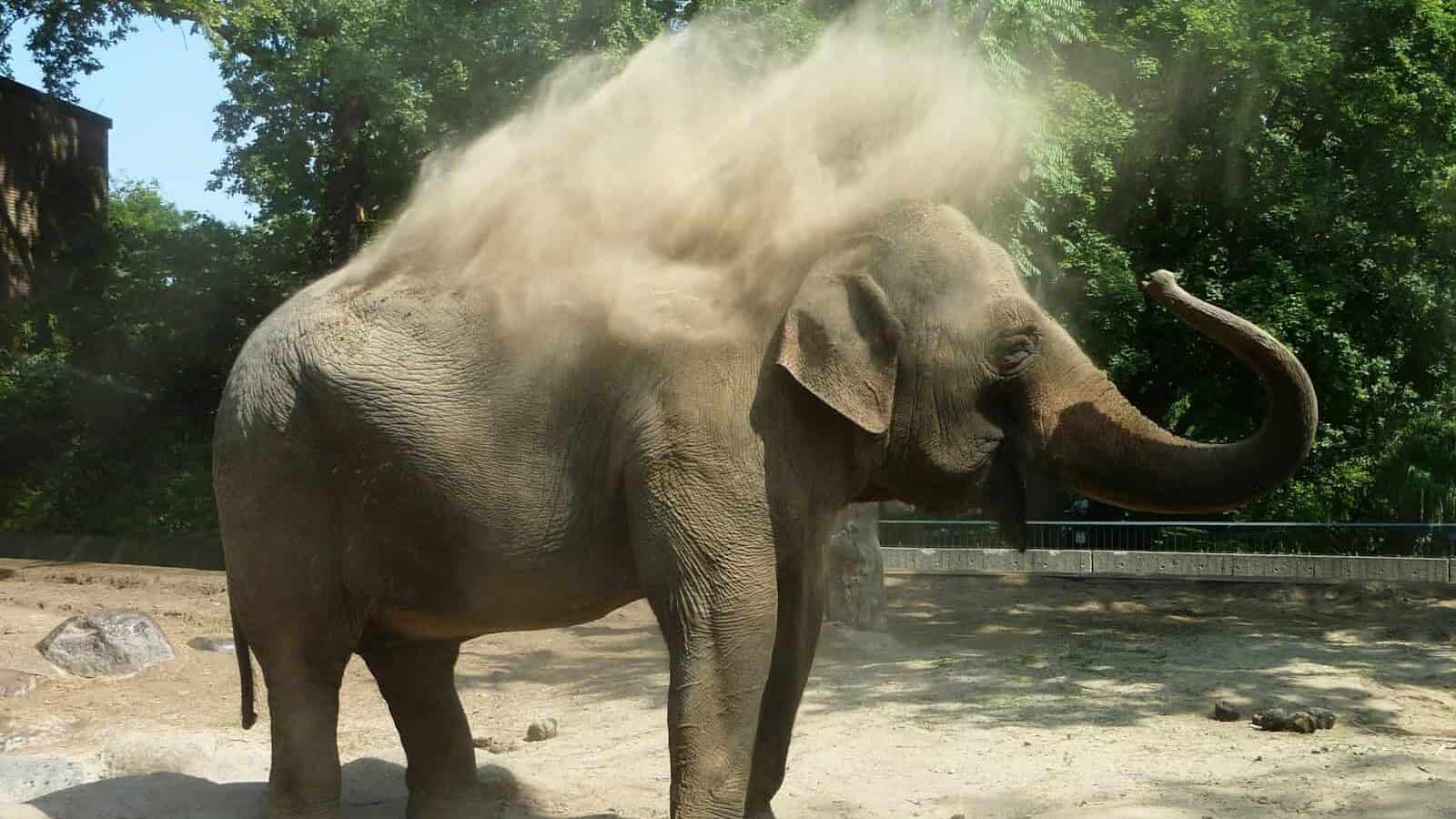
Dust bathing, by contrast, involves elephants using their trunks to gather dry soil, which they then throw over their bodies. This technique is more focused on parasite control than cooling, as the fine particles can penetrate into skin folds and crevices where parasites hide. Dust bathing is also more common in drier habitats or seasons when mud sources may be scarce. Both behaviors are essential components of elephants’ skin care routine, used strategically depending on environmental conditions and specific needs.
Seasonal Variations in Bathing Behavior
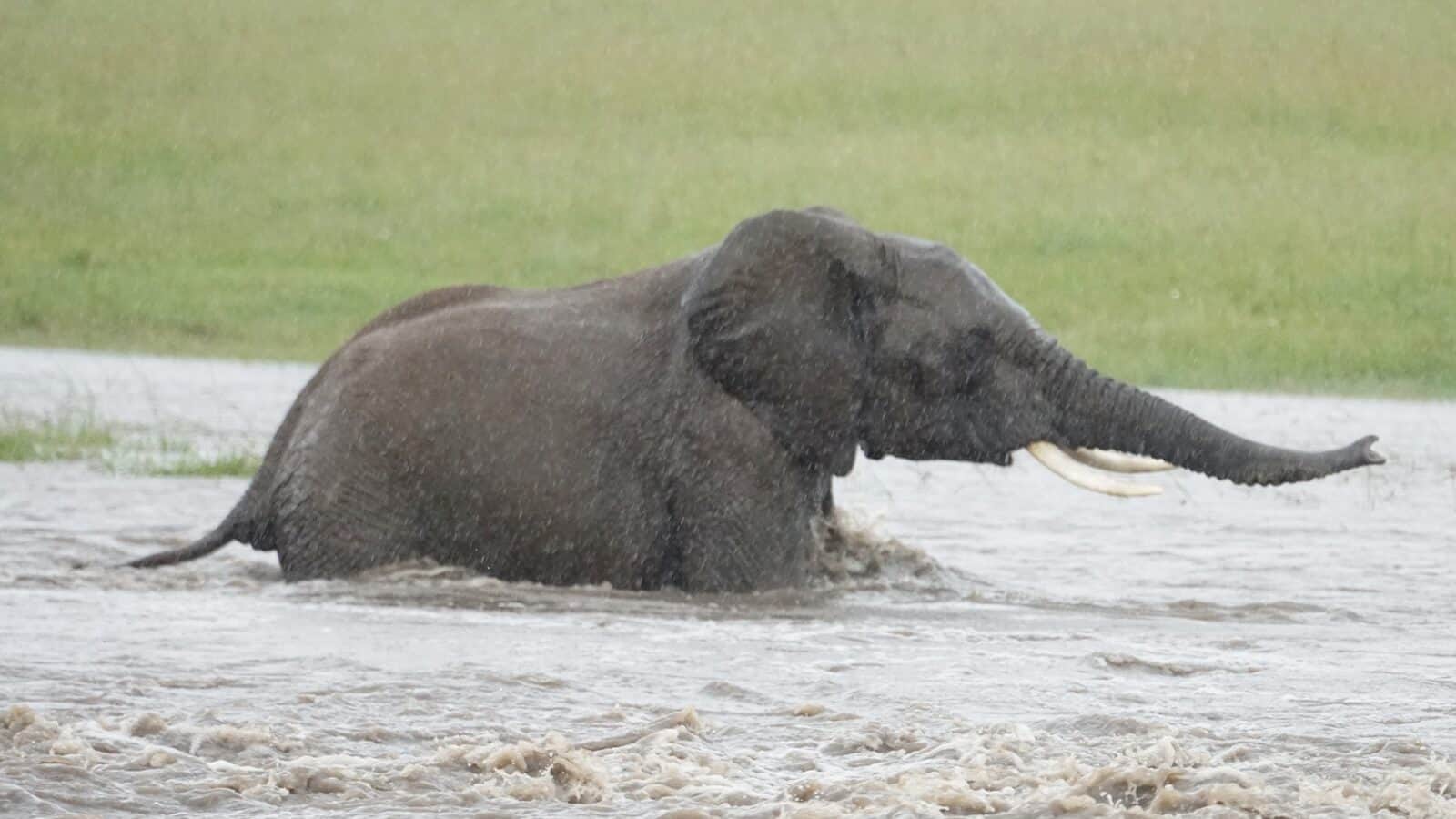
Elephants adjust their mud and dust bathing habits according to seasonal changes. During hot, dry seasons, they typically increase the frequency of their mud baths when water sources are available, focusing on the cooling benefits. Studies tracking elephant movements have shown that herds will travel significant distances during drought conditions to reach reliable mud wallows, underscoring the importance of this behavior for their wellbeing.
In wetter seasons, when temperatures are more moderate and natural moisture helps keep skin hydrated, elephants may reduce mud bathing frequency but continue dust bathing for parasite control. Seasonal changes in insect populations also influence bathing behavior, with increased activity during peak insect seasons. This adaptive behavior demonstrates the elephants’ remarkable ability to adjust their self-maintenance routines to changing environmental conditions, optimizing the benefits according to current needs.
The Role of Different Mud Types
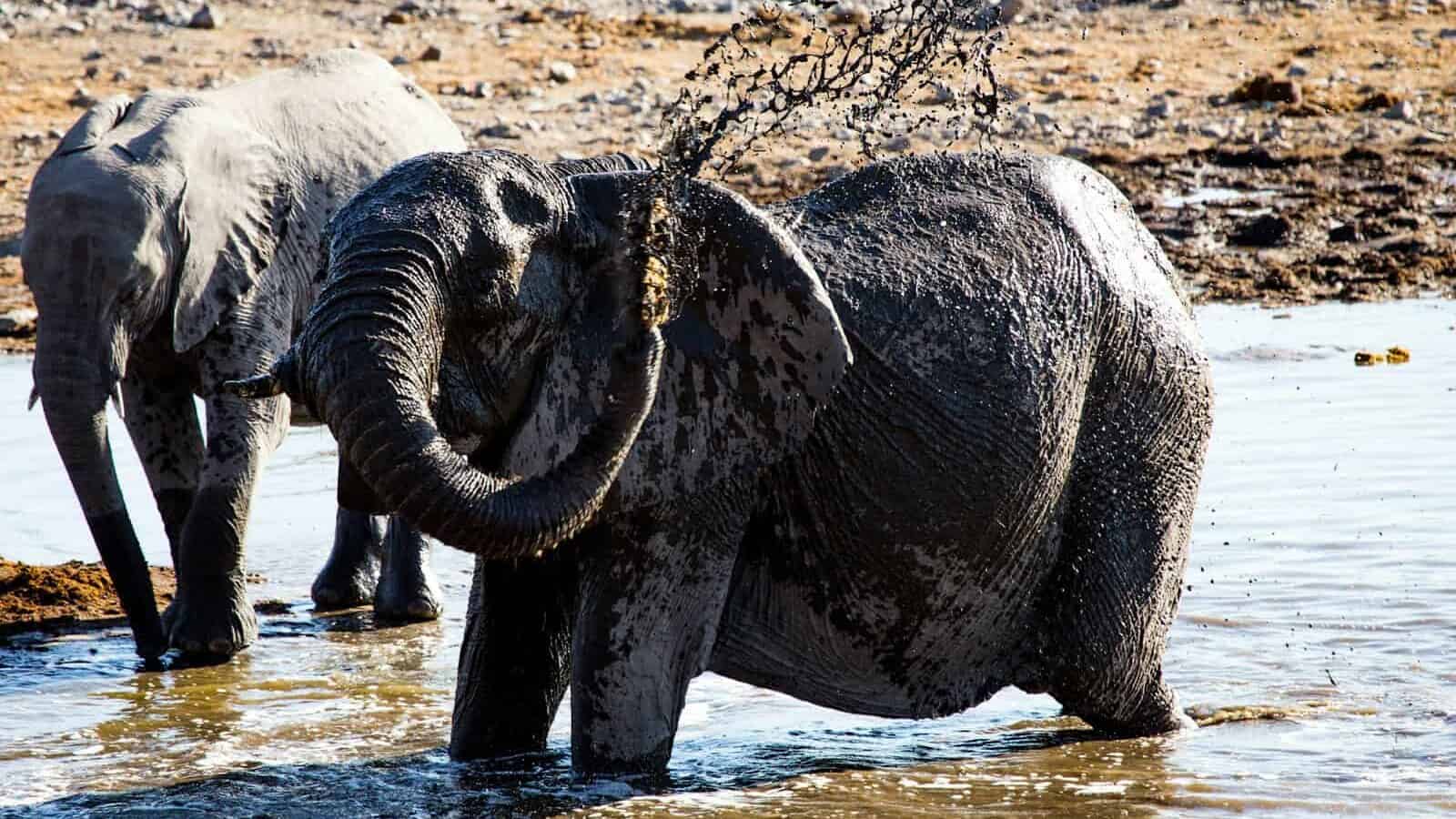
Not all mud is created equal in the elephant world. These discerning animals show clear preferences for certain mud compositions based on consistency, mineral content, and location. Clay-rich mud tends to be particularly valued for its ability to adhere well to skin and its higher mineral content. Volcanically derived soils, which are often rich in beneficial minerals like sulfur, zinc, and copper, are especially sought after when available.
Researchers have observed that elephant herds maintain knowledge of high-quality mud sources across their range, returning to preferred locations even after extended absences. This spatial memory allows them to maximize the benefits of their mud bathing activities by selecting materials with optimal properties. The ability to distinguish between different mud types and their benefits represents another facet of the sophisticated environmental knowledge that elephants possess and pass down through generations.
Conservation Implications
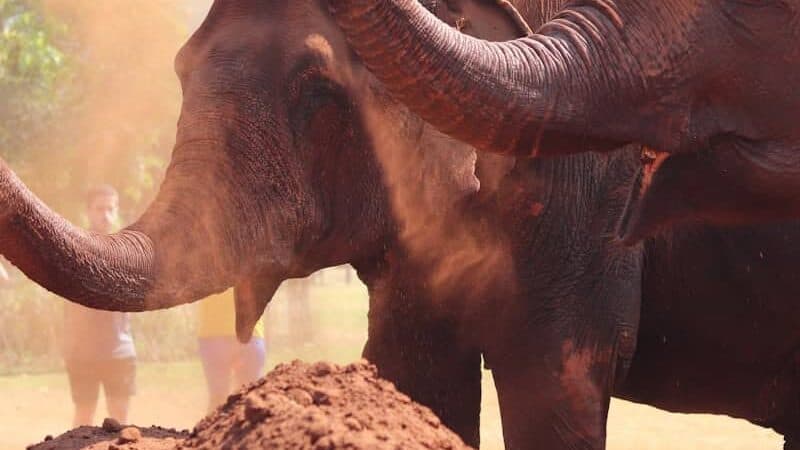
The mud and dust bathing behaviors of elephants have important implications for conservation efforts. Access to suitable mud wallows and dust bathing sites is a critical habitat requirement that must be considered in protected area management. When natural migration routes are disrupted by human development, elephants may lose access to traditional bathing sites with ideal mud compositions, potentially affecting their health and wellbeing.
In managed elephant populations, such as those in sanctuaries or zoos, providing opportunities for mud and dust bathing is now recognized as essential for proper care. Conservation organizations increasingly incorporate knowledge of these behaviors into habitat preservation strategies, ensuring that protected areas include diverse soil types and seasonal water sources that facilitate natural bathing behaviors. By understanding and accommodating these needs, conservationists can better support elephant welfare in both wild and managed settings.
Differences Between African and Asian Elephants
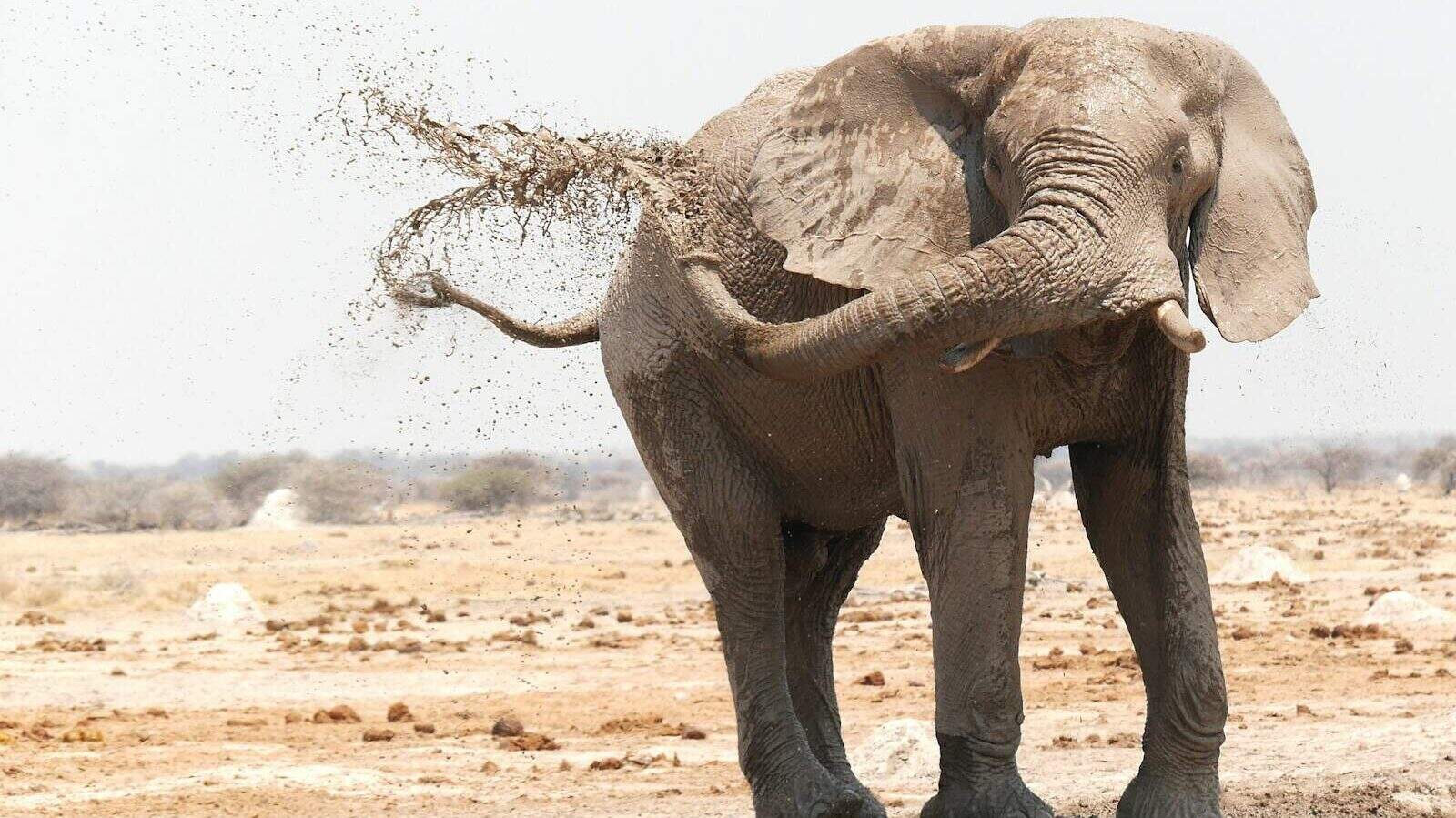
While both African and Asian elephants engage in mud and dust bathing, there are subtle differences in their approaches that reflect their distinct evolutionary paths and native habitats. African elephants (Loxodonta africana), adapted to more arid environments, often engage in more frequent dust bathing and may travel longer distances between water sources where mud bathing occurs. Their larger ears, which help with heat dissipation, work in conjunction with mud bathing for effective temperature regulation in the intense African heat.
Asian elephants (Elephas maximus), which typically inhabit more forested and humid environments, generally have more regular access to water and mud sources. They tend to spend more time in and around water, incorporating mud bathing into their daily routines with greater consistency. These differences highlight how each species has refined these behaviors to suit their specific environmental challenges while maintaining the core benefits that make mud and dust bathing essential activities for all elephants.
The mud and dust bathing behaviors of elephants represent far more than simple cleanliness routines—they’re sophisticated adaptive strategies that address multiple physiological and social needs simultaneously. From temperature regulation and sun protection to parasite control and wound treatment, these behaviors showcase the remarkable ways elephants have evolved to thrive in challenging environments. The deliberate nature of their bathing habits, including preferences for specific mud types and strategic timing based on environmental conditions, highlights the intelligence and environmental awareness that characterizes these magnificent animals.
Understanding these behaviors deepens our appreciation for elephant biology and has direct implications for conservation efforts and captive care practices. By recognizing the crucial role that mud and dust bathing plays in elephant wellbeing, we can better protect the habitats and resources they need to maintain these essential activities. As we continue to study and learn from these remarkable creatures, their seemingly simple habit of covering themselves in mud reveals itself as a testament to the elegance and efficiency of natural adaptation—a perfect example of how evolution has crafted solutions to complex survival challenges.

- 12 Most Unexplained Creature Sightings Across the U.S. - July 20, 2026
- Tea-Growing Regions You Can Visit to See Exotic Wildlife - July 20, 2026
- What Happens When an Axolotl Loses a Limb (Spoiler: It Grows Back!) - July 20, 2026