


The transition from water to land marks one of the most significant evolutionary leaps in Earth’s history. Approximately 390-360 million years ago, during the Devonian period, the first vertebrates began the remarkable journey from aquatic environments to terrestrial ones. These pioneering creatures faced unprecedented challenges yet adapted in ways that would forever alter the course of evolution. From developing limbs capable of supporting their weight to evolving new respiratory systems, these animals laid the groundwork for all terrestrial vertebrate life that followed—including humans. Let’s explore fifteen astonishing facts about these revolutionary creatures that first conquered the land and changed our planet’s evolutionary trajectory forever.
The Tetrapod Transition When Fish Learned to Walk

The first land animals, known as early tetrapods, evolved from lobe-finned fish around 390-360 million years ago. These fish possessed muscular fins with bones that resembled primitive limbs, providing the anatomical foundation for true legs. The most famous transitional fossil, Tiktaalik roseae, discovered in 2004 in the Canadian Arctic, perfectly illustrates this evolutionary bridge. Nicknamed the “fishapod,” Tiktaalik had features of both fish (scales and gills) and tetrapods (primitive neck, wrist joints, and ribs that could support its body).
What makes this transition so remarkable is that it didn’t happen overnight—it occurred gradually over millions of years as these animals adapted to new ecological niches. These creatures didn’t fully abandon water; instead, they likely lived in shallow wetlands, moving between aquatic and terrestrial environments. This intermediate lifestyle allowed them to exploit food resources on land while maintaining the safety of water, driving the evolutionary changes that would eventually lead to fully terrestrial animals.
The First Land Animals Weren’t Actually Vertebrates
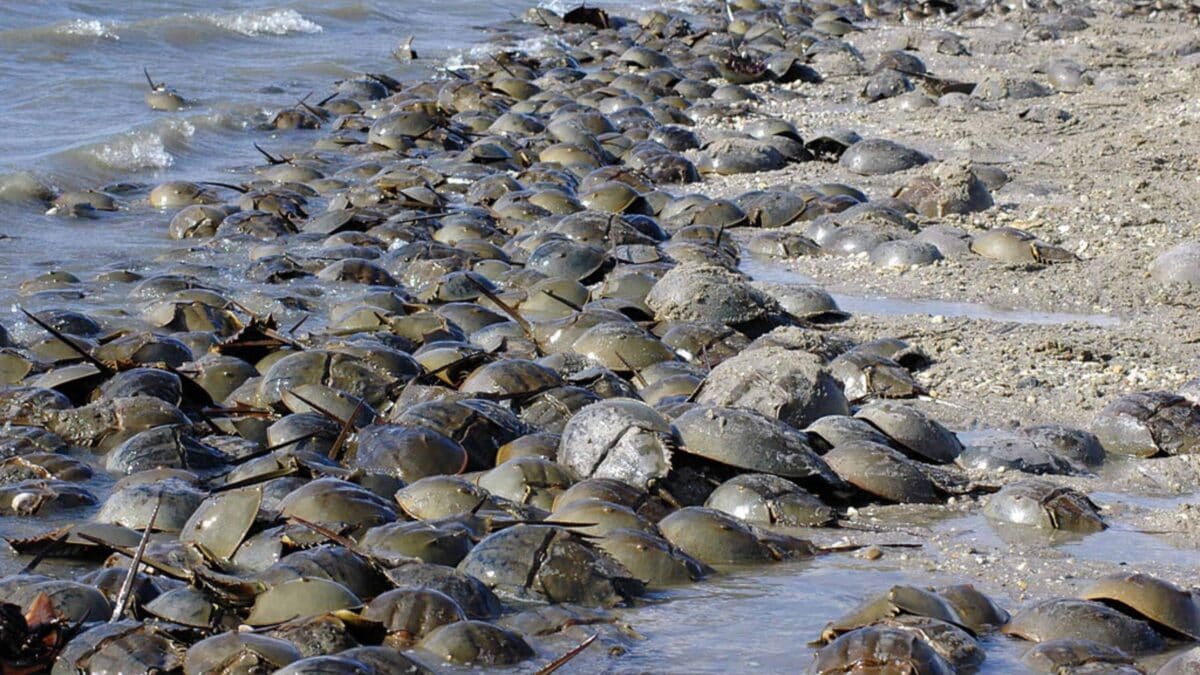
While vertebrates tend to get most of the attention in discussions about early land animals, they weren’t actually the first creatures to venture onto terra firma. That honor belongs to arthropods—the group that includes insects, spiders, and crustaceans. Fossil evidence suggests that millipede-like creatures were crawling on land as early as 450 million years ago, predating vertebrate land-dwellers by at least 50 million years. These early arthropods included primitive ancestors of scorpions, centipedes, and millipedes that adapted to terrestrial life long before vertebrates made the leap.
These invertebrate pioneers faced their own set of challenges when colonizing land, including the need to develop new respiratory systems, prevent water loss through their exoskeletons, and reproduce without the buoyancy of water. Their solutions to these problems—including spiracles (breathing holes), waxy cuticles to prevent desiccation, and various reproductive adaptations—represent some of evolution’s earliest innovations for terrestrial life. By the time vertebrates began moving onto land, arthropods had already established diverse ecosystems and food webs that would support the new vertebrate inhabitants.
Acanthostega The Fish That Couldn’t Do Push-Ups
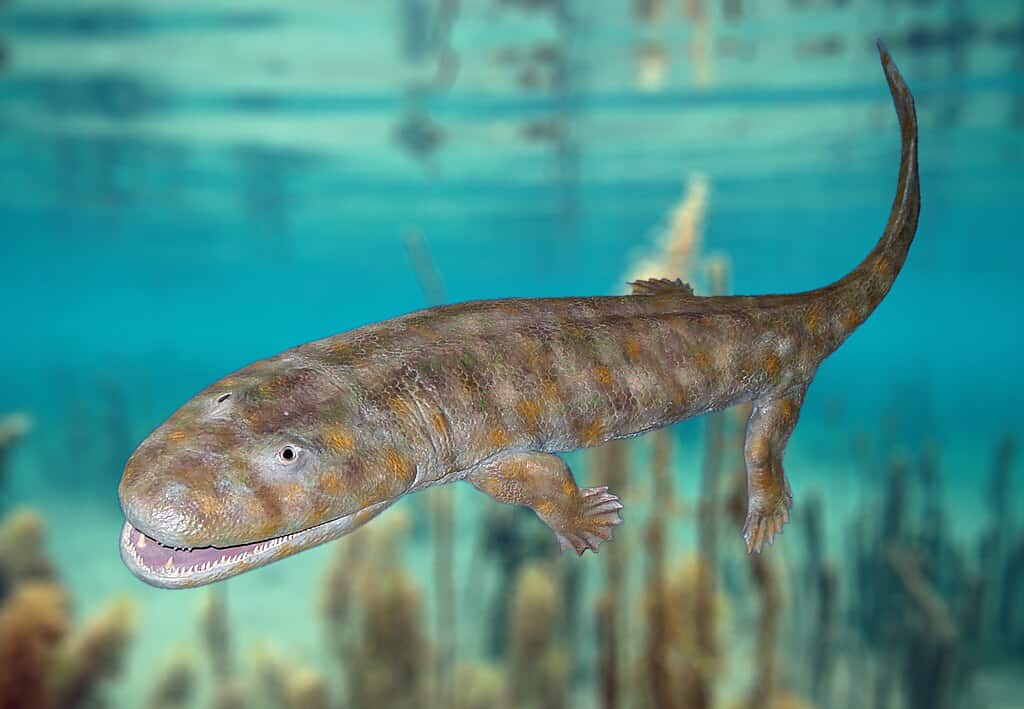
Acanthostega, one of the earliest known tetrapods dating back approximately 365 million years, presents a fascinating evolutionary snapshot. Unlike modern land animals, Acanthostega couldn’t support its own weight on land. Its limbs, while possessing digits (eight on each front limb, rather than the five that would become standard for most later tetrapods), weren’t strong enough to push its body off the ground. Instead, these limbs likely functioned as paddles for navigating shallow, vegetation-choked waters, possibly allowing it to propel itself through swampy environments or cling to submerged plants.
What makes Acanthostega particularly remarkable is that it retained many fish-like features while simultaneously possessing tetrapod innovations. It had both lungs and gills, allowing it to breathe both air and underwater, and its tail fin remained similar to those of its fish ancestors. This combination of features suggests that the development of limbs with digits preceded the full transition to land, indicating that these structures initially evolved for purposes other than walking on land. Acanthostega essentially represents a creature caught in evolutionary transition—not yet adapted for true terrestrial locomotion but already developing the anatomical foundations that would make land conquest possible.
Lungs Existed Before Land Animals

Contrary to what might seem logical, lungs didn’t evolve as a response to animals moving onto land—they actually preceded the terrestrial transition by millions of years. Many fish lineages had already developed primitive lungs or lung-like structures long before the first tetrapods emerged. These structures, which evolved from the swim bladders that help fish control buoyancy, allowed certain fish to supplement their oxygen intake by gulping air at the water’s surface. This adaptation proved particularly valuable in warm, stagnant waters where dissolved oxygen levels were often low.
The lobe-finned fish ancestors of tetrapods were among those that possessed these primitive lungs, providing a pre-adaptation that would become crucial for terrestrial life. When early tetrapods began spending more time out of water, they already had the respiratory equipment needed to extract oxygen from air. Over time, these structures would evolve into the complex, highly efficient lungs of modern land vertebrates. This demonstrates how evolution often repurposes existing structures for new functions rather than creating entirely new ones—a principle known as exaptation. The fact that lungs predated land animals highlights how evolutionary innovations sometimes emerge long before they become essential survival tools.
The Devonian Period Earth’s Perfect Terrestrial Launching Pad

The Devonian period (419-359 million years ago), often called the “Age of Fishes,” provided ideal conditions for the water-to-land transition. During this time, Earth’s continents were dominated by the supercontinent Gondwana in the south and Euramerica in the north, with shallow seas between them creating extensive coastal wetlands. These environments, with their mixture of aquatic and semi-terrestrial habitats, served as perfect transition zones for animals beginning to exploit land resources. Additionally, atmospheric oxygen levels were rising, reaching approximately 15% (compared to today’s 21%), providing sufficient oxygen for the less efficient respiratory systems of early land pioneers.
Perhaps most critically, the Devonian saw the first widespread terrestrial ecosystems developing, with early vascular plants colonizing the land and creating new habitats and food sources. By the Late Devonian, primitive forests of fern-like plants and early trees created complex environments that offered shelter, humidity, and ecological niches for animals venturing ashore. These plant communities also contributed to soil development and stabilized shorelines, creating more habitable transitional zones. The combination of these factors—suitable transitional habitats, adequate oxygen levels, and the establishment of terrestrial food webs—created an evolutionary opportunity that vertebrates would ultimately seize, forever changing the course of life on Earth.
Ichthyostega The Pioneering Amphibian With an Identity Crisis
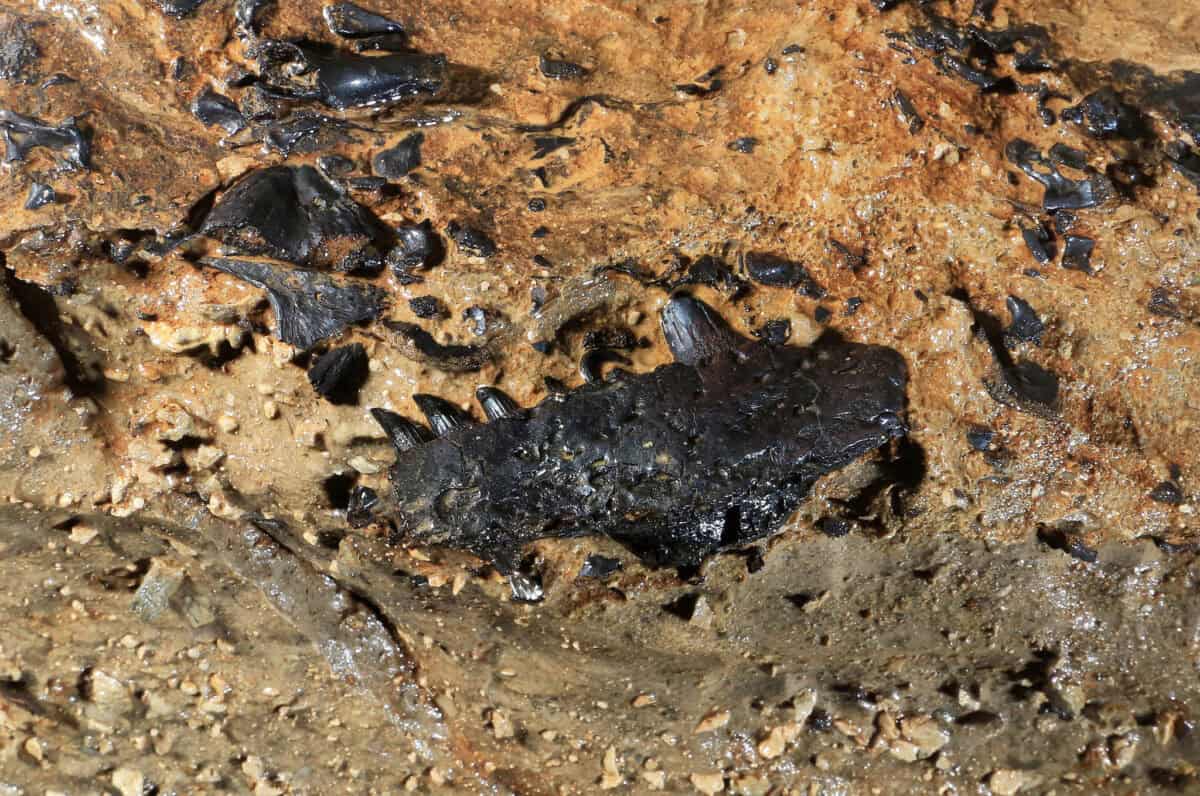
Ichthyostega, dating back approximately 365-360 million years, represents one of the most significant early tetrapods in the fossil record. This creature, about 1.5 meters long, exhibited a fascinating mosaic of features that straddled aquatic and terrestrial adaptations. Its powerful forelimbs and unique skeletal structure suggest it could pull itself along on land, making it more terrestrially capable than its contemporary Acanthostega. However, Ichthyostega retained a fish-like tail fin and had limbs positioned in such a way that it couldn’t walk like modern tetrapods—instead, it likely moved with a combination of body undulation and limb propulsion similar to how seals move on land today.
What makes Ichthyostega particularly remarkable is its specialized spinal column, which was unlike anything seen in either fish ancestors or later tetrapods. The vertebrae were interlocked in a unique way that limited lateral flexibility while providing vertical strength—a specialized adaptation that was ultimately abandoned in later evolutionary lineages. Ichthyostega also possessed both lungs and internal gills, allowing it to breathe in both environments. Its peculiar combination of features has led paleontologists to suggest it had a specialized lifestyle, possibly spending time on mudflats or in very shallow water where it could exploit new food sources while remaining close to the safety of deeper water. This creature wasn’t simply a stepping stone to land animals; it was a highly specialized organism adapted to a specific ecological niche in the complex transitional environments of the Late Devonian.
The Mystery of the “Five-Finger Discount”
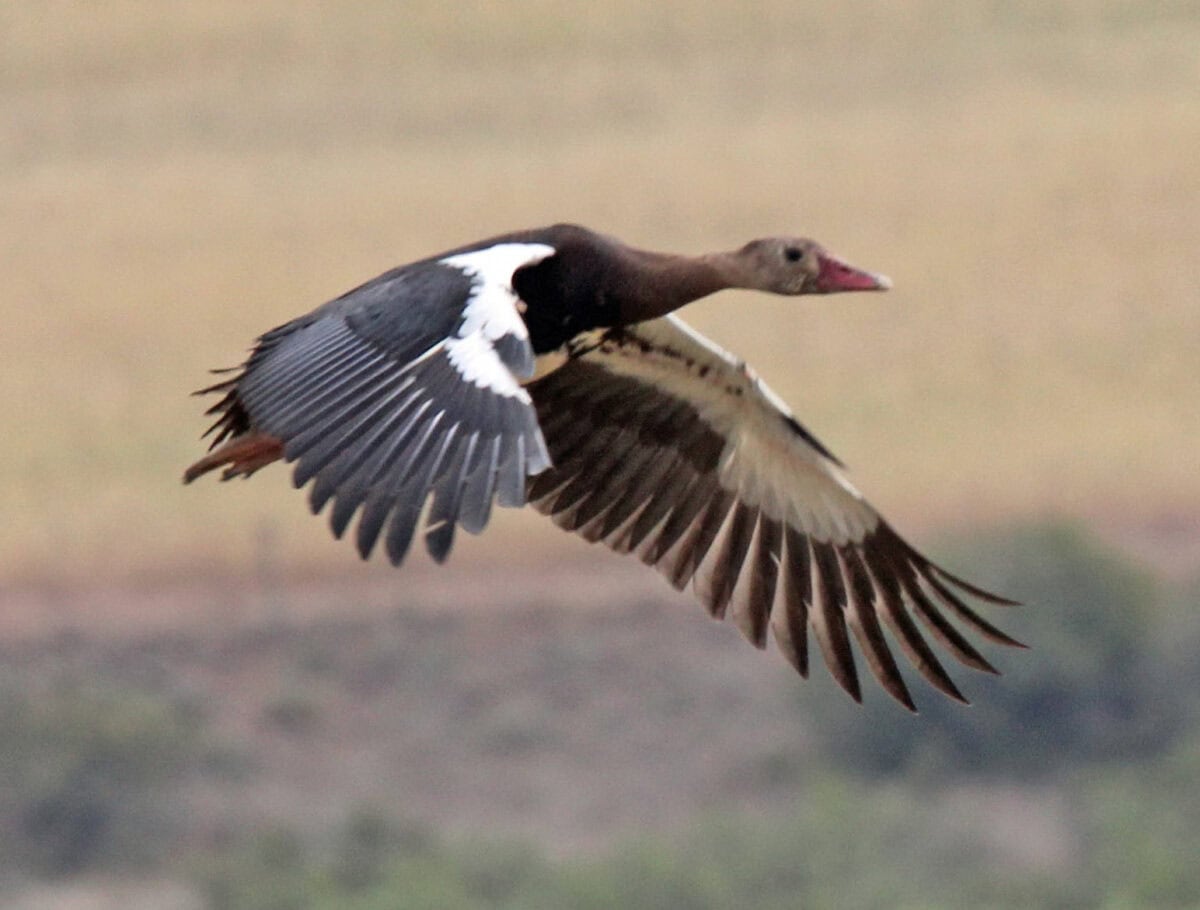
One of evolution’s most enduring mysteries involves the standard pentadactyl (five-digit) limb pattern that characterizes most tetrapods. Early tetrapods like Acanthostega had more digits—eight in its case—yet virtually all later tetrapods settled on a five-digit pattern that has persisted for hundreds of millions of years. Even when the number of digits is reduced (as in horses or birds) or digits are modified (as in bat wings or whale flippers), the underlying developmental pattern still reflects this five-digit ancestry. Why five digits became the standard template remains uncertain, but it likely represents a developmental constraint that became fixed early in tetrapod evolution.
The pentadactyl limb has proven remarkably versatile, serving as the foundation for an astonishing diversity of limb forms. From the wings of pterosaurs and birds to the flippers of marine mammals, from the digging limbs of moles to the grasping hands of primates, this basic pattern has been modified to serve countless functions while maintaining its fundamental structure. This is one of evolution’s most striking examples of how a single ancestral pattern can diversify to serve radically different functions. The fact that our own five-fingered hands represent the latest iteration of a pattern established over 360 million years ago provides a tangible connection to those first pioneering tetrapods that ventured onto land.
The Carboniferous Rainforest Collapse Driving Tetrapod Diversification
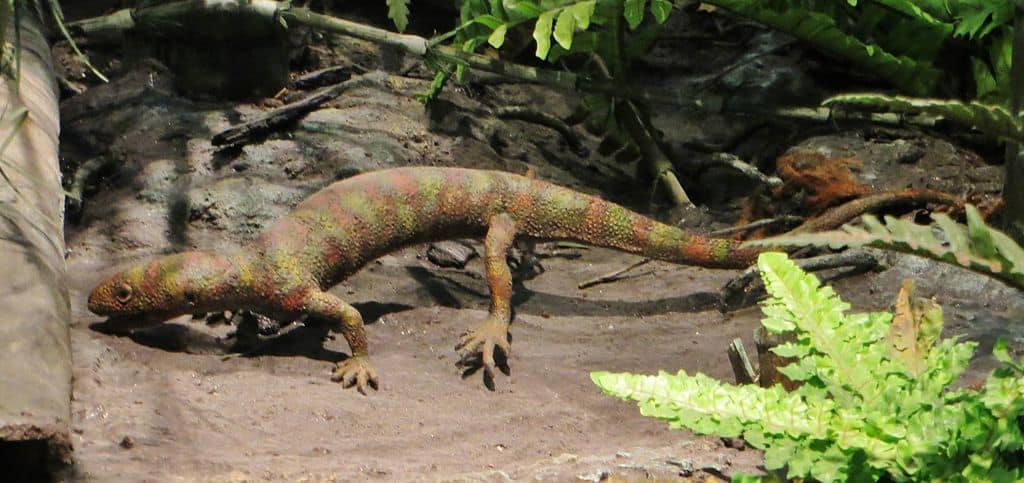
Following the initial tetrapod transition to land in the Devonian, the subsequent Carboniferous period (359-299 million years ago) saw an explosion of tetrapod diversity in warm, humid coal swamps that covered much of the globe. These environments were perfect for amphibious tetrapods that still required moisture for their eggs and skin. However, approximately 307 million years ago, a major climatic shift known as the Carboniferous Rainforest Collapse dramatically altered these habitats. Global cooling and drying led to the fragmentation of these vast swamp forests, creating isolated “islands” of habitat separated by drier terrain.
This environmental crisis proved to be an evolutionary catalyst. The fragmentation of habitats drove rapid speciation as populations became isolated, while the increasingly arid conditions favored adaptations for greater independence from water. These pressures likely accelerated the evolution of the amniotic egg—a revolutionary adaptation with a waterproof membrane and built-in food supply that freed tetrapods from returning to water to reproduce. The first fully terrestrial vertebrates—early reptiles—emerged during this period, with fossils like Hylonomus (dating to about 315 million years ago) representing some of the earliest known amniotes. This evolutionary innovation opened the door to the complete colonization of land environments, eventually leading to dinosaurs, mammals, and ultimately humans. What began as an environmental catastrophe ultimately propelled tetrapod evolution toward greater terrestrial adaptation.
They Conquered Land Without Conquering Water Loss
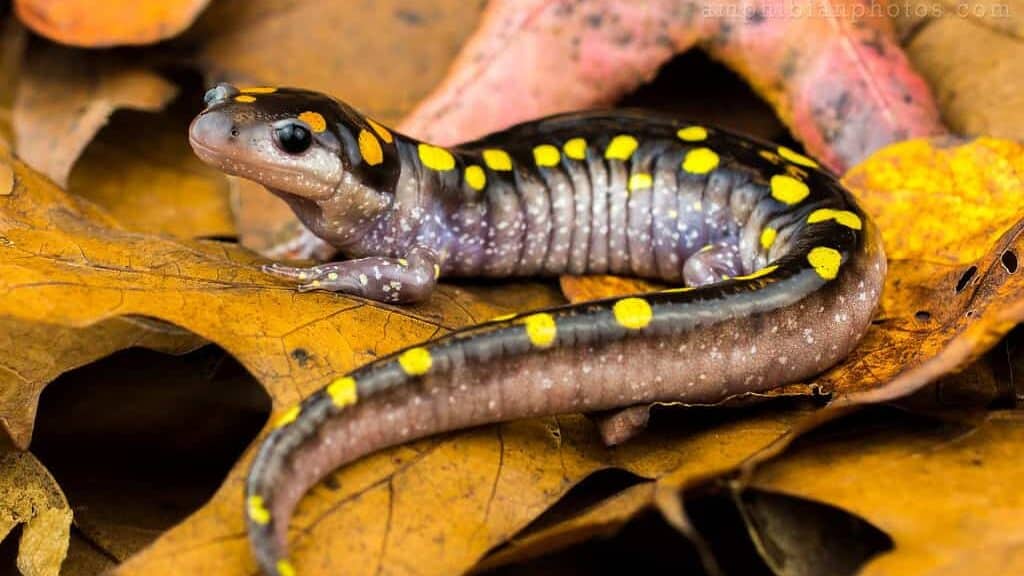
One of the most formidable challenges faced by early land animals was preventing dehydration in the dry terrestrial environment. Unlike their aquatic ancestors, land animals were suddenly exposed to the desiccating effects of air and sun. Early tetrapods hadn’t yet evolved the sophisticated water conservation mechanisms seen in modern terrestrial vertebrates. Their skin remained relatively permeable, lacking the keratin-rich barriers that would later evolve in reptiles, birds, and mammals. This water retention problem likely restricted the first land vertebrates to humid environments near water sources.
This physiological limitation explains why early tetrapods maintained strong ties to aquatic habitats despite their ability to venture onto land. Most early tetrapods likely had to return to water regularly to rehydrate, and many probably retained moist, glandular skin similar to modern amphibians. It would take the evolution of the amniotes—with their water-tight skin, more efficient kidneys, and waterproof eggs—to truly overcome this constraint. This gradual conquest of the water loss problem illustrates how evolutionary transitions often involve long periods where organisms maintain connections to their ancestral habitats while slowly developing adaptations that allow them to exploit new ones. The fact that early tetrapods ventured onto land despite these physiological limitations speaks to the powerful evolutionary advantages that even limited terrestrial capabilities must have provided.
The First Tetrapods Were Likely Nocturnal Hunters
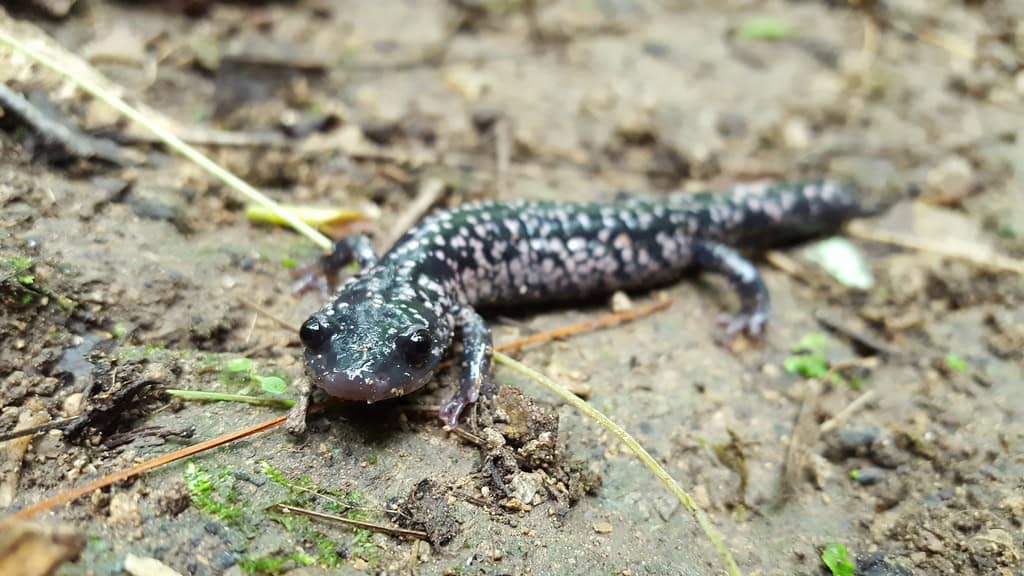
Evidence from both fossil anatomy and ecological considerations suggests that many early tetrapods were primarily nocturnal predators. The transitional environments they inhabited—swampy margins between water and land—would have been teeming with terrestrial invertebrates like millipedes, primitive insects, and early arachnids. These creatures, which had colonized land millions of years earlier, would have represented a rich, untapped food source for vertebrates able to venture ashore. Many of these invertebrates were likely more active at night when humidity was higher and the risk of desiccation lower.
The anatomy of early tetrapods supports this nocturnal hunter hypothesis. Many possessed large eye sockets relative to their skull size, suggesting enhanced light-gathering capability useful for low-light conditions. They also retained lateral line systems—sensory organs that detect water movement—which would have been effective in the shallow, murky waters they inhabited. Their limb structure indicates they were unlikely to be fast movers, but speed would be less crucial for ambushing invertebrate prey than for escaping larger predators. This nocturnal hunting strategy would have minimized competition with the diverse fish populations of the time while also reducing the risk of desiccation during hot, dry daylight hours. The image of these pioneering tetrapods crawling ashore under cover of darkness to hunt presents a very different picture from the often-portrayed triumphant march onto land.
Pederpes The First Tetrapod That Could Actually Walk
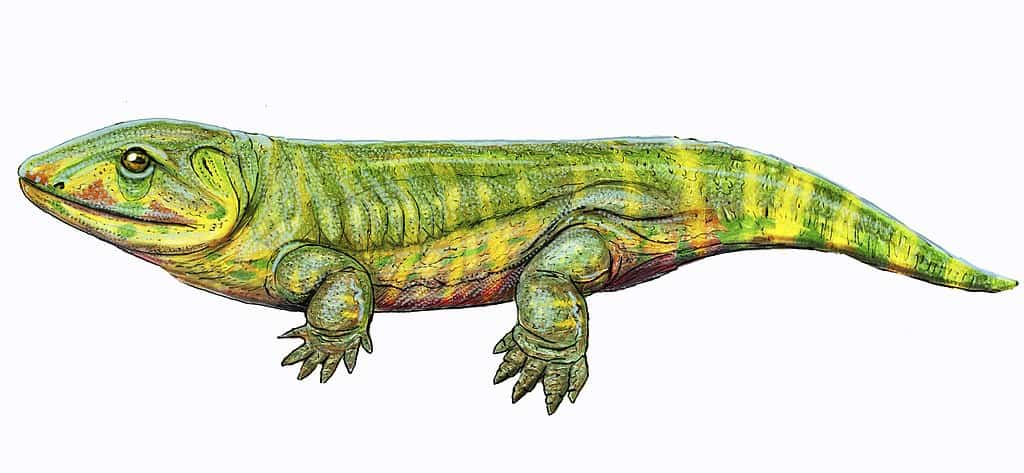
While earlier tetrapods like Acanthostega and Ichthyostega had limbs, they weren’t structured for efficient terrestrial locomotion. Pederpes finneyae, dating to approximately 348 million years ago (Early Carboniferous period), represents a crucial evolutionary step forward. This meter-long tetrapod possessed several anatomical features that made it better adapted for land movement than its predecessors. Most notably, Pederpes had forward-facing feet rather than the sideways-oriented appendages of earlier tetrapods, a configuration much more suitable for walking rather than paddling. Its limbs were also positioned more directly beneath its body, providing better support against gravity.
The significance of Pederpes extends beyond its locomotive capabilities. It falls within an enigmatic gap in the fossil record known as “Romer’s Gap”—a roughly 15-20 million year period following the Devonian from which very few tetrapod fossils have been discovered. This gap has complicated our understanding of this crucial transitional period in tetrapod evolution. Pederpes helps bridge this gap, showing that during this mysterious interval, tetrapods were evolving more efficient terrestrial locomotion. Its discovery suggests that the apparent absence of tetrapods during Romer’s Gap may be due to preservation biases or insufficient sampling rather than an actual decline in tetrapod diversity. Each new fossil from this period, like Pederpes, provides vital pieces to the puzzle of how vertebrates conquered land.
The First Land Animals Didn’t Leave the Water Behind

Despite their groundbreaking move to land, early tetrapods maintained strong connections to their aquatic origins. Many early forms retained functional gills alongside developing lungs, allowing them to breathe in both environments. Their skin likely remained permeable, requiring regular rehydration in water. Perhaps most significantly, these animals returned to water to reproduce, laying eggs that lacked protective membranes and would quickly dry out on land. These eggs developed into aquatic larvae (similar to modern tadpoles) that underwent metamorphosis before gaining any terrestrial capabilities.
This amphibious lifestyle persisted for millions of years and continues today in modern amphibians. It would take the evolution of the amniotic egg—with its protective membranes and self-contained aquatic environment—to fully liberate vertebrates from their need to return to water for reproduction. This evolutionary innovation wouldn’t appear until about 312 million years ago, roughly 50 million years.
Conclusion:
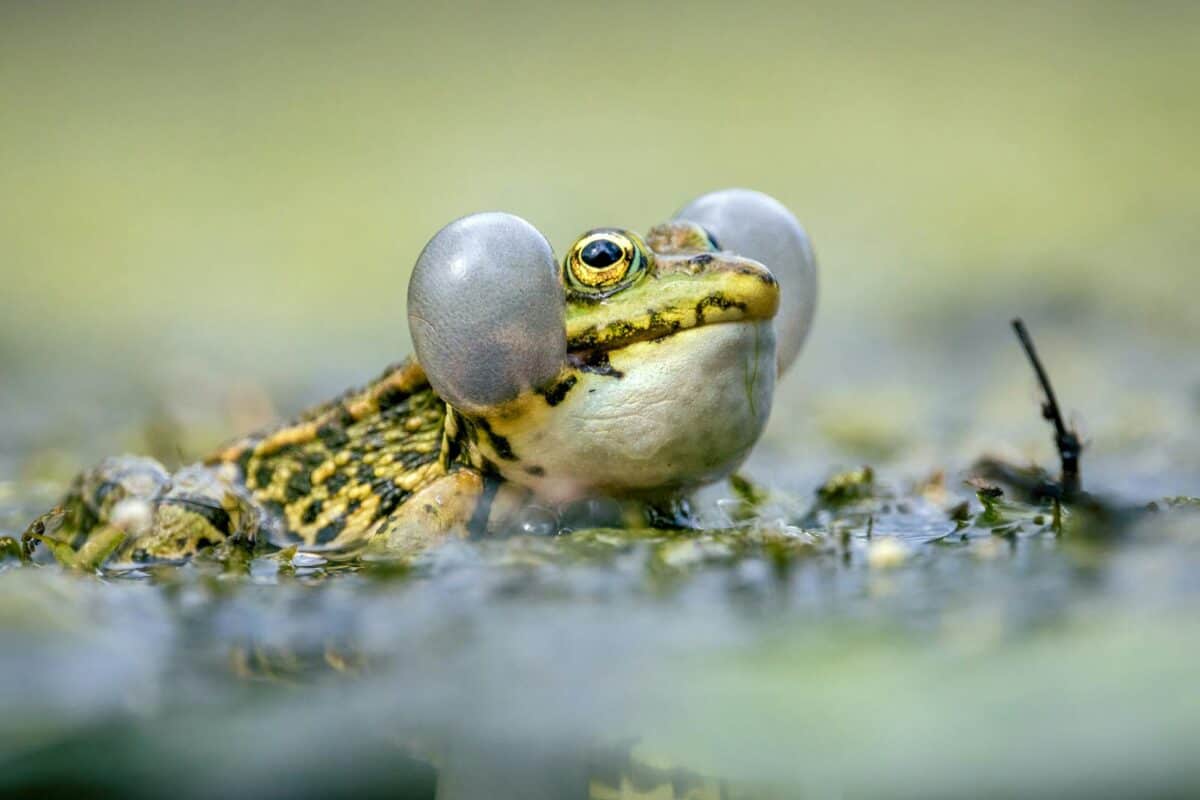
The first land animals were far more than just evolutionary pioneers—they were groundbreaking survivors that reshaped life on Earth. From breathing through their skin to developing early forms of limbs and lungs, these ancient creatures made the impossible leap from water to land. Their adaptations laid the biological foundation for all terrestrial life that followed, including reptiles, mammals, and eventually, humans. Each fact about their existence deepens our appreciation for the incredible resilience and innovation of life itself.
What makes these early land animals so jaw-dropping isn’t just their biology—it’s the sheer audacity of their transition. Leaving the comfort and buoyancy of water meant facing gravity, desiccation, and an entirely new set of predators and environments. Yet, they not only survived—they thrived. Their evolutionary legacy reminds us that some of the most dramatic changes in history begin with a single step… out of the water.

As a little kid, I fell in love with nature, wildlife, and animals. Living in the USA, South Africa, Italy, China and Germany gave me the opportunity to discover the world's Wildlife. My favorite animals are Mountain Gorillas, Siberian Tigers, and Great White Sharks.
I'm a certified PADI Open Water Diver, went to Everest Base Camp and Trekked Gorillas in Uganda. I hold a Master of Science in Economics and Finance.
Please send any feedback to feedback@animalsaroundtheglobe.com
- 13 Cat Breeds That Get Along with Dogs - July 20, 2026
- The 12 Largest Dog Breeds That Still Love to Cuddle - July 20, 2026
- 12 Pet Habits That Secretly Mean They Love You - July 20, 2026