

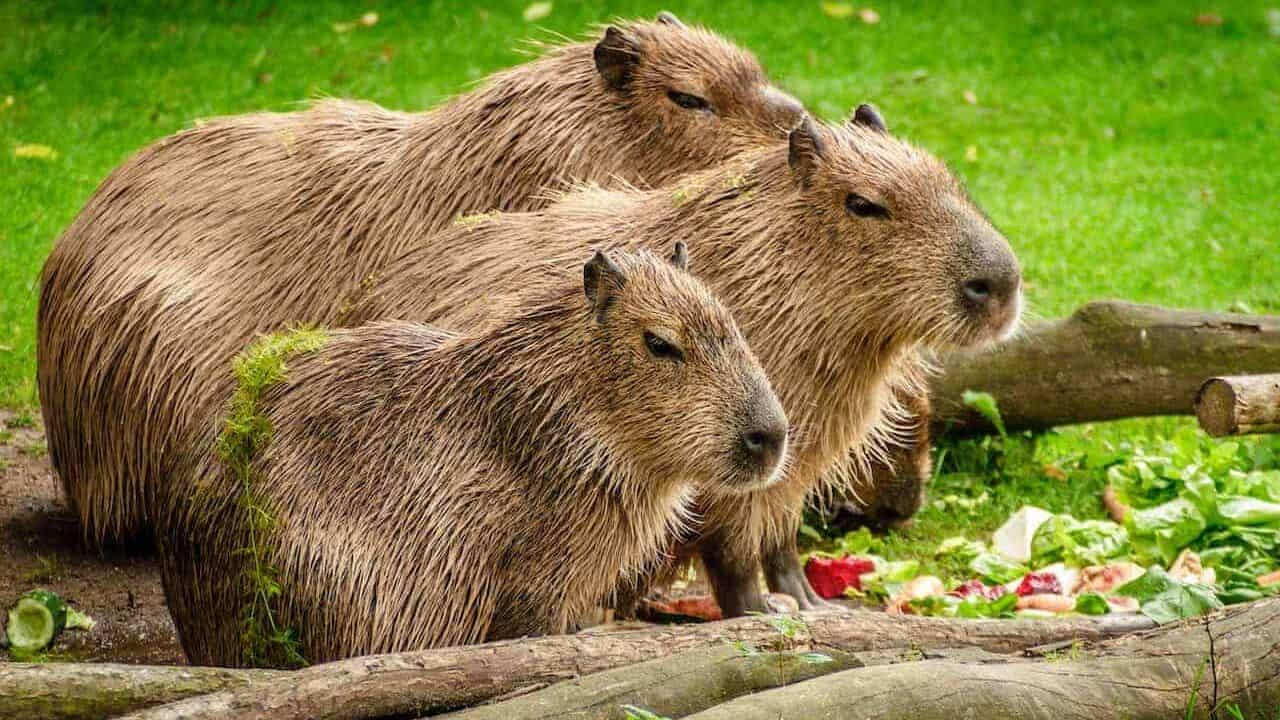
Capybaras, the world’s largest rodents, have earned an international reputation as nature’s most easygoing creatures. Native to South America, these semi-aquatic mammals possess a remarkable trait that separates them from most other wild animals: they genuinely seem to enjoy the company of not just their own kind, but an astonishingly diverse array of other species. From birds to monkeys, alligators to domestic dogs, capybaras demonstrate an unusual willingness to peacefully coexist with animals that other species might consider predators or competitors.
This exceptional sociability isn’t just cute internet fodder—it represents a fascinating behavioral phenomenon that has captured the attention of both scientists and animal lovers worldwide. Standing about two feet tall at the shoulder and weighing up to 150 pounds, these giant guinea pig relatives combine their imposing size with a surprisingly gentle demeanor. Their non-threatening nature and calm temperament create a unique dynamic that allows for interspecies interactions rarely seen elsewhere in the animal kingdom.
The Science Behind Capybara Sociability
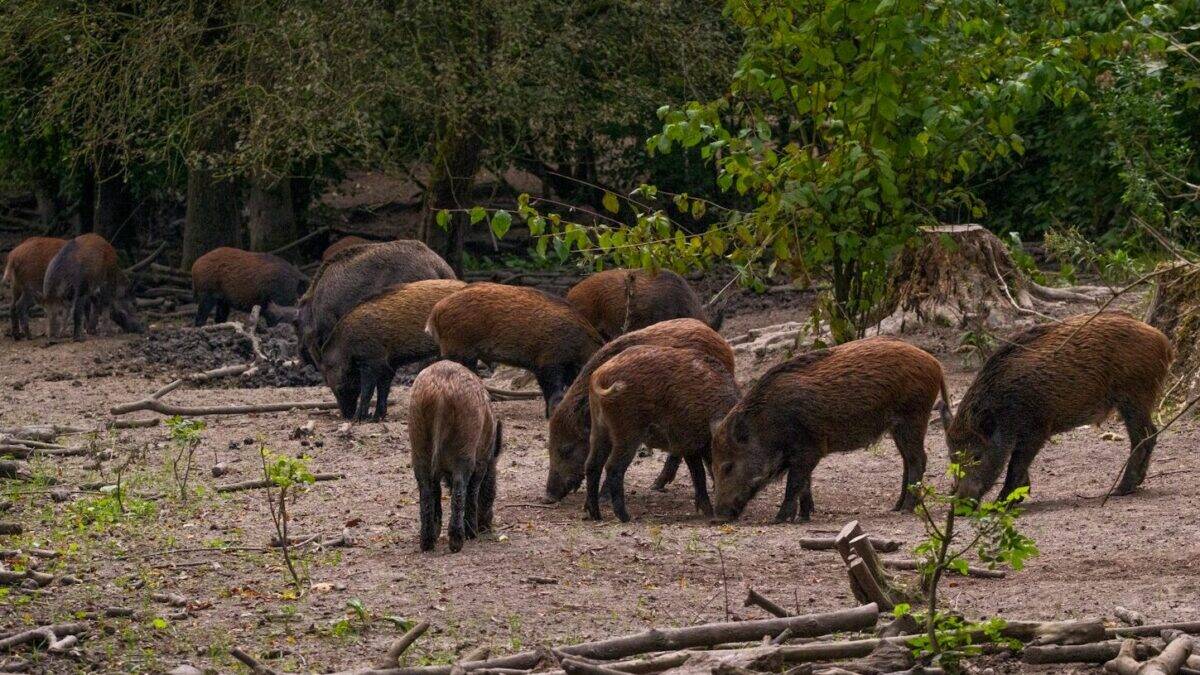
Capybaras’ extraordinary sociability has biological and evolutionary roots. In the wild, these rodents live in highly social groups of 10-20 individuals, though groups of up to 100 have been observed during the dry season when resources concentrate around remaining water sources. This natural herding behavior has made them predisposed to social interactions. Dr. Elizabeth Congdon, a capybara researcher, notes that their relaxed temperament likely evolved as a survival mechanism in their native habitats, where remaining calm and non-threatening helps them conserve energy and avoid unnecessary confrontations.
Capybaras also possess high levels of oxytocin, often called the “love hormone,” which facilitates bonding and social attachment. This neurochemical foundation helps explain why they seem so comfortable around other species. Additionally, their position in the food chain as prey animals has likely conditioned them to assess threats accurately rather than responding with immediate aggression—a trait that enables them to distinguish between genuine dangers and harmless companions. This combination of factors creates the perfect neurological and behavioral foundation for their famous interspecies friendliness.
Birds and Capybaras: A Classic Symbiotic Relationship

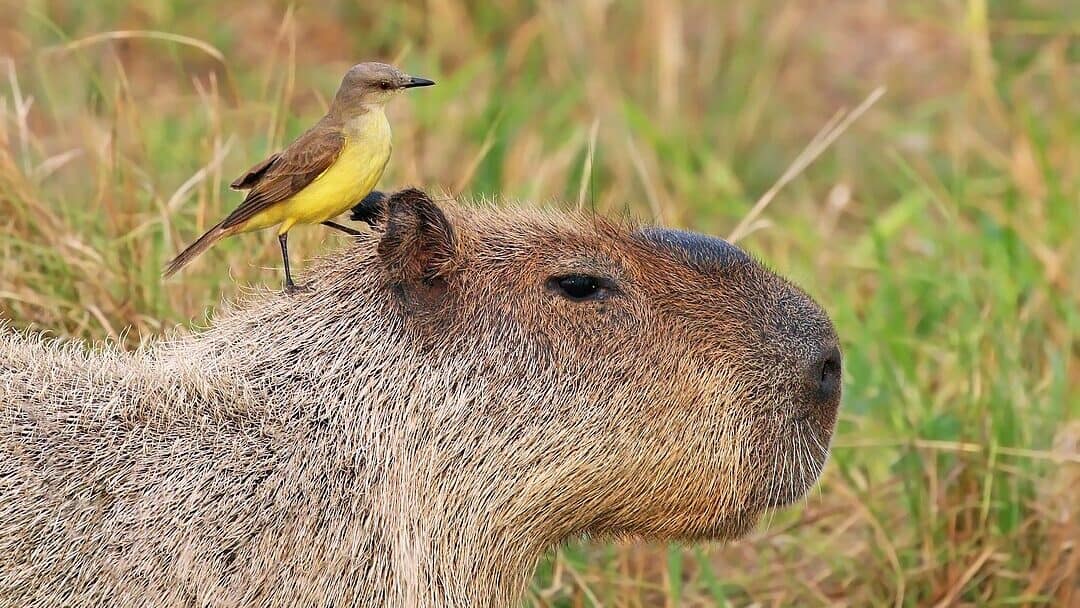
Perhaps the most well-documented interspecies relationship involving capybaras is their association with various bird species. Cattle egrets, yellow-headed caracaras, and various blackbird species are frequently observed perched atop or around capybaras. This relationship is mutually beneficial: the birds feed on insects, ticks, and other parasites that plague the capybaras, while the rodents receive free grooming services. Research has shown that capybaras with bird companions have significantly fewer parasites than those without these feathered friends.
What makes this relationship particularly special is the capybaras’ active participation. Unlike some animals that merely tolerate such grooming arrangements, capybaras often appear to actively encourage their avian partners by stretching out, exposing tick-prone areas, and remaining perfectly still during the grooming process. Some observations even suggest that capybaras will deliberately position themselves to make it easier for birds to land on them. This relationship goes beyond mere tolerance—it’s a genuine cooperation that demonstrates the capybara’s understanding of mutual benefit.
Surprising Friendships with Predators

One of the most counterintuitive aspects of capybara sociability is their apparent comfort around natural predators. In the wetlands of the Pantanal and Amazon, capybaras have been documented peacefully coexisting with caimans and even jaguars under certain circumstances. While these predators do hunt and consume capybaras, there are countless documented instances where they share the same space without conflict. Wildlife photographers have captured remarkable images of capybaras lounging mere feet away from caimans basking in the sun.
This unusual dynamic appears to stem from the capybara’s keen situational awareness. They can accurately assess when a predator poses an immediate threat versus when it’s simply sharing the same habitat without hunting intentions. During the dry season, when water sources become limited, capybaras and their predators often gather at the same watering holes out of necessity. The capybaras seem to understand that in these contexts, with abundant alternative food sources available, predators are less likely to attack, allowing for temporary peaceful coexistence that defies typical predator-prey relationships.
Capybaras and Domestic Animals: Unexpected Companions

In captive settings, capybaras’ social flexibility truly shines. Numerous wildlife sanctuaries, zoos, and private reserves have documented capybaras forming close bonds with domestic animals including dogs, cats, horses, and goats. These relationships often develop despite no evolutionary history of interaction between these species. At the Nagasaki Bio Park in Japan, capybaras are known to peacefully cohabitate with various hoofstock and even allow small monkeys to ride on their backs.
Particularly heartwarming are the documented relationships between capybaras and domestic dogs. Despite dogs being predators by nature, capybaras in sanctuaries often engage in play behaviors with canine companions, sharing spaces and even sleeping side by side. This cross-species bonding demonstrates the capybara’s remarkable ability to assess individual animals rather than categorically fearing potential predator species. Their capacity to form these unexpected friendships speaks to their highly developed social intelligence and adaptability.
The Role of Environmental Factors
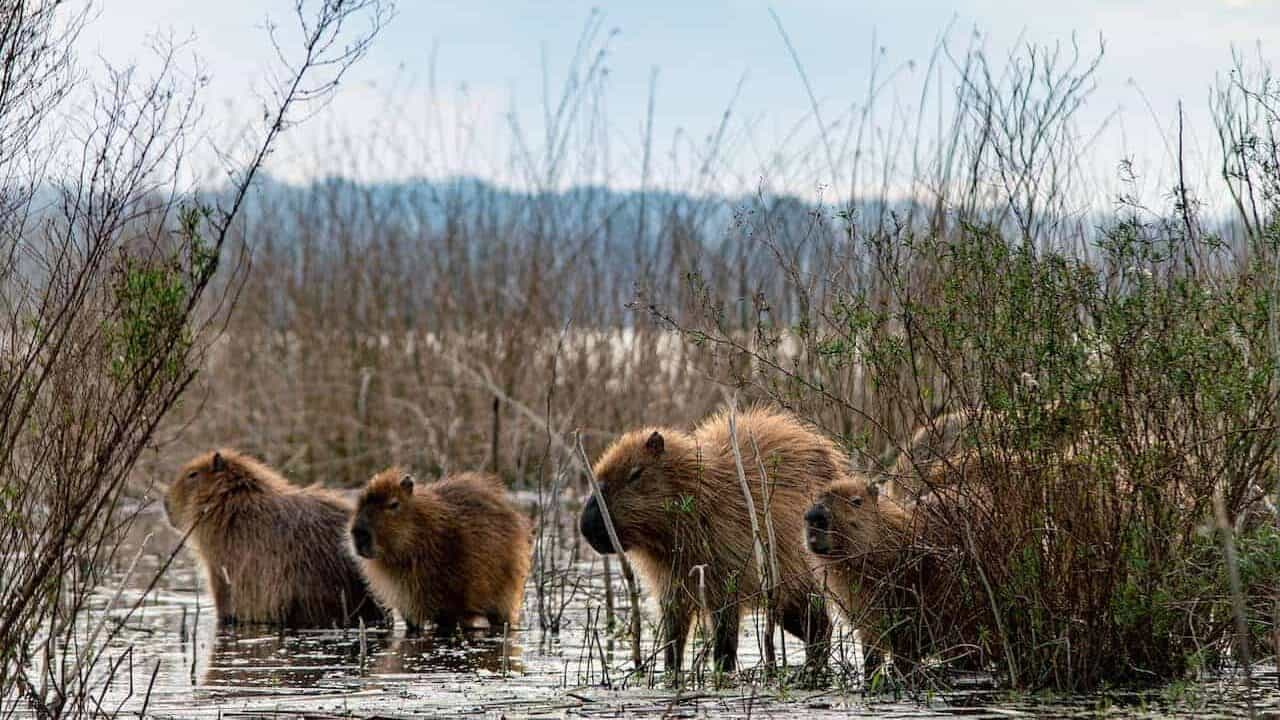
Environmental conditions play a significant role in facilitating capybaras’ interspecies sociability. These rodents thrive in wetland habitats where resources are abundant and concentrated, creating natural gathering points for multiple species. The availability of plentiful food and water reduces competition and territorial aggression, allowing for more peaceful coexistence. During South America’s dry seasons, when water sources become limited, even more species congregate around remaining water bodies, further encouraging interspecies tolerance.
Climate also influences these social dynamics. Capybaras are highly sensitive to temperature and regularly seek water to cool down in tropical heat. This behavior creates opportunities for interaction with aquatic species and birds that frequent the same cooling spots. The seasonal flooding cycles in habitats like the Pantanal create periods of resource abundance that reduce competition and foster peaceful multispecies communities. These environmental factors create the perfect conditions for capybaras to express their natural sociability across species boundaries.
Communication Skills That Bridge Species Gaps

Capybaras possess a sophisticated communication system that helps them navigate social interactions both within their species and beyond. They utilize a complex vocabulary of vocalizations, including purrs, clicks, whistles, and barks, each conveying different messages about food, danger, or social status. Beyond vocalizations, capybaras are remarkably fluent in body language, using subtle postures and movements to signal their intentions and emotional states to others around them.
This communication sophistication extends to their interactions with other species. Capybaras appear to recognize and respond appropriately to the warning signals of birds and monkeys, suggesting an ability to “eavesdrop” on other species’ communication systems. When interacting with potential predators or unfamiliar animals, they display clear non-threatening signals—maintaining relaxed postures, avoiding direct eye contact when appropriate, and using slow, deliberate movements. This communication finesse allows them to establish boundaries and mutual understanding with species that don’t share their evolutionary history.
Famous Interspecies Friendships Featuring Capybaras

Several capybaras have achieved internet fame through their remarkable interspecies friendships. Perhaps most famous is JoeJoe the Capybara, whose interactions with ducklings, puppies, and cats garnered millions of views online before his passing. At the Nagasaki Bio Park in Japan, photographers have documented capybaras sharing hot spring baths with birds perched on their heads, creating images that have circulated globally as examples of peaceful coexistence. The BIOPARQUE Temaikèn in Argentina features a capybara named Garibaldi who regularly allows small monkeys to use him as a living jungle gym.
These famous examples have done more than just entertain—they’ve helped scientists understand the extent of capybaras’ social flexibility. Wildlife biologist Dr. Maria Fernanda Correia has studied these documented relationships and notes that they reveal important insights about animal cognition and the potential for positive interspecies relationships under the right conditions. These capybara celebrities have become ambassadors for their species, helping to raise awareness about conservation issues affecting the wetland habitats where wild capybaras live.
Capybaras in Human Communities
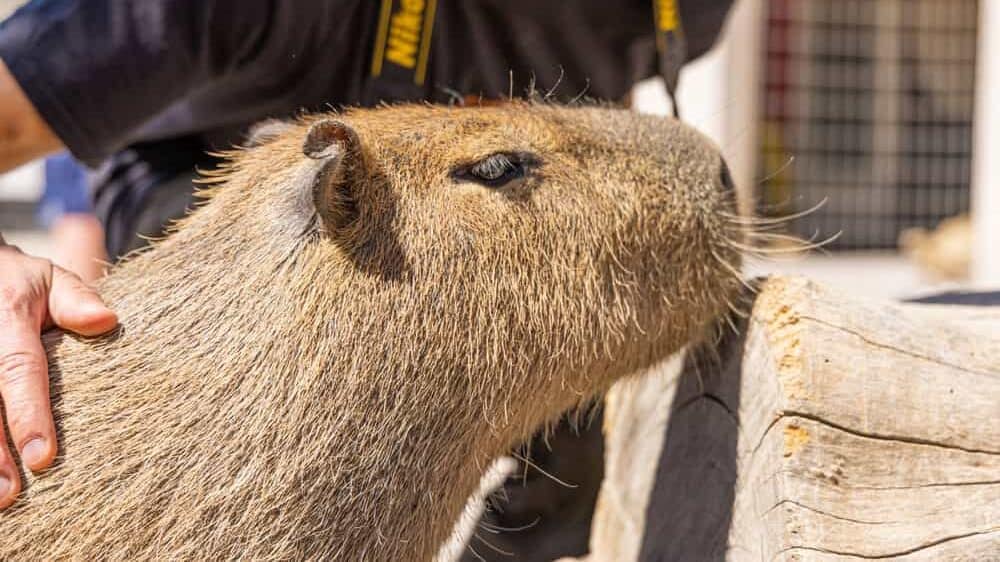
The capybara’s social adaptability extends to human environments as well. In parts of South America, particularly in suburban areas that border wetlands, capybaras have adapted to living alongside humans with remarkable success. In countries like Argentina and Brazil, some neighborhoods regularly experience capybaras wandering through yards, parks, and golf courses. In the famous case of Nordelta, an upscale neighborhood in Buenos Aires, Argentina, hundreds of capybaras have reclaimed what was once their natural habitat, creating an unusual but mostly peaceful coexistence with human residents.
Their ability to adapt to human proximity demonstrates another facet of their social flexibility. Unlike many wildlife species that avoid human settlements, capybaras show a unique capacity to assess humans as non-threatening under certain circumstances. This adaptability has created both challenges and opportunities for conservation. While human-capybara conflicts occasionally arise over landscaping damage, their charismatic nature has also fostered local protection efforts and turned them into unofficial mascots for some communities, highlighting the potential for positive human-wildlife relationships.
The Evolutionary Advantage of Being Friendly
The capybara’s remarkable sociability likely provides several evolutionary advantages. By maintaining peaceful relationships with various species, they gain access to valuable resources without expending energy on conflicts. Their relationships with birds provide parasite control, improving their health and reducing disease transmission within capybara groups. Their ability to accurately assess predation risk—rather than responding with constant fear—allows them to conserve energy for genuine threats while maximizing feeding and resting time.
Scientists studying animal behavior suggest that the capybara represents an evolutionary strategy where social flexibility creates more benefits than costs. Dr. Jonathan Soulsby, an evolutionary biologist, points out that capybaras’ calm demeanor might initially seem counterintuitive for a prey species but actually represents a sophisticated adaptation. By being selective about when to flee and when to remain calm, capybaras optimize their energy expenditure and stress levels. This balance of vigilance and sociability has proven remarkably successful—capybaras remain abundant throughout their range despite habitat pressures.
Lessons in Coexistence from Capybaras
The capybara’s exceptional ability to peacefully coexist with diverse species offers valuable insights for conservation biology and wildlife management. Their success demonstrates the importance of understanding species-specific social behaviors when designing conservation strategies. Traditional conservation approaches sometimes focus narrowly on single-species protection, but capybaras highlight the value of preserving entire ecological communities and the complex relationships within them. Their wetland habitats support remarkable biodiversity precisely because species like capybaras facilitate positive interspecies dynamics.
On a philosophical level, capybaras challenge our understanding of natural boundaries between species. While evolution has generally favored species separation and specialization, capybaras remind us that cooperation and peaceful coexistence also have evolutionary value. As humans continue to impact natural habitats worldwide, the capybara’s flexible approach to social relationships provides an inspirational model for adaptability. Their success suggests that sometimes, the most effective survival strategy isn’t aggression or isolation, but rather the ability to get along with neighbors of all kinds.
Capybaras have captivated human imagination precisely because they defy our expectations about wildlife behavior. Their remarkable capacity for interspecies sociability continues to surprise and delight both scientists and animal enthusiasts worldwide. From their symbiotic relationships with birds to their unexpected friendships with predators and domestic animals, capybaras demonstrate that the natural world contains more complexity and nuance than we often assume. Their peaceful disposition reminds us that nature isn’t solely defined by competition and predation—cooperation and coexistence are equally valid and successful strategies.
As we face increasing environmental challenges, the capybara offers an unexpected model of resilience through adaptability and social flexibility. Their ability to form connections across species boundaries serves as both a scientific curiosity and a powerful metaphor. In a world where divisiveness often dominates our attention, these remarkable rodents remind us of the potential for finding common ground with those different from ourselves. The capybara’s enduring popularity speaks to something fundamental in human nature—our inherent appreciation for creatures that embody the possibility of peaceful coexistence in a complex world.

- How Crickets Chirp Using Their Wings - July 20, 2026
- The Largest Sea Turtle Ever Rescued Off North Carolina - July 20, 2026
- The Ocean’s Escape Artist: Why Octopuses Outsmart Us All - July 20, 2026