

The Grand Canyon, a colossal chasm carved by the Colorado River, stretches across 277 miles of Arizona’s rugged landscape. While visitors marvel at its breathtaking vistas and geological wonders, a diverse array of mammalian life thrives within its varied ecosystems. From the pinyon-juniper woodlands along the rim to the scorching desert floors nearly a mile below, the Grand Canyon provides habitats for approximately 90 mammal species. These remarkable creatures have adapted to the extreme temperature variations, limited water sources, and challenging terrain that define this natural wonder. As we explore the mammals of the Grand Canyon, we’ll discover how they’ve evolved to survive in one of North America’s most dramatic landscapes, forming a vital part of this iconic national park’s biodiversity.
The Diverse Ecosystems of the Grand Canyon
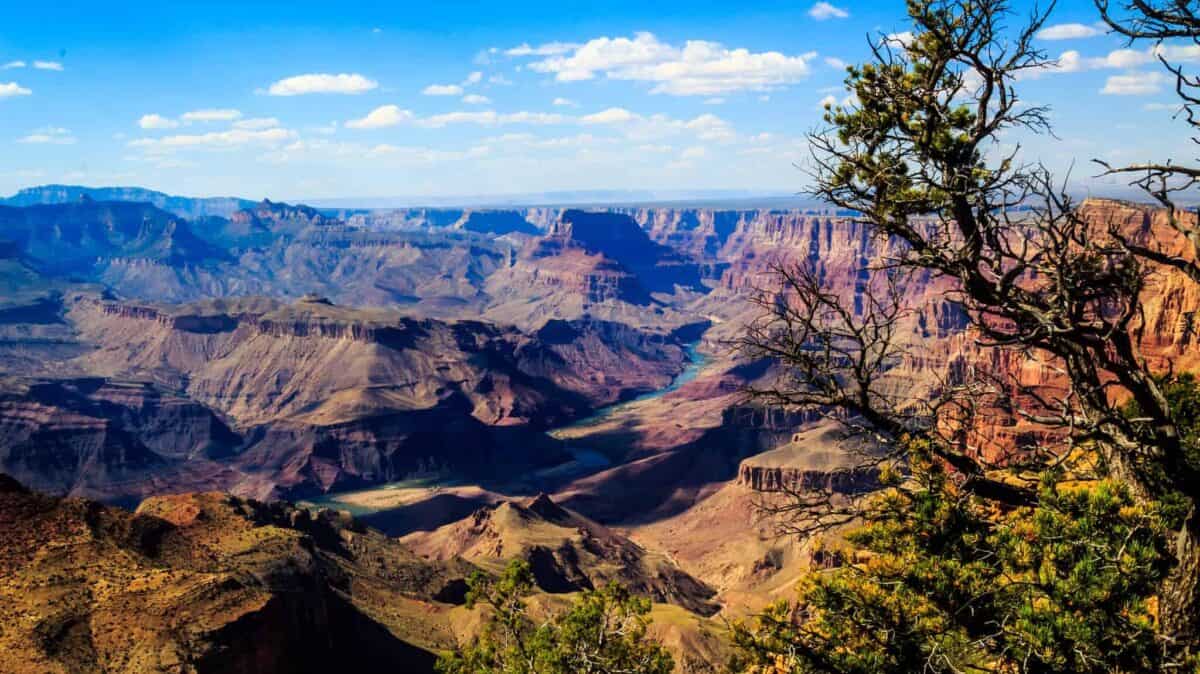
The Grand Canyon’s dramatic elevation changes create a remarkable variety of habitats within a relatively small area. The canyon drops from approximately 8,000 feet at the North Rim to just 2,000 feet at the Colorado River, producing what ecologists call “vertical zonation” – essentially stacking multiple climate zones on top of each other. This unique arrangement allows mammals typically separated by hundreds of miles to live in relative proximity.
The uppermost reaches feature cool, forested plateaus dominated by ponderosa pine and mixed conifer forests. Moving downward, these transition to pinyon-juniper woodlands, then desert scrub communities, and finally riparian zones along the Colorado River. Each zone hosts distinctive mammal assemblages that have adapted to specific environmental conditions. This ecological diversity makes the Grand Canyon an extraordinary natural laboratory for studying how mammals adapt to different environmental pressures across elevation gradients.
Iconic Ungulates: Bighorn Sheep and Mule Deer
Perhaps the most recognizable large mammals in the Grand Canyon are its ungulates, particularly the desert bighorn sheep (Ovis canadensis nelsoni). These magnificent creatures are perfectly adapted to the canyon’s steep, rocky terrain. Their specialized hooves feature soft, grippy centers surrounded by hard, sharp edges – essentially nature’s version of high-performance climbing shoes. Male bighorns display impressive curved horns that can weigh up to 30 pounds, while females have shorter, more slender horns. Visitors hiking inner canyon trails occasionally glimpse these agile climbers navigating seemingly impossible cliff faces with remarkable ease.
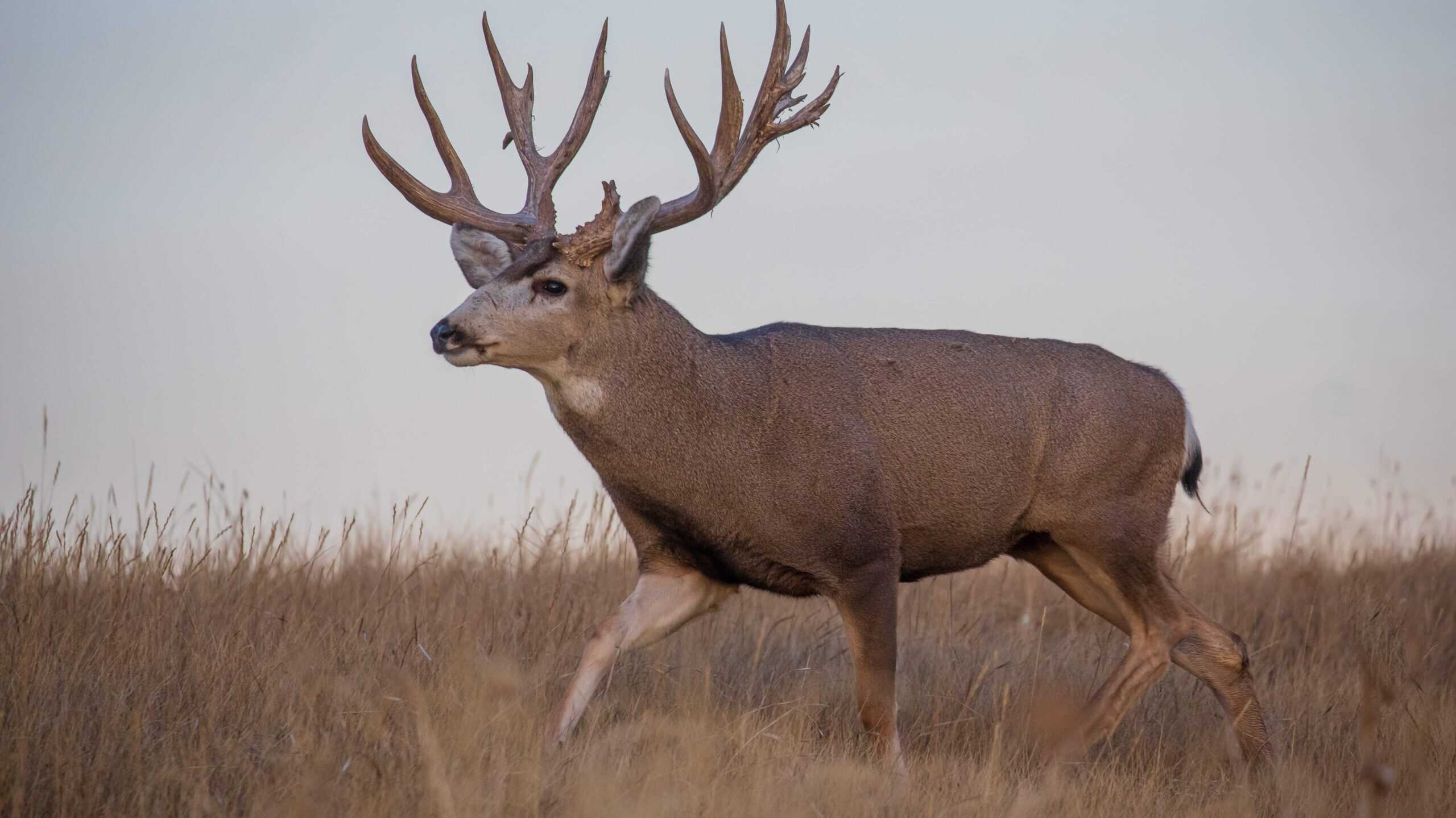
Mule deer (Odocoileus hemionus) represent another common ungulate species, primarily inhabiting the rim areas and upper elevations. Named for their large, mule-like ears that help dissipate heat and detect predators, these deer are larger than their white-tailed cousins found in eastern North America. During summer, mule deer typically remain near the canyon rims where food and water are more plentiful. In winter, some populations migrate to lower elevations seeking milder conditions. Both bighorn sheep and mule deer face challenges from habitat fragmentation, human disturbance, and competition with non-native species.
Elusive Predators: Mountain Lions and Bobcats
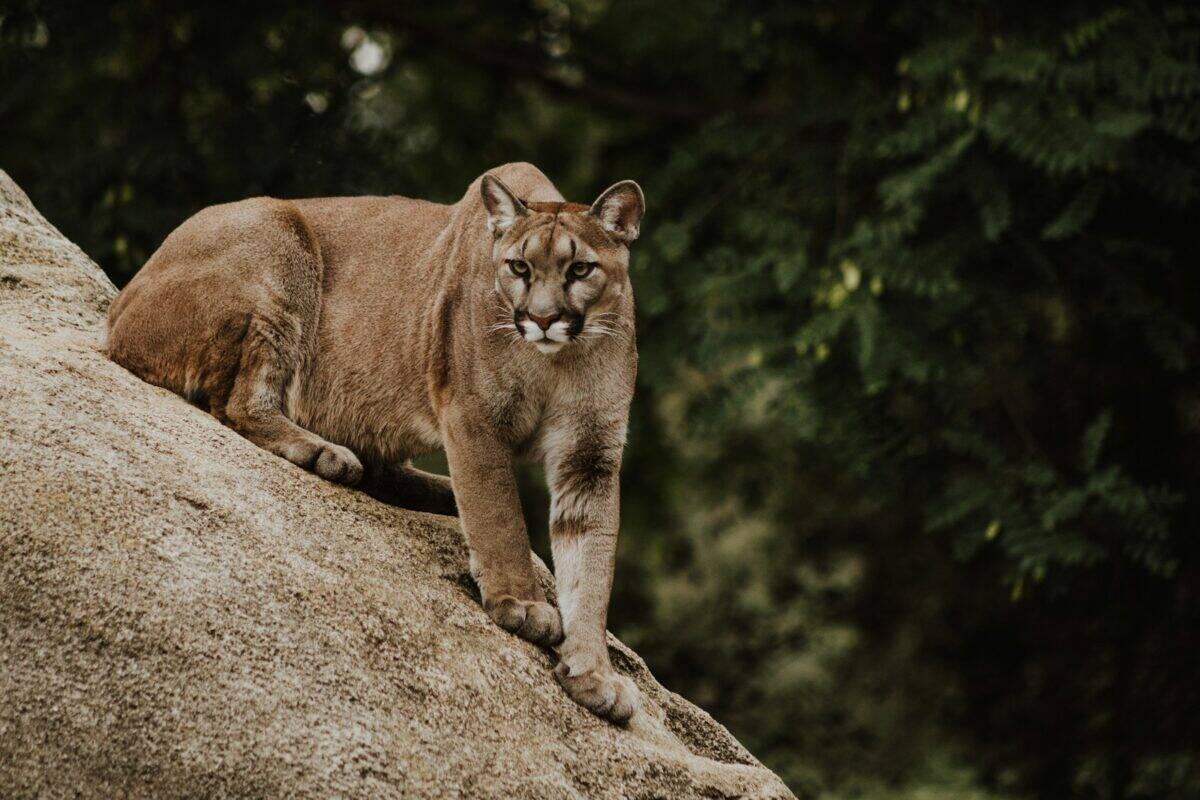
The Grand Canyon hosts several predator species, with mountain lions (Puma concolor) reigning as the apex predator. These powerful cats, also known as cougars or pumas, can weigh up to 150 pounds and require large territories to sustain their hunting needs. Mountain lions are exceptionally elusive, and even researchers who study them rarely obtain direct observations. Instead, their presence is typically confirmed through tracks, scat, or remote camera traps. These solitary hunters primarily prey on mule deer but will opportunistically take smaller mammals and occasionally bighorn sheep.
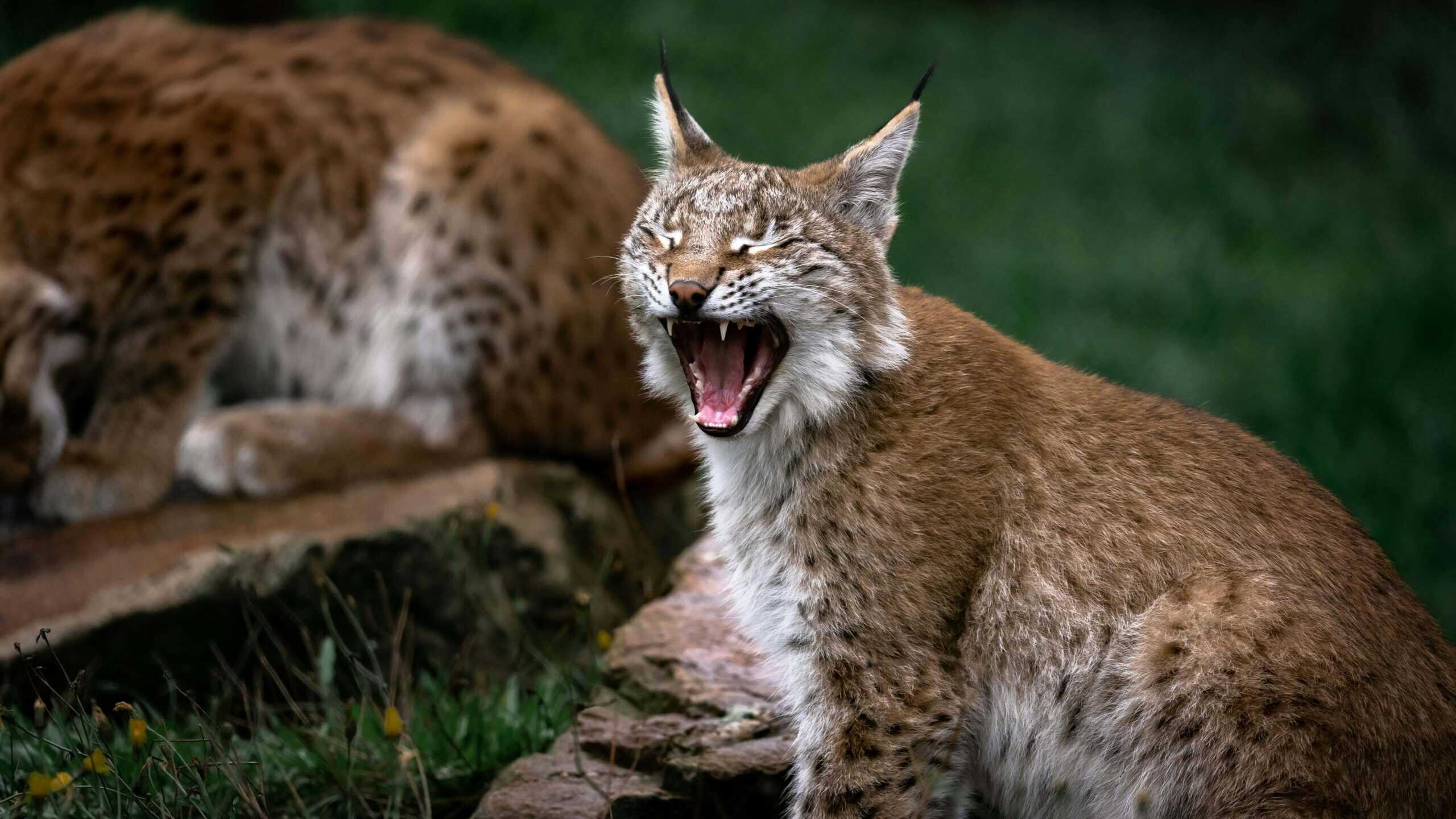
Bobcats (Lynx rufus) represent a smaller but equally secretive feline predator within the canyon ecosystem. Weighing between 15-35 pounds, these adaptable cats inhabit virtually all elevation zones within the canyon. Their spotted coat provides excellent camouflage among the rocks and vegetation. Bobcats primarily hunt rabbits, rodents, and birds, serving as important regulators of small mammal populations. Both mountain lions and bobcats face conservation challenges from habitat fragmentation and decreasing prey populations, though they currently maintain stable numbers within the protected boundaries of Grand Canyon National Park.
Resourceful Omnivores: Coyotes and Ringtails
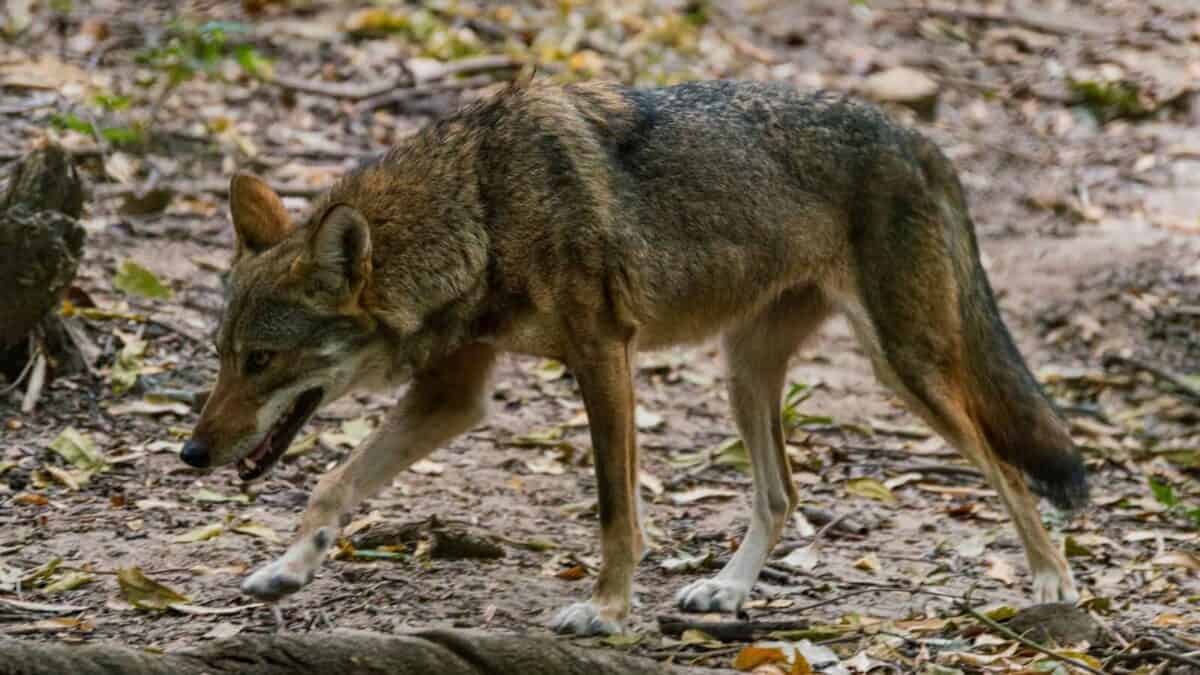
Coyotes (Canis latrans) thrive throughout the Grand Canyon’s varied ecosystems, from rim to river, thanks to their remarkable adaptability. These medium-sized canids have expanded their range across North America as their larger cousin, the wolf, disappeared from many regions. Coyotes are opportunistic omnivores, consuming everything from small mammals and carrion to fruits and human food scraps. Their distinctive yipping howls echo through the canyon at dawn and dusk. Unfortunately, coyotes sometimes become habituated to humans, especially in developed areas where visitors may intentionally or unintentionally feed them.
The ringtail (Bassariscus astutus), sometimes called the “ringtail cat” despite being more closely related to raccoons, represents one of the canyon’s most charming nocturnal omnivores. About the size of a small house cat, ringtails possess remarkable climbing abilities thanks to their semi-retractable claws and ankles that can rotate 180 degrees. Their large eyes and striped tail (with alternating black and white bands) are distinctive features. Ringtails primarily consume insects, small mammals, birds, and fruits. They’ve adapted well to human presence, sometimes denning in buildings near the rim, where they help control rodent populations.
Diverse Rodent Communities
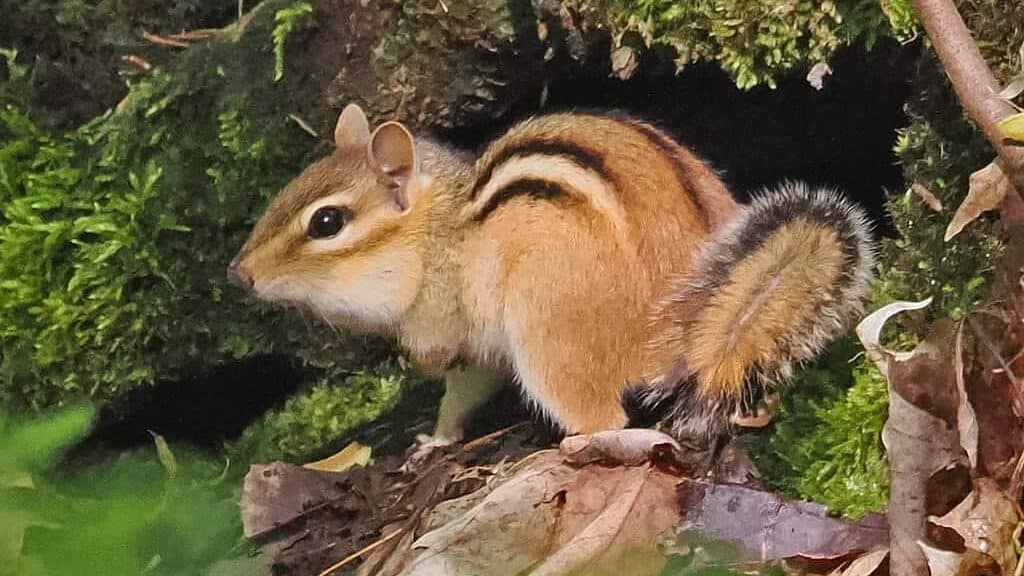
Rodents constitute the most diverse mammalian group within the Grand Canyon, with over 30 different species. These small mammals play crucial ecological roles as seed dispersers, soil aerators, and prey for numerous predators. The cliff chipmunk (Tamias dorsalis) is among the most visible, delighting visitors with its acrobatic antics and distinctive striped pattern. Albert’s squirrel (Sciurus aberti), with its tufted ears and bushy tail, inhabits the ponderosa pine forests of the North Rim, while the Kaibab squirrel, a subspecies with distinctive white tails, is found nowhere else on Earth but the Kaibab Plateau north of the canyon.
Numerous mice, rats, and vole species occupy specialized ecological niches throughout the canyon’s varied habitats. The canyon mouse (Peromyscus crinitus) has adapted to life among the rocks of the inner canyon, while the Mexican woodrat (Neotoma mexicana) constructs elaborate middens (debris piles) that can persist for thousands of years, providing valuable paleontological records. Pocket gophers, though rarely seen due to their subterranean lifestyle, significantly impact soil composition and plant communities through their extensive burrowing activities. All these rodent species have developed specific adaptations to survive the canyon’s temperature extremes and limited water resources.
Rabbits and Hares of the Desert Rims
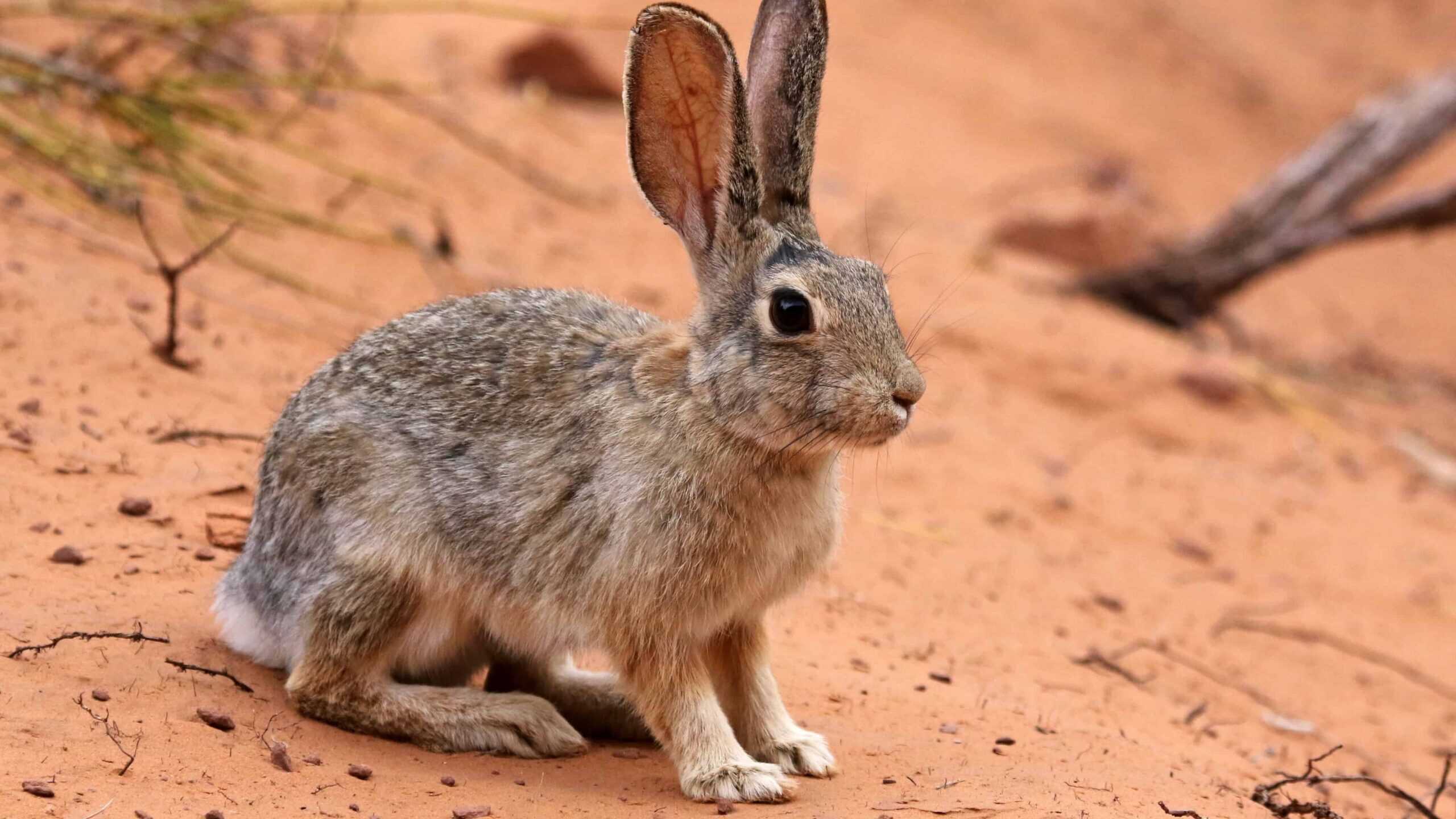
Several lagomorph species make their home in the Grand Canyon region, with the desert cottontail (Sylvilagus audubonii) being among the most commonly sighted. These small rabbits, with their characteristic cotton-ball tails, primarily inhabit brushy areas along the canyon rims and inner plateaus. Desert cottontails have adapted to the arid environment by concentrating their urine to conserve water and by being crepuscular (active at dawn and dusk) to avoid the most intense heat. They reproduce prolifically when conditions are favorable, helping their populations recover quickly after predation or drought-related declines.
The black-tailed jackrabbit (Lepus californicus), despite its name, is actually a hare rather than a true rabbit. Considerably larger than cottontails, jackrabbits are distinguished by their enormous ears, which serve the dual purpose of excellent hearing and heat regulation. Their long, powerful hind legs enable speeds up to 40 mph in short bursts, helping them evade predators in the open terrain they prefer. Unlike cottontails, jackrabbits don’t create burrows but instead form shallow depressions called “forms” where they rest during the day. Both cottontails and jackrabbits serve as critical prey species for the canyon’s predators, from coyotes to golden eagles.
Bats: The Canyon’s Nocturnal Aviators
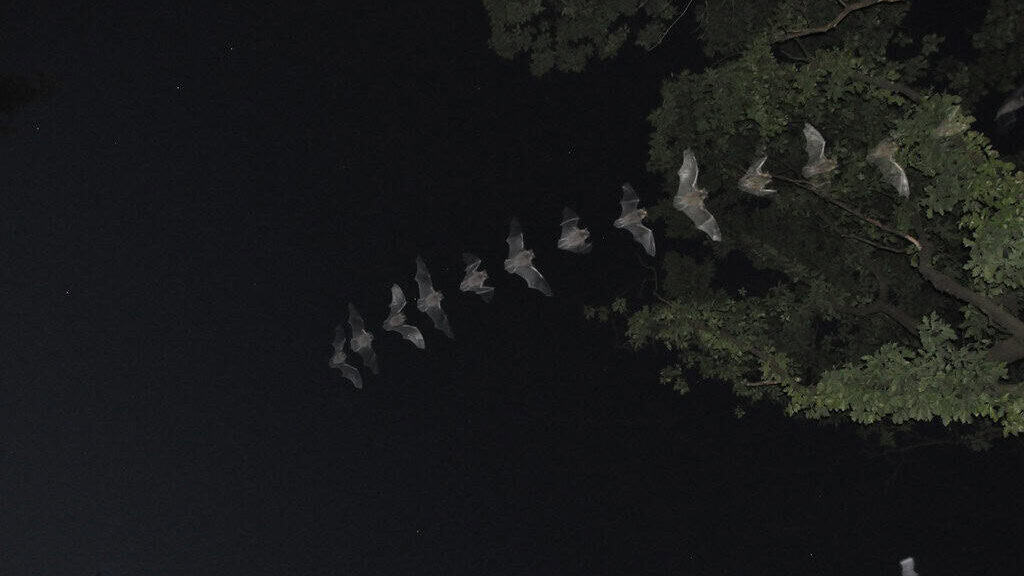
The Grand Canyon hosts an impressive diversity of bat species, with 22 different types documented within the park boundaries. These nocturnal mammals represent the most diverse group after rodents. The canyon’s countless caves, rock crevices, and abandoned mines provide ideal roosting sites, while the varied vegetation supports abundant insect populations for feeding. The most common species include the canyon bat (Parastrellus hesperus), one of North America’s smallest bats weighing just 3-6 grams, and the big brown bat (Eptesicus fuscus), which has adapted to human structures and sometimes roosts in buildings along the rim.
Bats play crucial ecological roles within the canyon ecosystem, particularly in controlling insect populations and pollinating certain plants. A single bat can consume thousands of mosquitoes and other insects nightly. The Mexican long-tongued bat (Choeronycteris mexicana), an occasional visitor to the southern reaches of the park, serves as an important pollinator for agave and cactus species. Unfortunately, many bat populations face serious threats from white-nose syndrome, a fungal disease that has devastated bat colonies across North America. The National Park Service monitors bat populations within the canyon and implements protective measures for critical roosting sites.
Rare and Endangered Mammals
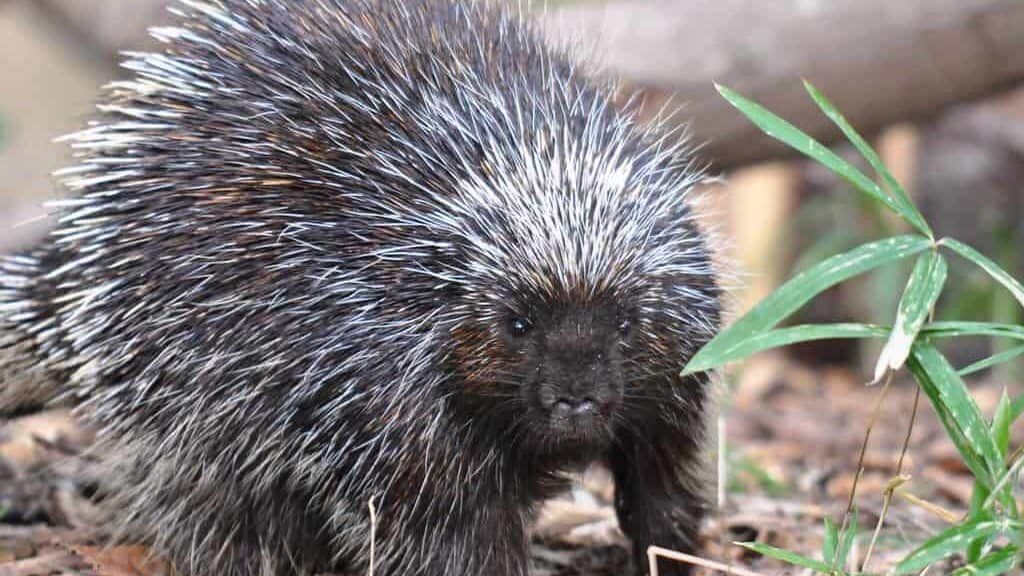
Several mammal species within the Grand Canyon face significant conservation challenges. The American porcupine (Erethizon dorsatum), once common throughout the forested regions of the canyon, has experienced concerning population declines in recent decades. Researchers continue investigating potential causes, including climate change, habitat alteration, and disease. Similarly, the spotted skunk (Spilogale gracilis) has become increasingly uncommon, with sightings now considered noteworthy events rather than regular occurrences.
Perhaps the most concerning conservation story involves the American beaver (Castor canadensis). Beavers historically inhabited the Colorado River and its tributaries throughout the canyon, creating valuable wetland habitats. However, dam construction, trapping, and habitat alterations severely reduced their numbers. Recent reintroduction efforts have shown promising results, with beaver populations slowly recovering along certain stretches of the river. Their return could significantly benefit riparian ecosystems by creating ponds that support diverse plant and animal communities. Park biologists continue monitoring these vulnerable species and implementing conservation strategies to ensure their survival within the Grand Canyon’s complex ecosystem.
Adaptations to Extreme Environments
The Grand Canyon’s mammals have evolved remarkable adaptations to survive in what can be an incredibly harsh environment. Temperature extremes represent one of the greatest challenges, with summer temperatures exceeding 110°F (43°C) at the canyon bottom while winter brings snow and freezing conditions to the rims. Many species respond with behavioral adaptations, becoming nocturnal during summer to avoid daytime heat or entering torpor (a state of decreased physiological activity) during food-scarce periods. The canyon’s desert bighorn sheep can go for extended periods without drinking water, obtaining much of their moisture from the plants they consume.
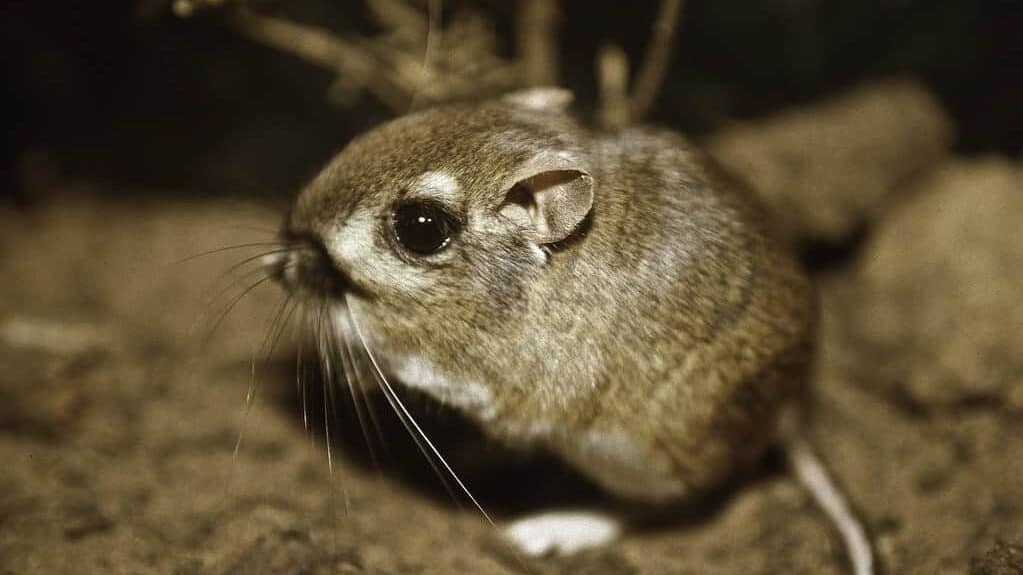
Physiological adaptations are equally impressive. Many of the canyon’s small mammals, particularly rodents like kangaroo rats (Dipodomys spp.), have evolved extraordinarily efficient kidneys that produce highly concentrated urine, allowing them to conserve precious water. These same species often possess specialized blood vessels in their extremities that can selectively restrict blood flow to minimize heat loss in winter or maximize cooling in summer. Even larger mammals like mule deer have developed specialized digestive systems that can extract maximum nutrition and moisture from relatively poor-quality forage. These adaptations collectively demonstrate the remarkable evolutionary responses to the canyon’s challenging environmental conditions.
Human Impacts on Canyon Mammals

Human activity has significantly influenced mammal populations within the Grand Canyon for centuries. Indigenous peoples hunted larger mammals sustainably for thousands of years before European contact. However, the arrival of European settlers in the 19th century brought intensive hunting, trapping, and habitat alterations that eliminated some species and severely reduced others. The creation of Grand Canyon National Park in 1919 established protections that allowed many populations to recover, though challenges remain. Today, approximately 6 million annual visitors create pressures through habitat disturbance, wildlife feeding (despite prohibitions), and occasional direct conflicts.
Modern threats extend beyond direct human contact. Climate change poses perhaps the most significant long-term concern, with rising temperatures and altered precipitation patterns threatening to shift habitat zones faster than some species can adapt. Water management issues, particularly the operation of Glen Canyon Dam upstream, have fundamentally altered the Colorado River’s flow regime, affecting riparian mammals that depend on natural flood cycles. Invasive species, including feral burros descended from animals abandoned by miners, compete with native wildlife for limited resources. Park management faces the complex challenge of balancing visitor access with wildlife conservation, implementing strategies like habitat restoration, wildlife corridors, and public education programs.
Studying Wildlife in the Canyon’s Challenging Terrain

Researching mammals within the Grand Canyon presents extraordinary logistical challenges. The remote, rugged terrain makes traditional wildlife study methods difficult to implement. Scientists often must hike many miles carrying heavy equipment or use specialized techniques like helicopter access to reach study sites. The extreme vertical relief creates additional complications, as accessing different habitat zones requires navigating treacherous slopes. Despite these obstacles, researchers employ innovative approaches to study the canyon’s mammals, including remote camera traps, non-invasive DNA sampling from hair and scat, and GPS collars for tracking larger species.
These research efforts have yielded valuable insights into population dynamics, movement patterns, and habitat use. For example, studies of bighorn sheep have revealed complex seasonal migration patterns between the inner canyon and rim areas, information critical for their conservation. Ongoing monitoring programs track the effects of climate change on mammal distributions, documenting shifts in elevational ranges as temperatures increase. Citizen science initiatives also contribute meaningful data, with visitors reporting wildlife sightings through mobile applications. This growing body of research not only enhances our understanding of Grand Canyon mammals but also informs conservation strategies and helps park managers make science-based decisions.
The Grand Canyon’s mammalian inhabitants represent a remarkable testament to the adaptability and resilience of life in one of North America’s most challenging environments. From the mighty bighorn sheep navigating vertical cliff faces to tiny pocket mice surviving in arid side canyons, these diverse species have evolved specialized strategies to thrive in the canyon’s varied ecosystems. Their continued presence enriches the park experience, providing visitors with opportunities to witness wildlife in a spectacular natural setting while contributing to the ecological integrity of this UNESCO World Heritage site.
As climate change accelerates and human pressures increase, protecting these mammal populations becomes increasingly urgent. Conservation success will require collaborative efforts between park managers, researchers, indigenous communities, and visitors to minimize negative impacts and create conditions where wildlife can adapt to changing circumstances. By supporting research, habitat protection, and public education, we can help ensure that future generations will still encounter mule deer grazing in meadows along the rim, spot ringtails scampering through twilight forests, and perhaps glimpse the rare sight of a mountain lion’s silhouette against the canyon’s ancient walls. The mammals of the Grand Canyon represent a precious natural heritage deserving our respect, understanding, and protection.

- 15 Weird Things Your Dog Actually Understands - July 11, 2026
- The Most Successful Animal Comeback Stories - July 11, 2026
- Amazing Animal Tracks You Might Find on a Trail - July 11, 2026