


There’s something universally heartwarming about witnessing an animal show affection to its young. Whether it’s a bear wrapping its paws around a cub or a sloth gently cradling its baby, these moments remind us that tenderness isn’t just a human trait. The animal kingdom is full of loving gestures—hugs, cuddles, and even hand-holding—that prove the instinct to nurture runs deep across species. Get ready to meet the most affectionate parents and their adorable little ones. Some of these behaviors might just surprise you—or even make you wish for a furry hug yourself.
15. Orangutans Embrace Their Babies

Orangutans are famous for their gentle, loving nature, especially when it comes to their young. Mothers cradle their babies in their long, powerful arms, often keeping them close for years. This close contact isn’t just for warmth; it’s how baby orangutans learn about the world, feeling safe and secure nestled against mom. The bond is so strong that kids will cling to their mothers’ bodies as they swing through the trees. Watching an orangutan hug her baby feels like watching a living, breathing teddy bear in action. Their slow movements and soulful eyes make these cuddles look even more meaningful. In rain-soaked forests, these moments of closeness are a beautiful sight.
14. Sea Otters Hold Hands While Floating

Sea otters have a playful reputation, but did you know they also hold hands? When resting on the water’s surface, otters link paws so they don’t drift apart—a behavior known as “rafting.” Mothers and pups often float together, with the baby sometimes riding on mom’s belly. This hand-holding isn’t just practical; it’s one of the cutest sights in the animal world. Watching a raft of otters peacefully napping, paws entwined, is both calming and endearing. It’s nature’s version of a group snuggle. These moments show how even in the wild, comfort and connection matter.
13. Koalas Cling Tightly to Their Mothers

Koalas are the ultimate clingers. Baby koalas, called joeys, spend months tucked safely in their mother’s pouch before graduating to riding piggyback. During this stage, they wrap their tiny arms around mom’s fuzzy back, holding on tight as she climbs and eats. This isn’t just about getting around—it’s a sign of deep attachment and trust. Koala moms, in turn, often rest a steadying paw on their little ones. Their calm, sleepy expressions make these cuddles look extra cozy. It’s a slow-motion love story set in the treetops.
12. Elephants Use Their Trunks for Tenderness
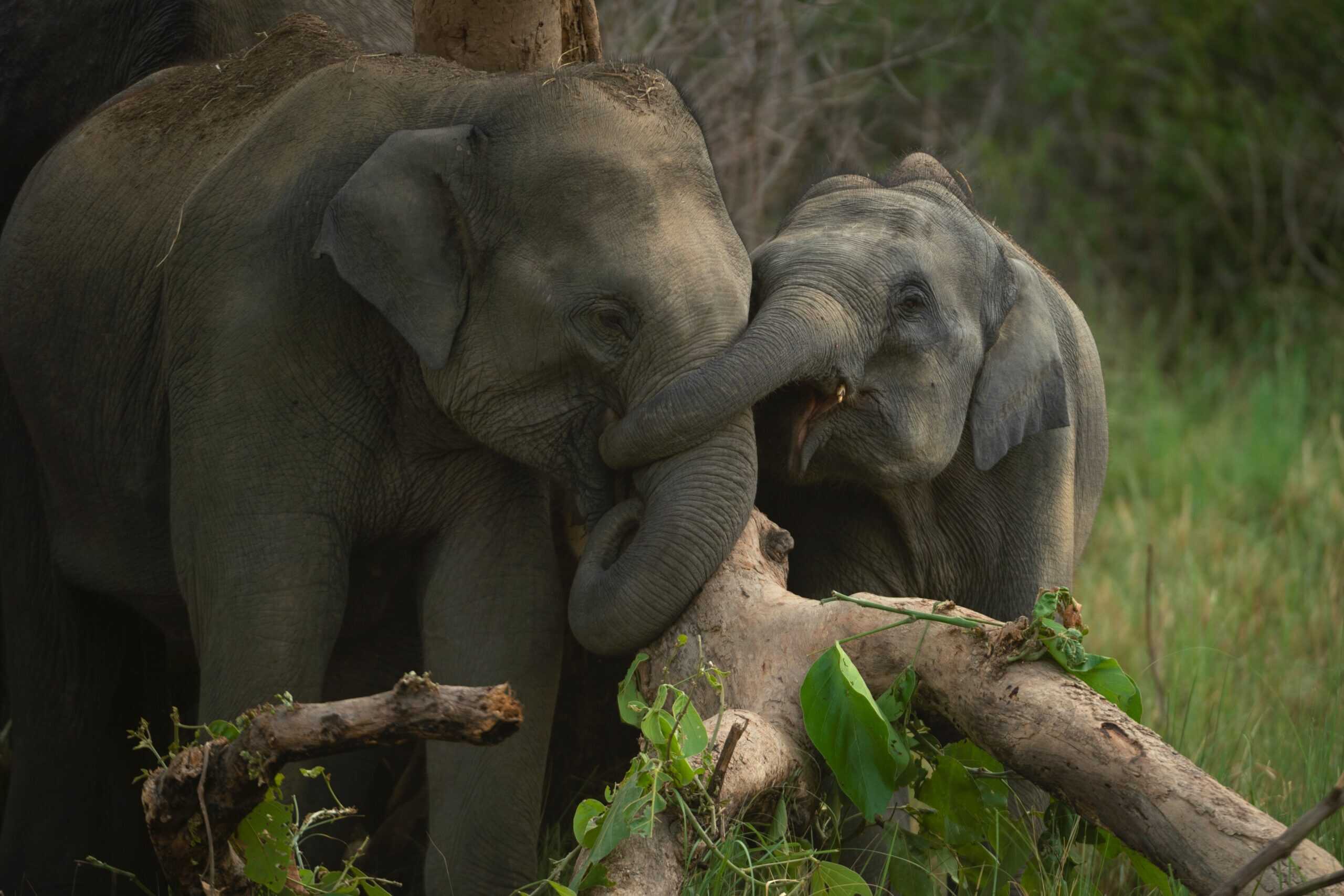
Elephants are renowned for their intelligence and emotional depth. When a calf is born, mothers and relatives use their trunks to caress, guide, and even hug the newborn. You’ll see them wrapping their trunks around the little one, gently pulling it close or helping it stand. This trunk-touching isn’t just practical—it’s a display of affection that cements family bonds. In times of stress, calves will run to their mothers, who respond with soothing touches. Watching elephants cuddle and comfort each other can be incredibly moving, a reminder of how strong family ties are in the wild.
11. Chimpanzees Hug and Groom Their Young

Chimpanzee families are social and affectionate, with hugging as a common greeting or comfort gesture. Mothers frequently scoop up their babies for a full-body embrace, especially if the little ones are frightened or upset. Grooming, another form of close contact, is both a sign of caring and a way to strengthen family relationships. Young chimps cling to their mothers’ chests or backs, sometimes reaching out for a reassuring hug or handhold. These loving gestures help build trust and security in the group. It’s not hard to see the parallels with human families—chimps are experts at showing love.
10. Sloths Cradle Their Babies

Sloths might move slowly, but their affection is steady and unwavering. A baby sloth spends its earliest months clinging to its mother’s belly, tightly wrapped in her gentle embrace. Mothers use their strong limbs to cradle their young while navigating the treetops, making sure their babies feel safe. This constant contact allows the baby to feel the mother’s heartbeat and warmth, helping it grow and thrive. The sight of a sloth mother cuddling her baby is pure tranquility—like a slow-motion hug that lasts for months. Sloth cuddles are a lesson in patience and gentle care.
9. Pandas Wrap Their Cubs in Fluffy Hugs

Pandas are famous for their adorable looks, but their parenting style is just as charming. Mothers gently scoop up their tiny, helpless cubs, wrapping them in their furry arms. Panda cubs are born small and fragile, so this close contact is vital for warmth and protection. As the cubs grow, they climb onto mom’s belly or back, snuggling into the thick fur for comfort. Watching a panda mother nuzzle her baby is enough to melt even the coldest heart. It’s a soft, fluffy hug that says, “You’re safe with me.”
8. Dolphins Nuzzle and Carry Their Calves

Dolphins are highly social and affectionate animals. When a calf is born, the mother stays by its side, often nudging it gently to help it surface for air. This closeness isn’t just about survival; it’s about bonding. Mothers will nuzzle their calves, and sometimes even other dolphins in the pod join in, creating a supportive, caring environment. Calves are often seen swimming in their mother’s slipstream, close enough to touch. The playful, gentle nature of dolphins makes these nuzzles and cuddles look joyful and loving, a reminder of the warmth beneath the waves.
7. Cats Lick, Knead, and Snuggle Their Kittens

Anyone who’s seen a mother cat with her kittens knows just how affectionate felines can be. Mama cats groom their babies with gentle licks, which not only keeps them clean but also soothes and comforts. She’ll knead her paws against them, a leftover instinct from kittenhood, and wrap her body around them to keep them warm. Kittens, in turn, pile up on top of each other and their mother, forming a fluffy heap of contentment. This endless snuggling helps them feel secure and loved. It’s a purring, kneading, licking bundle of happiness.
6. Wolves Cuddle and Nuzzle Their Pups

Wolves may have a fierce reputation, but family is everything in a wolf pack. Mothers and other pack members cuddle and nuzzle the pups, offering warmth and safety. Pups are often seen curled up together or pressed against their mother’s side, soaking up affection and security. Older siblings even join in, gently playing and snuggling with the little ones. This pack snuggle isn’t just cute—it’s key to survival in the wild. The warmth and comfort of these cuddles help build trust and cooperation within the group.
5. Kangaroos Keep Joeys Safe in Their Pouch

Kangaroo mothers have a built-in baby carrier: their pouch. Joeys spend months inside after birth, nestled in a warm, safe pocket. Even after leaving the pouch, young kangaroos will peek back in for a quick snuggle or to nurse. Mothers often rest a gentle paw on their joey, keeping them close and calm. This unique bond is visible in every hop, as the joey rides along, just inches from its mother’s heartbeat. Watching a kangaroo peek out from its mother’s pouch is a sight that never gets old—it’s nature’s original cuddle pod.
4. Penguins Huddle and Shield Their Chicks

Life in the Antarctic is brutally cold, but penguin parents have the ultimate solution: huddling. Emperor penguin dads famously tuck their chicks under a warm flap of skin, shielding them from the icy winds. Both parents take turns cradling the chick, keeping it cozy and fed. Penguins also huddle together in large groups, creating a wall of warmth for everyone. These chilly cuddles are a matter of life and death, but they look like a massive group hug. Nothing says family quite like snuggling through a snowstorm.
3. Bonobos Share Affection Through Hugs

Bonobos are some of the most affectionate primates on Earth. Family and group members frequently hug, cuddle, and even kiss as a way of showing love, comfort, and social connection. Mothers are especially attentive, holding and grooming their babies constantly. Bonobo babies spend long hours clinging to mom, soaking up every bit of warmth and reassurance. Their laid-back, loving approach to life makes bonobo families some of the most peaceful in the animal kingdom. Watching a baby bonobo get a cuddle is like seeing pure happiness in action.
2. Dogs Cuddle and Lick Their Puppies

Dog moms are natural nurturers. From the moment their puppies are born, mothers lick them clean, stimulating their breathing and showing affection. Puppies snuggle close to their mother and each other, forming a warm, wiggly pile. As they grow, the cuddling continues—puppies often nap in a heap, and mom is never far away for a comforting lick or nuzzle. Even adult dogs keep the habit, seeking out snuggles from family members. The universal love of a dog’s cuddle is something every pet owner knows by heart.
1. Humans Hug and Cuddle Their Babies

It’s impossible to talk about affectionate animals without mentioning ourselves. Human parents instinctively hold, hug, and cuddle their babies from the very first moments of life. These gestures aren’t just for comfort—they help babies grow, develop, and feel secure. The connection formed through a simple hug or gentle touch is powerful and lasting. Just like other animals, our need for closeness and love is written in our DNA. Watching a parent snuggle a child is a reminder that sometimes, the simplest gestures are the most important.
Conclusion

Affection in the animal world comes in many forms, from otters holding hands on the water to elephants wrapping trunks around their calves. These moments of warmth and closeness show that the impulse to nurture and protect runs deep across species. Whether it’s a koala clinging to its mother or a penguin shielding its chick, these gestures remind us that love is a language all creatures seem to understand.

As a little kid, I fell in love with nature, wildlife, and animals. Living in the USA, South Africa, Italy, China and Germany gave me the opportunity to discover the world's Wildlife. My favorite animals are Mountain Gorillas, Siberian Tigers, and Great White Sharks.
I'm a certified PADI Open Water Diver, went to Everest Base Camp and Trekked Gorillas in Uganda. I hold a Master of Science in Economics and Finance.
Please send any feedback to feedback@animalsaroundtheglobe.com
- 15 Animals That Hug Hold Hands or Cuddle Their Young - July 17, 2026
- 8 Expert Tips on Avoiding Alligator Encounters in Your Backyard - July 17, 2026
- 12 Most Playful Dog Breeds That Never Grow Up - July 17, 2026
Leave a comment
You must be logged in to post a comment.