

There’s something about being in the wilderness that makes you feel connected to nature in a way few other experiences can. The crackling campfire, the smell of pine trees, the stars above you. That is, until you hear rustling nearby and realize something large might be investigating your campsite. Let’s be real, the thought of a black bear wandering into your space can send your heart racing. Knowing exactly how to handle the situation could make all the difference between a memorable camping story and a dangerous encounter. So let’s dive in.
Stay Calm and Assess the Situation
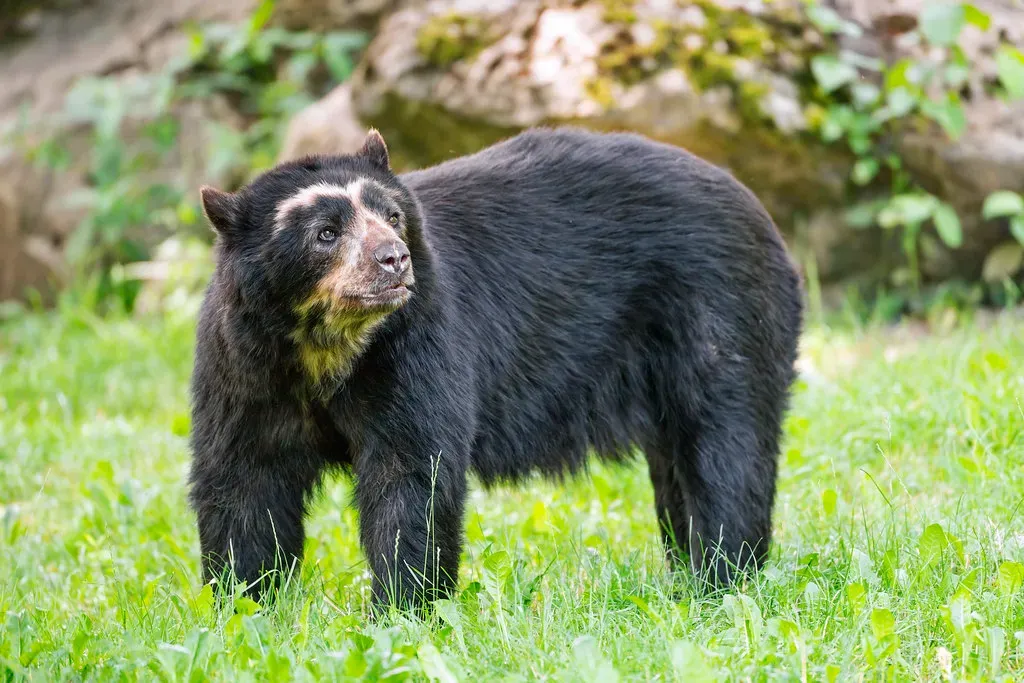
Here’s the thing about black bears: they’re naturally afraid of humans and usually try to avoid human contact. Your first instinct might be to panic, scream, or even run, yet those reactions could actually trigger the bear’s chase response. Instead, take a breath and try to remain as calm as possible.
If a bear comes near you, it’s most likely curious or smells something interesting, and if it stands up, it’s not going to attack but is trying to get a better look or smell. The bear is essentially trying to figure out what you are. Remember, you’re roughly about ninety times more likely to be killed in a homicide than by a bear, so perspective matters here.
Secure Your Food Immediately
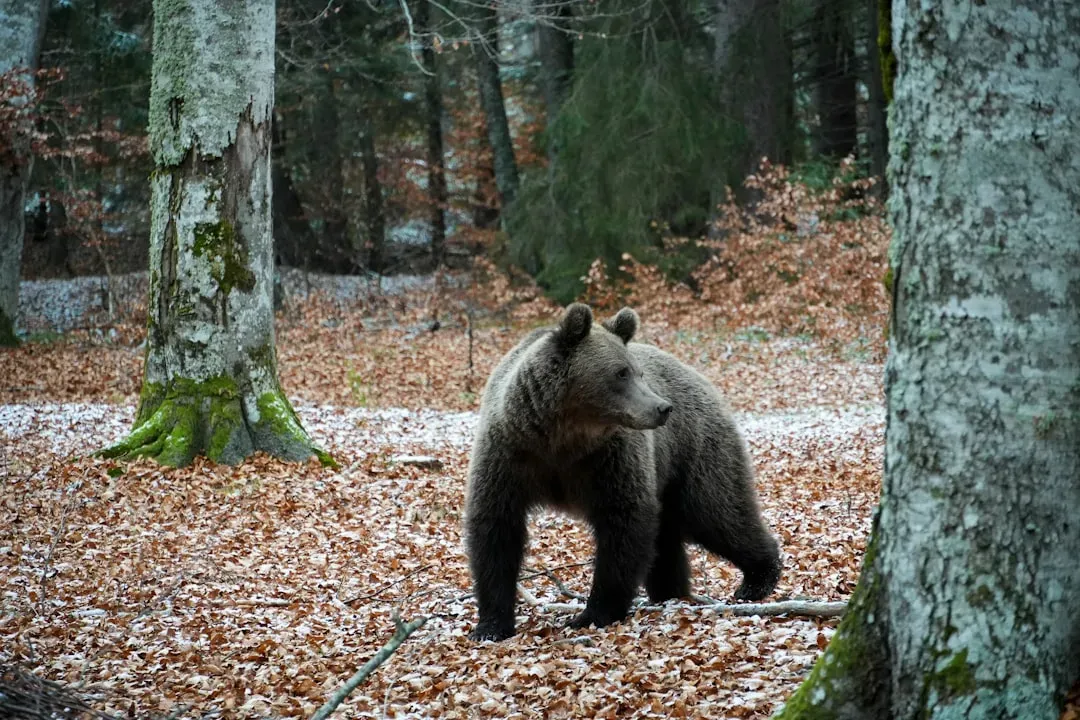
If a bear enters your camp, it’s probably smelled food. This is the moment when quick thinking matters. If you’re in camp, quickly lock away any food in a bear canister or metal locker, or carry the food with you as you back away.
I know it sounds crazy, but this is critical. It’s important to not let a bear get your food. Once a bear learns that campsites equal easy meals, it becomes a problem bear, and those situations rarely end well for the animal. If the bear seems more interested in your food than you, drop it only as a last resort and move away. Think of it as choosing the lesser of two evils.
Make Yourself Known Without Being Threatening
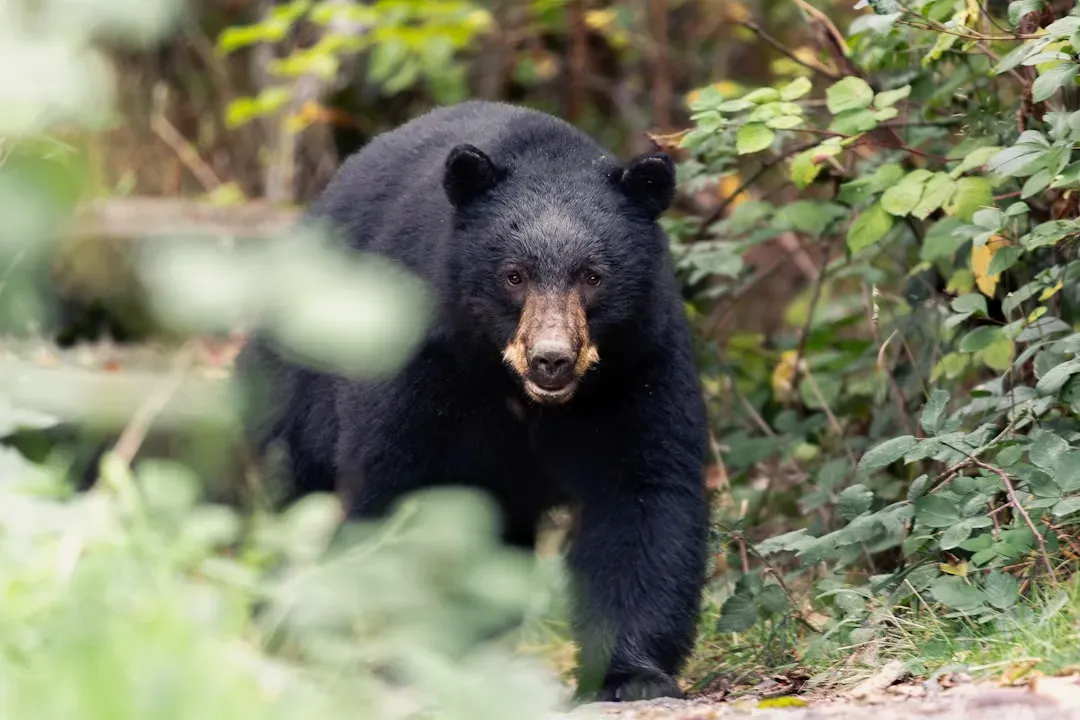
Identify yourself by talking calmly so the bear knows you are a human and not a prey animal, remain still, stand your ground but slowly wave your arms to help the bear recognize you as a human. Speak in a low, steady tone. This helps you stay calm too, which matters more than you might think.
If a bear approaches you, stay calm, absolutely do not run, pick up small children so they don’t run, scream or panic, and gather the group together and restrain your dog. Running is probably the worst thing you could do because it can trigger a predatory instinct. Bears can run faster than racehorses, both uphill and down, so you’re not outrunning one anyway.
Create Distance and Give an Escape Route
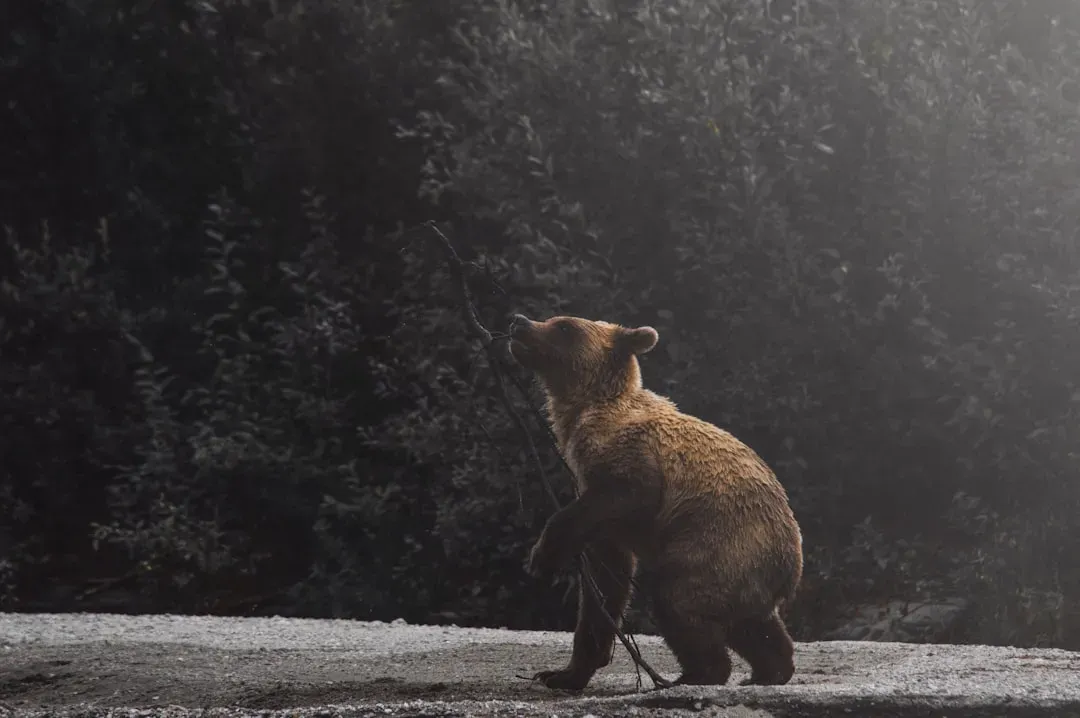
Make sure the bear is not cornered and has an escape route, and if it continues to approach, try to scare it away by shouting and taking an aggressive stance. You want the bear to have a way out, which usually means it’ll take that option rather than engage with you.
If the bear is stationary, move away slowly and sideways, which allows you to keep an eye on the bear and avoid tripping, and is also non-threatening to bears, but if the bear follows, stop and hold your ground. This sideways movement is a subtle but effective way to communicate that you’re not a threat while still keeping yourself aware of the bear’s actions.
Use Deterrents to Scare the Bear Away
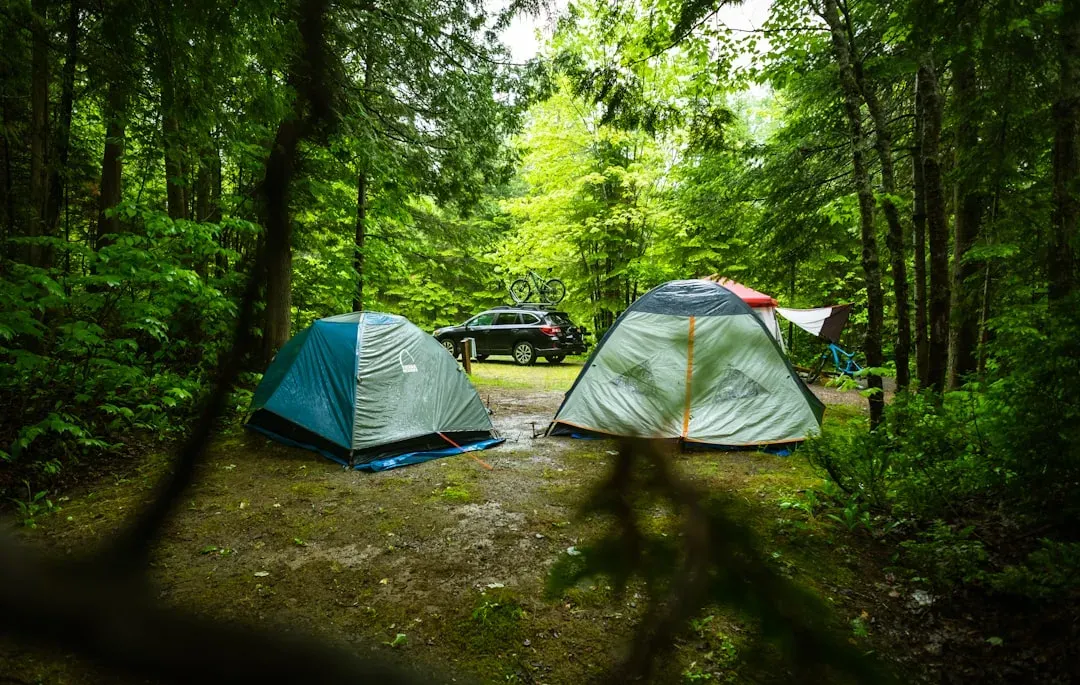
Try to scare it away by making loud noises and waving your arms from a safe distance. Honestly, this is when you can get creative. Yell, throw rocks, wave your arms, or use an air horn to scare the bear away. Bang pots and pans together if you have them. Make yourself seem as intimidating as possible.
If a black bear approaches you, raise your arms to look larger and yell loudly, bang pots together or throw objects to scare it off, and grab a long, sturdy stick for defense. The goal is to convince the bear that you’re too much trouble to deal with. Most black bears will back off when they realize you’re not going to be an easy target.
Deploy Bear Spray if Necessary
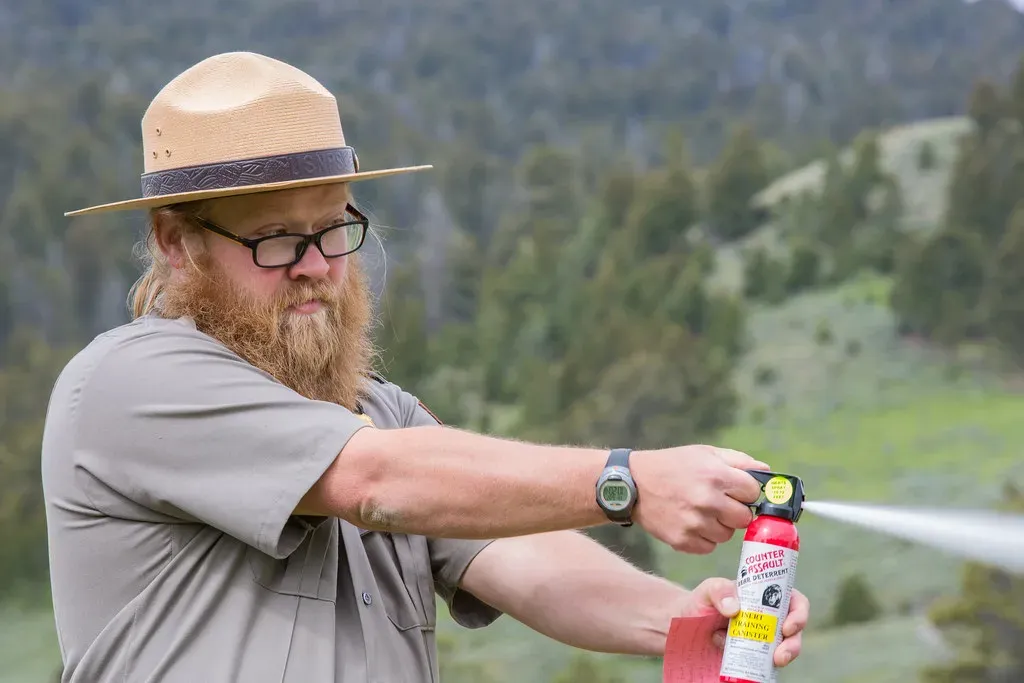
Bear spray is proven to be the easiest and most effective way to deter a bear that threatens you. It’s effective at a distance of 12 to 30 feet and prevents human injuries during a bear attack 98 percent of the time. Those are pretty reassuring numbers if you ask me.
Remove the safety clip, hold the can in two hands with one finger on the trigger and extend your arms straight out, aim toward the bear’s face or slightly below, and deploy a two-second burst when the bear is 15-30 feet away. Practice makes perfect here. It’s hard to say for sure how you’ll react in the moment, yet knowing exactly how to use bear spray beforehand can save precious seconds. Carry it directly on your person in a holster, not in your pack.
Fight Back if Attacked
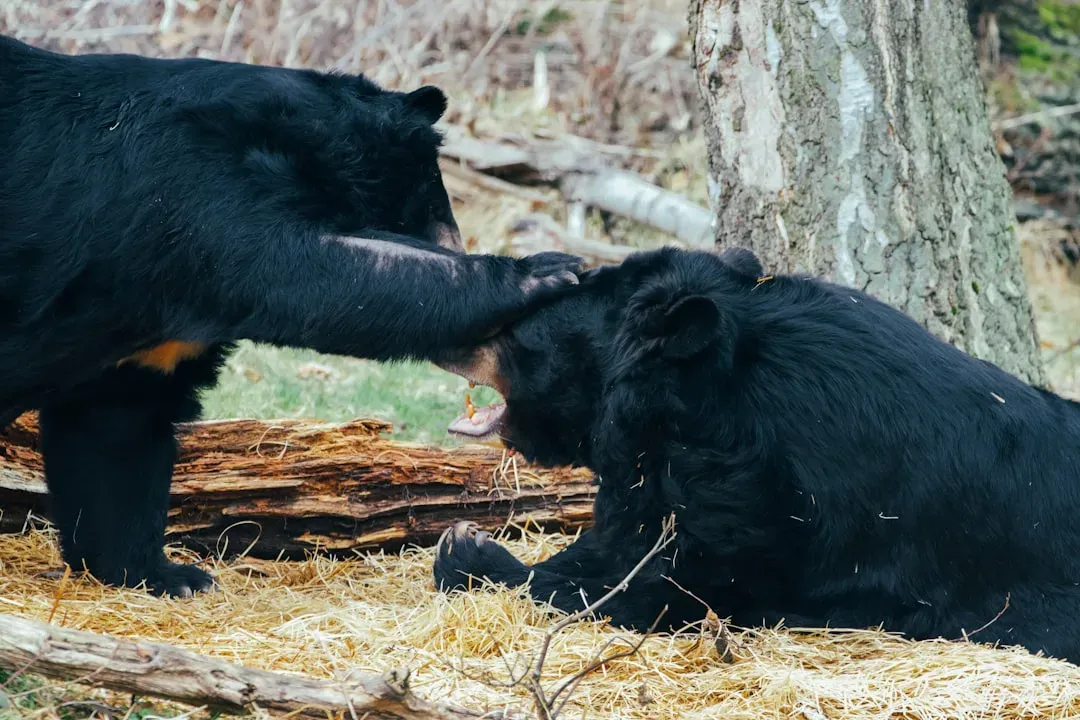
If a black bear attacks you, fight back using your trekking poles, hit it in the face with a rock, whatever you can manage, because the idea is to get it to know that it’s going to be hard work dealing with you. If you are attacked by a black bear, do not play dead, try to escape to a secure place such as a car or building, and if escape is not possible, try to fight back using any object available.
This is very different from grizzly bear protocol. With black bears, aggression is your friend. If a black bear makes contact with you, fight back aggressively using rocks, sticks, or anything you can to defend yourself. Aim for the face, eyes, and nose. Black bears are usually intimidated by an aggressive counterattack. The harsh reality is that a predatory black bear attack means the bear sees you as food, so you need to convince it otherwise.
Conclusion
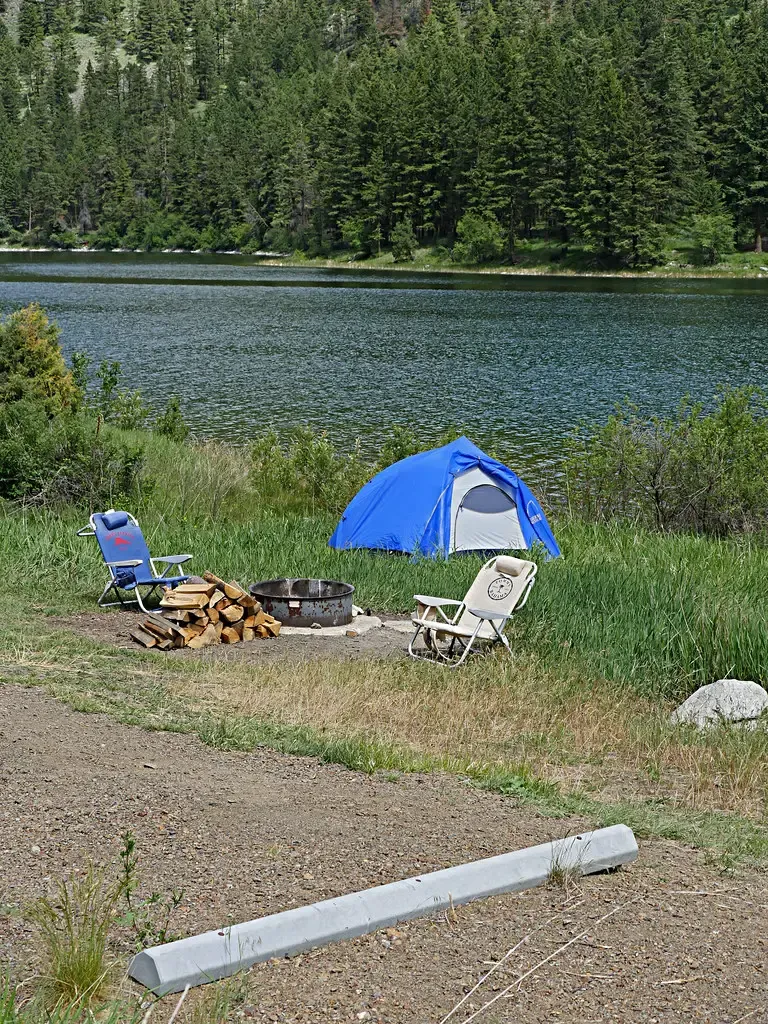
Encountering a black bear at your campsite doesn’t have to end in disaster. Most of the time, these magnificent creatures want nothing to do with you and will leave if given the chance. The key is staying calm, securing food, making noise, giving the bear an escape route, and being prepared to defend yourself if absolutely necessary. Understanding bear behavior transforms fear into respect, and that respect keeps both you and the bears safe.
What would you do if you woke up to find a bear sniffing around your tent? Think about it before your next camping trip.
