

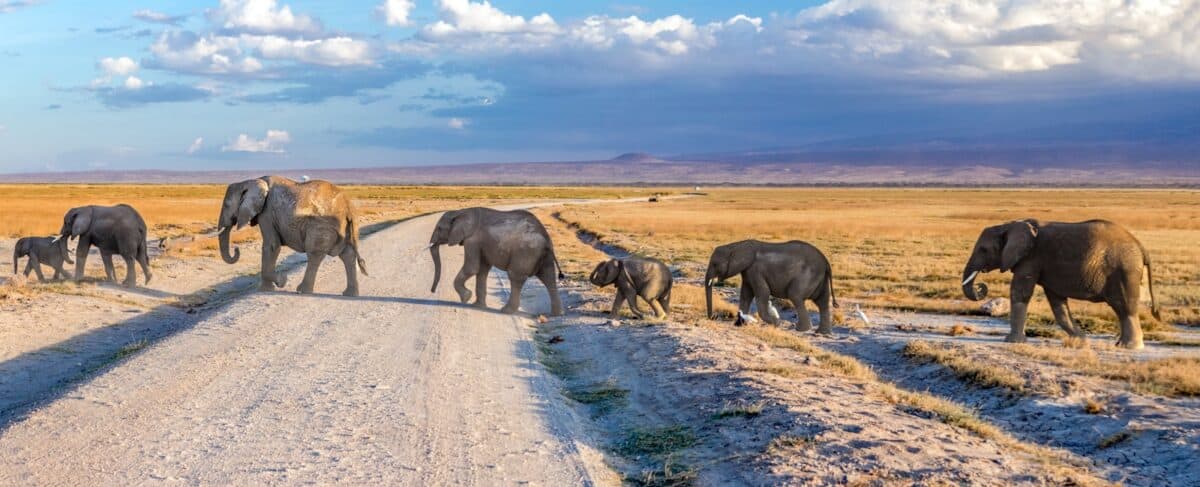
In the vast savannas of Africa and the dense forests of Asia, a remarkable phenomenon unfolds daily that challenges our understanding of animal intelligence. Elephants, those gentle giants with their wrinkled skin and knowing eyes, possess one of nature’s most sophisticated knowledge transfer systems. These magnificent creatures don’t just survive through instinct alone – they thrive through generations of accumulated wisdom passed down like precious heirlooms from grandmother to granddaughter, from matriarch to youngster.
The Matriarchal Memory Bank
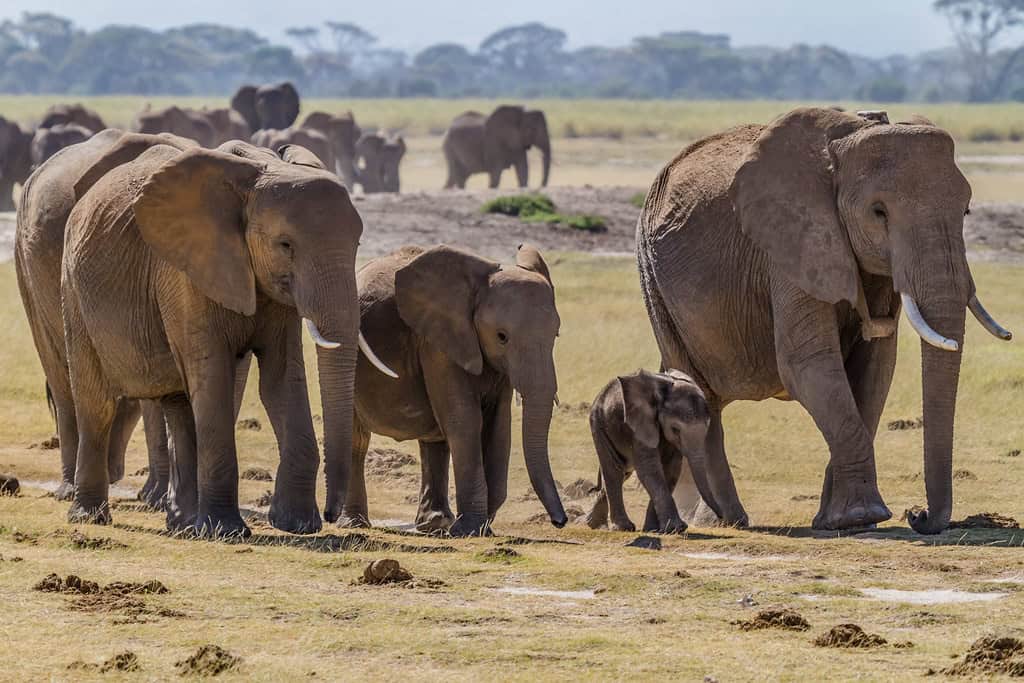
At the heart of elephant society lies the matriarch, typically the oldest female in the herd, who serves as a living library of survival knowledge. Her brain, weighing approximately 12 pounds, stores decades of critical information about water sources, migration routes, and seasonal patterns. This remarkable leader can remember drought conditions from 30 years ago and guide her family to water sources that younger elephants have never seen.
The matriarch’s memory isn’t just impressive – it’s literally a matter of life and death for her family. During severe droughts, herds led by older matriarchs have significantly higher survival rates compared to those led by younger females. This knowledge repository includes everything from which plants are safe to eat during different seasons to recognizing the warning signs of approaching storms.
Vocal Traditions and Sound Libraries

Elephants possess an intricate vocal communication system that spans generations, with each family developing unique “dialects” passed down through the maternal line. These vocal traditions include specific calls for different situations – alarm calls for various predators, contact calls for maintaining herd cohesion, and even greeting calls for long-separated family members. Young elephants spend years learning these complex vocalizations, practicing under the patient guidance of their mothers and aunts.
The most fascinating aspect of elephant vocal learning involves infrasonic communication – sounds below human hearing range that can travel for miles. Calves learn to produce and interpret these low-frequency rumbles, which contain detailed information about food locations, weather conditions, and social dynamics. This acoustic knowledge transfer ensures that vital survival information spreads efficiently throughout the extended family network.
Migration Route Mastery
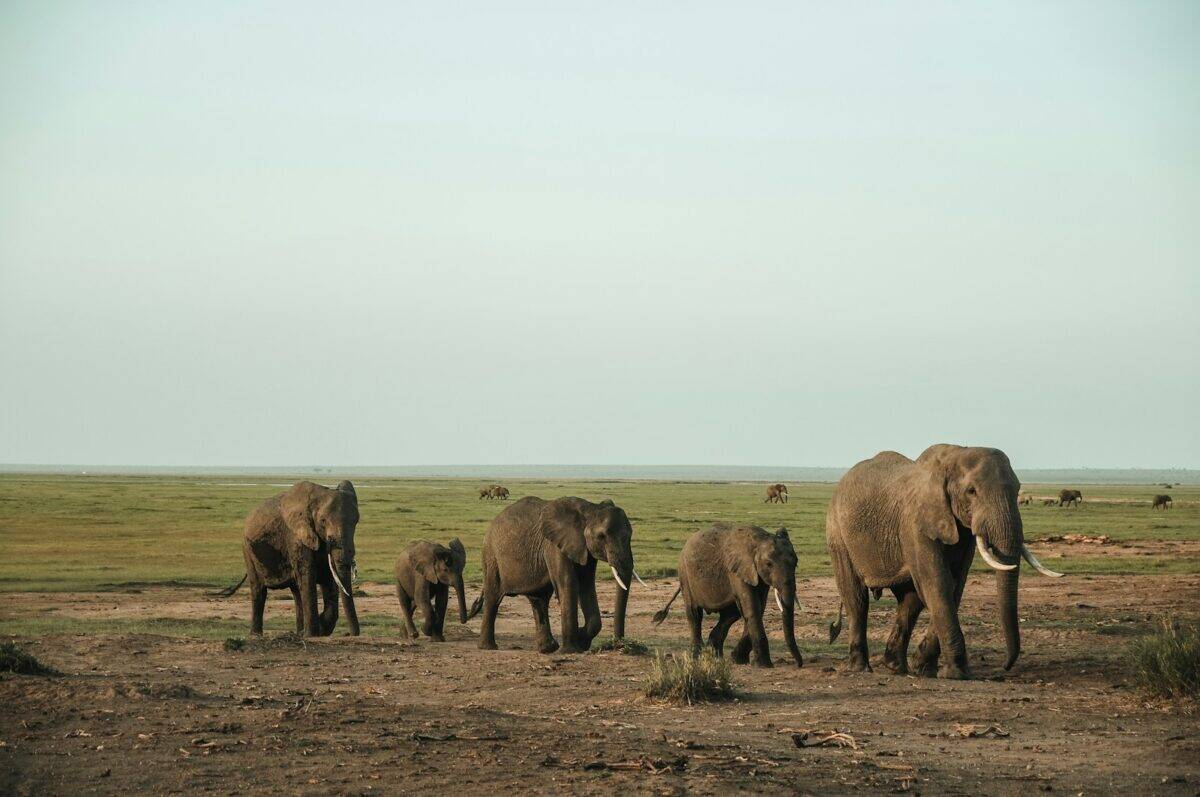
Perhaps nowhere is intergenerational knowledge transfer more critical than in the ancient migration routes that elephants have followed for thousands of years. These pathways, etched into the landscape and the collective memory of elephant families, represent generations of accumulated wisdom about seasonal movements, safe passage points, and resource availability. Young elephants learn these routes through direct experience, walking alongside their mothers and grandmothers on journeys that can span hundreds of miles.
The precision of this knowledge transfer is astounding – elephants can navigate to specific water sources they haven’t visited in decades, following routes that their ancestors established centuries ago. This navigational knowledge includes understanding seasonal variations, knowing alternative paths when traditional routes become blocked, and recognizing landmarks that guide their journey across vast landscapes.
Water Source Recognition and Seasonal Patterns
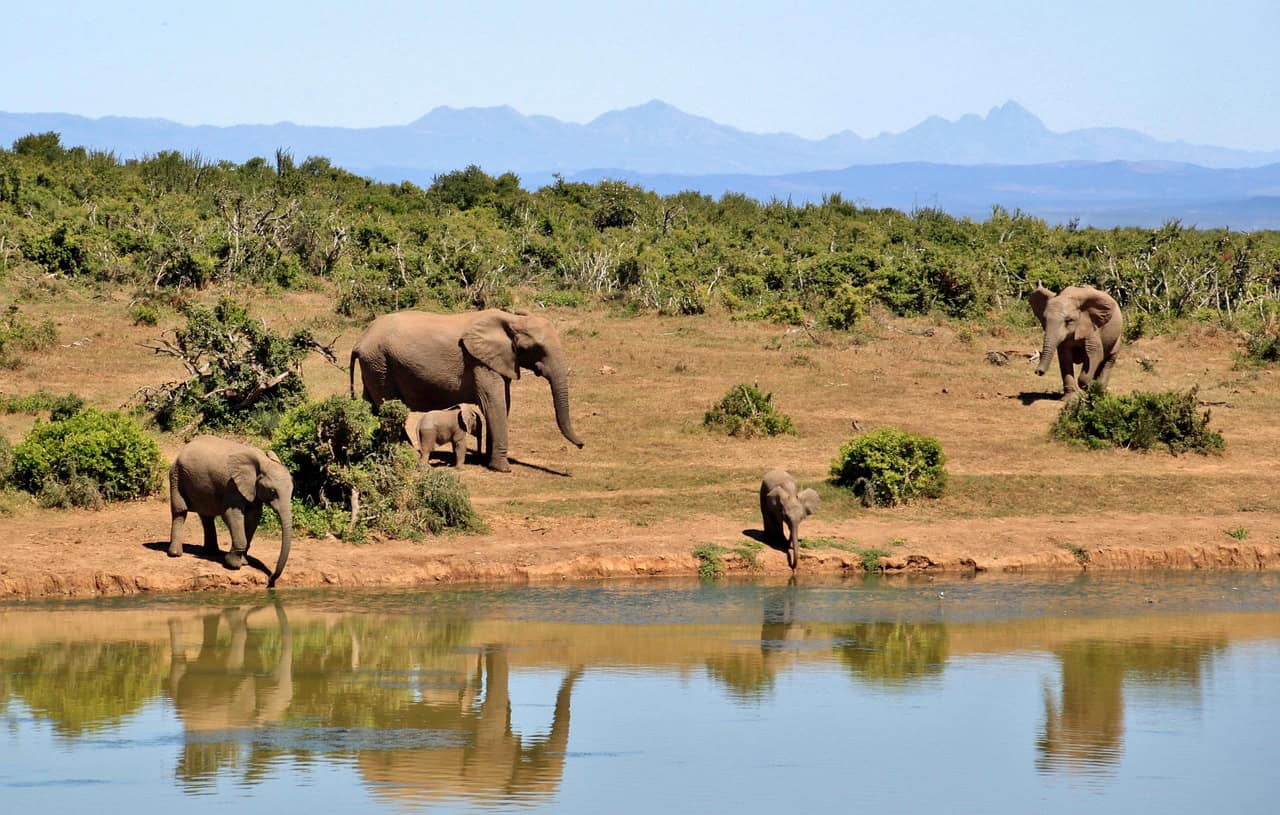
Water location knowledge represents one of the most crucial survival skills passed down through elephant generations. Matriarchs maintain detailed mental maps of water sources across their territory, including seasonal availability, water quality, and the best times to visit each location. This knowledge becomes particularly vital during dry seasons when surface water becomes scarce and herds must rely on hidden springs and underground sources.
Young elephants learn to recognize subtle environmental cues that indicate water proximity – changes in vegetation patterns, soil moisture levels, and even the behavior of other animals. They observe their elders digging for water in seemingly barren areas, learning the precise techniques required to access underground water sources. This knowledge transfer ensures that vital water location information survives even when traditional sources dry up or become contaminated.
Foraging Wisdom and Plant Knowledge

The elephant’s herbivorous diet requires extensive knowledge about plant species, their nutritional value, seasonal availability, and potential dangers. This botanical wisdom is carefully transmitted from mother to calf through years of shared foraging experiences. Young elephants learn to identify hundreds of plant species, understanding which parts are edible, when plants are at their nutritional peak, and which plants should be avoided entirely.
This foraging knowledge extends beyond simple plant identification to include sophisticated understanding of seasonal cycles, soil conditions, and plant preparation techniques. Elephant mothers teach their calves to strip bark properly, extract nutrients from tough vegetation, and even use tools like sticks to access hard-to-reach plant parts. The complexity of this knowledge transfer rivals that of human agricultural traditions.
Social Protocol and Herd Dynamics
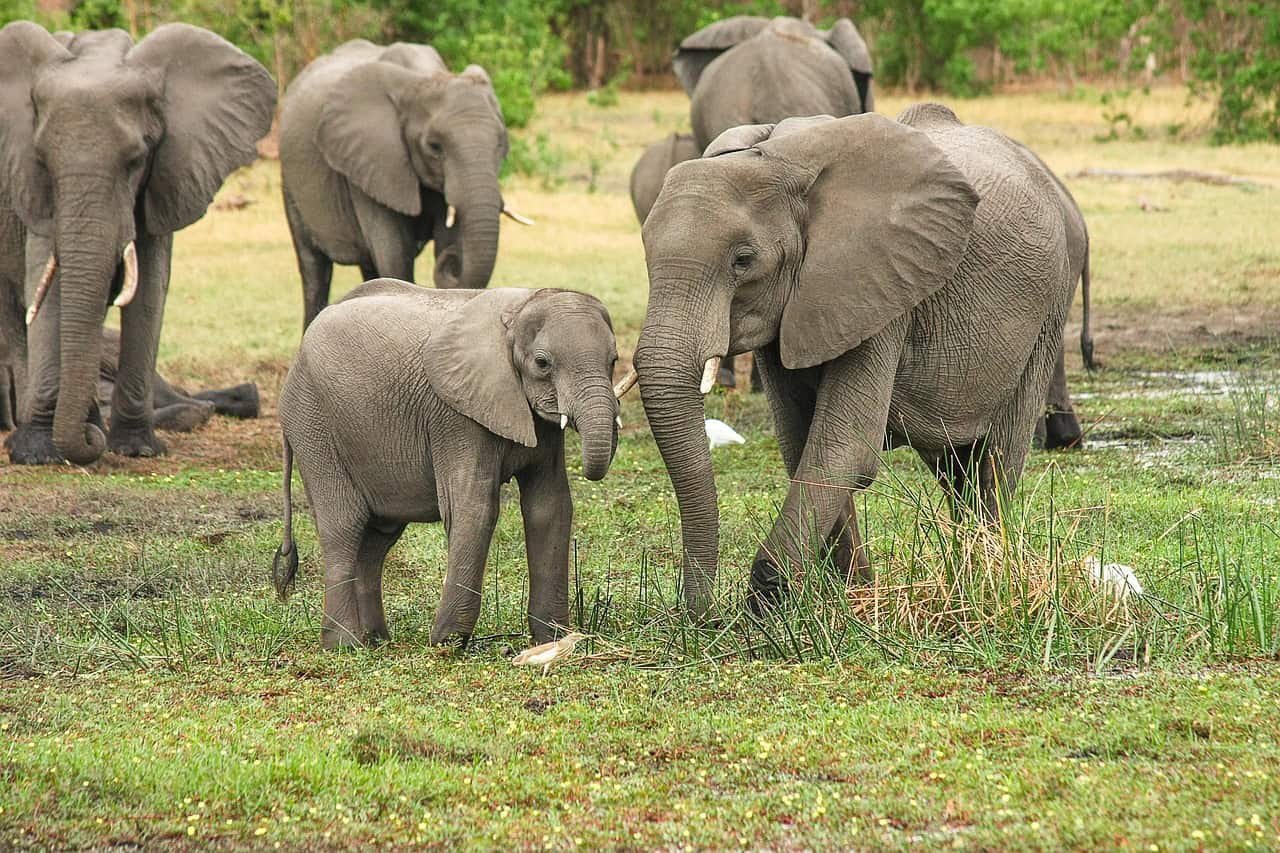
Elephant society operates on complex social rules that young elephants must learn through careful observation and practice. These social protocols include understanding hierarchy within the herd, appropriate behavior during mating season, and proper etiquette when encountering other elephant families. Young elephants spend years learning these intricate social dynamics, making mistakes and receiving gentle corrections from their elders.
The transmission of social knowledge includes learning to read body language, understanding vocal communication nuances, and recognizing individual elephants within their extended family network. This social education ensures that young elephants can navigate complex relationships and maintain the cooperative bonds essential for herd survival. The learning process involves both formal instruction and informal observation, creating a comprehensive social education system.
Danger Recognition and Predator Awareness
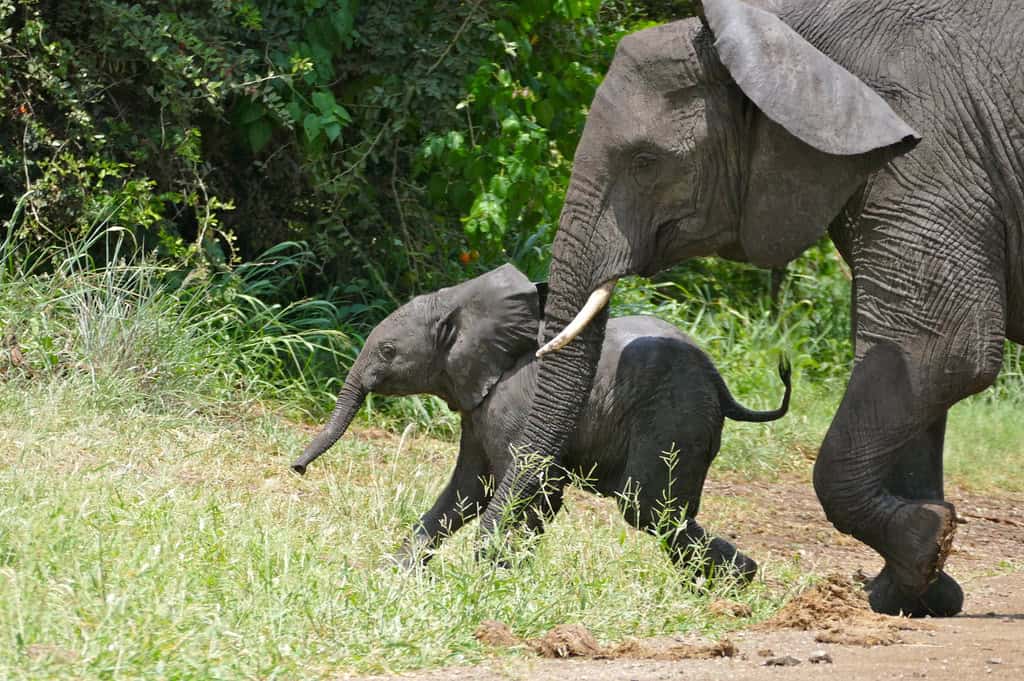
Survival in the wild requires constant vigilance, and elephant mothers carefully teach their calves to recognize and respond to various threats. This danger awareness education includes identifying predator scents, recognizing alarm calls from other animals, and understanding human-related threats. Young elephants learn to distinguish between different types of danger and the appropriate responses for each situation.
The knowledge transfer process involves both active teaching and passive learning through observation. Calves watch their mothers’ reactions to various stimuli, learning to interpret subtle changes in behavior that indicate potential threats. This education extends to understanding seasonal patterns of danger, recognizing safe areas for rest and play, and knowing when to seek protection within the herd formation.
Tool Use and Problem-Solving Techniques
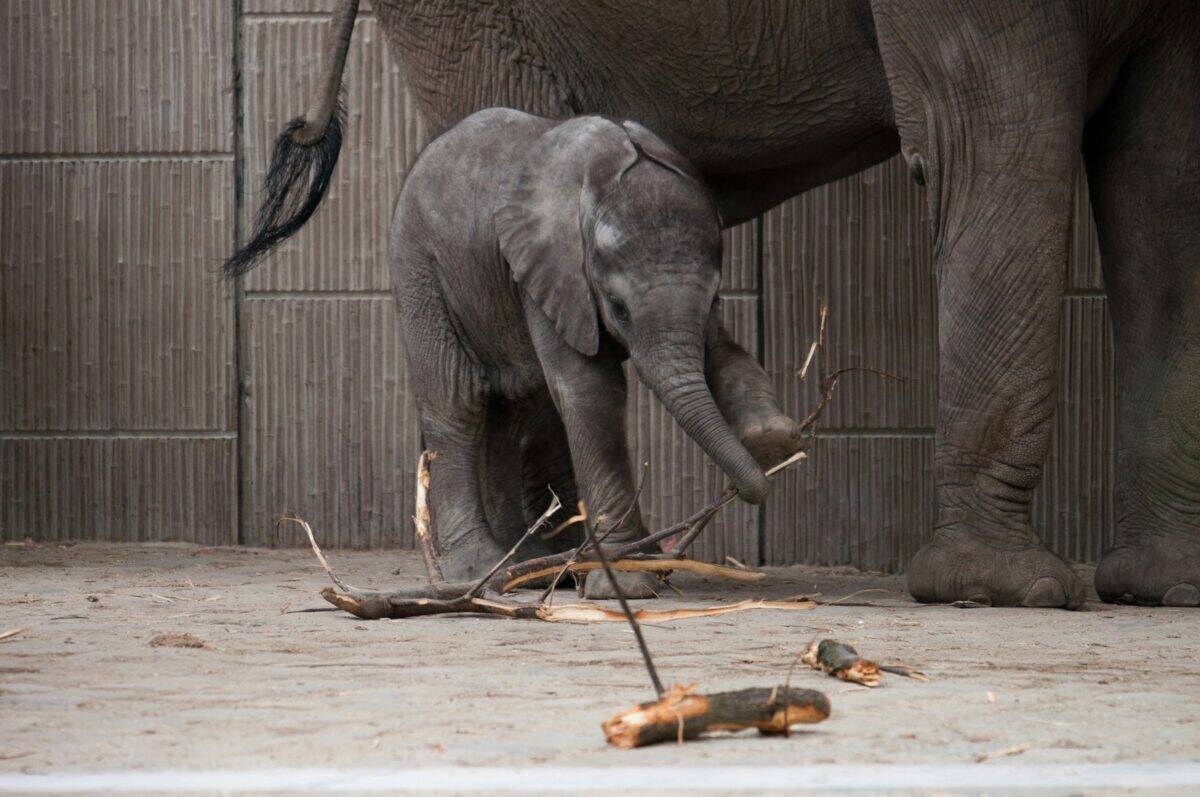
Elephants are renowned for their intelligence and problem-solving abilities, skills that are enhanced through intergenerational knowledge transfer. Young elephants learn to use tools for various purposes – sticks for scratching, rocks for rubbing, and branches for swatting insects. These tool use techniques are demonstrated by adults and refined through practice and experimentation.
The problem-solving education includes learning to overcome obstacles, find creative solutions to challenges, and adapt to changing circumstances. Elephant mothers demonstrate techniques for crossing rivers, navigating difficult terrain, and accessing food sources in challenging locations. This knowledge transfer ensures that each generation builds upon the problem-solving innovations of their predecessors.
Emotional Intelligence and Grief Processing

Perhaps one of the most profound aspects of elephant knowledge transfer involves emotional intelligence and the processing of grief. Elephants are among the few animals that demonstrate clear mourning behaviors, and young elephants learn appropriate responses to death and loss through observation and participation in funeral-like rituals. This emotional education helps young elephants develop the psychological resilience necessary for survival in harsh environments.
The transmission of emotional knowledge includes learning to provide comfort to distressed herd members, understanding the importance of physical contact during stressful situations, and recognizing the emotional needs of different age groups within the herd. This emotional intelligence education creates strong social bonds that enhance overall herd survival and well-being.
Seasonal Behavioral Adaptations
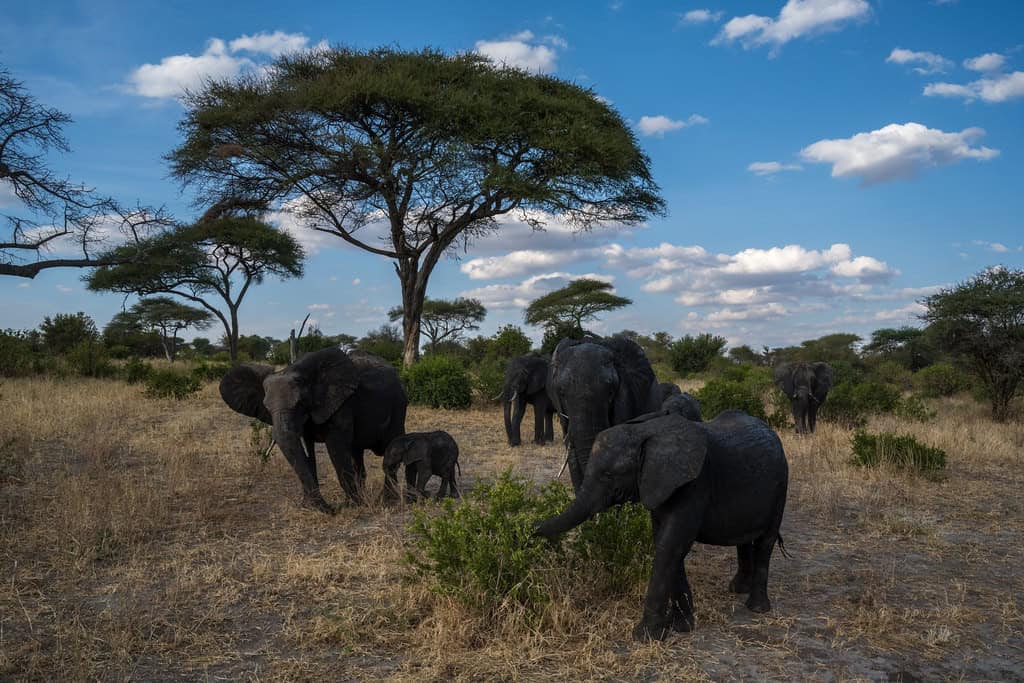
Elephant behavior varies dramatically with seasonal changes, and this adaptive knowledge is carefully transmitted through generations. Young elephants learn to modify their daily routines based on weather patterns, food availability, and water scarcity. This seasonal education includes understanding when to conserve energy, how to find shelter during storms, and recognizing the optimal times for various activities.
The knowledge transfer process involves experiencing multiple seasonal cycles under the guidance of experienced adults. Young elephants observe changes in herd behavior, learn to interpret environmental cues, and develop the flexibility necessary to adapt to changing conditions. This seasonal wisdom ensures that herds can thrive throughout the year despite dramatic environmental variations.
Territory Boundaries and Landscape Navigation

Elephant families maintain detailed knowledge of their territory boundaries, including understanding which areas are safe for foraging, where conflicts with other herds might occur, and how to navigate around human settlements. This territorial knowledge is passed down through generations, creating detailed mental maps that guide daily movements and long-term planning.
Young elephants learn to recognize landmarks, understand territorial markers, and respect the boundaries established by their ancestors. This geographical education includes knowledge of seasonal territory changes, understanding how human activities affect traditional ranges, and adapting to environmental modifications. The precision of this knowledge transfer ensures that herds can maintain their traditional territories while adapting to changing conditions.
Reproductive Knowledge and Mating Wisdom

The complexities of elephant reproduction require extensive knowledge that is carefully transmitted from experienced females to younger generations. This reproductive education includes understanding mating seasons, recognizing signs of fertility, and knowing appropriate responses to male elephant behavior during musth periods. Young female elephants learn these crucial skills through observation and guidance from their mothers and aunts.
The knowledge transfer extends to understanding pregnancy care, birth assistance, and calf rearing techniques. Experienced females teach younger elephants about nutrition during pregnancy, safe birthing locations, and proper calf care procedures. This reproductive wisdom ensures the continuation of the species and the survival of newborn elephants through their vulnerable early months.
Weather Prediction and Environmental Awareness
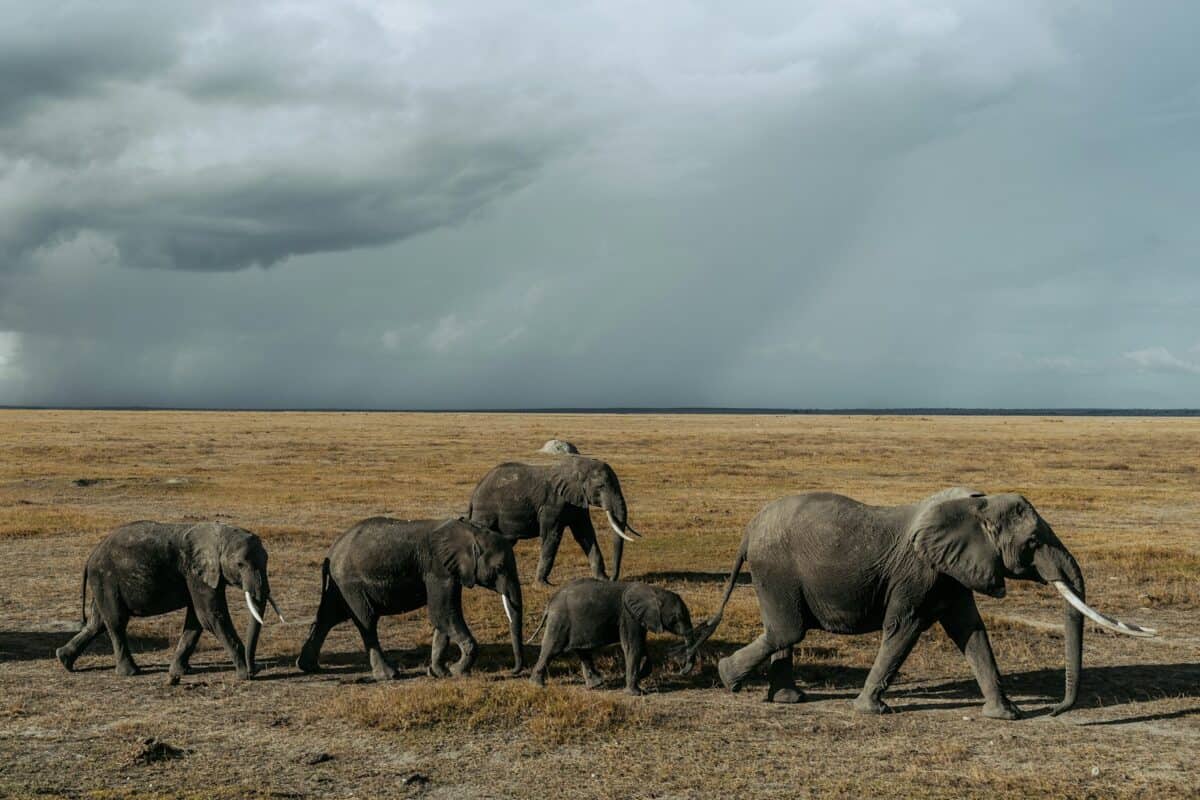
Elephants possess remarkable abilities to predict weather changes and environmental shifts, knowledge that is refined and transmitted through generations. Young elephants learn to interpret subtle environmental cues – changes in air pressure, wind patterns, and animal behavior – that indicate approaching weather systems. This meteorological knowledge helps herds prepare for storms, droughts, and other environmental challenges.
The transmission of weather prediction skills involves years of observation and practice under the guidance of experienced elders. Young elephants learn to recognize the signs of approaching rain, understand seasonal weather patterns, and know how to find shelter during severe weather events. This environmental awareness ensures that herds can anticipate and prepare for weather-related challenges.
Human-Elephant Conflict Resolution
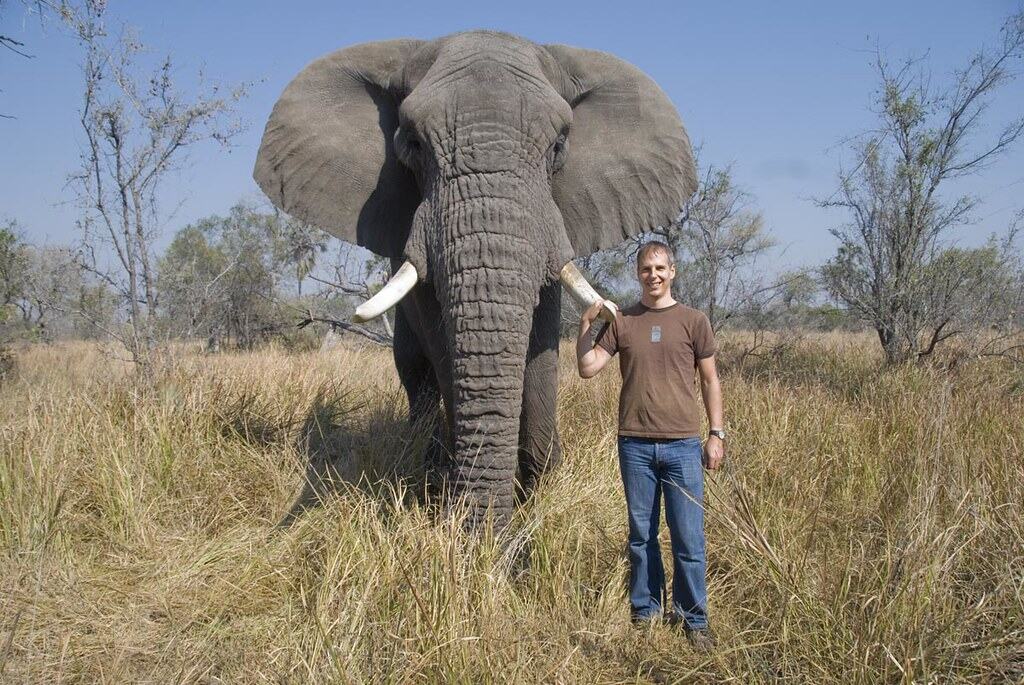
As human populations expand into traditional elephant territories, knowledge about human behavior and conflict avoidance becomes increasingly important. Experienced elephants teach younger generations to recognize human settlements, understand the dangers associated with human activities, and develop strategies for coexisting with human communities. This knowledge transfer is crucial for elephant survival in increasingly fragmented habitats.
The education about human-elephant relationships includes learning to avoid agricultural areas during certain times, recognizing the sounds and smells associated with human presence, and understanding when retreat is necessary. Young elephants learn these survival skills through direct experience and observation, developing the awareness necessary to navigate human-dominated landscapes safely.
Cultural Traditions and Ritual Behaviors

Elephant families maintain cultural traditions that are passed down through generations, including specific behaviors related to birth celebrations, coming-of-age rituals, and seasonal ceremonies. These cultural practices strengthen social bonds within the herd and provide continuity across generations. Young elephants learn these traditions through participation and observation, ensuring that cultural knowledge survives even as environmental conditions change.
The transmission of cultural knowledge includes learning traditional greeting behaviors, understanding the significance of specific locations within their territory, and participating in group activities that reinforce social cohesion. These cultural traditions provide stability and identity for elephant families, creating shared experiences that strengthen intergenerational bonds.
Healing and Medicinal Plant Knowledge

Elephants possess sophisticated knowledge about medicinal plants and healing practices that is carefully transmitted through generations. Young elephants learn to identify plants with healing properties, understand how to prepare and consume medicinal vegetation, and recognize the symptoms that indicate when specific treatments are needed. This medical knowledge contributes significantly to herd health and survival.
The transmission of healing knowledge involves both formal instruction and observation of sick herd members receiving treatment. Young elephants learn to recognize signs of illness, understand the appropriate medicinal responses, and develop the skills necessary to provide basic medical care to family members. This medical education ensures that vital healing knowledge survives and evolves with each generation.
Communication with Other Species

Elephants maintain complex relationships with other animal species, and knowledge about these interspecies interactions is transmitted through generations. Young elephants learn to interpret the warning calls of birds, understand the behavior of other herbivores that might indicate danger, and recognize the signs of predator presence through the reactions of other animals. This multi-species awareness enhances overall survival capabilities.
The knowledge transfer includes learning to communicate with other species through various means – body language, vocalizations, and behavioral cues. Young elephants observe how their elders interact with other animals, learning to distinguish between potential threats, neutral species, and beneficial relationships. This interspecies education creates a comprehensive understanding of the ecosystem that supports elephant survival.
Adaptation Strategies for Environmental Changes

As environments change due to climate shifts, human activities, and natural disasters, elephants must adapt their traditional knowledge to new circumstances. Experienced elephants teach younger generations to be flexible in their thinking, modify traditional behaviors when necessary, and develop new strategies for survival in changing conditions. This adaptive education ensures that elephant knowledge remains relevant and effective despite environmental challenges.
The transmission of adaptation strategies involves encouraging creative problem-solving, teaching the importance of experimentation, and demonstrating how traditional knowledge can be modified to meet new challenges. Young elephants learn to balance respect for traditional wisdom with the need for innovation, creating a dynamic knowledge system that can evolve with changing circumstances.
Conservation of Knowledge Through Storytelling

While elephants don’t tell stories in the human sense, they do engage in behaviors that preserve and transmit historical knowledge about their families and territories. These “elephant stories” are communicated through specific behaviors, vocalizations, and rituals that convey information about past events, important ancestors, and significant locations. Young elephants learn these historical narratives through participation in family traditions and observation of elder behaviors.
The preservation of historical knowledge ensures that important information about family history, territorial changes, and survival strategies survives across generations. This knowledge conservation system allows elephant families to maintain continuity with their past while adapting to present circumstances. The transmission of historical knowledge strengthens family bonds and provides context for current survival strategies.
Conclusion

Elephants possess one of the most sophisticated systems of knowledge transfer in the animal kingdom—an intergenerational education built on observation, experience, and social teaching. From navigating harsh terrain to mastering tool use and understanding emotional dynamics within the herd, young elephants absorb a rich survival curriculum passed down by their elders. This inherited wisdom allows each new generation not only to survive but to adapt and thrive in complex environments, showcasing a level of cultural learning that rivals our own.
As elephants face increasing threats from habitat loss, climate change, and human encroachment, the continuity of this knowledge system is at risk. The loss of a single matriarch can erase decades of hard-earned wisdom, disrupting the delicate chain of learning within the herd. Protecting elephant families means preserving not just individuals but entire archives of ancestral knowledge. If these traditions vanish, what will be left to guide future generations through an ever-changing world?

- How Accurate Is the Wolf Behavior in Twilight and Game of Thrones? - July 28, 2026
- Spiders of the Amazon Rainforest: Fierce and Fascinating - July 28, 2026
- From Babe to Babe 2: What’s Life Like for Real Farm Animals? - July 27, 2026