


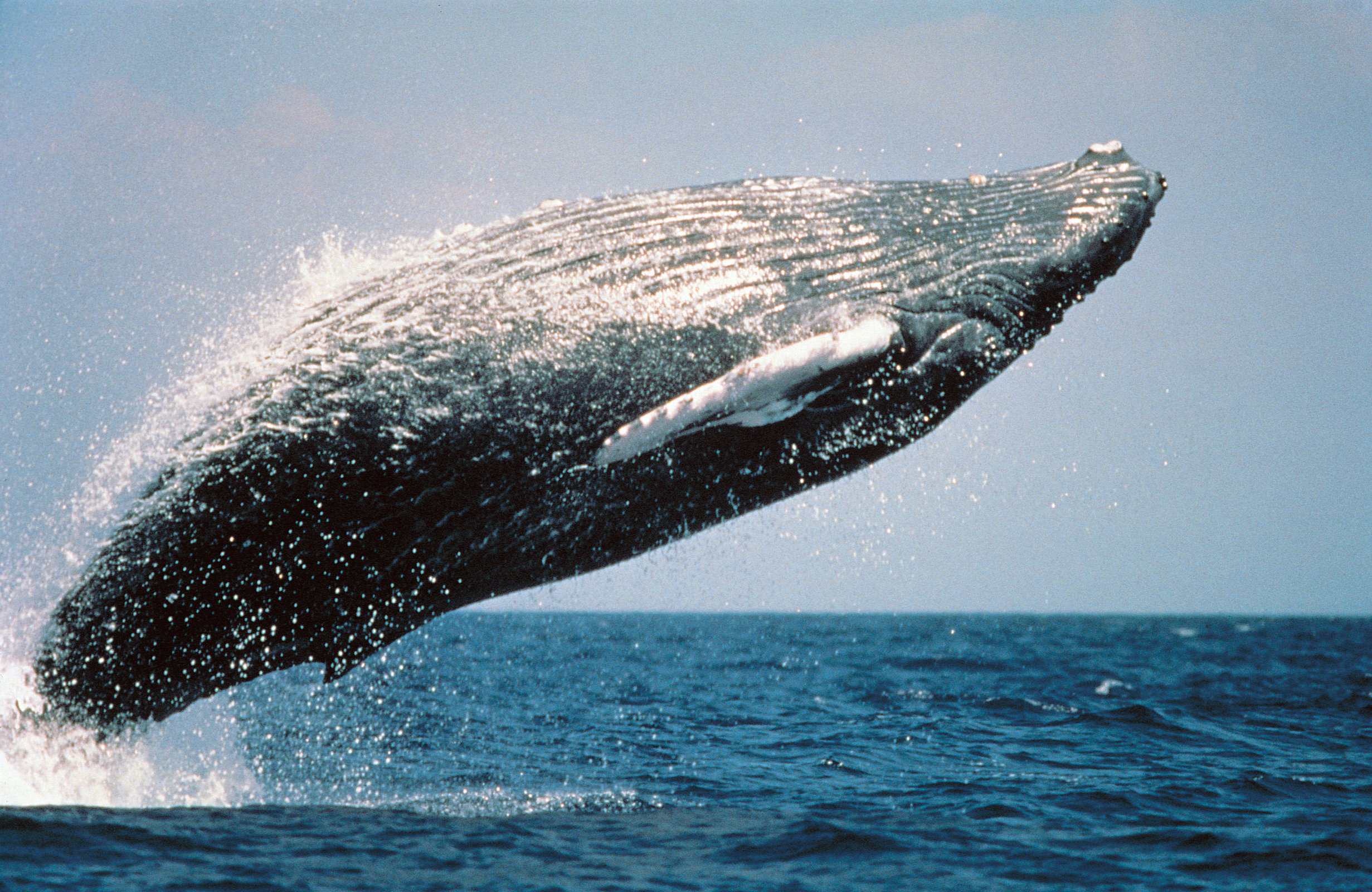
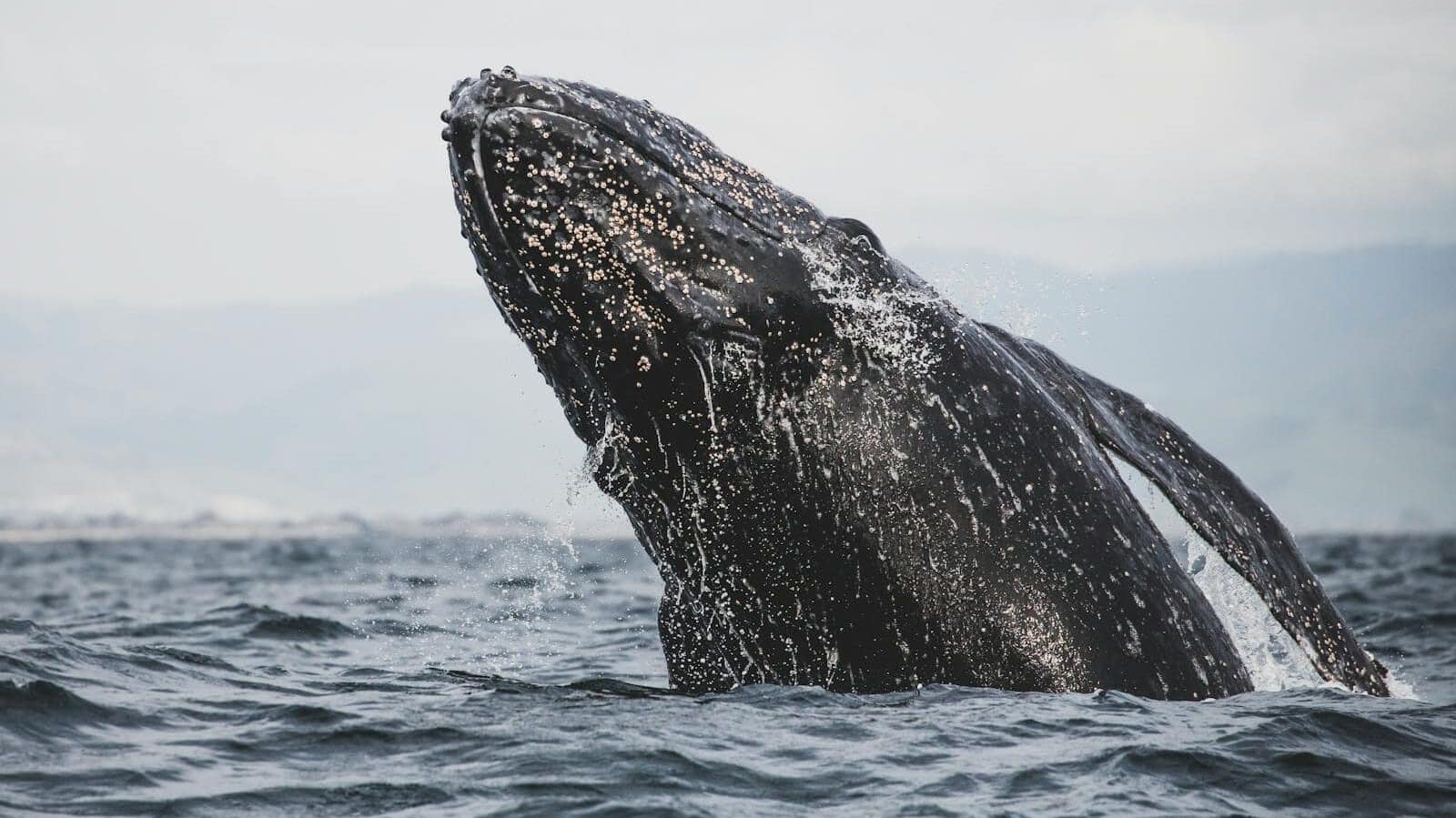
When a young humpback whale was spotted thrashing in the waters off Colombia’s Pacific coast, tangled in discarded fishing gear, Luis Antonio “Toño” Lloreda knew exactly what he had to do. Armed with only diving gear and a blade, he and his team plunged into the water. What followed was a rescue mission that captured not just the whale’s freedom, but the spirit of a group of divers risking everything to protect life beneath the waves.
A Silent Killer in the Deep
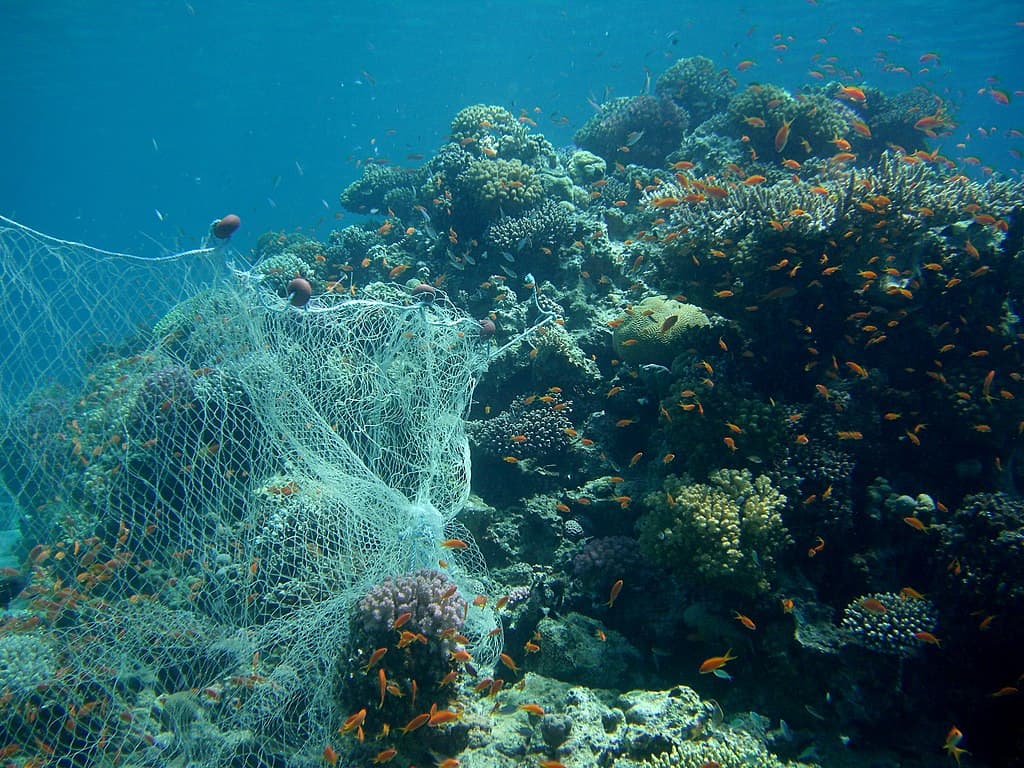
Ghost nets—abandoned fishing gear made of nylon, plastic, and steel—drift through the ocean like invisible traps. In Colombia’s coastal waters, they entangle everything in their path: whales, turtles, sharks, and coral reefs. Sometimes they’re laced with nails or hooks, adding even greater risk. These deadly nets account for a significant share of marine plastic and continue catching long after they’re lost.
Local Heroes of the Pacific
In the remote Gulf of Tribugá, a group of nine Afro-Colombian divers known as the Guardianes del Mar patrol the region’s reefs. They’re not government employees or international scientists—they’re volunteers, trained by NGOs like Ecomares, WWF, and Conservation International. Since 2023, they’ve removed over 120 kilograms of ghost gear, and their work is only just beginning.
When a Whale Needs Help
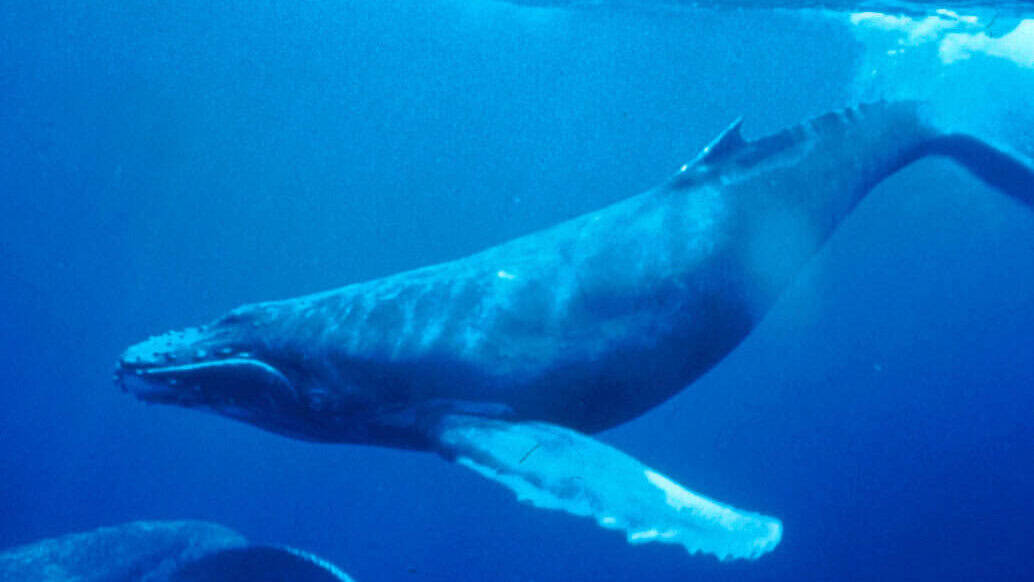
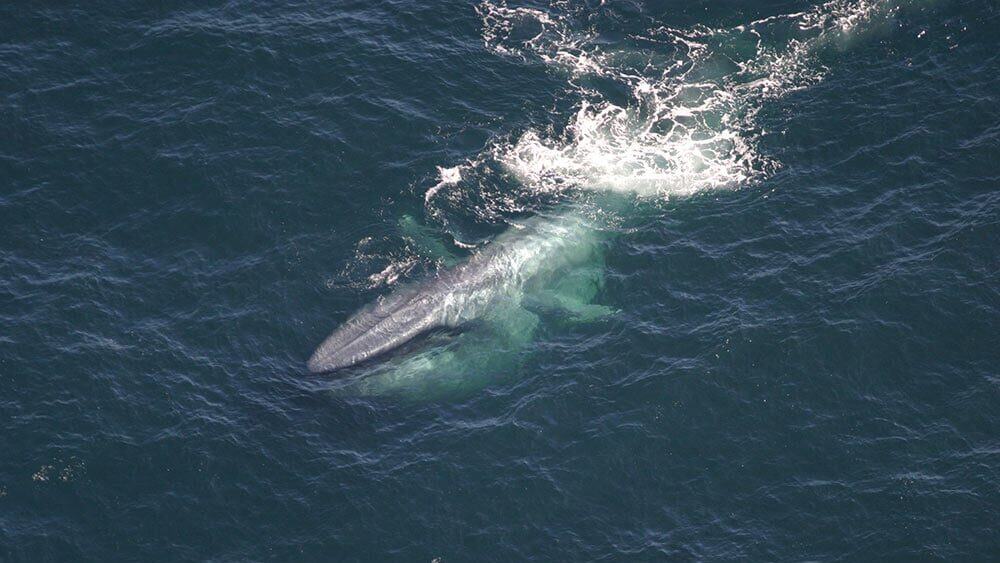
Toño recalls one rescue in particular: a juvenile whale with a net embedded in its mouth and fin. Before diving, he says he silently asked the whale’s mother for permission. She circled protectively but eventually let him approach. The calf was freed without injury—just one of many life-or-death encounters that show the incredible connection between the divers and the ocean’s creatures.
Mapping Trouble Beneath the Surface
These ghost nets don’t just float aimlessly—they often get caught in coral and rock beds. To track them down, the divers use a mix of traditional knowledge and modern mapping. They’ve identified over 60 ghost net hotspots, prioritizing 12 for active monitoring. With each dive, they protect not just individual animals, but entire ecosystems from destruction.
From Waste to Worth
In a region accessible only by boat, recycling the removed gear is challenging. But the divers have found creative solutions. They melt metal parts to make dive weights and cut nylon nets into strips to craft bracelets, which are sold locally and abroad. These small initiatives help fund their work while raising awareness far beyond their coastal communities.
Community, Culture, and Conservation
What makes the Guardianes del Mar unique isn’t just their bravery—it’s their deep cultural connection to the ocean. Their families have lived along this coastline for generations. They’ve fought against damaging developments like deepwater ports and now fight for marine life. The team also includes Neyi Ibargüen, the first female diver certified in ghost gear removal in her region, proving that ocean conservation is a community-wide effort. Each dive could be their last, but they continue anyway—because for them, the ocean isn’t just a place to protect. It’s home. Through courage, tradition, and innovation, these Colombian divers are reclaiming the seas, one net at a time.

adventuring, photography and videography. I am currently working towards a BSc in Biodiversity and Ecology at Stellenbosch University to go on to specialise in Marine Sciences one day.
Please send any feedback to Feedback@animalsaroundtheglobe.com
- Top 21 Must-see Birds For Bird Watchers In America - July 20, 2026
- Italy Mourns Hero Police Dog Killed by Food Laced with Nails - July 20, 2026
- Pigeon Turns into Fashionista and Wears Bread - July 19, 2026