

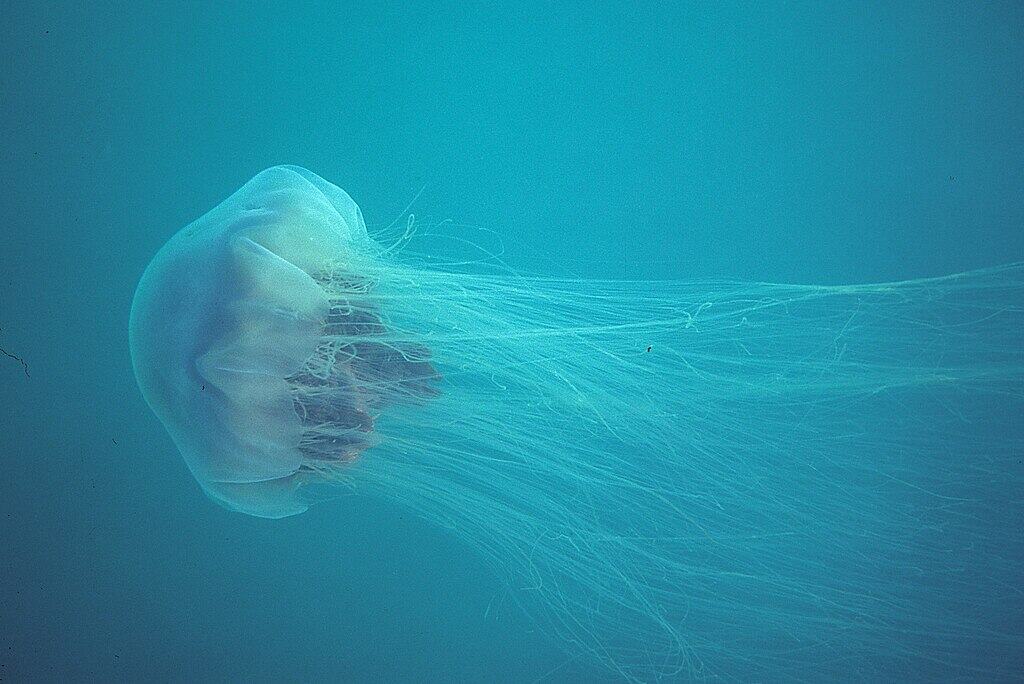
Summer beachgoers across the United States are encountering an unexpected and somewhat unsettling sight: massive jellyfish stranded on sandy shores, some measuring several feet across. These gelatinous giants have been making headlines as they wash up in unprecedented numbers, creating both fascination and concern among marine biologists and coastal communities alike. While jellyfish strandings aren’t entirely uncommon, the sheer size and frequency of these recent events have captured public attention and raised important questions about our changing oceans. From the Pacific Northwest to the Gulf Coast, these mysterious creatures continue to surprise and educate us about the complex marine ecosystems that surround our shores.
The Nomura’s Jellyfish: Asia’s Migrating Monster
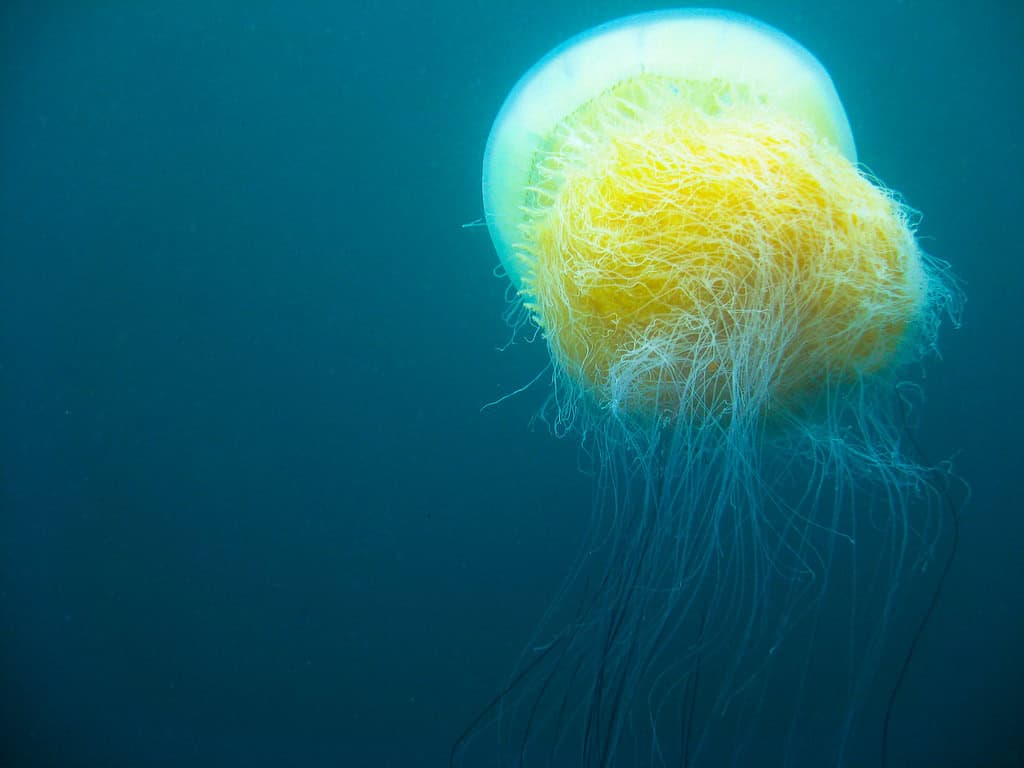
The Nomura’s jellyfish, scientifically known as Nemopilema nomurai, represents one of the most spectacular examples of giant jellyfish appearing in unexpected locations. Originally native to the waters between China and Japan, these massive creatures can grow to the size of a refrigerator and weigh up to 440 pounds. Their bell diameter can reach an astounding 6 feet, making them one of the largest jellyfish species in the world.
Recent ocean current changes and rising sea temperatures have pushed these giants further east than ever before, with several specimens washing up along the Pacific coast of the United States. Marine biologists believe that altered migration patterns, influenced by climate change and overfishing in their native waters, have contributed to their unusual presence in American coastal waters. The sight of these translucent behemoths on California and Oregon beaches has left both scientists and beachgoers in awe of nature’s incredible diversity.
Moon Jellies: The Gentle Giants Taking Over

Moon jellies, or Aurelia aurita, have been appearing in record numbers along the Eastern Seaboard, particularly in the Chesapeake Bay and surrounding coastal areas. These ethereal creatures, with their distinctive four-leaf clover pattern visible through their translucent bells, typically measure 10 to 16 inches in diameter but can grow much larger under favorable conditions. Their population explosions have been linked to nutrient pollution in coastal waters, creating perfect conditions for their rapid reproduction.
What makes moon jellies particularly fascinating is their ability to thrive in disturbed marine environments where other species struggle. They feed primarily on small planktonic organisms, and their increased numbers often indicate changes in the ocean’s food web. Despite their intimidating size when washed ashore, moon jellies possess only mild stinging capabilities, making them relatively harmless to humans who encounter them on beaches.
The Lion’s Mane: Arctic Visitors in Warmer Waters
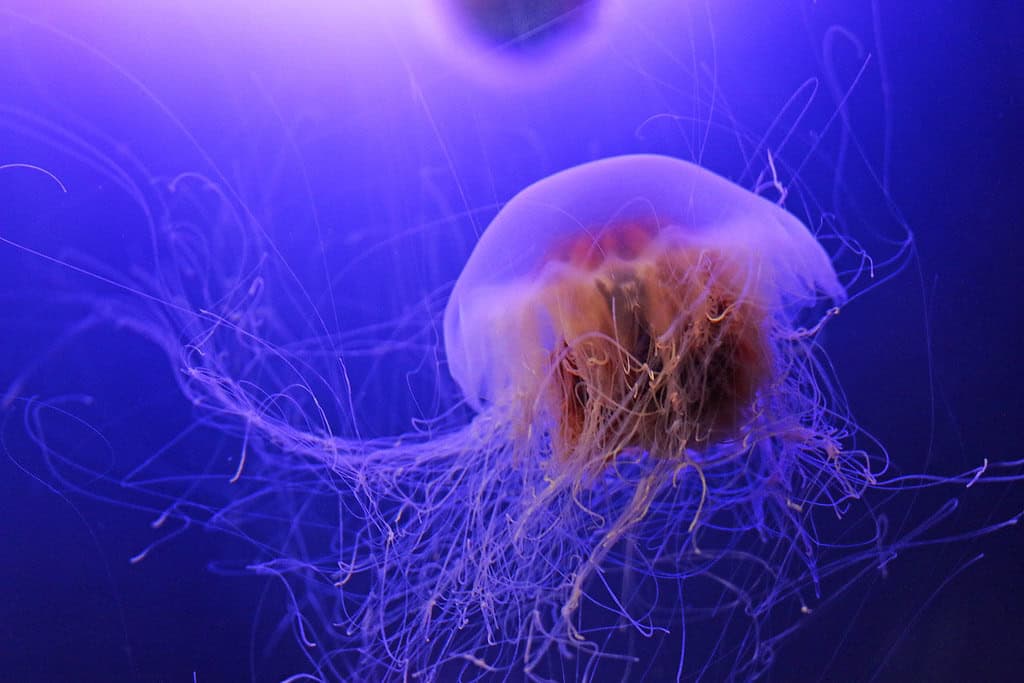
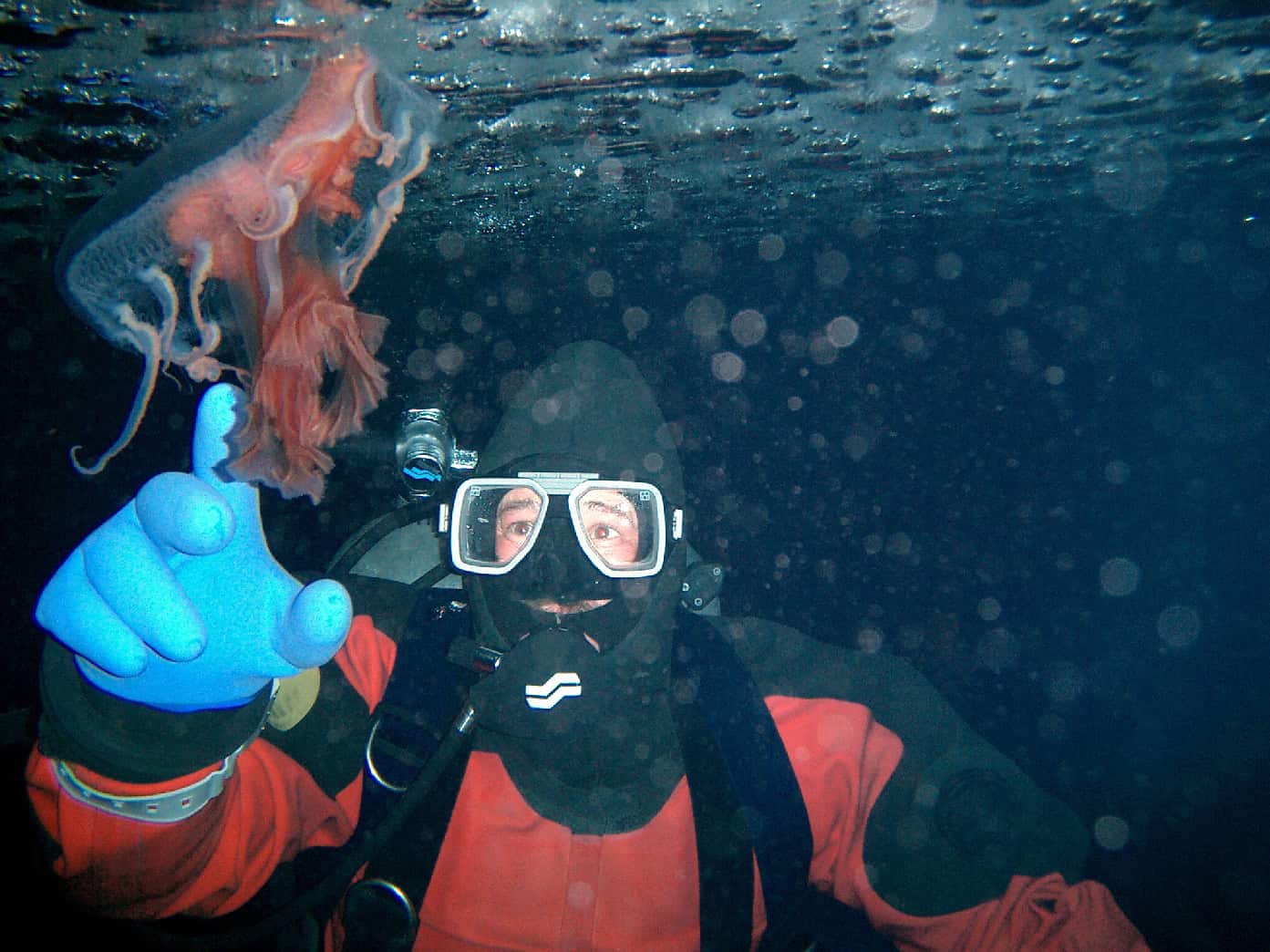
The lion’s mane jellyfish, Cyanea capillata, has been making surprising appearances on beaches from Maine to North Carolina, far south of their typical Arctic and sub-Arctic habitats. These magnificent creatures can reach bell diameters of over 8 feet, with trailing tentacles extending up to 120 feet in length. Their distinctive reddish-brown coloration and flowing tentacles create an otherworldly appearance that has captivated beachgoers and marine enthusiasts alike.
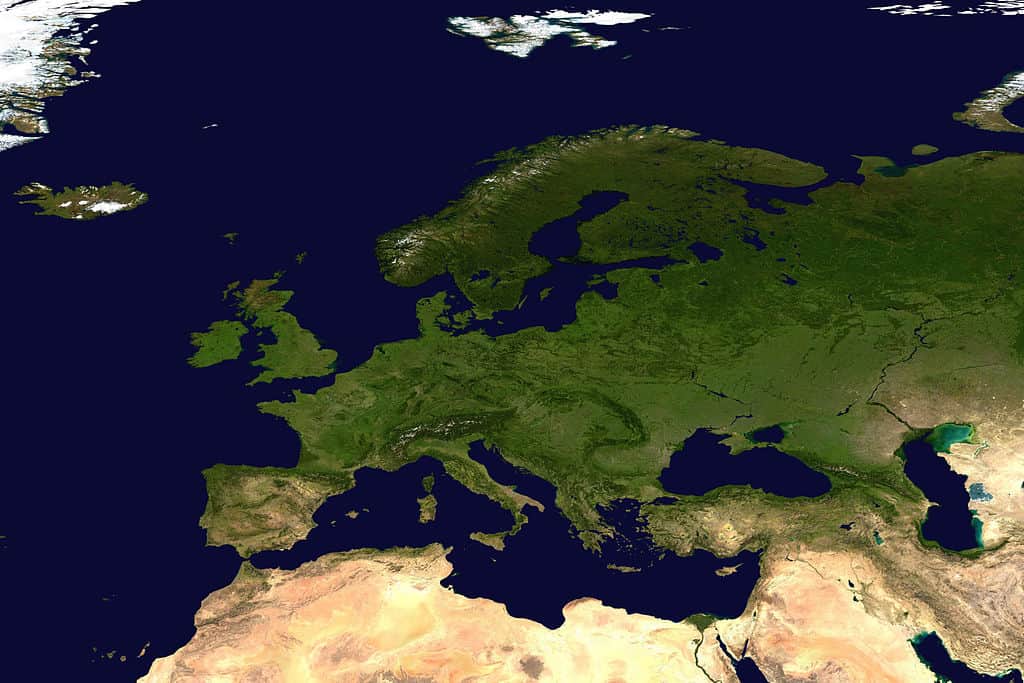
The southward migration of lion’s mane jellies has been attributed to changing ocean temperatures and current patterns associated with climate change. These cold-water specialists typically inhabit the northern Atlantic and Pacific oceans, but warming surface waters have allowed them to expand their range considerably. Their presence in warmer waters often results in mass strandings as they struggle to adapt to unfamiliar environmental conditions.
Pacific Sea Nettles: California’s Coastal Surprise

Pacific sea nettles, Chrysaora fuscescens, have been washing ashore in unprecedented numbers along the California coast, creating both wonder and concern among coastal communities. These striking jellyfish display vibrant orange and yellow coloration with long, flowing tentacles that can extend several feet from their bell-shaped bodies. Their population booms have been linked to specific oceanographic conditions, including upwelling events that bring nutrient-rich waters to the surface.
The increase in Pacific sea nettle strandings coincides with changes in their primary food sources, particularly small fish and zooplankton populations. Marine researchers have documented that these jellyfish populations fluctuate in roughly 20-year cycles, but recent environmental changes may be disrupting these natural patterns. Their painful stings make them a concern for swimmers and surfers, leading to increased beach safety measures along affected coastlines.
Cannonball Jellies: The Gulf Coast Phenomenon
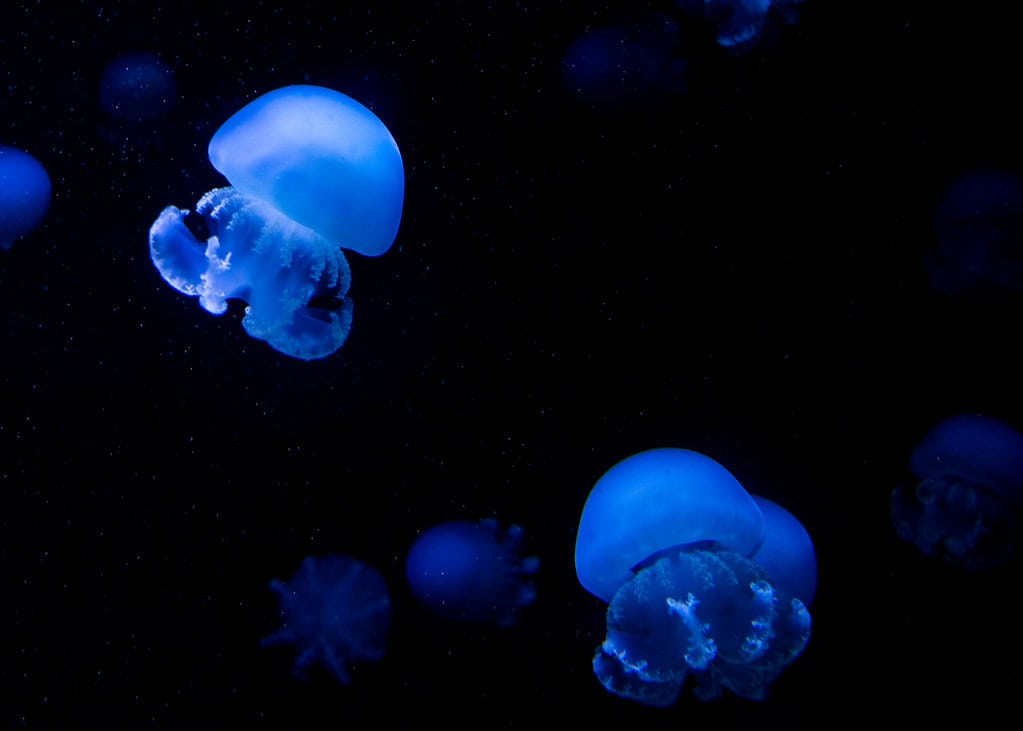
Cannonball jellyfish, Stomolophus meleagris, have been appearing in massive numbers along Gulf Coast beaches, creating some of the most dramatic stranding events in recent memory. These dome-shaped creatures, typically 6 to 8 inches in diameter, get their name from their distinctive round, solid appearance and relatively firm texture. Unlike many other jellyfish species, cannonballs lack the long, trailing tentacles that characterize their relatives, instead possessing short, stubby appendages around their bell margin.
The Gulf of Mexico’s warm waters and abundant food sources create ideal conditions for cannonball jellyfish population explosions. These creatures play a crucial role in the marine food web, serving as both predators of small organisms and prey for sea turtles, particularly loggerheads. Their mass strandings often coincide with specific weather patterns and tidal conditions that push large numbers toward shore simultaneously.
The Blue Blubber: Australia’s Gift to American Shores
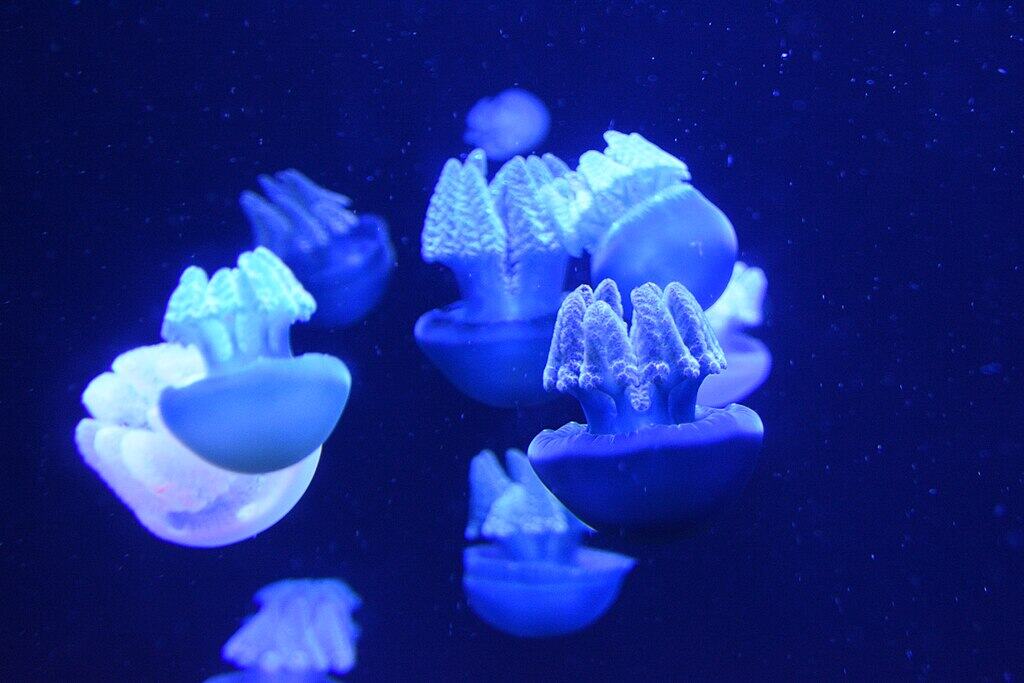
Blue blubber jellyfish, Catostylus mosaicus, have been making unexpected appearances on American beaches, particularly along the Gulf Coast and southeastern seaboard. These distinctive creatures, originally native to Australian waters, display a beautiful blue and white coloration with a dome-shaped bell that can reach 12 inches in diameter. Their arrival in American waters represents a fascinating example of species distribution changes in our interconnected ocean systems.
The presence of blue blubber jellyfish in American coastal waters has been attributed to ballast water discharge from international shipping and natural ocean current changes. These adaptable creatures have shown remarkable resilience in establishing populations in new environments, often thriving in areas where native species struggle. Their relatively mild sting and striking appearance make them both a curiosity and a concern for beachgoers encountering them for the first time.
Upside-Down Jellies: The Mangrove Wanderers
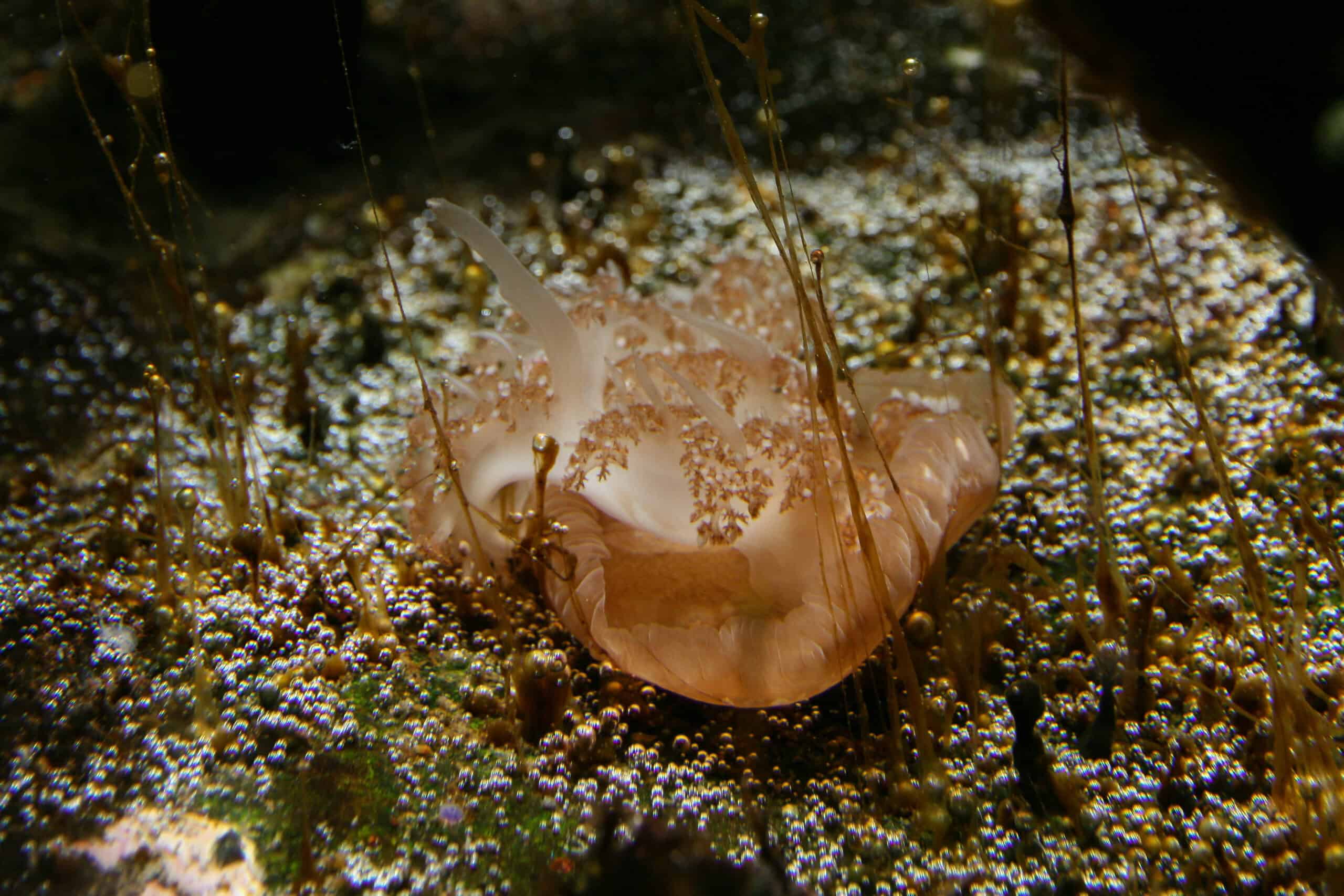
Upside-down jellyfish, Cassiopea xamachana, have been venturing beyond their typical mangrove habitats and washing up on open beaches throughout Florida and the Caribbean. These unique creatures spend most of their lives pulsing upside-down on shallow seafloors, allowing symbiotic algae in their tissues to photosynthesize. Their unusual lifestyle and distinctive appearance, with a flattened bell and numerous small appendages, make them easily recognizable when they strand on beaches.
The migration of upside-down jellies to open coastal areas has been linked to habitat destruction in mangrove systems and changing salinity levels in coastal waters. These jellyfish serve as important indicators of ecosystem health, as their presence or absence can signal changes in water quality and habitat conditions. Their mild sting and fascinating biology make them subjects of intense scientific study as researchers work to understand their role in coastal ecosystems.
Crystal Jellies: The Bioluminescent Beauties

Crystal jellyfish, Aequorea victoria, have been washing ashore in greater numbers along the Pacific Northwest coast, bringing their ethereal bioluminescent capabilities to sandy beaches. These translucent creatures, typically 4 to 10 inches in diameter, possess the remarkable ability to produce light through a protein called green fluorescent protein (GFP), which has revolutionized biological research. Their nearly invisible appearance in water contrasts dramatically with their otherworldly glow when disturbed.
The increase in crystal jellyfish strandings has been attributed to changes in their primary food sources, particularly small fish and other jellyfish species. These delicate creatures often fall victim to strong currents and storms that push them toward shore, where they become stranded during low tide. Their contribution to scientific research, particularly in the development of fluorescent markers for medical research, has made them one of the most scientifically valuable jellyfish species in the world.
Barrel Jellies: The Deep-Sea Visitors
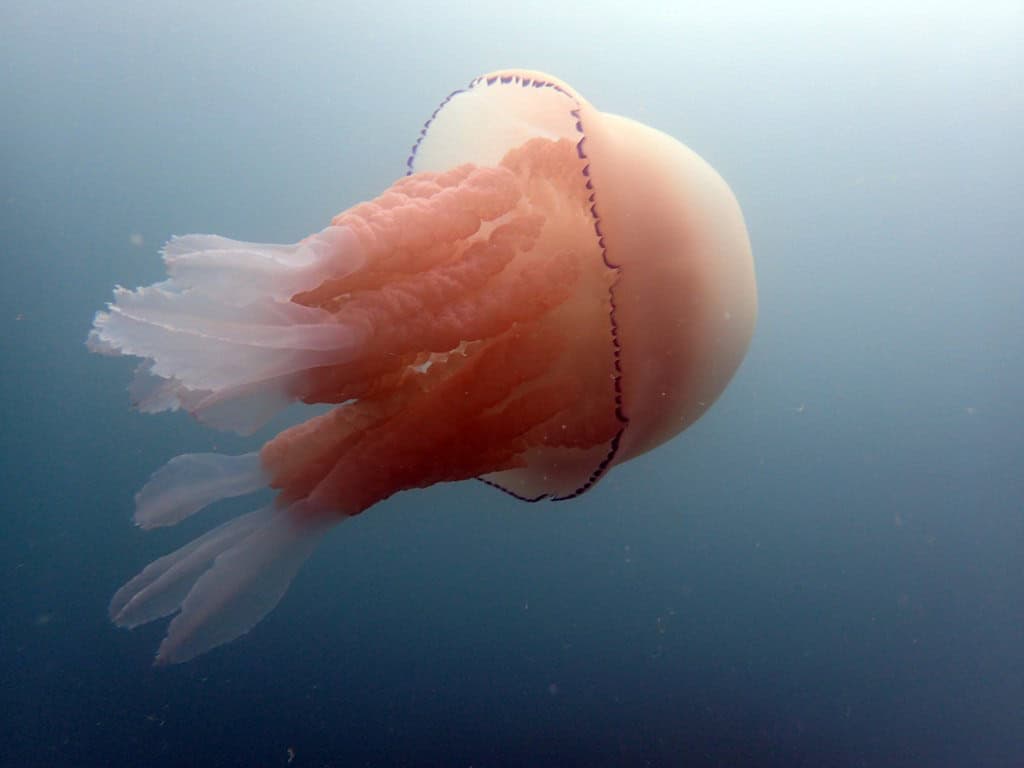
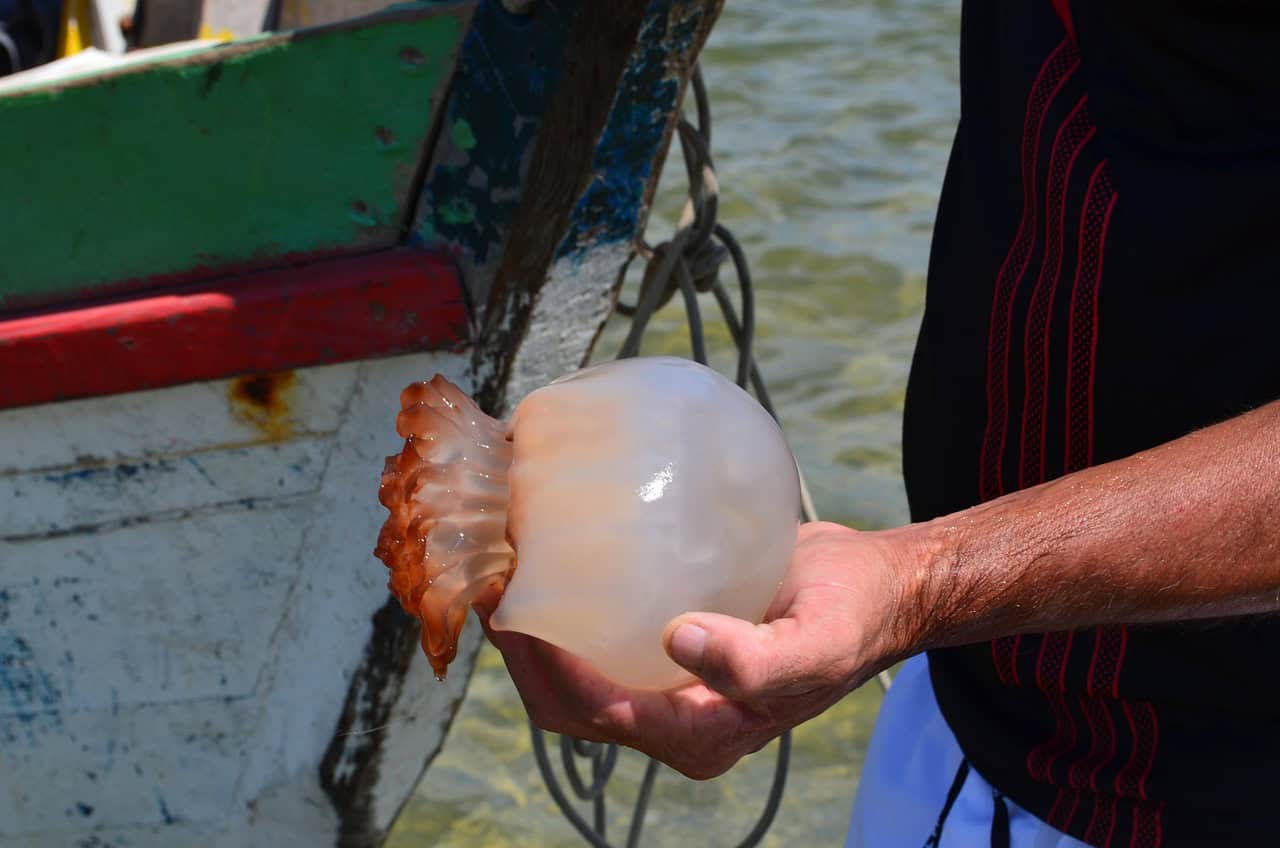
Barrel jellyfish, Rhizostoma pulmo, have been making rare but spectacular appearances on American beaches, particularly along the Atlantic coast. These massive creatures, with bells that can reach 3 feet in diameter, typically inhabit deeper offshore waters but occasionally venture into shallower coastal areas. Their distinctive barrel-shaped appearance and intricate internal structure make them among the most photogenic jellyfish species encountered by beachgoers.
The presence of barrel jellies in shallow coastal waters often indicates changes in ocean currents and temperature patterns that bring deep-water species closer to shore. These impressive creatures feed primarily on small fish and crustaceans, using their powerful swimming abilities to pursue prey in the water column. Their rare appearances on beaches create significant excitement among marine biologists and nature enthusiasts, as they represent a unique opportunity to observe typically elusive deep-sea species.
The Science Behind Mass Strandings

Mass jellyfish strandings result from a complex interplay of environmental factors, including wind patterns, tidal cycles, and ocean currents. When strong onshore winds combine with specific tidal conditions, large numbers of jellyfish can be pushed toward shore simultaneously, creating the dramatic stranding events that capture public attention. These natural phenomena have been occurring for millions of years, but their frequency and intensity may be increasing due to climate change and human activities.
Ocean temperature changes play a crucial role in jellyfish distribution and behavior, with many species following specific temperature ranges as they move through marine environments. Rising sea temperatures associated with climate change have expanded the habitable ranges of many jellyfish species, allowing them to venture into previously unsuitable waters. Additionally, changes in ocean chemistry and nutrient levels can trigger population booms that increase the likelihood of mass stranding events.
Climate Change and Jellyfish Populations
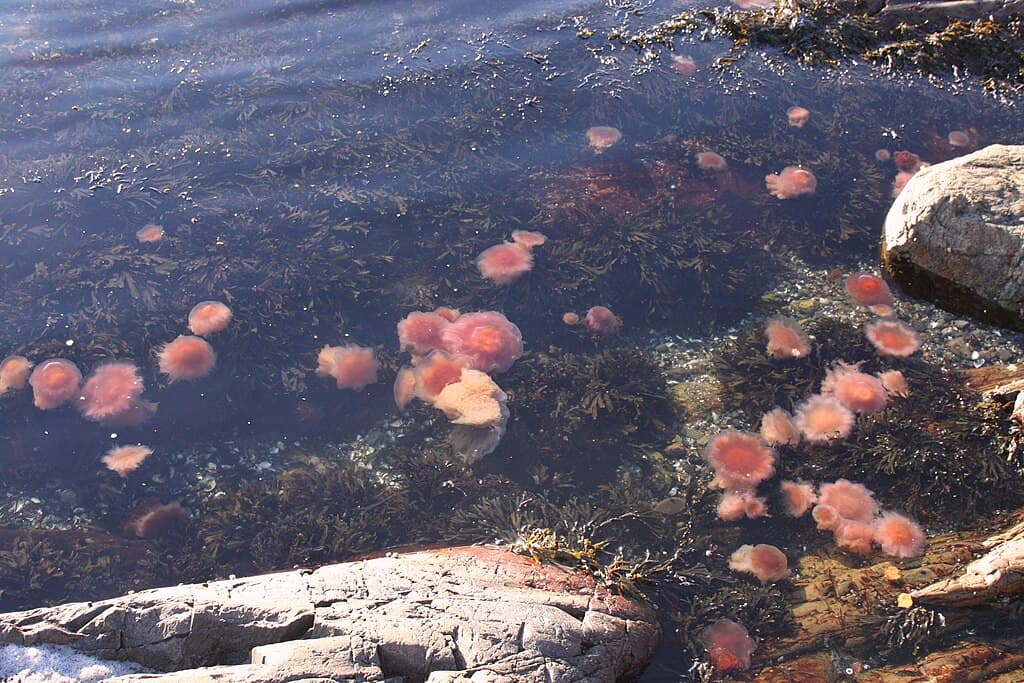
Climate change has emerged as a significant driver of jellyfish population changes worldwide, with rising ocean temperatures and altered current patterns creating new opportunities for these adaptable creatures. Many jellyfish species thrive in warmer waters, and global temperature increases have expanded their geographic ranges considerably. This expansion has led to increased encounters between jellyfish and human populations, particularly in coastal areas where tourism and recreation are important economic activities.
Ocean acidification, another consequence of climate change, has complex effects on jellyfish populations and their prey species. While some research suggests that jellyfish may be more resilient to acidic conditions than many other marine organisms, the overall impact on marine food webs remains uncertain. Changes in prey availability and predator populations can create cascading effects that ultimately influence jellyfish distribution and abundance in coastal waters.
Human Impact on Marine Ecosystems

Human activities have significantly altered marine ecosystems worldwide, often in ways that favor jellyfish populations over other marine species. Overfishing has removed many of the natural predators and competitors of jellyfish, allowing their populations to expand unchecked in many coastal areas. Additionally, nutrient pollution from agricultural runoff and urban development creates ideal conditions for jellyfish reproduction by promoting the growth of their primary food sources.
Coastal development and habitat destruction have also contributed to changes in jellyfish populations by altering the physical structure of marine environments. The construction of seawalls, piers, and other artificial structures can create new habitats for jellyfish polyps, the sedentary stage of their life cycle. These modifications to coastal ecosystems can lead to increased jellyfish production and greater likelihood of mass stranding events.
Safety Considerations for Beachgoers
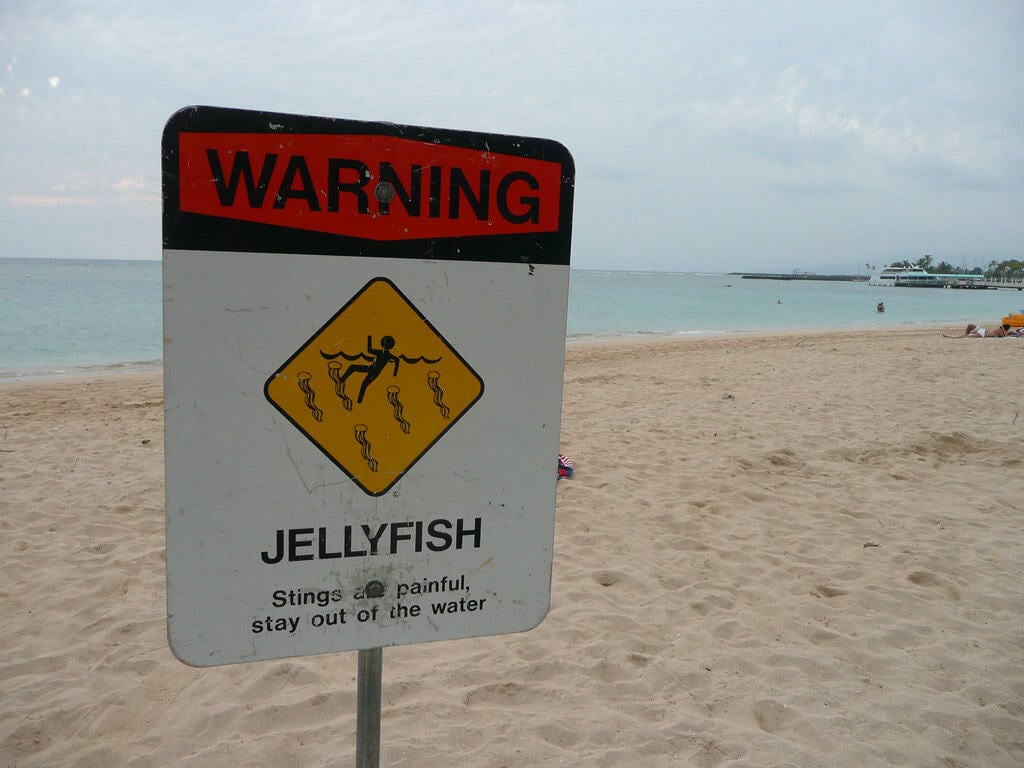
Encountering large jellyfish on beaches requires caution and proper safety measures, as many species possess powerful stings that can cause significant pain and injury. Even apparently dead jellyfish can deliver painful stings, as their stinging cells remain active for hours or even days after the animal’s death. Beachgoers should never touch jellyfish directly and should supervise children carefully around stranded specimens.
If stung by a jellyfish, immediate first aid measures include removing any visible tentacle material using tweezers or a credit card, avoiding rubbing the affected area, and applying hot water or ice depending on the species involved. Vinegar can be effective for certain jellyfish stings, while others may require different treatments. Severe reactions, including difficulty breathing or widespread swelling, require immediate medical attention as they may indicate a serious allergic response.
The Role of Citizen Science
Citizen science initiatives have become increasingly important in monitoring jellyfish populations and understanding their distribution patterns along American coastlines. Beachgoers, divers, and coastal residents can contribute valuable data by reporting jellyfish sightings and strandings to scientific organizations and research institutions. These observations help scientists track population trends, identify new species distributions, and understand the factors driving changes in jellyfish abundance.
Mobile apps and online platforms have made it easier than ever for the public to participate in jellyfish monitoring efforts. Programs like iNaturalist and specialized jellyfish tracking apps allow users to upload photos and location data, creating comprehensive databases of jellyfish distributions. This crowdsourced approach to scientific research has proven particularly valuable for studying jellyfish, as their unpredictable appearances and wide distribution make them difficult to monitor through traditional scientific methods alone.
Economic Impacts on Coastal Communities

Large jellyfish strandings can have significant economic impacts on coastal communities, particularly those dependent on tourism and recreational activities. Beach closures due to jellyfish presence can result in lost revenue for local businesses, while the costs of cleanup and public safety measures can strain municipal budgets. The perception of jellyfish-infested waters can also have long-term effects on tourism, even after the immediate threat has passed.
However, some communities have found ways to turn jellyfish encounters into economic opportunities through educational programs and ecotourism initiatives. Marine aquariums and research centers often use jellyfish strandings as opportunities to collect specimens for display and research purposes. Additionally, the growing interest in marine conservation and environmental education has created new markets for jellyfish-related tourism and educational experiences.
Conservation and Research Efforts
Scientific research into jellyfish populations and their ecological roles has intensified in recent years, driven by increasing recognition of their importance in marine ecosystems. Research institutions worldwide are studying jellyfish biology, behavior, and environmental impacts to better understand their role in changing ocean conditions. This research has revealed the complex relationships between jellyfish populations and other marine species, as well as their potential as indicators of ecosystem health.
Conservation efforts focused on jellyfish typically emphasize ecosystem-based approaches that address the underlying causes of population changes. These efforts include reducing nutrient pollution, protecting marine habitats, and managing fishing practices to maintain balanced marine food webs. Understanding jellyfish ecology has also contributed to broader marine conservation initiatives, as these creatures serve as important links in ocean food chains.
Future Predictions and Trends
Marine biologists predict that jellyfish populations will continue to change in response to ongoing environmental pressures, with some species likely to expand their ranges while others may face population declines. Climate change projections suggest that warmer ocean temperatures will generally favor jellyfish populations, potentially leading to more frequent and extensive stranding events. However, the complexity of marine ecosystems makes precise predictions challenging, and unexpected changes in jellyfish distributions are likely to continue surprising scientists and coastal communities.
Technological advances in marine monitoring and forecasting may soon provide better tools for predicting jellyfish movements and potential stranding events. Satellite imagery, ocean sensors, and artificial intelligence systems are being developed to track jellyfish populations and provide early warnings to coastal communities. These tools could help reduce the negative impacts of jellyfish strandings while maximizing opportunities for scientific research and public education.
The Beauty and Mystery of Marine Life
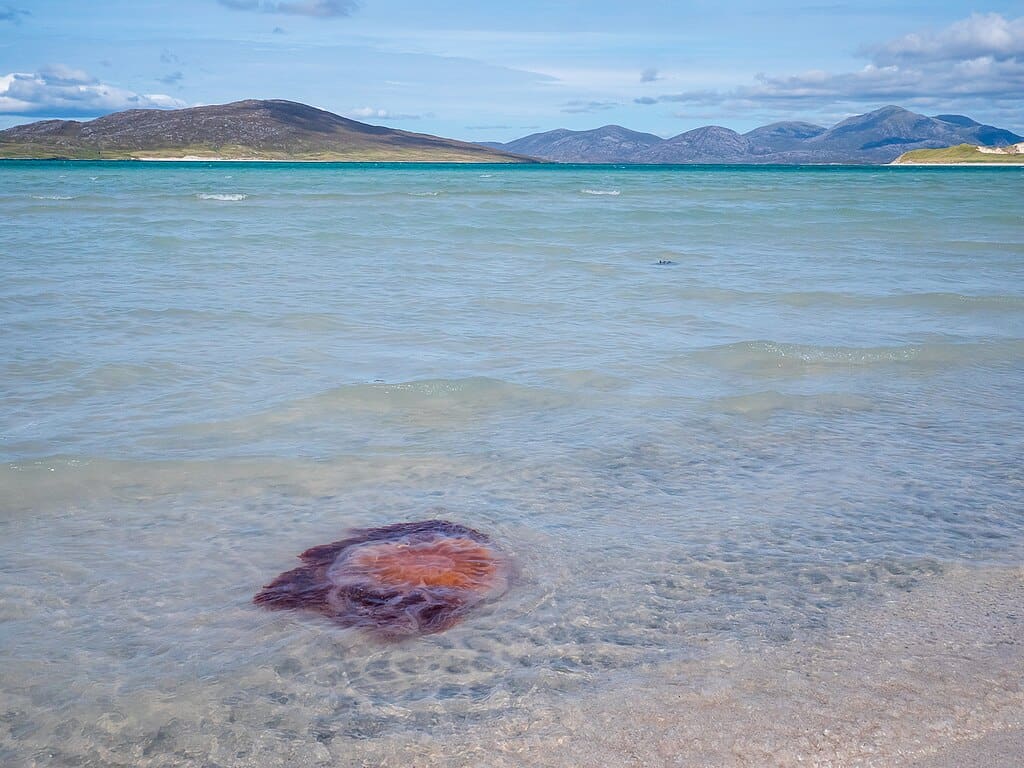
Despite the challenges they present, giant jellyfish strandings offer unique opportunities to observe and appreciate some of the ocean’s most magnificent creatures. These encounters remind us of the incredible diversity and adaptability of marine life, as well as the complex connections between human activities and ocean ecosystems. The ethereal beauty of these gelatinous giants, with their translucent bodies and graceful movements, continues to inspire wonder and curiosity about the mysteries of the deep sea.
Each jellyfish species brings its own unique characteristics and ecological story, from the bioluminescent displays of crystal jellies to the massive size of lion’s mane specimens. These creatures represent millions of years of evolutionary adaptation to marine environments, and their continued presence in our oceans speaks to the resilience and diversity of life on Earth. As we continue to study and learn from these remarkable animals, we gain deeper insights into the complex web of life that connects all marine organisms.
Education and Public Awareness

Jellyfish strandings provide valuable educational opportunities for schools, nature centers, and marine education programs to teach the public about marine biology and ocean conservation. These events offer hands-on learning experiences that can inspire the next generation of marine scientists and conservationists. Educational programs that focus on jellyfish ecology help build public understanding of marine ecosystems and the importance of protecting ocean environments.
Public awareness campaigns about jellyfish safety and ecology have become increasingly important as these creatures become more common in coastal areas. These efforts help reduce fear and misunderstanding while promoting responsible interactions with marine life. By combining safety education with information about jellyfish biology and ecology, these programs contribute to both human safety and marine conservation goals.
Conclusion
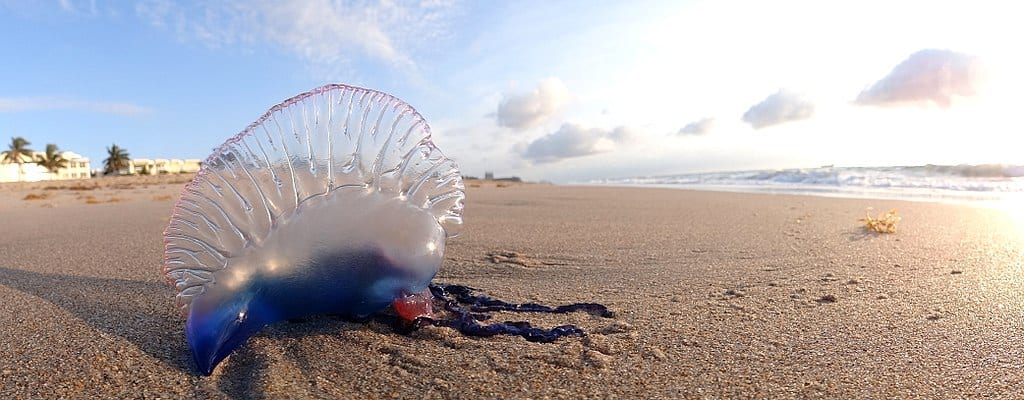
The appearance of giant jellyfish on American beaches represents a fascinating intersection of marine biology, climate science, and human experience. These remarkable creatures continue to surprise and educate us about the dynamic nature of ocean ecosystems and the far-reaching effects of environmental change. As we face an uncertain future for our oceans, jellyfish serve as both indicators of change and reminders of the incredible diversity of life that depends on healthy marine environments. Their presence on our shores challenges us to better understand and protect the complex web of life that connects all ocean organisms, from the smallest plankton to the largest jellyfish. What secrets might these ancient wanderers reveal about the future of our oceans?

- The Animals That Inspired Mythical Creatures in Movies - August 2, 2026
- Why Orcas Teach Their Young to Beach Themselves While Hunting - July 31, 2026
- How Raccoons Use Their Tiny Hands to Explore - July 31, 2026