


In the rich tapestry of Aztec mythology, few creatures held as much symbolic weight as the owl. Unlike its portrayal in some Western traditions as a symbol of wisdom, the owl in Aztec cosmology took on a far more ominous role. This nocturnal bird served as the sacred guardian of Mictlan, the Aztec underworld, where souls journeyed after death. Known by various names including Tecolotl (the Nahuatl word for owl) and sometimes associated with the deity Mictlantecuhtli, the Lord of the Underworld, this mysterious avian figure stood at the threshold between the world of the living and the realm of the dead.
The owl’s connection to death and the afterlife wasn’t merely symbolic—it was believed to physically escort souls on their perilous journey through the nine levels of the underworld. With its ability to see in darkness, navigate the night, and emit haunting calls, the owl became the perfect psychopomp, or guide of souls. This article explores the complex mythology surrounding the underworld owl, its representation in Aztec art and culture, and how its legacy continues to influence Mexican folklore and traditions today.
Origins and Identity: The Owl in Aztec Cosmology
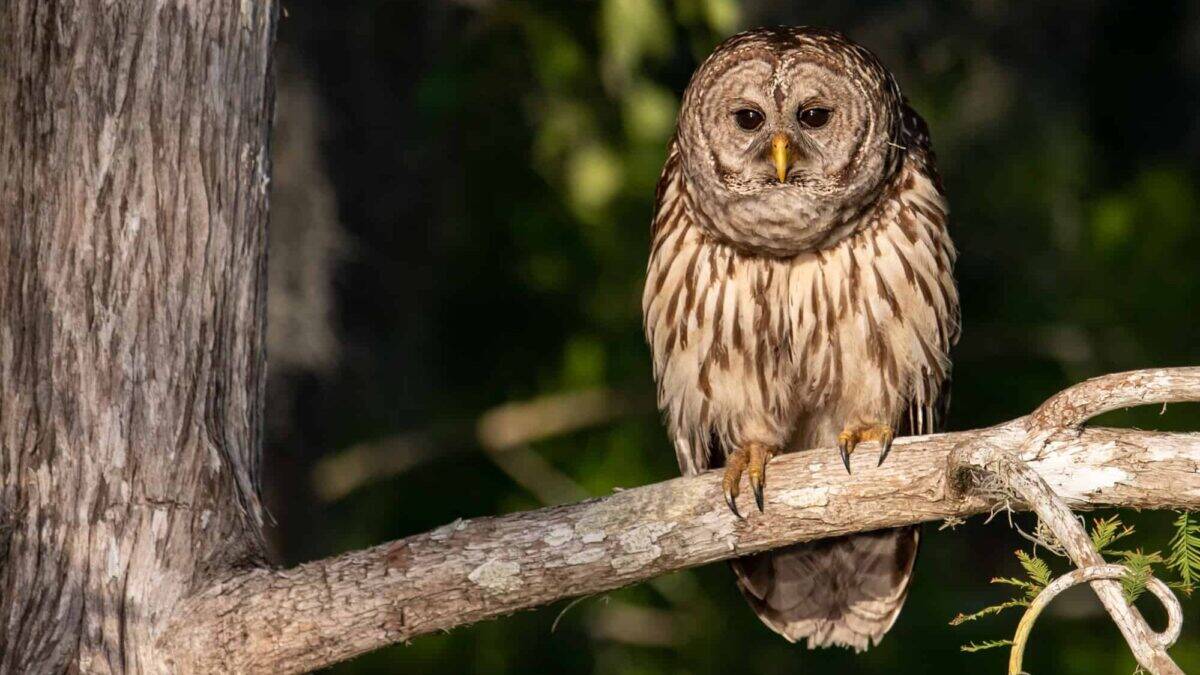
The owl guardian’s origins are deeply embedded in the Aztec understanding of the cosmos. The Aztecs conceptualized their universe as consisting of multiple layers or dimensions, with the earthly realm (Tlalticpac) situated between the celestial realms above and the underworld below. Within this cosmic structure, certain animals served as intermediaries between these worlds, and the owl held a privileged position as a creature that could traverse the boundary between life and death. The precise identity of the underworld owl is sometimes merged with Tecolotl-Mictlantecuhtli, suggesting that the owl was either a manifestation of the death god himself or his most trusted servant.
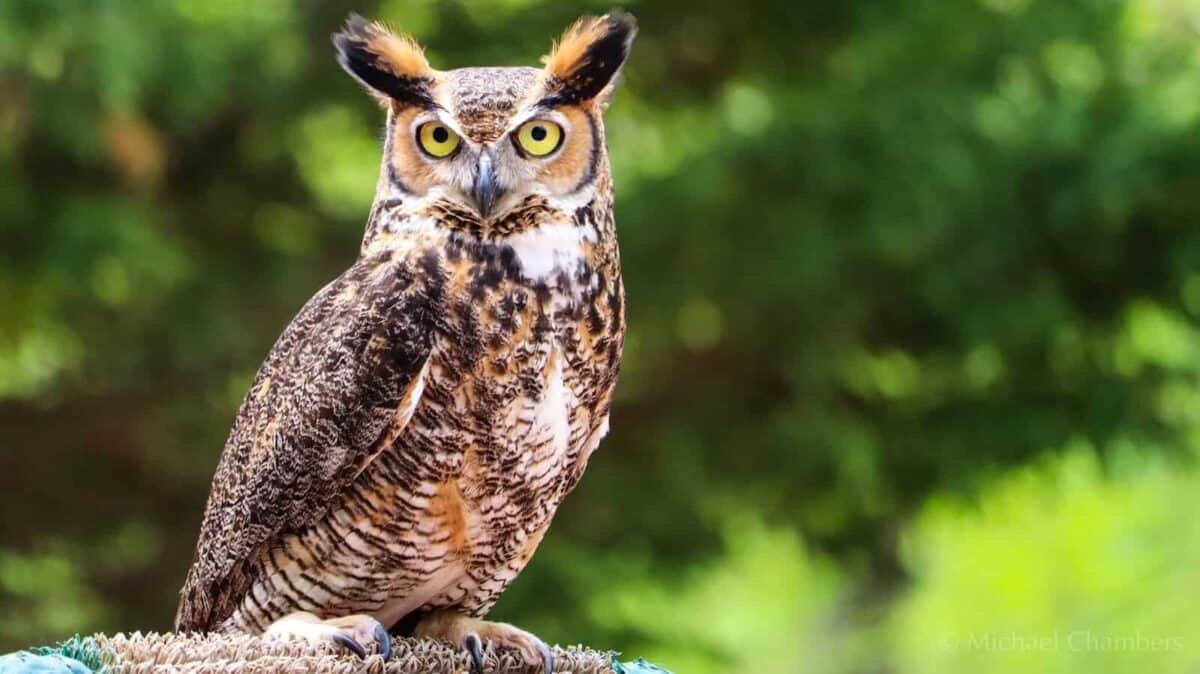
Archaeological evidence from codices and relief carvings shows that the Aztecs recognized several owl species in their environment, but the most feared and revered was likely the great horned owl (Bubo virginianus). This imposing bird, with its distinctive ear tufts and penetrating yellow eyes, embodied the perfect combination of majesty and terror that the Aztecs associated with the forces of the underworld. Some scholars suggest that the barn owl (Tyto alba), with its heart-shaped, ghostly white face, may also have influenced representations of the underworld guardian, particularly in its more spectral depictions.
Mictlan: The Nine-Layered Underworld
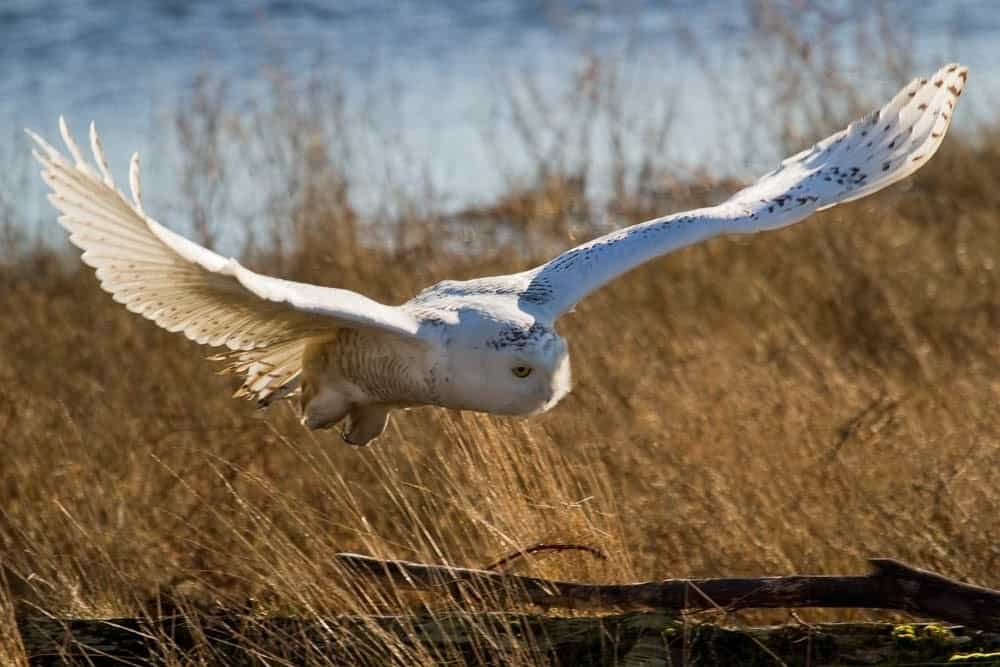
To understand the owl’s role, one must first comprehend the complexity of Mictlan itself. Unlike the Christian concept of hell, Mictlan wasn’t primarily a place of punishment but rather the final destination for most ordinary people who died of natural causes. This underworld consisted of nine distinct layers, each presenting unique challenges and trials for the traveling soul. The journey through Mictlan took four years to complete, during which the deceased had to overcome obstacles including rivers of blood, mountains that crashed together, winds of obsidian knives, and regions populated by fearsome entities.
The owl guardian was believed to appear at the moment of death, ready to guide worthy souls through these hazards. Its presence was both terrifying and necessary, as without the owl’s guidance, souls risked becoming lost in the treacherous landscapes of the underworld. The final destination was the ninth level of Mictlan, where the soul would find eternal rest under the watchful gaze of Mictlantecuhtli and his consort Mictecacihuatl. Here, the owl’s duty ended, having successfully delivered its charge to the deepest realm of the dead.
Symbolic Attributes: Why the Owl Became Death’s Messenger
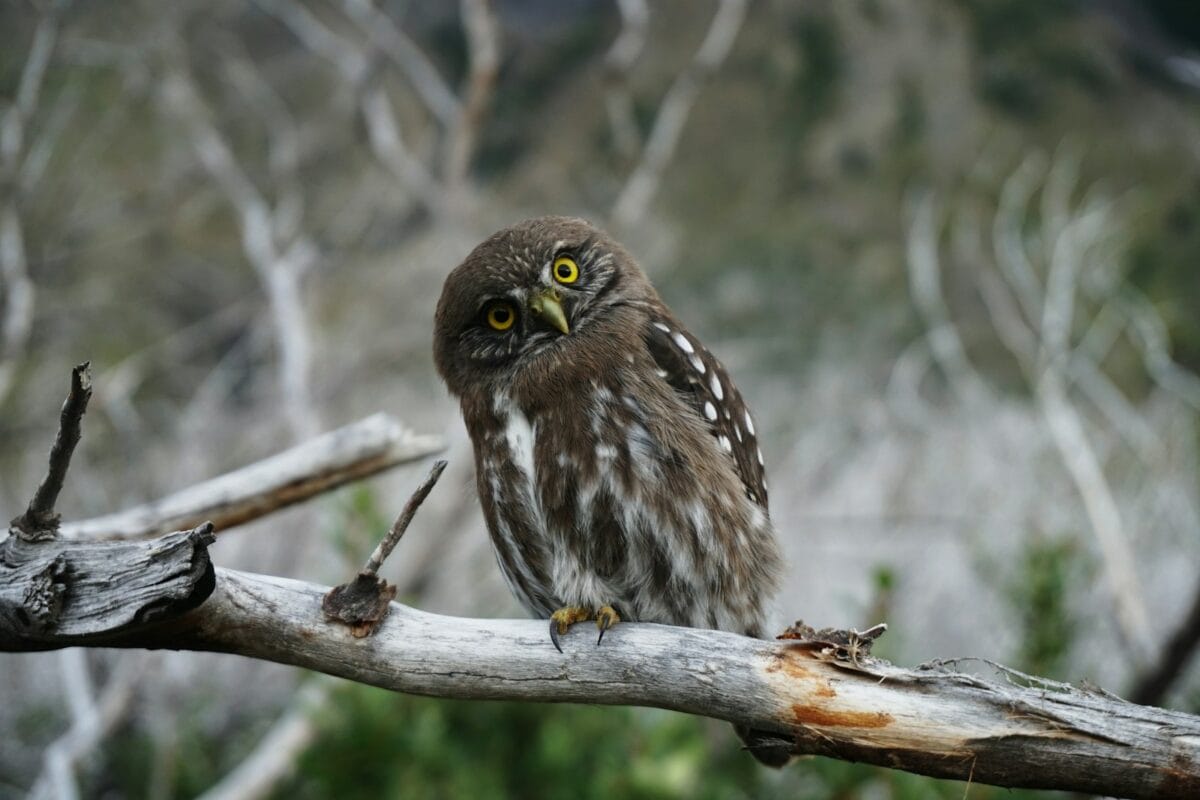
Several natural characteristics of owls made them perfect symbols for death and the underworld in Aztec thought. Their nocturnal nature aligned them with darkness and the night—domains associated with mystery, danger, and the unknown. The owl’s remarkable ability to see in near-darkness symbolized its capacity to perceive what humans could not, including the invisible world of spirits. Its silent flight—enabled by specialized feathers that muffle sound—further enhanced its reputation as a creature moving between worlds, undetected by the living.
Perhaps most significant was the owl’s distinctive call, which the Aztecs interpreted as an omen of doom. The hoot of an owl, especially when heard near a home, was believed to herald an approaching death. The Aztec phrase “when the tecolotl sings, the Indian dies” captures this belief that the owl’s call was a direct communication from Mictlan, announcing that the death deity was claiming another soul. These natural attributes, combined with the owl’s tendency to nest in caves (symbolic entrances to the underworld), cemented its association with death and the afterlife.
The Owl in Aztec Art and Iconography
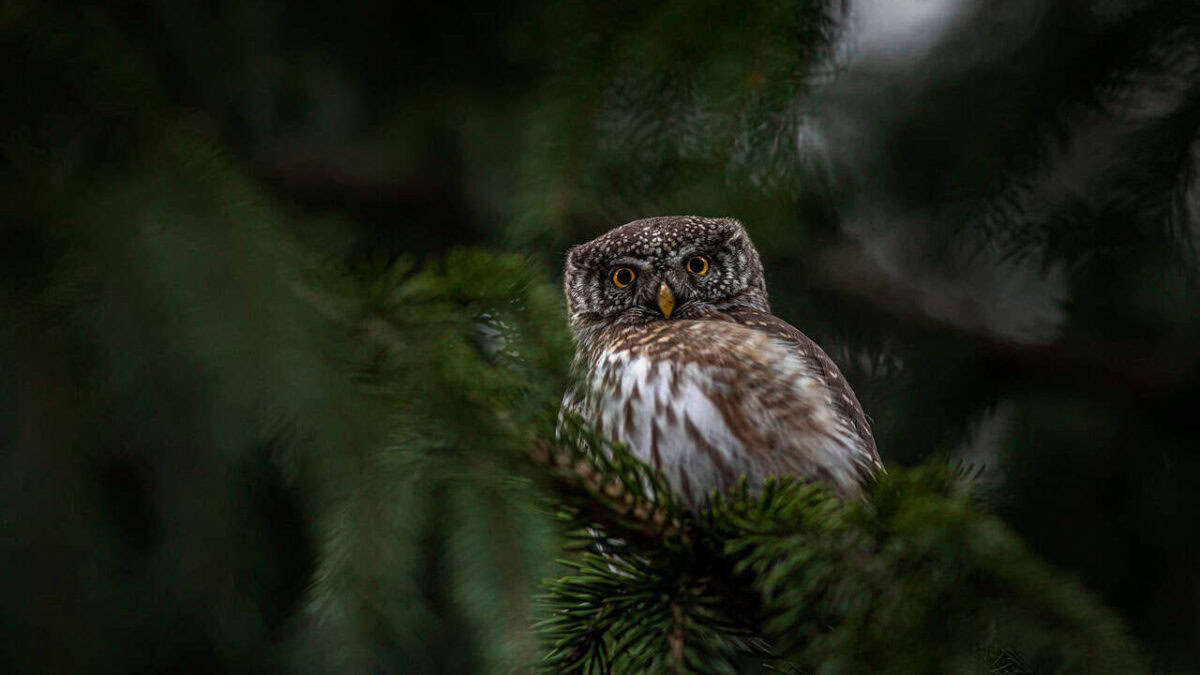
Representations of the underworld owl appear throughout Aztec art, often with distinct iconographic elements that emphasize its supernatural role. In codices and temple carvings, the owl is frequently depicted with exaggerated features—enormous eyes representing its all-seeing nature, prominent ear tufts (in the case of horned owl species), and sometimes with human skulls or skeletal elements incorporated into its design. These artistic conventions served to emphasize the creature’s connection to death and the beyond.
One notable representation appears in the Codex Borgia, where an owl figure is shown alongside Mictlantecuhtli, emphasizing their close association. In some depictions, the owl wears elements of Mictlantecuhtli’s regalia, including paper banners, obsidian blades, or stylized hearts, further blurring the line between the bird and the deity. Archaeologists have also discovered owl effigies and sculptures at sites associated with death rituals, suggesting that these objects played a role in funerary practices and may have been believed to help guide the deceased through the afterlife journey.
The Owl’s Role in Death Rituals and Funerary Practices
Aztec funerary rites acknowledged the owl’s role as psychopomp through various practices. When a person died, specific rituals were performed to ensure the owl would find and guide their soul. The deceased were often buried with small owl effigies carved from obsidian, jade, or clay, believed to attract the guardian’s attention and protection. Some evidence suggests that owl feathers were sometimes included in burial goods, especially for individuals of high status, providing a symbolic connection to the creature that would guide them.
Priests and shamans who specialized in death rituals sometimes wore owl-inspired regalia, including headdresses featuring owl feathers or masks depicting owl faces. These ritual specialists were believed to communicate with the underworld through the owl, serving as intermediaries between the living and the dead. During funeral ceremonies, mimicking the call of an owl might be incorporated into chants and songs, symbolically invoking the psychopomp to attend to the newly deceased and ensure their safe passage to Mictlan.
Tecolotl and Mictlantecuhtli: The Relationship Between Owl and Death God

The relationship between the owl guardian and Mictlantecuhtli, the supreme deity of the underworld, is complex and sometimes ambiguous in Aztec sources. In some accounts, the owl appears as a distinct entity—a servant or messenger that carries out the death god’s will by guiding souls to his realm. In others, the line blurs, suggesting that the owl may be a manifestation or nahual (animal co-spirit) of Mictlantecuhtli himself. This spiritual duality was common in Mesoamerican religious thought, where deities often had animal aspects or could transform into creatures associated with their domain.
Archaeological evidence supports this close association. In the Great Temple of Tenochtitlan, researchers have found owl imagery in areas dedicated to death deities. Some sculptures show hybrid figures with the body of a human and the head of an owl, potentially representing either Mictlantecuhtli in his avian form or priests who channeled the deity during rituals. These varied representations reflect the fluid nature of Aztec mythology, where boundaries between deities, their animal aspects, and their servants were not always rigidly defined.
Omens and Warnings: The Owl as Harbinger of Doom
Beyond its role as a guide to the underworld, the owl functioned as a powerful omen in Aztec daily life. The appearance of an owl—particularly near homes or in unexpected places during daylight—was interpreted as a warning from Mictlan. Aztec diviners and priests developed elaborate systems for interpreting these omens, considering factors such as the time of day, the owl’s behavior, the direction from which its call came, and which species of owl was observed. Different interpretations might predict illness, death of a family member, or community-wide disasters.
Historical accounts from the early colonial period describe the terror that owl sightings could inspire. When an owl perched on the royal palace in Tenochtitlan shortly before the arrival of the Spanish conquistadors, it was interpreted as a dire warning of the empire’s impending fall. Such was the power of this symbol that even brave warriors might tremble at the sound of an owl’s hoot. For the Aztecs, these encounters weren’t mere superstition but direct communications from the supernatural realm—the underworld owl fulfilling its duty to warn the living of death’s approach.
The Owl in Mexica Creation Myths
The underworld owl also appears in various creation myths of the Mexica (the ethnic group that formed the core of the Aztec empire). In one account related to the creation of the Fifth Sun—the current cosmic era in Aztec mythology—the gods gathered at Teotihuacan to determine who would become the new sun. The humble god Nanahuatzin sacrificed himself in fire to become the sun, while the proud Tecciztecatl followed reluctantly to become the moon. Other deities became stars, but the owl refused to sacrifice itself, instead choosing to remain in the shadows of the underworld.
As punishment for this refusal, the owl was condemned to forever dwell in darkness, unable to look upon the sun it had rejected. This mythic choice established the owl’s eternal connection to night, death, and the underworld realms. Some versions add that the owl was given special powers to compensate for its exile from daylight—including the ability to see in darkness and to travel between worlds—thus establishing its role as the guardian and guide of Mictlan. This origin story highlights how the Aztecs understood cosmic order as being established through divine choices with eternal consequences.
Survival in Colonial Times: The Owl in Syncretic Beliefs
When Spanish colonizers arrived in Mexico, they brought Catholic beliefs that often demonized indigenous religious concepts. However, the powerful symbolism of the underworld owl proved remarkably resilient, adapting and surviving through religious syncretism. In some regions, the owl guardian became associated with Catholic concepts of purgatory, with local beliefs suggesting that the bird guided souls not to Mictlan but through purgatorial trials. In other areas, the owl merged with European folklore about witches and their animal familiars, transforming from a psychopomp into a more malevolent entity.
Colonial-era documents, including reports from Spanish priests and inquisition records, reveal ongoing indigenous practices involving owl symbolism despite official prohibitions. Clandestine rituals still incorporated owl feathers and effigies, while folk healers continued to interpret owl omens according to traditional frameworks. These adaptations ensured that while the complete theological system surrounding the underworld owl diminished, its essential symbolic power remained intact within the cultural memory of indigenous and mestizo communities throughout New Spain and later Mexico.
Modern Legacy: The Underworld Owl in Contemporary Mexican Culture
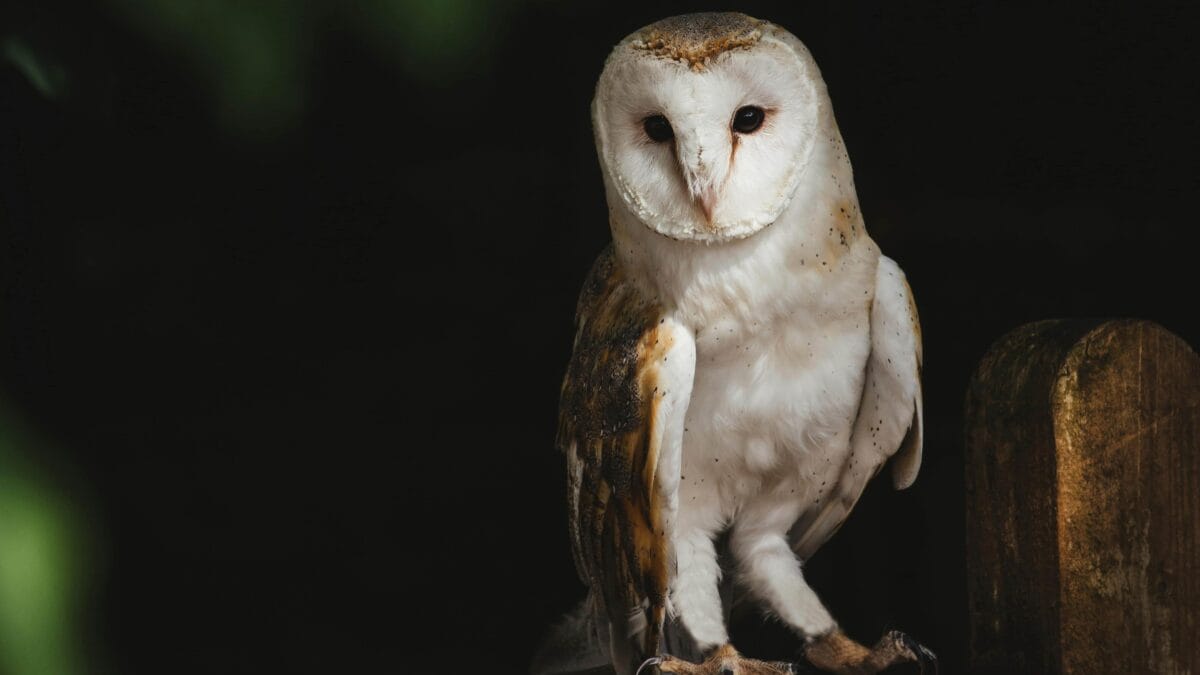
The legacy of the underworld owl continues to resonate in contemporary Mexican culture, particularly in rural areas and indigenous communities. In certain regions, the belief that owls announce death remains strong, with the phrase “cuando el tecolote canta, el indio muere” (“when the owl sings, the Indian dies”) still commonly known. Some families maintain traditions of placing owl effigies near the beds of the dying to ensure the psychopomp finds them, while others perform rituals to ward off owls whose presence is considered too ominous.
The underworld owl has also found expression in Mexican art, literature, and popular culture. Artists associated with the Mexican muralist movement, including Diego Rivera, incorporated owl symbolism into works exploring indigenous heritage. In literature, writers like Octavio Paz and Carlos Fuentes have referenced the owl’s mythic significance in explorations of Mexican identity and its relationship to death. Even in commercial contexts, the image of the owl appears in Day of the Dead (Día de los Muertos) decorations and artwork, acknowledging its ancient connection to the journey of souls—a testament to how this powerful symbol has transcended its original religious context to become part of Mexico’s broader cultural heritage.
Conclusion: The Enduring Power of the Underworld Guardian
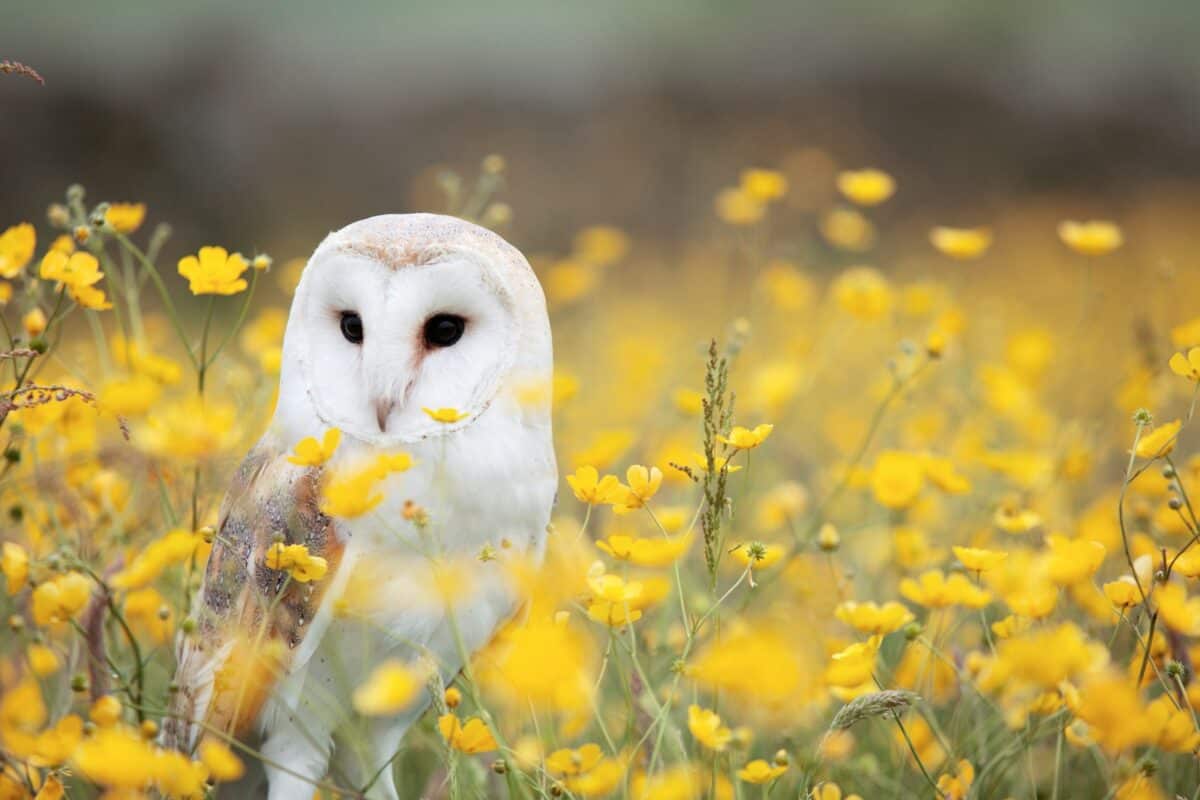
The owl that guards the Aztec underworld represents one of the most enduring and complex symbols from Mesoamerican mythology. As both terrifying harbinger and necessary guide, this creature embodied the Aztec understanding of death as a transitional journey rather than a final end. The owl’s dual nature—inspiring both fear and respect—reflects the sophisticated Aztec approach to mortality, which acknowledged death’s inevitability while providing cosmological frameworks for understanding it. Through its role as psychopomp, the underworld owl offered reassurance that souls would not face the perilous journey to Mictlan alone.
Archaeological discoveries continue to expand our understanding of how this figure was represented and worshipped, while anthropological research reveals the surprising persistence of owl symbolism in contemporary Mexican spiritual practices. The survival of these beliefs through centuries of colonization, suppression, and cultural change testifies to their deep resonance in the human experience of mortality. In studying the underworld owl, we glimpse not just an ancient religious concept but a powerful archetype that continues to speak to universal human concerns about death, guidance, and what awaits beyond the threshold of the known world.

From exploring the marine wonders in the Azores and witnessing the vast savannas of Kenya, to delving deep into the rich biodiversity of South Africa and traversing iconic landscapes in Australia and the US like Yellowstone, Chris's experiences are vast.
With a penchant for diving alongside sharks, the ocean holds a special place in his heart.
Through his academic insights, he champions wildlife conservation, striving with 'Animals Around The Globe' to cultivate a profound connection between humans and animals, enhancing our mutual appreciation.
Connect with him at Feedback@animalsaroundtheglobe.com.
- This Abandoned U.S. Mine Is Now a Wildlife Haven - July 18, 2026
- What Happened to Bubbles, Michael Jackson’s Elephant, After Neverland? - July 18, 2026
- Frozen Fish from the Ice Age Still Has Scales - July 18, 2026