

In a groundbreaking discovery that has sent ripples through the scientific community, marine biologists have identified what they’re calling an “electric pangolin” in the depths of the Pacific Ocean. This remarkable creature, officially named Electroderma pacificus, combines the scaled armor reminiscent of terrestrial pangolins with unique bioelectric properties never before documented in similar marine species. The discovery challenges previous understandings of evolutionary convergence and provides new insights into how deep-sea creatures have adapted to their extreme environments. This article explores this fascinating new species, its characteristics, and the implications of its discovery for marine science.
The Unexpected Discovery
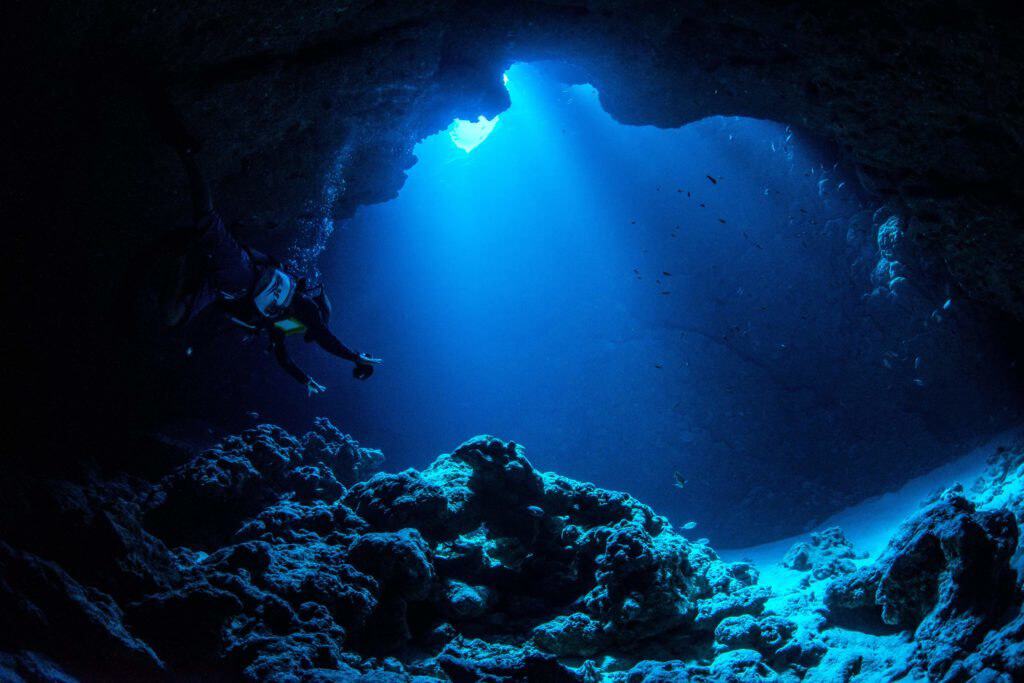
The discovery of Electroderma pacificus occurred during a deep-sea expedition led by the International Marine Biodiversity Institute (IMBI) in the Mariana Trench region. Using advanced remotely operated vehicles (ROVs) equipped with high-definition cameras and specialized collection tools, researchers were investigating previously unexplored hydrothermal vent systems at depths exceeding 8,000 meters. Dr. Elaine Huang, the lead marine biologist on the expedition, initially spotted the unusual creature nestled among rock formations near a thermal vent. “At first glance, I thought we were looking at some type of armored fish,” Dr. Huang reported. “But as we observed its movements and unique physical characteristics, it became clear we were witnessing something entirely new to science.”
Morphological Characteristics
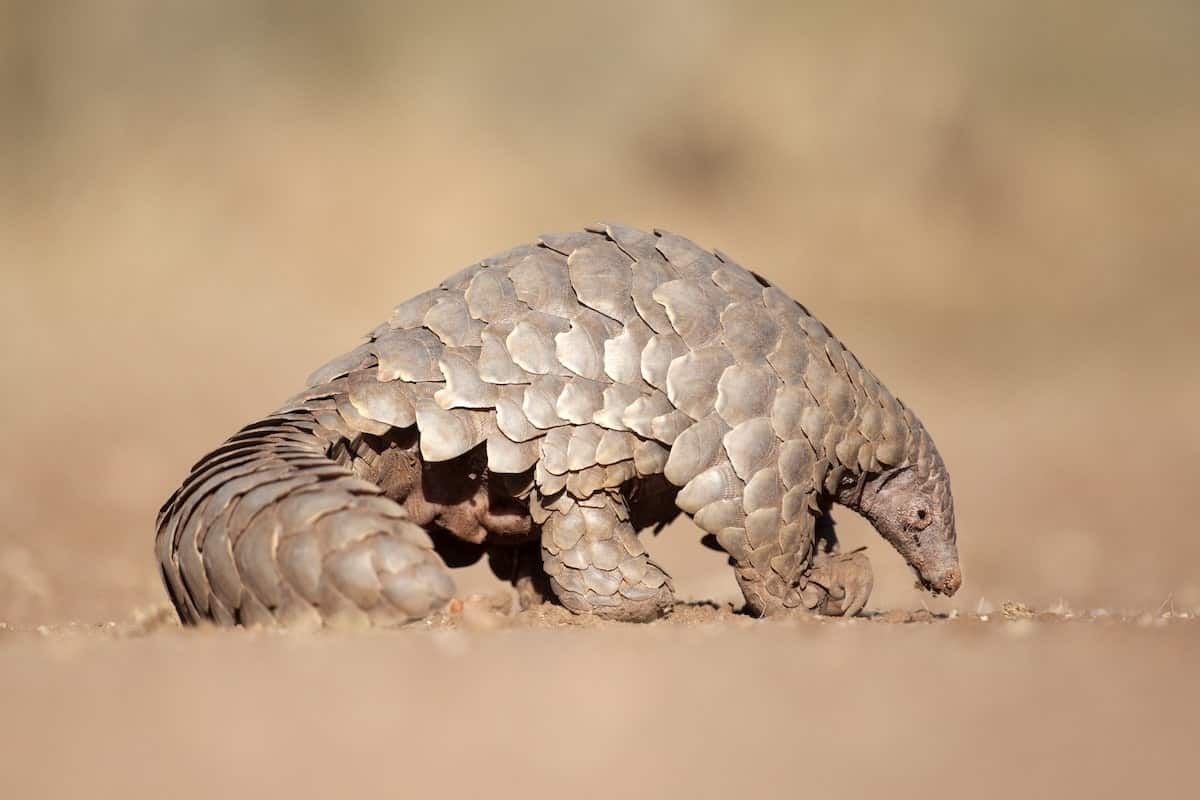
Electroderma pacificus measures approximately 40-60 centimeters in length, with a streamlined body covered in overlapping plate-like scales that bear a striking resemblance to those of terrestrial pangolins. These scales, however, are composed of a unique biomineral structure with properties that allow for both physical protection and electrical conductivity.
The creature has a pointed snout, small eyes adapted to the low-light conditions of the deep sea, and specialized sensory organs along its lateral lines. Most notably, it possesses modified fin structures that include tissue similar to the electric organs found in electric eels and rays, though with distinct evolutionary origins and operational mechanisms.
Bioelectric Capabilities
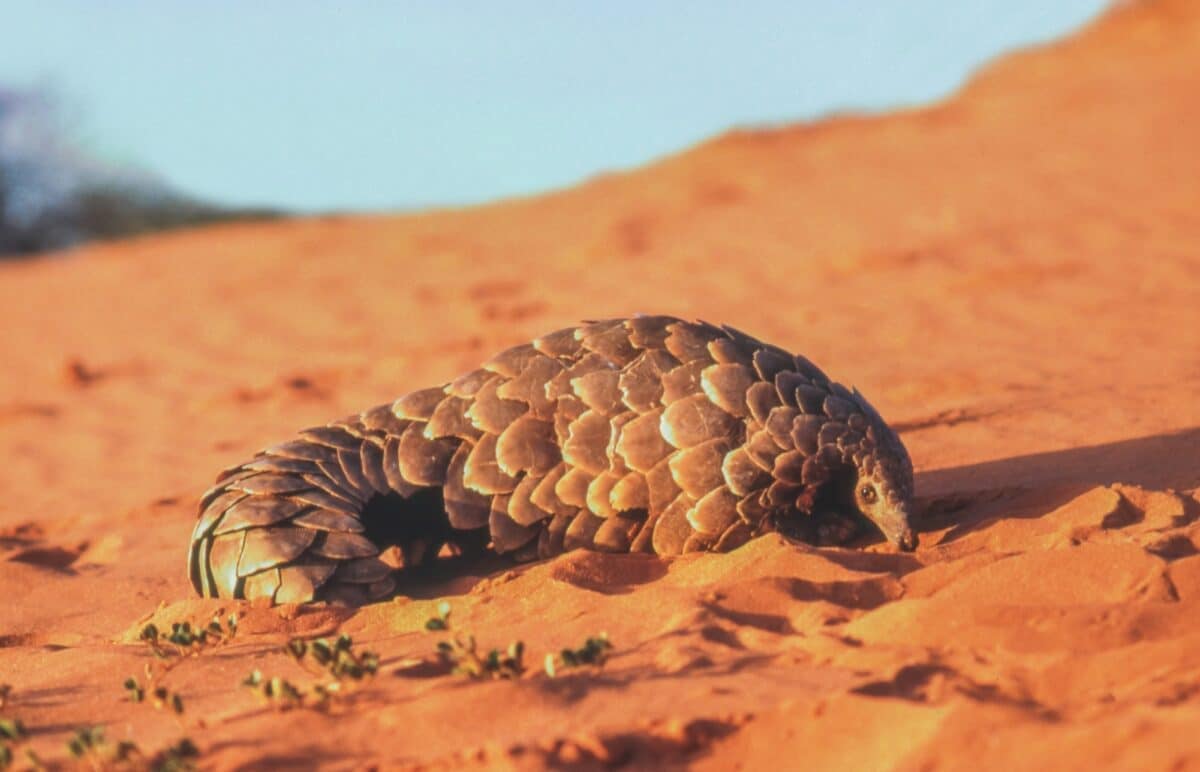
What truly sets Electroderma pacificus apart is its sophisticated bioelectric system. Unlike electric eels that generate electricity primarily for hunting or defense, this species appears to use its electrical capabilities for multiple functions. Researchers have documented electrical discharges ranging from 5 to 50 volts, which the creature can modulate with remarkable precision.
These electrical fields serve various purposes: communication with conspecifics, navigation through the dark ocean depths, stunning small prey, and deterring predators. Perhaps most fascinating is the creature’s ability to create persistent electrical fields that interact with Earth’s magnetic field, potentially aiding in long-distance migration and orientation.
Evolutionary Significance
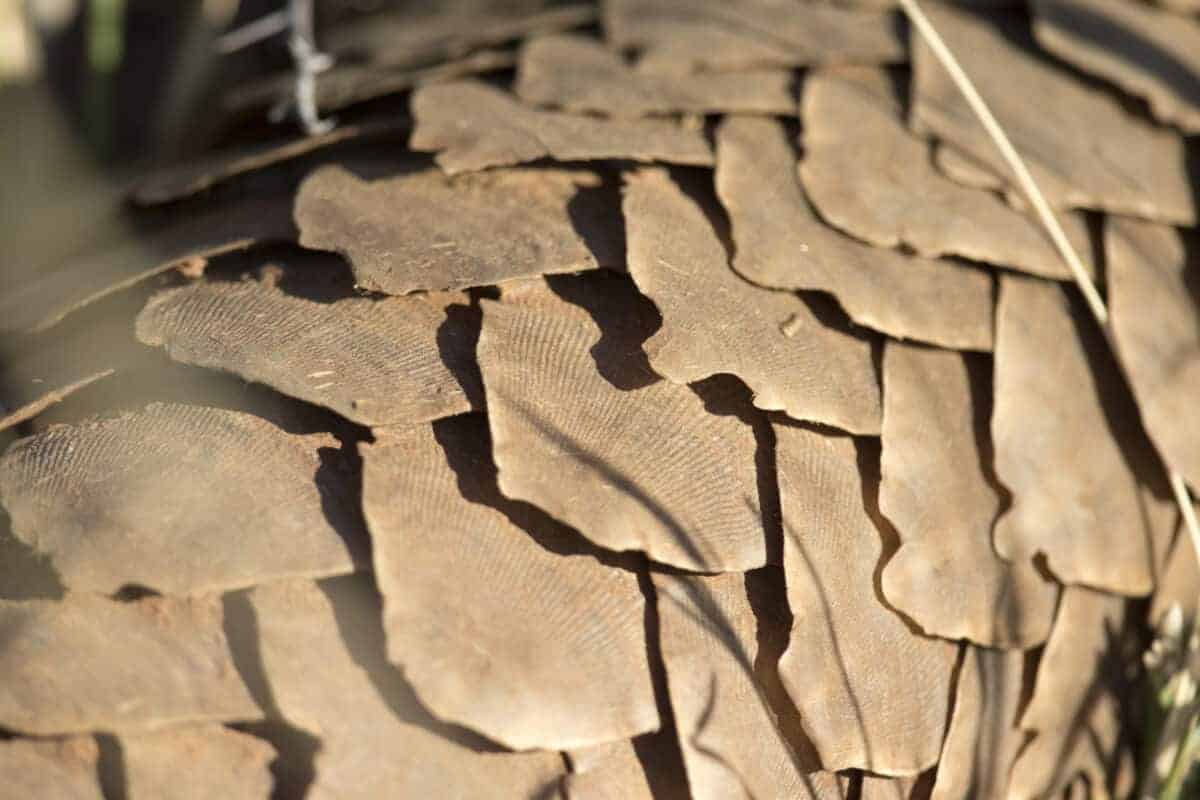
The discovery of an animal combining pangolin-like scales with electric capabilities represents a remarkable case of convergent evolution. Terrestrial pangolins evolved their scales as a defense mechanism against predators, while various electric fish developed their electrical organs independently across different taxonomic groups.
Genetic analysis of Electroderma pacificus reveals that it belongs to a previously unknown branch of marine vertebrates that diverged from other lineages approximately 120 million years ago, during the early Cretaceous period. This evolutionary timeline suggests that the species evolved its unique characteristics during a period of significant diversification in marine life, potentially in response to changing ocean conditions and ecological pressures.
Habitat and Distribution
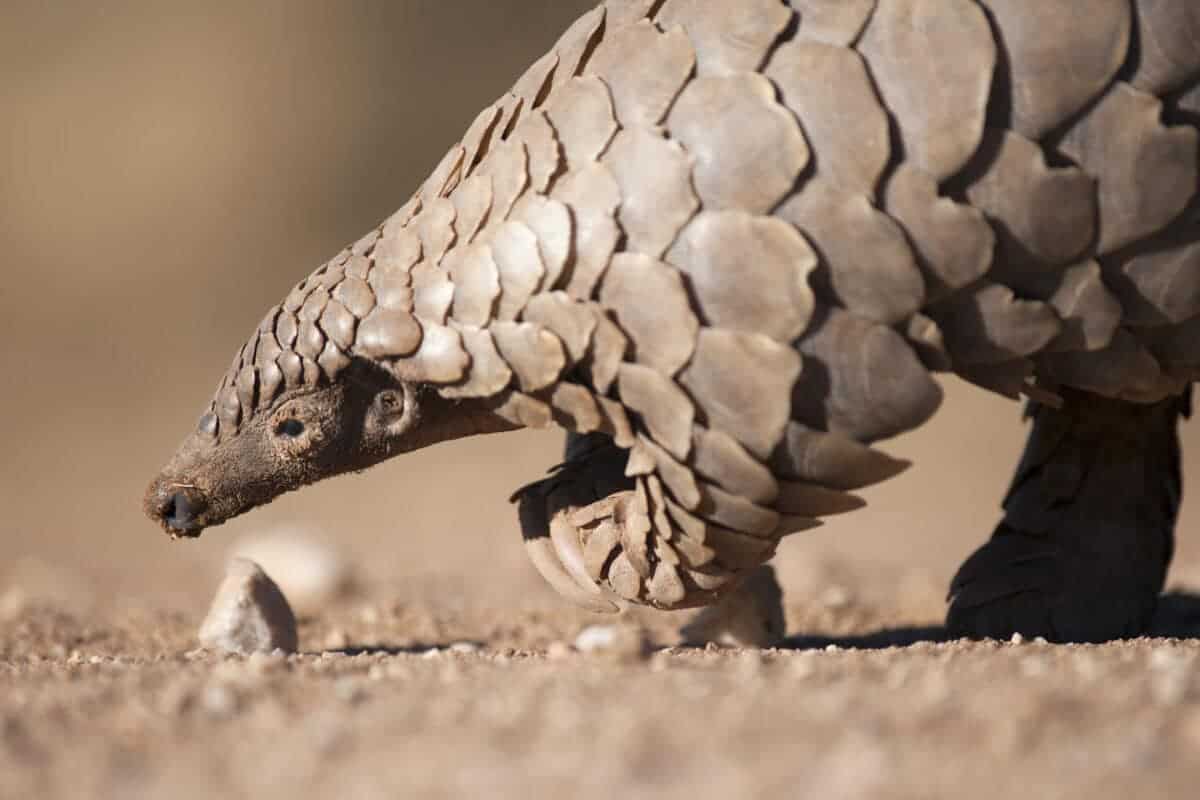
Thus far, Electroderma pacificus has only been documented in specific regions of the western Pacific Ocean, primarily around hydrothermal vent systems in the Mariana Trench and adjacent abyssal plains. These environments, characterized by extreme pressure, temperatures ranging from near-freezing to superheated vent emissions, and unique chemical compositions, appear to provide the specialized ecological niche this species requires.
Preliminary surveys suggest a patchy distribution pattern, with small populations clustered around active hydrothermal systems. Scientists estimate that fewer than 2,000 individuals may exist, though comprehensive population assessments remain challenging due to the extreme depths and limited accessibility of their habitat.
Feeding Behavior and Diet
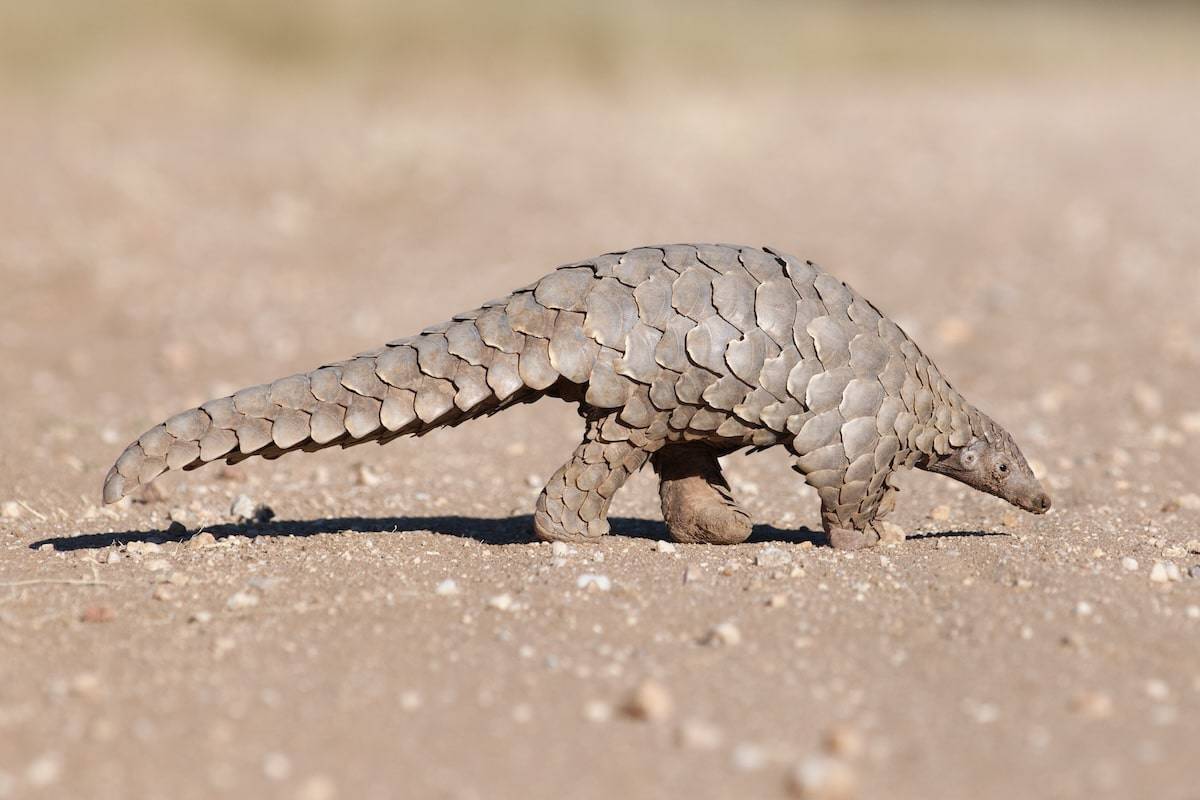
Observation and analysis of stomach contents from specimens collected (and later returned to their habitat) reveal that Electroderma pacificus is primarily carnivorous, feeding on small crustaceans, mollusks, and specialized vent fauna. Its feeding strategy appears to combine elements of ambush predation and active foraging.
The creature uses its electrical discharges to stun prey within a range of approximately 30 centimeters, after which it employs its elongated snout to extract prey from crevices or sediment. Particularly interesting is its apparent ability to detect the weak electrical fields generated by the nervous systems of potential prey, similar to the electroreception capabilities seen in sharks and platypuses. This electroreception, combined with its own electrical output, creates a sophisticated hunting system uniquely adapted to the lightless deep-sea environment.
Social Structure and Behavior
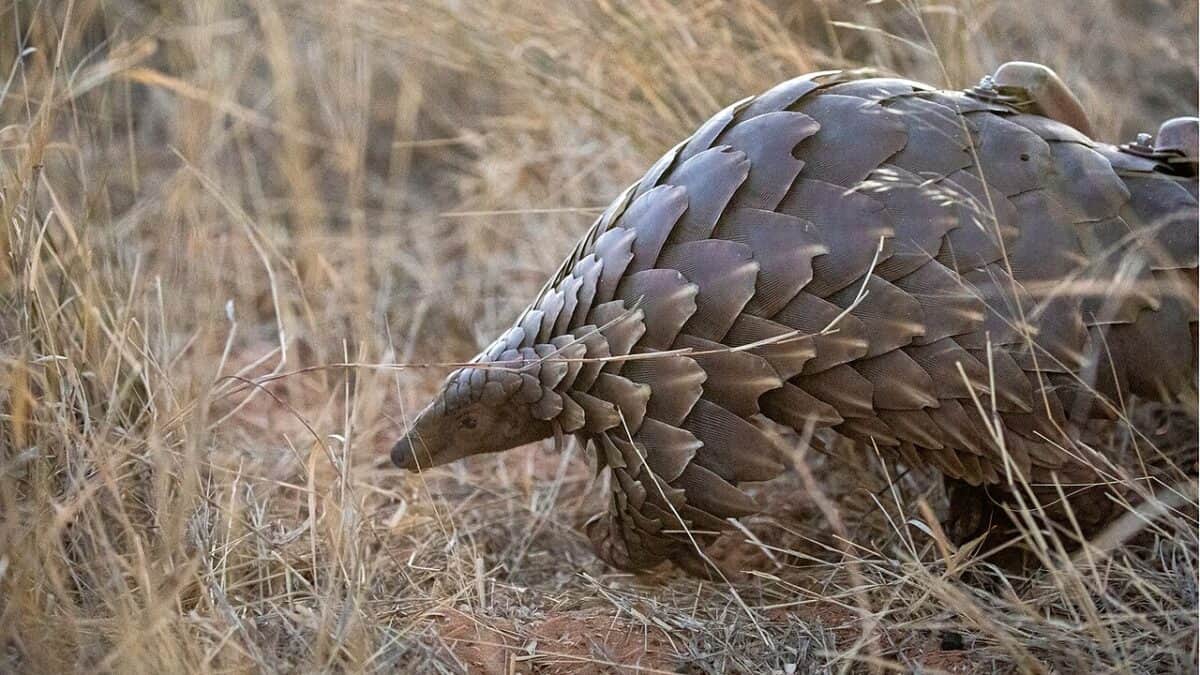
Limited observations suggest that Electroderma pacificus exhibits more complex social behaviors than typically seen in deep-sea species. Small groups of 3-8 individuals have been documented resting together in rocky formations, and analysis of their electrical signals indicates a potential form of communication.
Each individual appears to produce signature electrical patterns that may serve as identifiers within social groups. During what researchers interpret as courtship behaviors, pairs of individuals have been observed producing synchronized electrical pulses in elaborate patterns. This evidence points to a species with sophisticated social structures and communication systems, challenging previous assumptions about the limited social complexity of deep-sea organisms.
Reproductive Biology

The reproductive biology of Electroderma pacificus remains partially mysterious, though recent observations have provided some insights. The species appears to be oviparous, with females laying small clutches of 5-12 eggs in protected rock crevices near hydrothermal vents. The eggs, approximately 2cm in diameter, possess specialized membranes that can conduct the weak electrical currents generated by the developing embryos.
Adults have been observed “incubating” these eggs by producing regular, low-voltage electrical fields around the clutch, which may protect developing embryos from predators and potentially accelerate development. Based on laboratory analysis of collected eggs at different developmental stages, researchers estimate a gestation period of approximately 4-6 months, exceptionally long for a fish of this size and likely an adaptation to the extreme environmental conditions and limited resources of its deep-sea habitat.
Scientific Methodology Behind the Discovery

The identification and classification of Electroderma pacificus required a multidisciplinary approach combining traditional taxonomy with cutting-edge technologies. Initial video documentation was followed by the careful collection of three specimens using specialized pressure-maintaining collection chambers. These specimens were studied aboard the research vessel using portable genomic sequencing equipment, high-resolution scanning electron microscopy, and electrical monitoring systems.
To confirm the unique nature of this species, researchers conducted comprehensive genetic analyses comparing its DNA with thousands of known marine species. Additional methodologies included CT scanning to understand internal anatomy, particularly the structure and distribution of the electrical organs, and specialized spectroscopy to analyze the unique composition of its scales. Throughout this process, researchers maintained strict ethical protocols, ensuring the specimens were kept in conditions mimicking their natural environment and ultimately returned to their habitat once non-invasive studies were completed.
Technological Implications and Biomimicry Potential
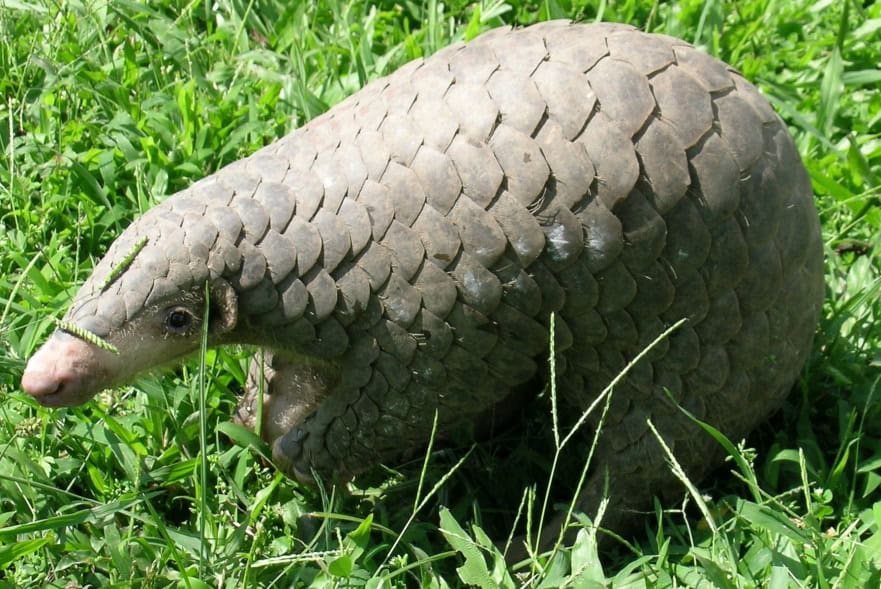
The unique properties of Electroderma pacificus have already sparked interest among materials scientists and bioengineers. The creature’s scales, which combine physical durability with electrical conductivity, represent a biological solution to challenges that have long frustrated developers of flexible electronics and protective coverings. Preliminary analysis suggests that the scales contain a previously unknown biomineral structure with layers of conductive and insulating materials arranged in a pattern that optimizes both protection and electrical function.
This natural design could inspire new approaches to creating flexible batteries, wearable electronic devices, and protective coatings for underwater equipment. Additionally, the species’ ability to generate and modulate electrical fields with minimal energy expenditure could inform more efficient designs for underwater sensors, communication systems, and even medical devices like pacemakers and neural implants.
Conservation Concerns and Ethical Considerations

The discovery of Electroderma pacificus raises important conservation questions. With an apparently limited range and specialized habitat requirements, the species may be particularly vulnerable to disruptions in its deep-sea environment. Of particular concern are the growing interests in deep-sea mining operations, which often target the mineral-rich areas around hydrothermal vents where these creatures make their home.
International marine conservation organizations are already calling for special protected status for the regions where the species has been documented. Additionally, the scientific community is engaged in discussions about ethical research protocols specific to this unique species. The IMBI has established stringent guidelines for future studies, emphasizing non-invasive observation methods, strict limits on specimen collection, and requirements for returning any collected individuals to their natural habitat after study. These protocols aim to balance the scientific value of understanding this evolutionary marvel with the ethical imperative to protect a potentially vulnerable species.
Future Research Directions

The discovery of Electroderma pacificus has opened numerous avenues for future research. Scientists are planning extended observation studies using long-term deployment of specialized cameras and sensors capable of monitoring electrical activity in the deep sea. These observations will help clarify questions about the species’ life cycle, population dynamics, and behavioral patterns. Genomic studies are underway to better understand the genetic basis for the creature’s unique adaptations, particularly the genes responsible for its electrical organs and specialized scales.
Physiological research aims to uncover how the species can generate and control electrical discharges with such precision and efficiency in the extreme conditions of the deep ocean. Additionally, ecological studies will investigate the creature’s role in deep-sea ecosystems and food webs, examining how it interacts with other species in these poorly understood environments. As technology for deep-sea exploration continues to advance, researchers hope to discover additional populations of this remarkable species and potentially related organisms that might have evolved similar adaptations.
Conclusion: A Shocking Window into Deep-Sea Evolution

The discovery of Electroderma pacificus represents far more than just the addition of another species to our catalogs of marine life. This remarkable creature, with its pangolin-like scales and sophisticated electrical capabilities, provides a window into the innovative pathways of evolution in Earth’s most extreme environments. It demonstrates how convergent evolution can produce similar adaptations in vastly different lineages and environments, with terrestrial pangolins and this deep-sea creature independently evolving scaled armor for protection.
The electric pangolin challenges our understanding of what’s possible in nature and reminds us that even after centuries of scientific exploration, our oceans—particularly their deepest regions—remain largely unexplored frontiers teeming with undiscovered wonders. As we continue to study this fascinating species, it will undoubtedly yield new insights into evolution, marine biology, and the incredible adaptability of life on our planet.

From exploring the marine wonders in the Azores and witnessing the vast savannas of Kenya, to delving deep into the rich biodiversity of South Africa and traversing iconic landscapes in Australia and the US like Yellowstone, Chris's experiences are vast.
With a penchant for diving alongside sharks, the ocean holds a special place in his heart.
Through his academic insights, he champions wildlife conservation, striving with 'Animals Around The Globe' to cultivate a profound connection between humans and animals, enhancing our mutual appreciation.
Connect with him at Feedback@animalsaroundtheglobe.com.
- What Happens to Male Chicks in Egg Farming? - July 18, 2026
- How Close Are We to Cloning the Woolly Mammoth? - July 18, 2026
- The Most Venomous Creature in the U.S. - July 18, 2026