
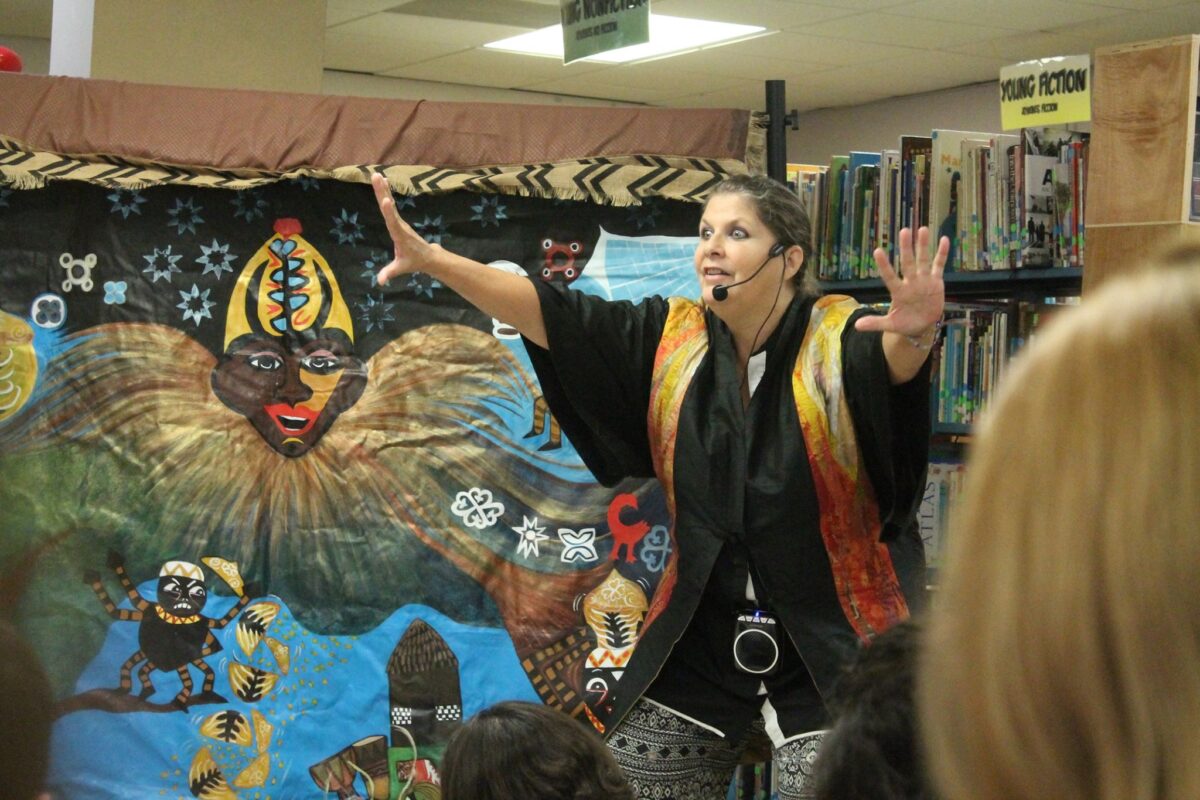
In the rich tapestry of African folklore, few characters stand as prominently as Anansi the Spider. Neither hero nor villain, but a complex trickster figure, Anansi has traversed continents and centuries, spinning tales as intricately as he weaves webs. Originating from the Akan people of Ghana, Anansi stories traveled across the Atlantic during the tragic transatlantic slave trade, becoming cultural touchstones throughout the Caribbean and Americas. These tales blend entertainment with profound wisdom, using the unlikely figure of a spider to convey lessons about human nature, community values, and the delicate balance between cleverness and consequence. Through Anansi, we discover how storytelling itself became a tool for cultural preservation and resistance during times of oppression, and why these ancient narratives continue to captivate audiences worldwide today.
Origins of Anansi in West African Mythology

Anansi’s origins trace back to the Akan-speaking peoples of Ghana and Côte d’Ivoire, particularly among the Ashanti. The name “Anansi” itself means “spider” in the Akan language, and these stories likely began emerging as early as the 13th century. In the original mythology, Anansi wasn’t merely a character in stories but occupied a significant position in the Akan spiritual worldview, often portrayed as the son of Nyame, the sky god. This divine connection elevated Anansi beyond a simple trickster figure to a mediator between the human and divine realms.
Within Akan cosmology, Anansi represents the principle of knowledge acquisition and represents the complexities of social order. The earliest tales explain how Anansi came to own all stories in the world, previously held by Nyame. By completing seemingly impossible tasks set by the sky god—capturing dangerous creatures like the python, hornets, and leopard—Anansi earned the right to be the keeper of stories. This origin myth established Anansi as not just a character within stories but as the very embodiment of storytelling itself, explaining why spider tales became the vessel for wisdom and cultural knowledge.
Anansi’s Character: The Complex Spider Trickster

Anansi stands apart from many folkloric heroes through his morally ambiguous nature. Neither consistently heroic nor villainous, he embodies a range of human traits that make him relatable across cultures. Physically, he’s often depicted as small and seemingly weak, yet he compensates with exceptional intelligence, wit, and verbal dexterity. This characterization reflects the Akan worldview that celebrates mental agility over physical strength, showing how cleverness can overcome seemingly insurmountable obstacles. Anansi’s shape-shifting abilities—sometimes appearing as a spider, sometimes as a man, and occasionally as both simultaneously—further emphasize his liminal nature as a boundary-crosser.
What makes Anansi particularly compelling is his contradictory nature. He can be selfish, greedy, and deceitful, often tricking others for personal gain. Yet in many stories, these same traits lead to his downfall when his schemes backfire spectacularly. This balance ensures that while audiences might admire Anansi’s cleverness, they also recognize the consequences of unchecked selfishness. His flaws make him deeply human despite his supernatural abilities, allowing listeners to see aspects of themselves reflected in his adventures and misadventures, creating a complex character that has remained relevant across centuries and continents.
How Anansi Won the Stories: The Central Myth

The foundational Anansi tale—often called “How Anansi Became the Owner of All Stories”—establishes the spider’s central role in West African oral tradition. According to this pivotal myth, all stories originally belonged to Nyame, the sky god, who kept them jealously guarded. When Anansi approached Nyame asking for ownership of the stories, the sky god set what seemed like an impossible price: Anansi must capture and bring him four of the most dangerous creatures—Onini the python, Osebo the leopard, Mmoboro the hornet swarm, and the invisible fairy Mmoatia. This task appeared insurmountable for a small spider, designed to discourage Anansi’s ambition.
Through ingenuity rather than strength, Anansi succeeded where others would have failed. He tricked the python by debating how long he might be, capturing him with a stick and vine while measuring. For the leopard, Anansi dug a pit and goaded him into falling in. The hornets he captured by suggesting they take shelter in a calabash during a fabricated rainstorm (which was merely water Anansi sprinkled from leaves). Finally, he trapped the invisible fairy using a doll covered in sticky gum. Impressed by Anansi’s cleverness, Nyame honored his promise, making Anansi the keeper of all stories—which is why, according to the tradition, they are now called “spider stories” or “Anansesem” in the Akan language.
Symbolic Meaning of the Spider in West African Culture

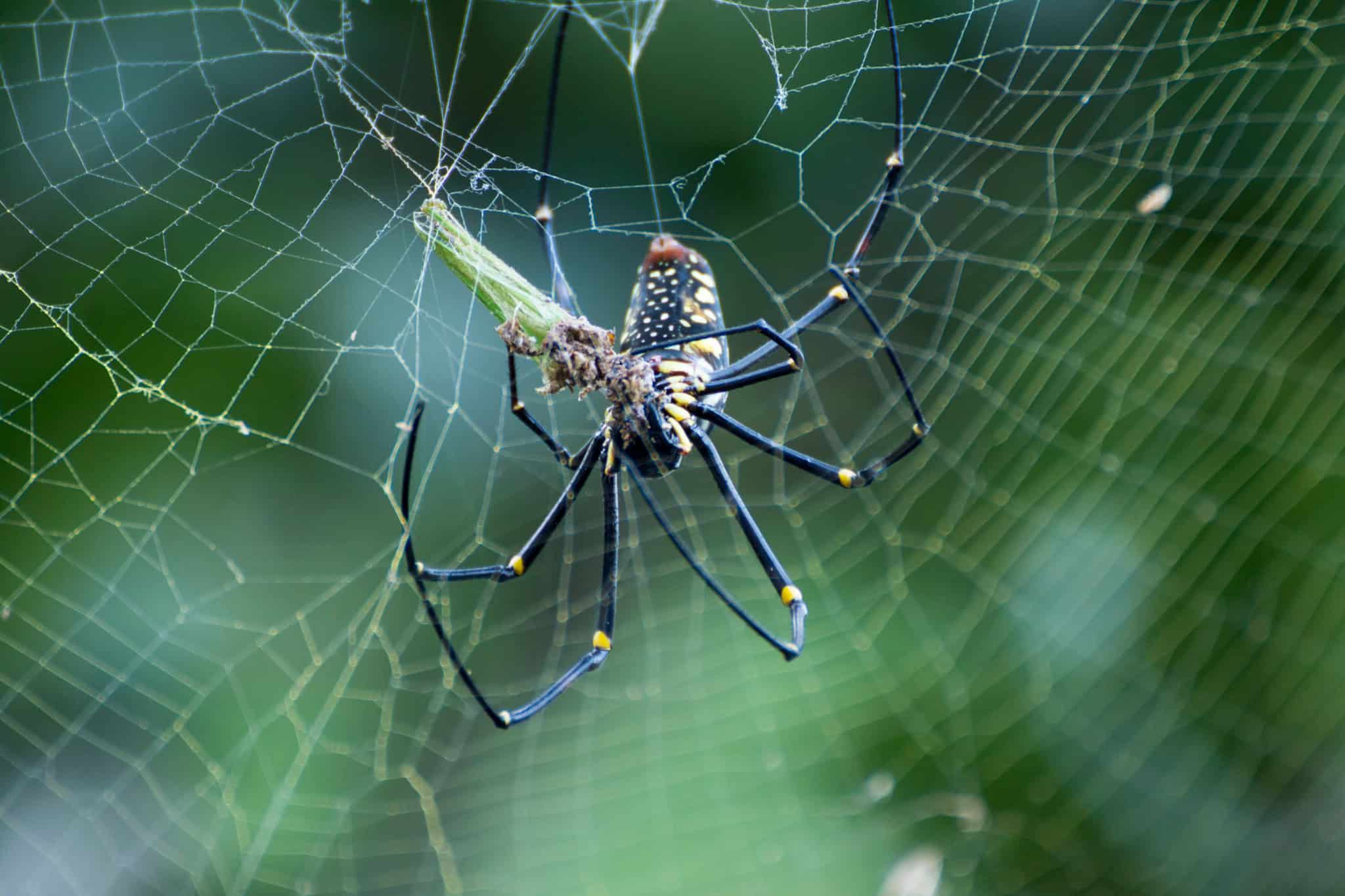
The choice of a spider as the keeper of wisdom and stories carries profound symbolic significance in West African worldviews. Spiders, with their ability to weave intricate webs, naturally symbolize the interconnectedness of community and the creation of narrative threads that bind society together. The spider’s web itself represents both entrapment (Anansi’s trickery) and connection (the communal bonds strengthened through storytelling). In Akan cosmology, the spider’s eight legs are said to represent the eight aspects of human consciousness or the eight original clans of Akan society, emphasizing completeness and totality.
Beyond these symbolic associations, spiders hold practical significance in West African communities. Their persistent web-building despite destruction demonstrates resilience—a valued trait for cultures that faced considerable hardships. The spider’s ability to create something beautiful and functional from materials within its own body parallels the storyteller’s ability to create meaning from imagination and memory. Additionally, certain spider species in West Africa were noted for their medicinal properties, further enhancing their status as creatures of wisdom and healing. This multifaceted symbolism explains why the spider, rather than a more obviously powerful animal, became the central figure in one of Africa’s most enduring storytelling traditions.
Popular Anansi Tales and Their Moral Lessons
The Anansi corpus includes hundreds of tales, each containing distinct moral lessons about social behavior and ethical values. In “Anansi and the Pot of Wisdom,” the spider attempts to hoard all knowledge in a pot for himself, planning to hide it at the top of a tall tree. But with the pot tied to his belly, he struggles to climb until his son suggests turning the pot around to his back—proving that wisdom is better shared than hoarded. This tale emphasizes the communal nature of knowledge and the futility of selfishness. Similarly, “Anansi and the Turtle” teaches reciprocity when Anansi invites Turtle to dinner but prevents him from eating by demanding he clean his hands, which become dirty again each time Turtle climbs back to the table. Later, when Turtle invites Anansi for a meal under the ocean, Anansi cannot swim down and goes hungry—illustrating that those who mistreat others often face similar treatment.
“Anansi and the Dispersal of Wisdom” explains how wisdom became distributed throughout the world rather than concentrated in one place. When Anansi’s pot of wisdom breaks and scatters across the land, people everywhere gain access to knowledge. This democratization of wisdom remains a powerful message about educational equity. “Anansi and the Birds” shows the consequences of betrayal when Anansi, after promising to help birds learn to sing, eats them instead—only to be thwarted by the small but clever wren. Each tale combines entertainment with instruction, using Anansi’s triumphs and failures to illustrate values like honesty, generosity, humility, and justice, making complex ethical lessons accessible through narrative.
Anansi Tales During the Transatlantic Slave Trade

The transatlantic slave trade marked a tragic yet pivotal chapter in the global dispersion of Anansi stories. When millions of West Africans were forcibly transported to the Americas and Caribbean between the 16th and 19th centuries, they carried Anansi with them as cultural resistance against their enslavement. Under the brutal conditions of plantation slavery, where African languages and religious practices were often forbidden, Anansi tales provided a coded means of preserving cultural identity and values. The spider’s ability to outsmart more powerful adversaries held special resonance for enslaved people facing overwhelming oppression, offering both psychological comfort and practical wisdom about survival through wit rather than direct confrontation.
In plantation societies, Anansi underwent significant transformations, adapting to new environments while retaining his essential character. In Jamaica, he became “Anancy” or “Brer Nancy”; in Suriname, “Anansi-tori”; and throughout the southern United States, his characteristics merged with local wildlife to create figures like Brer Rabbit. These adaptations allowed African cultural wisdom to survive while evolving to address new challenges. Storytelling sessions, often held at night after exhausting workdays, became crucial spaces for community building and covert resistance. Significantly, many enslavers failed to recognize the subversive potential in these “simple animal tales,” allowing them to flourish as vehicles for preserving dignity and hope under seemingly hopeless conditions. This resilience helps explain why Anansi remains a vibrant cultural force throughout the African diaspora today.
Storytelling Techniques in Anansi Tales

Traditional Anansi tales employ distinctive narrative techniques that enhance their memorability and impact. Call-and-response patterns feature prominently, with the storyteller pausing at key moments for audience participation, creating an interactive experience rather than passive listening. This technique reinforces community bonds and ensures collective engagement with the narrative. Sound effects and vocal modulation are equally important—storytellers adopt different voices for each character, use onomatopoeia for animals and environmental sounds, and incorporate rhythmic elements that make tales easier to remember and transmit accurately. These performance aspects transform storytelling from mere recitation into multimedia experiences engaging multiple senses.
The narrative structure of Anansi tales typically follows recognizable patterns that facilitate oral transmission. Most begin with formulaic openings (similar to “Once upon a time”) and close with standard endings that return the audience to reality. The plots frequently utilize the “rule of three”—three challenges, three characters, three attempts—creating rhythm and predictability while building suspense. Repetition serves both aesthetic and mnemonic purposes, helping audiences anticipate key phrases while aiding storytellers in remembering complex narratives. Importantly, these tales allow for improvisation within established frameworks; skilled narrators adapt stories to current circumstances, ensuring relevance across generations while maintaining narrative integrity. This flexible approach to storytelling explains how Anansi tales have remained vibrant despite centuries of cultural and geographic displacement.
Anansi in Modern Literature and Media

Anansi has successfully transitioned from oral tradition to contemporary media, appearing in novels, children’s books, comics, animations, and digital content worldwide. Notable literary adaptations include Neil Gaiman’s “Anansi Boys,” which reimagines the trickster spider as Mr. Nancy, a god whose sons inherit his powers in modern America. Jamaican author Andrew Salkey’s “Anancy’s Score” updates the spider’s adventures for contemporary Caribbean audiences. Children’s literature has embraced Anansi particularly enthusiastically, with award-winning picture books like Gerald McDermott’s “Anansi the Spider” and Eric A. Kimmel’s “Anansi and the Moss-Covered Rock” introducing the character to new generations internationally.
In visual media, Anansi has appeared in animated series like “Chilly’s Adventures” and as a character in the television adaptation of “American Gods.” Digital storytelling platforms have created interactive Anansi adventures, while podcasts feature modern retellings of classic tales. These contemporary adaptations demonstrate Anansi’s remarkable versatility, often addressing current social issues while maintaining the character’s essential trickster nature. What distinguishes successful modern interpretations is their balance of respect for the tales’ West African origins with creative innovation that speaks to contemporary audiences. This ongoing evolution ensures that Anansi remains relevant in digital environments far removed from the village storytelling circles where he originated, testifying to the enduring power of this arachnid trickster to captivate human imagination across contexts and generations.
Regional Variations of Anansi Across the African Diaspora

As Anansi tales spread throughout the African diaspora, they developed distinct regional characteristics reflecting local environments, social conditions, and cultural influences. In Jamaica, “Anancy” became the quintessential trickster figure embodying qualities valued during slavery—cunning, resilience, and the ability to “turn bad into good.” Jamaican Anancy stories often feature interactions with Tiger (representing power) and familiar Caribbean settings and foods. The linguistic features incorporate Jamaican Patois, creating a distinctive storytelling cadence. In Trinidad and Tobago, Anansi stories frequently intertwine with elements from East Indian folklore, reflecting the island’s unique cultural blend, while Guyanese versions often include references to forest environments and indigenous Amerindian characters.
In the United States, particularly in Gullah Geechee communities along the southeastern coast, Anansi traits merged with local wildlife to create Brer Rabbit stories, where the rabbit assumes many of Anansi’s trickster characteristics but within plantation settings familiar to enslaved Americans. Surinamese Anansi-tori incorporate elements from Dutch colonial culture alongside African retentions. Brazilian Anansi equivalents show influences from Portuguese language and indigenous Amerindian mythology. These regional variations demonstrate how Anansi functioned as a cultural chameleon, adapting to new environments while maintaining core characteristics that made him recognizable across the diaspora. Comparative analysis of these regional differences reveals not just how stories travel and transform, but how they serve as vehicles for cultural resilience and adaptation under diverse historical circumstances.
The Educational Value of Anansi Tales

Educators worldwide increasingly recognize Anansi tales as powerful pedagogical tools that extend far beyond entertainment. In early childhood education, these stories develop critical literacy skills through their engaging narratives, clear cause-and-effect relationships, and memorable characters. The tales’ oral nature, with repetitive phrases and participatory elements, naturally supports phonological awareness and vocabulary acquisition. For older students, Anansi provides entry points into discussions about ethical decision-making, cultural diversity, and literary analysis. The spider’s morally ambiguous nature—sometimes rewarded for cleverness, sometimes punished for selfishness—encourages nuanced thinking about consequences and character development, moving beyond simplistic good-versus-evil frameworks common in many children’s stories.
Beyond language arts, Anansi tales offer interdisciplinary learning opportunities across the curriculum. They provide authentic cultural content for social studies units on West Africa, the transatlantic slave trade, and the African diaspora. Science teachers use Anansi to introduce arachnid biology and web construction, while art educators draw inspiration from traditional Akan spider symbolism and visual representations. Drama classes benefit from the performative aspects of the tales, encouraging students to develop vocal expression and physical storytelling techniques. Perhaps most significantly, Anansi stories help diverse student populations see themselves and their cultural heritage reflected in educational materials, promoting inclusivity while introducing all students to sophisticated narrative traditions often overlooked in Western-centered curricula. This educational versatility explains why Anansi continues gaining prominence in classrooms worldwide.
The Role of Women in Anansi Tales

While Anansi himself typically appears as male, a nuanced examination of the tales reveals complex gender dynamics that reflect both traditional West African social structures and evolving perspectives. Female characters in Anansi stories occupy varied roles with significant influence. Aso, Anansi’s wife, frequently appears as the voice of reason counterbalancing her husband’s impulsive schemes. Rather than a peripheral character, she often demonstrates greater wisdom and foresight, saving Anansi from the consequences of his actions or providing crucial advice he ignores at his peril. In many tales, Anansi’s success depends on cooperation with female characters who possess knowledge or resources he lacks, suggesting complementary gender roles rather than strict hierarchy.
Beyond Anansi’s immediate family, powerful female figures appear throughout the corpus. The Queen of Bees, female forest spirits, and wise old women often serve as arbiters of justice or holders of special knowledge. In the diaspora, female characters gained additional prominence, particularly in Caribbean variations where women frequently embody resilience, cunning, and authority within Anansi narratives. These adaptations often reflect the social realities of enslaved communities, where female strength and resourcefulness were essential for survival. In many Caribbean tales, matriarchal figures not only influence Anansi’s schemes but sometimes outwit him, asserting moral order or communal values. This shift highlights how oral traditions evolve to mirror cultural contexts, transforming female characters from supporting roles into central agents of wisdom, power, and resistance within the broader Anansi mythos.

- Spiders as Storytellers: The Anansi Tales of West Africa - August 9, 2026
- The Mighty Lion’s Roar: Why Does It Evoke Emotion In Humans? - August 9, 2026
- Why Spotting a Robin Is Considered a Sign of Good Luck and Renewed Life - August 9, 2026
Leave a comment
You must be logged in to post a comment.