
In the quiet hills of Woodside, California, a remarkable relationship between species unfolded that would forever change our understanding of non-human intelligence. Koko, a western lowland gorilla born at the San Francisco Zoo in 1971, became the centerpiece of one of the most fascinating interspecies communication studies in history. Through her remarkable ability to learn and use American Sign Language, Koko challenged long-held assumptions about the cognitive abilities of great apes and the dividing line between humans and other animals. Her story is not just about a gorilla who could “talk,” but about how one ape’s life opened new windows into animal consciousness, emotional complexity, and the ethical considerations of how we treat our closest evolutionary relatives.
The Birth of Project Koko

Project Koko began in 1971 when Francine “Penny” Patterson, then a Stanford University graduate student, initiated a language acquisition study with the one-year-old female gorilla. Patterson had been inspired by earlier research with chimpanzees and wanted to explore whether gorillas—often considered less intelligent than chimps—could also acquire language. What began as a limited four-year experiment evolved into a lifelong commitment and one of the longest-running interspecies communication studies in history.
The project faced initial skepticism from the scientific community, with many researchers doubting that gorillas possessed the cognitive capacity for language. However, Patterson’s perseverance and Koko’s apparent aptitude for sign language quickly began yielding results that challenged these assumptions. Within just a few years, Koko had acquired dozens of signs and was combining them in ways that suggested rudimentary syntax, not just mimicry. This early success established the foundation for what would become a groundbreaking exploration of ape cognition.
Koko’s Linguistic Achievements

By the time of her death in 2018 at age 46, Koko had reportedly learned over 1,000 signs in American Sign Language and could understand approximately 2,000 words of spoken English. While controversy exists among linguists about the true extent of her language comprehension, there’s little doubt that Koko demonstrated an impressive ability to communicate. She could form requests, express emotions, describe objects, and even engage in simple conversations. Perhaps most remarkably, she demonstrated the ability to combine signs in novel ways to express new concepts—creating “water bird” for a duck or “finger bracelet” for a ring.
Koko’s vocabulary acquisition followed patterns similar to those observed in children learning language, albeit at a slower pace. She showed preferences for certain topics, demonstrated humor, and even engaged in wordplay. Patterson documented instances where Koko would deliberately sign incorrect answers as a joke, then laugh at her own mischief. These behaviors suggested not just rote learning but a more complex understanding of language as a tool for social interaction. Though scientists continue to debate whether Koko truly understood syntax and grammar, her accomplishments significantly expanded our understanding of apes’ language capabilities.
Emotional Intelligence and Empathy

Perhaps more profound than Koko’s linguistic abilities was the emotional depth she displayed throughout her life. Koko exhibited a range of emotions that many had previously considered uniquely human. She expressed joy, sadness, anger, regret, and even grief. In one of the most famous examples of her emotional complexity, Koko reportedly mourned deeply upon learning about the death of her kitten All Ball, signing “sad” and “cry” when told the news. This response challenged the notion that complex emotional experiences like grief were exclusive to humans.
Koko also demonstrated apparent empathy toward others, including humans. She would comfort Patterson when she was upset, showed concern for injured individuals, and reportedly expressed appropriate emotional responses to sad or happy stories. While skeptics have questioned whether these behaviors represented true empathy or merely conditioned responses, the consistency and context-appropriateness of her emotional expressions suggested genuine affective understanding. This aspect of Koko’s behavior forced scientists to reconsider emotional complexity in non-human animals and blurred another supposed boundary between humans and other great apes.
The Kitten Connection: Koko’s Pets

One of the most endearing chapters in Koko’s story involves her relationship with cats. In 1984, for her birthday, Koko was allowed to select a kitten from a litter. She chose a gray male Manx kitten whom she named “All Ball.” This relationship captured worldwide attention, as photographs of the massive gorilla gently cradling the tiny kitten challenged stereotypes about gorilla aggression and demonstrated Koko’s capacity for gentleness and nurturing. Sadly, All Ball escaped from Koko’s enclosure and was killed by a car, leading to Koko’s apparent grief that further demonstrated her emotional depth.
Following All Ball, Koko had several other cats throughout her life, including “Lipstick” and “Smoky.” She treated these cats with remarkable gentleness, carrying them, playing with them, and even “signing” to them. These interspecies relationships provided valuable insights into gorilla social behavior and revealed Koko’s ability to modify her enormous strength around fragile creatures. The bond between Koko and her cats also highlighted something profound about emotional needs that might transcend species boundaries—a desire for companionship and nurturing that connected this gorilla to humans in yet another unexpected way.
Celebrity Encounters and Public Awareness

As Koko’s abilities became more widely known, she attracted attention from celebrities and public figures who were eager to meet this remarkable gorilla. One of the most famous encounters was with actor Robin Williams in 2001. The meeting, captured on video, showed Williams and Koko laughing together, with Koko even trying on Williams’ glasses and exploring his pockets. When Williams died in 2014, reports indicated that Koko appeared to express sadness upon hearing the news, though some scientists have questioned the interpretation of this response.
Other notable visitors included Fred Rogers of “Mister Rogers’ Neighborhood,” actor Leonardo DiCaprio, and numerous scientists and public figures. These high-profile interactions brought unprecedented attention to Koko and her capabilities, raising public awareness about gorilla intelligence and conservation needs. The media coverage of these encounters helped transform public perception of gorillas from the fearsome creatures portrayed in films like “King Kong” to intelligent, sensitive beings worthy of protection and respect. Koko became an ambassador not just for her own species but for the concept of animal consciousness more broadly.
Scientific Controversy and Criticism

Despite the public fascination with Koko, the scientific community remained divided about the interpretation of her abilities. Critics raised several important methodological concerns about Project Koko. Some linguists argued that Patterson and other handlers might have been unconsciously cueing Koko or over-interpreting ambiguous signs—a phenomenon known as the “Clever Hans effect,” named after a horse that appeared to perform arithmetic but was actually responding to subtle, unintentional cues from humans. Others questioned whether Koko’s sign combinations truly represented grammar or were simply chains of individually reinforced signs.
Another criticism centered on the lack of peer-reviewed publications from the project. While Patterson published some findings in scientific journals, many of Koko’s most impressive abilities were reported through books, documentaries, and media interviews rather than subjected to rigorous scientific review. Some researchers also pointed out that the project lacked proper experimental controls and blind testing procedures that would be standard in modern cognitive science. These methodological issues have made some scientists reluctant to fully accept claims about Koko’s linguistic abilities, even while acknowledging that she demonstrated remarkable cognitive capabilities.
Conservation Impact and Advocacy

Beyond her contributions to science and public understanding, Koko became a powerful symbol for gorilla conservation. As the public formed an emotional connection with this intelligent, gentle ape, awareness grew about the threats facing wild gorilla populations. The Gorilla Foundation, established by Patterson, used Koko’s fame to advocate for gorilla conservation and raise funds for protection efforts. Koko herself “participated” in conservation messaging, with videos of her signing about protecting her wild cousins reaching millions of people worldwide.
The impact of putting a “face” and “voice” to gorilla conservation cannot be overstated. Before Koko, many people had little emotional investment in the fate of wild gorillas. Through her, the public could see gorillas as individuals with personalities, preferences, and emotional lives worth preserving. Conservation organizations reported increased interest and donations following major media coverage of Koko, demonstrating how a single gorilla’s story could translate into tangible support for protecting entire species. This “ambassador effect” has since become a recognized component of conservation strategy for endangered species.
Shifting Scientific Paradigms
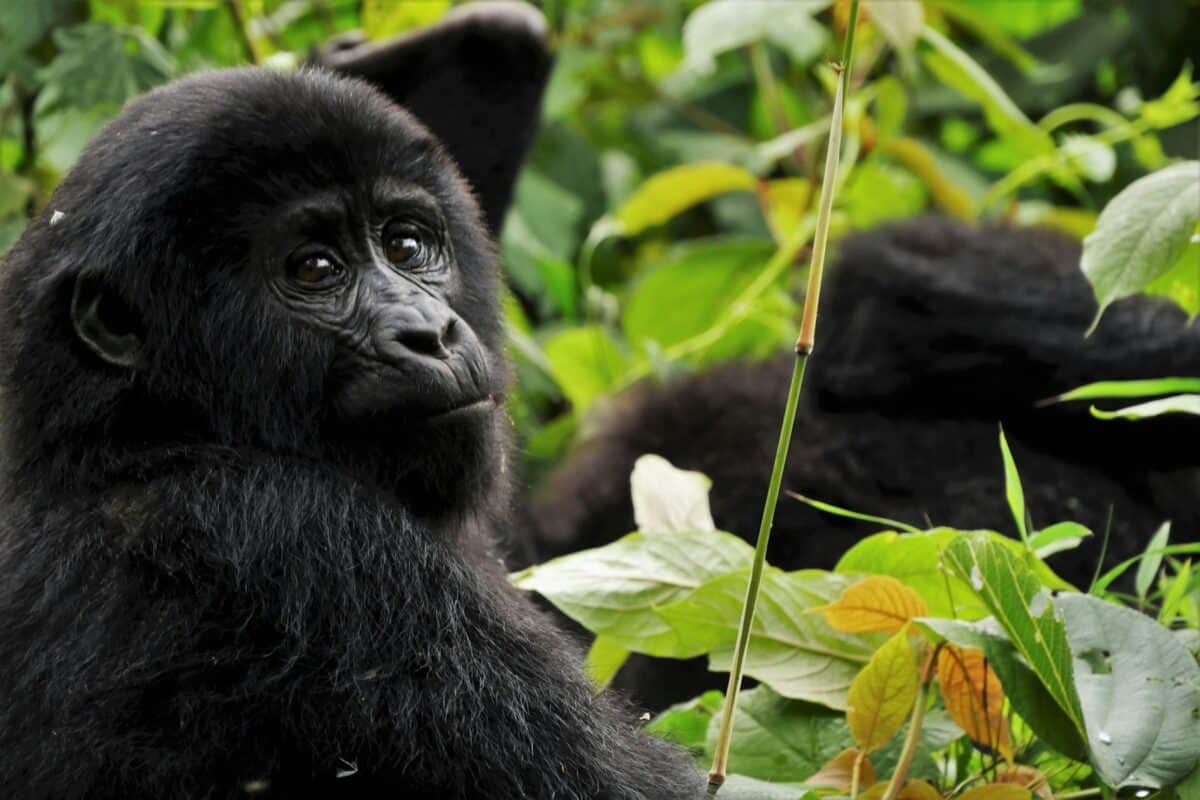
Koko’s case emerged during a pivotal time in the study of animal cognition. The 1970s and 1980s witnessed a paradigm shift away from behaviorism—which avoided attributing mental states to animals—toward cognitive approaches that were more open to exploring animal minds. While Koko wasn’t solely responsible for this shift, her highly publicized abilities contributed to changing scientific attitudes. Researchers became increasingly willing to investigate complex cognitive abilities in non-human animals, including tool use, self-recognition, theory of mind, and linguistic capabilities.
The legacy of Project Koko can be seen in the flourishing field of comparative cognition today. Current research with great apes, dolphins, elephants, corvids (crows and ravens), and even octopuses has revealed surprising cognitive abilities across the animal kingdom. Scientific methods have become more rigorous, incorporating double-blind procedures and careful controls, partly in response to criticisms of earlier studies like Project Koko. Yet the fundamental questions that drove Patterson’s work—about the nature of animal minds and the uniqueness of human cognition—remain at the forefront of comparative psychology and have expanded to include many more species.
Ethical Implications and Animal Rights

As Koko demonstrated capabilities previously thought to be uniquely human, her story raised profound ethical questions about our treatment of great apes and other cognitively complex animals. If gorillas can learn language, experience grief, and form meaningful relationships, what moral considerations should we extend to them? The Great Ape Project, launched in 1993, explicitly cited cases like Koko’s in advocating for basic rights for all great apes, including the right to life, protection of individual liberty, and prohibition of torture.
These ethical questions extended beyond great apes to research practices involving many animal species. Koko’s apparent personhood challenged the traditional dichotomy between humans and other animals that has long justified using animals as research subjects with minimal protections. Several countries have since banned or severely restricted invasive research on great apes, acknowledging their cognitive and emotional similarities to humans. While many factors contributed to these policy changes, the public’s emotional connection to stories like Koko’s played a significant role in shifting attitudes about what we owe to our closest evolutionary relatives.
The Legacy of Project Koko Today
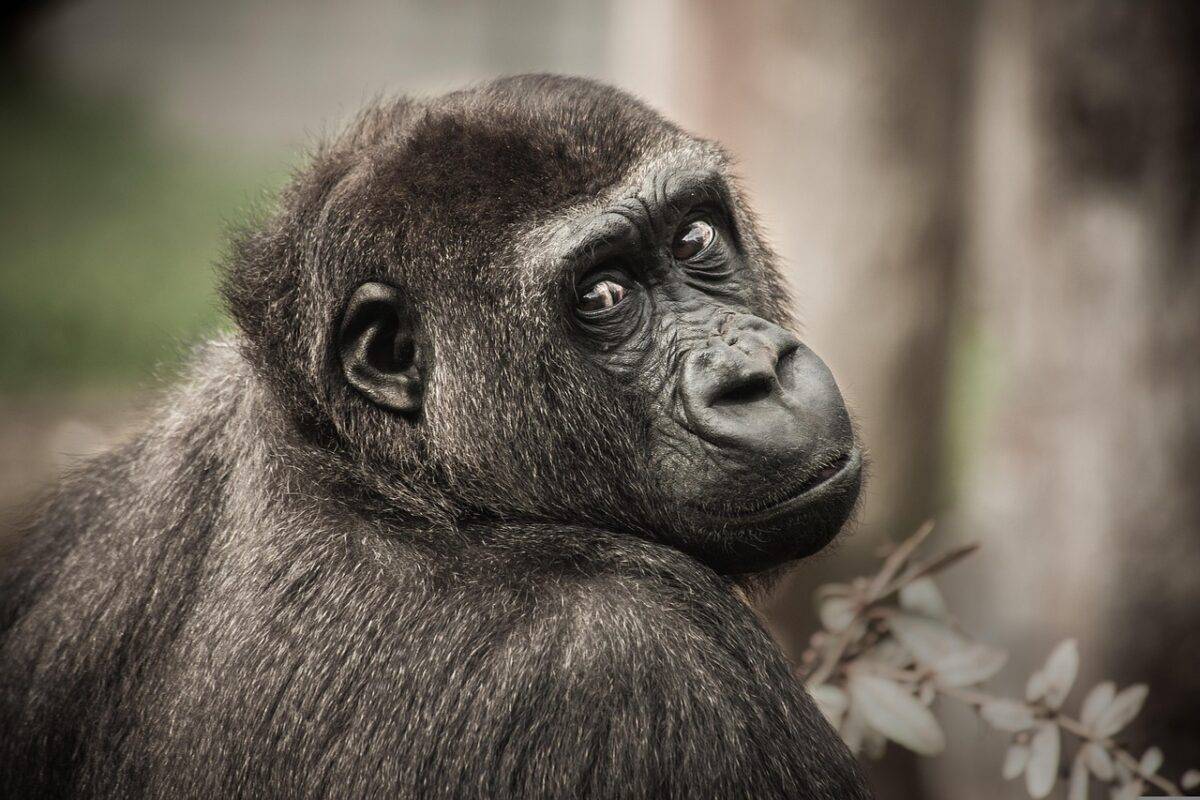
Though Koko died in 2018, the impact of her life continues to resonate in scientific research, conservation efforts, and public understanding of animal cognition. The Gorilla Foundation maintains an archive of research data from Koko’s life, including thousands of hours of video recordings that continue to be analyzed for insights into gorilla communication and cognition. New technologies, including artificial intelligence algorithms for analyzing animal communication patterns, are being applied to this rich dataset to extract additional findings that might have been missed in earlier analyses.
Beyond the scientific legacy, Koko’s story continues to influence how new generations think about animal minds. Children’s books, documentaries, and educational materials featuring Koko introduce young people to the idea that humans aren’t the only thinking, feeling beings on the planet. In conservation circles, Koko remains a powerful symbol of what we stand to lose if gorilla populations continue to decline. Perhaps most importantly, the questions raised by her life—about language, consciousness, emotion, and the boundaries between species—continue to inspire research and philosophical inquiry into the nature of minds, both human and non-human.
Conclusion: How One Gorilla Changed Our Perspective

Koko’s remarkable life journey from a young gorilla in a traditional zoo setting to becoming perhaps the most famous great ape in history represents more than just an interesting scientific anecdote—it marks a fundamental shift in human understanding of our place in the natural world. Through her apparent mastery of sign language, emotional expressions, and relationships with both humans and other animals, Koko challenged us to reconsider long-held assumptions about the uniqueness of human cognition and the depth of animal minds. Whether or not one accepts the most expansive interpretations of her linguistic abilities, there’s no denying that Koko helped collapse the perceived cognitive gulf between humans and other animals in the public imagination.
Perhaps Koko’s most enduring contribution is how she personalized abstract questions about animal cognition and rights. It’s one thing to debate theoretically whether animals have emotions or consciousness; it’s quite another to watch Koko sign about her feelings, play with her kittens, or joke with Robin Williams. Through these deeply relatable moments, millions of people formed an emotional connection with a member of another species and were compelled to reconsider their assumptions about animal minds. In this way, Koko became not just a subject of scientific study but a ambassador who helped us see our evolutionary cousins—and perhaps all animals—in a new, more empathetic light.

- The Secret Language of Dolphins Decoded by Researchers - July 20, 2026
- 7 Animals That Can Survive Extreme Environments You Couldn’t - July 20, 2026
- The Longest Snake Ever Found in the U.S. - July 20, 2026