

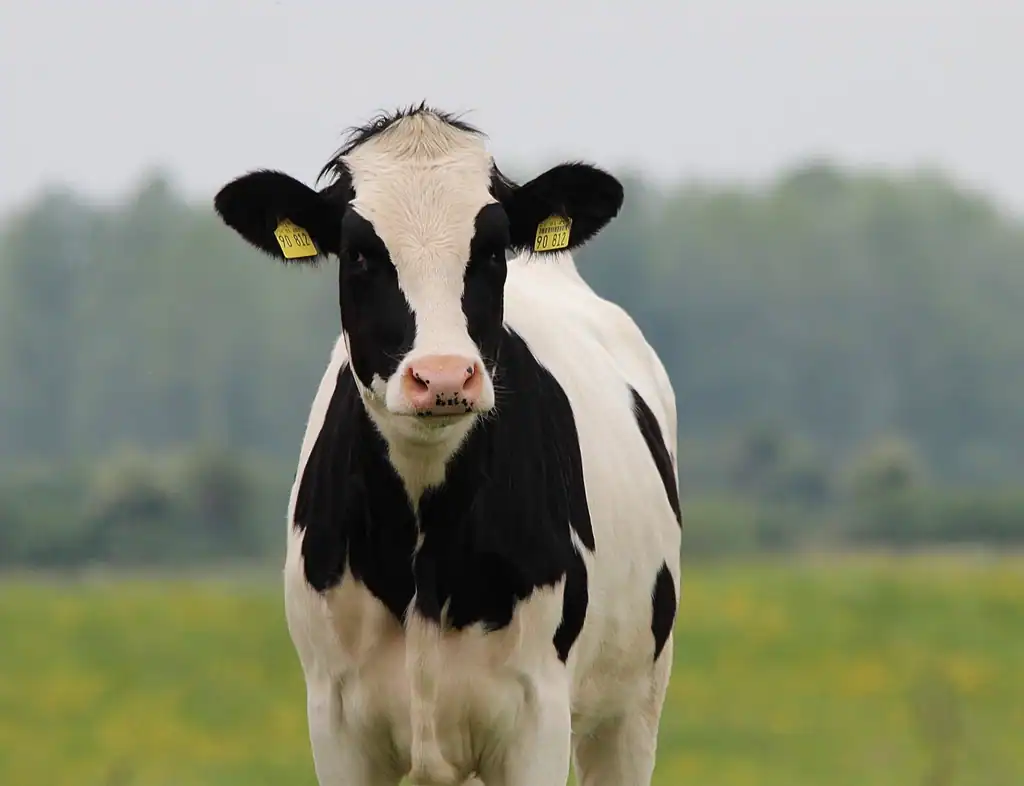
In Hinduism, few symbols are as pervasive and powerful as the cow. Far beyond being merely livestock, cattle in Hindu tradition represent a complex tapestry of religious significance, cultural identity, and spiritual symbolism that has endured for thousands of years. The reverence for cows in Hinduism transcends simple animal worship – it embodies fundamental philosophical principles that have shaped Indian society and Hindu religious practices throughout history. This divine status has led to the familiar image of sacred cows wandering freely through Indian streets, protected by both religious sentiment and legal frameworks. But what exactly elevates these gentle creatures to such exalted status? The answer lies in a fascinating convergence of mythology, practicality, philosophy, and cultural evolution that continues to influence millions of Hindu practitioners worldwide today.
The Historical Roots of Bovine Reverence
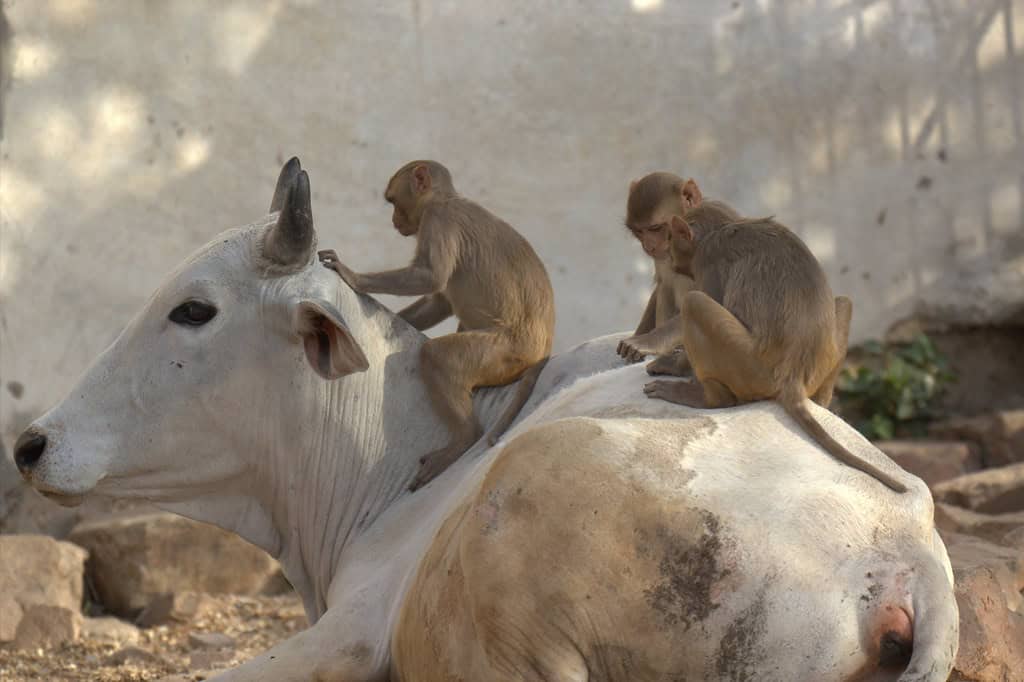
The veneration of cattle in the Indian subcontinent dates back thousands of years, with archaeological evidence suggesting cow reverence existed even in the ancient Indus Valley Civilization (3300-1300 BCE). However, the most significant development occurred during the Vedic period (1500-500 BCE), when agricultural societies in northern India increasingly relied on cattle for survival. The earliest Hindu scriptures, the Vedas, particularly the Rigveda, mention cows as symbols of wealth and abundance, though they don’t explicitly prohibit cow slaughter.
The transition toward viewing cows as sacred beings evolved gradually over centuries. By the time of the later Vedic texts and early Upanishads (800-500 BCE), cows had acquired a more pronounced religious significance. This evolution coincided with the growing influence of ahimsa (non-violence) principles in Indian religious thought. As Hinduism developed through the centuries, the protection of cows became increasingly codified in religious texts, eventually becoming a cornerstone of Hindu religious identity, particularly as it distinguished Hindu practices from those of Muslim rulers during medieval periods.
Cows in Hindu Mythology and Cosmology
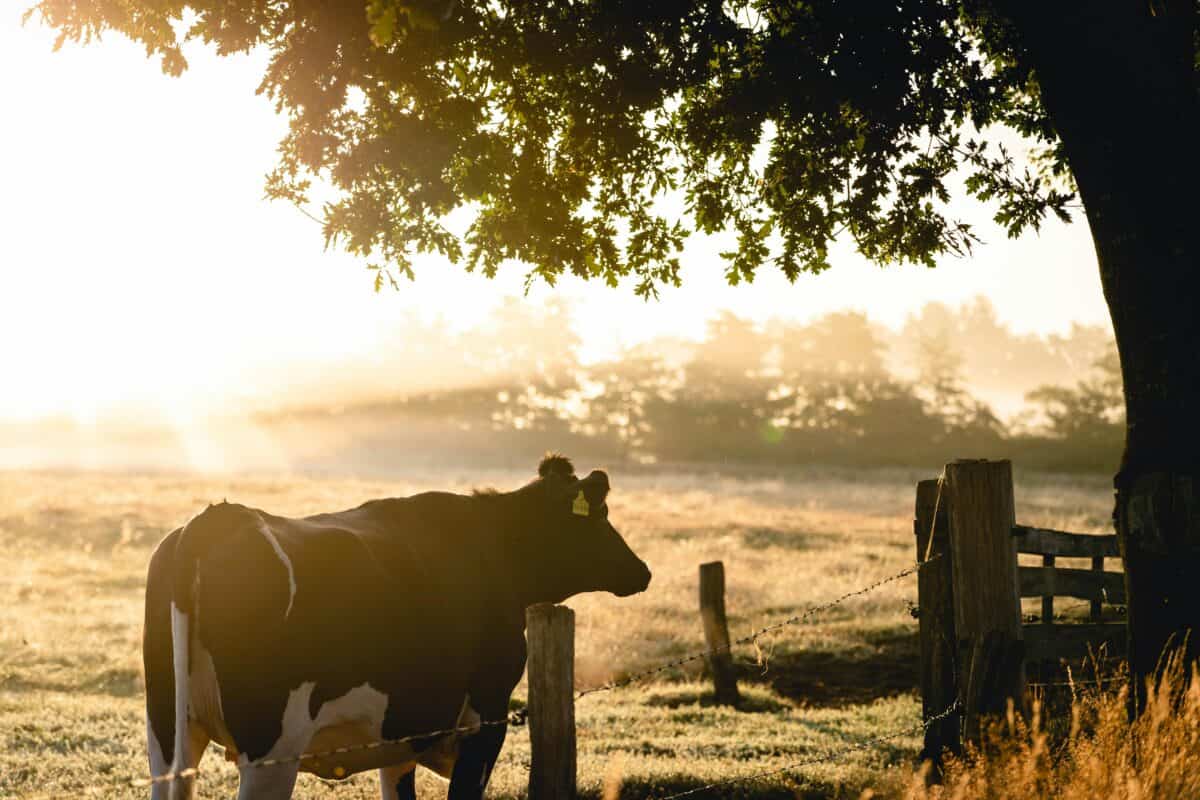
Hindu mythology richly associates cows with divinity through numerous tales and divine connections. Most significantly, Lord Krishna, one of Hinduism’s most beloved deities, is frequently portrayed as a cowherd (Govinda) who played his flute among the cows and gopis (milkmaids) in Vrindavan. His deep affection for cows established a divine model for human-cattle relationships. Another prominent mythological connection is Kamadhenu, the divine wish-fulfilling cow who emerged during the churning of the cosmic ocean. Kamadhenu represents the ultimate maternal figure – providing nourishment without expectation and embodying selfless giving.
In Hindu cosmology, cows serve as vehicles (vahanas) for certain deities and are associated with several goddesses. Lord Shiva’s bull, Nandi, serves as both his vahana and his devoted gatekeeper. The sacred white cow symbolizes purity, fertility, and maternal abundance throughout Hindu iconography. These mythological associations have deeply embedded bovine sacredness into the Hindu worldview, where cows represent divine qualities of abundance, nurturing, and selfless service – traits that humans are encouraged to cultivate in their spiritual journey.
The Spiritual Symbolism of Cows
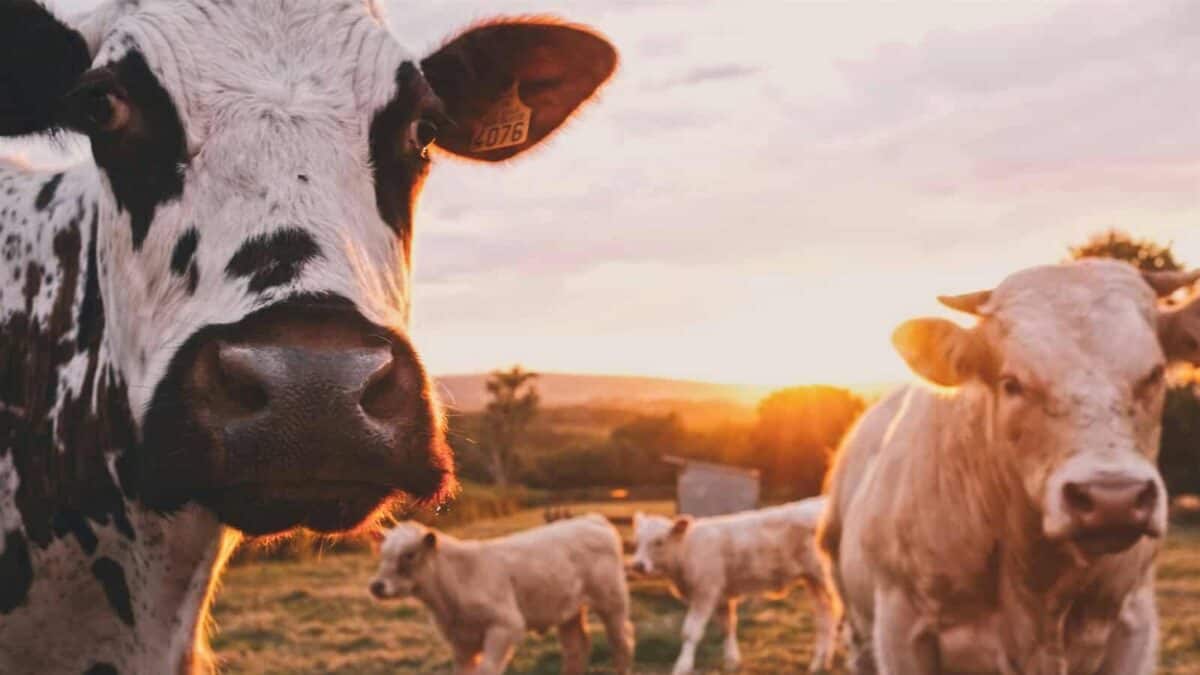
Beyond mythology, cows embody profound spiritual symbolism in Hindu philosophy. The cow represents Mother Earth herself – patient, nurturing, giving, and sustaining life without expectation of return. This spiritual association makes harming a cow equivalent to harming the divine feminine principle in nature. In many Hindu texts, the cow is described as containing all deities within her body, with different body parts representing different gods and goddesses. For example, her four legs might represent the four Vedas or the four aims of human life (dharma, artha, kama, and moksha).
The cow’s giving nature particularly resonates with Hindu spiritual ideals. The animal provides milk, a life-sustaining substance, without requiring its death – symbolizing selfless giving that aligns with Hindu spiritual values of non-violence and compassion. The cow thus becomes a living embodiment of dharma (righteous conduct) and a model for human behavior. For the spiritually minded Hindu, protecting and honoring cows represents not merely animal welfare but participation in a cosmic order that values nurturing and sustainability over exploitation.
The Cow as a Practical Resource in Hindu Life
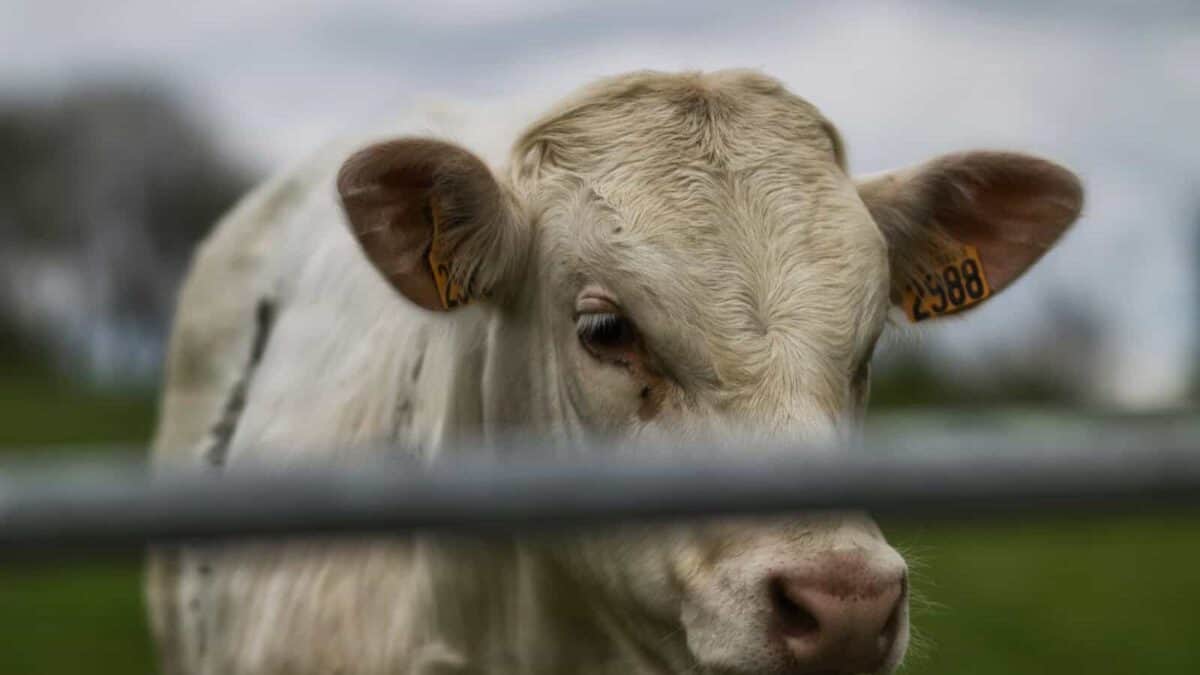
While spiritual significance is paramount, the practical value of cattle in traditional Indian society cannot be overlooked when understanding their elevated status. Historically, cows represented wealth in an agricultural economy, providing essential resources for survival. The “five gifts” (panchagavya) of the cow – milk, curd, ghee (clarified butter), urine, and dung – all serve practical purposes in traditional Hindu households. Milk products provide essential nutrition, while cow dung serves as both cooking fuel and an antiseptic building material in rural settings. Cow urine has been used in traditional Ayurvedic medicine for purification rituals and treatments.
This economic and practical utility reinforced religious reverence in a powerful feedback loop. As agricultural communities recognized their dependence on healthy cattle, spiritual protection of these animals ensured their communities’ sustainability. The ban on cow slaughter thus served both spiritual and practical purposes – preserving the life of a sacred being while maintaining a valuable resource that could provide ongoing benefits to many people. This practical dimension helps explain why cattle veneration became so deeply embedded in Hindu culture, as it aligned spiritual values with economic necessity.
The Concept of Ahimsa and Cow Protection

Central to understanding cow sanctity is the Hindu principle of ahimsa – non-violence toward all living beings. While this concept applies broadly to all creatures, it has been particularly emphasized regarding cows. As Hinduism evolved, especially with the rise of philosophical traditions like Jainism and Buddhism that strongly emphasized non-violence, the protection of cows became a tangible expression of this spiritual principle. The gentle nature of cattle, their usefulness without requiring slaughter, and their maternal symbolism made them perfect embodiments of ahimsa principles.
Influential Hindu reformers throughout history, from ancient sages to modern leaders like Mahatma Gandhi, have emphasized cow protection as a cornerstone of dharmic practice. Gandhi famously stated, “The central fact of Hinduism is cow protection,” highlighting how this specific application of ahimsa had become a defining feature of Hindu identity. For many practitioners, protecting cows represents not merely adherence to religious doctrine but active participation in cultivating compassion and non-violence – essential spiritual qualities on the path to enlightenment. This philosophical underpinning gives cow protection moral weight beyond mere cultural tradition.
Regional Variations in Cow Reverence

While cow veneration is widespread across Hindu communities, its expression varies significantly by region, sect, and historical period. In northern India, particularly in states like Uttar Pradesh and Rajasthan, cow protection movements have been especially vigorous, with dedicated goshalas (cow shelters) caring for aging and abandoned cattle. In these regions, laws against cow slaughter tend to be strictest. Meanwhile, in southern states like Kerala and Tamil Nadu, while cows remain respected, historical practices have sometimes been more flexible regarding cattle.
Different Hindu sects also vary in their emphasis on cow protection. Vaishnavite traditions, which worship Vishnu and Krishna, typically place greater emphasis on cow protection given Krishna’s association with cattle. Certain tribal and lower-caste communities within the broader Hindu fold have historically had different relationships with cattle, sometimes including ritual sacrifice in specific contexts. Urban and rural divides create further variations, with city dwellers often expressing reverence symbolically while rural communities maintain more direct relationships with cattle as both sacred beings and agricultural resources. These variations demonstrate how Hinduism’s decentralized nature allows for diverse interpretations of shared principles.
Sacred Cows in Modern India

In contemporary India, the sacred status of cows exists within a complex social and political landscape. Most Indian states have laws restricting or prohibiting cow slaughter, though specifics vary by region. These laws reflect both religious sentiment and constitutional principles that respect Hindu traditions. Goshalas (cow shelters) have multiplied across the country, providing homes for abandoned, aging, or injured cattle. Many of these institutions receive both private donations and government support, highlighting the continued importance of cow protection in modern Hindu practice.
However, the sacred cow has also become a contentious political symbol in recent decades. “Cow protection” movements sometimes intersect with Hindu nationalist politics, occasionally leading to vigilantism against those suspected of cow slaughter or beef consumption. These tensions reflect broader debates about secularism, religious freedom, and pluralism in modern India. Meanwhile, urbanization creates practical challenges, as free-roaming cattle in cities face traffic hazards and waste management issues. Modern Hindus thus navigate traditional reverence for cows within contemporary realities, seeking balance between ancient principles and modern pragmatism.
Cow Products in Hindu Rituals

The five products of the cow – milk, curd, ghee, urine, and dung – collectively known as panchagavya, hold special significance in Hindu ritual practices. These substances are used in purification ceremonies, temple consecrations, and numerous religious rites. Ghee (clarified butter) is particularly important, used to fuel sacred flames in havan (fire rituals) and as offerings to deities. The belief holds that offerings made with pure cow ghee create the most auspicious connection between worshippers and the divine. In traditional Ayurvedic medicine, cow products are believed to have healing properties, with specific formulations prescribed for various ailments.
Beyond the physical substances, the ritual significance extends to the symbolic purification these products represent. Many Hindus consider these substances inherently pure and purifying. During major Hindu festivals like Diwali or Janmashtami (Krishna’s birthday), cow worship ceremonies (Go Puja) are conducted, where cows are adorned with flowers, fed special treats, and honored with rituals. The footprints of cows are sometimes considered sacred symbols, representing the divine presence walking on earth. These ritual uses further cement the cow’s central position in Hindu religious practice and reinforce their status beyond mere symbolism.
Philosophical Interpretations of Cow Sacredness

Hindu philosophers and spiritual leaders have offered various interpretations of cow sacredness beyond literal understandings. Some view the reverence for cows as a practical application of the concept that divinity permeates all creation. In Advaita Vedanta philosophy, which emphasizes the ultimate oneness of all reality, the cow serves as a tangible reminder that the divine exists within all living beings. Other interpretations focus on the cow as a symbol of the qualities humans should cultivate – gentleness, generosity, and nurturing. By protecting and honoring cows, practitioners symbolically commit to these values in their own lives.
Modern Hindu thinkers have also connected cow protection to environmental ethics and sustainability. They argue that traditional reverence for cows promoted sustainable agricultural practices long before modern environmentalism emerged. By prohibiting cow slaughter and emphasizing their care, Hindu tradition encouraged agricultural systems that maintained cattle throughout their natural lifespan, contributing to soil health through organic manure rather than treating animals as disposable commodities. This philosophical dimension allows contemporary Hindus to find continued relevance in ancient practices, seeing cow protection as aligned with modern concerns about animal welfare and environmental sustainability.
Cows in Hindu Art and Literature
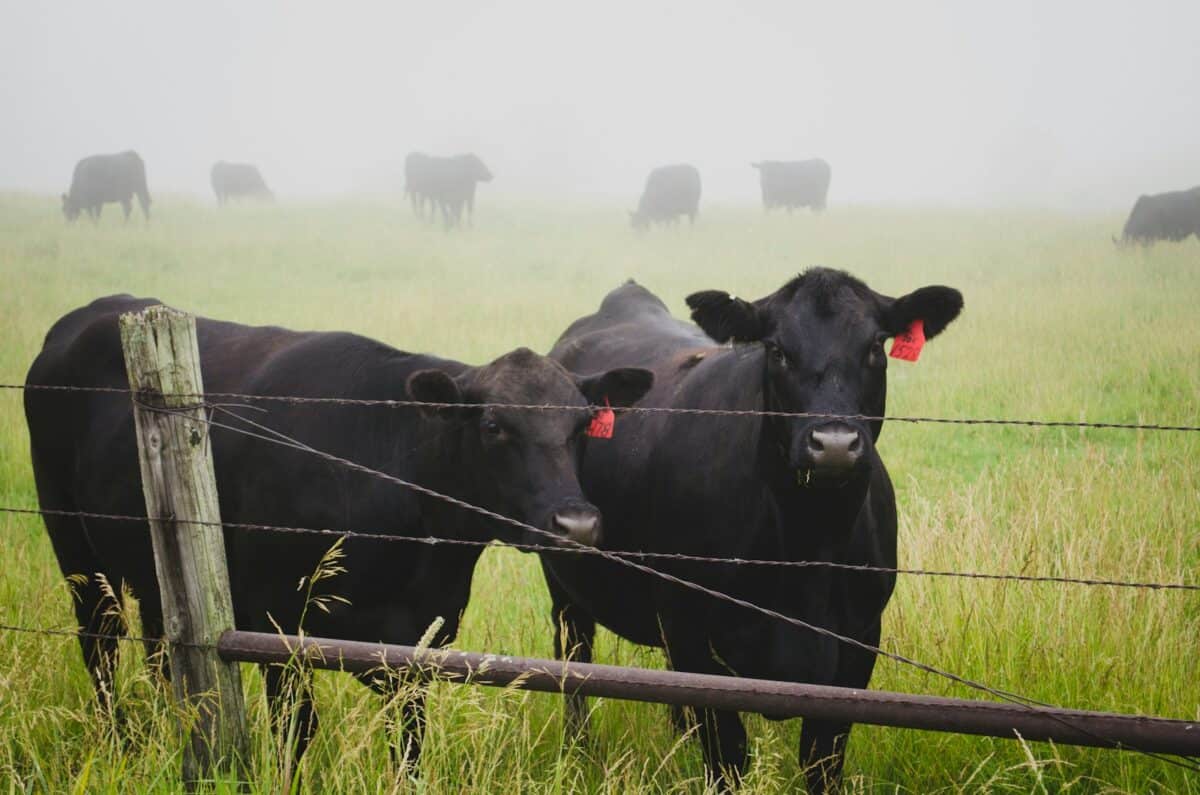
The sacred status of cows is vividly reflected in Hindu artistic and literary traditions spanning millennia. Temple sculptures across India depict divine cows like Kamadhenu and scenes of Krishna with his beloved cattle. In classical Indian paintings, particularly those depicting Krishna’s life in Vrindavan, cows feature prominently – often adorned with flowers and shown in intimate relationship with the divine cowherd. These artistic representations communicate theological concepts through visual means, making abstract principles of divinity and care accessible to all devotees regardless of literacy or formal education.
In literature, cows appear throughout Sanskrit epics, Puranic texts, and devotional poetry. The Mahabharata and Ramayana contain numerous references to the proper treatment of cows and the spiritual merit gained through their protection. Devotional poets like Surdas and Mirabai composed verses celebrating Krishna’s relationship with cows, using this divine example to inspire human devotion. Folk songs across various Indian languages praise the cow’s gentle nature and life-giving qualities. These artistic and literary expressions have been crucial in transmitting and reinforcing the cow’s sacred status across generations, embedding bovine reverence deeply in Hindu cultural consciousness through multiple sensory and narrative pathways.
The Economic Dimension of Cow Protection
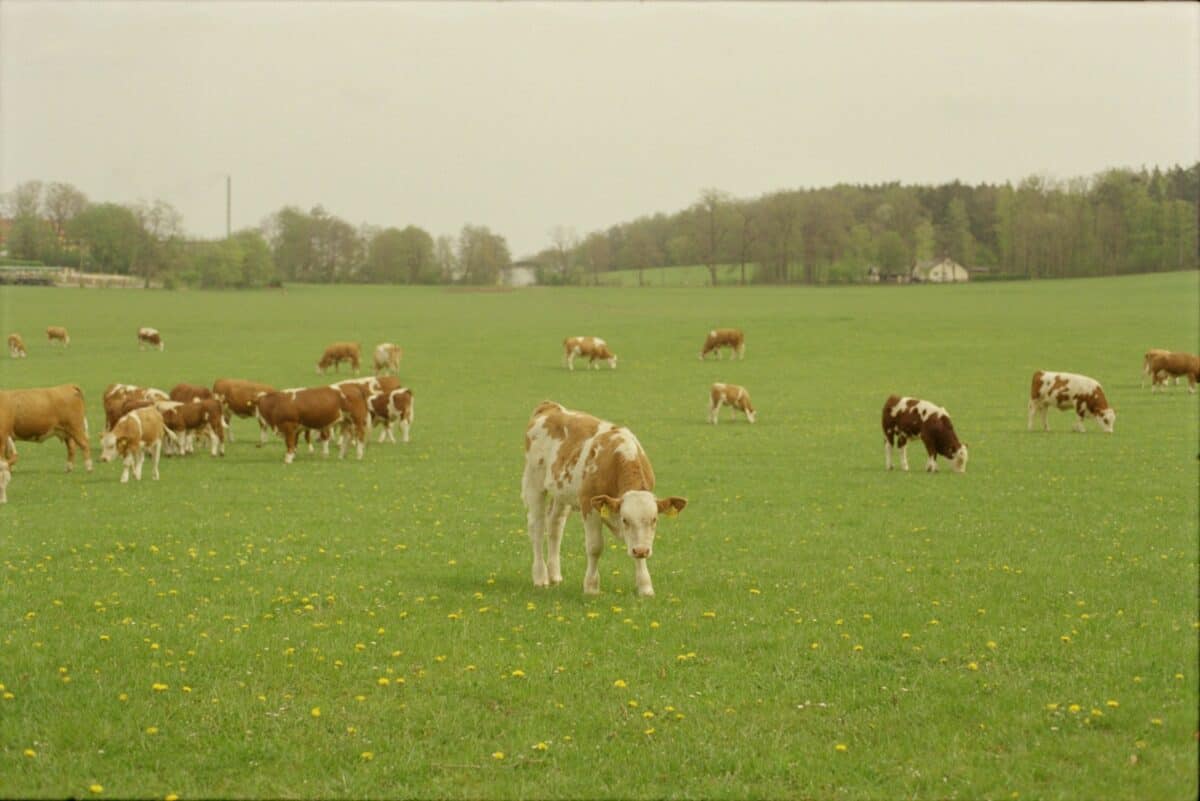
The sacred status of cows has significant economic implications in contemporary India. The dairy industry remains one of India’s largest agricultural sectors, with cooperative dairy movements like Amul providing livelihoods for millions while operating within cultural frameworks that emphasize humane treatment of cattle. Traditional panchagavya products have found new markets in organic farming, natural medicine, and eco-friendly household goods. Cow dung is increasingly utilized for biogas production and as organic fertilizer, creating economic value from traditional practices.
However, cow protection also creates economic challenges. The prohibition against cow slaughter means that unproductive cattle must be maintained throughout their natural lives, creating costs for farmers. In traditional systems, aging oxen continued to provide labor and cow dung, while female cattle produced calves and milk, creating a sustainable lifecycle. But modern agricultural mechanization has reduced the utility of cattle labor, straining this economic model. The tension between religious imperatives and economic pressures has led to complex adaptations, including the development of goshalas supported by charitable donations and government subsidies. These economic dimensions reveal how religious values interact with practical realities in a living tradition that continues to evolve.
Conclusion: The Enduring Significance of Bovine Divinity
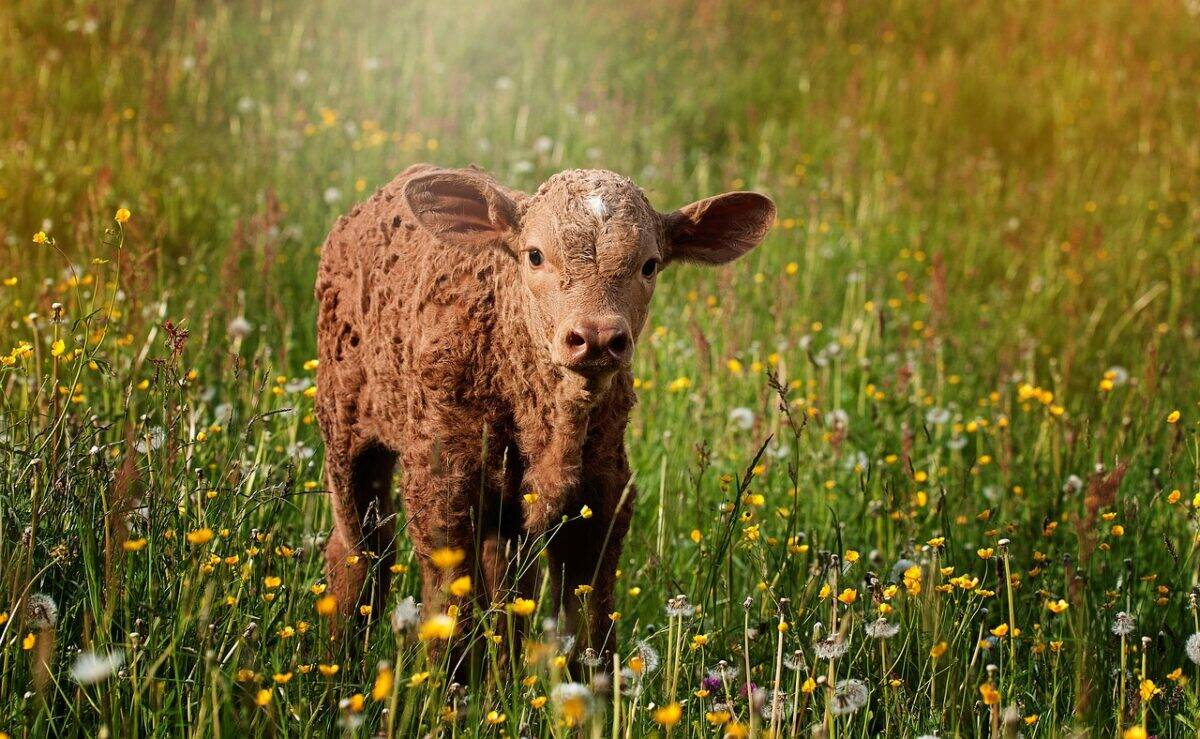
The sacred status of cows in Hinduism represents far more than animal worship – it embodies a complex intersection of spiritual philosophy, practical wisdom, cultural identity, and ethical principles that have evolved over thousands of years. Through mythology, ritual, art, and daily practice, the cow has become a living symbol of Hindu dharma’s core values: compassion, sustainability, maternal nurturing, and selfless giving. While expressions of cow reverence vary across regions and historical periods, the fundamental recognition of the cow’s special status remains a unifying element in diverse Hindu traditions. This reverence continues to influence contemporary Hindu practice and Indian society, adapting to modern contexts while maintaining connection to ancient wisdom. As Hinduism continues to evolve in the 21st century, the sacred cow remains a powerful symbol of the tradition’s ability to find divinity in the everyday world – a walking embodiment of the philosophy that sees the sacred in all life.

From exploring the marine wonders in the Azores and witnessing the vast savannas of Kenya, to delving deep into the rich biodiversity of South Africa and traversing iconic landscapes in Australia and the US like Yellowstone, Chris's experiences are vast.
With a penchant for diving alongside sharks, the ocean holds a special place in his heart.
Through his academic insights, he champions wildlife conservation, striving with 'Animals Around The Globe' to cultivate a profound connection between humans and animals, enhancing our mutual appreciation.
Connect with him at Feedback@animalsaroundtheglobe.com.
- How Tigers Mark Their Territory Using Scent and Scratches - July 29, 2026
- The Deadly Volcano That Erased a Town Is Now Active Again - July 29, 2026
- 12 Deep Sea Animals With Terrifying Adaptations - July 29, 2026