


In the freshwater lakes and canals of Mexico City lives a creature that seems to defy the conventional rules of growing up. The axolotl (Ambystoma mexicanum), often called the Mexican walking fish despite being an amphibian, possesses an extraordinary biological trait—it remains in its larval form throughout its entire life. While most amphibians undergo metamorphosis, transforming from aquatic juveniles to terrestrial adults, axolotls maintain their youthful characteristics indefinitely. This phenomenon, known as neoteny, represents one of nature’s most fascinating evolutionary adaptations.
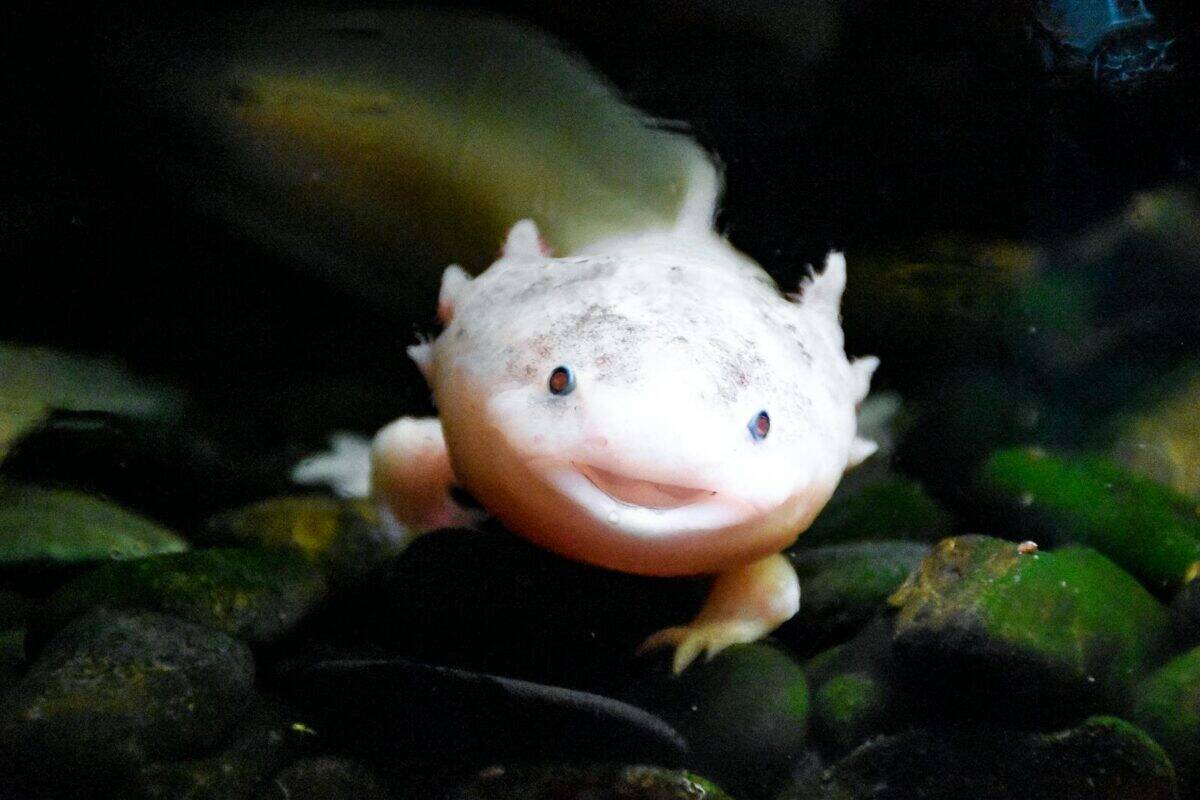
These perpetual teenagers of the amphibian world sport feathery external gills that crown their heads like elaborate headdresses, along with a fin-like tail and a permanently smiling appearance that has captivated scientists and pet enthusiasts alike. Their ability to remain in this juvenile state isn’t merely a quirk of nature but a complex biological adaptation with significant implications for evolutionary biology, regenerative medicine, and conservation efforts. Understanding why axolotls never “grow up” offers remarkable insights into developmental biology and the incredible plasticity of life forms.
What Exactly Is Neoteny?
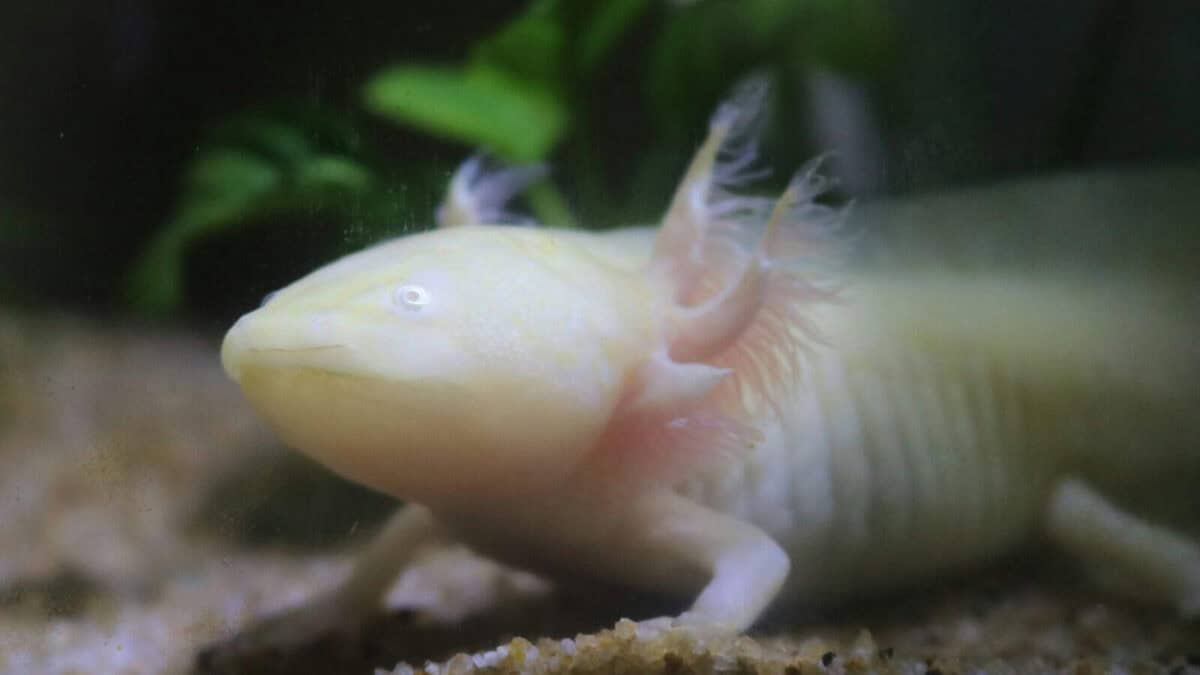
Neoteny, derived from the Greek words “neos” (young) and “tenein” (to retain), refers to the retention of juvenile features in an organism’s adult stage. In biological terms, it represents a form of heterochrony—a change in the timing or rate of developmental events. For axolotls, neoteny means they maintain larval characteristics throughout their lifespan while developing reproductive maturity, effectively blurring the line between juvenile and adult stages.
This evolutionary phenomenon isn’t unique to axolotls but is particularly pronounced in them. While other salamander species may exhibit temporary or partial neoteny depending on environmental conditions, axolotls display obligate neoteny, meaning they naturally remain in their larval form permanently. This distinction has made them valuable model organisms for studying developmental biology, as they provide insights into how developmental timing can be modified through evolution and what genetic mechanisms control these processes.
The Evolutionary Advantages of Never Growing Up
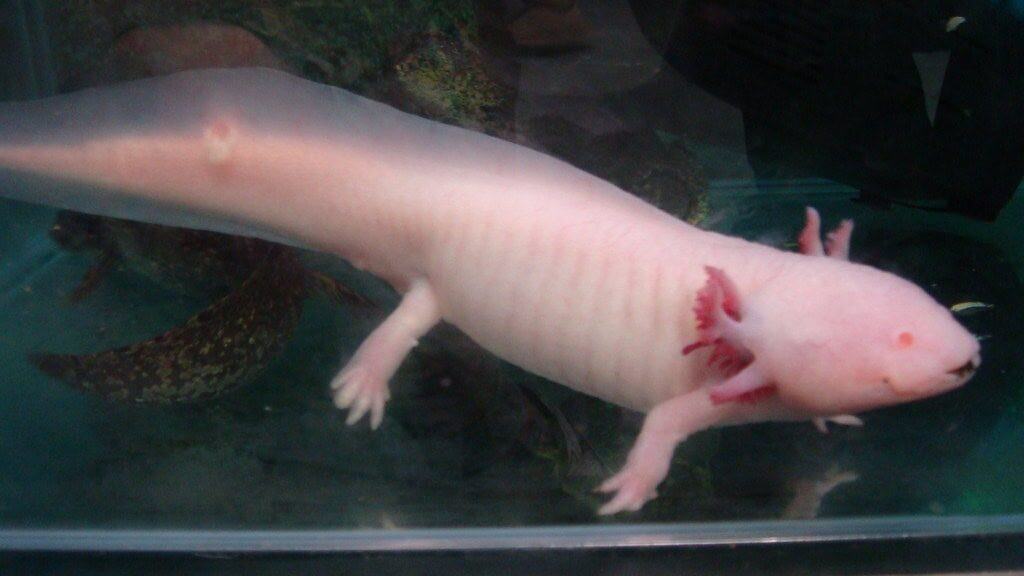
The persistence of neoteny in axolotls raises a fundamental question: what evolutionary advantage does remaining juvenile provide? Scientists believe this adaptation emerged as a response to their native habitat conditions. Originally endemic to Lake Xochimilco and Lake Chalco in the Valley of Mexico, these high-altitude lakes provided stable, predator-limited environments that favored aquatic existence. By remaining aquatic, axolotls avoided the energy-intensive process of metamorphosis and the challenges of terrestrial life, including desiccation risks at high altitudes.
Additionally, neoteny allows axolotls to benefit from specialized juvenile features that enhance their aquatic lifestyle. Their external gills provide efficient oxygen absorption from water, while their larval physiology is perfectly adapted to their aquatic environment. The retention of these features represents an evolutionary trade-off—sacrificing the flexibility of a terrestrial-aquatic lifestyle for specialized adaptation to a single environment. This specialization proved successful for millions of years until human activity began drastically altering their native habitat.
The Thyroid Connection: Hormonal Control of Metamorphosis

The biological mechanism behind axolotl neoteny primarily involves thyroid hormone signaling. In most amphibians, the release of thyroid hormones, particularly thyroxine (T4) and triiodothyronine (T3), triggers the cascade of developmental changes associated with metamorphosis. These hormones activate specific genes that orchestrate the transformation from larval to adult form, including the development of lungs, loss of gills, changes in skin texture, and modifications to the skeletal system.
In axolotls, this system functions differently. Research has shown that axolotls have lower levels of thyroid-stimulating hormone and reduced sensitivity to thyroid hormones compared to metamorphosing amphibians. This alteration in the hypothalamic-pituitary-thyroid axis effectively mutes the metamorphic trigger, allowing axolotls to reach sexual maturity without undergoing the physical transformations typical of salamander development. Interestingly, when treated with synthetic thyroid hormones like thyroxine, axolotls can be induced to undergo metamorphosis, demonstrating that the underlying developmental programming remains intact, though normally unexpressed.
Genetic Underpinnings of Eternal Youth

The genomic basis of axolotl neoteny represents one of the most fascinating aspects of their biology. In 2018, scientists successfully sequenced the axolotl genome, revealing it to be ten times larger than the human genome—at 32 billion base pairs, it’s the largest genome ever sequenced. This genetic complexity provides the foundation for understanding the molecular mechanisms behind their arrested development. Several genes have been identified as critical players in the neoteny phenomenon, including those involved in thyroid hormone production, reception, and downstream signaling pathways.
Key genetic modifications include alterations to the genes encoding iodothyronine deiodinase enzymes, which activate and inactivate thyroid hormones, as well as changes to thyroid hormone receptors. Additionally, mutations in metamorphosis-associated genes like DIO3 (deiodinase, iodothyronine, type III) and modifications to genes controlling brain development—particularly those affecting the hypothalamus and pituitary gland—contribute to the sustained juvenile state. These genetic adaptations effectively “lock” axolotls in their larval stage while still allowing them to reach reproductive maturity, creating a unique developmental scenario rarely seen in vertebrates.
Extraordinary Regenerative Abilities: A Youthful Advantage

Perhaps the most remarkable feature linked to axolotl neoteny is their extraordinary regenerative capability. Axolotls can regrow entire limbs, portions of their brain, heart, spinal cord, and other organs with remarkable fidelity—a healing superpower far beyond human capabilities. This regenerative prowess appears to be directly connected to their neotenic state, as the genes and cellular properties that enable tissue regeneration are often more active in embryonic and juvenile stages of development.
The maintenance of embryonic-like stem cells throughout their lifespan is a key factor in this regenerative ability. Unlike most vertebrates, whose stem cell populations become increasingly restricted with age, axolotls retain populations of highly plastic cells capable of dedifferentiating (reverting to a less specialized state) and proliferating to form new tissues. Scientists have identified that axolotls possess unique patterns of gene expression during regeneration, including sustained activation of developmental gene networks that are typically silenced after embryonic development in other species. This connection between neoteny and regeneration has made axolotls invaluable models for regenerative medicine research.
Can Axolotls Ever Grow Up?
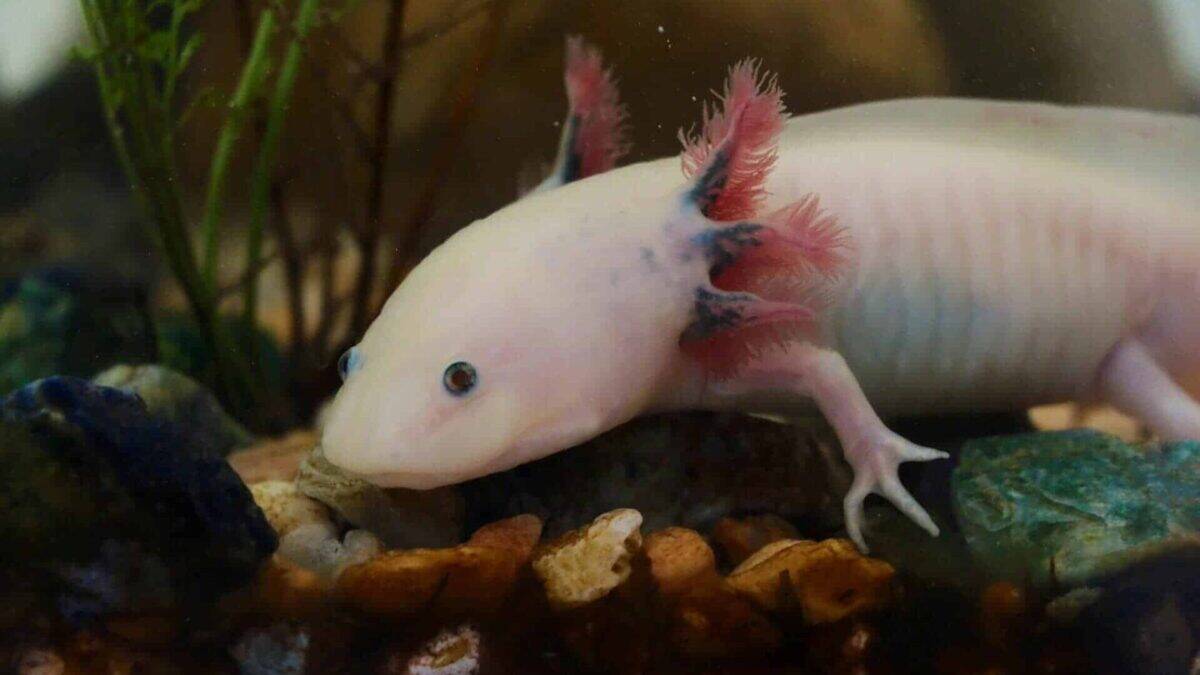
Despite their natural tendency to remain in larval form, axolotls retain the latent ability to undergo metamorphosis under certain conditions. When exposed to thyroid hormones or specific environmental stressors, they can transform into a more terrestrial adult form resembling a typical salamander—complete with lungs instead of gills, thicker skin, and other adult amphibian characteristics. This transformation, however, comes at a significant cost. Metamorphosed axolotls typically experience reduced regenerative abilities, shortened lifespans, and various health complications.
The capacity for induced metamorphosis provides strong evidence that axolotl neoteny is not the result of a complete loss of metamorphic ability, but rather a suppression or delay of the process. This developmental plasticity has important implications for understanding the evolution of developmental pathways and the genetic mechanisms that can modify them. However, scientists generally advise against artificially inducing metamorphosis in captive axolotls, as it can compromise their health and well-being without providing significant benefits to the animal.
Neoteny Beyond Axolotls: A Broader Evolutionary Phenomenon

While axolotls represent perhaps the most famous example of neoteny, this developmental pattern appears throughout the animal kingdom in various forms. Other salamander species, such as the mud puppy (Necturus maculosus) and olm (Proteus anguinus), also exhibit permanent neoteny. Outside of amphibians, numerous examples exist across diverse animal groups. The human-favored traits of domestic dogs, with their juvenile facial features, behavior, and social characteristics compared to wolves, represent a form of neoteny driven by artificial selection rather than natural evolution.
Even humans display neotenic traits compared to other primates, including our relatively flat faces, reduced body hair, larger heads relative to body size, and extended periods of learning and brain development after birth. Some scientists argue that human evolution has favored the retention of juvenile characteristics to extend periods of learning and social bonding. The widespread occurrence of neoteny across different evolutionary lineages suggests it represents a fundamental and versatile developmental strategy that can be shaped by natural selection to serve diverse adaptive functions depending on environmental contexts and evolutionary pressures.
Neoteny and Conservation: Vulnerability in Specialization
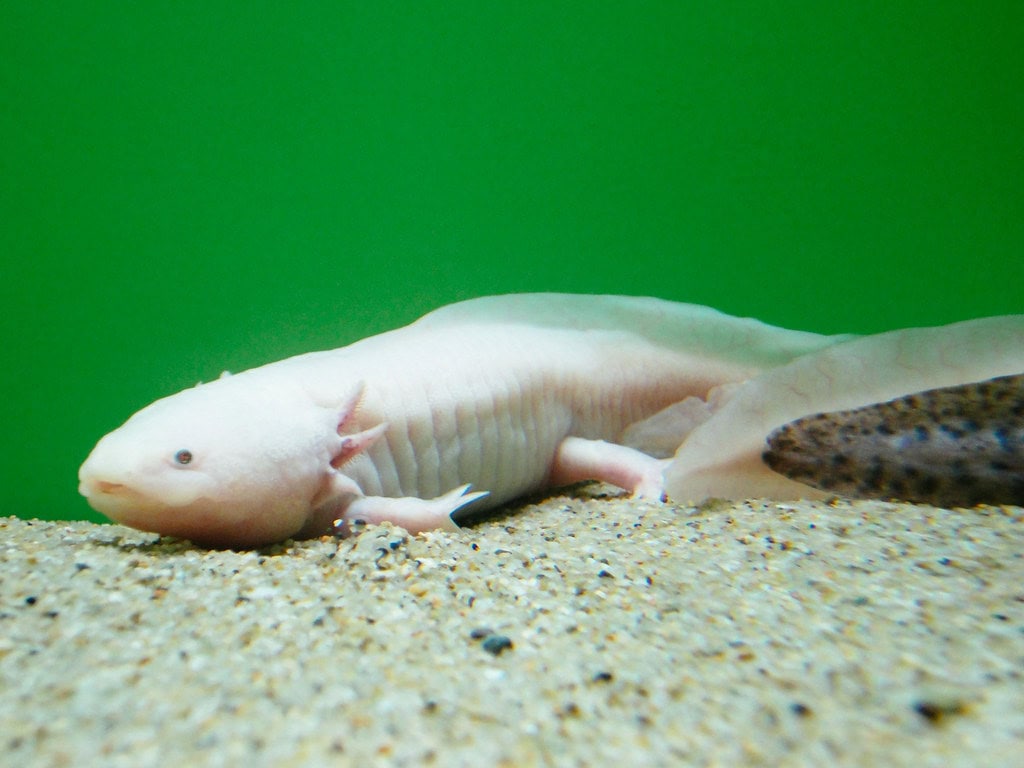
The neotenic adaptation that has served axolotls so well throughout their evolutionary history now contributes to their extreme vulnerability in the modern world. Their specialized aquatic lifestyle makes them particularly susceptible to habitat degradation. Currently classified as critically endangered in the wild, axolotls face multiple threats including urban expansion of Mexico City, water pollution, introduced predatory fish species, and overharvesting for food and the pet trade. Their native Lake Xochimilco has been reduced to a fraction of its historical size, with the remaining canals suffering from severe water quality issues.
The specialized adaptations that made axolotls successful for millions of years have become liabilities in their rapidly changing environment. Unlike amphibians that can metamorphose and potentially seek new habitats on land, axolotls remain bound to their aquatic environment, unable to escape deteriorating conditions. Conservation efforts focus on habitat restoration, captive breeding programs, and education initiatives to protect the remaining wild population. Ironically, while wild populations face extinction, axolotls thrive in captivity around the world as research subjects and pets, creating a striking contrast between their laboratory success and wilderness decline.
Human Applications: What We Can Learn from Eternal Youth

The study of axolotl neoteny has profound implications for human medicine and biology. Their extraordinary regenerative capabilities, directly linked to their neotenic state, offer tantalizing possibilities for regenerative medicine. By understanding how axolotls maintain juvenile stem cell characteristics throughout life and orchestrate perfect regeneration, scientists hope to unlock new approaches to human tissue and organ regeneration. Research on axolotl limb and organ regeneration has already provided insights into the molecular signals and cellular behaviors required for complex tissue reconstruction.
Beyond regeneration, axolotl studies inform our understanding of developmental biology, aging processes, and cancer resistance. Their ability to perfectly regenerate without forming tumors, despite massive cell proliferation during the process, suggests they possess enhanced mechanisms for controlling cell growth that could inform cancer research. Additionally, axolotl research has contributed to advances in wound healing, tissue engineering, and the development of treatments for conditions ranging from spinal cord injuries to heart disease. The secrets of their eternal youth might someday help address some of humanity’s most challenging medical conditions.
Caring for Perpetual Juveniles: Axolotls in Captivity

The unique biology of axolotls creates specific requirements for their care in captivity. Their neotenic state means they require fully aquatic environments throughout their lives, with appropriate water parameters including cool temperatures (60-64°F or 16-18°C), neutral pH (7.0-7.5), and minimal chlorine or heavy metals. Unlike many aquatic pets, axolotls lack scales and absorb substances directly through their permeable skin, making water quality paramount for their health. Their external gills, a hallmark of their neotenic condition, are particularly sensitive to water conditions and can serve as indicators of environmental stress.
Their juvenile metabolic characteristics also influence their dietary needs and behavior. Axolotls are carnivorous throughout life, requiring high-protein diets consisting of foods like earthworms, bloodworms, and specialized pellets. Their relatively slow metabolism means they typically eat less frequently than many aquatic pets. Additionally, their neotenic social development means they generally do not establish complex territories or hierarchies, though they may occasionally nip at each other’s gills or limbs—fortunately, their remarkable regenerative abilities usually address any resulting damage. Proper housing, nutrition, and water quality are essential for supporting their unique biological needs and ensuring they thrive in captivity.
The Future of Forever Young: Understanding Developmental Plasticity
The study of axolotl neoteny continues to evolve with advances in genetic tools, molecular biology, and comparative genomics. Recent research has moved beyond describing the phenomenon to manipulating the underlying genetic mechanisms, offering unprecedented insights into developmental biology. CRISPR gene editing technology has allowed scientists to modify specific genes related to metamorphosis and regeneration, creating new models for studying these processes. As our understanding of the axolotl genome improves, researchers hope to identify precisely how developmental timing is regulated at the molecular level and how these mechanisms can be applied to other species.
Looking forward, axolotl research promises to continue expanding our knowledge of biological plasticity—the ability of organisms to adapt their development to changing conditions. This field has implications far beyond the study of one unusual salamander, potentially informing our understanding of human development, aging, and disease. The axolotl’s permanent youth represents not just a biological curiosity but a window into fundamental principles of development that could someday revolutionize medicine and enhance our appreciation for the remarkable flexibility of life itself.
Conclusion: The Enduring Significance of Nature’s Peter Pan

The axolotl’s persistent juvenile state represents one of nature’s most fascinating evolutionary experiments—a radical departure from the standard amphibian life cycle that has opened new possibilities for both the species and scientific research. Through neoteny, these remarkable creatures have developed specialized adaptations perfectly suited to their native environment, while simultaneously maintaining extraordinary regenerative abilities that continue to astonish researchers. Their unique biology challenges our understanding of development and aging, suggesting alternative pathways for growth and maturation that diverge from conventional models.
As we continue to unravel the genetic and hormonal mechanisms behind axolotl neoteny, we gain valuable insights into developmental biology that may someday translate into medical breakthroughs for humans. The axolotl stands as a powerful reminder of the remarkable diversity of life’s developmental strategies and the unexpected ways evolution can shape species. In their perpetual youth, these smiling salamanders embody both the specialized adaptability that makes evolutionary biology so fascinating and the vulnerability that comes with such specialization in our rapidly changing world.
Perhaps most profoundly, axolotls challenge our conventional understanding of development as a linear progression from immaturity to adulthood. In their neotenic state, they demonstrate that development can follow alternative paths, creating unique combinations of juvenile and mature characteristics that defy simple classification. As we face the possible extinction of wild axolotls, preserving these biological marvels becomes not just an ecological imperative but an effort to protect one of nature’s most remarkable evolutionary innovations—the creatures that found their optimal state in never fully growing up.

From exploring the marine wonders in the Azores and witnessing the vast savannas of Kenya, to delving deep into the rich biodiversity of South Africa and traversing iconic landscapes in Australia and the US like Yellowstone, Chris's experiences are vast.
With a penchant for diving alongside sharks, the ocean holds a special place in his heart.
Through his academic insights, he champions wildlife conservation, striving with 'Animals Around The Globe' to cultivate a profound connection between humans and animals, enhancing our mutual appreciation.
Connect with him at Feedback@animalsaroundtheglobe.com.