
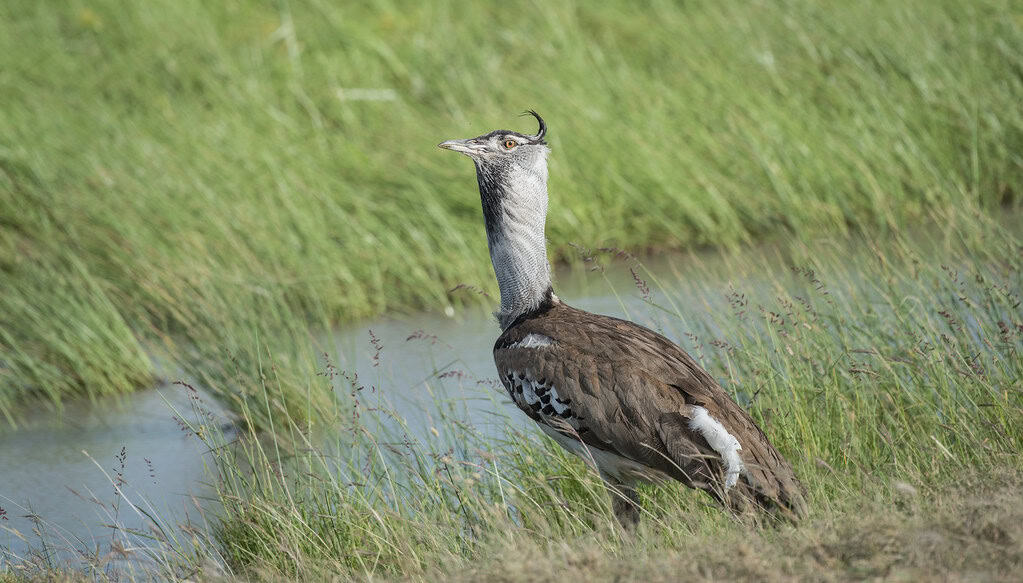
In the avian world, where graceful flight is often considered the defining characteristic, there exists a remarkable contradiction—a bird so massive that it challenges our understanding of aerodynamics. The Kori Bustard (Ardeotis kori) stands as one of the heaviest flying birds on Earth, yet its relationship with flight is tenuous at best. Native to the grasslands and savannas of eastern and southern Africa, this impressive creature represents an evolutionary compromise between the advantages of size and the freedom of flight. Though capable of becoming airborne, the Kori Bustard’s flights are brief, laborious affairs that seem to defy the very laws of physics. This article explores the fascinating biology, behavior, and conservation status of this magnificent bird that exists at the threshold of flight.
A Giant Among Birds: The Kori Bustard’s Impressive Dimensions
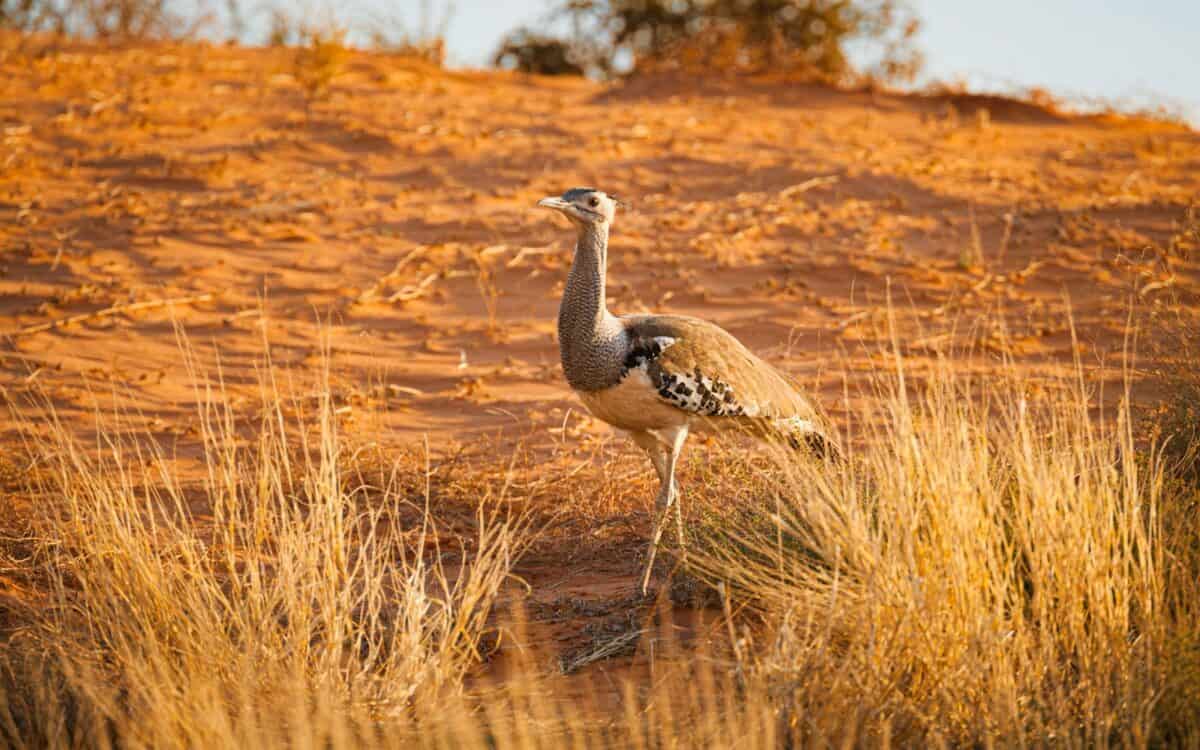
The Kori Bustard commands attention with its sheer size. Males typically weigh between 15-40 pounds (7-18 kg), with exceptional specimens reaching up to 44 pounds (20 kg). Standing at around 4 feet (1.2 meters) tall with a wingspan that can exceed 9 feet (2.7 meters), these birds are truly imposing figures in their grassland habitats. The sexual dimorphism is pronounced, with males significantly larger than females, which typically weigh 6-14 pounds (3-6 kg).
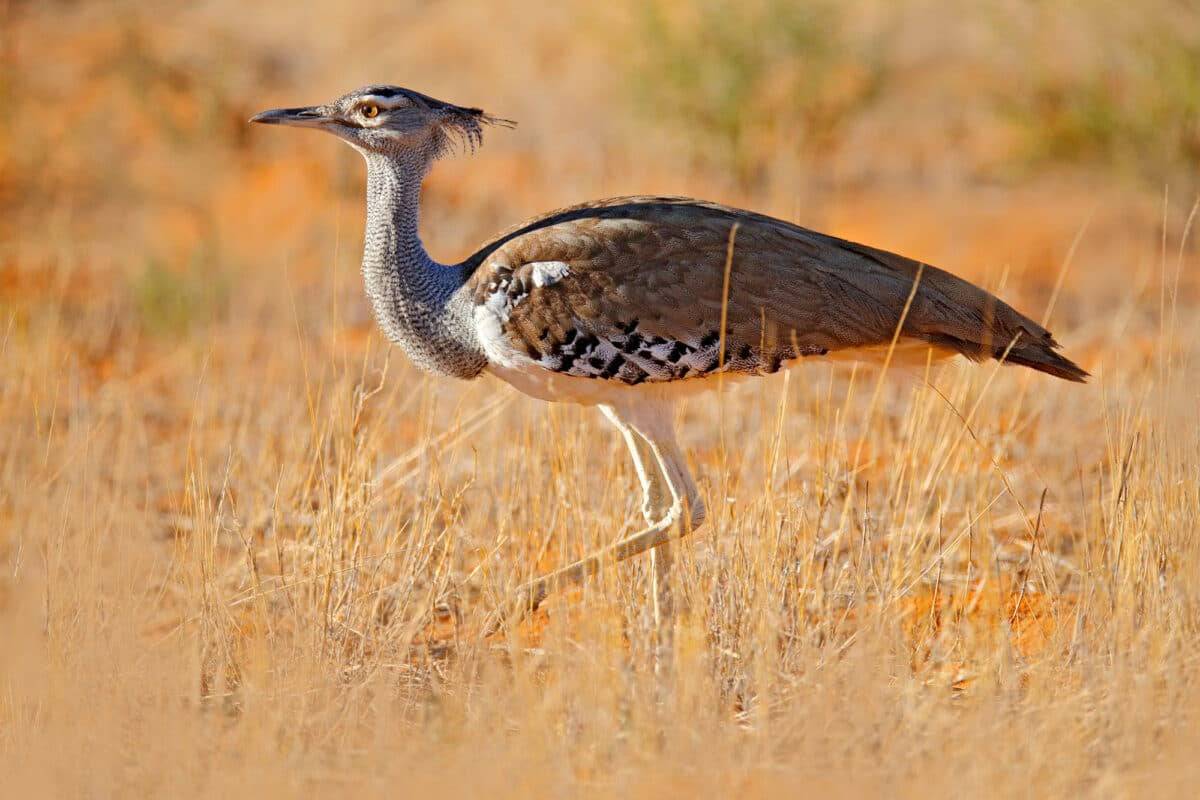
This extraordinary mass makes the Kori Bustard the heaviest flying bird native to Africa and places it among the heaviest flying birds globally, alongside the Great Bustard of Eurasia. Their body structure is robust and muscular, with powerful legs designed for a primarily terrestrial lifestyle. The neck is relatively long and thick, supporting a head that appears somewhat small in proportion to its massive body. Their plumage is predominantly grayish-brown with intricate black and white patterning that provides excellent camouflage in their savanna environment.
The Physics Challenge: How Can Something So Heavy Fly?
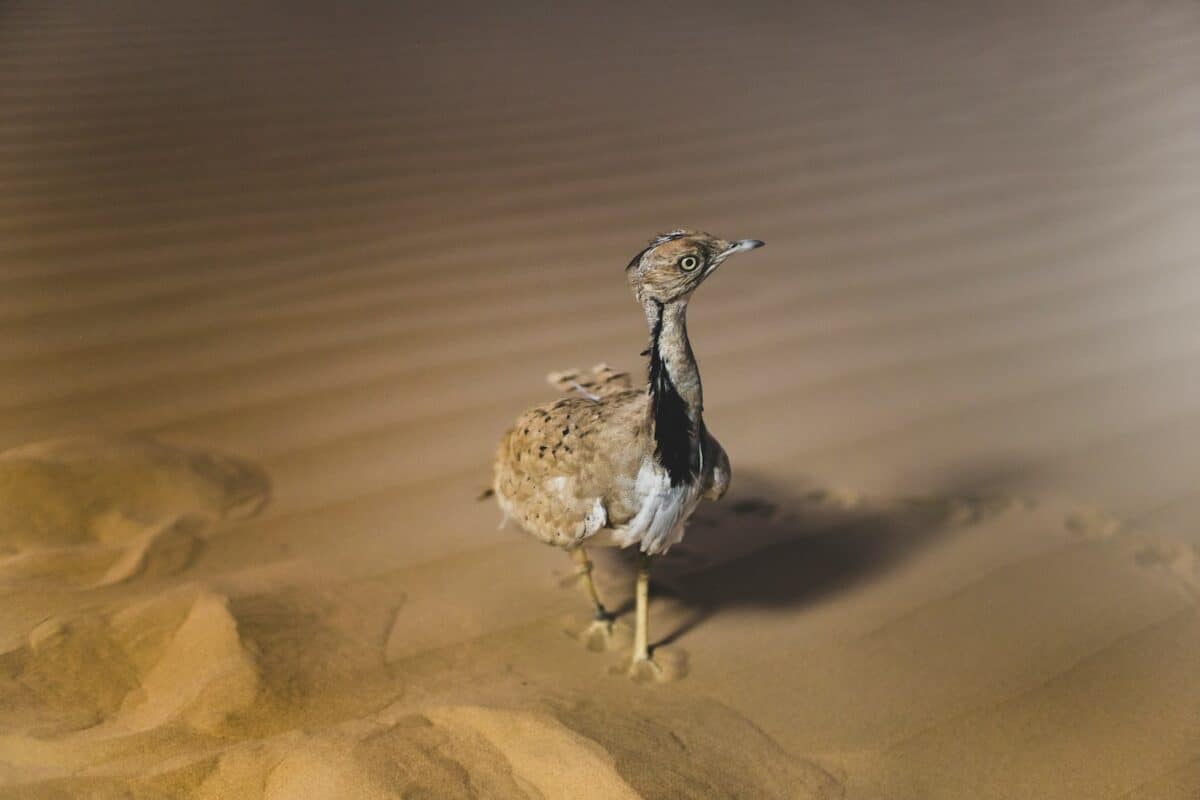
The flight capabilities of the Kori Bustard represent a fascinating study in the limits of avian aerodynamics. These birds push the boundaries of what’s physically possible in terms of flight-to-weight ratios. The scientific principle at work involves the square-cube law: as a bird increases in size, its weight (a function of volume) increases as a cube of its dimensions, while wing area increases only as a square. This creates an inherent disadvantage for larger birds attempting flight.
To overcome this challenge, Kori Bustards have evolved exceptionally large wings for their body size, with highly efficient primary flight feathers. Despite these adaptations, flight remains energetically expensive for them. When taking off, they must run into the wind to generate sufficient lift, making a characteristic huffing sound as they labor to become airborne. Their flight is primarily straight-line and low-altitude, rarely exceeding 100-200 feet above ground. Unlike many birds that seem effortless in flight, the Kori Bustard’s aerial journeys appear deliberate and strenuous, a testament to the evolutionary tradeoff between size and flight capability.
Flight Behavior: When and Why They Take to the Air
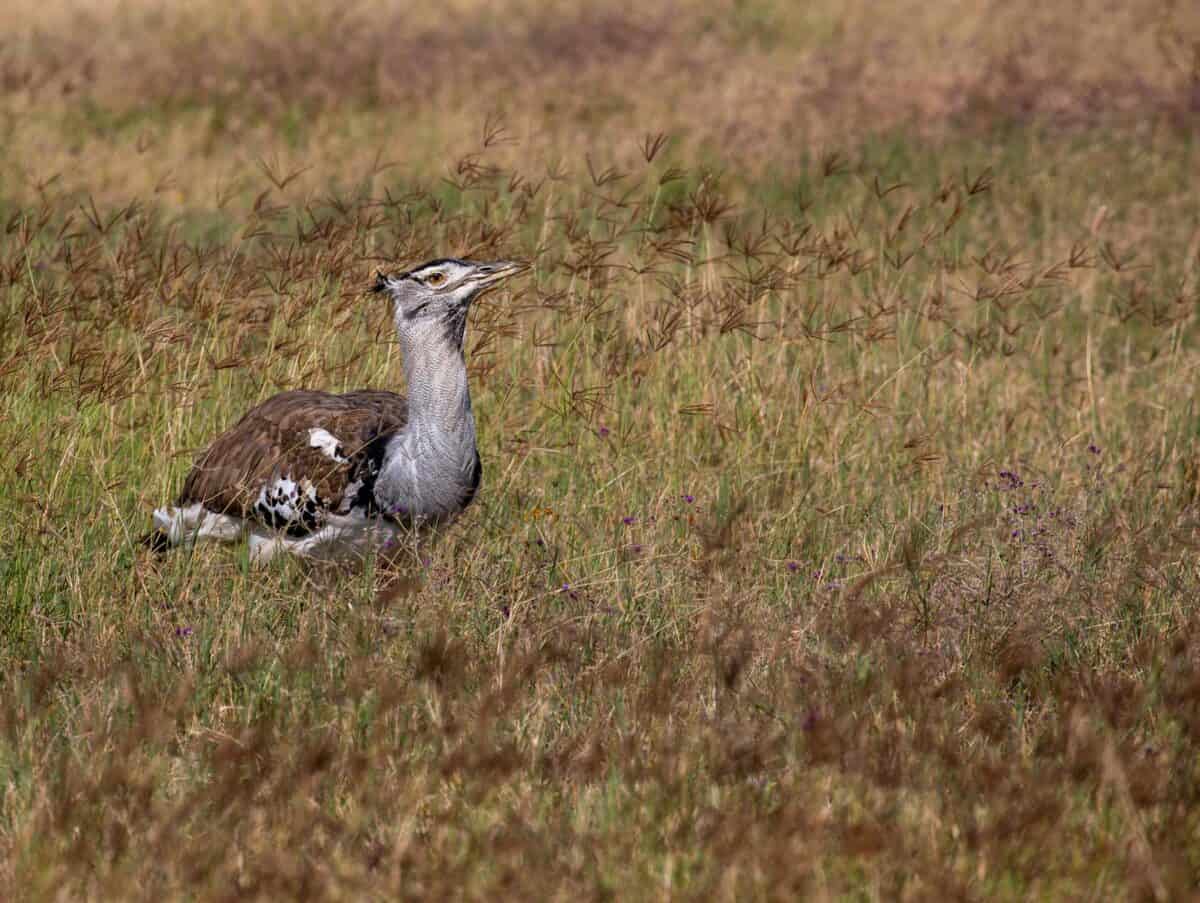
Despite their flight limitations, Kori Bustards do become airborne for specific purposes. Flight is primarily a response to immediate threats or the need to traverse challenging terrain. When disturbed by predators like jackals, hyenas, or humans, they may initially attempt to escape by running, reaching speeds of up to 30 mph (50 km/h). If the threat persists, they’ll take flight as a last resort. Their flights typically cover distances of less than a mile before they return to their preferred terrestrial lifestyle.
Interestingly, these birds are most likely to fly during the cooler morning and evening hours when air density is higher, providing better lift conditions. They avoid flying during the heat of midday when thermals and reduced air density would make flight even more energetically costly. Some observations suggest that Kori Bustards may occasionally fly between feeding grounds or to access water sources, though they generally prefer to walk when possible. This selective approach to flight highlights their evolutionary adaptation to a primarily ground-based existence, using flight as a specialized tool rather than a primary mode of transportation.
Evolutionary Trade-offs: The Benefits of Being Grounded
The Kori Bustard’s limited flight capability represents a fascinating evolutionary compromise. While most birds have sacrificed size for aerial agility, the Kori Bustard has taken a different path, maintaining some flight ability while developing advantages associated with larger body size. This evolutionary strategy offers several benefits in their savanna habitat. Their impressive size deters many potential predators, particularly for adult males. Their height allows them to scan vast grasslands for threats and food sources, providing a survival advantage in open terrain.
Additionally, larger body size offers better thermoregulation in the extreme temperature variations of the African savanna, with greater thermal inertia allowing them to maintain stable body temperatures. Their substantial mass also enables them to survive longer periods without food during seasonal scarcity. From an evolutionary perspective, the Kori Bustard demonstrates that flight isn’t always the optimal solution for avian survival. Instead, these birds represent a successful alternative strategy where limited flight combined with ground-dwelling adaptations has proven effective for millions of years in their ecological niche.
Diet and Feeding Habits: Fueling a Giant

Maintaining such an impressive body requires substantial nutrition, and the Kori Bustard has evolved as an opportunistic omnivore with a diverse diet. These birds are primarily insectivorous, consuming large quantities of beetles, grasshoppers, termites, and caterpillars. They supplement this insect-heavy diet with small vertebrates including lizards, snakes, and occasionally small mammals like mice. Plant matter also features prominently in their diet, including seeds, berries, gums from acacia trees, and various fruits.
Their feeding technique is distinctive, involving a slow, deliberate walking pace as they scan the ground for prey. When they spot potential food, they may make quick dashes to capture mobile prey. Their powerful beaks allow them to dig into the soil for insects or to kill small vertebrates. During the breeding season, males may temporarily increase their insect consumption for additional protein. Interestingly, Kori Bustards can survive for extended periods without drinking water, obtaining most of their moisture from their food, particularly from insects and fruits—an adaptation perfectly suited to the sometimes arid conditions of their habitat.
Breeding and Reproduction: Elaborate Displays on the Ground
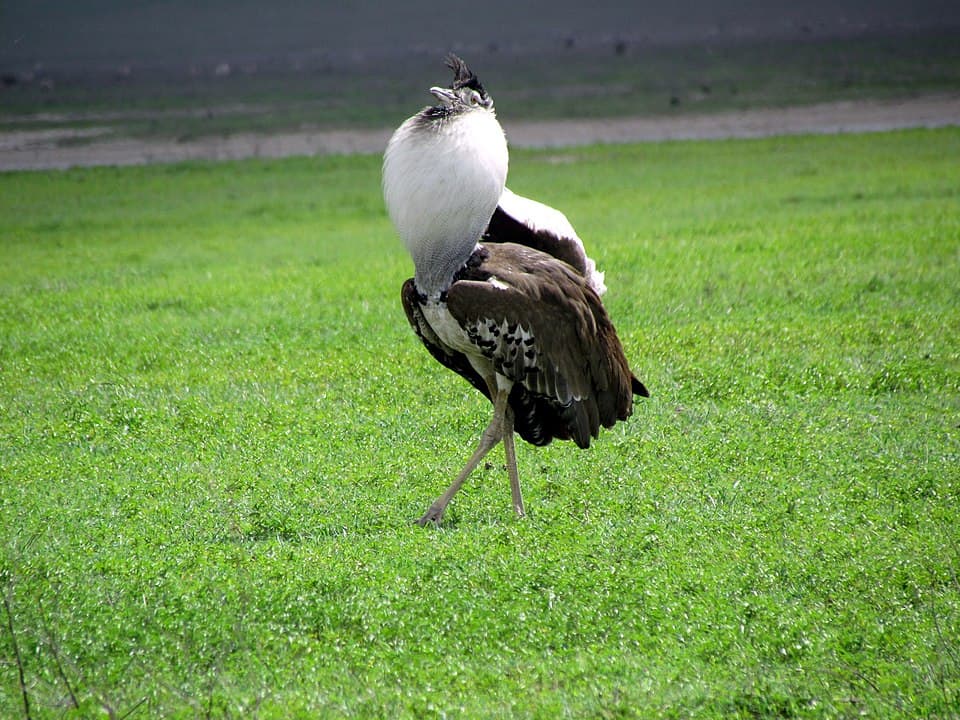
The Kori Bustard’s reproductive strategy is as impressive as its size, featuring one of the most dramatic courtship displays in the bird world. During breeding season, typically coinciding with the rainy period when food is abundant, male Kori Bustards gather in loose leks where they perform elaborate displays to attract females. The most striking element of this display involves inflating their esophagus to create a balloon-like white sac that can expand to several times the size of their head. This dramatic transformation is accompanied by fanning their tail feathers and drooping their wings to create a visually arresting white and black pattern.
Males will strut deliberately with their inflated throat sacs, occasionally emitting deep, resonating booming calls that can carry over long distances across the savanna. After mating, females assume all parental responsibilities. They create simple nest scrapes on the ground, typically hidden in tall grass, where they lay 1-2 eggs (rarely up to 4). The female incubates the eggs for approximately 23-25 days, remaining incredibly camouflaged and still during this vulnerable period. Chicks are precocial, able to walk shortly after hatching, though they remain with their mother for up to a year, learning the essential survival skills needed for life in the savanna.
Habitat and Range: Where These Giants Roam
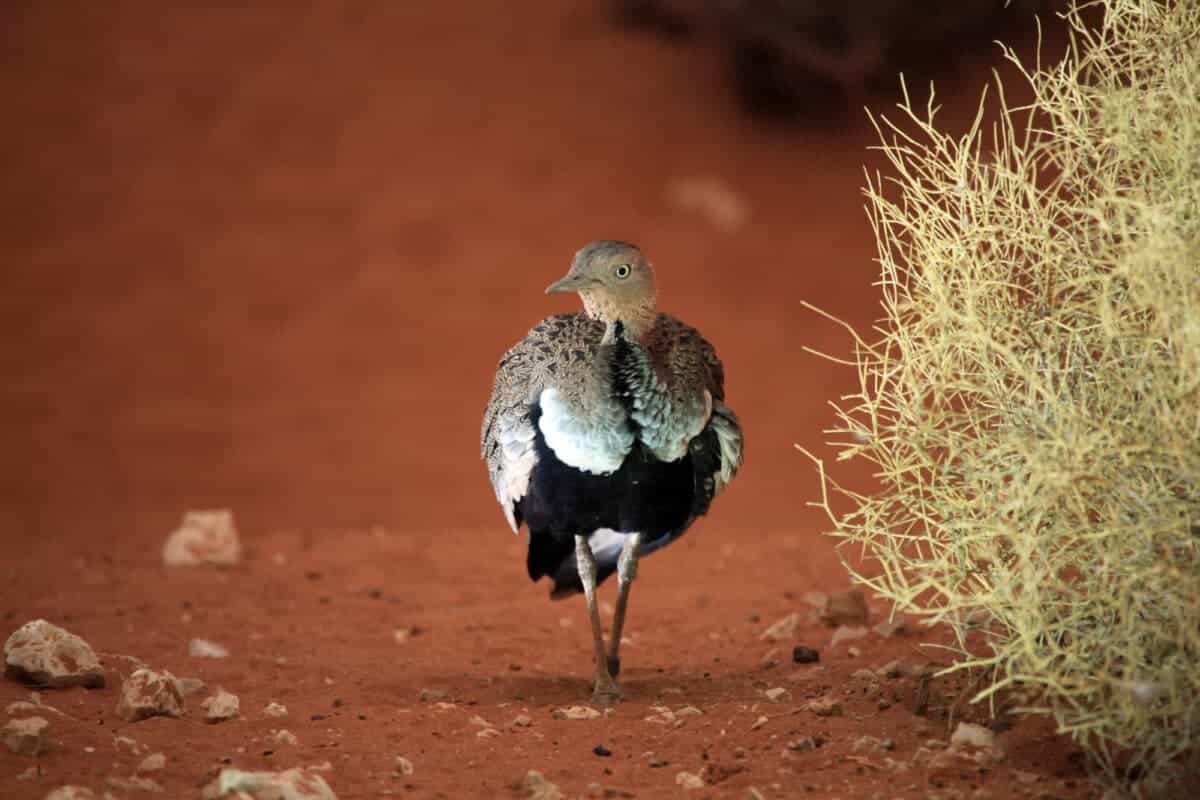
The Kori Bustard inhabits the expansive grasslands, open savannas, and semi-arid plains of eastern and southern Africa. Their distribution spans across several countries including Kenya, Tanzania, Uganda, and southern regions extending through Botswana, Namibia, Zimbabwe, and parts of South Africa. These birds show a distinct preference for areas with short grasses and scattered acacia trees, avoiding dense forests or heavily wooded areas that would restrict both their visibility and their already challenging take-offs and landings.
Within their range, Kori Bustards exhibit some seasonal movements in response to rainfall patterns and food availability, though they aren’t considered truly migratory. Their population density is typically low, with birds maintaining large home ranges that can span several square miles. They’re particularly associated with protected areas like the Serengeti Plains and Maasai Mara in East Africa, and the Kalahari region in southern Africa. These open landscapes provide the ideal combination of visibility for predator detection, sufficient food resources, and the open space needed for their infrequent but vital flights when danger threatens.
Conservation Status: Challenges Facing These Magnificent Birds
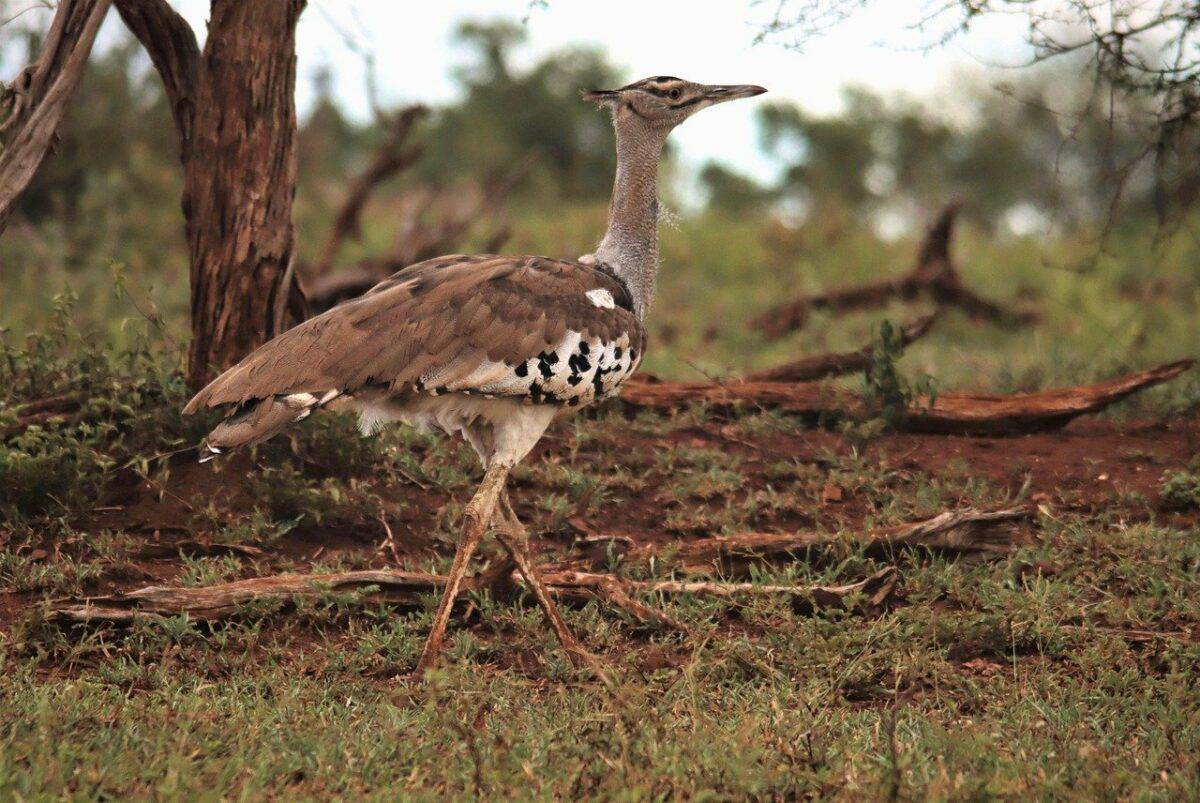
Despite their impressive size and adaptability, Kori Bustards face significant conservation challenges. The species is currently classified as Near Threatened on the IUCN Red List, with populations showing concerning declines across much of their range. The primary threats include habitat loss due to agricultural expansion, overgrazing by livestock that degrades their grassland habitats, and human development projects that fragment their territory. Their slow reproductive rate—with females typically raising only 1-2 chicks per year—makes population recovery particularly challenging.
Hunting and poaching present additional threats, as these large birds have traditionally been targeted for their meat in some regions. Their ground-nesting habit makes eggs and chicks vulnerable to introduced predators and human disturbance. Climate change poses a long-term concern, potentially altering rainfall patterns in their semi-arid habitats and affecting food availability. Conservation efforts focus on habitat protection within national parks and reserves, anti-poaching measures, and education programs in communities adjacent to Kori Bustard habitats. Some conservation organizations have initiated breeding programs, though the species’ specialized requirements make captive breeding challenging.
Cultural Significance: The Kori Bustard in Human History
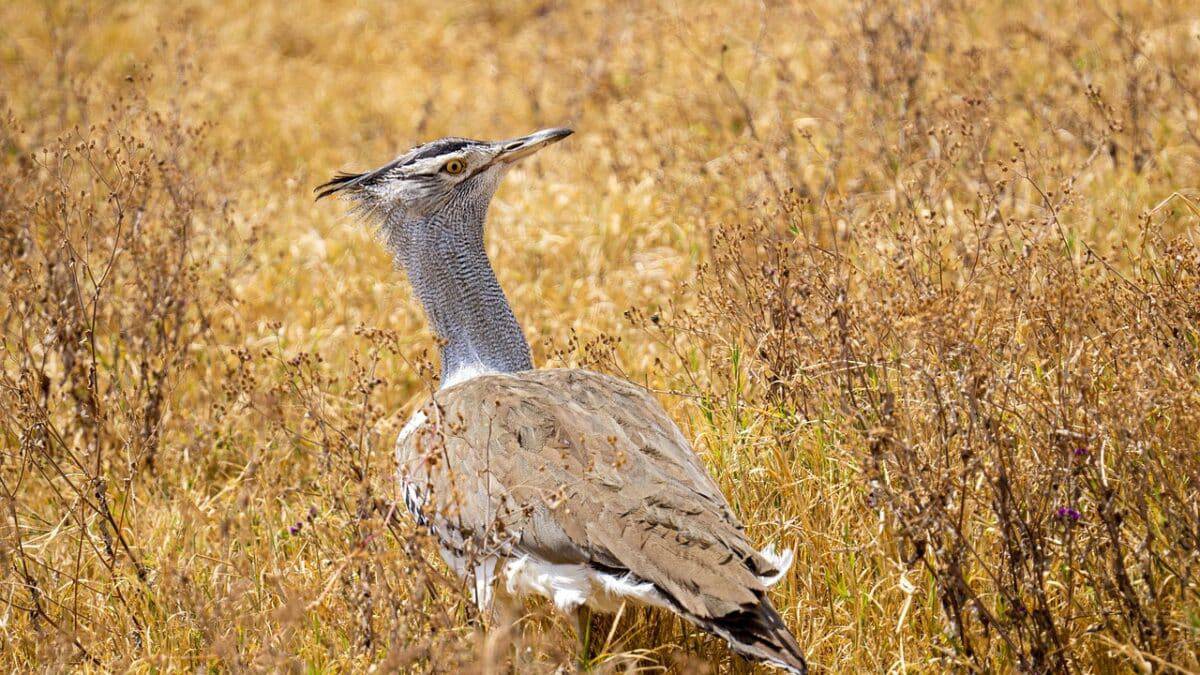
Throughout their range, Kori Bustards have featured prominently in the cultural traditions and folklore of indigenous peoples. In many East African communities, these impressive birds are seen as symbols of strength and dignity, often appearing in traditional stories and proverbs. Their distinctive appearance and behavior have made them subjects of fascination for generations of people living alongside them. In some cultures, the appearance of a Kori Bustard is considered an omen, with various interpretations depending on the context and local beliefs.
The bird’s name itself has cultural origins—”Kori” derives from a local name used by the Tswana people of southern Africa. Their impressive courtship displays have influenced traditional dances in some communities, with performers mimicking the inflated posture and strutting gait of displaying males. In modern times, Kori Bustards have become important flagship species for conservation efforts, helping to raise awareness about grassland preservation and sustainable land management. Their distinctive appearance makes them popular subjects for wildlife photography and ecotourism, providing economic incentives for their protection in many areas.
Adaptations Beyond Flight: Survival Strategies
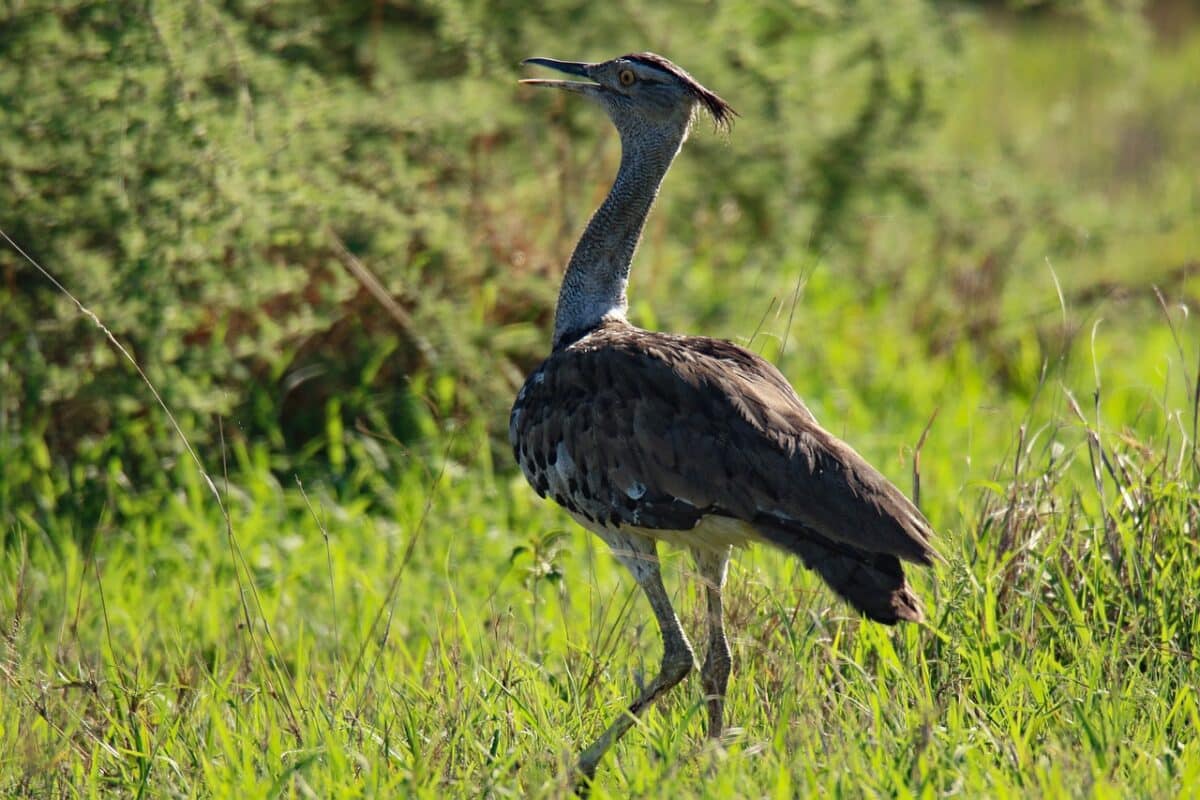
While their limited flight capability might seem like a disadvantage, Kori Bustards have developed numerous other adaptations that ensure their survival. Their excellent vision allows them to detect predators at great distances across open landscapes. When threatened, they often employ a freeze response, relying on their cryptic coloration to blend with the savanna grasses. This camouflage is particularly effective for females during nesting, who can remain virtually invisible even at close range.
Their long legs provide speed when running from danger and elevation for spotting threats. Kori Bustards have specialized physiological adaptations for water conservation, including highly efficient kidneys that produce concentrated urine and the ability to reabsorb water from fecal matter before excretion. These adaptations allow them to inhabit semi-arid regions where water is scarce. They’ve also developed behavioral adaptations to extreme temperatures, seeking shade during the hottest parts of the day and exposing different body parts to the sun to regulate temperature. During cold mornings, they may position themselves to maximize sun exposure, spreading their wings to absorb warmth before beginning their daily activities.
Other Heavy Flyers: The Kori’s Counterparts
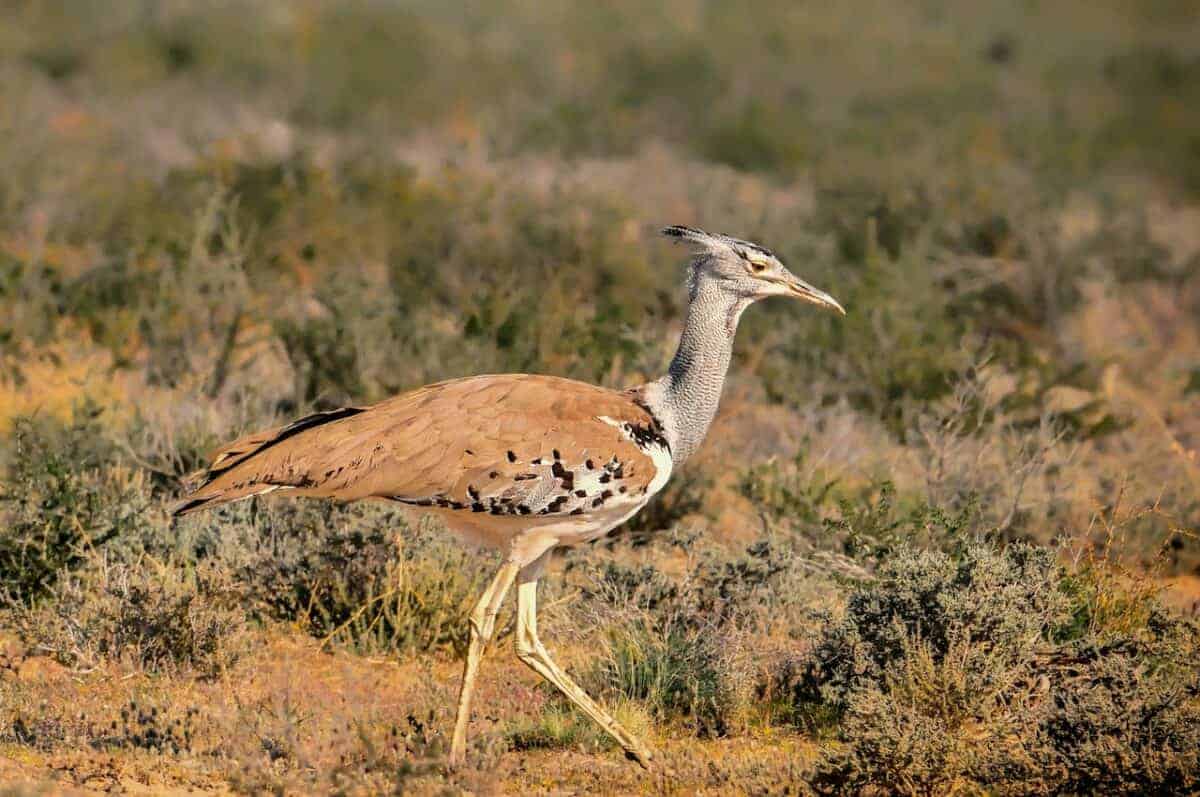
The Kori Bustard belongs to an exclusive club of exceptionally heavy flying birds that push the boundaries of aerodynamics. Its closest rival for the title of heaviest flying bird is the Great Bustard (Otis tarda) of Eurasia, with males reaching weights up to 40-46 pounds (18-21 kg). These two species represent different evolutionary approaches to the same ecological niche on separate continents. Other notably heavy flyers include the Mute Swan, which can reach weights of 26-30 pounds (12-14 kg), and the Trumpeter Swan, weighing up to 30-35 pounds (14-16 kg).
The California Condor and Andean Condor are also among the heaviest flying birds, though their weight-to-wingspan ratio is more favorable for efficient flight than bustards. The now-extinct Argentavis magnificens holds the record for the heaviest flying bird in Earth’s history, estimated to have weighed around 155-170 pounds (70-77 kg) with a wingspan of up to 23 feet (7 meters). All these heavyweight flyers share certain characteristics—they tend to rely heavily on favorable wind conditions, use minimal wing flapping, and employ specific take-off strategies like running into the wind or launching from elevated positions. The Kori Bustard represents one evolutionary solution to the challenge of maintaining flight capability while maximizing body size.
Conclusion: A Remarkable Evolutionary Balancing Act
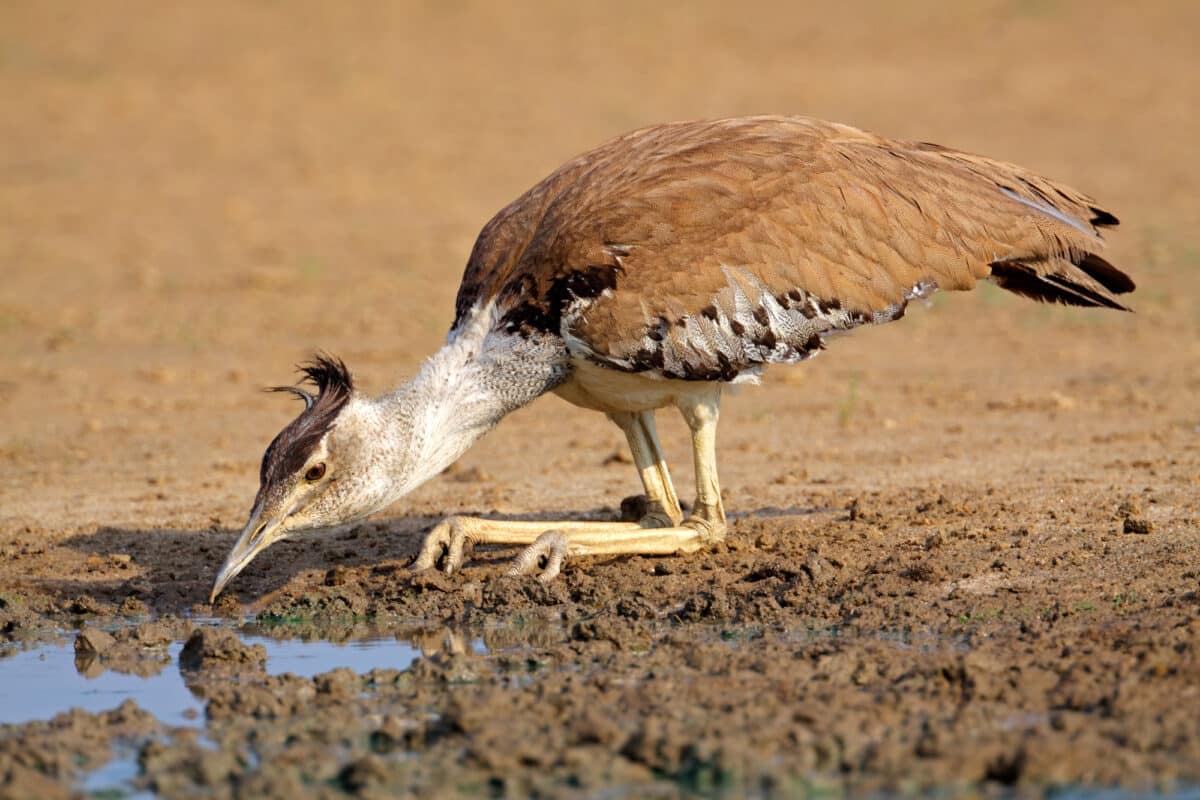
The Kori Bustard stands as a testament to nature’s ingenuity, embodying a remarkable evolutionary compromise between the advantages of substantial size and the freedom of flight. These magnificent birds have found success by occupying a unique niche—heavy enough to deter many predators and survive resource fluctuations, yet still capable of flight when absolutely necessary. Their story challenges our human tendency to view flight as an all-or-nothing proposition in the avian world.
As we face increasing environmental challenges in the 21st century, the preservation of these evolutionary marvels becomes ever more important. The Kori Bustard represents millions of years of adaptation and fine-tuning, resulting in a creature perfectly suited to its environment in ways we are still coming to understand. Their conservation requires protecting not just the birds themselves but the expansive grassland ecosystems they inhabit.
For scientists and nature enthusiasts alike, the Kori Bustard offers endless fascination—a bird that seemingly defies physics each time it laboriously takes to the air. In their massive bodies and brief, powerful flights, we witness evolution in action, a living demonstration of the trade-offs and compromises that shape all life on Earth. The Kori Bustard reminds us that in nature, success comes not from maximizing a single trait, but from finding the perfect balance for a specific ecological context.

- Beginner’s Guide to Ethical Wildlife Safaris - July 19, 2026
- The Truth About Dolphins and Human Friendships - July 19, 2026
- The Smallest Bird in the World Is So Tiny It Can Fit in a Teaspoon - July 19, 2026