

When it comes to fighting climate change, most people think about planting trees, installing solar panels, or switching to electric vehicles. Few would ever consider whale excrement as part of the solution. Yet, in recent years, scientists have been exploring an unexpected ally in the battle against rising carbon dioxide levels: whale poop. This seemingly unglamorous substance may actually play a crucial role in marine ecosystems and, by extension, our planet’s carbon cycle. The connection between cetacean waste and climate regulation highlights the intricate and often surprising ways that nature has evolved to maintain environmental balance. As researchers delve deeper into this relationship, they’re discovering that protecting whale populations could be an important piece of the climate change puzzle.
Understanding the Ocean’s Carbon Pump
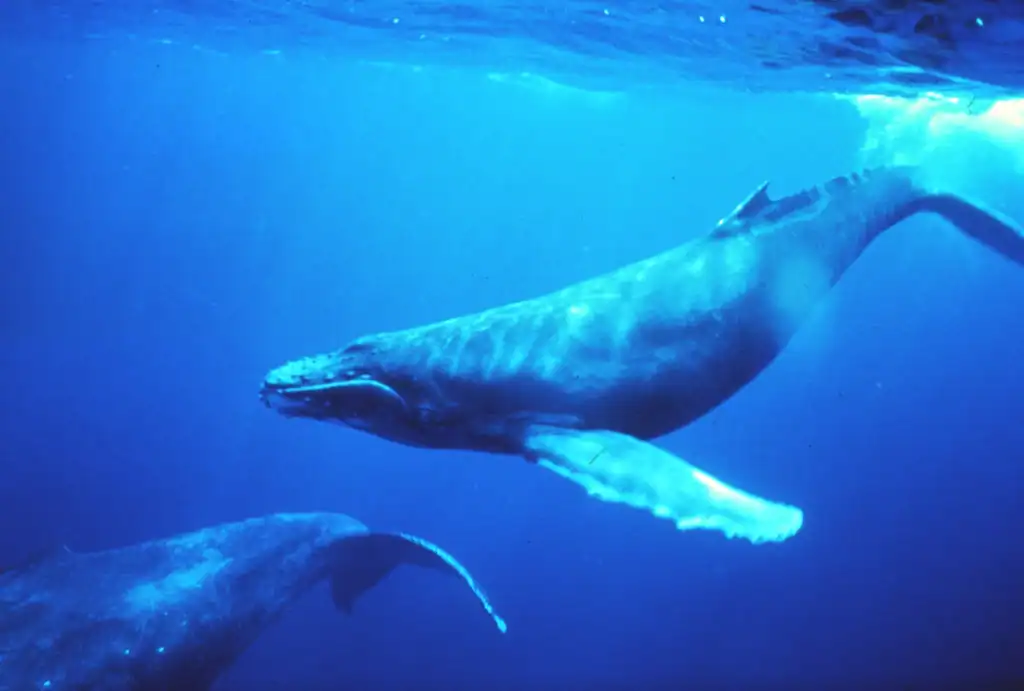
To appreciate the role of whale waste in climate regulation, we first need to understand how the ocean sequesters carbon. The ocean is Earth’s largest carbon sink, absorbing approximately 25% of all CO2 emissions. This happens through what scientists call the “biological carbon pump” – a process where marine organisms capture carbon at the surface and transport it to the deep ocean through various means. Phytoplankton, microscopic marine algae, are key players in this process. They perform photosynthesis, absorbing CO2 and converting it into organic carbon. When these tiny organisms die or are consumed by other marine life, some of their carbon sinks to the deep ocean, effectively removing it from the atmosphere for hundreds to thousands of years. This natural carbon sequestration is vital for regulating our planet’s climate, and as we’ll see, whales play a significant role in enhancing this process.
The Nutrient Cycle: How Whale Poop Feeds the Ocean
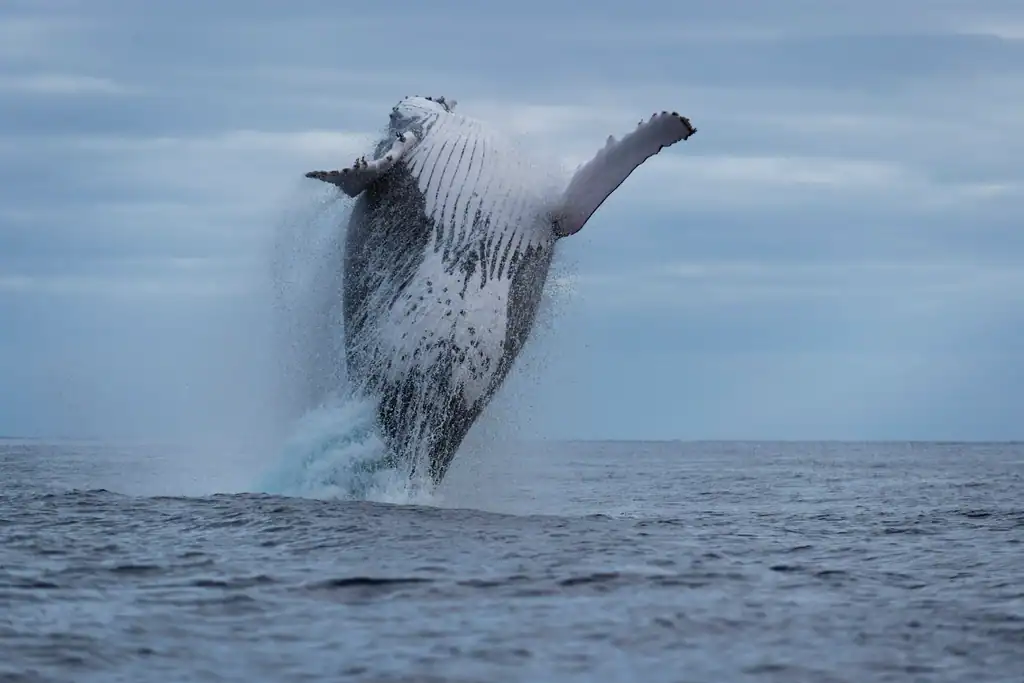
Whale feces are unlike those of most other animals – they’re typically liquid, rich in nutrients, and released near the ocean surface where they can have maximum impact. When whales feed in the deep ocean and then return to the surface to breathe and defecate, they create what scientists call a “whale pump,” moving nutrients from the depths to surface waters. These nutrient-rich feces contain high levels of iron, nitrogen, and phosphorus – essential elements that act as fertilizer for phytoplankton growth. In iron-limited regions of the ocean, such as the Southern Ocean surrounding Antarctica, whale excrement provides a critical source of this scarce nutrient. A single blue whale can release hundreds of liters of feces in one defecation event, creating a nutrient plume that can spread over large areas. This natural fertilization process stimulates phytoplankton blooms, which then absorb carbon dioxide through photosynthesis, creating a direct link between whale activity and carbon sequestration.
The Great Whale Conveyor: Vertical Carbon Transport
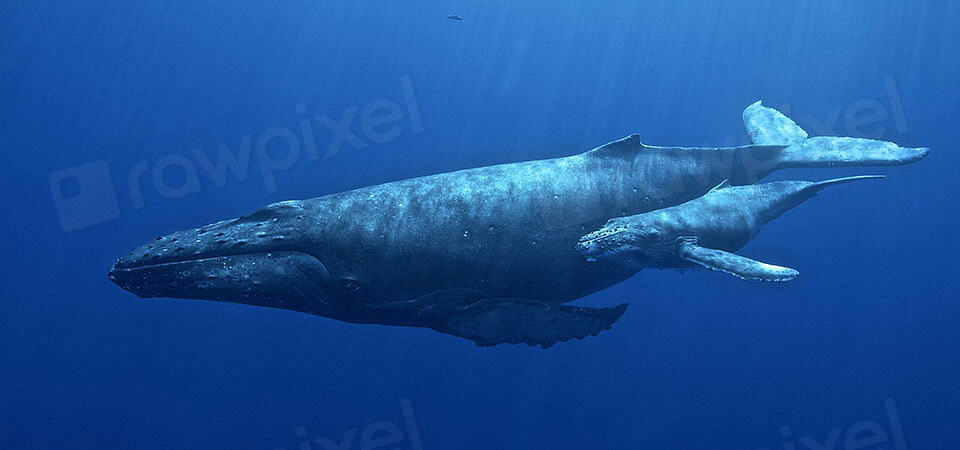
Beyond providing nutrients through their waste, whales contribute to carbon sequestration in another significant way – through their vertical movements in the water column. Large whales like sperm whales and blue whales regularly dive hundreds or even thousands of meters to feed, then return to the surface to breathe. This behavior creates what scientists call the “whale conveyor belt,” facilitating the movement of nutrients and carbon between different ocean depths. When whales consume prey in the deep and then excrete at the surface, they’re effectively transporting carbon and nutrients upward against the natural tendency for these materials to sink. Research suggests that this vertical transport can significantly enhance the efficiency of the ocean’s biological carbon pump. By bringing nutrients to phytoplankton in the sunlit surface waters, whales help maximize photosynthesis and carbon uptake in regions that would otherwise have limited productivity.
The Iron Hypothesis: Southern Ocean Fertilization

The “iron hypothesis,” first proposed by oceanographer John Martin in the late 1980s, suggests that adding iron to certain ocean regions could stimulate phytoplankton growth and increase carbon sequestration. The Southern Ocean surrounding Antarctica is particularly iron-limited, meaning that despite abundant other nutrients, phytoplankton growth is restricted by insufficient iron. This is where whale feces become especially valuable. Baleen whales that feed on krill in the Southern Ocean release iron-rich waste that can be 10 million times more concentrated with iron than the surrounding seawater. A 2010 study estimated that the pre-whaling population of sperm whales in the Southern Ocean alone would have removed hundreds of thousands of tons of carbon from the atmosphere annually through this iron fertilization effect. With whale populations now at fractions of their historical numbers due to commercial whaling, this natural iron fertilization system is operating well below its potential capacity, suggesting that whale conservation could be viewed as a form of climate action.
Quantifying the Climate Impact: The Carbon Value of Whales

Putting a number on the climate value of whales helps illustrate their importance in carbon cycling. According to research published by the International Monetary Fund, a single great whale sequesters about 33 tons of CO2 on average, taking that carbon out of the atmosphere for centuries. When considering both the carbon stored in their massive bodies and the phytoplankton growth they stimulate through their waste, each great whale provides ecosystem services worth more than $2 million in terms of carbon capture. The global population of large whales is estimated to sequester carbon equivalent to thousands of acres of forest. Economists studying this phenomenon have suggested that if we were to apply carbon pricing to the services whales provide, their value would be immense. A 2019 IMF report estimated that each great whale was worth more than $2 million, and the current stock of great whales sequesters carbon worth about $1 trillion. These figures provide a compelling economic argument for whale conservation as a climate mitigation strategy.
Whale Falls: The Final Carbon Contribution

The carbon sequestration story of whales doesn’t end with their waste – even in death, these marine giants continue to contribute to carbon storage through what scientists call “whale falls.” When a whale dies naturally, its massive carcass typically sinks to the deep ocean floor, where it creates a unique ecosystem that can last for decades while sequestering the carbon contained in its body. A single blue whale carcass can contain carbon equivalent to thousands of trees and effectively removes that carbon from circulation for centuries. The decomposition process is slow in the cold, high-pressure environment of the deep sea, meaning the carbon remains sequestered rather than returning to the atmosphere. Whale falls also provide critical habitat for hundreds of specialized deep-sea species, many of which are found nowhere else. This final contribution to the carbon cycle completes the whale’s lifelong role in climate regulation, demonstrating how these animals contribute to carbon sequestration throughout their entire lifecycle.
The Whaling Legacy: Historical Impact on Ocean Carbon
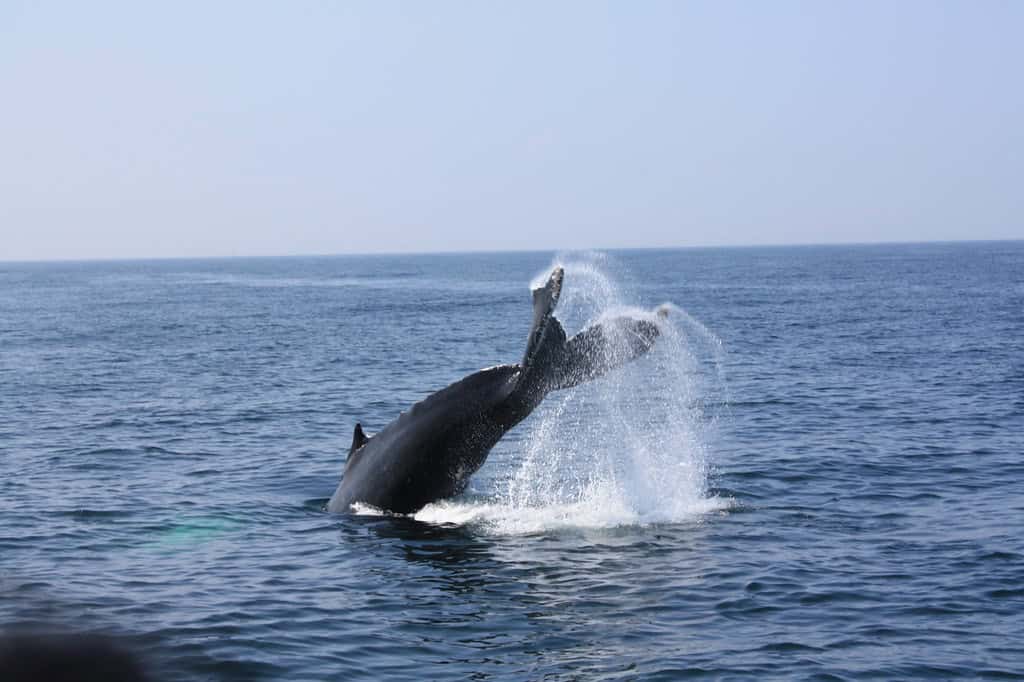
Commercial whaling throughout the 19th and 20th centuries decimated whale populations worldwide, with some species reduced to less than 10% of their pre-whaling numbers. This mass removal of whales likely had significant, though previously unconsidered, consequences for the ocean’s carbon cycle. Research suggests that the great whaling era may have removed more than 100,000 blue whales from the Southern Ocean alone – animals that would have been contributing to iron fertilization through their waste. Some scientists estimate that this reduction in whale-facilitated carbon sequestration may have resulted in additional millions of tons of carbon remaining in the atmosphere. The loss of these marine mammals likely weakened the ocean’s biological carbon pump, potentially contributing to accelerated atmospheric CO2 accumulation. This historical context provides an important perspective on how human activities can inadvertently disrupt natural carbon cycles, while also suggesting that whale recovery could help restore these natural processes.
Current Threats to Whale Populations

Despite the end of large-scale commercial whaling, whale populations face numerous threats that hinder their recovery and, by extension, limit their potential contribution to carbon sequestration. Ship strikes remain a significant cause of mortality, particularly in busy shipping lanes that overlap with whale feeding or migration routes. Entanglement in fishing gear affects thousands of whales annually, often resulting in slow, painful deaths or debilitating injuries. Ocean noise from shipping, military activities, and seismic exploration disrupts whale communication and behavior. Chemical pollution, including persistent organic pollutants, accumulates in whale blubber and can affect reproduction and immune function. Perhaps most ominously, climate change itself threatens whale populations through shifting prey distributions, ocean acidification, and changing migration patterns. The cruel irony is that the very ecosystem service these animals provide – helping mitigate climate change – is being compromised by the problem they could help solve. Addressing these threats is essential not only for whale conservation but potentially for maximizing natural carbon sequestration processes.
Conservation as Climate Action

Recognizing the climate benefits provided by whales offers a new perspective on conservation efforts. Protecting whales isn’t just about preserving magnificent creatures for their intrinsic value – it’s also a form of climate action. Several international organizations and researchers are beginning to frame whale conservation in terms of its climate benefits. The International Whaling Commission has expanded its focus beyond traditional conservation to include research on whales’ ecosystem services, including carbon sequestration. Marine protected areas that safeguard critical whale habitats can be viewed as protecting natural carbon management systems. Some economists and environmentalists have even proposed “whale carbon credits” – financial mechanisms that would recognize and incentivize the protection of whales for their carbon services. This approach would value living whales for their ongoing ecosystem contributions rather than merely as resources to be harvested. By linking whale conservation directly to climate goals, advocates hope to generate broader support for protecting these marine mammals.
Research Challenges and Knowledge Gaps
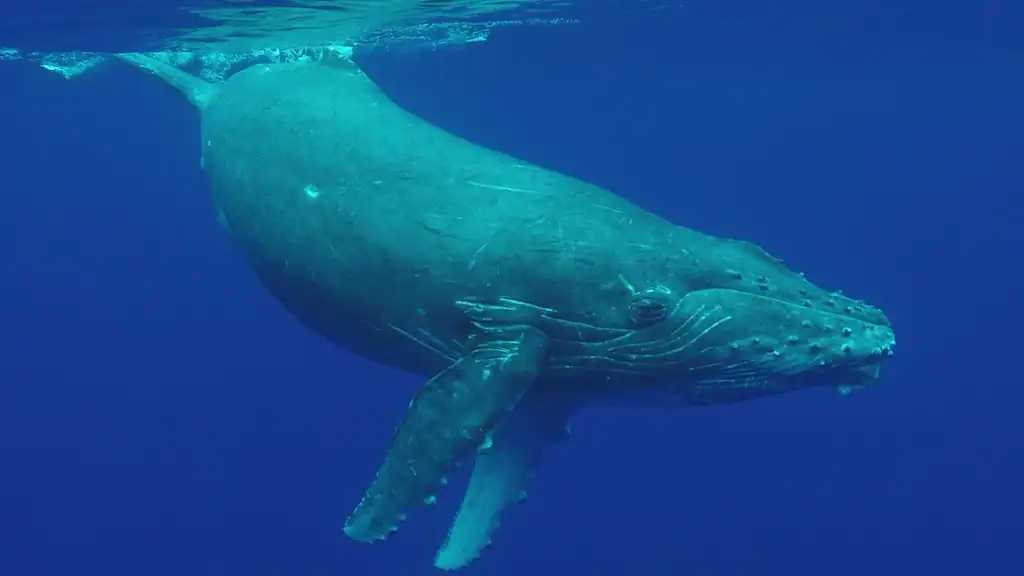
While the connection between whales and carbon sequestration is increasingly accepted, significant research challenges remain in fully quantifying this relationship. Studying large, mobile marine mammals in the open ocean presents logistical difficulties that complicate data collection. Scientists still have limited understanding of exactly how much iron and other nutrients different whale species contribute through their waste in various ocean regions. The precise relationship between whale-facilitated nutrient cycling and resulting carbon sequestration varies by location and oceanographic conditions, making global estimates difficult. Additionally, separating the impact of whales from other factors influencing phytoplankton growth requires complex modeling and field studies. Some researchers have proposed using environmental DNA techniques to better track whale presence and activity, while others are developing improved satellite monitoring of phytoplankton blooms in relation to whale movements. Despite these challenges, the growing body of research consistently indicates that whales play a meaningful role in ocean carbon cycling, with potentially significant implications for climate regulation.
Beyond Whales: Other Marine Mammals and Carbon Cycling
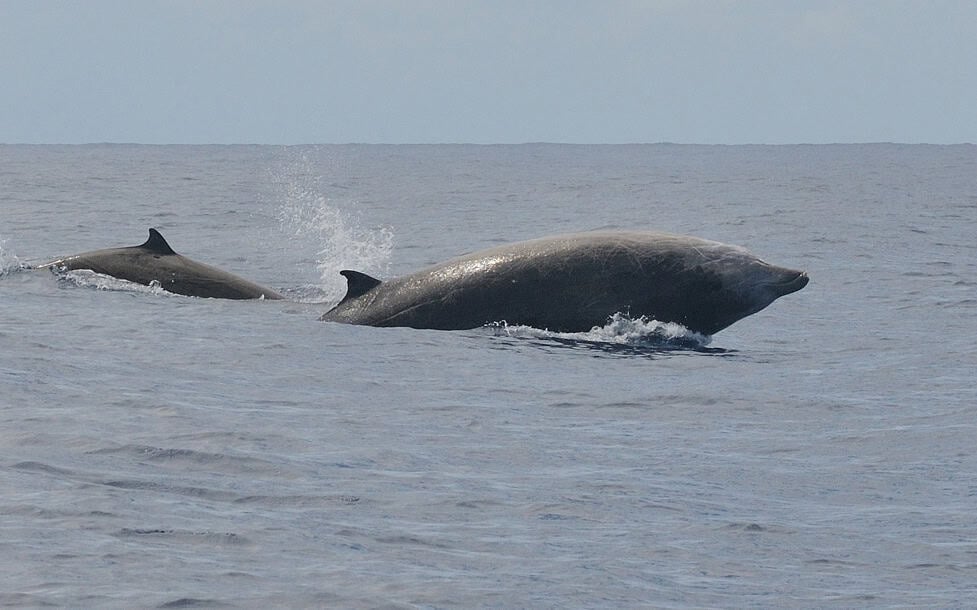
While large whales receive the most attention for their carbon-sequestering potential, other marine mammals also contribute to nutrient cycling and carbon capture in marine ecosystems. Dolphins, porpoises, and smaller whale species participate in similar nutrient cycling through their waste, though at smaller scales individually. Together, their collective impact may be significant. Seals, sea lions, and walruses, despite being partially terrestrial, also contribute to marine nutrient cycling during their extensive time at sea. When these animals feed in one area and deposit waste in another, they create important nutrient connections between different marine environments. Even sea otters indirectly contribute to carbon sequestration by controlling sea urchin populations that would otherwise decimate kelp forests – important coastal carbon sinks. These various contributions highlight how marine mammals collectively form an integrated network of carbon and nutrient management in ocean ecosystems. The complex interactions between these species and their environments further emphasize the importance of holistic marine conservation for maintaining natural carbon cycles.
Conclusion: Whales as Climate Allies

The relationship between whale poop and climate change represents a perfect example of how natural systems can help address environmental challenges when allowed to function at full capacity. While no single solution will solve the climate crisis, the contribution of whales to carbon sequestration offers a compelling argument for integrating ecosystem protection into our climate strategies. By protecting whales and helping their populations recover toward pre-whaling levels, we may be able to enhance the ocean’s natural carbon-capturing capabilities. This understanding transforms whale conservation from a purely conservation-focused endeavor to an important climate action strategy. As we continue to search for solutions to climate change, perhaps we should look not only to new technologies but also to restoring the natural processes that have been regulating Earth’s climate for millions of years. The humble whale, through its most basic bodily function, reminds us that sometimes nature already has elegant solutions to our most pressing environmental problems – if only we allow these systems to thrive.

- 10 Fastest Racing Dog Breeds You Must Know - July 19, 2026
- The Story of the Arctic Fox’s Incredible Seasonal Transformation - July 18, 2026
- 10 Most Venomous Snakes in US National Parks - July 18, 2026