

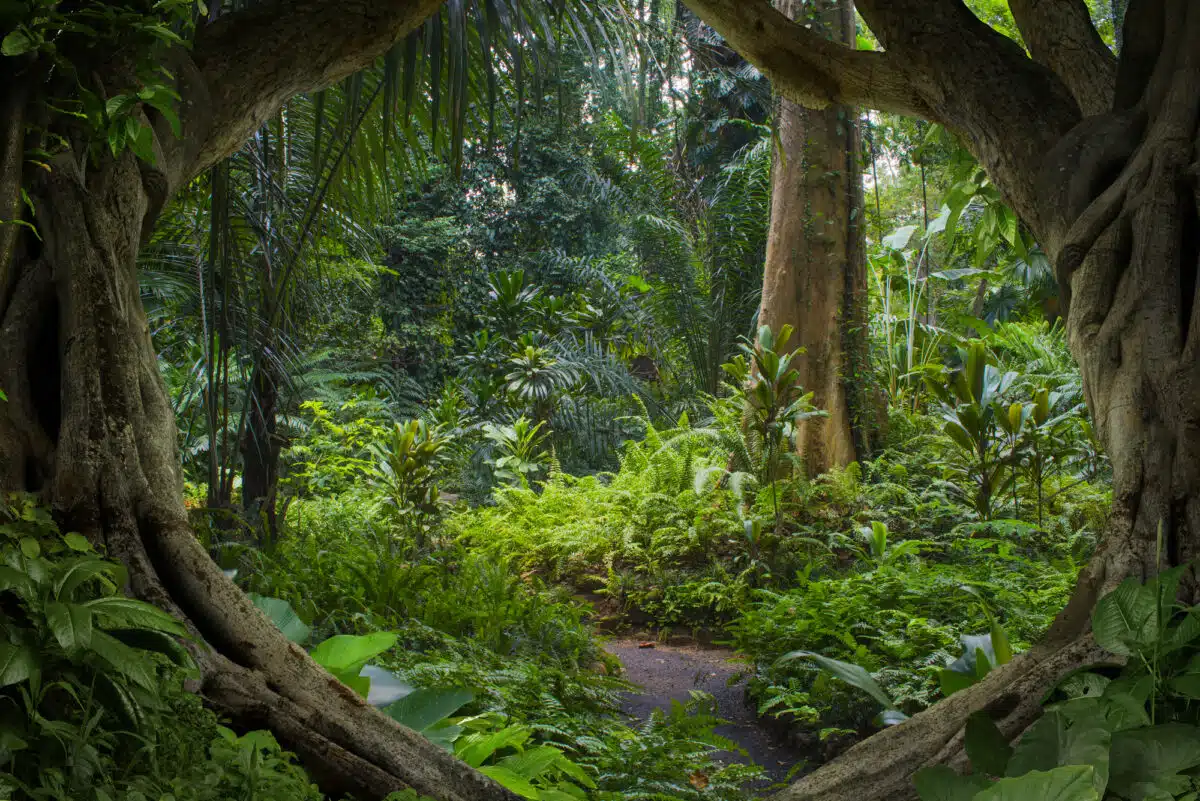
The phrase “king of the jungle” has been deeply embedded in our collective consciousness, often conjuring images of a majestic lion with its impressive mane standing proudly on a savanna. For generations, children’s books, movies, and cultural references have reinforced this royal title for the lion. However, the reality behind this famous moniker is far more complex and, in many ways, contradictory to what we’ve been led to believe. This article explores the truth behind the concept of the “jungle king,” examining whether any single animal truly deserves this title, the ecological realities that challenge our preconceptions, and how different cultures around the world have assigned royal status to various predators throughout history.
The Origin of the “King of the Jungle” Phrase

The phrase “king of the jungle” emerged from colonial-era literature and hunting narratives, particularly during the British occupation of India. The term gained popularity through Rudyard Kipling’s “The Jungle Book” (1894) and other writings that romanticized exotic wildlife. Interestingly, the Sanskrit word “जङ्गल” (jangala), from which “jungle” derives, originally referred not to dense forests but to uncultivated land, including grasslands and scrublands where lions lived in the Indian subcontinent.
Over time, the phrase was reinforced through cultural transmission—appearing in children’s stories, films, and various media portrayals. By the mid-20th century, the lion had firmly secured its place in Western culture as the “king of the jungle,” despite the ecological contradiction this title represents. The persistence of this misnomer illustrates how cultural narratives can override geographical and biological realities, cementing inaccurate perceptions that persist for generations.
Lions: Kings of the Savanna, Not the Jungle

Despite being crowned “kings of the jungle,” lions (Panthera leo) actually inhabit grasslands, savannas, and open woodlands—not dense jungles or rainforests. These social big cats thrive in the open landscapes of sub-Saharan Africa, with a small population also found in India’s Gir Forest. Their habitat preference is directly tied to their hunting strategy, which relies on stalking prey across open terrain rather than navigating thick forest undergrowth.
Lion prides, typically consisting of related females, their cubs, and a small number of adult males, establish territories spanning 100-400 square kilometers in savanna ecosystems. Their tawny coloration provides excellent camouflage among the golden grasses, and their social structure allows for cooperative hunting techniques that would be impractical in dense jungle environments. This ecological reality makes the “king of the jungle” title particularly ironic, as lions would struggle to survive in the tangled vegetation of actual jungle habitats where visibility is limited and their cooperative hunting strategies would be hindered.
Tigers: The True Jungle Royalty?
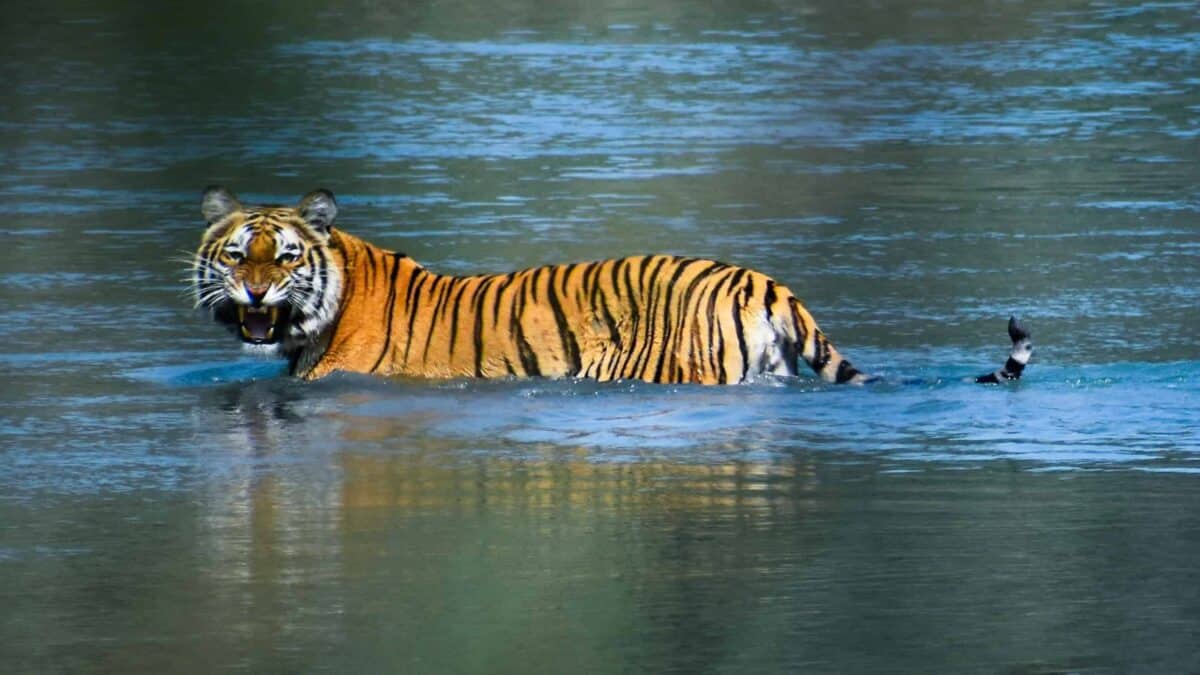
If any big cat deserves the title “king of the jungle,” the tiger (Panthera tigris) would be a more appropriate candidate. Unlike lions, tigers are solitary predators that have evolved specifically to thrive in forested environments. Their distinctive orange coat with black stripes provides remarkable camouflage among the dappled light and shadows of dense forests. Tigers inhabit a variety of forest types across Asia, including tropical rainforests, mangrove swamps, and temperate forests, demonstrating their adaptability to genuine jungle ecosystems.
Tigers possess physical adaptations that make them formidable jungle predators, including powerful swimming abilities, exceptional night vision, and the strength to carry prey twice their weight up trees to avoid scavengers. The largest subspecies, the Siberian tiger, can reach weights exceeding 300 kg (660 lbs), making it the largest of all cats. Despite being perfectly adapted to jungle environments, tigers never received the same cultural coronation as lions in Western tradition, although many Asian cultures do recognize them as symbols of power and royalty. This discrepancy highlights how cultural perceptions, rather than ecological realities, often determine which animals receive royal designations.
Jaguars: Apex Predators of the Rainforest

In the dense rainforests of Central and South America, the jaguar (Panthera onca) reigns as the undisputed apex predator. With the strongest bite force relative to size of any big cat, jaguars have evolved a unique killing technique—they can pierce the skulls of prey with their powerful jaws, a feat no other big cat can accomplish. Their stocky build, powerful limbs, and rosette-patterned coat make them perfectly adapted to the jungle environment where they operate as both terrestrial hunters and accomplished swimmers.
Jaguars are deeply integrated into the ecology of Neotropical rainforests, hunting more than 85 different species and helping maintain ecosystem balance through predator-prey relationships. Pre-Columbian civilizations like the Maya, Aztec, and Inca recognized the jaguar’s dominance, incorporating it into their religious symbolism and associating it with royalty and divine power. Shamans and rulers often wore jaguar pelts and adopted jaguar attributes in ceremonies. From an ecological perspective, jaguars have a stronger claim to being the “kings” of their jungle habitats than lions do, as they actually evolved within and dominate these environments.
Gorillas: The Gentle Giants of the Forest

While predatory cats often dominate discussions of jungle royalty, the gorilla (particularly the eastern gorilla, Gorilla beringei) presents a compelling alternative candidate. As the largest living primates, male mountain gorillas can weigh up to 220 kg (485 lbs) and possess incredible strength—estimated to be about 10 times that of an adult human. Despite their imposing size and power, gorillas are primarily herbivorous, consuming vast quantities of vegetation daily to sustain their massive frames.
Gorilla social structure features a dominant silverback male who leads the group, protects territory, mediates conflicts, and makes decisions about feeding sites and movement patterns. This patriarchal leadership, combined with their physical dominance within their forest habitat, mirrors human concepts of kingship. Indigenous peoples who share the gorilla’s forest habitat have long recognized these great apes’ significance, viewing them with a mixture of respect and fear. Unlike the fierce predators typically associated with royal status, gorillas represent a different kind of forest monarch—one whose power is exercised through protection rather than predation, offering an interesting counterpoint to predator-based concepts of animal kingship.
Elephants: The Ecosystem Engineers
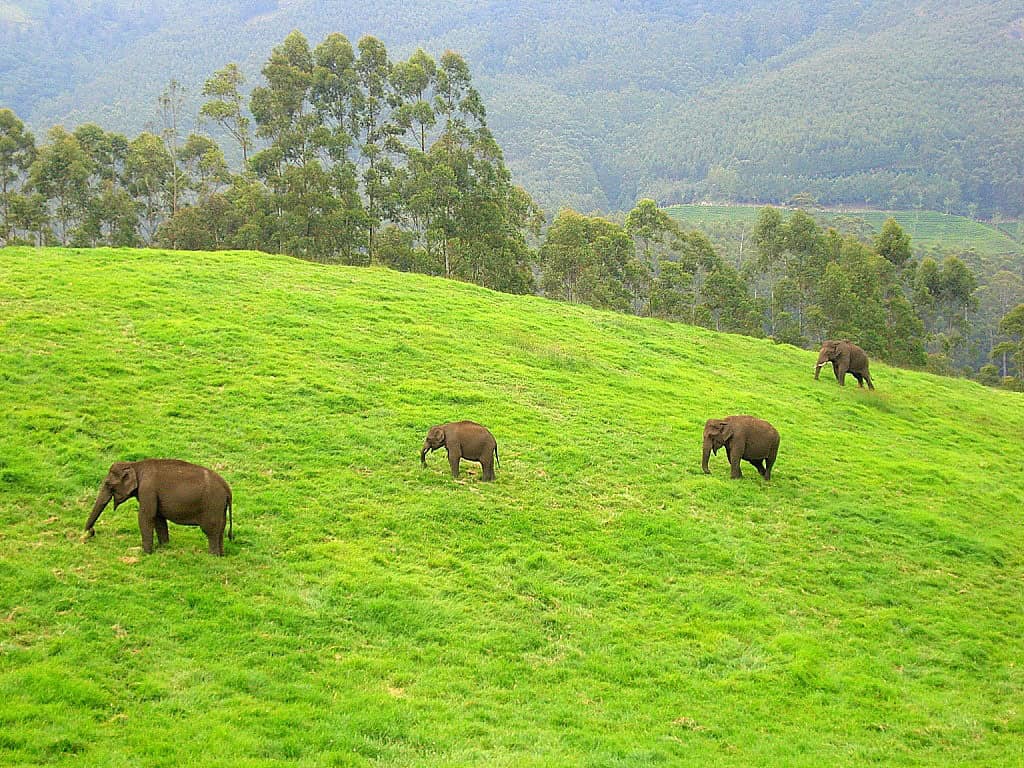
African forest elephants (Loxodonta cyclotis) and Asian elephants (Elephas maximus) that inhabit forested regions wield enormous influence over their environments, earning them consideration as potential “kings of the jungle.” These massive mammals act as ecosystem engineers, reshaping forest structure by creating clearings, dispersing seeds, and maintaining paths that serve as wildlife corridors. Their intelligence, complex social structures, and remarkable problem-solving abilities place them among the most cognitively advanced animals on Earth.
Elephant herds are typically led by the oldest female, known as the matriarch, whose decades of accumulated knowledge guides the family group to water sources, feeding grounds, and mineral deposits essential for survival. This matriarchal leadership provides an interesting challenge to the male-dominated concept of animal “kingship.” In many African and Asian cultures, elephants have been revered as symbols of wisdom, strength, and royal power for thousands of years. Hindu mythology features the elephant-headed deity Ganesha, while several African kingdoms incorporated elephant symbolism into royal regalia. Their status as the largest land animals, combined with their profound ecological impact and cultural significance, makes elephants strong contenders for jungle royalty from both scientific and cultural perspectives.
Snakes: Symbolic Rulers of the Underbrush

In many tropical cultures, large constrictors like pythons and anacondas are considered the true rulers of the jungle. The green anaconda (Eunectes murinus), found in the Amazon rainforest, can reach lengths over 5 meters (16 feet) and weights exceeding 200 kg (440 lbs), making it the heaviest snake in the world. These massive reptiles occupy a unique ecological niche as ambush predators capable of taking down prey as large as caimans, capybaras, and occasionally jaguars—putting them in direct competition with mammalian apex predators.
Throughout history, serpents have been powerful symbols in human mythology, often associated with primordial power, wisdom, and rulership. In Mesoamerican cultures, the feathered serpent deity Quetzalcoatl represented wisdom and creation, while in Southeast Asian traditions, the nāga serpent spirits were believed to control rainfall and fertility. In Amazonian shamanic traditions, anacondas and other large snakes are considered masters of the aquatic realm and powerful spiritual entities. Their ability to move between water, land, and trees, combined with their deadly efficiency as predators, has cemented their status as symbolic rulers of the jungle in many indigenous cosmologies, offering yet another perspective on what constitutes jungle royalty.
Crocodiles: Ancient Rulers of Waterways

Within jungle river systems, crocodilians represent another form of apex predator with legitimate claims to royalty status. The saltwater crocodile (Crocodylus porosus), which inhabits mangrove swamps and river systems throughout Southeast Asia and Oceania, is the largest living reptile and can reach lengths exceeding 6 meters (20 feet). These ancient predators have remained virtually unchanged for over 200 million years, outlasting the dinosaurs and countless mammalian competitors through their extraordinary adaptability and hunting prowess.
Crocodiles occupy a critical ecological position in tropical waterways, controlling populations of fish and terrestrial animals that come to drink. Their ambush hunting strategy—remaining motionless for hours before explosively lunging at prey—has made them objects of both fear and reverence in cultures throughout their range. In ancient Egypt, the crocodile-headed god Sobek represented pharaonic power and fertility, while Aboriginal Australian traditions feature crocodile creator beings. The West African Lebu people traditionally held ceremonies honoring crocodiles as sacred ancestors. From a biological perspective, crocodiles’ longevity as a species, their position at the top of aquatic food chains, and their surprising parental care behaviors make them compelling candidates for “kings” of jungle waterways.
Cultural Perspectives on Animal Kingship

The concept of animal “kingship” varies dramatically across cultures, reflecting different values, ecological realities, and spiritual beliefs. In India, while tigers were hunted as prestigious trophies by colonial-era hunters, they were simultaneously revered as manifestations of power and divinity. The Hindu goddess Durga rides a tiger, symbolizing her mastery over raw power. Similarly, in Chinese culture, the tiger is one of the four sacred animals, representing strength, courage, and the ability to ward off evil spirits—attributes associated with righteous rulership.
African traditions offer equally diverse perspectives on animal royalty. Among the Maasai, lions are respected as formidable adversaries but not necessarily revered as kings. Instead, the elephant often receives greater spiritual significance as a symbol of wise leadership. In West African folklore, the trickster spider Anansi frequently outsmarts physically stronger animals, suggesting that cunning rather than brute strength determines true leadership. These cultural variations demonstrate that the Western conception of the lion as the universal “king of beasts” represents just one perspective among many, and often reflects colonial impositions rather than indigenous understandings of ecological relationships.
The Ecological Reality: Ecosystem Roles vs. Royal Titles

From an ecological perspective, the concept of a single “king of the jungle” is fundamentally flawed. Healthy ecosystems function through complex networks of relationships rather than hierarchical power structures. Different predators often specialize in different prey, hunting techniques, and habitats, creating a balanced system where no single species truly “rules” over all others. For example, in the Amazon rainforest, jaguars may dominate terrestrial prey, while harpy eagles control the canopy, and black caimans rule the waterways—each “king” of its own domain but interdependent with the others.
Modern ecological understanding emphasizes the importance of keystone species—those that have disproportionately large effects on their environment relative to their abundance. Predators like tigers and jaguars certainly qualify as keystone species, but so do seemingly less imposing creatures like bees, which pollinate countless plant species, or earthworms, which engineer soil structure. This scientific perspective challenges anthropomorphic notions of animal kingship based on size, strength, or hunting prowess alone, suggesting that true ecological “importance” may not align with traditional concepts of royalty at all.
Conservation Implications of Royal Symbolism

The symbolic elevation of certain species to “royal” status has significant implications for conservation efforts. Species like lions, tigers, and elephants benefit from their charismatic appeal, often serving as flagship species that attract funding and public support for broader conservation initiatives. Their protected status can create “umbrella effects” that shield less charismatic species sharing the same habitat. For example, tiger conservation in India simultaneously protects hundreds of other species living in the same forests.
However, this focus on charismatic megafauna can sometimes divert attention and resources from equally threatened but less celebrated species. Critical ecosystem functions are often performed by unheralded organisms like fungi, insects, and small reptiles that rarely feature in conservation marketing campaigns. Additionally, the portrayal of predators as “kings” can sometimes create unrealistic expectations about their behavior and role, potentially complicating human-wildlife conflict resolution efforts. Conservation biologists increasingly advocate for ecosystem-based approaches that recognize the interconnected nature of all species rather than elevating a select few to royal status.
Conclusion: A Kingdom Without a Single King

The question “Is there a real-life king of the jungle?” ultimately reveals more about human psychology and cultural projection than it does about natural ecosystems. While lions have traditionally held this title in Western imagination, ecological reality presents a much more complex picture where tigers, jaguars, elephants, gorillas, and other species all have legitimate claims to importance within their respective habitats. The very notion of a jungle “king” imposes human concepts of hierarchy and dominance onto ecological systems that function through interdependence rather than autocratic rule.
Perhaps the most accurate answer is that each ecosystem has multiple “royals”—keystone species that shape their environments in crucial ways. Tigers patrol Asian forests, jaguars roam South American rainforests, gorillas shape African mountain forests, and countless other species perform essential roles that maintain the integrity of these complex systems. This recognition of distributed importance, rather than centralized power, better reflects the reality of natural systems.
As we continue to learn about the intricate relationships within ecosystems, we might move beyond simplistic coronations to appreciate the complex web of life where every species plays a vital role. The true marvel of nature lies not in identifying a single king, but in understanding the remarkable democracy of the wild, where countless species have evolved together in a delicate balance that has sustained life for millions of years. This perspective not only provides a more accurate view of natural systems but also encourages more holistic approaches to conservation that protect entire ecosystems rather than just their most charismatic inhabitants.

From exploring the marine wonders in the Azores and witnessing the vast savannas of Kenya, to delving deep into the rich biodiversity of South Africa and traversing iconic landscapes in Australia and the US like Yellowstone, Chris's experiences are vast.
With a penchant for diving alongside sharks, the ocean holds a special place in his heart.
Through his academic insights, he champions wildlife conservation, striving with 'Animals Around The Globe' to cultivate a profound connection between humans and animals, enhancing our mutual appreciation.
Connect with him at Feedback@animalsaroundtheglobe.com.
- Why Spiders Don’t Get Stuck in Their Own Webs - July 20, 2026
- What Scientists Found in a 10,000-Year-Old Beehive - July 20, 2026
- This Spider Builds Fake Decoys of Itself - July 20, 2026