

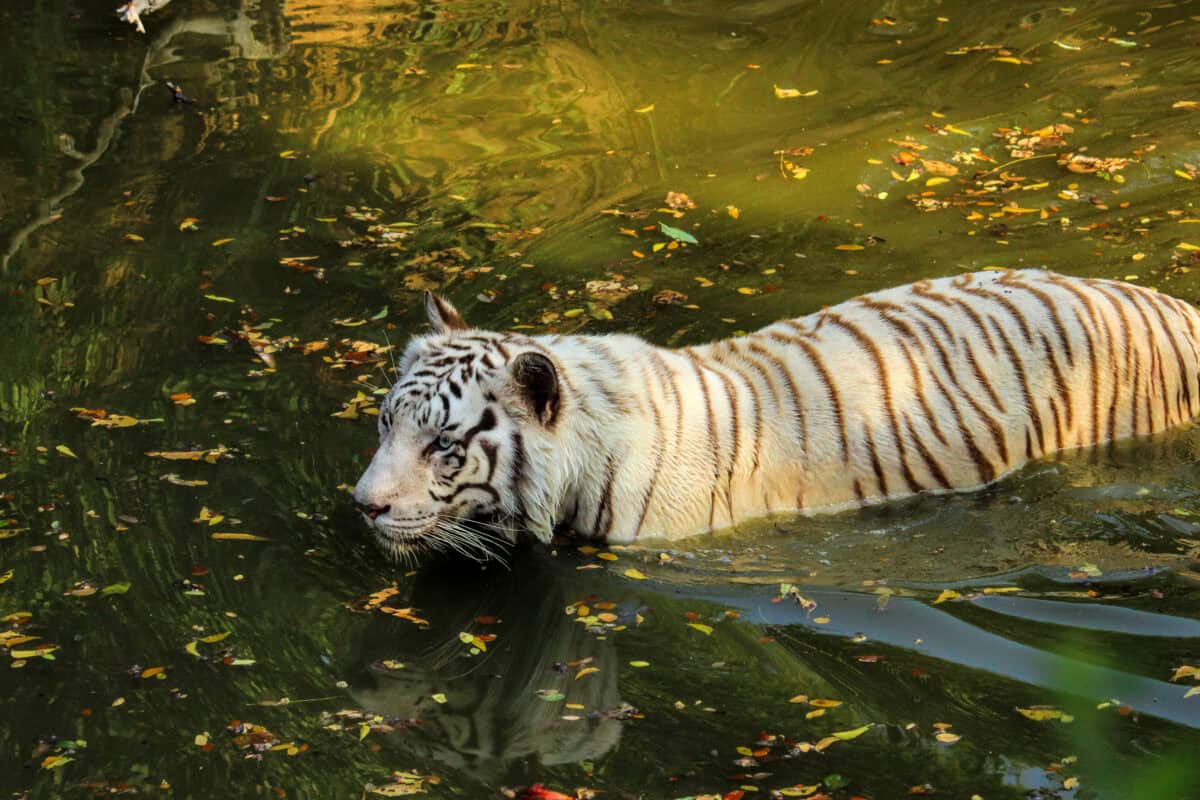
The majestic white tiger, with its striking alabaster fur and mesmerizing blue eyes, has captivated the human imagination for centuries. These beautiful creatures have been featured in mythology, showcased in zoos worldwide, and even starred in famous entertainment acts. But despite their unique appearance that sets them apart from their orange counterparts, white tigers aren’t a separate species or subspecies of tiger. This surprising fact often comes as a revelation to many wildlife enthusiasts and casual observers alike. The reality behind white tigers involves genetics, breeding practices, and conservation concerns that paint a complex picture beyond their stunning appearance. Let’s explore the fascinating truth about these magnificent animals, their place in the tiger family, and why understanding their true nature matters for tiger conservation worldwide.
The Genetic Truth Behind White Tigers

White tigers are Bengal tigers (Panthera tigris tigris) with a genetic mutation that affects their coloration. This mutation in a gene called SLC45A2 inhibits the production of pheomelanin, which creates the orange pigment in typical Bengal tigers. The mutation doesn’t create a new species but rather a color variation within the same species, similar to how humans can have different hair colors while remaining the same species.
This genetic mutation is recessive, meaning a tiger must inherit two copies of the gene (one from each parent) to display the white coat. Tigers with just one copy of the mutation appear normal orange but carry the white gene. When two carriers mate, approximately 25% of their cubs will be white. In the wild, this mutation occurs naturally but extremely rarely—estimated at about 1 in 10,000 births—which explains why white tigers were considered almost mythical creatures for centuries.
Historical Sightings and Capture
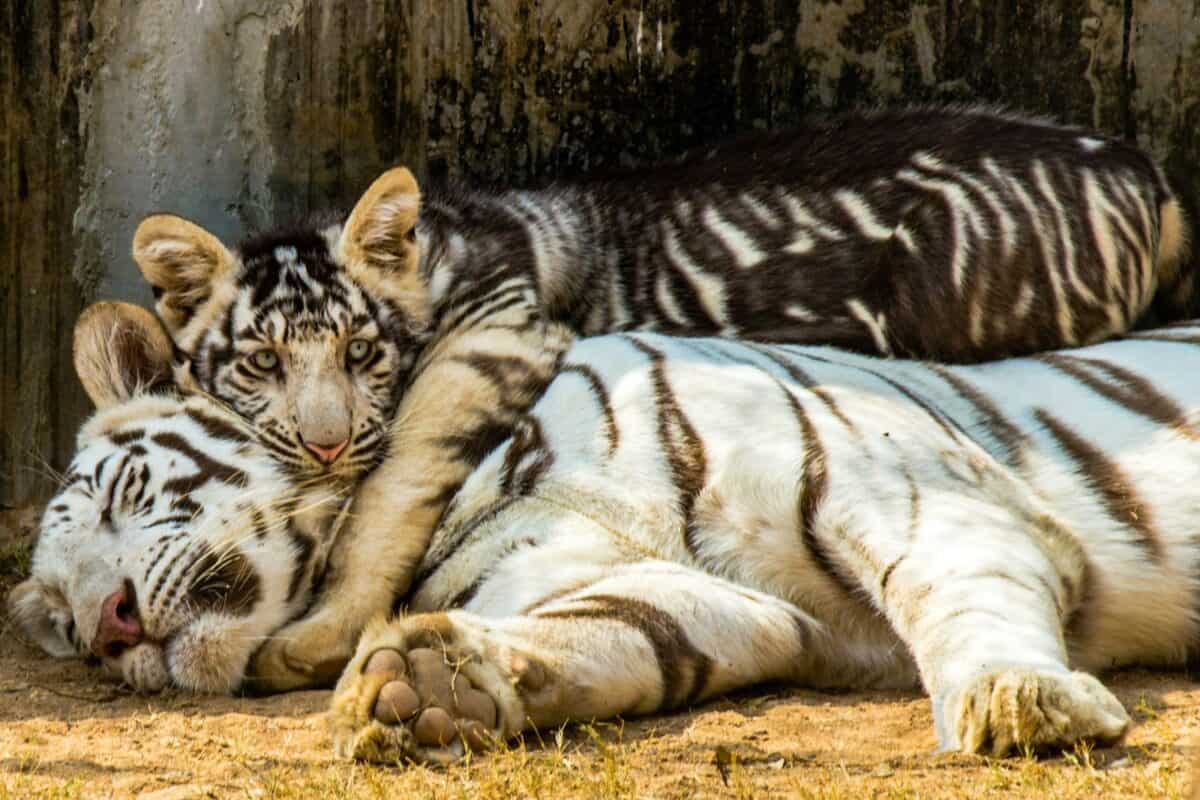
The first recorded capture of a white tiger occurred in 1820 in India, where most historical sightings originated. These rare creatures were highly prized by Indian maharajas, who considered white tigers symbols of power and prestige. The Maharaja of Rewa, in particular, became famous for the white tigers in his collection after capturing a male cub named Mohan in 1951. This tiger would later become crucial to the white tiger bloodline seen in captivity today.
Before modern breeding programs, white tigers were exclusively found in the wild in India, primarily in the Rewa region (now part of Madhya Pradesh). Their rarity made each sighting a noteworthy event, often recorded in historical documents and local legends. The last known wild white tiger was shot in 1958, and since then, white tigers have existed almost exclusively in captivity, with no confirmed wild sightings in recent decades.
The Mohan Legacy: Beginning of Captive Breeding
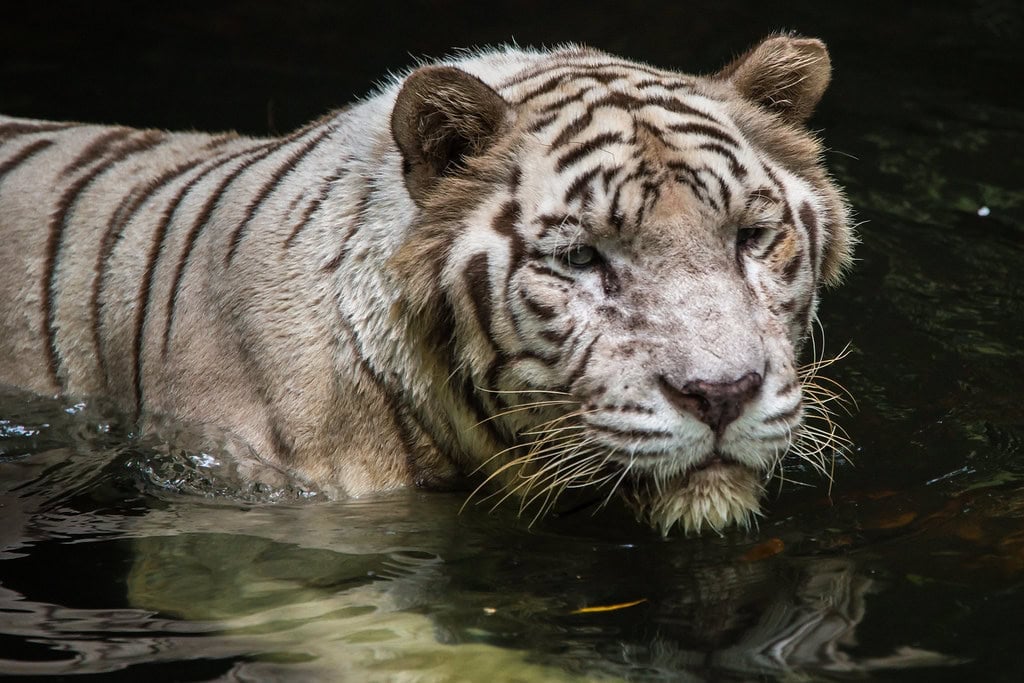
The captive breeding of white tigers began with a single white male tiger named Mohan, captured in 1951 by the Maharaja of Rewa. Unable to find a white female for Mohan, the Maharaja bred him with an orange female, producing orange offspring that carried the recessive white gene. The breakthrough came when Mohan was later bred with his daughter Radha, resulting in the first captive-born white tigers in 1958.
This practice of breeding Mohan with his own offspring established the foundation of virtually all white tigers in captivity today. Genetic testing has revealed that every white tiger in North American zoos descends from Mohan’s lineage. This limited genetic pool has had profound implications for the health and ethical considerations surrounding white tiger breeding, as we’ll explore later. The Mohan legacy demonstrates how a single specimen can influence an entire captive population through selective breeding practices.
White Tigers vs. Orange Tigers: Physical Differences

Beyond their striking coat color, white tigers display several physical characteristics that distinguish them from their orange counterparts. Most notably, white tigers typically have blue eyes compared to the amber eyes of orange tigers. This blue coloration results from the same genetic mutation that affects their fur. White tigers also feature chocolate to black stripes rather than the dark brown stripes seen on orange tigers, creating a stunning contrast against their creamy white background.
Interestingly, white tigers often grow larger and faster than orange tigers in the same conditions, though scientists haven’t fully explained this phenomenon. Some white tigers also display a pink nose and paw pads instead of the black commonly seen in orange tigers. Despite these visible differences, their internal anatomy, muscular structure, and overall biological makeup remain identical to those of orange tigers—further evidence that they are not a separate species but merely a color variant within the Bengal tiger subspecies.
The Inbreeding Problem
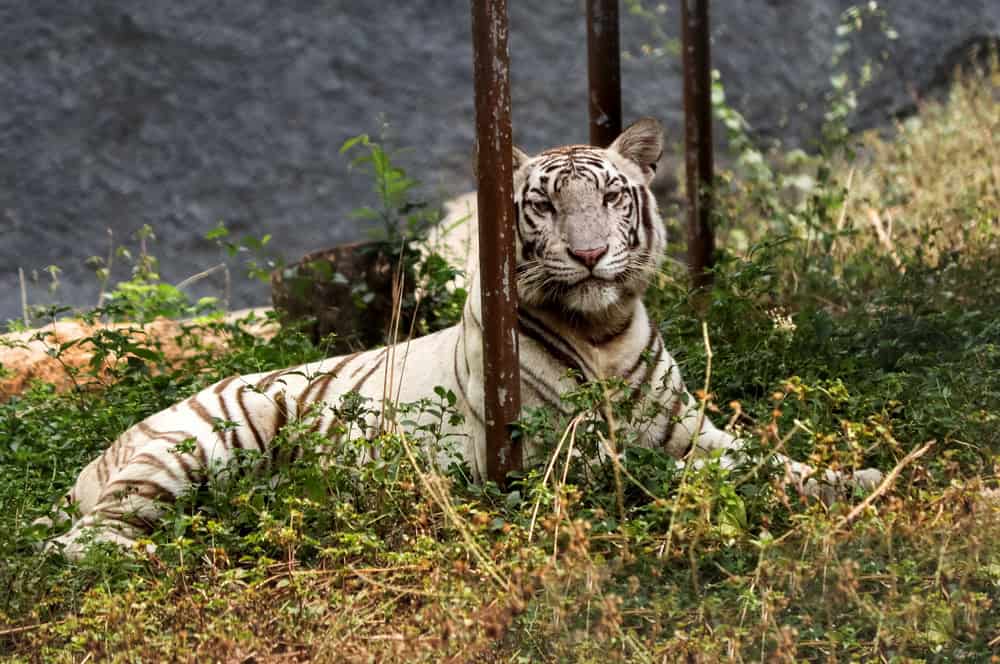
The captive white tiger population suffers from severe inbreeding problems due to their limited genetic origins. Since all captive white tigers descend from a handful of individuals, repeated inbreeding has been necessary to produce cubs with the desired white coat. This practice has concentrated deleterious recessive genes within the population, leading to numerous health issues that wouldn’t normally be prevalent in a diverse genetic pool.
Common health problems in white tigers include immune deficiencies, scoliosis (curved spine), cleft palates, club feet, cross-eyes (strabismus), kidney abnormalities, and shortened tendons. Studies have shown that infant mortality rates in white tiger litters can be as high as 80%, significantly higher than the 30% observed in normal orange tiger populations. These health concerns have raised serious ethical questions about continuing to breed animals primarily for aesthetic appeal at the expense of their health and well-being, especially when doing so serves no conservation purpose for wild tiger populations.
The Myth of the Siberian Connection

A persistent myth suggests that white tigers are related to Siberian (Amur) tigers or represent a cross between Bengal and Siberian tigers. This misconception likely stems from their white coats, which people associate with snowy habitats. In reality, the white tiger mutation originated solely in the Bengal tiger subspecies native to the Indian subcontinent, where the climate is primarily tropical and subtropical—environments where a white coat would offer no evolutionary advantage.
While some modern captive white tigers do have mixed Bengal-Siberian ancestry, this is solely the result of crossbreeding practices in captivity rather than their natural heritage. Zoo breeding programs sometimes crossed Bengal white tigers with Siberian tigers to increase genetic diversity or size. However, this hybridization further complicates the genetic picture and moves the population even further from any natural state. The white coat mutation has never been documented to occur naturally in wild Siberian tiger populations, making the snow camouflage theory biologically unfounded.
Conservation Status and the White Tiger Controversy
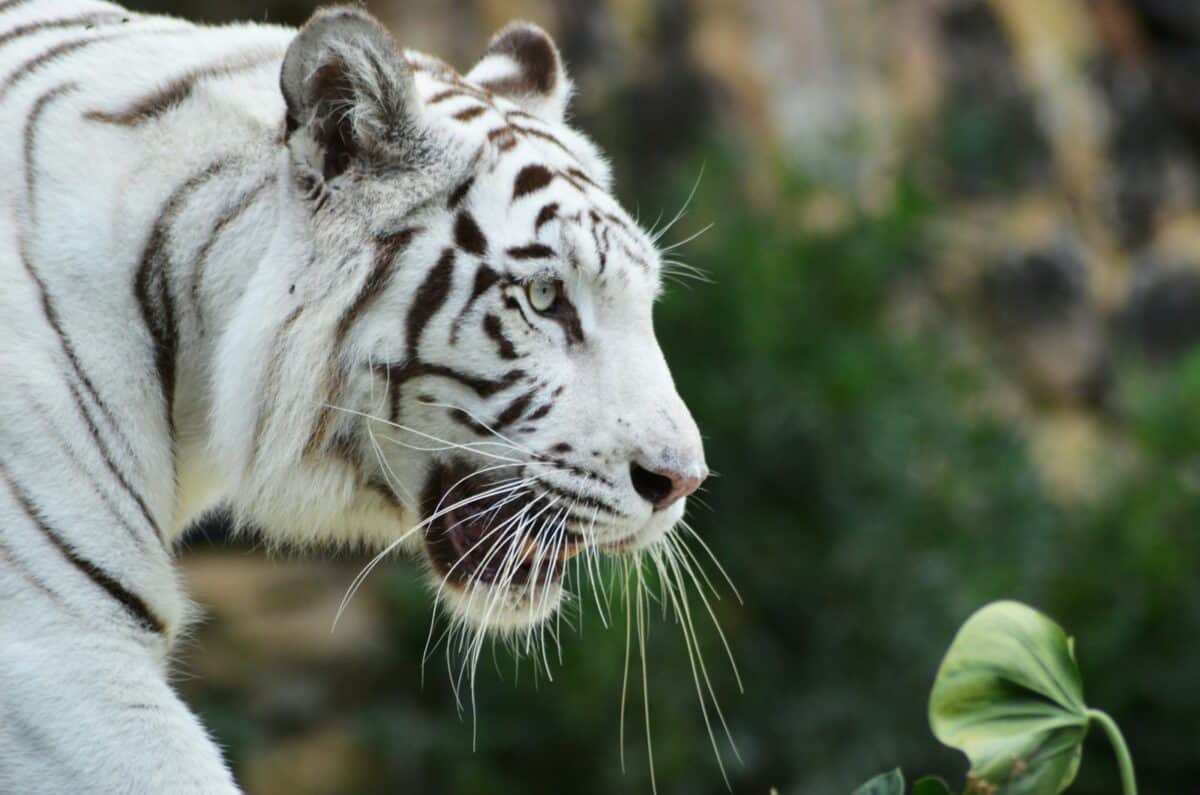
The breeding of white tigers has become one of the most controversial topics in zoo management and tiger conservation. Major zoological organizations, including the Association of Zoos and Aquariums (AZA), have taken strong positions against breeding for white coloration. In 2011, the AZA banned member zoos from breeding white tigers, citing concerns about inbreeding and the perpetuation of genetic abnormalities. These organizations emphasize that white tiger breeding programs divert resources from legitimate conservation efforts for endangered wild tigers.
Conservation biologists point out that white tigers have no value for tiger conservation in the wild. Since the white coat gene doesn’t exist in natural populations anymore and would be a disadvantage in the wild (making camouflage difficult), breeding white tigers does nothing to preserve genetic diversity relevant to wild tiger survival. With fewer than 4,000 tigers remaining in the wild, many conservationists argue that resources should focus on protecting natural habitats and genetically diverse populations rather than propagating a artificial color variant that exists primarily for human entertainment.
Would White Tigers Survive in the Wild?

The question of whether white tigers could survive in the wild remains largely theoretical since no confirmed wild white tigers have been spotted in decades. However, most wildlife biologists believe white tigers would face significant disadvantages in natural habitats. Their white coloration would make camouflage difficult in the forest and grassland environments where tigers hunt, potentially reducing hunting success and increasing vulnerability to starvation.
Additionally, the genetic health issues that plague captive white tigers would likely impair their survival. Problems like crossed eyes would impact hunting ability, while compromised immune systems would make them vulnerable to diseases and parasites. Even historically, when white tigers did occasionally appear in the wild, they were extreme rarities, suggesting natural selection did not favor the trait. Without human intervention through selective breeding, the white gene would remain at very low frequencies in wild populations due to these survival disadvantages.
Famous White Tigers Throughout History
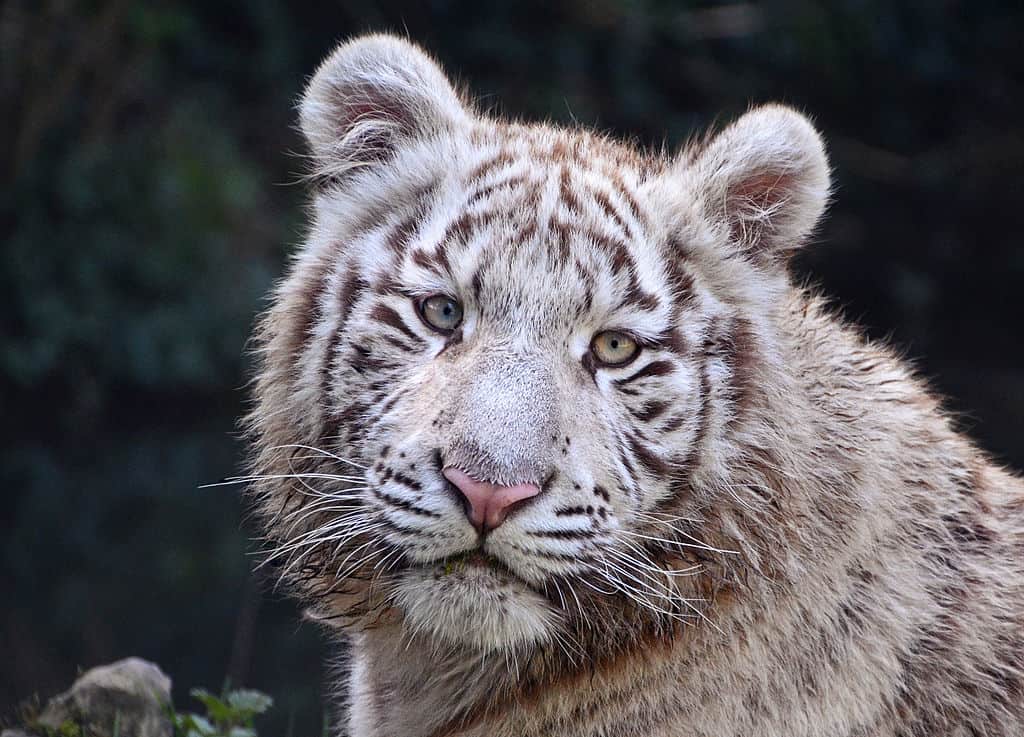
Several white tigers have achieved celebrity status throughout history. Among the most famous was Mohan, the progenitor of captive white tigers, whose capture in 1951 changed the course of tiger breeding forever. Another notable white tiger was Bhim, a magnificent specimen who lived at the Cincinnati Zoo in the 1980s and weighed an impressive 750 pounds, making him one of the largest tigers in captivity at the time.
In entertainment, the famous magicians Siegfried and Roy brought white tigers to international prominence through their long-running Las Vegas show. Their white tiger Montecore became infamous after seriously injuring Roy Horn during a performance in 2003. In India, white tigers like Rewa, descended from the original royal collection, became symbols of national pride. These famous individuals helped shape public perception of white tigers, often portraying them as exotic treasures rather than the product of problematic breeding practices—a perspective that modern conservation education works to correct.
The Role of White Tigers in Culture and Entertainment
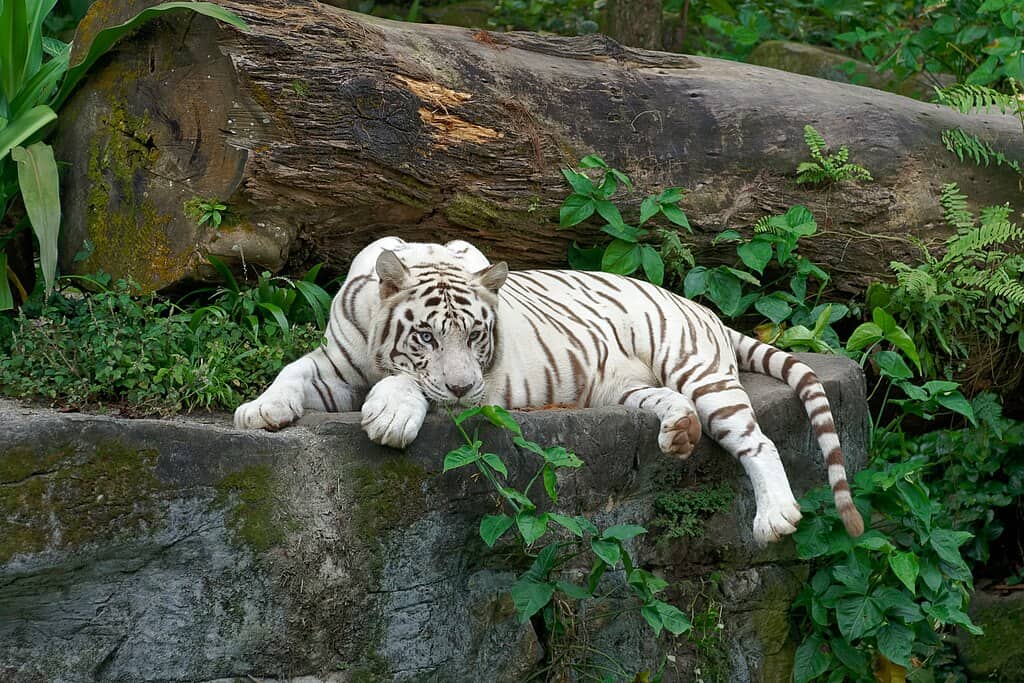
White tigers have held a special place in human culture for centuries. In ancient Indian mythology, white tigers were considered sacred and symbolic of royalty and power. The maharajas who kept them in private menageries used them as status symbols, demonstrating their wealth and connection to divine power. This cultural significance helped drive the early captive breeding efforts after wild specimens became increasingly rare.
In modern entertainment, white tigers became staples of circuses and magic shows, with their striking appearance guaranteeing audience appeal. Zoos found that exhibiting white tigers increased attendance significantly, creating financial incentives to continue breeding them despite emerging ethical concerns. This cultural fascination with white tigers continues today, with their images appearing in artwork, advertising, and as mascots. However, as public awareness about their genetic issues grows, many entertainment venues are reevaluating the ethics of using these animals, with some major circus companies phasing out all tiger acts entirely.
Other Color Variations in Tigers
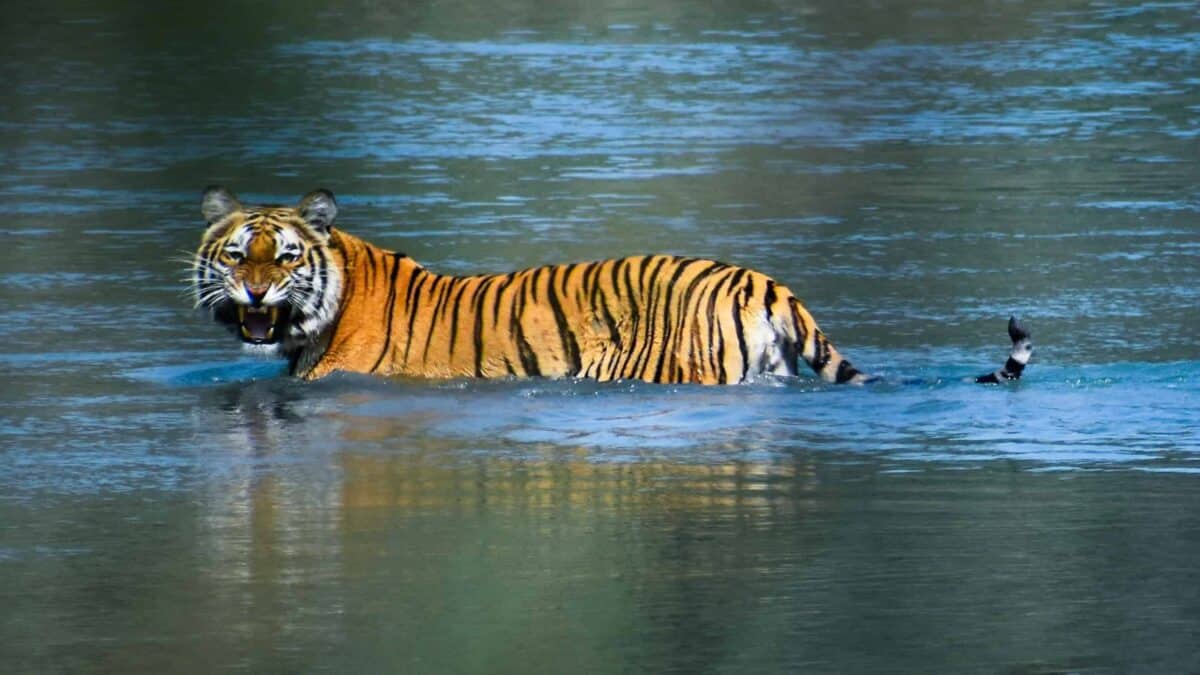
While white tigers receive the most attention, several other color variations exist within the tiger species. The golden tabby (or strawberry) tiger features a pale golden coat with reddish-brown stripes. Like white tigers, golden tabby tigers result from a recessive gene and primarily exist in captivity. Another variation is the nearly stripeless white tiger, sometimes called a “snow white” tiger, which displays extremely faint stripes that are barely visible.
Even rarer is the black tiger, which has been reported occasionally in the wild but rarely photographed. These tigers appear to have an excess of dark pigmentation, similar to melanism in other big cats like black panthers (which are actually melanistic leopards or jaguars). A blue tiger, with a slate-blue coat and dark gray stripes, has been reported historically in China but never scientifically confirmed. These variations underscore the genetic diversity possible within tiger populations, though most remain extremely rare in nature without human intervention through selective breeding.
The Future of White Tigers: Ethics and Education
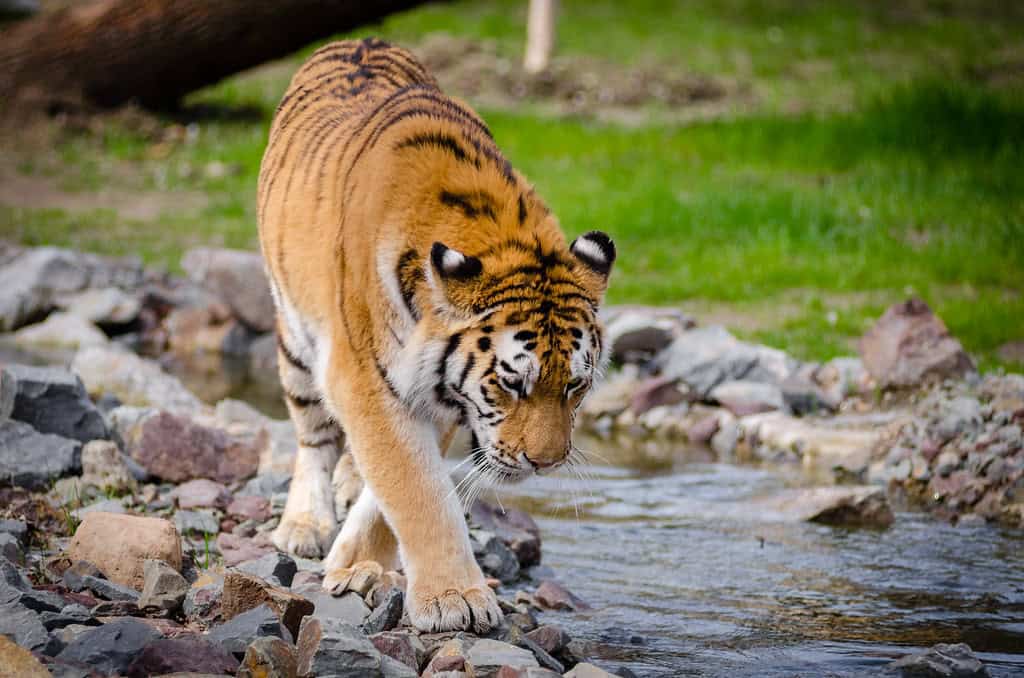
The future of white tigers lies at the intersection of changing ethical standards and educational opportunities. Many reputable zoological institutions have shifted away from breeding white tigers to focus on sustainable breeding programs that support genetic diversity and conservation goals. Instead of continuing to breed white tigers, some facilities that still house them are using these animals as educational ambassadors to teach visitors about genetics, inbreeding, and ethical animal management.
This educational approach transforms existing white tigers from mere attractions into tools for raising awareness about broader conservation issues. By explaining that white tigers aren’t a separate endangered species and discussing the problems with breeding them, zoos can help dispel myths while promoting support for legitimate tiger conservation efforts. As the current population of captive white tigers ages, their numbers will likely decline unless breeding continues in facilities not accredited by major zoological associations. The ethical conversation around these magnificent but genetically compromised animals continues to evolve, balancing appreciation for their beauty with concern for their welfare and the integrity of tiger conservation efforts worldwide.

From exploring the marine wonders in the Azores and witnessing the vast savannas of Kenya, to delving deep into the rich biodiversity of South Africa and traversing iconic landscapes in Australia and the US like Yellowstone, Chris's experiences are vast.
With a penchant for diving alongside sharks, the ocean holds a special place in his heart.
Through his academic insights, he champions wildlife conservation, striving with 'Animals Around The Globe' to cultivate a profound connection between humans and animals, enhancing our mutual appreciation.
Connect with him at Feedback@animalsaroundtheglobe.com.
- This Monkey Has a Mustache - July 21, 2026
- How Steve Irwin Changed the World’s View of Wildlife - July 21, 2026
- The Catfish That Caused Earthquakes in Japanese Folklore - July 21, 2026