

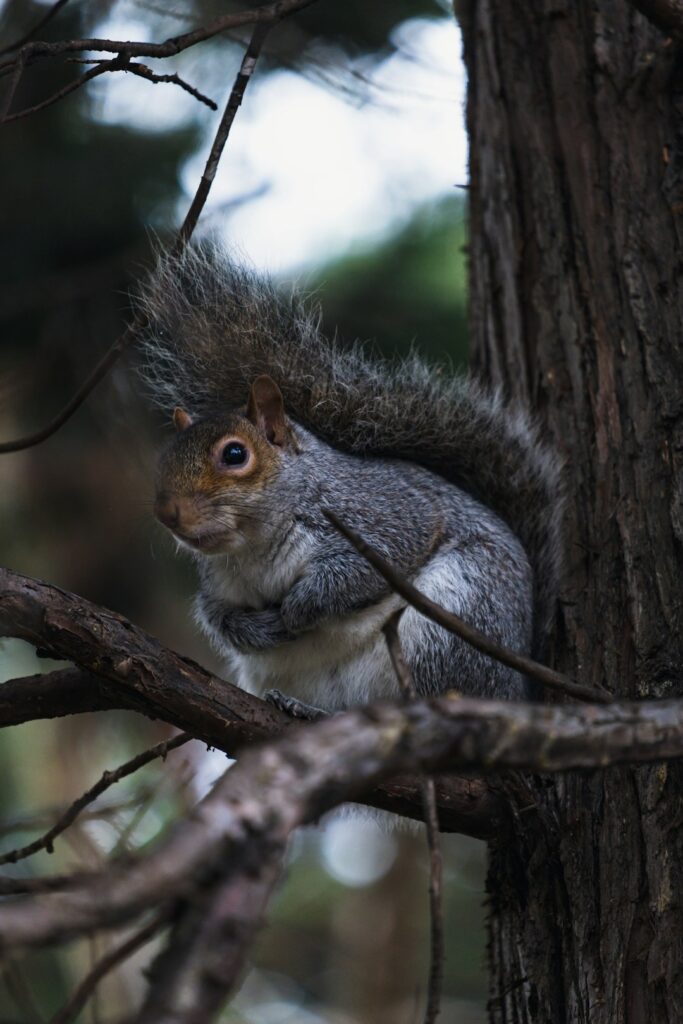

Squirrels Don’t Take Winter Off – They Just Get Sneakier (Image Credits: Unsplash)
Minneapolis – Picture the crisp bite of a frosty morning, when every creak in the house feels amplified by the quiet blanket of snow outside.
Squirrels Don’t Take Winter Off – They Just Get Sneakier
These bushy-tailed critters never fully check out for the season. Unlike some animals that curl up and snooze through the cold, squirrels stay active, but they crave warmth when the thermometer dips low. In places like the Twin Cities, where winters can turn brutal, they start scouting for cozy spots that aren’t their usual treetop nests.
Come December, you’ll find them eyeing attics, crawl spaces, and even wall voids as prime real estate. They hunker down during the worst storms, only popping out for a quick bite when the sun cracks through. It’s nature’s way, sure, but when your home becomes their hotel, things get messy fast.
Listen Up: Noises That Spell Trouble
If you’ve ever jolted awake to scratching overhead or chattering behind the drywall, blame the squirrels. These sounds ramp up at dawn and dusk, their peak foraging times, even in the dead of winter. It’s not ghosts – it’s furry roommates making themselves at home.
Early detection matters here. A few nights of that racket could mean a whole family has moved in, gnawing on wires or nesting in insulation. Don’t ignore it; those subtle squeaks are your first clue to an invasion.
The Hidden Dangers of Squirrel Squatters
Beyond the annoyance, these visitors pack a punch. They chew through electrical wiring, which spells fire risks in a dry, cold house. Insulation gets shredded for bedding, jacking up your heating bills as warm air slips away.
Health issues lurk too. Squirrels carry parasites and droppings that spread diseases like leptospirosis. In a confined space, that’s no joke, especially with kids or pets around. What starts as a cute sighting turns into a costly headache quick.
Seal the Deal: Prevention Tactics That Actually Work
Start outside. Trim branches overhanging your roof – squirrels love an easy highway in. Check for gaps around vents, chimneys, and eaves; even a quarter-inch hole is an open door to them.
Inside, keep food sources locked down. Bird feeders near the house? Move them far away, or opt for squirrel-proof designs. And if you’ve got a chimney, install a cap to block entry without trapping anyone inside.
DIY Fixes vs. When to Go Pro
You might grab a trap and try your luck, but winter complicates things. Relocating squirrels in the cold can harm them legally and ethically in Minnesota – check local rules first. Baits work short-term, yet often lead to more visitors if you don’t address the entry points.
For bigger infestations, skip the solo battle. Pros use humane one-way doors to let squirrels exit but not return, then seal everything up tight. In the Minneapolis area, companies specialize in this, saving you time and potential disasters.
Here’s a quick list of must-do prevention steps:
- Inspect your roofline monthly for weak spots.
- Store garbage in sealed bins to avoid attracting them.
- Use metal flashing on vulnerable areas like soffits.
- Clear leaf piles near the foundation – they make great launch pads.
- Consider motion-activated lights or sprinklers for deterrence.
Long-Term Strategies for a Squirrel-Free Winter
Think ahead to fall cleanup. Rake up acorns and nuts that draw them close. Plant squirrel-resistant shrubs if you’re landscaping, keeping the yard less inviting.
Over time, combining these habits builds a fortress. Your home stays peaceful, energy-efficient, and safe from those unexpected guests. It’s less work than dealing with an outbreak mid-blizzard.
Key Takeaways
- Squirrels seek indoor shelter for warmth, not hibernation.
- Act fast on noises to prevent damage and health risks.
- Professional help ensures humane, effective removal.
In the end, a little vigilance turns winter woes into non-issues, letting you enjoy the season without the surprise guests. What’s your go-to trick for keeping critters at bay? Share in the comments below.

From exploring the marine wonders in the Azores and witnessing the vast savannas of Kenya, to delving deep into the rich biodiversity of South Africa and traversing iconic landscapes in Australia and the US like Yellowstone, Chris's experiences are vast.
With a penchant for diving alongside sharks, the ocean holds a special place in his heart.
Through his academic insights, he champions wildlife conservation, striving with 'Animals Around The Globe' to cultivate a profound connection between humans and animals, enhancing our mutual appreciation.
Connect with him at Feedback@animalsaroundtheglobe.com.
- This Monkey Has a Mustache - July 21, 2026
- How Steve Irwin Changed the World’s View of Wildlife - July 21, 2026
- The Catfish That Caused Earthquakes in Japanese Folklore - July 21, 2026