

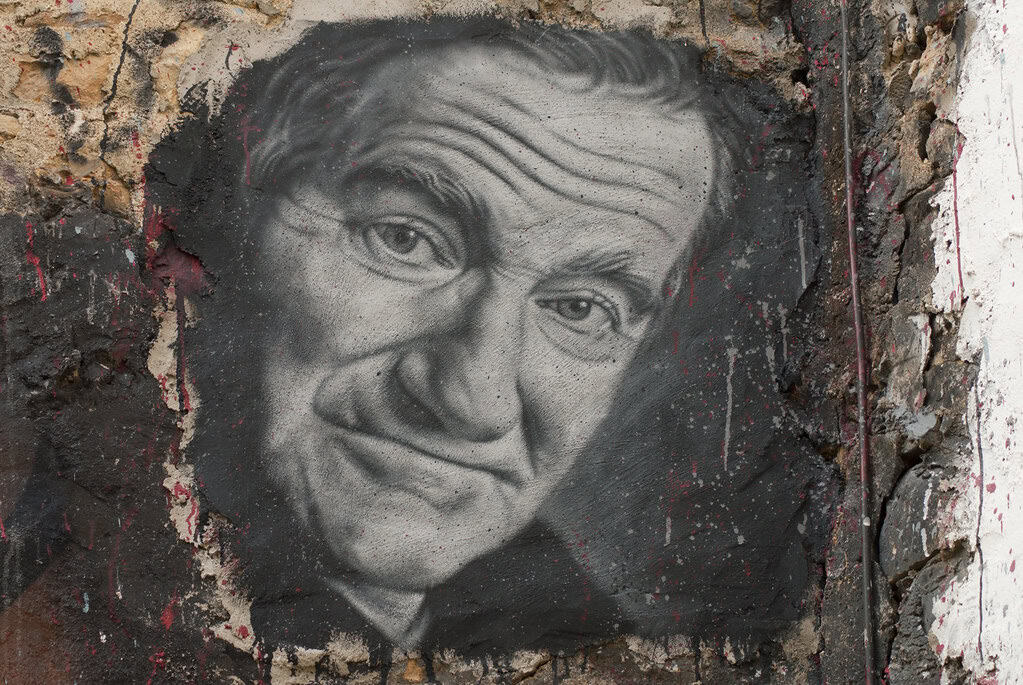
Robin Williams, a comedic genius whose talent transcended generations, brought to life some of cinema’s most beloved characters. Among his diverse portfolio, his portrayals of animal-inspired characters stand out as particularly memorable. From the magical Genie in “Aladdin” to the jungle adventures in “Jumanji,” Williams infused these roles with his signature energy, humor, and humanity. His unique ability to embody non-human characters while maintaining deep emotional connections with audiences created a lasting legacy in film history. This article explores Robin Williams’ extraordinary journey through his animal-inspired characters, examining how his performances not only entertained but also educated and moved viewers worldwide.
The Magical Blue Genie: Animation Meets Improvisation

Perhaps Robin Williams’ most iconic animal-inspired character was the Genie in Disney’s 1992 animated classic “Aladdin.” Though not strictly an animal, the Genie represented a supernatural being with distinctly non-human characteristics. Williams’ performance revolutionized voice acting in animation, as Disney animators adapted their illustrations to match his rapid-fire improvisations. The recording sessions for Genie reportedly generated over 16 hours of material, with Williams delivering impressions, jokes, and character voices at breakneck speed.
What made the Genie particularly groundbreaking was how Williams infused this magical creature with unmistakably human emotions and vulnerabilities. Despite his cosmic powers, Genie yearned for freedom and friendship, themes that resonated deeply with audiences of all ages. This performance established a new standard for celebrity voice acting in animation and demonstrated Williams’ exceptional ability to breathe life into fantastical characters while maintaining emotional authenticity. The role remains a cornerstone of Disney animation and one of Williams’ most beloved performances.
The Birdcage: Human Characters with Avian Themes
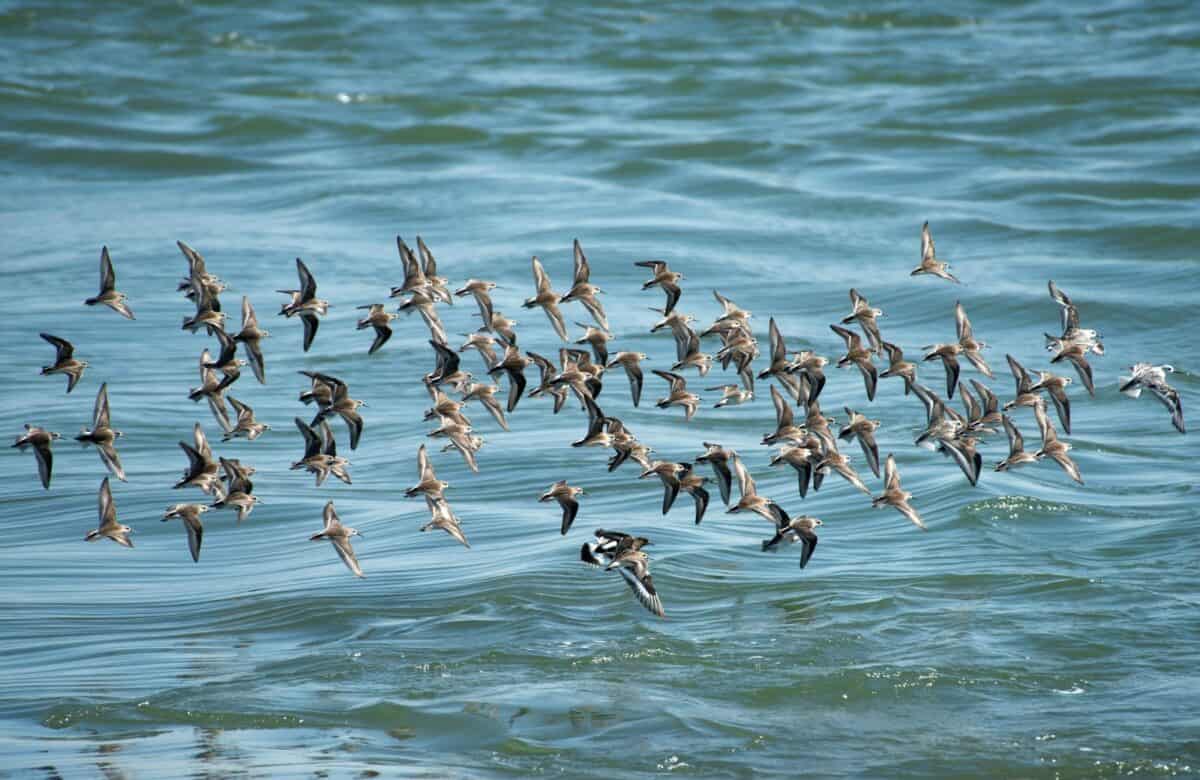
In the 1996 comedy “The Birdcage,” Williams played Armand Goldman, the owner of a drag nightclub called “The Birdcage.” While not directly portraying an animal character, the film’s avian motif runs throughout the production, serving as a metaphor for containment, display, and ultimately, freedom. Williams’ performance as Armand navigates the tension between authenticity and societal expectations, mirroring the experience of birds both in captivity and in their natural habitats.
The film’s exploration of identity and performance parallels the display behaviors of many bird species, where colorful plumage and elaborate courtship rituals serve essential biological functions. Williams brought nuance to this character, demonstrating how animal metaphors can illuminate human experiences. “The Birdcage” uses its avian theme to examine the artificial constraints society places on individuals, with Williams’ performance highlighting both the comedy and poignancy of these restrictions. The film represents a more subtle approach to animal-inspired characterization in Williams’ career.
Jumanji: Navigating the Wilderness

In the 1995 adventure film “Jumanji,” Williams portrayed Alan Parrish, a man who spent 26 years trapped inside a magical board game’s jungle environment. While not playing an animal himself, Williams’ character developed distinct animal-like survival instincts and behaviors after decades of living among wild creatures. His performance captured the physical and psychological effects of extended isolation in a wilderness setting, demonstrating primal adaptations that blur the line between human and animal behavior.
Williams’ portrayal showed exceptional physicality as he depicted a character who had learned to move, hunt, and sense danger like the animals around him. His performance included subtle animal-inspired movements and heightened awareness of his surroundings that suggested a fundamental transformation. “Jumanji” explored themes of adaptation and survival through Williams’ character, who had to rediscover his humanity after years of living by jungle law. This role highlighted Williams’ ability to portray the complex intersection between human consciousness and animal instinct.
Mrs. Doubtfire: Bird Metaphors and Nurturing Instincts
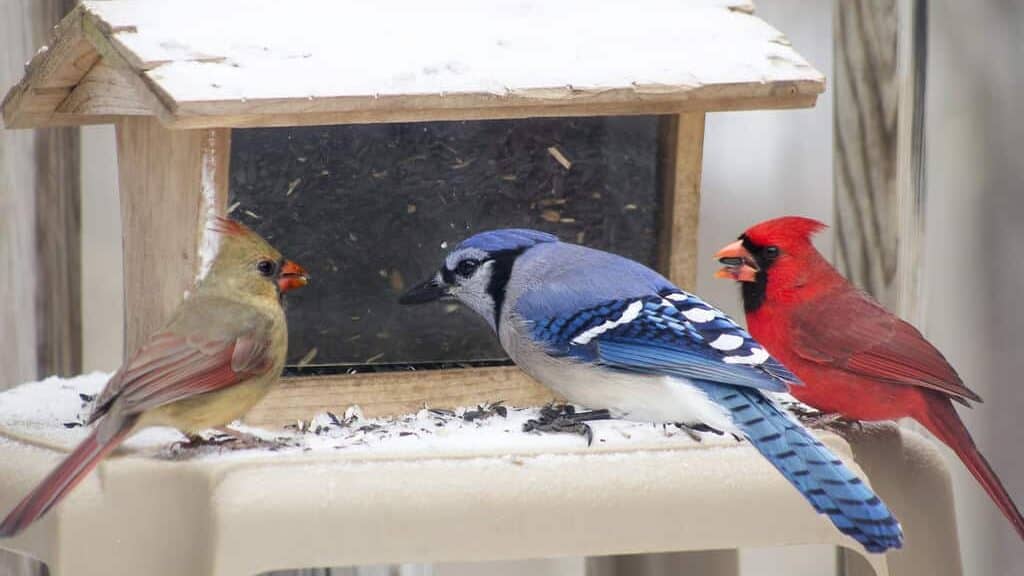
In the beloved comedy “Mrs. Doubtfire” (1993), Williams created another character with subtle animal connections. While primarily a human story, the film incorporates bird imagery through the character’s name (inspired by the newspaper headline “Police Doubt Fire Was Accidental”) and the pivotal scene where Williams’ character, disguised as Mrs. Doubtfire, rescues his choking child using techniques he learned while handling his son’s pet bird. This parallel between nurturing behaviors in humans and animals adds emotional depth to the comedy.
The film also features Williams caring for actual birds as part of his job at a television studio, creating educational content about animals. These scenes highlight his character’s natural affinity for caregiving across species boundaries. Williams brings warmth and authenticity to these interactions, demonstrating his ability to convey genuine connection with animal co-stars. His performance celebrates the universal aspects of nurturing behavior seen throughout the animal kingdom, from birds feeding their young to human parents caring for their children, emphasizing the evolutionary and emotional continuity across species.
Flubber: Giving Life to the Inanimate

In the 1997 film “Flubber,” Williams played Professor Philip Brainard, who creates a living green substance that exhibits distinct animal-like behaviors. Though not strictly portraying an animal character himself, Williams’ interaction with the animated Flubber demonstrated his exceptional ability to create believable relationships with non-human entities. The Flubber itself displays traits reminiscent of simple organisms like amoebas, while also exhibiting more complex emotional responses similar to domesticated animals.
Williams’ performance required him to react to and bond with a character that would be added in post-production, showcasing his skill at imagining and responding to non-human dynamics. His genuine expressions of affection, frustration, and wonder toward Flubber made the substance’s personality feel authentic to audiences. This role highlighted Williams’ talent for humanizing the non-human, creating emotional connections that transcended conventional character boundaries. The film continued Williams’ pattern of exploring relationships between humans and other forms of life, albeit in this case with a synthetic creation rather than a natural organism.
Happy Feet: Voice Acting as Penguin Characters
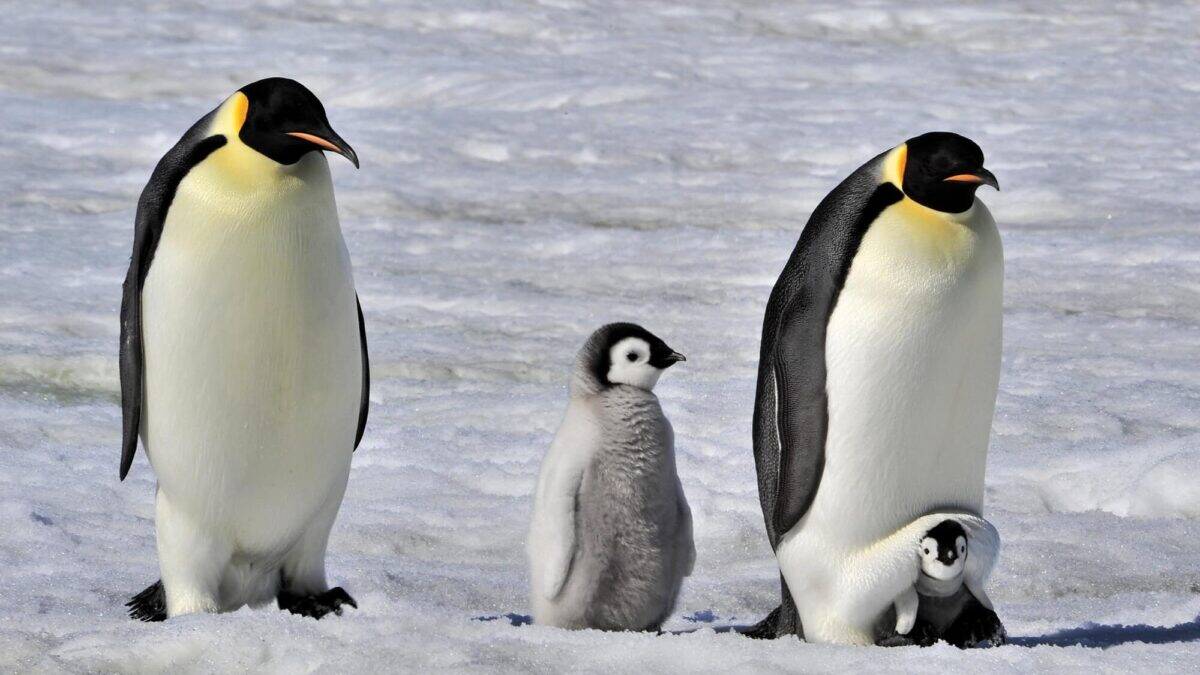
In the 2006 animated film “Happy Feet,” Williams demonstrated his versatility by voicing not one but two distinct penguin characters: Ramón, a small Adélie penguin with a passionate Latin personality, and Lovelace, a rockhopper penguin guru with a booming voice and mystic pretensions. These dual performances showcased Williams’ remarkable ability to create completely different characterizations within the same film, each with their own distinctive vocal patterns, accents, and personalities.
Williams’ performances in “Happy Feet” went beyond simple comedy to address environmental themes and questions of identity. His character Lovelace, adorned with a plastic six-pack ring that he presents as a “sacred talisman,” becomes an unwitting symbol of human pollution affecting wildlife. Through these penguin characters, Williams helped convey messages about environmental conservation and the acceptance of differences. The film’s success with audiences and critics alike demonstrated Williams’ continued ability to infuse animated animal characters with depth, humor, and social relevance well into the later stages of his career.
Night at the Museum: Interacting with Historical Figures and Animals

In the “Night at the Museum” trilogy, Williams portrayed Theodore Roosevelt, a wax figure who comes to life each night alongside various historical figures and museum exhibits, including numerous animals. Though playing a human historical figure, Williams’ Roosevelt frequently interacts with the museum’s animal exhibits, including a capuchin monkey named Dexter and a Tyrannosaurus rex skeleton. His character serves as a mediator between the human and animal worlds within the museum, demonstrating knowledge of and respect for natural history.
Williams brought warmth and authority to these cross-species interactions, making Roosevelt’s rapport with the museum’s diverse inhabitants both humorous and touching. His performance captured Roosevelt’s real-life interest in conservation and natural history, creating educational moments within the entertainment. This role allowed Williams to showcase his ability to create meaningful connections with animal co-stars, both real and computer-generated, further demonstrating his unique talent for transcending species boundaries in his performances. The trilogy remained popular with family audiences, introducing younger generations to Williams’ gift for bringing magic to human-animal relationships on screen.
Jumanji: Welcome to the Jungle – Williams’ Lasting Influence

Though Robin Williams passed away before the 2017 sequel “Jumanji: Welcome to the Jungle,” his influence permeates the film through numerous tributes and the continuation of themes he helped establish. The updated version transforms players into avatar characters with animal-based abilities and weaknesses, expanding on the original film’s exploration of human-animal boundaries. This evolution of the concept builds directly on the foundation Williams established with his portrayal of Alan Parrish.
The sequel honors Williams’ character through an easter egg showing Alan’s carved initials in the Jumanji cabin and through dialogue referencing his time in the game. This acknowledgment highlights the lasting impact of Williams’ performance on the franchise and its approach to animal-inspired characterization. By developing the concept of humans adopting animal traits and abilities within the game world, the new films extend Williams’ legacy of exploring the intersection between human and animal experience. The commercial and critical success of the new Jumanji films demonstrates the enduring appeal of the themes Williams helped pioneer in the original movie.
The Voice Behind Animal Characters: Technical Brilliance
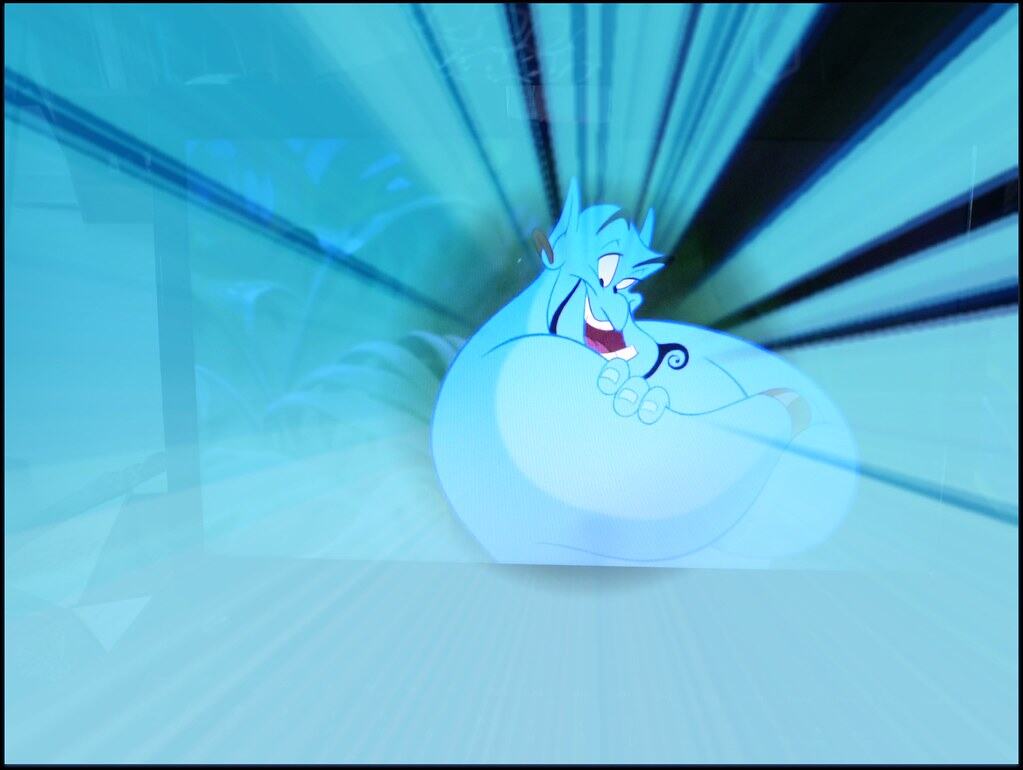
Robin Williams’ approach to voicing animal and non-human characters revealed his exceptional technical abilities as a performer. Voice acting experts have noted his remarkable control over pitch, tone, and tempo, allowing him to create distinctive vocal identities for each character. For Genie alone, Williams reportedly incorporated dozens of impressions and character voices, switching between them with split-second timing. This vocal dexterity gave his animal characters a dimension of humanity while maintaining their non-human qualities.
Williams’ background in stand-up comedy and improvisation provided him with unique tools for creating animal vocalizations that conveyed complex emotions. Unlike many actors who develop a signature voice for animated characters, Williams created entirely different vocal performances for each role, making his penguin characters in “Happy Feet” unrecognizable from his work as Genie. This chameleon-like ability allowed him to disappear completely into his animal roles, creating authentic characters rather than merely lending his familiar voice. Animation directors who worked with Williams often spoke of his willingness to record multiple variations of lines, giving editors rich material to work with in the final production.
The Psychological Depth of Williams’ Animal Characters
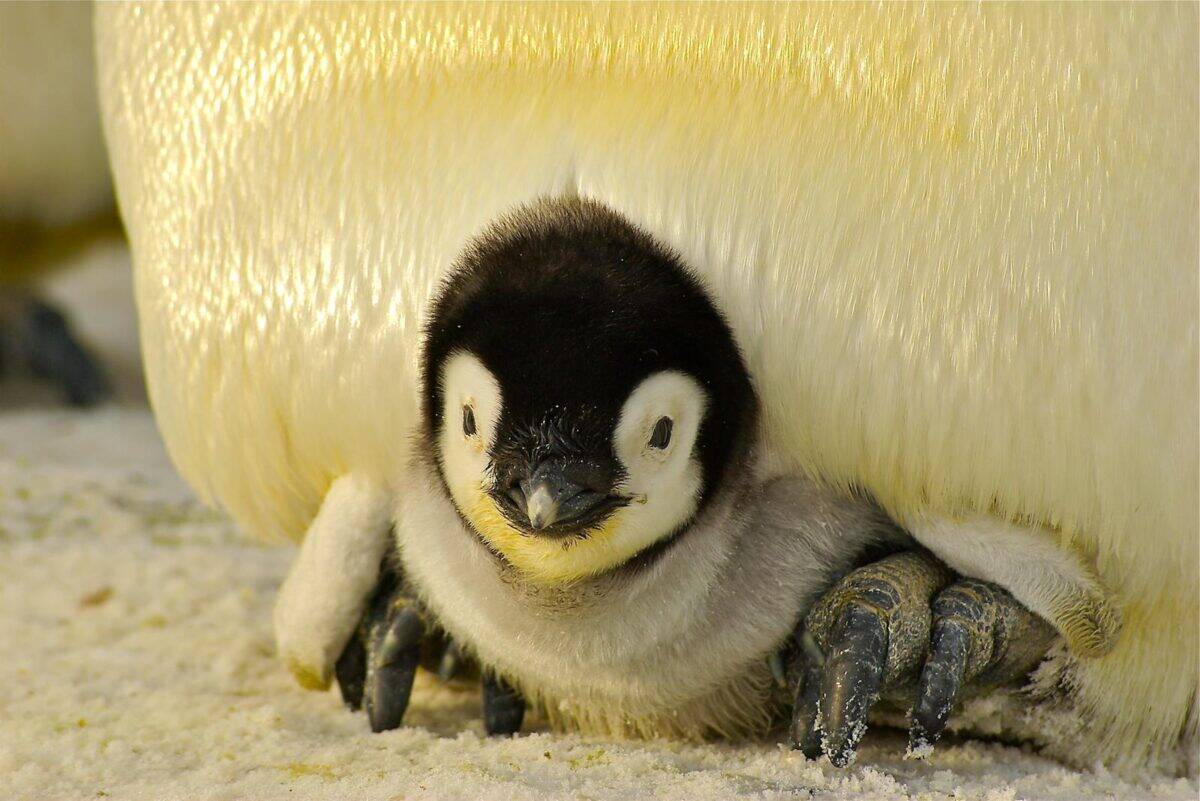
What separated Williams’ animal-inspired performances from many of his contemporaries was the psychological complexity he brought to these roles. Rather than relying solely on physical comedy or shallow anthropomorphism, Williams imbued his non-human characters with authentic emotional lives. His Genie experiences loneliness, hope, and joy; his penguin characters in “Happy Feet” struggle with questions of belonging and purpose. This emotional authenticity allowed audiences to connect with these characters on a deeper level than typical animal portrayals in entertainment.
Williams drew on his training as a dramatic actor at Juilliard and his own personal experiences to create animal characters with psychological depth. In interviews, he often spoke about finding the universal emotions that connect all living beings—fear, love, longing for connection—and using these as the foundation for his non-human characters. This approach elevated what could have been simple comedic performances into memorable explorations of the shared emotional landscape of humans and animals. His work challenged the arbitrary boundaries between human and animal experience, suggesting that fundamental emotions transcend species differences.
Educational Impact: Teaching Through Entertainment
Beyond their entertainment value, Williams’ animal-inspired performances often contained educational elements that introduced audiences to concepts of animal behavior, conservation, and natural history. In “Happy Feet,” his penguin characters helped convey information about Antarctic ecosystems and the environmental challenges facing penguin populations. The “Night at the Museum” films, while primarily comedic, included factual information about natural history through Williams’ Roosevelt character, who often explained animal behaviors and historical contexts.
Even “Aladdin,” primarily a fantasy adventure, incorporated accurate elements of animal behavior through the various forms Genie assumes, including impressions of diverse creatures from multiple ecosystems. Williams’ natural curiosity about the world and his interest in science (his father was a senior executive at Ford Motor Company who published a textbook on automotive design) informed his approach to these roles. Through entertaining performances, he helped generations of young viewers develop interest in and appreciation for the animal world. This educational dimension of his work represents an important aspect of his legacy, combining entertainment with subtly informative content about the natural world.
Robin Williams’ Enduring Legacy in Animated and Animal Characters
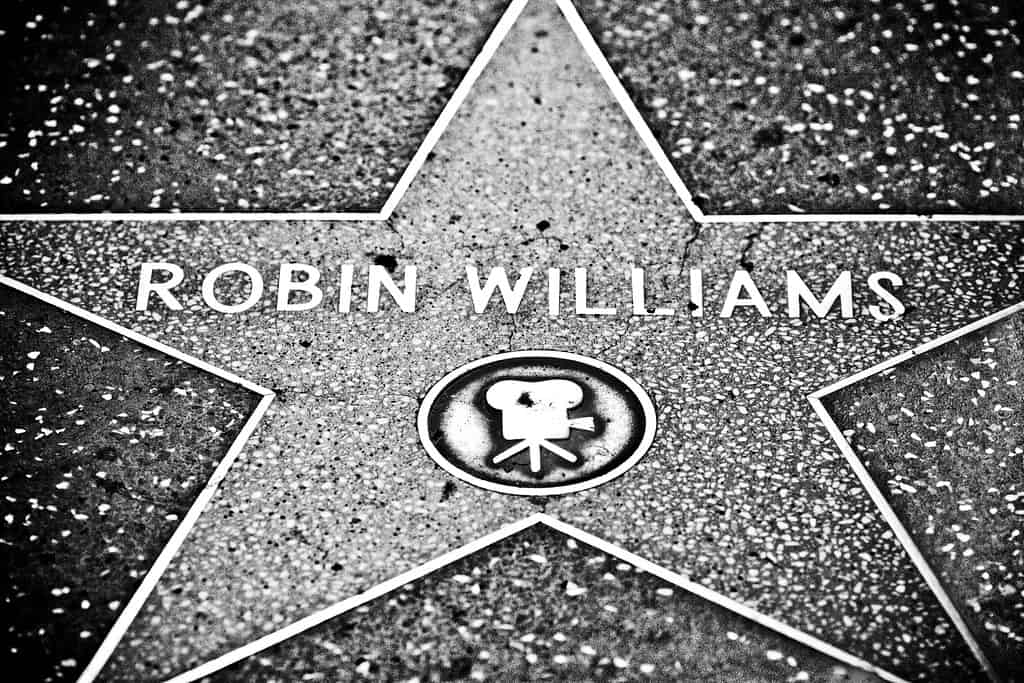
Robin Williams’ contributions to animal-inspired characterization in film continue to influence entertainment long after his passing in 2014. His groundbreaking work as Genie permanently altered the landscape of animation, establishing new possibilities for celebrity voice acting and improvisational performance in the medium. Contemporary animated films featuring animal characters, from “Zootopia” to “The Secret Life of Pets,” build upon the foundation Williams established through his emotionally complex approach to non-human characters.
Williams demonstrated that performances as animals or fantasy creatures could be vehicles for profound artistic expression rather than mere novelty. His legacy lives on not only through his own films but through the generations of performers and creators he inspired to approach animal characterization with greater depth and humanity. The continuing popularity of his animal-inspired roles with new generations of viewers speaks to the timeless quality of his work and its ongoing relevance to how we understand and portray the relationship between humans and other species. Robin Williams’ unique gift for finding the humanity in non-human characters, and conversely, the animal nature within human experience, remains his lasting contribution to film and performance art.

From exploring the marine wonders in the Azores and witnessing the vast savannas of Kenya, to delving deep into the rich biodiversity of South Africa and traversing iconic landscapes in Australia and the US like Yellowstone, Chris's experiences are vast.
With a penchant for diving alongside sharks, the ocean holds a special place in his heart.
Through his academic insights, he champions wildlife conservation, striving with 'Animals Around The Globe' to cultivate a profound connection between humans and animals, enhancing our mutual appreciation.
Connect with him at Feedback@animalsaroundtheglobe.com.
- Why Spiders Don’t Get Stuck in Their Own Webs - July 20, 2026
- What Scientists Found in a 10,000-Year-Old Beehive - July 20, 2026
- This Spider Builds Fake Decoys of Itself - July 20, 2026