


If you’re a dog owner, you’ve likely witnessed that moment when your furry friend seems to flash you a genuine smile—their mouth relaxes, their eyes soften, and they look undeniably happy. For years, skeptics dismissed the notion of canine smiles as mere anthropomorphism, but modern science has revealed something fascinating: dogs really do smile, though not exactly in the way humans do. The expression we interpret as a smile is actually part of a complex system of facial expressions and body language that dogs use to communicate positive emotions. Understanding your dog’s smile isn’t just heartwarming—it’s a window into their emotional well-being and a testament to the deep bond humans have developed with canines over thousands of years of companionship.
The Science Behind Canine Expressions

Dogs possess a remarkable set of facial muscles that allow them to produce a wide range of expressions. According to research published in the Proceedings of the National Academy of Sciences, domestic dogs have evolved specialized facial muscles that wolves—their closest relatives—don’t possess to the same degree. One specific muscle, called the levator anguli oris, helps dogs raise the corners of their mouths, creating what we perceive as a smile. This evolutionary adaptation appears to have developed as dogs became domesticated and needed to communicate more effectively with humans.
Studies using the Dog Facial Action Coding System (DogFACS) have documented over 100 different facial expressions in canines, many of which correlate with specific emotional states. When a dog is experiencing positive emotions, they often display a relaxed, open mouth with slightly raised corners and a general softening of facial features. What’s particularly fascinating is that research suggests these expressions aren’t random—they’re often deliberately displayed when humans are looking, indicating that dogs have evolved these expressions specifically for interspecies communication.
What a Genuine Dog Smile Looks Like
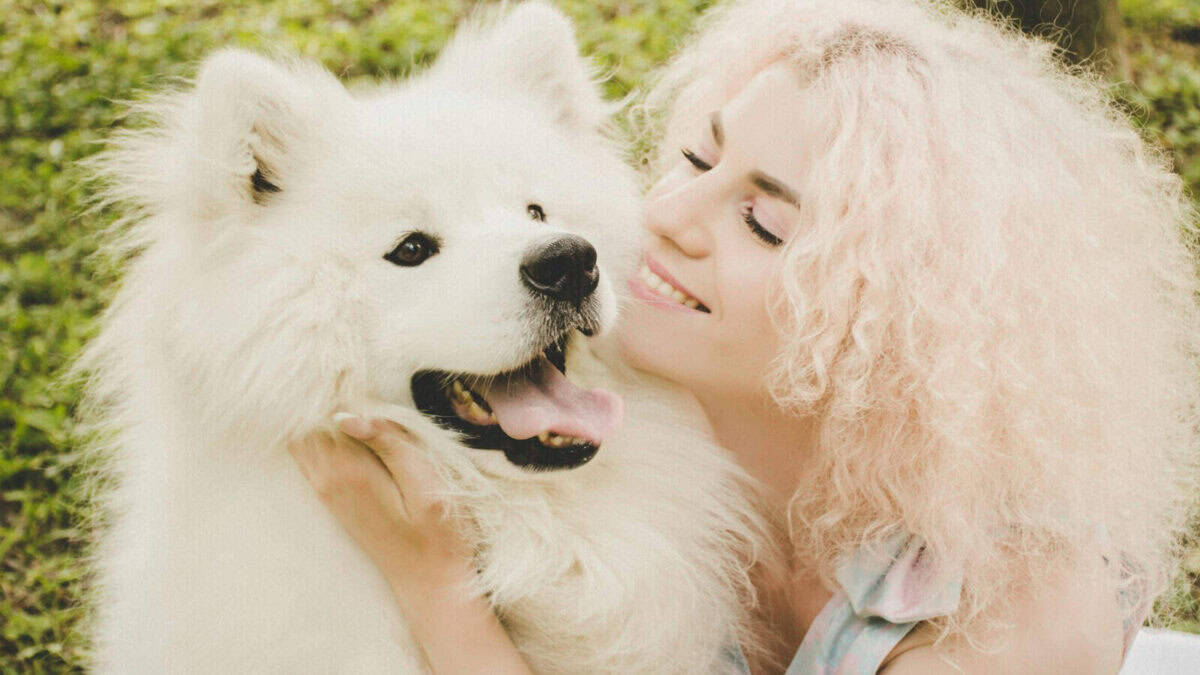
A genuine dog smile differs significantly from other facial expressions that might be misinterpreted. When a dog is truly “smiling” from happiness, you’ll notice a relaxed, slightly open mouth with the corners pulled back horizontally rather than upward (as in human smiles). Their eyes will appear soft and possibly slightly squinted, without showing the whites of their eyes (which can indicate stress). Their ears will typically be in a neutral or slightly forward position, and their overall body language will be relaxed—loose shoulders, smooth forehead, and an absence of tension.
It’s important to distinguish this expression from the “submissive grin,” which can look similar but serves a different purpose. The submissive grin usually involves more teeth showing, more pronounced lip curling, and may be accompanied by submissive body language like a lowered head or slightly crouched posture. The context is crucial—a happy smile typically occurs during play, relaxation, or positive interactions, while a submissive grin might appear during greetings or when the dog feels slightly intimidated but wants to show they’re friendly.
The Role of Oxytocin in Dog Smiles

Oxytocin, often called the “love hormone,” plays a crucial role in the emotional connection that leads to dog smiles. When dogs and humans interact positively, both species experience an increase in oxytocin levels. A groundbreaking study published in Science found that when dogs and their owners gaze into each other’s eyes, both experience an oxytocin surge similar to what occurs between human mothers and their infants. This hormonal response creates a feedback loop of positive emotions that can manifest physically as a relaxed, happy expression—what we interpret as a smile.
The oxytocin connection explains why dogs tend to “smile” more around people they’re bonded with. Your dog is literally experiencing a neurochemical response to your presence that makes them feel good, and their facial muscles respond accordingly. This biological mechanism reinforces the social bond between humans and dogs, making those canine smiles not just cute but functionally important for maintaining the human-canine relationship that has evolved over thousands of years.
The Difference Between a Smile and a Stress Grimace
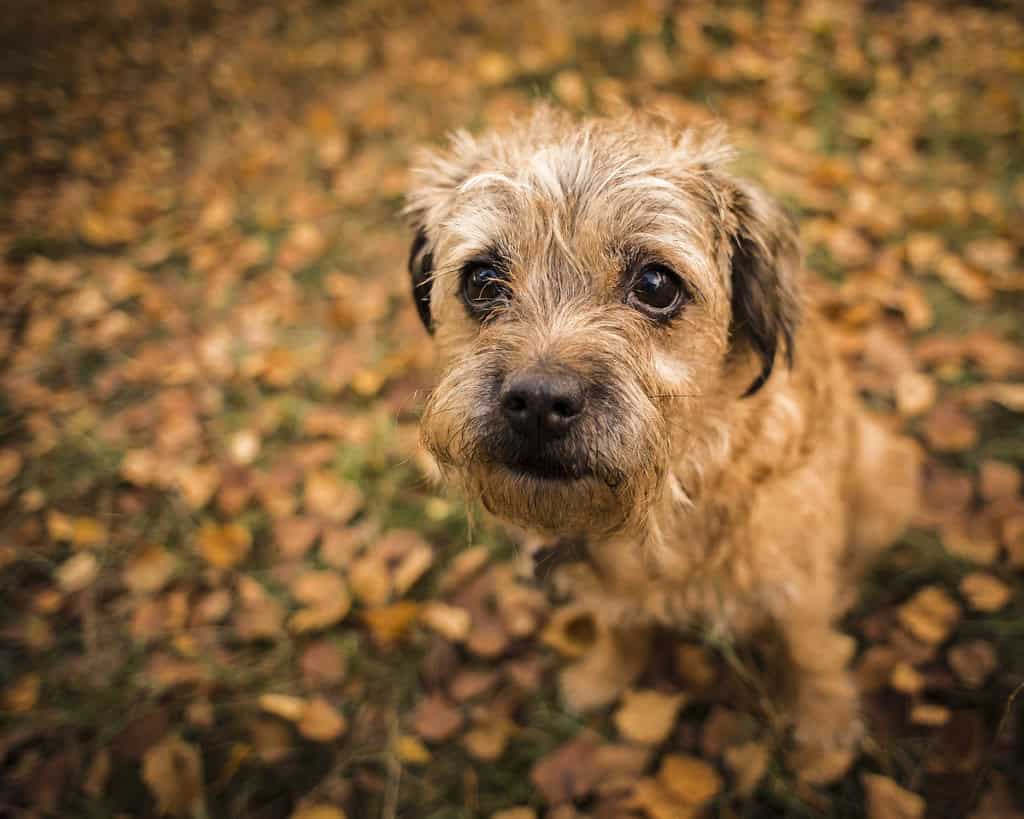
Not all expressions that show teeth are smiles, and mistaking a stress grimace for a smile can lead to misunderstanding your dog’s emotional state. A stress grimace typically involves a tightly closed mouth with the corners pulled back vertically, exposing front teeth. This expression is often accompanied by other stress signals: dilated pupils, visible whites of the eyes (whale eye), furrowed brow, tense facial muscles, and stiff body posture. This expression indicates discomfort, anxiety, or fear—not happiness.
Learning to distinguish between these expressions is crucial for respecting your dog’s emotional boundaries. For example, many viral photos of “smiling” dogs actually show stressed animals. A true smile comes with a relaxed body and gentle movements, while stressed dogs may show tension in their face and body, panting excessively, or displaying displacement behaviors like yawning or lip-licking. By recognizing these differences, you can better respond to your dog’s emotional needs and avoid situations that cause them distress.
How Dogs Learn to Smile

While the relaxed, open-mouthed expression that we interpret as a smile is natural to dogs, some canines actually learn to smile more prominently through positive reinforcement. Dogs are incredibly attentive to human reactions and quickly learn which behaviors earn praise, attention, or treats. When a dog displays a facial expression that resembles a smile and receives an enthusiastic response from their human—”Look at that smile!”—they may begin to offer that expression more frequently.
This form of operant conditioning doesn’t mean the smile is fake or that the dog isn’t experiencing positive emotions. Rather, they’ve learned that this particular expression of their happiness is especially valued by their human companions. Some dogs become quite deliberate about their smiling, offering it as a greeting or attention-seeking behavior. This learned component explains why some dogs seem to smile more obviously than others—they’ve discovered that humans find this expression particularly endearing and rewarding.
Breed Differences in Canine Smiling

A dog’s physical features significantly influence how their smile appears and how easily humans can interpret it. Breeds with more expressive faces and looser jowls, like Boxers, Pit Bulls, and Labrador Retrievers, often display more obvious smile-like expressions. Their facial anatomy allows for more visible movement of the lips and cheeks, making their emotional expressions more legible to human observers. Meanwhile, breeds with very short muzzles (brachycephalic breeds) like Pugs and French Bulldogs, or those with very long muzzles like Collies, express themselves differently due to their facial structure.
Beyond physical differences, breed temperaments can affect smiling behavior. Breeds historically selected for human companionship and cooperation, such as Golden Retrievers and Cavalier King Charles Spaniels, often display more frequent and obvious positive facial expressions when interacting with humans. This doesn’t mean other breeds are less happy—just that the way they express happiness might be less immediately recognizable as a “smile” to human observers. Understanding your particular dog’s baseline expressions is key to interpreting their emotional states accurately.
The Context of a Dog’s Smile
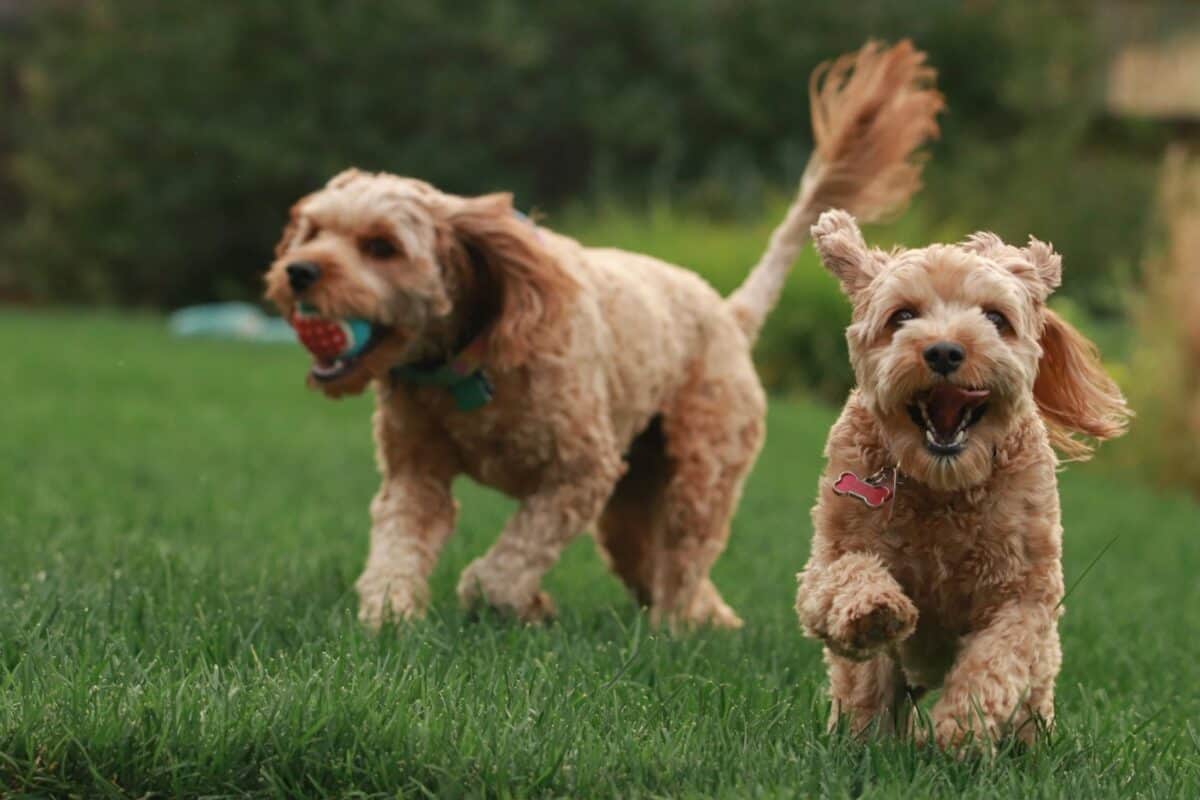
Context is everything when interpreting canine facial expressions. A dog’s smile takes on meaning based on the surrounding circumstances, their body language, and recent events. A relaxed, open-mouthed expression during a play session or after a satisfying meal indicates contentment, while the same expression might mean something different in an unfamiliar or stressful environment. Always consider what’s happening around your dog when you notice their facial expressions.
Pay particular attention to activities that consistently elicit your dog’s smile. Many dogs display their happiest expressions during specific activities: greeting family members after an absence, playing their favorite games, enjoying outdoor adventures, or settling down for cuddles. These consistent contexts help confirm that what you’re seeing is indeed an expression of positive emotion. If you notice your dog “smiling” in situations that wouldn’t typically be enjoyable, it might be worth reconsidering your interpretation or consulting with a professional to ensure you’re reading their signals correctly.
Other Signs of Canine Happiness
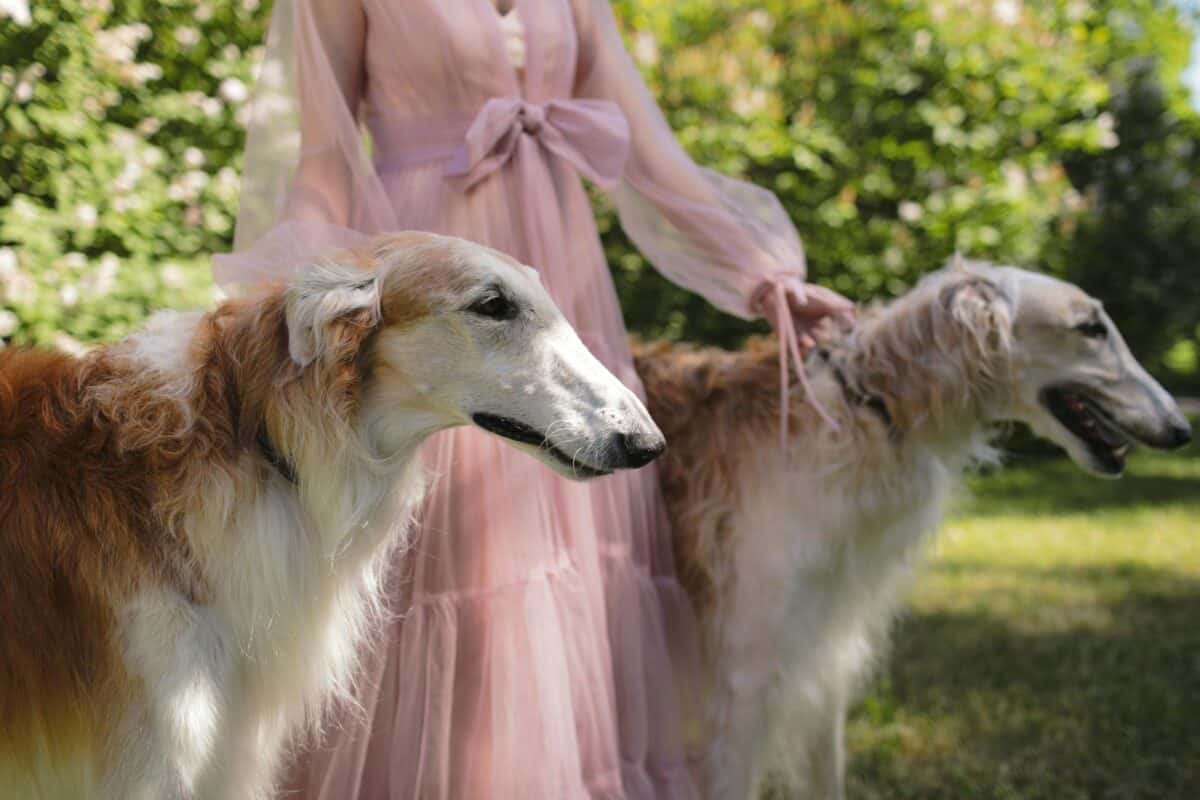
While the smile is perhaps the most charming indicator of a happy dog, it’s just one piece of a larger constellation of joy signals. A truly happy dog demonstrates their contentment through their entire body. Look for a relaxed, loose body posture with a natural stance or comfortable resting position. A gently wagging tail—particularly with a wide, sweeping motion that involves the hips—is another reliable happiness indicator. Happy dogs also often have bright, attentive eyes without tension around them, and their ears will be in a natural, relaxed position.
Behaviorally, happy dogs engage willingly with their environment and the people around them. They show interest in play, respond enthusiastically to interaction invitations, and recover quickly from minor stresses or startles. Vocalizations like soft whines of excitement or playful barks can accompany their happy expressions. Even sleeping positions can indicate contentment—a dog who sleeps stretched out or on their back with exposed belly is displaying deep comfort and security. All these signals, combined with their facial expression, create a complete picture of canine happiness.
How to Encourage Your Dog to Smile

If you’d like to see your dog’s happy expression more often, focus on creating positive experiences rather than trying to train a specific facial movement. Engage in activities your dog genuinely enjoys—whether that’s playing fetch, going for walks in interesting environments, practicing rewarding training exercises, or simply spending quality time together. The authentic canine smile comes from genuine positive emotions, not from mimicking a human expression.
That said, you can reinforce your dog’s natural happy expressions through positive association. When you notice your dog displaying their version of a smile during moments of happiness, you can gently mark and reward that state with praise, affection, or treats. Over time, some dogs will learn to offer this expression more readily, especially during greetings or interaction. Just remember that forcing a dog to “smile” through discomfort or stress is counterproductive and potentially harmful to your relationship. The goal should always be genuine happiness, with the smile as its natural byproduct.
Photographing Your Dog’s Smile

Capturing your dog’s smile in photographs can be challenging but rewarding. The key is to work with your dog’s natural rhythm rather than trying to force an expression. Plan your photo session during times when your dog is typically relaxed and happy, like after moderate exercise when they’re pleasantly tired but not exhausted. Have treats or toys on hand to create positive associations with the camera, which many dogs find strange or intimidating at first.
Technical considerations matter too. Use natural light whenever possible, as flash photography can startle dogs and cause them to tense up. A fast shutter speed helps capture those fleeting expressions before they change. Consider using burst mode to take several photos in quick succession, increasing your chances of capturing the perfect smile. Most importantly, keep the experience positive and brief—a genuinely happy dog is much more likely to display that coveted smile than one who’s being coerced into a lengthy, stressful photo session.
Understanding the Evolution of Dog Facial Expressions
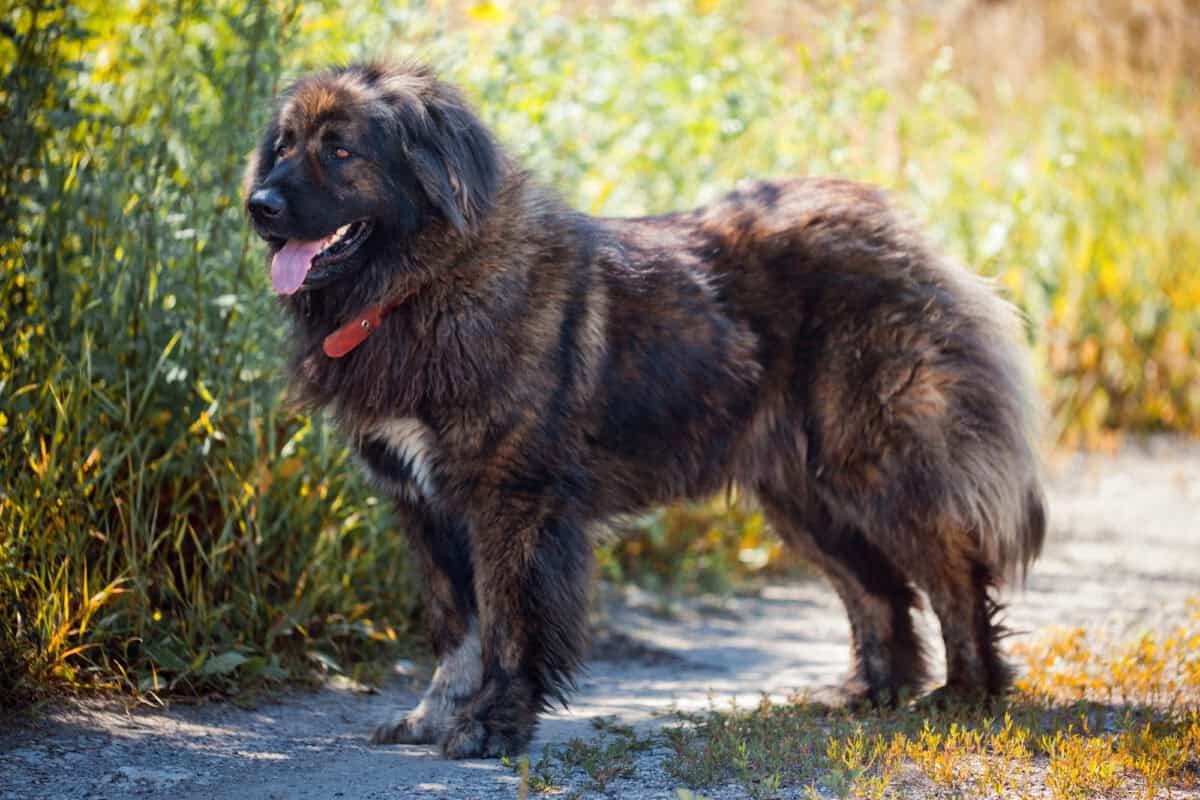
The ability of dogs to communicate through facial expressions represents one of the most fascinating aspects of their domestication. Wolves, the ancestors of domestic dogs, do have facial expressions, but research has shown that dogs have evolved much more mobile eyebrows and flexible facial muscles. A 2019 study published in the Proceedings of the National Academy of Sciences found that dogs have a muscle called the levator anguli oculi medialis that is well-developed in dogs but not in wolves. This muscle allows dogs to raise their inner eyebrows, creating the “puppy dog eyes” expression that humans find so appealing.
This facial evolution didn’t happen by accident. Scientists believe these changes occurred specifically to enhance dogs’ ability to communicate with humans. As humans selectively bred dogs who were better at understanding and responding to us, we inadvertently selected for enhanced facial expressiveness. The dogs who could effectively communicate their emotional states—including happiness—through facial expressions received more care, attention, and resources from their human companions, creating an evolutionary advantage. What we interpret as a smile is literally the product of thousands of years of co-evolution between our species.
The Joy of Recognizing Your Dog’s Happiness

Understanding when and how your dog smiles is more than just a cute observation—it’s a valuable window into their emotional well-being and a testament to the unique bond between humans and canines. While dogs don’t smile exactly like humans do, they absolutely express joy and contentment through their facial expressions in ways specifically evolved to communicate with us. The relaxed, open mouth with slightly raised corners, soft eyes, and overall relaxed demeanor represents one of the purest expressions of canine happiness.
By learning to recognize your dog’s unique way of smiling, you gain insight into what truly brings them joy, allowing you to create more positive experiences together. This mutual understanding strengthens your bond and enhances both your lives. Whether your dog’s smile is subtle or obvious, recognizing it connects you more deeply to their emotional world. So the next time your furry friend greets you with that special expression, you can confidently say that yes, your dog is indeed smiling at you—and science backs you up.

From exploring the marine wonders in the Azores and witnessing the vast savannas of Kenya, to delving deep into the rich biodiversity of South Africa and traversing iconic landscapes in Australia and the US like Yellowstone, Chris's experiences are vast.
With a penchant for diving alongside sharks, the ocean holds a special place in his heart.
Through his academic insights, he champions wildlife conservation, striving with 'Animals Around The Globe' to cultivate a profound connection between humans and animals, enhancing our mutual appreciation.
Connect with him at Feedback@animalsaroundtheglobe.com.
- What Happens When Earthquakes Hit Underwater - July 31, 2026
- Remembering Laika’s Brave Mission with Sputnik 2 - July 31, 2026
- Why Peacocks Are Sacred in Hindu and Greek Stories - July 31, 2026