

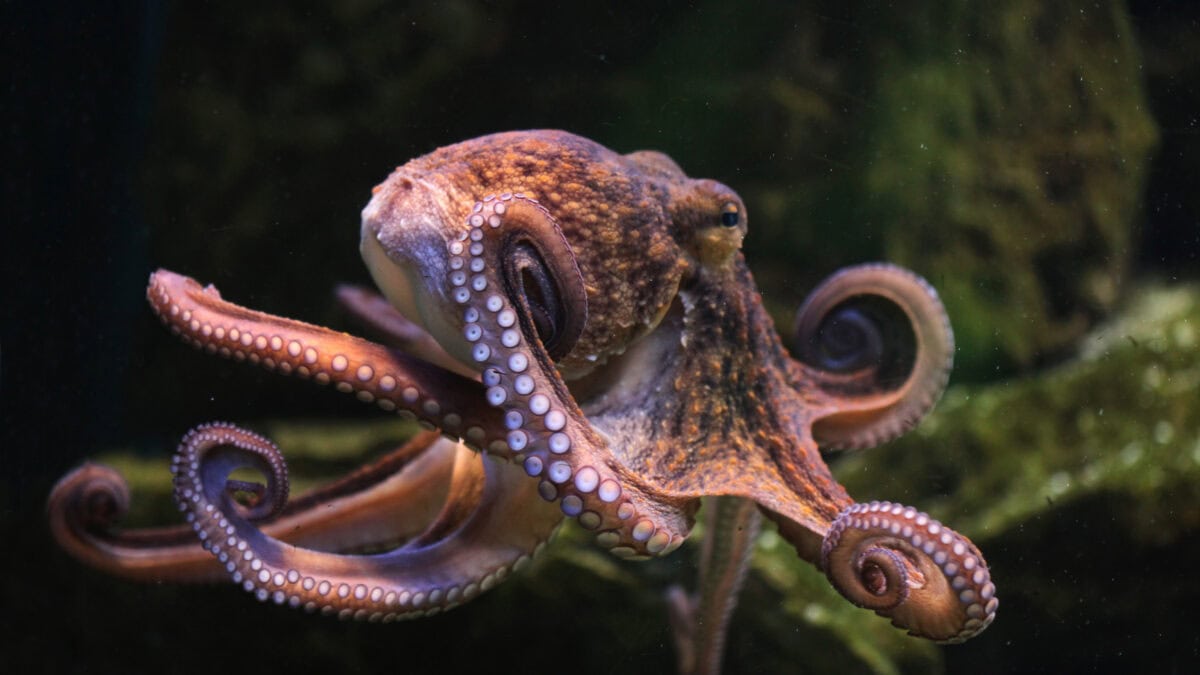
In the mysterious depths of the ocean, octopuses lead largely solitary lives, coming together primarily for one crucial purpose: reproduction. When breeding season arrives, male octopuses embark on dangerous quests to find receptive females, often encountering rival males along the way. These encounters can escalate into dramatic confrontations that showcase remarkable behaviors rarely witnessed by human eyes. From sophisticated visual displays to physical combat, male octopuses employ various strategies in their competition for reproductive success. This article explores the fascinating and sometimes brutal world of octopus mating competitions, revealing how these intelligent invertebrates fight for the chance to pass on their genes.
The Octopus Mating Season
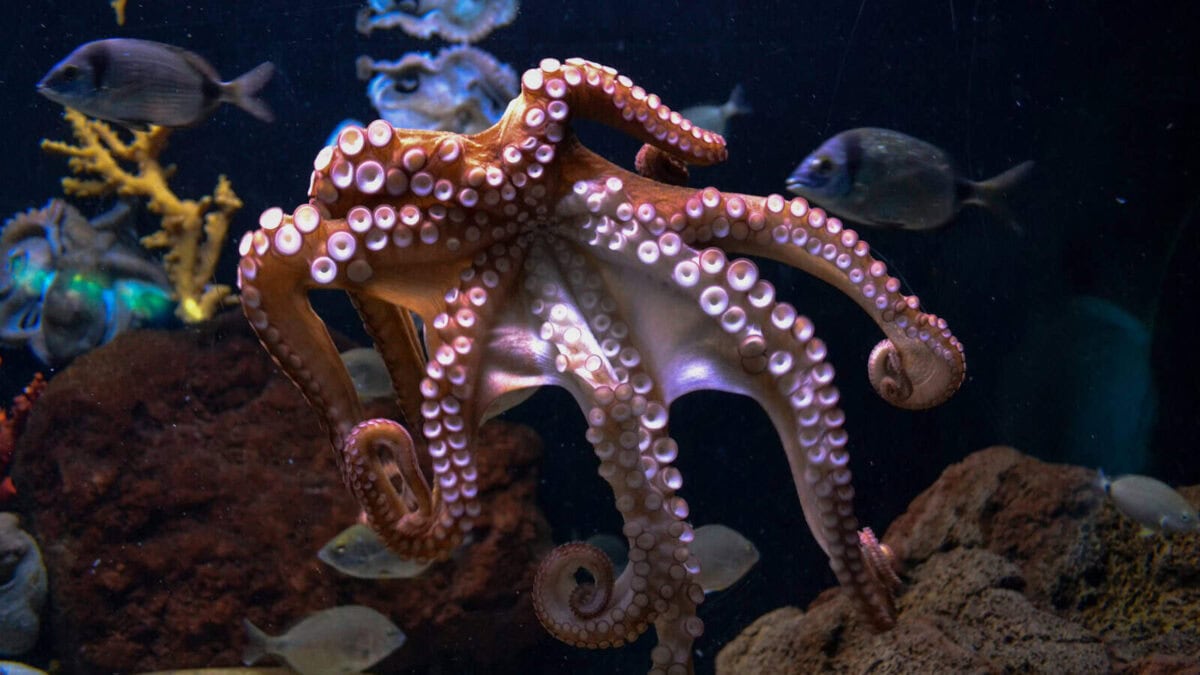
Octopus mating behavior is driven by their unusual life cycle. Most octopus species live for only 1-2 years, with reproduction marking the final chapter of their existence. Males typically mature slightly earlier than females, and once sexually mature, they begin searching for mates. This search is not random but occurs during specific seasonal periods that vary by species and geographic location.
For many octopus species, mating season corresponds with environmental cues such as changing water temperatures or light cycles. The common octopus (Octopus vulgaris), for instance, typically breeds in spring and early summer in temperate waters, while tropical species may breed year-round. During these periods, hormone levels in male octopuses surge, driving them to abandon their normally cautious, solitary behavior in favor of more risk-taking reproductive pursuits. This hormonal shift sets the stage for potential confrontations with other males similarly motivated to find females.
Detecting Rivals and Potential Mates
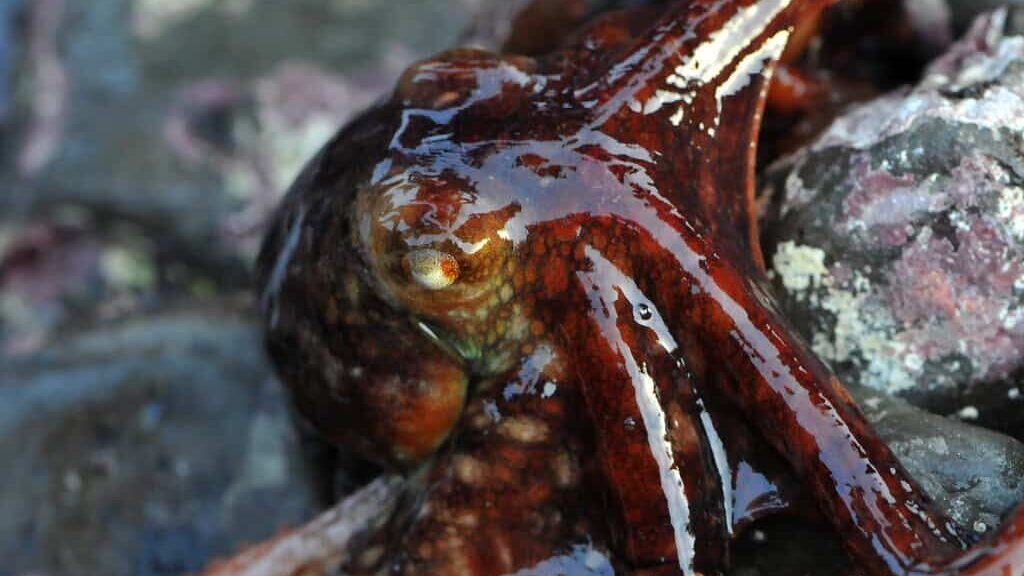
Male octopuses rely on sophisticated sensory abilities to locate both potential mates and competitors. Their primary method of detection involves chemoreception – essentially “tasting” the water for chemical signatures. Females release pheromones that can be detected from considerable distances, creating invisible trails that males follow. Similarly, males can detect the chemical signatures of other males in the vicinity, providing early warning of potential competition.
Beyond chemical detection, octopuses use their exceptional vision to identify other individuals at closer range. With complex eyes similar to those of humans, they can distinguish shapes, sizes, and even patterns of other octopuses. Some species also employ tactile exploration, using their arms to feel for the presence of others in caves, crevices, or under rocks. This multisensory approach allows males to efficiently locate receptive females while also preparing for possible confrontations with rivals who have detected the same chemical cues.
Visual Intimidation Displays
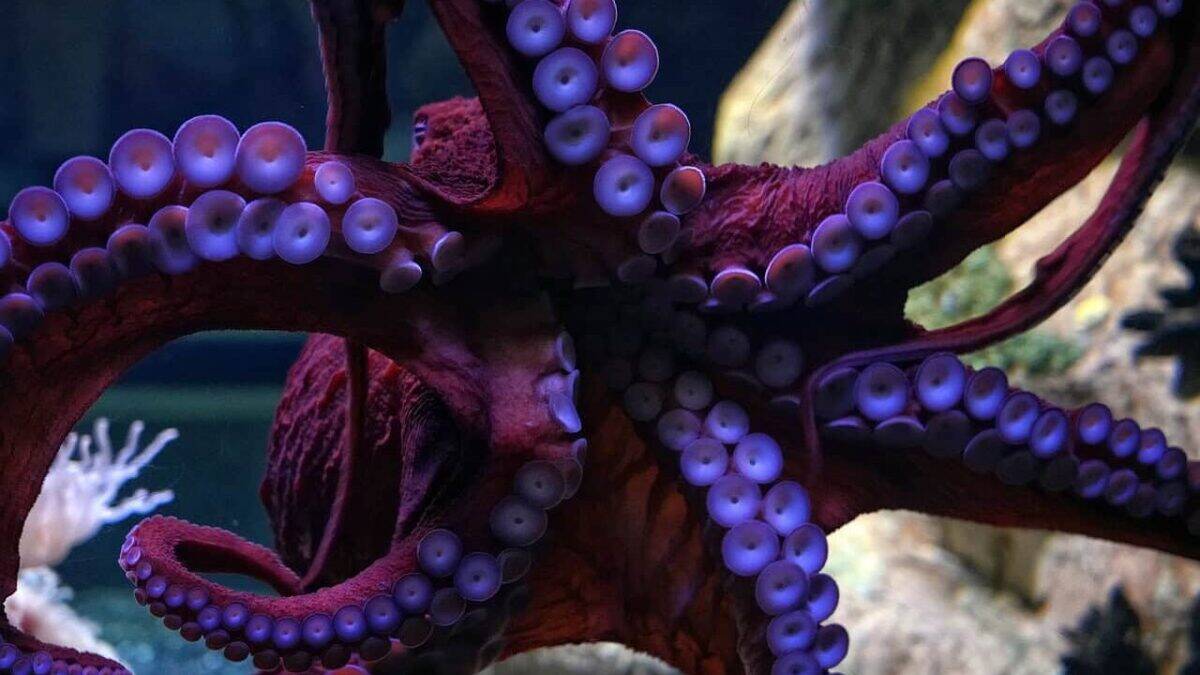
When male octopuses encounter each other in the vicinity of a potential mate, they often begin with elaborate visual displays designed to intimidate rivals without resorting to physical contact. These displays leverage the octopus’s remarkable ability to change color, pattern, and even skin texture almost instantaneously. A challenging male might suddenly increase in apparent size by stretching his arms wide, while simultaneously darkening his skin to appear more threatening. Some species display specific high-contrast patterns that signal aggression, such as bold stripes or spots that appear and disappear in pulsating waves.
The giant Pacific octopus (Enteroctopus dofleini) is known for particularly dramatic displays, where males may raise several arms above their head while changing to a bright red coloration. The blue-ringed octopus, despite its small size, flashes brilliant blue rings when challenging a rival – the same warning display it uses to deter predators. These visual signals serve as a form of communication that may allow males to assess each other’s size, health, and fighting capability without engaging in potentially damaging physical combat. In many cases, these displays alone determine the outcome, with the smaller or less confident male retreating from the confrontation.
Posturing and Territorial Behavior
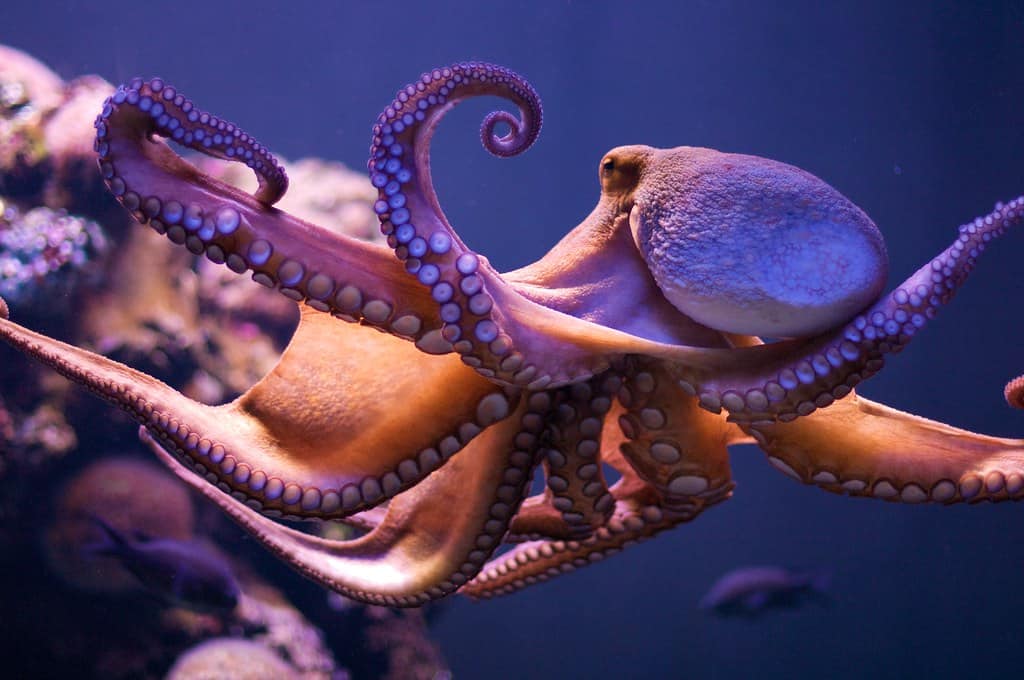
Beyond color changes, male octopuses engage in specific postures and movements that communicate dominance or submission during mating competitions. Dominant males often adopt an elevated stance, rising on several arms to appear taller and more imposing to rivals. This “standing tall” posture maximizes their apparent size and creates an intimidating silhouette. Some species may also perform lateral displays, spreading their arms and web to the side to create the appearance of greater body mass. The blue blanket octopus demonstrates perhaps the most extreme example, where males are thousands of times smaller than females, but unfurl colorful membranes between their arms to appear larger when confronting rivals.
Territorial behaviors also play a key role in these confrontations. Males may actively defend the area surrounding a female’s den, patrolling the perimeter and aggressively confronting any approaching males. In species like the Caribbean reef octopus, males have been observed maintaining positions near female dens for days, warding off multiple challengers. This territorial strategy not only prevents rivals from accessing the female but also demonstrates the male’s strength and persistence – qualities that may influence female mate choice in some species. These behaviors represent an intermediate level of competition, more active than visual displays but still avoiding direct physical combat.
Physical Combat Strategies

When visual intimidation and posturing fail to resolve competitions, male octopuses may escalate to physical combat. Despite lacking any hard parts except for their beaks, octopuses have developed surprising fighting techniques using their flexible bodies. The most common form of physical confrontation involves arm wrestling and grappling, where males wrap their arms around each other, attempting to control or restrain their opponent. Their powerful suction cups allow them to grip with considerable force, and the hundreds of suckers on each arm make it difficult for opponents to break free once engaged.
Some octopus species employ more specialized combat techniques. Males of certain species have been observed using their siphons (normally used for jet propulsion) to blast jets of water at rivals, potentially disorienting them or forcing them away from a female’s den. Others may throw objects like rocks or shells at competitors – a remarkable behavior that demonstrates their problem-solving intelligence. In the most intense confrontations, males may attempt to bite rivals with their sharp beaks, targeting the arms or mantle. These physical confrontations can last from minutes to hours, with males expending significant energy in their quest for reproductive success.
Specialized Weapons and Adaptations

Evolution has equipped some male octopuses with specialized adaptations specifically for mate competition. The blanket octopus (Tremoctopus violaceus) provides a striking example, with males possessing enlarged suckers on certain arms that function effectively as weapons during fights with rivals. Similarly, male argonauts (paper nautiluses) have developed enlarged arms that can be used to fend off competitors. Perhaps the most unusual adaptation appears in species where males have specialized arms with extra-large suckers, allowing them to maintain a stronger grip during physical confrontations.
Some species also display sexually dimorphic features that play roles in competitive interactions. Male octopuses of certain species grow larger than females, contrary to the pattern seen in many other octopus species, possibly as a result of selection pressure from male-male competition. The mimic octopus and some related species have developed the ability to impersonate other marine creatures – a skill primarily used for predator avoidance but occasionally observed during male confrontations, where a male may mimic a more dangerous species to intimidate rivals. These specialized adaptations highlight the evolutionary importance of reproductive competition in shaping octopus biology.
Risk Assessment and Strategic Retreats

Despite the intensity of competitive encounters, male octopuses display remarkable strategic thinking during these confrontations. They continuously assess the costs and benefits of continued fighting, making decisions that reflect their chances of success. Smaller males often retreat quickly when confronted by significantly larger rivals, preserving energy for finding other mating opportunities. This assessment process involves processing visual information about the opponent’s size, condition, and aggressive displays, demonstrating the sophisticated neural processing capabilities of these invertebrates.
In some species, males employ alternative mating strategies based on this risk assessment. Smaller males of the giant Pacific octopus, for instance, may adopt “sneaker” tactics, approaching females while larger males are engaged in fighting each other. Male octopuses have even been observed mimicking female appearance and behavior to avoid aggression from dominant males while gaining proximity to females. In the blue-ringed octopus, smaller males sometimes approach females while keeping larger rivals in “blind spots,” effectively using the environment to compensate for physical disadvantages. These strategic behaviors reveal that octopus mating competition involves cognitive processes beyond mere instinctual responses.
Injuries and Consequences

Physical confrontations between male octopuses can result in significant injuries. Their arms, while remarkably dexterous and strong, are vulnerable to the powerful beaks of rivals. In observed conflicts, males have sustained severed arm tips, lacerations to their mantles, and damage to their eyes. Unlike many vertebrates, octopuses possess considerable regenerative abilities, allowing them to regrow damaged arms over time. However, during the limited breeding season, such injuries can severely impact a male’s subsequent mating success by reducing mobility, hunting efficiency, or attractiveness to females.
Beyond physical damage, fighting exacts energetic costs that can have profound consequences. Male octopuses often cease feeding during the intense mate-searching phase, relying on stored energy reserves. Fighting depletes these reserves rapidly, potentially shortening an already brief reproductive period. For many species, reproduction represents a terminal event, with males dying shortly after mating. Injuries sustained during fighting can accelerate this decline, reducing the number of females a male might successfully mate with before death. These high stakes help explain why many confrontations are resolved through displays rather than physical combat, as males balance the potential reproductive benefits against serious risks to their survival.
The Female’s Perspective

While males engage in competitive behaviors, female octopuses are not passive observers in this reproductive drama. In many species, females demonstrate selective preferences, sometimes choosing between competing males based on criteria beyond mere fighting success. Females may assess males based on the quality of their displays, their persistence, or even their problem-solving abilities demonstrated during courtship. In some cases, females actively reject unwanted suitors by blasting them with jets of water or throwing objects to drive them away from their dens.
Research suggests that female octopuses may benefit from male competition in several ways. The process helps ensure mating with physically superior males, potentially securing better genes for offspring. Multiple mating attempts also provide females with opportunities to store sperm from different males, allowing for genetic diversity among their thousands of offspring. In the giant Pacific octopus, females have been observed seeming to “test” males with increasingly difficult challenges before allowing mating. This complex interplay between male competition and female choice represents a sophisticated evolutionary system that shapes octopus reproductive behavior and biology.
Unique Mating Strategies
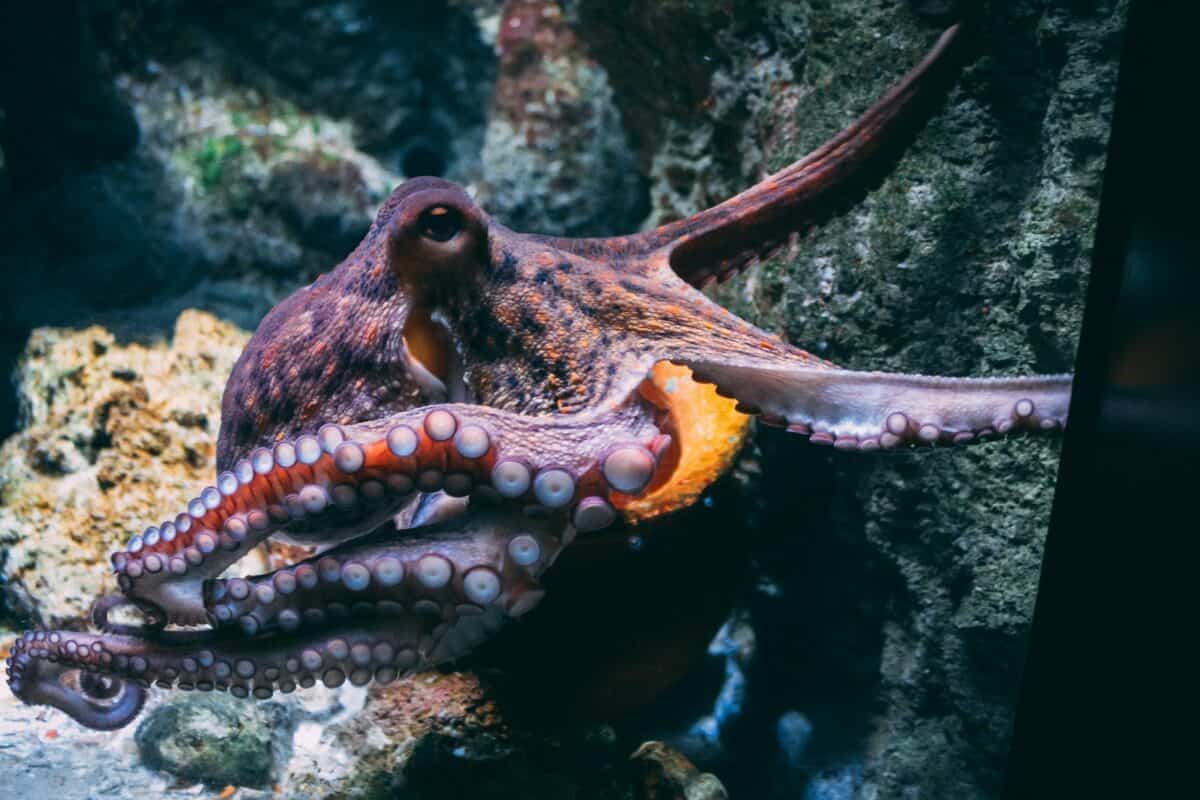
The pressures of competition have driven the evolution of remarkable mating strategies in male octopuses. Perhaps the most extraordinary is the detachable hectocotylus – a specialized arm that males of many species use to transfer sperm packets (spermatophores) to females. During mating confrontations, males with detachable hectocotyli may attempt to quickly deposit sperm before being driven away by larger rivals. In some species, like the argonaut, the entire hectocotylus detaches and can continue moving independently inside the female’s mantle cavity, a phenomenon so unusual that early naturalists mistook these detached arms for parasitic worms.
Other species have developed long-distance mating strategies that avoid direct competition entirely. In deep-sea octopuses where individuals rarely encounter each other, males produce specialized spermatophores that can be deposited in the environment for females to find later. The paper nautilus male, thousands of times smaller than the female, may approach while she’s feeding, quickly transferring sperm and retreating before being potentially cannibalized. These diverse strategies highlight the evolutionary pressure that competition places on reproductive mechanisms, driving adaptations that maximize success while minimizing risk in the high-stakes game of reproduction.
Scientific Studies and Observations
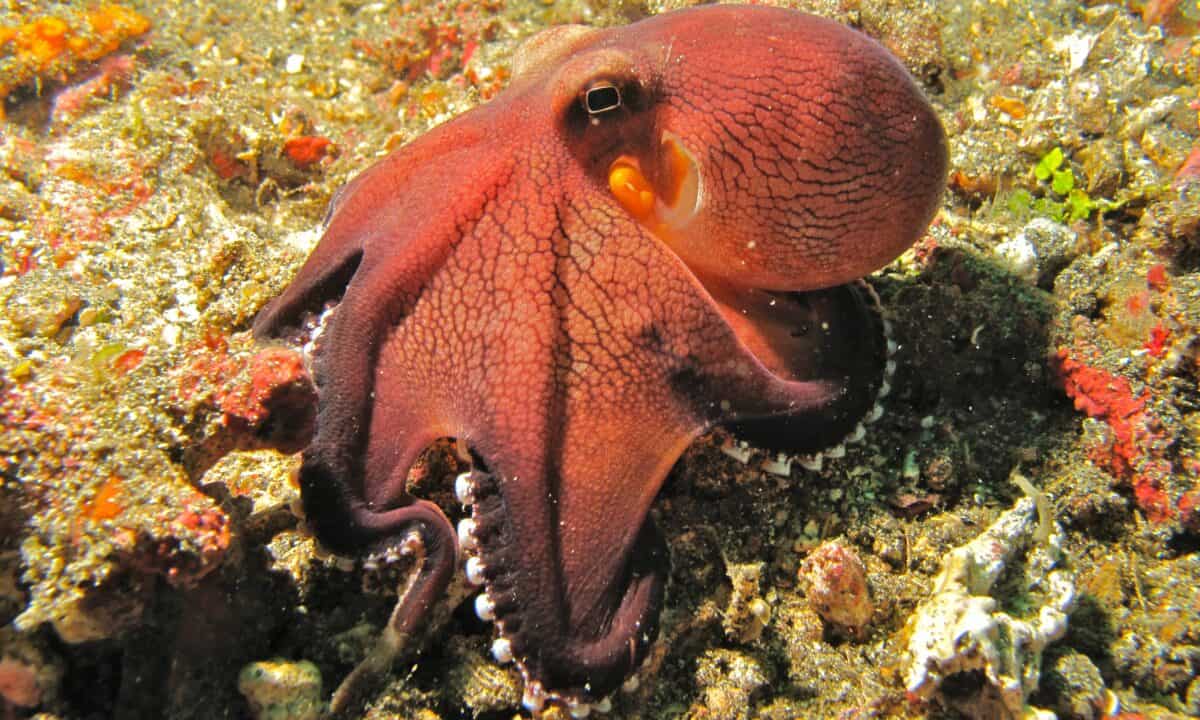
Documenting octopus mating competitions presents significant challenges for researchers. These encounters often occur in hard-to-reach habitats, from deep ocean floors to narrow rocky crevices. Despite these difficulties, several groundbreaking studies have captured these dramatic interactions. Marine biologist Roger Hanlon has conducted extensive field research documenting the complex signaling systems used during competitive encounters in several octopus species. His work with the giant Pacific octopus revealed multi-stage competitive interactions where males progressed from visual displays to physical combat only as a last resort.
Laboratory studies have provided additional insights, allowing researchers to control variables and observe behaviors in detail. Research by Christine Huffard on the Indonesian algae octopus (Abdopus aculeatus) documented multiple competitive strategies, including guard and flush tactics where dominant males actively patrol territories and drive away competitors. Recent advances in underwater filming technology, including remotely operated vehicles with high-definition cameras, have captured previously unseen competitive behaviors in deep-water species. These scientific observations continue to expand our understanding of how male octopuses balance the considerable risks of competition against the evolutionary imperative to reproduce.
Conclusion: The Evolutionary Drama of Octopus Competition
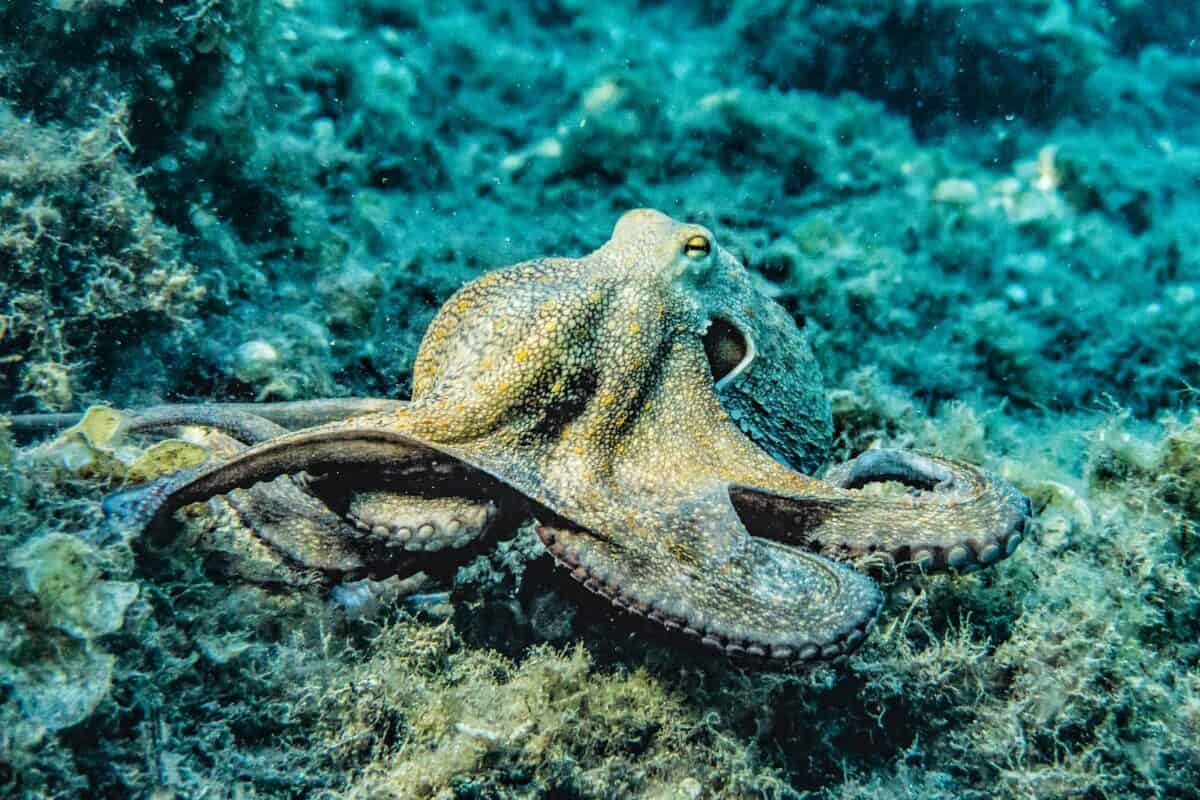
The competitive interactions between male octopuses represent a fascinating evolutionary drama that has shaped these remarkable animals in profound ways. From their color-changing abilities and specialized arms to their complex behavioral strategies, many aspects of octopus biology have been influenced by the pressures of reproductive competition. These contests reveal the surprising sophistication of octopus cognition, as males assess rivals, adapt strategies, and make complex decisions about when to fight and when to retreat. Despite being relatively short-lived invertebrates, octopuses display behavioral complexity that rivals many vertebrates with much larger brains.
As scientists continue to study these interactions, we gain not only greater understanding of octopus biology but also broader insights into the evolutionary forces that shape animal behavior. The high-stakes competition between male octopuses demonstrates how the drive to reproduce can lead to remarkable adaptations and complex social interactions even in primarily solitary animals. In the end, these competitive behaviors ensure that octopus populations maintain genetic diversity and adaptability – crucial factors in their continued success across the world’s oceans despite the challenges of their brief but dramatic lives.

From exploring the marine wonders in the Azores and witnessing the vast savannas of Kenya, to delving deep into the rich biodiversity of South Africa and traversing iconic landscapes in Australia and the US like Yellowstone, Chris's experiences are vast.
With a penchant for diving alongside sharks, the ocean holds a special place in his heart.
Through his academic insights, he champions wildlife conservation, striving with 'Animals Around The Globe' to cultivate a profound connection between humans and animals, enhancing our mutual appreciation.
Connect with him at Feedback@animalsaroundtheglobe.com.
- A Bear Journey Through The USA: 18 Best Bear Photos from 18 US States - July 19, 2026
- Elephant Matriarchs Know Every Waterhole for Miles - July 19, 2026
- Top 10 Dinosaur Relatives Still Roaming Earth Today - July 19, 2026