


In recent years, the trend of keeping exotic pets, particularly snakes, has reached unprecedented heights in the United States. However, this passion for serpentine companions is not without controversy. Increasingly, some U.S. states are enacting bans on certain snake species, driven by concerns ranging from ecological impact to public safety. In this article, we explore the multifaceted reasons behind these legislative actions, their implications, and the realities faced by both snake enthusiasts and the ecosystems involved.
Understanding the Popularity of Exotic Snakes
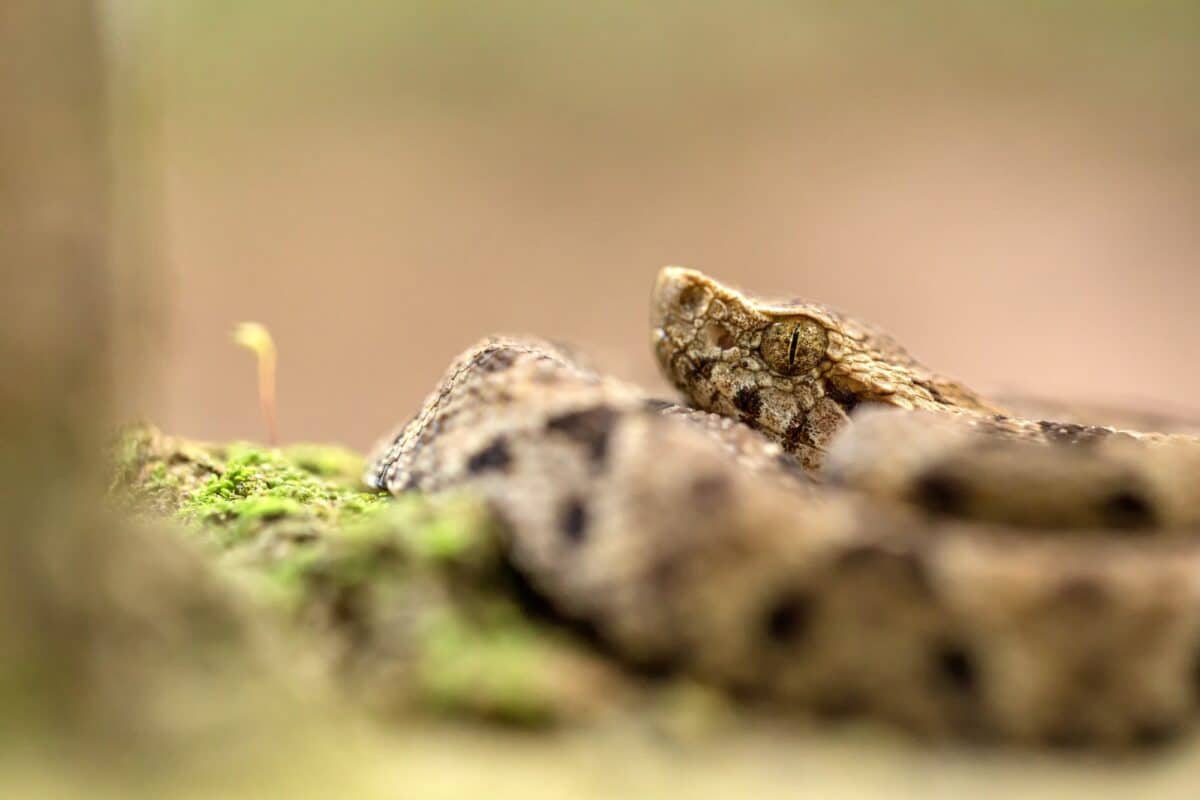
Exotic snakes have become a fascinating hobby for many Americans, enraptured by their unique beauty and captivating behaviors. From the colorful corn snake to the majestic Burmese python, these creatures offer pet owners a connection to the wild and a departure from traditional domesticated animals. Yet, with this surge in popularity, issues of regulation and safety have come to the forefront.
Why Do States Ban Certain Snake Species?

States are prompted to ban specific snake species primarily due to ecological, safety, and public health concerns. Invasive species can decimate local wildlife, while large constrictor snakes pose danger to humans and other pets. Additionally, diseases can spread through snake populations, threatening both indigenous species and human communities.
The Ecological Impact of Invasive Snakes

One of the most pressing concerns is the introduction of non-native snakes into local ecosystems, where they can become invasive. These species can outcompete native wildlife for resources, leading to significant disruptions in biodiversity. The Burmese python in Florida is a notable example, where its presence in the Everglades has led to alarming declines in mammal and bird populations.
Public Safety Concerns: Constrictors and Venomous Snakes
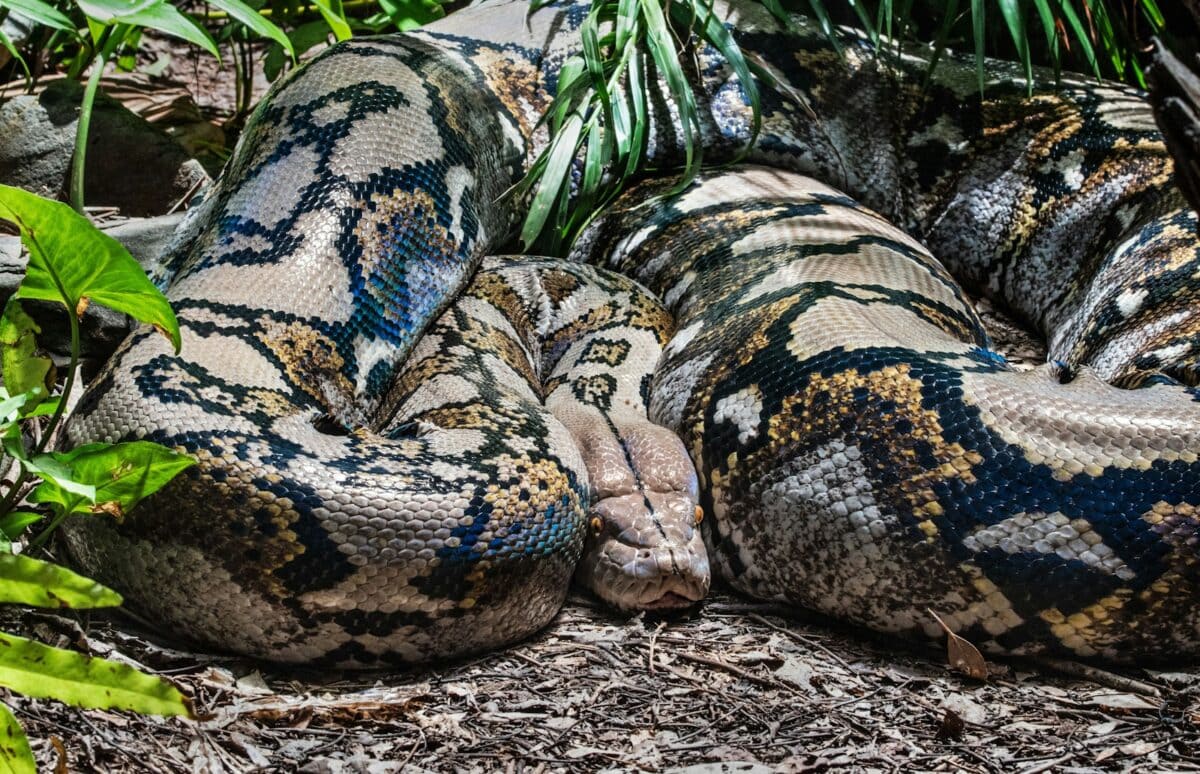
Large constricting snakes such as pythons and anacondas can pose serious risks to humans. There have been incidents where escaped or released pet snakes have attacked people, often with fatal outcomes. Similarly, venomous snakes exhibit a clear danger, with bites causing severe reactions or death if untreated. These risks necessitate strict control to protect communities.
Health Risks Posed by Exotic Snakes
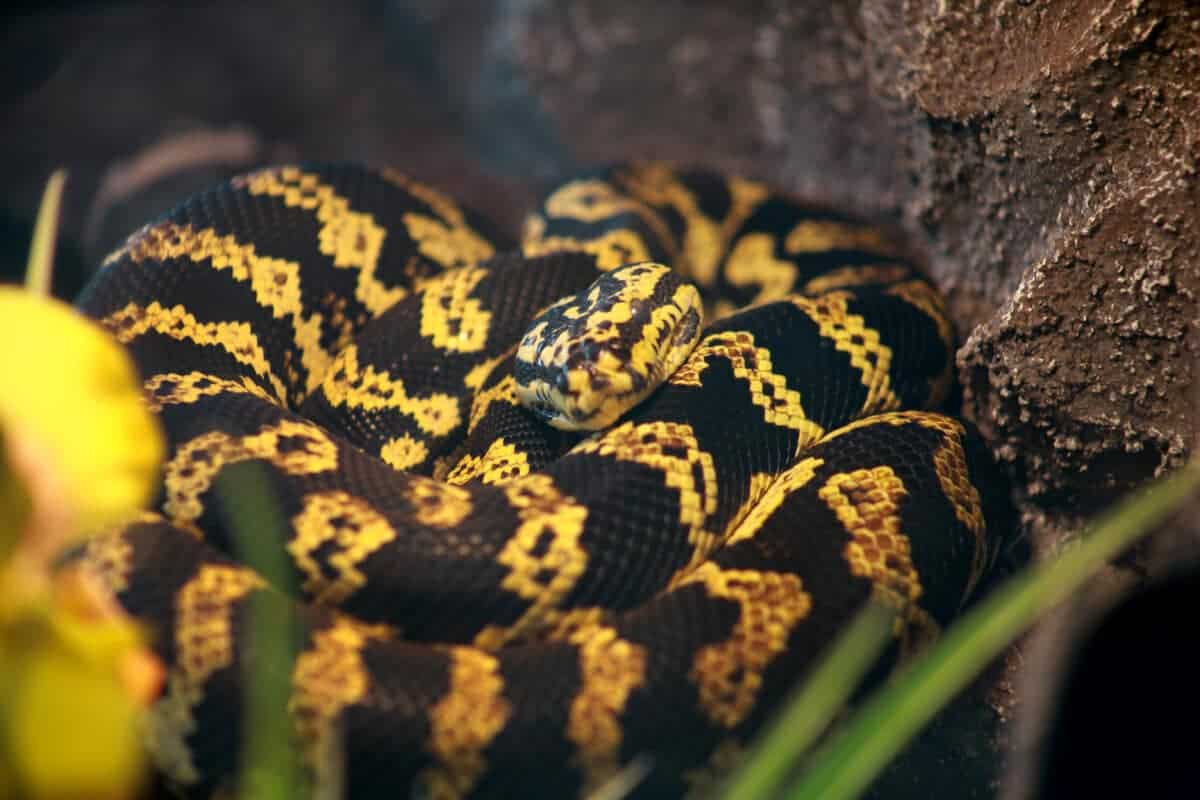
Beyond the physical danger, snakes can carry diseases transmissible to humans, known as zoonoses. Salmonella is a common concern, but emerging diseases also pose threats. This potential for outbreaks is a significant factor in the decision to regulate exotic snake ownership more stringently.
Case Study: The Burmese Python in Florida
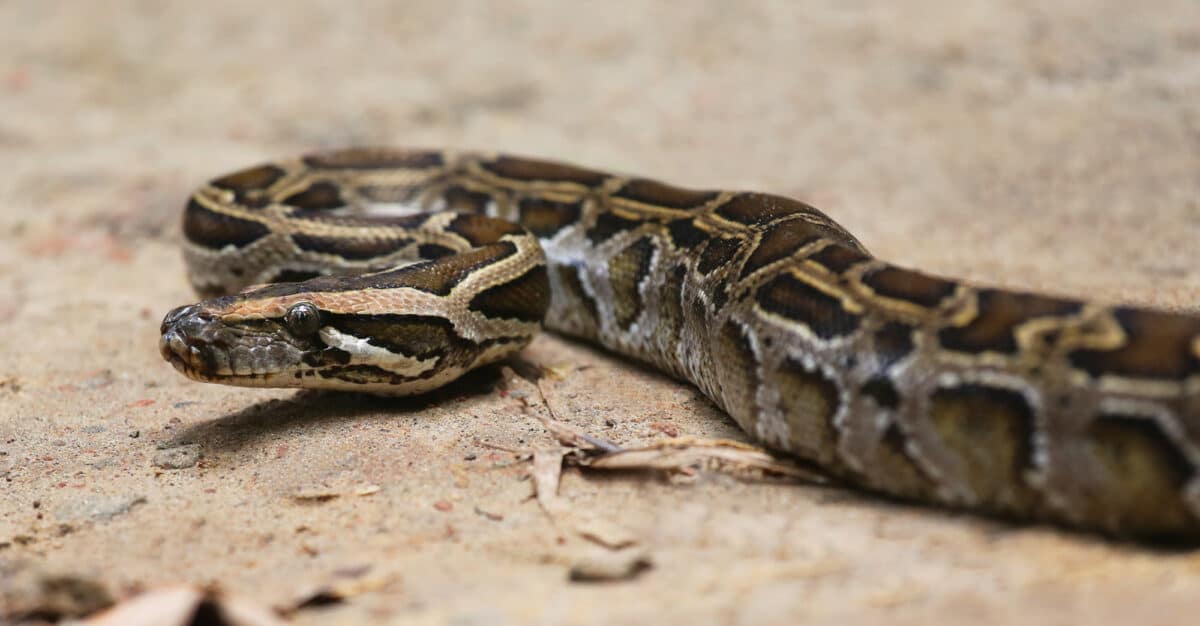
Florida’s Everglades provide a pertinent case study for understanding the impact of invasive snake species. The introduction of Burmese pythons has led to drastic shifts in the ecosystem. This apex predator competes with native species, leading to its classification as a high-threat invasive species and sparking initiatives for its capture and control.
Regulatory Frameworks Across U.S. States
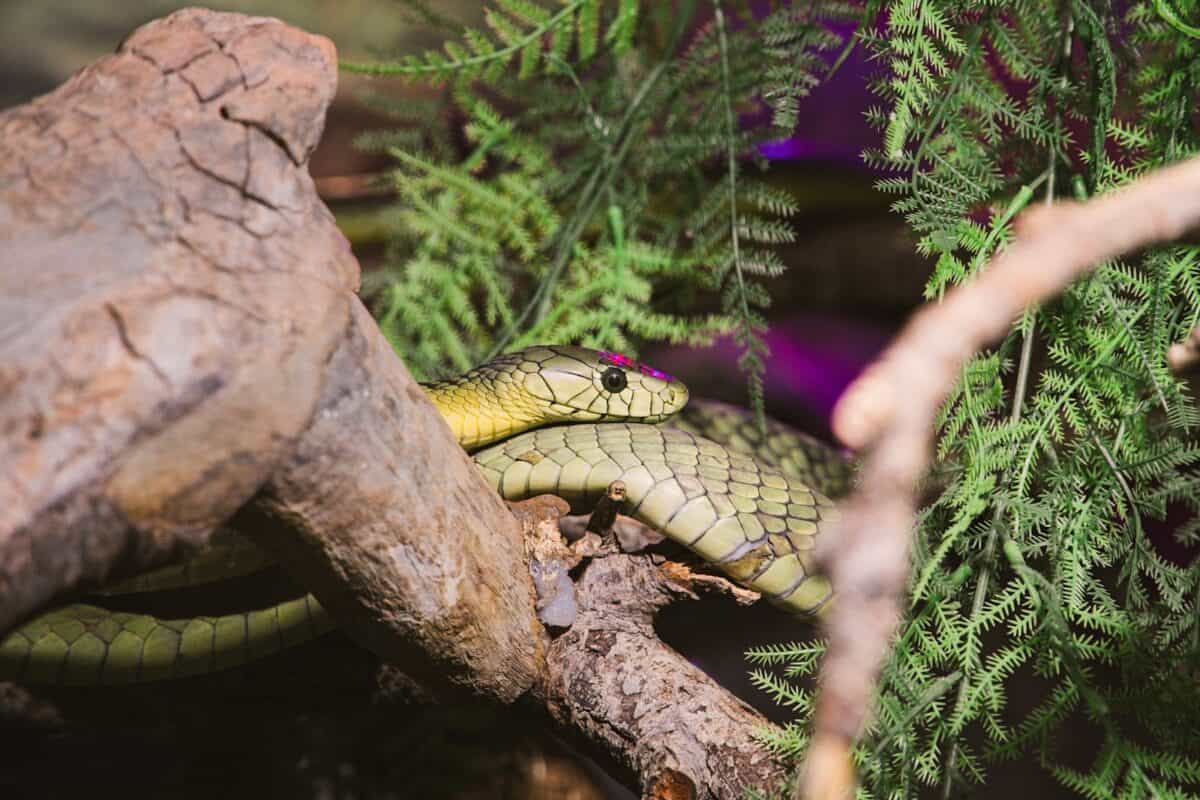
Laws governing exotic snakes vary widely across states. Some states impose outright bans on specific species, while others mandate permits, inspections, or microchipping. These diverse regulatory approaches reflect local ecological considerations and community safety priorities, underscoring the complex nature of managing exotic pet ownership.
Ethical Considerations for Snake Owners

Snake enthusiasts must navigate the ethical implications of their hobby, balancing personal interests with broader ecological and societal responsibilities. Responsible ownership includes containment measures to prevent escape, as well as understanding potential impacts on native species and community safety.
Role of Education and Responsible Ownership

Education plays a crucial role in fostering responsible snake ownership. Initiatives by hobbyist groups and wildlife organizations aim to educate the public about the specific needs of exotic snakes, proper care techniques, and avoiding behaviors that might endanger local ecosystems.
The Exotic Pet Trade and Its Influence
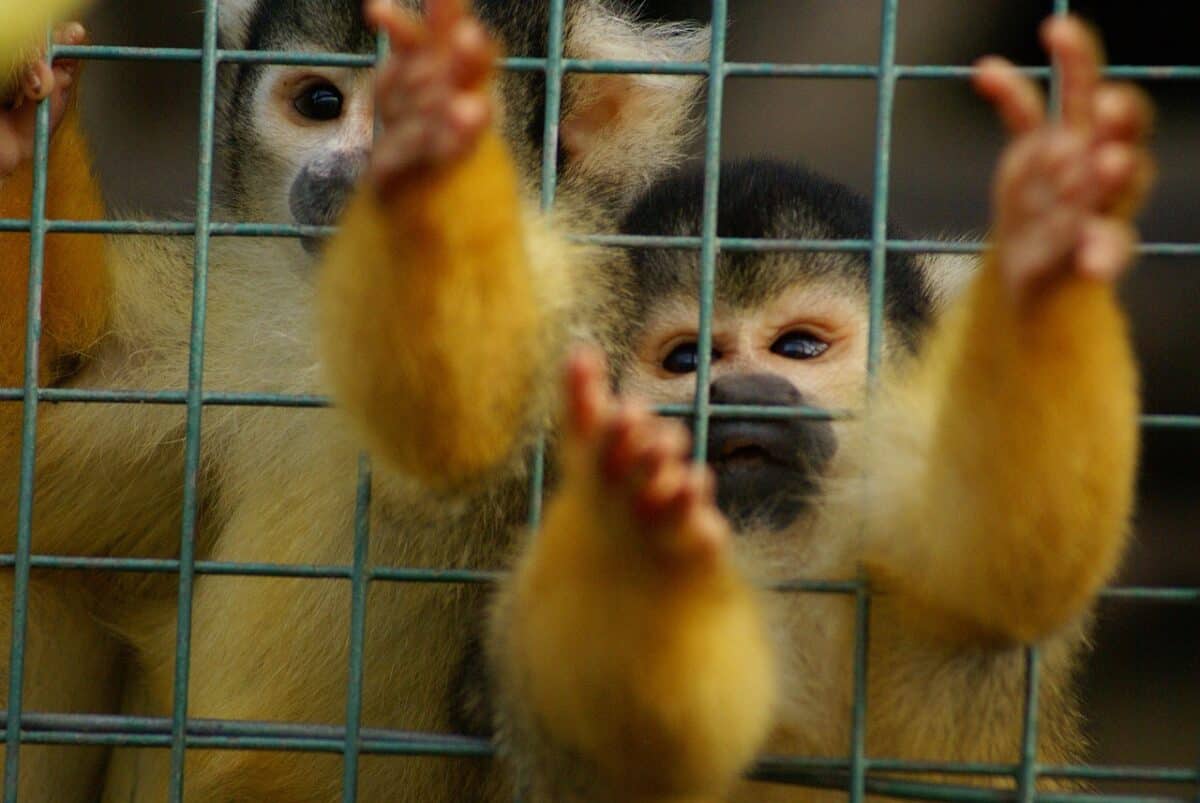
The trade in exotic pets, including snakes, is a driving force behind their availability and popularity. Regulation of this industry, alongside education, is crucial to ensure that pets are sourced ethically and that buyers are well-informed about the responsibilities and risks involved.
Alternative Solutions to Bans
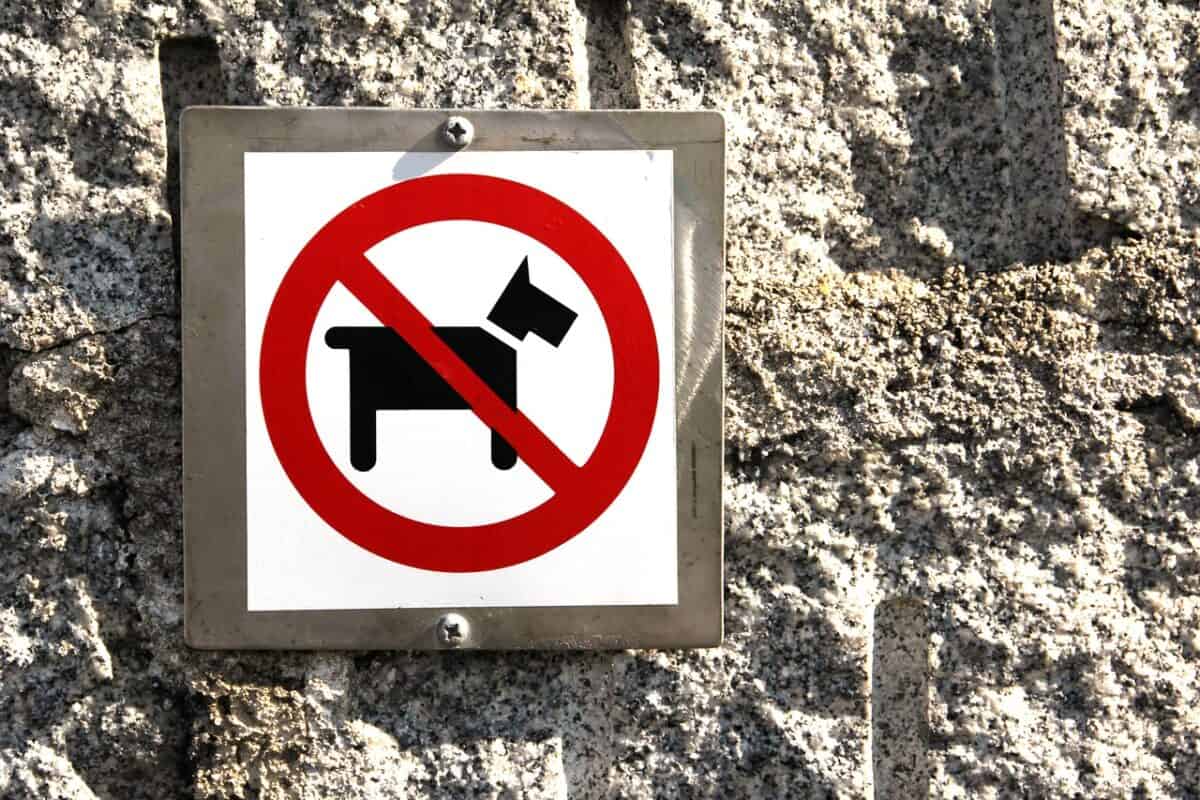
While bans are a tool in managing potential dangers, alternative solutions like improved owner education, tighter industry regulations, and enhanced habitat protection may offer balanced approaches that satisfy conservation needs and personal liberties.
The Future of Snake Legislation in the U.S.

As our understanding of the risks and benefits associated with exotic snakes evolves, so too will legislation. Collaborative efforts between lawmakers, scientists, and the community can create effective strategies to protect ecosystems and ensure responsible pet ownership continues sustainably.
In summary, the decision by some U.S. states to ban certain snake species reflects a nuanced balance of ecological preservation, public safety, and animal welfare. As awareness grows, education and responsible ownership will become increasingly vital in aligning conservation efforts with the interests of exotic pet enthusiasts.

- Owls and Other Forest Dwellers of the Cascades - July 19, 2026
- What Happens When a Python Eats Something Too Big? - July 19, 2026
- Baby Koalas Hug Their Moms for Safety and Comfort - July 19, 2026