
The Olympic Games celebrate the pinnacle of human athletic achievement, showcasing extraordinary feats of strength, speed, endurance, and agility. But what if our animal counterparts competed in their own version of the Olympics? Nature has produced some truly remarkable athletes whose physical abilities far surpass those of even our most elite human Olympians. From cheetahs that would make Usain Bolt look like he’s running in slow motion to gorillas that could put weightlifting champions to shame, the animal kingdom is full of gold medal contenders. In this fascinating exploration, we’ll discover which creatures would dominate various Olympic events if the animal kingdom held its own Games, based on their natural abilities and adaptations. Prepare to be amazed by Mother Nature’s champion athletes and the incredible physical feats they perform every day just to survive.
The Sprinters: Fastest Animals on Land
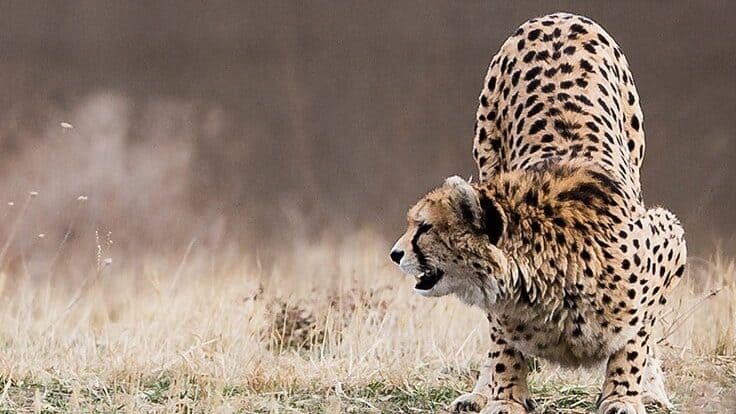
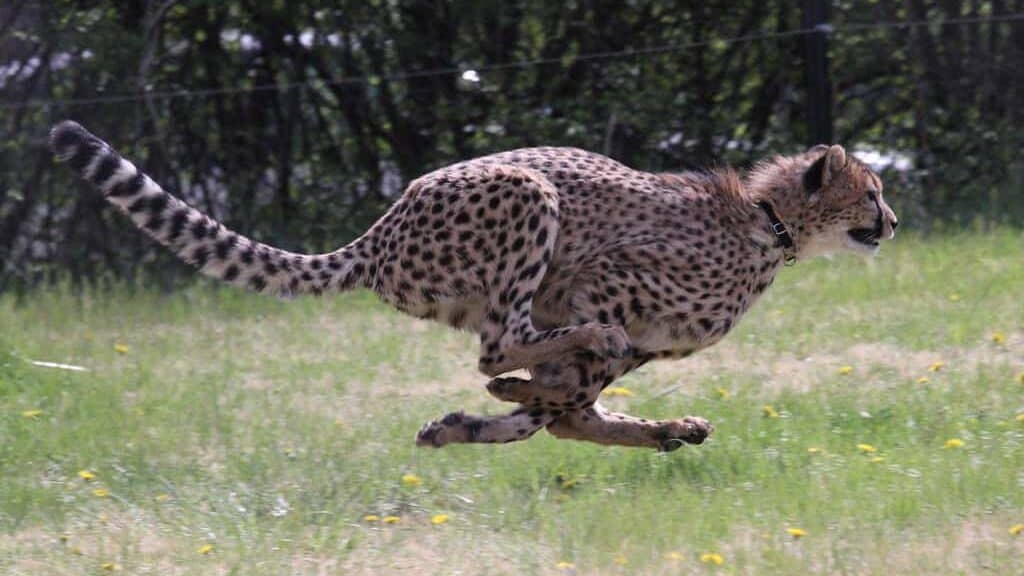
In the animal Olympics, the 100-meter dash would undoubtedly be dominated by the cheetah. Clocking speeds of up to 70 mph (112 km/h), the cheetah can accelerate from 0 to 60 mph in just three seconds, making it the undisputed champion of short-distance sprinting. With its lightweight frame, flexible spine, and non-retractable claws that function like track spikes, the cheetah’s entire body is engineered for explosive acceleration and high-speed pursuit. However, this incredible speed comes at a cost—cheetahs can only maintain their top speed for about 30 seconds before overheating.
For the silver medal position, we’d likely see the pronghorn antelope of North America, which can sustain speeds of around 55 mph (88 km/h) for much longer distances than the cheetah. The springbok would claim bronze with its ability to reach speeds of 50 mph (80 km/h). Honorable mentions go to the wildebeest and lion, both capable of reaching speeds around 50 mph, though the lion’s sprint is typically even briefer than the cheetah’s. If humans were to compete in this event, even Usain Bolt’s record-setting 27.8 mph would leave him watching the competition from far behind.
Marathon Champions: Endurance Specialists

When it comes to endurance events, the gold medal would likely go to the bar-tailed godwit, a bird that holds the record for the longest non-stop flight. These remarkable birds fly from Alaska to New Zealand without a single stop for food, water, or rest—covering approximately 7,500 miles (12,000 km) in about nine days of continuous flying. This feat is the equivalent of running multiple marathons back-to-back without any breaks, making human ultra-marathoners seem like casual joggers in comparison.
On land, the pronghorn antelope would take silver for its ability to maintain speeds of 35 mph (56 km/h) for over 4 miles (6.4 km) and can run at 30 mph for over 20 miles (32 km). The African wild dog would claim bronze for its incredible hunting strategy that involves chasing prey to exhaustion over distances of up to 10 miles (16 km). Wolves and huskies also deserve recognition for their endurance capabilities, with huskies able to maintain an average speed of 10-15 mph while pulling sleds for up to 100 miles per day in Arctic conditions. Human marathoners, despite their impressive achievements, would find themselves thoroughly outclassed in this event.
Swimming Superstars: Masters of the Water

In aquatic events, the sailfish would claim gold with its blistering top speed of 68 mph (110 km/h), making it the fastest swimmer in the ocean. This incredible velocity is achieved through a combination of its streamlined body, retractable dorsal fin that reduces drag when not in use, and a specialized swimming technique that minimizes turbulence. The black marlin would take silver with speeds reaching 82 mph (132 km/h) in short bursts, while the bluefin tuna would secure bronze with its ability to cruise at 43 mph (70 km/h) and maintain impressive speeds over long distances.
For long-distance swimming events, the whale shark might emerge victorious despite its slower pace, as these gentle giants can migrate thousands of miles across open ocean. The Chinook salmon would also be a strong contender, swimming upstream against powerful currents for distances exceeding 2,000 miles (3,200 km) to reach spawning grounds. Dolphins deserve special mention for their efficient swimming technique, able to maintain speeds of around 25 mph (40 km/h) for extended periods and capable of leaping nearly 30 feet (9 meters) out of the water. Even Michael Phelps, with his top speed of about 6 mph, would be left in the wake of these aquatic athletes.
Heavyweight Lifting: Nature’s Strongest
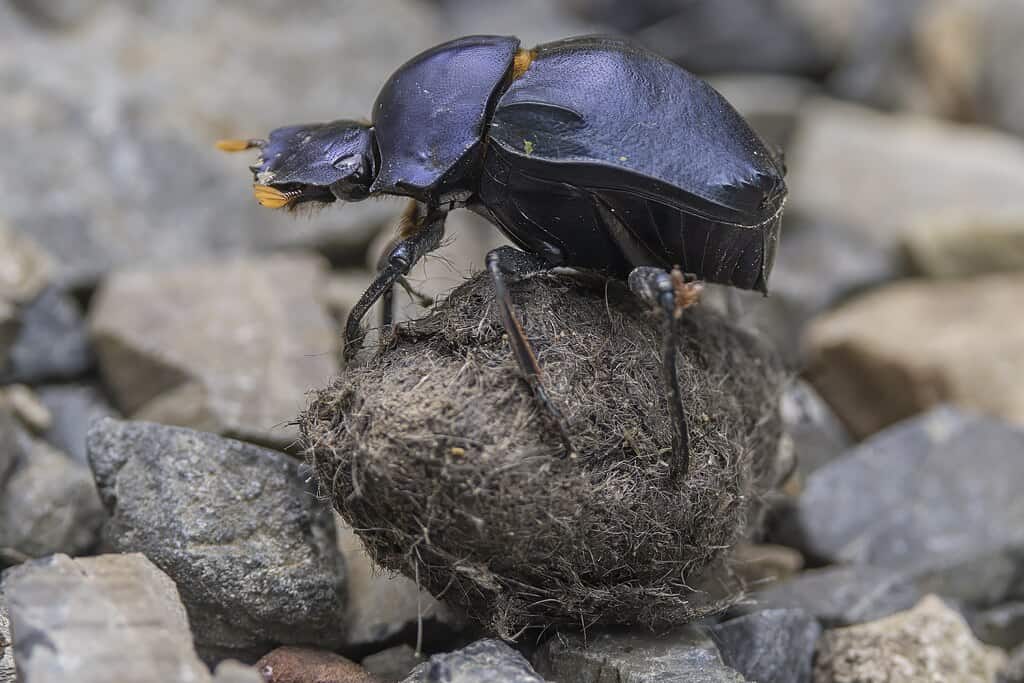
In terms of pure strength relative to body weight, the gold medal for weightlifting would go to the dung beetle, which can lift objects 1,141 times its own body weight. To put this in perspective, it would be equivalent to a human lifting six double-decker buses. These tiny powerhouses use their extraordinary strength to roll balls of dung many times their size across challenging terrain for food and breeding purposes. For the absolute weight lifted, the rhinoceros beetle claims silver with the ability to carry 850 times its body weight, while the leaf cutter ant takes bronze, capable of carrying items 50 times its own weight while traversing complex terrain.
Among larger animals, the gorilla would dominate with its ability to lift up to 10 times its body weight, equivalent to a 1,800-pound (815 kg) lift for a 400-pound (180 kg) silverback. The grizzly bear would be a close competitor, with the strength to flip 700-pound (317 kg) rocks with ease while foraging for food. The African elephant would excel in absolute strength, able to carry up to 9 tons (8,165 kg). The strongest human weightlifters, by comparison, can lift approximately 3 times their body weight, showcasing the immense gap between human and animal strength capabilities.
High Jump and Long Jump Champions
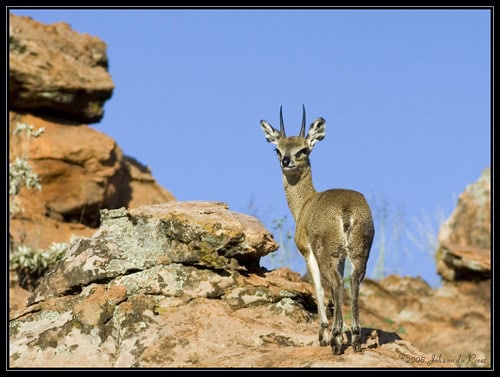
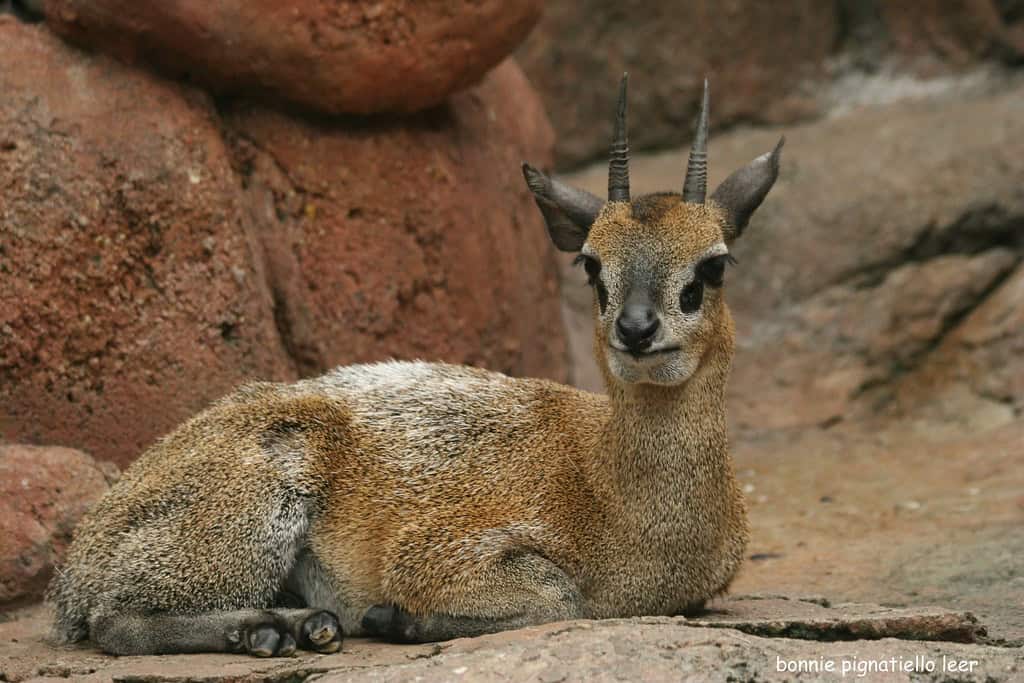
The high jump competition would see the klipspringer antelope taking gold with its ability to jump up to 25 feet (7.6 meters) vertically. These small antelopes, native to eastern and southern Africa, use their remarkable jumping ability to escape predators and navigate their rocky habitat. The snow leopard would secure silver, capable of leaping 50 feet (15 meters) horizontally and 20 feet (6 meters) vertically when pursuing prey across mountainous terrain. The impala would claim bronze with its impressive 10-foot (3-meter) vertical jumps and horizontal leaps covering distances of up to 33 feet (10 meters).
In the long jump category, the red kangaroo would dominate with its ability to cover 42 feet (13 meters) in a single bound and sustain jumps of 25 feet (7.6 meters) when traveling at speed. The mountain lion would take silver with horizontal leaps of up to 40 feet (12 meters), while the snow leopard would claim another medal with its 50-foot (15-meter) horizontal jumps. For comparison, the human world record for the high jump stands at just over 8 feet (2.45 meters), set by Javier Sotomayor, while the long jump record is 29 feet 4.25 inches (8.95 meters), achieved by Mike Powell—both impressive but far short of what these animal athletes accomplish routinely.
Gymnastics and Acrobatics: Masters of Agility
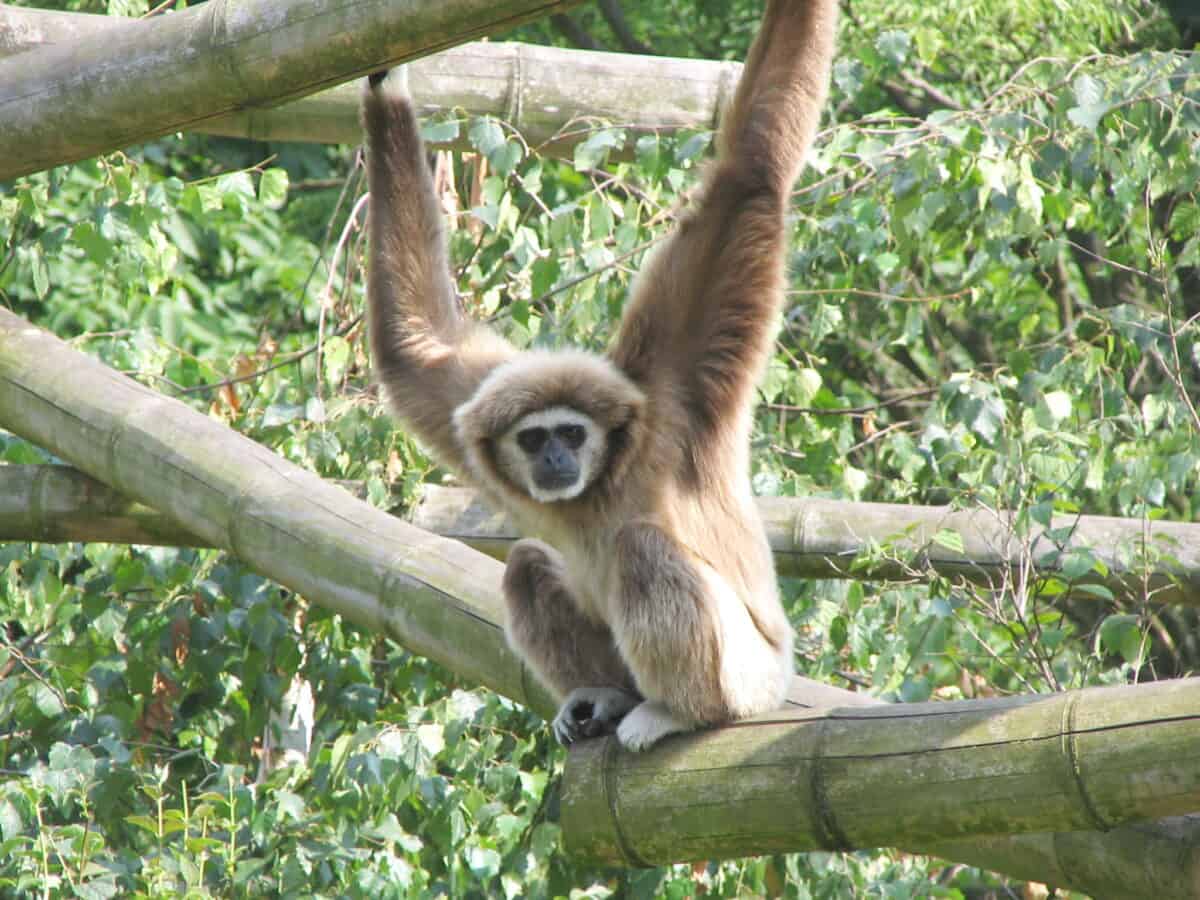
The gymnastics and acrobatics gold medal would unquestionably go to the gibbon, whose brachiation (arm-swinging) through the forest canopy displays unmatched grace, precision, and control. These apes can swing at speeds up to 35 mph (56 km/h), accurately judging distances between branches and executing mid-air turns with flawless timing. Their shoulder joints allow for 360-degree rotation, giving them unprecedented freedom of movement as they navigate complex three-dimensional environments with seemingly effortless agility.
The silver medal would belong to the squirrel, particularly the flying squirrel, which can execute precise aerial maneuvers including gliding distances of up to 160 feet (48 meters). These small mammals demonstrate remarkable spatial awareness and body control, making split-second adjustments during their aerial journeys between trees. The snow leopard would take bronze for its extraordinary balance and coordination when traversing nearly vertical cliff faces and narrow ledges in its mountainous habitat. Cats in general deserve honorable mention for their ability to twist in mid-air during falls to land safely on their feet, a gymnastic feat requiring exceptional proprioception and muscular control that human gymnasts can only dream of replicating.
Diving Champions: Masters of the Plunge
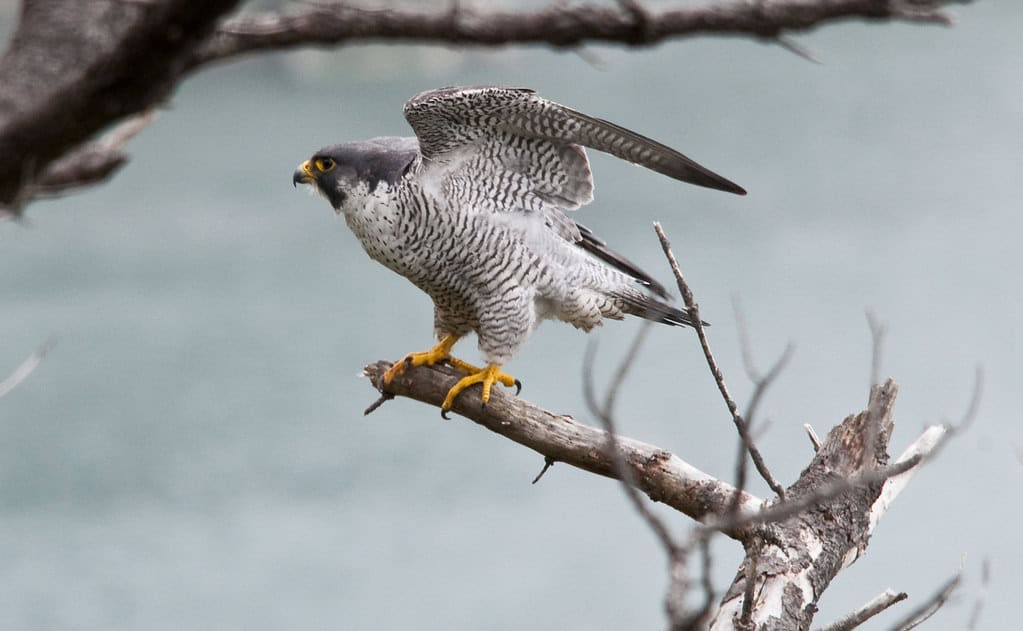
In diving competitions, the peregrine falcon would claim gold with its spectacular hunting dives, or stoops, reaching speeds of over 240 mph (386 km/h). These birds execute precision dives from heights of up to 10,000 feet (3,000 meters), maintaining aerodynamic form throughout their descent before striking their prey with calculated accuracy. The gannets would take silver with their impressive plunge-diving technique, folding their wings back and entering the water at speeds of 60 mph (97 km/h) from heights of 100 feet (30 meters) or more, using specialized air sacs to cushion the impact.
The bronze medal would go to the emperor penguin, which can dive to depths of 1,800 feet (550 meters) and remain underwater for up to 20 minutes on a single breath. These birds exhibit perfect form during their dives, streamlining their bodies and using their wing-like flippers to “fly” underwater with remarkable efficiency. The sperm whale deserves special recognition for its deep-diving capabilities, descending to depths of 7,380 feet (2,250 meters) and holding its breath for up to 90 minutes. Human Olympic divers, despite their impressive technical skills and artistry, perform their dives from a maximum height of just 10 meters, highlighting the vast difference in scale between human and animal diving achievements.
Wrestling and Combat Sports: Natural Fighters

In the wrestling category, the gold medal would likely go to the grizzly bear, with its combination of immense strength, surprising speed, and natural fighting instincts. These powerful predators can easily overpower most opponents with their 700-pound (317 kg) frames and massive forearms equipped with 4-inch (10 cm) claws. The silverback gorilla would claim silver, combining tremendous upper body strength with tactical intelligence and intimidation displays that often resolve conflicts without physical combat. The kangaroo would take bronze, using its powerful hind legs both defensively and offensively while balancing on its tail to deliver powerful kicks.
For specialized combat sports, the mantis shrimp would dominate boxing with its remarkable “punch” that accelerates faster than a bullet, generating cavitation bubbles that create a secondary impact when they collapse. The secretary bird would excel in kickboxing, using precise, powerful strikes with its legs to dispatch venomous snakes and other dangerous prey. The wolverine deserves recognition for its pound-for-pound fighting prowess, fearlessly taking on animals many times its size, including wolves and bears, through a combination of ferocity, strength, and sheer tenacity. Human combat sports athletes, despite their technical skill and trained abilities, would find themselves at a severe disadvantage against these natural fighters equipped with evolutionary adaptations specifically developed for combat and predation.
Archery and Marksmanship: Natural Sharpshooters
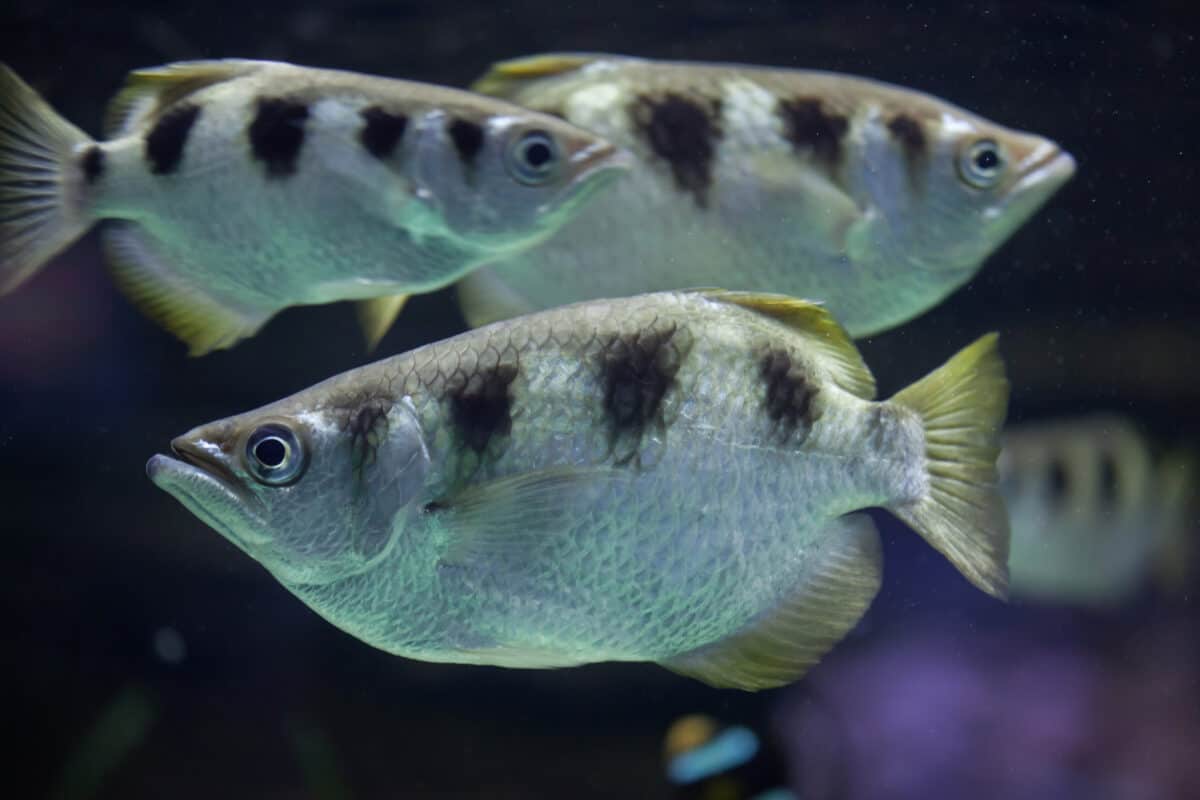
The archerfish would undoubtedly claim gold in precision marksmanship events with its remarkable ability to shoot down insects by spitting jets of water up to 10 feet (3 meters) above the water’s surface. These fish demonstrate extraordinary accuracy, accounting for light refraction between water and air while adjusting for the distance and movement of their targets. The mantis shrimp would take silver for its ability to strike with its specialized appendages at targets with microscopic precision, moving so fast that the water around them briefly reaches the temperature of the sun’s surface.
The bronze medal would go to the chameleon for its projectile tongue, which can extend to twice the animal’s body length and accurately strike prey in just 0.07 seconds. The bolas spider deserves honorable mention for its unique hunting technique of swinging a sticky glob of silk on a thread to catch flying insects with remarkable timing and accuracy. Even the most accomplished human archers, capable of hitting targets at 70 meters in Olympic competition, can’t match the precision-to-distance ratio achieved by these natural marksmen, who must succeed with their shots to survive in their environments.
Rhythmic Gymnastics and Synchronized Swimming
For artistic expression and coordination in rhythmic gymnastics, the gold medal would go to the bird of paradise, whose elaborate courtship displays involve precise choreographed movements, manipulation of specialized feathers, and complex positional changes that showcase extraordinary body control. These birds transform themselves into living sculptures, creating geometric shapes and optical illusions through carefully orchestrated performances that have evolved to attract mates. The peacock spider would claim silver with its vibrantly colored abdominal flaps that it raises and waves in intricate patterns while performing a sophisticated dance routine.
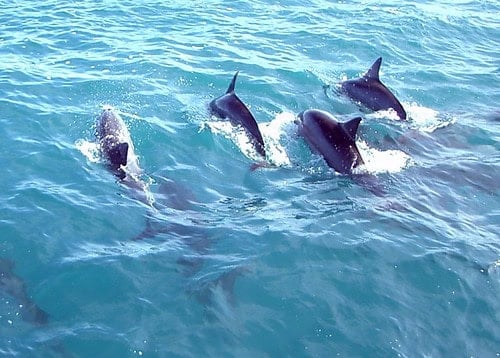
In synchronized swimming, dolphins would dominate with their natural ability to coordinate complex movements in groups, maintain precise formation, and execute synchronized leaps and dives. These marine mammals demonstrate remarkable spatial awareness and social coordination, allowing them to perform what appears to be choreographed routines without any formal training. The Japanese pufferfish would take silver for its ability to create elaborate geometric patterns on the ocean floor using only its fins to move sand with mathematical precision, creating mandala-like structures that serve as both art and a practical nursery for offspring. Human performers in these disciplines, despite years of rigorous training, cannot match the natural grace and coordination these animals display through their evolutionarily developed behaviors.
The Decathlon: All-Around Animal Athletes

For the ultimate test of varied athletic abilities, the decathlon gold would likely go to the chimpanzee. These remarkable primates combine exceptional strength (estimated at 1.5 times that of humans relative to body weight), speed (capable of short bursts up to 25 mph), agility (navigating complex three-dimensional forest environments), problem-solving intelligence, and tool use. Their ability to climb, jump, throw objects with accuracy, and coordinate complex movements makes them versatile athletes capable of excelling across multiple disciplines.
The silver medal would belong to the leopard, which demonstrates extraordinary all-around physical capabilities including the strength to carry prey twice its weight up trees, top speeds of 36 mph (58 km/h), the ability to jump 20 feet (6 meters) horizontally and 10 feet (3 meters) vertically, exceptional swimming ability, and stealth for hunting. The octopus would claim bronze for its unique combination of strength, dexterity (controlling eight limbs independently), problem-solving intelligence, speed (jet propulsion swimming), and adaptability. Human decathletes, despite their impressive versatility across running, jumping, and throwing events, would find themselves outclassed by these animal all-rounders whose survival depends on mastering multiple physical domains simultaneously.
Conclusion: Nature’s Olympic Legacy
As we imagine this hypothetical Animal Olympics, we gain a profound appreciation for the extraordinary physical capabilities that have evolved in the animal kingdom. From the cheetah’s unmatched acceleration to the bar-tailed godwit’s marathon migration, these natural athletes demonstrate physical feats that far surpass human capabilities. What makes these achievements even more remarkable is that they’ve developed not through deliberate training programs but through millions of years of natural selection, where these abilities directly contribute to survival and reproductive success.
These animal Olympians also remind us of the incredible diversity of adaptations that have evolved to meet specific environmental challenges. The specialized strength of the dung beetle, the precision marksmanship of the archerfish, and the acrobatic mastery of the gibbon all represent evolutionary solutions to particular ecological problems. By understanding and appreciating these remarkable abilities, we gain insights into both the power of evolutionary processes and the diverse challenges that have shaped life on Earth.
Perhaps most importantly, recognizing these extraordinary animal capabilities deepens our respect for the natural world and highlights the intricate connections between form, function, and survival. These adaptations are not just curiosities—they are testaments to millions of years of evolutionary trial and error. By studying them, we not only unlock secrets that can inspire human innovation but also reinforce the importance of conserving the rich biodiversity that makes such marvels possible. In celebrating these animal Olympians, we’re reminded of our shared place within Earth’s complex web of life.

- The Bird That Can Recognize More Faces Than a Human - July 29, 2026
- How Army Ants Coordinate Massive Raids Without a Leader - July 29, 2026
- 13 Largest Horses in the World - July 29, 2026