

In the vast tapestry of life on Earth, intelligence manifests in remarkable and diverse ways. Beyond our human experience lies a world of animal cognition that continues to astonish scientists and challenge our understanding of intelligence itself. From tool-using crows to language-learning apes, problem-solving octopuses to empathetic elephants, the animal kingdom is rich with examples of extraordinary mental capabilities that rival—and sometimes even surpass—certain aspects of human cognition.
This exploration of Earth’s most intelligent creatures isn’t merely an academic exercise. As we unravel the cognitive abilities of our fellow earthlings, we gain invaluable insights into the evolution of intelligence, the nature of consciousness, and even potential solutions to human challenges. These remarkable animals offer us lessons in adaptation, cooperation, communication, and resilience that may help us navigate our increasingly complex world. Join us as we delve into the fascinating world of animal intelligence and discover what our clever counterparts can teach humanity.
The Extraordinary Intelligence of Great Apes

Our closest evolutionary relatives—chimpanzees, bonobos, gorillas, and orangutans—share not just our DNA (ranging from 97-99% similarity) but also remarkable cognitive abilities. Chimpanzees demonstrate sophisticated tool use, crafting spears for hunting and using stones as hammers and anvils. Perhaps most impressively, they exhibit cultural transmission of knowledge, with different troops developing unique traditions passed down through generations. Koko the gorilla famously learned over 1,000 signs in American Sign Language and demonstrated understanding of approximately 2,000 spoken English words, challenging our notions of language as a uniquely human trait.
Orangutans, the “engineers” of the ape world, construct elaborate nests and use tools with remarkable dexterity. Studies in Sumatra have revealed orangutans using sticks to extract seeds from spiny fruits and fashioning leaf umbrellas during rainstorms. Bonobos, meanwhile, demonstrate extraordinary empathy and conflict resolution skills, often resolving tensions through affection rather than aggression. The lessons from great apes are profound: they remind us of our evolutionary connections and suggest that cooperation, tool use, and culture—cornerstones of human success—have deep roots in our shared primate heritage.
Dolphins: The Ocean’s Problem Solvers

Dolphins possess brain-to-body-weight ratios second only to humans, and their cognitive abilities reflect this neurological sophistication. These marine mammals demonstrate self-awareness by recognizing themselves in mirrors—a rare ability shared by only a handful of species. They communicate through complex whistles and clicks, with evidence suggesting they use “signature whistles” that function similarly to names. Some researchers believe dolphins may have developed a rudimentary language, though deciphering it remains an ongoing scientific challenge. Their problem-solving skills are equally impressive, with documented cases of dolphins using marine sponges as protective tools when foraging on the seabed.
Social intelligence is perhaps dolphins’ most remarkable trait. They form intricate social networks, demonstrate altruistic behavior by caring for injured pod members, and coordinate sophisticated hunting strategies. In some regions, dolphins have even developed cooperative hunting relationships with human fishers, driving fish toward waiting nets in exchange for a share of the catch. From dolphins, we can learn the value of sophisticated social cooperation and how intelligence can flourish in environments radically different from our own—an important reminder that cognitive evolution follows many paths, not just the terrestrial route that led to human intelligence.
The Surprising Intelligence of Corvids
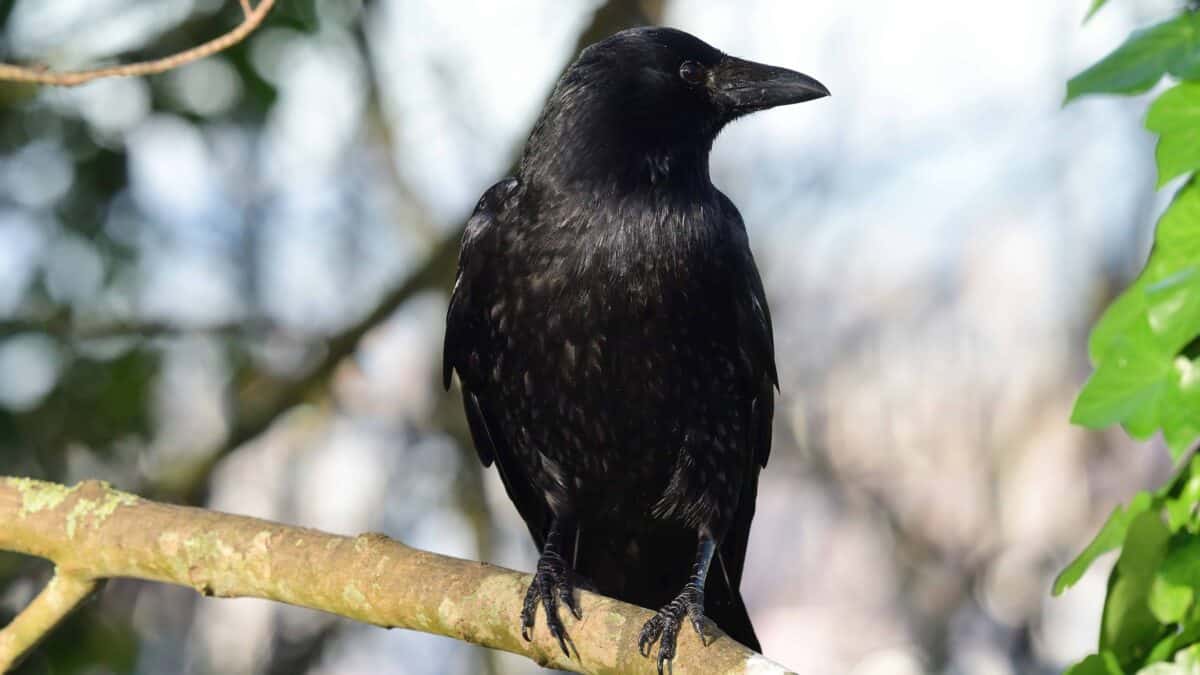
Crows, ravens, jays, and their corvid relatives possess cognitive abilities that rival those of primates, despite having evolved along entirely different evolutionary paths. Their remarkable intelligence demonstrates convergent evolution—similar traits developing independently in unrelated species. Corvids excel at problem-solving, using and even manufacturing tools in ways previously thought exclusive to primates. New Caledonian crows craft hooks from twigs to extract insects from trees, and researchers have observed crows in Japan dropping nuts onto busy intersections, letting cars crack them open, then retrieving the food when traffic lights turn red.
Perhaps most impressively, corvids demonstrate episodic memory and planning for the future. Scrub jays remember specific details about what, where, and when they cached food items, and can plan ahead to secure tomorrow’s meals. Ravens have shown the ability to understand cause and effect and even outperform chimpanzees in certain cognitive tests. The intelligence of corvids teaches us that remarkable cognitive abilities can evolve in diverse neural architectures—their avian brains are organized differently than mammalian brains—suggesting that intelligence may emerge through multiple evolutionary pathways rather than following a single trajectory to the “pinnacle” of human cognition.
Elephants: Emotional Giants with Extraordinary Memories
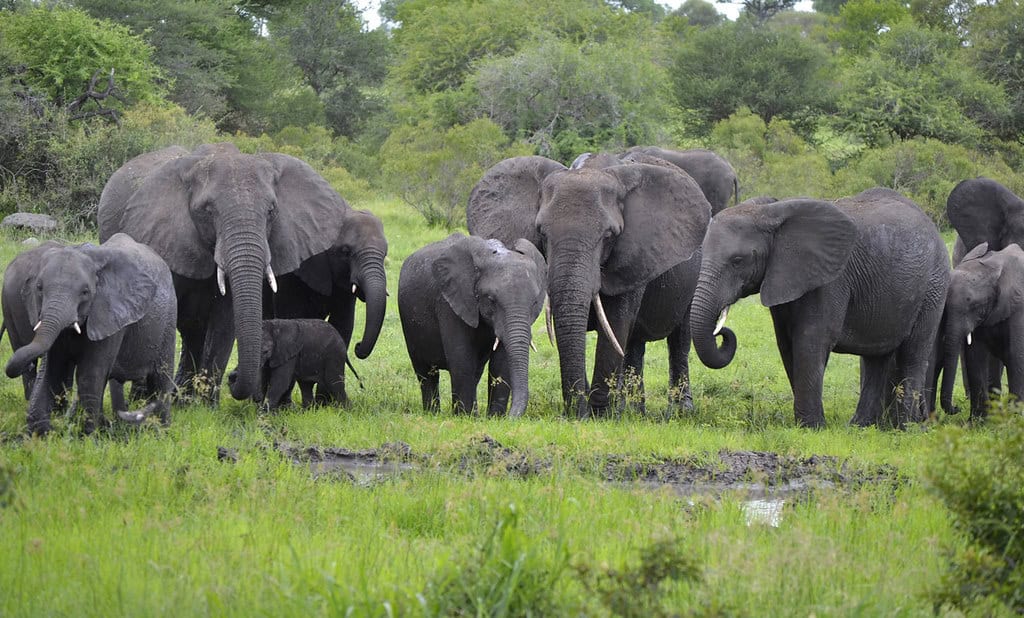
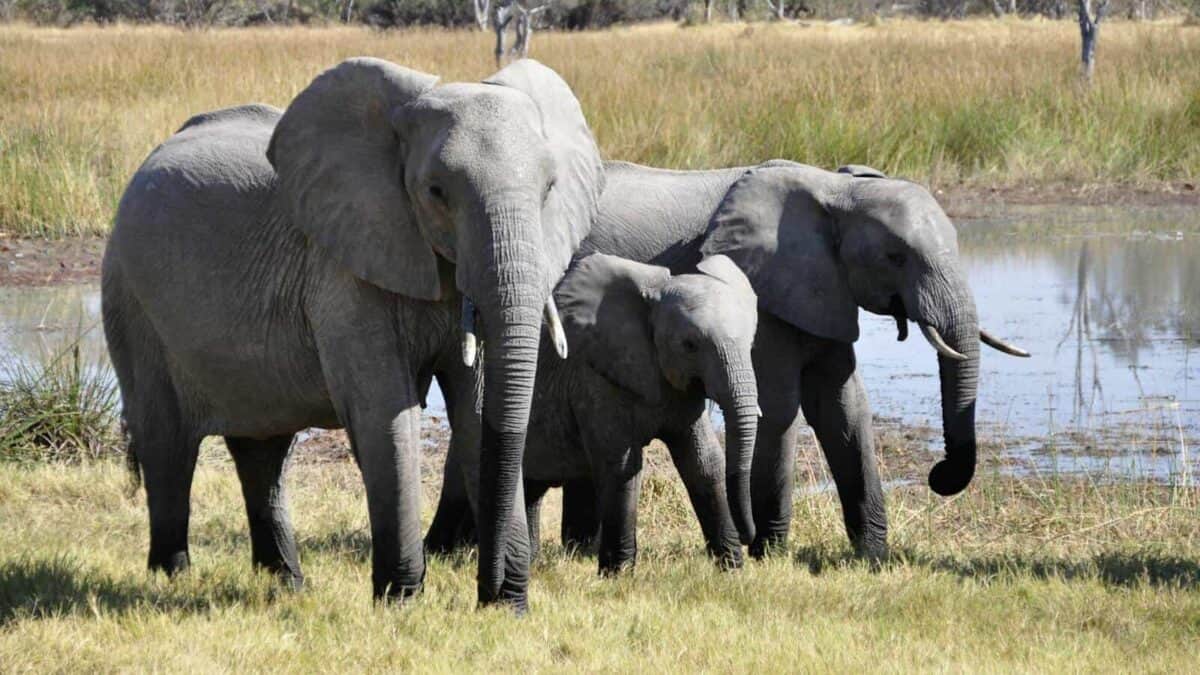
Elephants possess the largest brains of any land animal, with neural structures that support complex cognitive and emotional processing. Their legendary memory isn’t just folklore—elephants can remember migration routes spanning hundreds of miles and recognize family members after decades of separation. This cognitive capacity serves a vital social function, as matriarchs carry knowledge of water sources that can sustain their herds during droughts. Elephants also recognize themselves in mirrors, joining the exclusive club of self-aware species that includes humans, great apes, and dolphins.
The emotional intelligence of elephants is perhaps their most poignant trait. They mourn their dead, returning to the remains of family members for years and treating them with behaviors that strongly resemble human grieving. Elephants have been documented helping injured herd members and even other species, suggesting highly developed empathy. Their social structures are remarkably complex, with multi-generational families led by experienced females who pass down knowledge and traditions. From elephants, we can learn profound lessons about the importance of transgenerational knowledge, emotional bonds, and how intelligence can be deeply intertwined with social and emotional capacities rather than just problem-solving abilities.
Octopuses: Intelligence from Another World
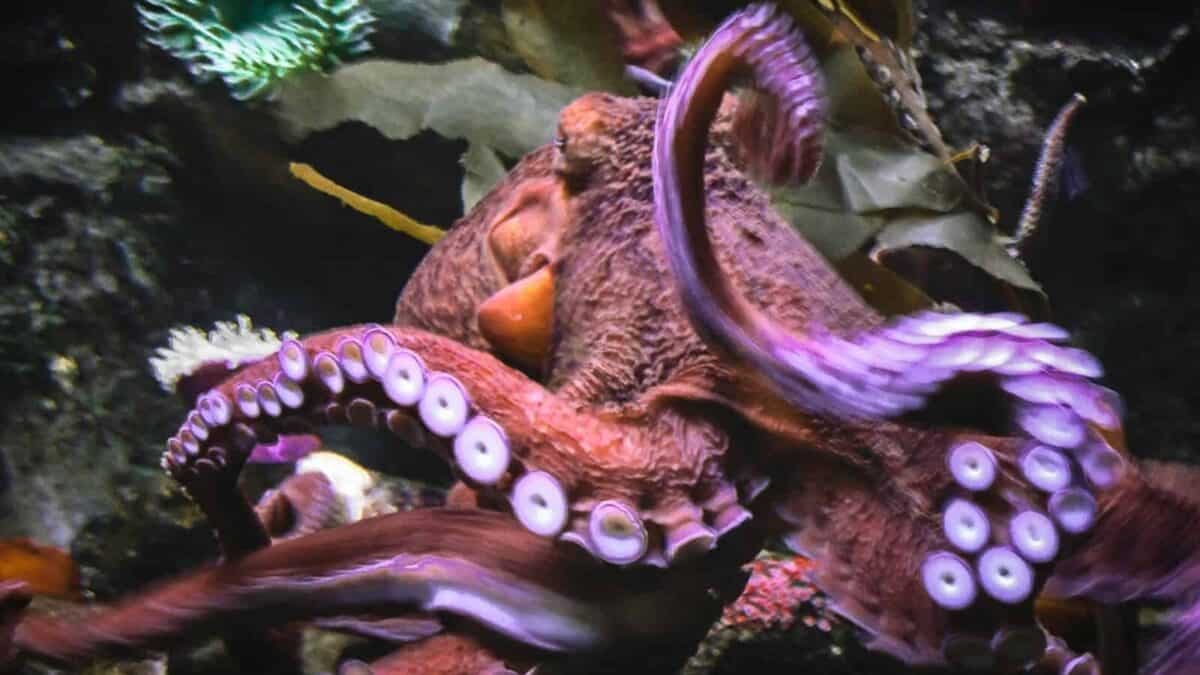
Among Earth’s intelligent creatures, octopuses stand apart. With a nervous system radically different from vertebrates—two-thirds of their neurons are distributed throughout their eight arms rather than centralized in a brain—octopuses represent intelligence that evolved entirely independently from our own. This divergent evolution makes their cognitive abilities all the more remarkable. Octopuses solve complex puzzles, navigate mazes, and use tools despite having no evolutionary history of tool use. They can unscrew jar lids, assemble structures from found objects, and even recognize individual human faces despite having evolved in an environment with no selective pressure for such abilities.
The problem-solving capabilities of octopuses challenge our understanding of intelligence itself. Without cultural transmission (they are solitary and die after reproducing) and lacking the social learning that characterizes primate intelligence, octopuses develop sophisticated behaviors individually. They demonstrate remarkable adaptation, changing both appearance and behavior to suit different environments. Some species have been observed collecting coconut shell halves to create portable shelters—a clear example of tool use. From octopuses, we learn that intelligence can emerge through entirely different evolutionary pathways and neural architectures, suggesting that if we encountered alien intelligence, it might function in ways we struggle to comprehend.
Pigs: Underestimated Farm Geniuses

Despite their portrayal in popular culture and their utilitarian role in agriculture, pigs possess cognitive abilities that rival those of dogs and even young children. Studies have shown that pigs excel at understanding symbolic language, with some capable of learning the meaning of dozens of different symbols. They can use joysticks to move cursors on computer screens, demonstrating hand-eye coordination and conceptual understanding. In memory tests, pigs outperform many other animals, remembering the locations of hidden food and recognizing familiar pigs even after long separations. They also understand object permanence—the concept that objects continue to exist even when hidden—a cognitive milestone that human infants don’t reach until about 8 months of age.
The social intelligence of pigs is equally impressive. They form complex social hierarchies, recognize and remember approximately 30 other individuals, and communicate through a vocabulary of different grunts and squeals that convey specific meanings. Mother pigs sing to their piglets while nursing, and pigs engage in play that demonstrates both joy and social learning. Perhaps most tellingly, pigs demonstrate emotional contagion—the capacity to be affected by others’ emotions—suggesting empathetic abilities. The lesson from pigs is profound: intelligence flourishes even in species we have domesticated for thousands of years primarily as food sources, challenging us to reconsider how we value and treat these complex, sentient beings.
Parrots: Vocal Virtuosos with Impressive Cognition
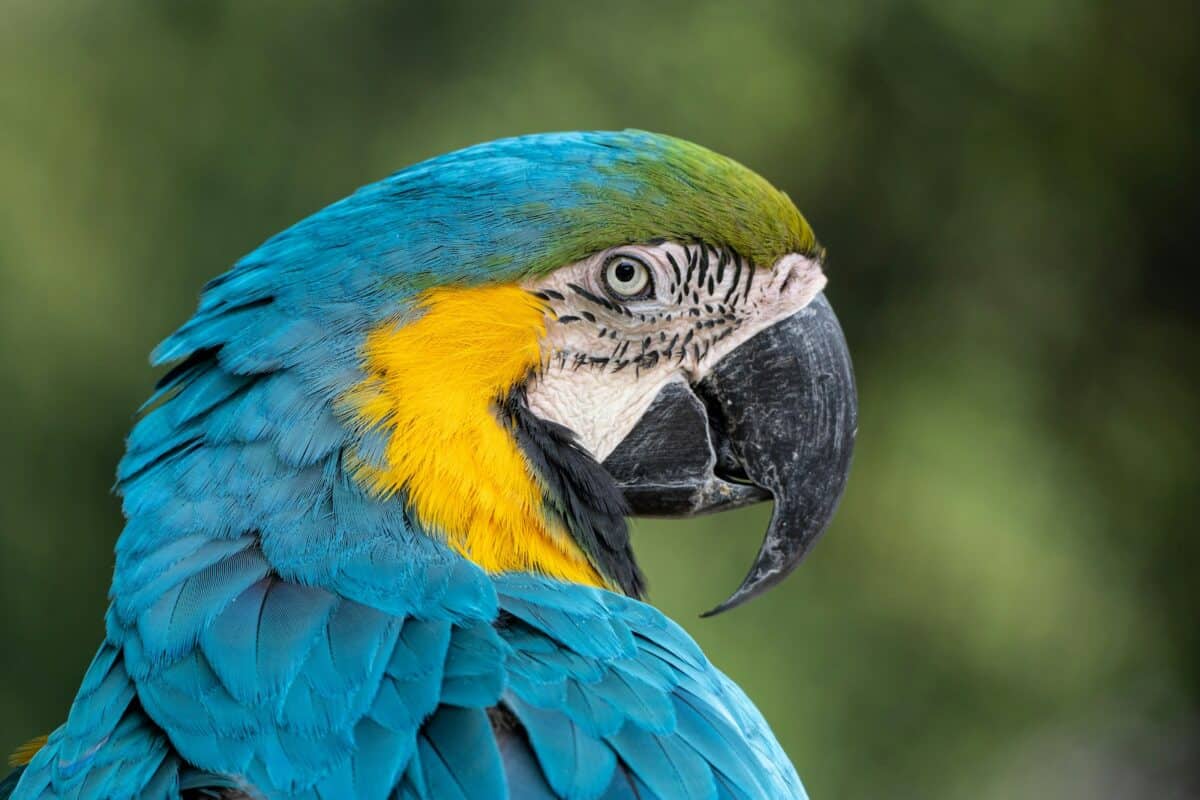
The cognitive abilities of parrots extend far beyond their famous mimicry. African grey parrots, in particular, demonstrate language capabilities that rival those of young children. Alex, the famous African grey studied by Dr. Irene Pepperberg, learned more than 100 words and could categorize objects by color, shape, and material. He understood the concept of “same” and “different,” could count small quantities, and even asked existential questions about his own attributes. What makes these achievements remarkable is that parrot brains are organized entirely differently from mammalian brains, yet they’ve evolved similar capabilities through entirely different neural pathways.
Beyond language, parrots show impressive problem-solving abilities. Kea parrots from New Zealand can solve complex mechanical puzzles, while cockatoos have been observed manufacturing and using tools. Their social intelligence is equally developed—wild parrots maintain complex flock relationships and appear to have dialects specific to different groups. The cognitive abilities of parrots teach us that complex intelligence, including language processing, can evolve in brains structured very differently from our own. This convergent evolution of intelligence reminds us that cognitive abilities may be more fundamental to adapting to complex environments than previously thought, emerging independently across evolutionary history whenever ecological niches favor behavioral flexibility and problem-solving.
Bees: Collective Intelligence in Miniature

Despite having brains smaller than a grain of rice, individual honeybees demonstrate surprising cognitive abilities. They can count to at least four, understand the concept of zero, and learn to recognize human faces. Bees use symbolic communication through their famous “waggle dance,” conveying precise information about the direction, distance, and quality of food sources to hive mates. They can solve the “traveling salesman problem”—finding the shortest route between multiple locations—a complex optimization task that challenges even sophisticated computer algorithms. Recent research has even suggested that bees may experience basic emotions analogous to optimism and pessimism, challenging our assumptions about the cognitive requirements for emotional experiences.
Perhaps even more remarkable than individual bee cognition is their collective intelligence. A honeybee colony functions as a kind of distributed cognitive system, with thousands of individuals working together to solve problems no single bee could manage alone. When selecting new nest sites, scout bees evaluate multiple locations, then engage in a democratic decision-making process through dance communications until consensus emerges. The colony also regulates temperature with remarkable precision and adapts to changing environmental conditions through collective behavior. From bees, we learn that intelligence can emerge at both individual and group levels, and that complex problem-solving doesn’t necessarily require large brains or centralized processing. This offers fascinating insights for human collective intelligence and potential models for distributed decision-making systems.
Dogs: Co-evolved Companions with Social Intelligence

Through thousands of years of domestication and co-evolution with humans, dogs have developed extraordinary social cognitive abilities specifically tuned to human interaction. Unlike wolves, dogs naturally understand human pointing gestures from an early age, demonstrating an innate comprehension of human communicative intent. They can follow human gaze and recognize emotional expressions on human faces—cognitive specializations that facilitate interspecies communication. Some border collies have demonstrated vocabularies of hundreds of words, with the famous border collie Chaser learning the names of more than 1,000 different objects and understanding basic grammatical structure.
What makes canine cognition particularly fascinating is its social orientation. Dogs form attachment bonds with humans similar to those between human parents and children, experiencing separation anxiety and the same oxytocin-mediated bonding. When faced with unsolvable problems, dogs will look to humans for help—a behavior wolves don’t exhibit. This “cooperative communication” reflects dogs’ evolutionary adaptation to human society. From our canine companions, we learn that intelligence can be highly specialized for social contexts rather than general problem-solving, and that co-evolution can produce cognitive adaptations specifically for cross-species communication. Dogs remind us that intelligence evolves to fit ecological niches—and for thousands of years, the most important aspect of a dog’s environment has been human society.
Rats: Underappreciated Cognitive Champions

Despite their reputation as mere pests, rats possess cognitive abilities that rival many larger mammals. Their intelligence appears particularly well-suited to urban environments—they can navigate complex three-dimensional spaces, remembering intricate path systems and quickly learning to avoid dangers. Rats demonstrate impressive causal reasoning, understanding relationships between actions and outcomes. In laboratory settings, they can learn to operate simple mechanisms, press levers in specific sequences for rewards, and even drive specially designed tiny cars—demonstrating sophisticated motor learning and behavioral flexibility. Their spatial memory is particularly exceptional, with rats able to remember the locations of dozens of food sources and navigate efficiently between them.
Perhaps most impressively, rats show remarkable social intelligence and empathy. In groundbreaking studies, rats consistently freed trapped cage-mates even when doing so meant sharing limited food rewards. They exhibit emotional contagion—becoming stressed when seeing other rats in distress—and engage in reciprocal altruism, helping rats who have previously helped them. They also engage in complex social play, following implicit “rules” and adjusting their play style based on their partner’s age and size. From rats, we learn that impressive cognitive abilities can evolve in species often dismissed as simple or unimportant. Their adaptive intelligence in human-modified environments also offers lessons in behavioral flexibility and the cognitive demands of living alongside humanity in complex urban landscapes.
Border Intelligence: Cephalopods and Insects at the Frontiers

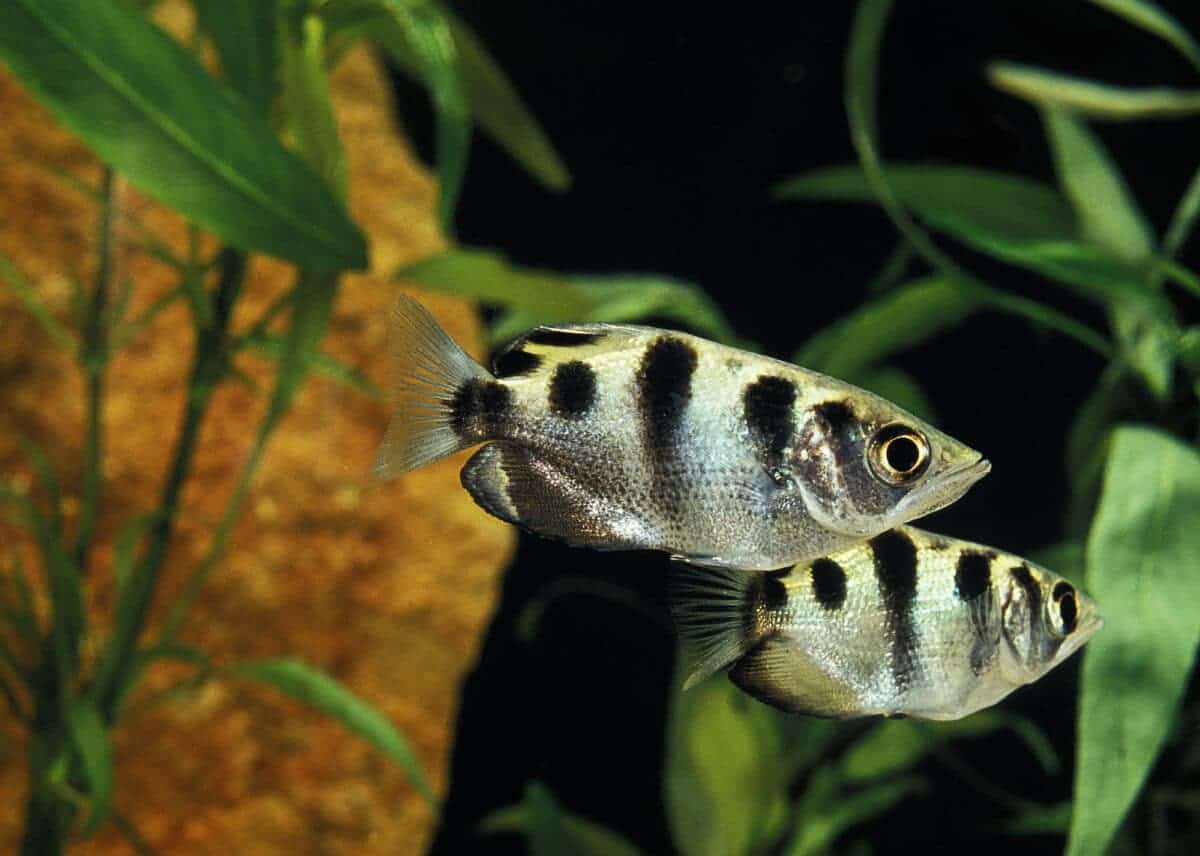
At the boundaries of what we typically consider “intelligent,” certain species demonstrate specialized cognitive abilities that challenge conventional definitions. Jumping spiders, with brains smaller than a poppy seed, can plan complex hunting detours and demonstrate object permanence. Archerfish can calculate the complex physics required to shoot down insects above water by spitting precisely aimed water jets, accounting for light refraction at the water-air interface. Slime molds—not even animals but single-celled organisms—can solve mazes and create efficient networks that mirror human-designed transportation systems, despite having no brain at all. These examples suggest that what we call “intelligence” may exist on a spectrum far broader than previously recognized.
Even among insects, cognitive specializations appear that rival higher vertebrates in specific domains. Bumblebees can learn to pull strings to access rewards—a task many vertebrates struggle with—and can even teach this behavior to other bees through observation. Paper wasps recognize individual faces of their nestmates and maintain complex social hierarchies. These examples of “micro-intelligence” suggest that cognitive abilities may be much more widely distributed across the animal kingdom than we’ve historically recognized. From these boundary cases, we learn that intelligence takes many forms, often highly specialized for particular ecological niches, and that brain size alone is a poor predictor of cognitive capability. These creatures remind us to remain humble about defining intelligence and to recognize cognitive adaptations across the entire spectrum of life.
What Animal Intelligence Teaches Humanity
The study of animal cognition offers profound lessons for humanity beyond the fascinating science itself. First, it challenges our anthropocentric worldview, revealing that many cognitive abilities we once considered uniquely human—tool use, language, culture, and self-awareness—exist to varying degrees throughout the animal kingdom. This knowledge should inspire humility and respect for the complex inner lives of the creatures with whom we share our planet. Second, animal intelligence reveals the diverse evolutionary paths to cognitive complexity—octopuses, corvids, and primates evolved intelligence independently, suggesting that cognitive adaptation is a powerful and recurring evolutionary strategy in response to complex environmental challenges.
Third, animal cognition provides invaluable models for understanding our own minds. By studying how different neural architectures produce similar cognitive outcomes, we gain insights into the fundamental principles of intelligence that transcend specific brain structures. This knowledge informs fields from artificial intelligence to neuroscience. Finally, and perhaps most importantly, recognizing the rich cognitive and emotional lives of other species compels us to reconsider our ethical responsibilities toward them. As we discover that many animals experience emotions, form bonds, solve problems, and even mourn their dead, we must confront difficult questions about how we treat these sentient beings. The greatest lesson from animal intelligence may be that we are not as separate from or superior to the rest of life on Earth as we once believed—we are part of a rich continuum of minds, not the pinnacle of it. Acknowledging this continuity invites a deeper sense of kinship with the natural world and urges us to extend empathy, curiosity, and moral consideration beyond our species.
By embracing the cognitive richness found throughout the animal kingdom, humanity is offered not just a mirror for self-reflection but also a compass for more ethical coexistence. Whether it’s elephants grieving their dead, dolphins recognizing themselves in mirrors, or crows crafting tools to solve problems, each revelation reminds us that intelligence wears many forms. These insights challenge us to protect biodiversity not only for ecological balance but also as a matter of justice—for minds that, though different from our own, are no less worthy of wonder and respect.
Conclusion: Intelligence Beyond the Human Lens

The smartest animals on Earth—from dolphins and elephants to crows, octopuses, and great apes—continually challenge the boundaries of what we thought only humans could do. These creatures solve puzzles, use tools, recognize themselves in mirrors, grieve their dead, and even pass knowledge across generations. Their intelligence is not just impressive—it’s diverse, shaped by different evolutionary pressures and expressed in ways uniquely suited to their environments.
What they can teach us is profound: that intelligence comes in many forms, not all of which look like ours. By studying animal cognition, we learn humility, broaden our definition of intelligence, and deepen our appreciation for the rich inner lives of other species. These animals also hold up a mirror to humanity, reminding us that cooperation, empathy, and innovation are not ours alone. If we listen closely, their wisdom may inspire us to live more thoughtfully, not just as stewards of nature, but as part of it.

From exploring the marine wonders in the Azores and witnessing the vast savannas of Kenya, to delving deep into the rich biodiversity of South Africa and traversing iconic landscapes in Australia and the US like Yellowstone, Chris's experiences are vast.
With a penchant for diving alongside sharks, the ocean holds a special place in his heart.
Through his academic insights, he champions wildlife conservation, striving with 'Animals Around The Globe' to cultivate a profound connection between humans and animals, enhancing our mutual appreciation.
Connect with him at Feedback@animalsaroundtheglobe.com.
- This Monkey Has a Mustache - July 21, 2026
- How Steve Irwin Changed the World’s View of Wildlife - July 21, 2026
- The Catfish That Caused Earthquakes in Japanese Folklore - July 21, 2026