

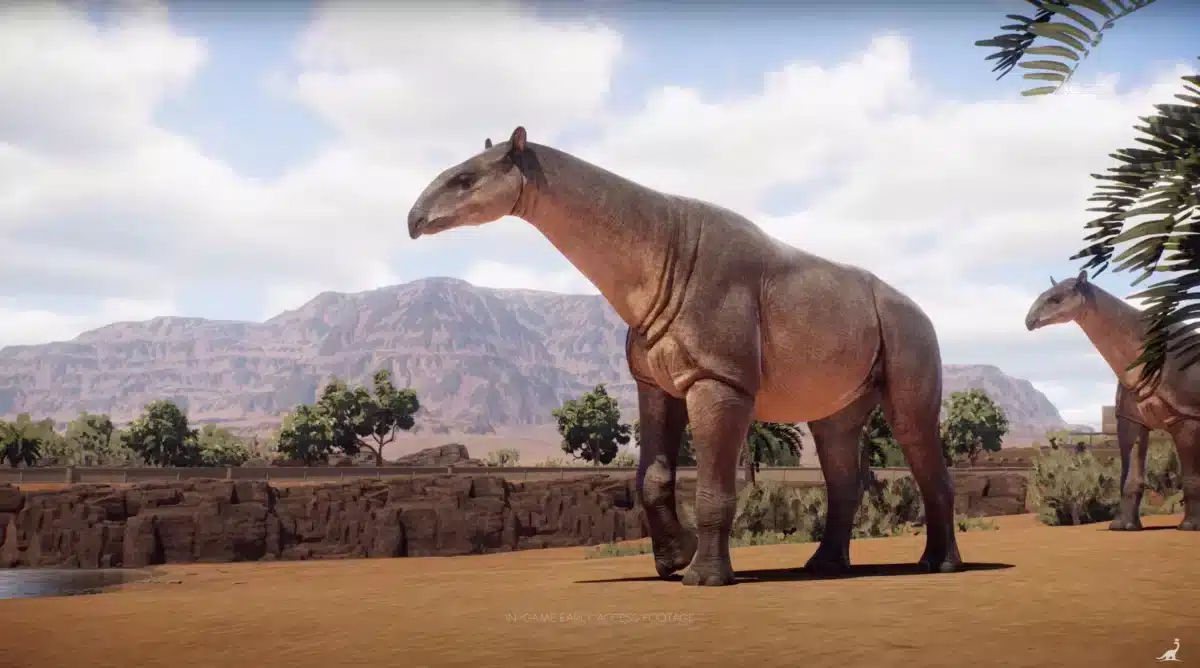
When we think of Earth’s largest land animals, dinosaurs typically come to mind—massive creatures like Brachiosaurus or Argentinosaurus that dominated prehistoric landscapes. However, the title of “largest animal ever to walk the Earth” belongs not to a dinosaur, but to an extraordinary mammal that evolved much more recently: the Paraceratherium, formerly known as Indricotherium or Baluchitherium. This colossal hornless rhinoceros relative roamed Eurasia during the Oligocene epoch, approximately 34 to 23 million years ago, long after dinosaurs had disappeared. Its discovery fundamentally changed our understanding of mammalian evolution and the impressive size capabilities of land mammals. In this article, we’ll explore this remarkable giant, examining its characteristics, habitat, lifestyle, and the scientific journey to understand its true dimensions.
The Taxonomic Journey: Naming the Giant
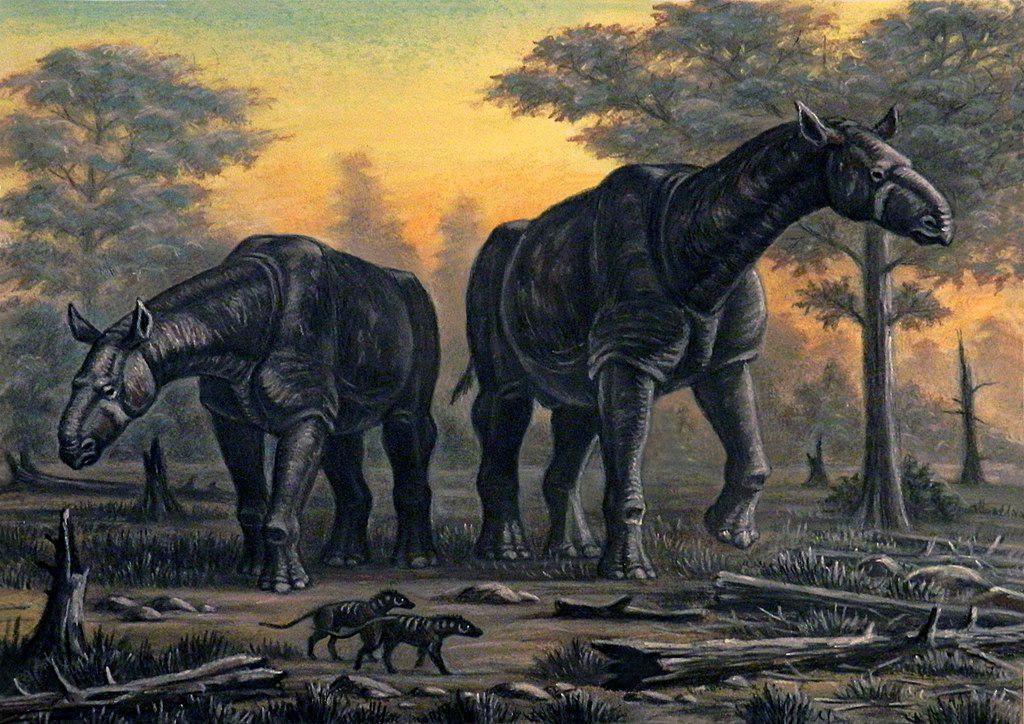
The scientific classification of this massive mammal has undergone several revisions since its discovery in the early 20th century. Initially, remains were discovered independently by different paleontologists who gave them separate names: Baluchitherium by Clive Forster-Cooper in 1913 (based on finds in Baluchistan, now part of Pakistan), Indricotherium by Alexei Borissiak in 1915 (from discoveries in Kazakhstan), and Paraceratherium by William Diller Matthew and Walter Granger in 1923. After decades of scientific debate and comparative analysis of the fossils, scientists concluded these were all the same genus, with Paraceratherium having taxonomic priority as the official name.
The confusion surrounding its naming reflects the fragmentary nature of the fossil record and the challenges paleontologists face when reconstructing extinct species. The name Paraceratherium translates roughly to “near horn beast,” indicating its relationship to rhinoceroses while acknowledging its lack of horns. Today, paleontologists recognize several species within the genus, including P. bugtiense, P. transouralicum, and P. linxiaense, with the latter potentially being the largest of all.
Staggering Size: Just How Big Was It?
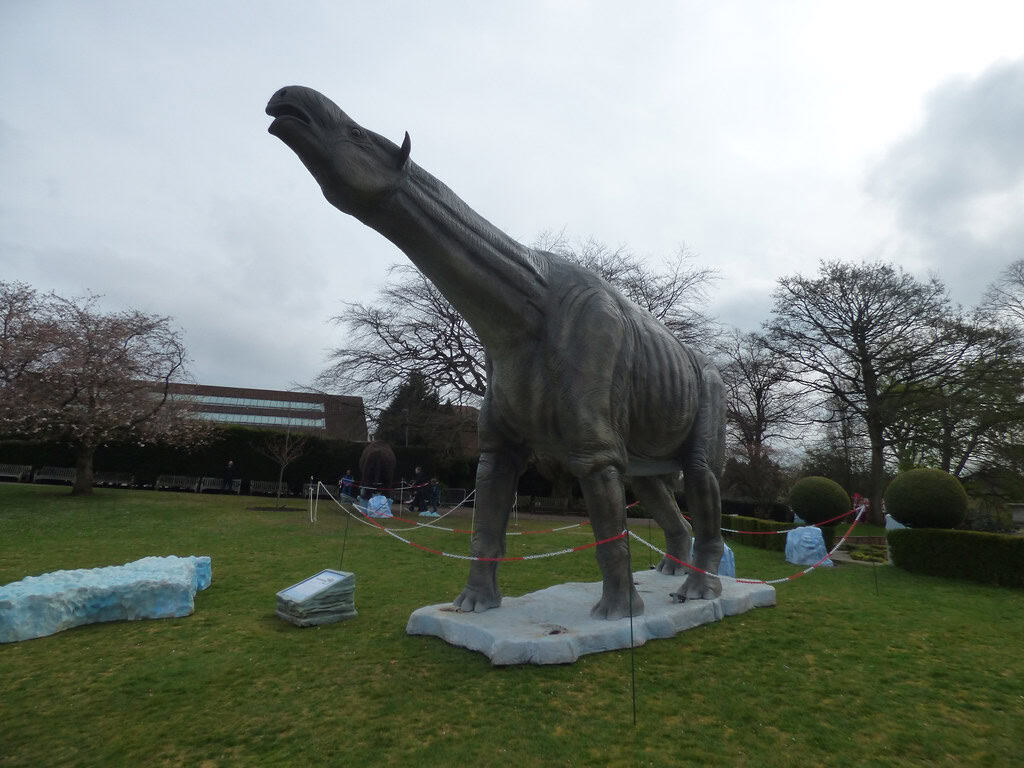
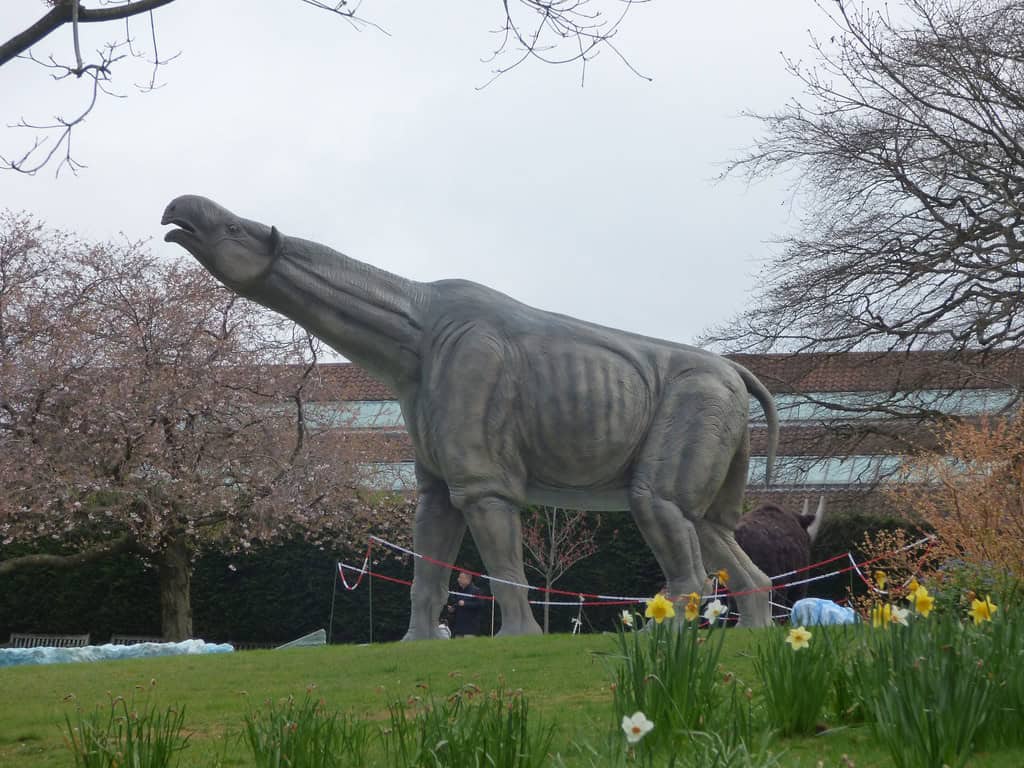
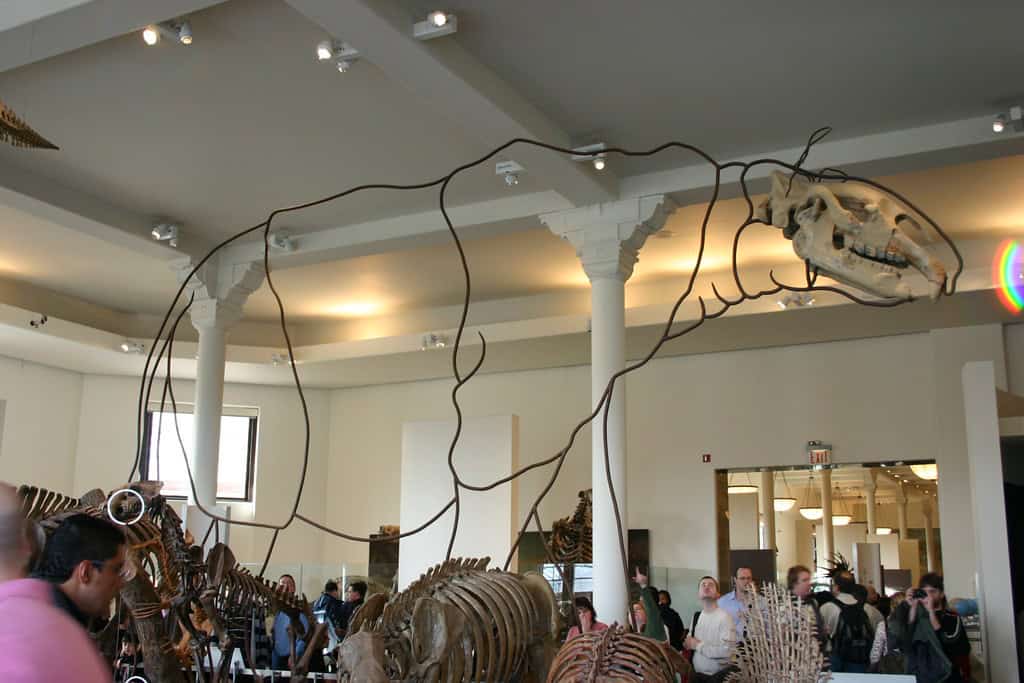
Paraceratherium stands as a true colossus among land mammals, with dimensions that challenge our imagination. Based on fossil evidence, scientists estimate that the largest specimens could reach shoulder heights of 4.8 meters (15.7 feet)—taller than many modern elephants—with their heads potentially reaching up to 8 meters (26 feet) above ground when stretching their necks. Weight estimates range from 15 to 20 metric tons, with some of the largest individuals possibly weighing up to 24 tons. To put this in perspective, the largest modern African elephants typically weigh around 6-7 tons, making Paraceratherium potentially three times heavier.
What makes these measurements particularly remarkable is that they exceed even those of some dinosaurs. While many dinosaurs were longer due to their extensive tails, several famous dinosaur species like Tyrannosaurus rex (estimated at 8-9 tons) were considerably lighter than Paraceratherium. The mammal giant’s mass was concentrated in a more compact body form, giving it exceptional ground pressure and impact while walking. This massive build represented the upper limits of what terrestrial mammalian physiology could support while still maintaining mobility.
Evolutionary Roots: The Rise of Giant Mammals

Paraceratherium belongs to the superfamily Rhinocerotoidea, making it a distant relative of modern rhinoceroses. However, it’s part of the extinct family Hyracodontidae, sometimes called “running rhinoceroses,” which evolved along a separate branch from today’s rhinos. The evolution of such gigantic mammals became possible only after the extinction of the dinosaurs approximately 66 million years ago. This mass extinction event opened ecological niches for mammals to diversify and grow in size, as they were no longer constrained by competition with the dominant reptiles.
The Oligocene epoch, when Paraceratherium thrived, was characterized by global cooling and the expansion of open woodlands and grasslands across much of Eurasia. These environmental changes favored the evolution of large herbivores that could efficiently process large quantities of fibrous plant material and cover extensive territories in search of food. Paraceratherium represents the pinnacle of this evolutionary trend toward gigantism in mammals, demonstrating how quickly mammals could evolve to fill vacant ecological niches after the dinosaurs’ disappearance.
Anatomical Features: Built for Size
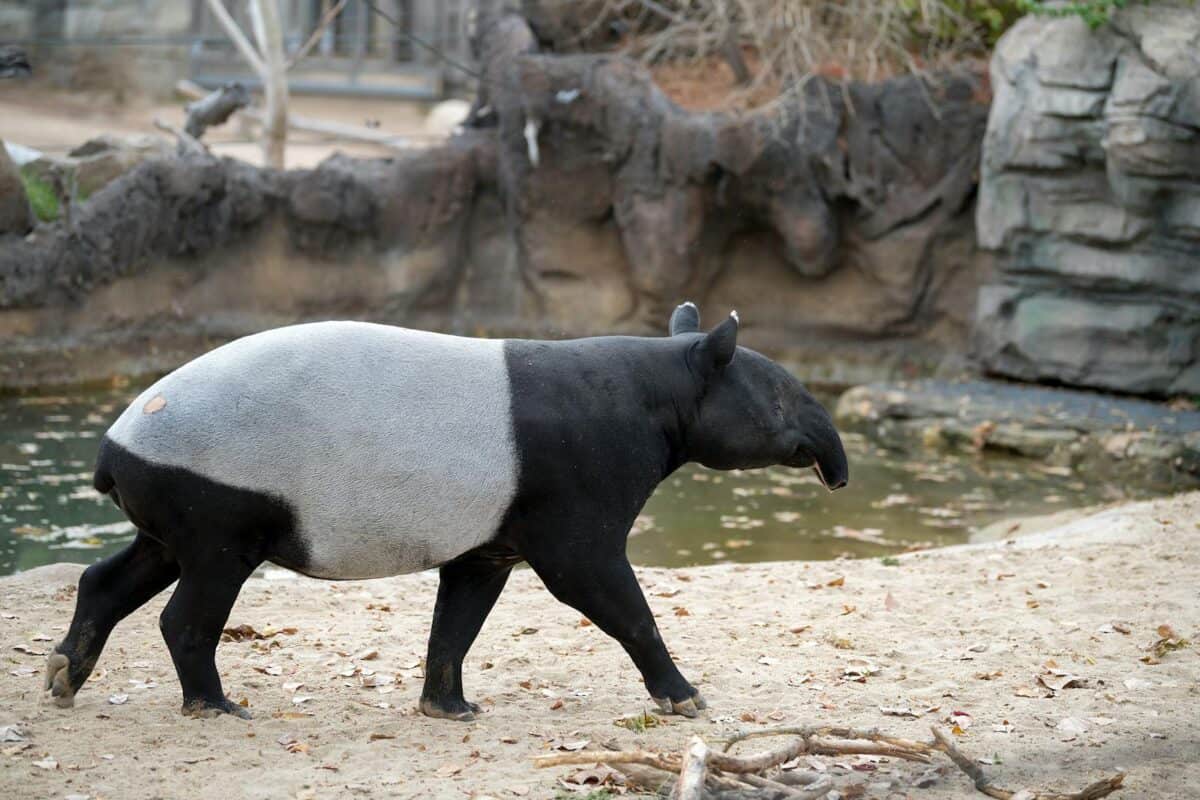
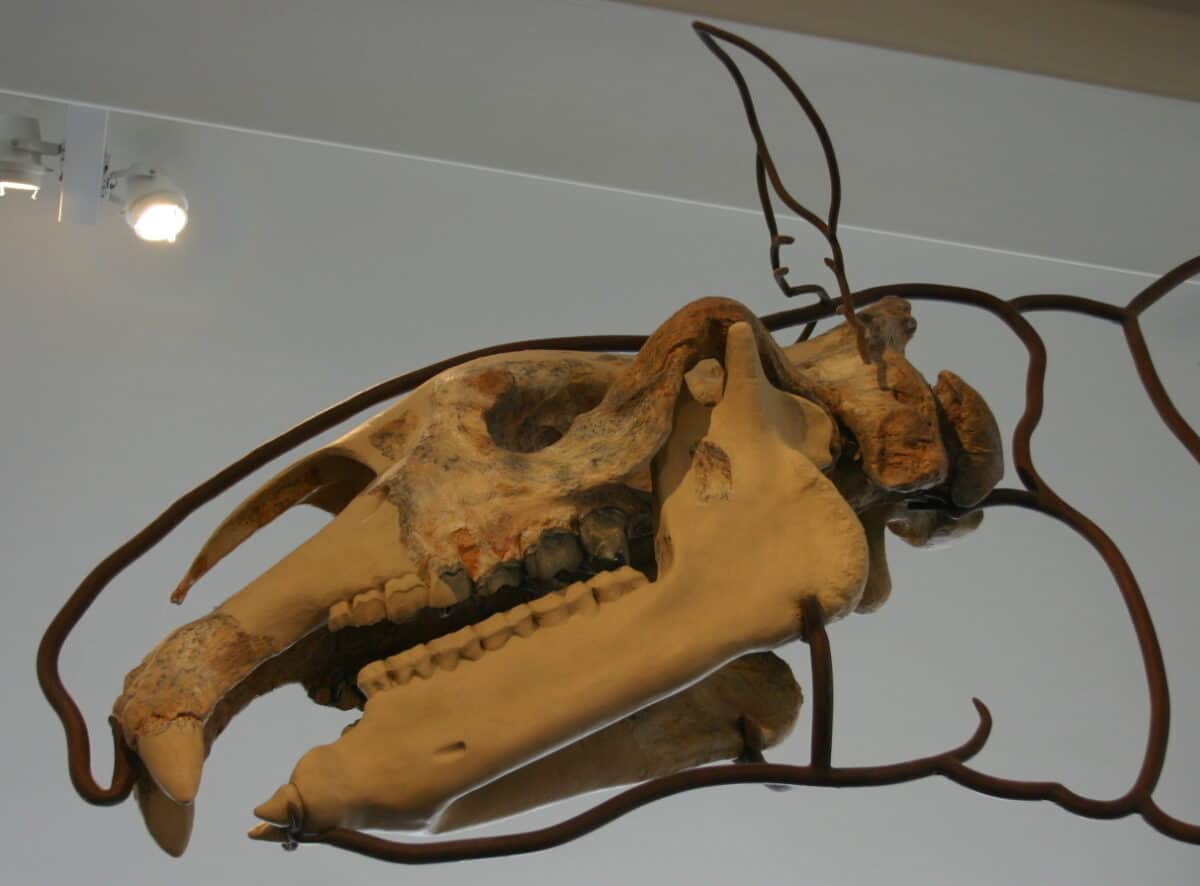
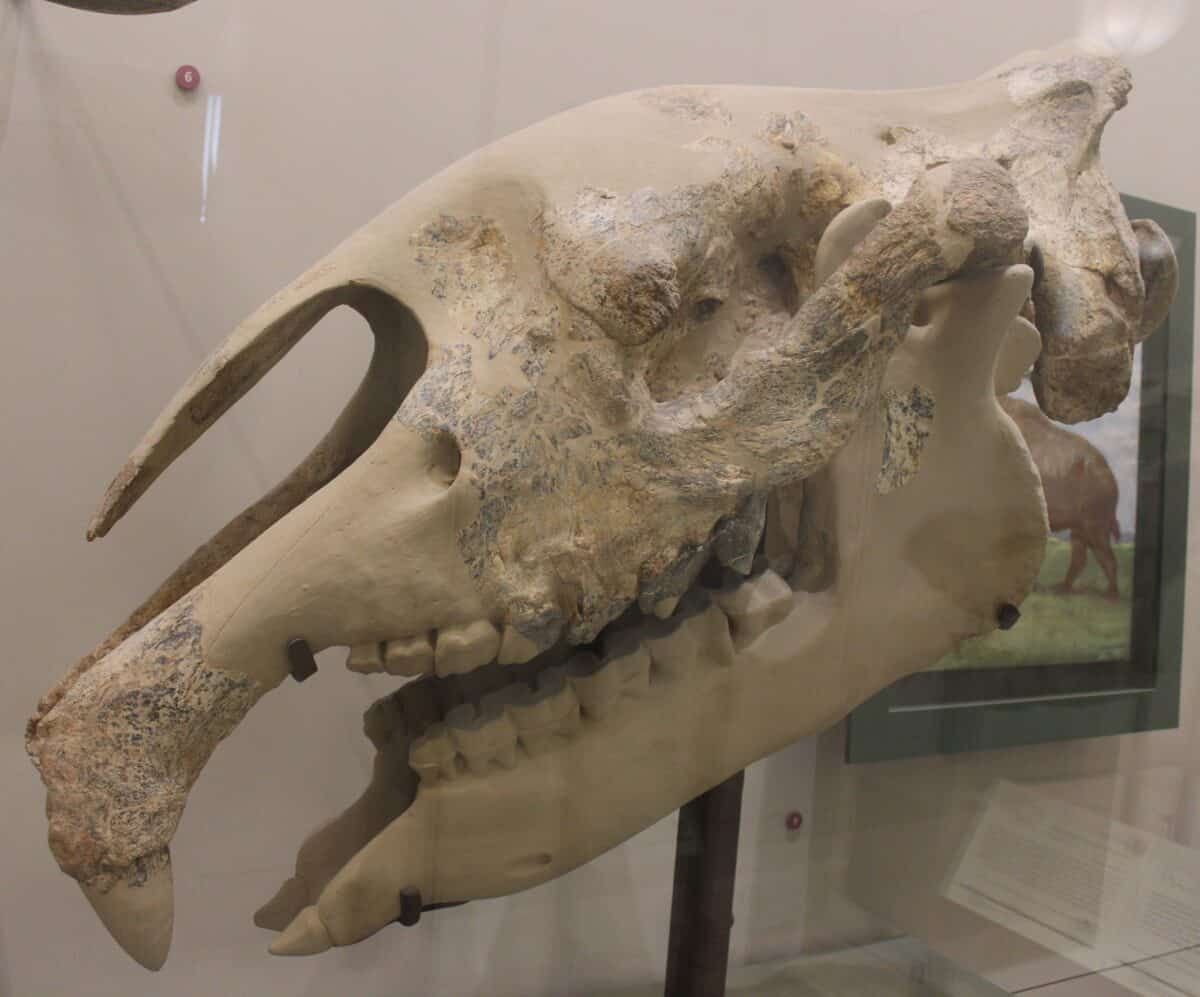
Unlike its modern rhinoceros relatives, Paraceratherium lacked horns completely. Its skull was relatively small compared to its massive body but featured a distinctive shape with retracted nasal bones, suggesting the presence of a prehensile upper lip or possibly a short trunk similar to a tapir’s, which would have been useful for grasping vegetation. Its neck was notably long and powerful, supported by large vertebrae that anchored the massive muscles needed to support its elongated skull. This adaptation allowed it to reach high into the tree canopy for food, similar to how giraffes feed today.
The legs of Paraceratherium were straight and pillar-like, resembling those of elephants rather than the more flexed limbs of modern rhinoceroses. This columnar structure efficiently supported its enormous weight while allowing reasonable mobility. Its feet were three-toed, with each toe ending in a small hoof, distributing its massive weight across a relatively small surface area. Fossil evidence indicates a relatively slim body compared to elephants or hippopotamuses, with a back that sloped downward from shoulders to hips, giving it a distinctive profile unlike any living mammal today.
Diet and Feeding Habits: Browsing the Treetops

As a browser, Paraceratherium fed primarily on leaves, twigs, and other plant material from trees and tall shrubs. Its great height allowed it to access food sources that would have been unavailable to smaller herbivores, creating a specialized feeding niche. Analysis of tooth wear patterns and jaw mechanics indicates that it had a selective feeding strategy, preferring softer, more nutritious plant parts over tougher vegetation. Its teeth were adapted for clipping vegetation rather than grinding tough plant material, with high-crowned molars designed for processing large quantities of browse.
Scientists estimate that an animal of Paraceratherium’s size would have needed to consume several hundred kilograms of vegetation daily to sustain itself. This enormous appetite would have made it a significant ecological force in its environment, potentially shaping the landscape by pruning trees and creating clearings. Its feeding behavior likely involved stripping branches of their foliage using its prehensile upper lip, similar to how modern black rhinoceroses feed but at much greater heights. This specialized feeding strategy allowed it to exploit food resources that other herbivores couldn’t reach, reducing direct competition.
Habitat and Range: Across the Ancient Steppes

Fossil evidence of Paraceratherium has been discovered across a vast area of Asia, from the Balkans in Eastern Europe through Iran, Pakistan, India, Mongolia, and into China. This extensive distribution indicates the animal’s remarkable success as a species. During the Oligocene, much of this region consisted of dry, open woodland and savanna-like environments, with mountain ranges creating diverse ecological zones. Climate reconstructions suggest these areas experienced seasonal rainfall with extended dry periods, creating challenging conditions that may have required the animals to migrate seasonally in search of food and water.
The habitats where Paraceratherium thrived were generally less densely forested than earlier epochs, as global cooling had led to the expansion of more open environments. These conditions favored the evolution of large herbivores that could efficiently process the tougher vegetation characteristic of drier climates. The wide geographic distribution of Paraceratherium fossils also suggests these animals were capable of traversing varied terrain, including foothills and plateaus, and may have used ancient migration corridors to move between favorable feeding grounds as seasons changed.
Social Structure and Reproduction: The Giants’ Community
While direct evidence of Paraceratherium’s social behavior is limited, paleontologists can make educated inferences based on modern relatives and ecological considerations. Given its enormous size and corresponding energy needs, Paraceratherium likely lived in small groups or as solitary individuals rather than large herds, which would have quickly depleted local food resources. Like modern rhinoceroses, they probably maintained large home ranges and may have gathered only during mating seasons or at concentrated food and water sources during dry periods.
Regarding reproduction, Paraceratherium would have had an exceptionally long gestation period, possibly exceeding that of modern elephants (which carry their young for 22 months). The young would have been relatively large at birth but still vulnerable to predators, requiring extended maternal care. The long lifespan typical of large mammals would have partially compensated for a low reproductive rate, with individuals potentially living several decades. This reproductive strategy—few offspring with significant parental investment—is characteristic of K-selected species and would have been advantageous in the relatively stable environments of the Oligocene.
Predators and Threats: Was It Too Big to Fail?
Adult Paraceratherium likely had few natural predators due to their immense size. However, the Oligocene landscapes they inhabited were home to formidable carnivores, including the enormous entelodont Paraentelodon (sometimes called “hell pigs”), hyaenodonts like Hyaenodon gigas, and early feliform carnivores. These predators may have occasionally targeted vulnerable individuals such as the young, elderly, or ill. Evidence suggests that young Paraceratherium, despite being large compared to other mammals, would have been susceptible to predation until reaching a more formidable size.
Beyond predation, the primary threats to Paraceratherium would have been environmental—droughts, food shortages, and disease. Their specialized feeding requirements and enormous caloric needs would have made them particularly vulnerable to environmental changes that affected vegetation patterns. Their relatively low reproductive rate would have made population recovery slow after any significant die-off events. Ultimately, these vulnerabilities may have contributed to their eventual extinction as climates shifted and environments changed toward the end of the Oligocene and into the Miocene epochs.
Discovery History: Unearthing the Giant
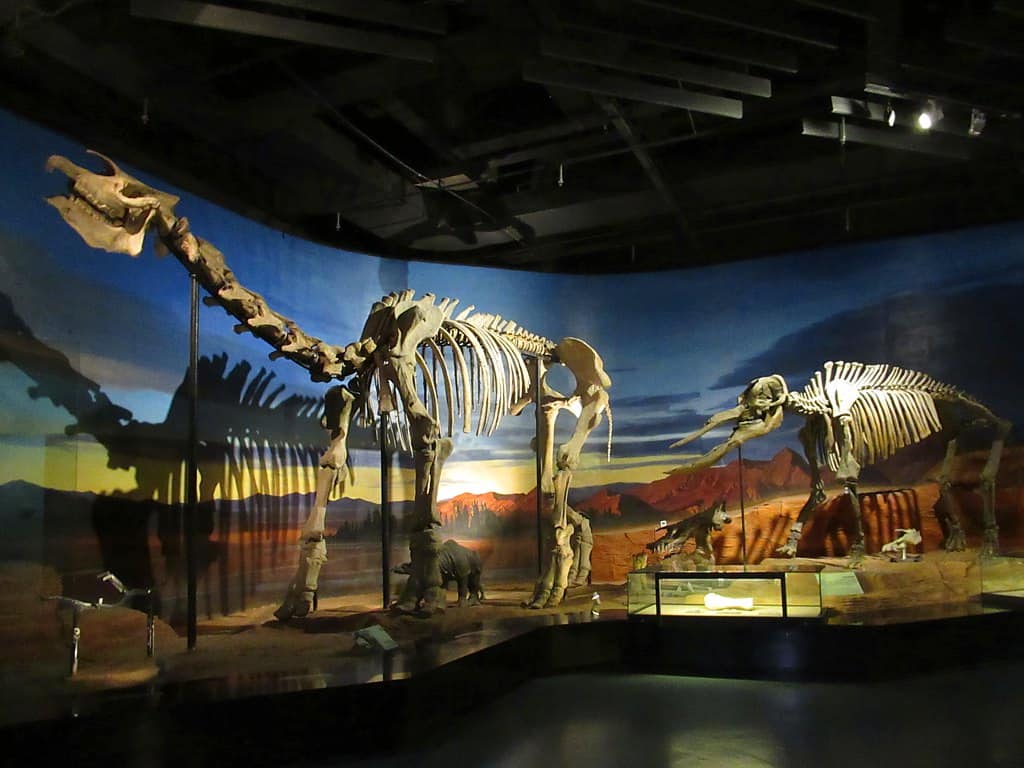
The scientific discovery of Paraceratherium began in the early 20th century when expeditions to Central Asia revealed fossils of unprecedented size. The British paleontologist Clive Forster-Cooper made the first significant discoveries in Baluchistan (modern-day Pakistan) in 1910-1911, naming his find Baluchitherium. Almost simultaneously, Russian paleontologist Alexei Borissiak discovered similar remains in Kazakhstan. The famous Central Asiatic Expeditions led by Roy Chapman Andrews for the American Museum of Natural History in the 1920s added more specimens, gradually building a more complete picture of this colossal mammal.
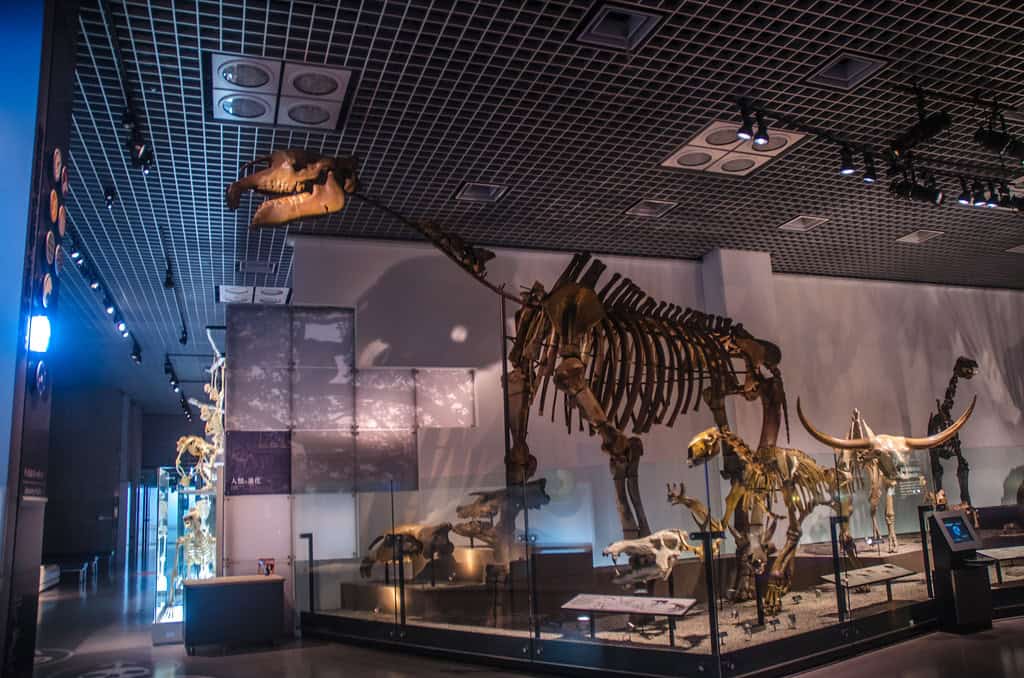
Despite nearly a century of excavations, complete skeletons of Paraceratherium remain extraordinarily rare, with most reconstructions based on composite evidence from multiple individuals and species. The challenging terrain of Central Asia, political instabilities in the regions where fossils are found, and the sheer size of the bones (making them difficult to excavate and transport) have all contributed to the relative scarcity of specimens in museum collections. Each new discovery adds valuable information, with a particularly significant find announced in 2021 when Chinese paleontologists described P. linxiaense, potentially the largest species yet discovered.
Extinction: The End of the Giants
After thriving for several million years, Paraceratherium disappeared from the fossil record by the early Miocene epoch, approximately 23 million years ago. Their extinction coincided with significant global climate changes, including continued cooling and the formation of the Tibetan Plateau following the collision of the Indian subcontinent with Asia. These tectonic events altered rainfall patterns across Central Asia, transforming environments and vegetation types that had supported these giants for millions of years. The drying climate led to a reduction in the woodland habitats where Paraceratherium browsed, replacing them with more open grasslands better suited to different herbivore adaptations.
Competition may have also played a role in their demise. The early Miocene saw the evolution and expansion of numerous herbivore groups, including early elephants, chalicotheres, and more efficient ruminant mammals that could process the increasingly fibrous vegetation of grassland environments. Paraceratherium’s specialized feeding adaptations for high browsing may have become less advantageous as forests retreated and open environments expanded. Their disappearance represents a significant transition in mammalian megafauna, marking the end of the largest land mammal ever to walk the Earth.
Modern Research: New Discoveries and Techniques
Recent advances in paleontological techniques have provided new insights into Paraceratherium’s biology and lifestyle. Digital reconstruction methods, including CT scanning of fossils and 3D modeling, have allowed scientists to better understand the biomechanics of these massive creatures. Studies of bone microstructure have revealed growth patterns suggesting that, like modern large mammals, Paraceratherium experienced rapid growth in youth followed by slower growth as they reached maturity. Isotope analysis of tooth enamel has provided clues about their diet and the environments they inhabited, confirming their preference for browsing on C3 plants typical of woodland environments.
Genetic research into modern rhinoceroses has also helped clarify Paraceratherium’s place in the evolutionary tree, confirming its relationship to modern rhinos while establishing its position in a separate, extinct family. New fossil discoveries continue to emerge, particularly from China’s Linxia Basin, which has yielded exceptionally well-preserved specimens. In 2021, the description of Paraceratherium linxiaense added significant new anatomical information, including a complete skull that has helped refine our understanding of the animal’s appearance and feeding adaptations. These ongoing discoveries ensure that our knowledge of these remarkable giants continues to evolve.
Conclusion: Legacy of a Land Colossus
Paraceratherium stands as a testament to the remarkable evolutionary potential of mammals following the dinosaur extinction. As the largest land mammal ever to walk the Earth, it represents a unique chapter in our planet’s biological history—a time when mammals, rather than dinosaurs, pushed the boundaries of terrestrial size. Its existence challenges our understanding of biological limits and demonstrates how ecosystems can support creatures of truly extraordinary dimensions under the right conditions.
The story of Paraceratherium also reminds us that evolution is not a linear march toward larger and more complex organisms. Rather, it represents adaptation to specific environmental conditions that can change over time. Despite their success for millions of years, these giants eventually disappeared as Earth’s climate and ecosystems transformed. Their extinction underscores the precarious nature of specialization and the profound impact of environmental change on even the most seemingly invulnerable species.
As paleontologists continue to unearth new fossils and apply cutting-edge analytical techniques, our understanding of Paraceratherium grows richer and more nuanced. Each discovery provides another piece of the puzzle, helping us reconstruct not just the anatomy of these magnificent animals but also their behavior, ecology, and evolutionary story. In studying these extinct giants, we gain valuable insights into the factors that influence mammalian evolution, the dynamics of ancient ecosystems, and ultimately, the impermanent nature of even the most successful life forms on our ever-changing planet.
The legacy of Paraceratherium lives on not only in museum exhibits and scientific literature but in our collective fascination with the extremes of natural history—a reminder that truth can indeed be more remarkable than fiction when it comes to the extraordinary creatures that have called Earth home throughout its long history.

From exploring the marine wonders in the Azores and witnessing the vast savannas of Kenya, to delving deep into the rich biodiversity of South Africa and traversing iconic landscapes in Australia and the US like Yellowstone, Chris's experiences are vast.
With a penchant for diving alongside sharks, the ocean holds a special place in his heart.
Through his academic insights, he champions wildlife conservation, striving with 'Animals Around The Globe' to cultivate a profound connection between humans and animals, enhancing our mutual appreciation.
Connect with him at Feedback@animalsaroundtheglobe.com.
- Spirit Animals: What Yours Means and How to Find It - July 31, 2026
- Why the World’s Loudest Animals Are Going Quiet - July 31, 2026
- This Animal Produces the Loudest Mating Call on Earth - July 31, 2026