


Dolphins have captivated human imagination for centuries, appearing in ancient mythology, modern entertainment, and scientific research. These charismatic marine mammals have developed a reputation that’s part fact, part fiction. From their intelligence to their behavior toward humans, numerous myths have emerged that don’t quite match reality. At the same time, some commonly held beliefs about dolphins are absolutely true—and sometimes even more fascinating than fiction. In this article, we’ll dive deep into dolphin lore, separating scientific fact from popular misconception to give you a clearer picture of these remarkable creatures.
Understanding the truth about dolphins isn’t just about satisfying curiosity—it’s also crucial for their conservation and welfare. When we base our interactions with these animals on myths rather than facts, we risk making decisions that could harm them or their natural habitats. So let’s bust some common myths and confirm some surprising truths about one of the ocean’s most beloved inhabitants.
MYTH #1: Dolphins Are Always Friendly to Humans

One of the most persistent myths about dolphins is that they’re universally friendly and helpful to humans. While there are certainly documented cases of dolphins appearing to help swimmers in distress, this behavior isn’t universal. Dolphins are wild animals with complex social structures and individual personalities. Some may be curious about humans, while others may be indifferent or even hostile. In various locations around the world, there have been reports of aggressive dolphin behavior toward swimmers, including charging, ramming, and even biting.
These incidents often occur when dolphins have been habituated to human presence through feeding or excessive interaction. Male dolphins, in particular, can sometimes display aggressive behavior during mating seasons or when competing for resources. Wildlife experts consistently recommend maintaining a respectful distance from wild dolphins and never attempting to touch, feed, or swim with them without proper authorization and supervision. The romanticized notion of dolphins as “ocean guardians” eager to befriend humans simply doesn’t reflect their true, complex nature.
MYTH #2: Dolphins Sleep with One Eye Open

While it’s commonly believed that dolphins sleep with one eye open, this isn’t quite accurate. What dolphins actually do is even more fascinating—they engage in unihemispheric sleep. This means that only one half of their brain sleeps at a time, while the other half remains alert. This adaptation allows them to continue swimming, come to the surface to breathe, and stay vigilant for predators. During this state, the eye opposite to the sleeping hemisphere often remains open, while the other eye closes, but this isn’t a hard rule.
This remarkable sleep pattern differs dramatically from human sleep, where both hemispheres of the brain typically rest simultaneously. For dolphins, this evolutionary adaptation is crucial for survival since they are voluntary breathers who must consciously come to the surface for air. If they slept like humans do, they would drown. Their ability to remain partially conscious while resting showcases one of the many incredible adaptations these marine mammals have developed to thrive in their aquatic environment.
MYTH #3: All Dolphins Live in the Ocean

Contrary to popular belief, not all dolphins are ocean dwellers. While the majority of dolphin species do inhabit marine environments, there are several species that live exclusively in freshwater rivers and lakes. The most well-known freshwater dolphins include the Amazon River dolphin (also called the pink river dolphin or boto), the South Asian river dolphin (with two subspecies: the Ganges river dolphin and the Indus river dolphin), and the now-extinct Yangtze river dolphin or baiji. These freshwater specialists have evolved distinct characteristics to thrive in riverine environments, including more flexible necks to navigate around obstacles and, in some cases, less reliance on echolocation due to murkier waters.
Freshwater dolphins face unique conservation challenges compared to their oceanic relatives. River dolphins are among the most endangered of all cetaceans, threatened by dam construction, pollution, entanglement in fishing gear, and habitat degradation. The Yangtze river dolphin was declared functionally extinct in 2006, making it the first dolphin species driven to extinction by human activities. This tragic loss highlights the vulnerability of these remarkable freshwater specialists and the urgent need for conservation efforts to protect the remaining river dolphin populations around the world.
MYTH #4: Dolphins Are the Smartest Animals After Humans

While dolphins are undoubtedly intelligent creatures, the claim that they rank second only to humans in intelligence is an oversimplification. Intelligence is multifaceted and difficult to measure across species with different evolutionary paths and ecological niches. Various animals excel in different types of intelligence—great apes demonstrate remarkable problem-solving abilities and tool use; elephants show exceptional social memory and empathy; corvids (ravens and crows) can create and use tools; and octopuses display impressive learning and adaptive capabilities. Each of these animal groups could potentially claim the “second-smartest” title depending on which aspects of intelligence are being measured.
What makes dolphins especially remarkable is their combination of large brain size relative to body mass, complex social structures, sophisticated communication systems, and ability to recognize themselves in mirrors (a rare trait in the animal kingdom). They can learn complex tasks, develop cultural traditions that pass between generations, and use tools in the wild—such as carrying sponges on their rostrums to protect themselves while foraging on the seafloor. However, ranking intelligence across vastly different species creates a hierarchy that doesn’t do justice to the unique cognitive adaptations each animal has developed for its specific environment and lifestyle.
MYTH #5: Dolphins Can Cure Human Illnesses

The myth that dolphins possess healing powers or can cure human illnesses has persisted for decades, fueling an industry of “dolphin-assisted therapy” programs. Proponents claim that swimming with dolphins can treat conditions ranging from depression to autism to physical disabilities. However, there is little scientific evidence supporting these claims. Most studies purporting to show benefits from dolphin therapy suffer from methodological flaws, including small sample sizes, lack of proper control groups, and failure to account for placebo effects or the general benefits of being in water and outdoors.
More concerning is the welfare impact on dolphins used in these programs. Captive dolphins often experience stress from constant human interaction and confinement in small pools. In some facilities, they’re housed in chlorinated water that can damage their skin and eyes, and they’re deprived of the complex social structure and extensive ranging patterns they would experience in the wild. Professional medical organizations, including the American Psychological Association, have not endorsed dolphin-assisted therapy as an evidence-based treatment. While interacting with animals can certainly provide emotional benefits, attributing mystical healing powers to dolphins has no basis in science and potentially harms these intelligent creatures.
MYTH #6: Dolphins Have a Language as Complex as Human Speech

While dolphins possess an impressive communication system that includes clicks, whistles, body postures, and jaw claps, the claim that they have a language comparable to human speech is not supported by current scientific evidence. Dolphins do use signature whistles that function somewhat like names, allowing individuals to identify each other. They can also learn to understand symbolic gestures and basic grammar in experimental settings. However, there’s a significant difference between these capabilities and the defining features of human language, such as recursive grammar, displacement (discussing things not present), and productivity (creating unlimited new messages).
Scientists continue to study dolphin communication, and new research constantly reveals additional complexities. For example, researchers have discovered that dolphins appear to coordinate their behavior through acoustic signals and can remember other dolphins’ signature whistles for decades. They may even mimic the whistles of close associates, possibly “referring” to absent individuals—a sophisticated cognitive ability. Yet despite these fascinating findings, we have not discovered evidence that dolphins possess symbolic language with the grammatical complexity and generative properties of human language. The way dolphins communicate is remarkable in its own right without needing to be equated to human speech.
MYTH #7: Captive Dolphins Are Happy in Marine Parks
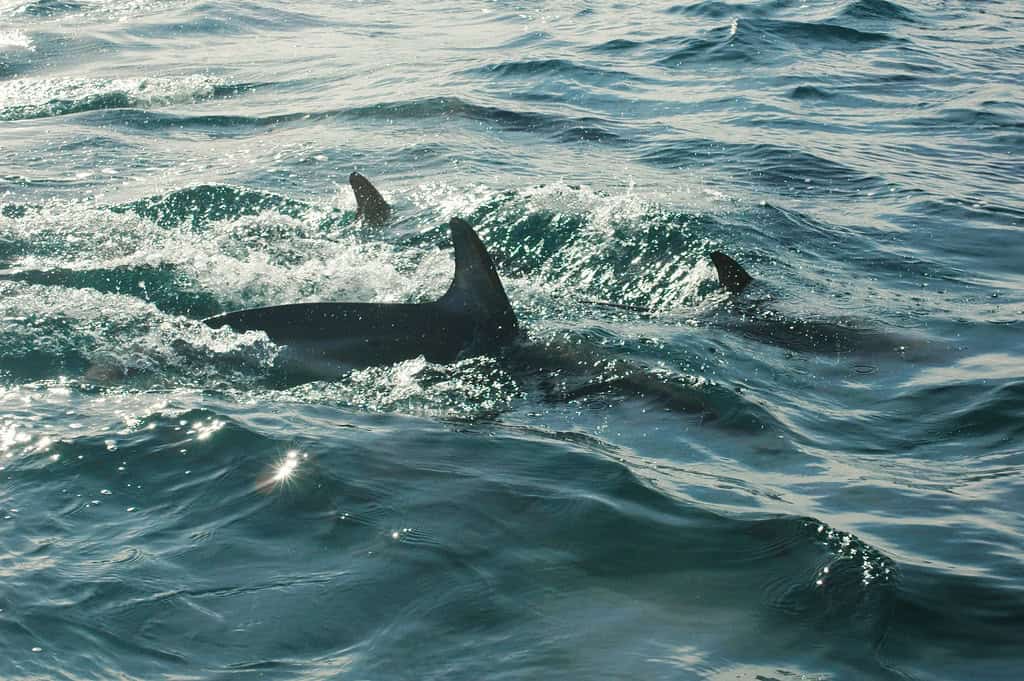
Despite the seemingly playful behavior of dolphins in marine parks and aquariums, scientific evidence increasingly suggests that these highly intelligent, far-ranging animals suffer significant welfare problems in captivity. In the wild, dolphins typically swim 40-100 miles per day, dive to depths of hundreds of feet, and live in complex social groups. By contrast, even the largest artificial environments provide only a tiny fraction of this space. Studies have documented numerous stress-related health problems in captive dolphins, including ulcers, increased susceptibility to disease, and abnormal behaviors such as stereotypic swimming patterns (repetitive movements that indicate psychological distress).
The mortality rates of captive dolphins also tell a concerning story. Despite advances in veterinary care, captive bottlenose dolphins still experience higher mortality rates than their wild counterparts in many facilities. Additionally, many display behaviors never seen in wild populations, such as aggression toward trainers or self-harming behaviors. While the apparent “smile” of dolphins (a fixed anatomical feature rather than an emotional expression) and their trained performances may give the impression of contentment, behavioral biologists who study cetaceans emphasize that these highly intelligent, wide-ranging animals are fundamentally unsuited to life in confinement, regardless of how well-designed the facility may be.
MYTH #8: Dolphins Never Attack Other Animals

The gentle, smiling image of dolphins in popular culture has led many to believe they are universally peaceful creatures. In reality, dolphins can be aggressive predators and have been documented attacking and killing other marine mammals, including smaller dolphin species and even porpoises. In some regions, especially along the coasts of Scotland and Wales, bottlenose dolphins regularly kill harbor porpoises, not for food but apparently out of aggression or competition. Researchers have observed male dolphins working together to isolate and attack female dolphins during mating season, and there are numerous cases of dolphins attacking sharks when competing for food resources.
Perhaps most surprisingly, dolphins have been observed using tools during their aggressive behaviors. In Western Australia’s Shark Bay, scientists have documented dolphins carrying marine sponges on their rostrums (beaks) as protection while they disturb venomous creatures on the seafloor. Male dolphins in some populations form alliances to collectively pursue females and occasionally display aggression toward rival male groups. These behaviors don’t diminish the many fascinating aspects of dolphin social life, but they do present a more complete picture of these complex predators whose behavior, like that of many intelligent species, includes both cooperation and conflict.
MYTH #9: Dolphins Can Detect Human Pregnancies

The notion that dolphins can detect human pregnancies has become popular, with many anecdotal reports of dolphins paying special attention to pregnant women at marine parks or during swim-with-dolphin experiences. While these stories are compelling, there’s no scientific evidence supporting the claim that dolphins possess this specific ability. Dolphins do have impressive biosonar capabilities, using echolocation to create detailed “acoustic images” of their surroundings. However, their echolocation is optimized for underwater use and functions differently in air, making it unlikely that they could detect subtle physiological changes in a partially submerged human.
What might explain these anecdotal experiences is dolphins’ natural curiosity about novelty in their environment and their sensitivity to subtle behavioral differences. Pregnant women may move differently in water or exhibit different emotional states that dolphins might notice. Additionally, confirmation bias likely plays a role—we tend to remember and share unusual animal behaviors that seem meaningful while forgetting ordinary interactions. While dolphins are remarkably perceptive animals, attributing to them the specific ability to detect human pregnancy goes beyond what scientific evidence currently supports. Their actual sensory capabilities—including their sophisticated echolocation system that can detect objects the size of a ping-pong ball from over 70 meters away—are impressive enough without adding supernatural abilities.
MYTH #10: All Dolphins Have a Dorsal Fin

While the curved dorsal fin is perhaps the most recognizable feature of dolphins in popular imagination, not all dolphin species possess this characteristic appendage. The most notable exception is the finless porpoise (Neophocaena phocaenoides), which, despite its name, belongs to the dolphin family Delphinidae. Instead of a dorsal fin, these animals have a ridge of small tubercles along their back. Additionally, some river dolphin species, such as the Amazon river dolphin (Inia geoffrensis), have very small, ridge-like dorsal fins that bear little resemblance to the prominent fins seen on bottlenose dolphins and other oceanic species.
Even among dolphin species that do have dorsal fins, there’s considerable variation in size and shape. These differences often relate to the animal’s habitat and lifestyle. Dolphins living in colder waters tend to have shorter, more rounded dorsal fins that minimize heat loss, while those in tropical waters often sport taller, more falcate (sickle-shaped) fins. The dorsal fin serves several important functions, including stabilization while swimming, thermoregulation (temperature control), and in some species, individual identification, as the unique nicks and scars that accumulate on the fin allow researchers to recognize specific animals. This diversity in dorsal fin morphology across dolphin species highlights the evolutionary adaptations these marine mammals have developed for their specific ecological niches.
TRUTH #1: Dolphins Have Names for Each Other

One of the most fascinating confirmed facts about dolphins is that they use “signature whistles”—unique vocal patterns that function similar to names. Each dolphin develops its own distinctive whistle within the first year of life, which it keeps for its entire lifetime. These whistles serve as individual identifiers, allowing dolphins to announce their presence and maintain contact with specific members of their pod, even in murky waters where visibility is limited. Research has shown that dolphins can recognize the signature whistles of individuals they’ve known even after being separated for decades, demonstrating remarkable long-term social memory.
Even more intriguingly, dolphins will sometimes mimic the signature whistles of close associates when separated from them, effectively “calling their name.” This behavior appears similar to how humans might call out to a specific person they’re looking for. Calves learn their mother’s signature whistle before developing their own, helping maintain the crucial mother-calf bond. This sophisticated communication system represents one of the few known examples in the animal kingdom of learned vocal labels being used to identify specific individuals—a feature once thought unique to human language. The discovery of this naming system has significantly contributed to our understanding of dolphin cognition and social complexity.
TRUTH #2: Dolphins Use Tools in the Wild
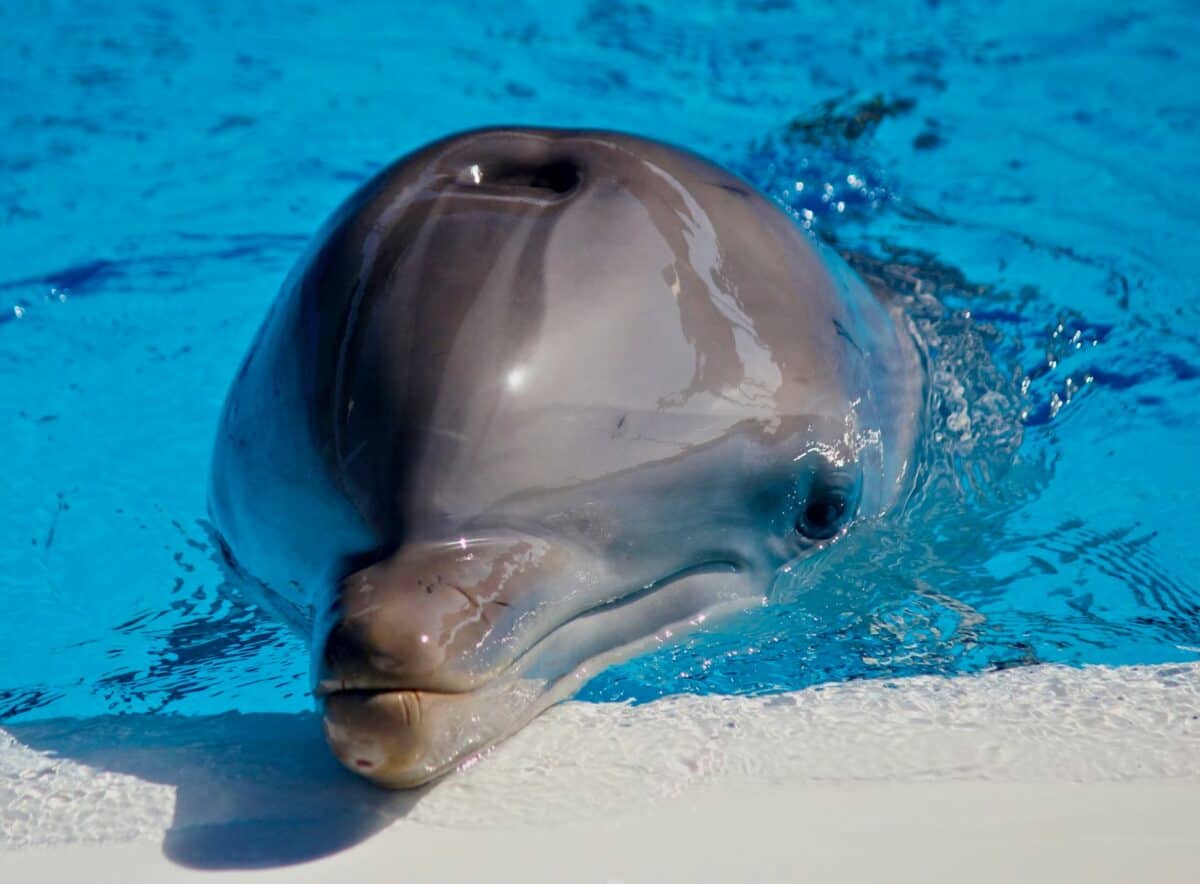
Contrary to the once-held belief that tool use was unique to humans, dolphins have repeatedly demonstrated sophisticated tool use in their natural environment. The most well-documented example comes from Shark Bay in Western Australia, where bottlenose dolphins have been observed carrying marine sponges on their rostrums (beaks) while foraging on the seafloor. This behavior, known as “sponging,” protects their sensitive snouts from sharp rocks and the spines of venomous creatures as they search for prey hidden in the sediment. What makes this behavior particularly remarkable is that it appears to be culturally transmitted—primarily from mother to daughter—representing a form of material culture previously thought to exist only in great apes and humans.
Beyond sponging, dolphins have been observed using other tools and techniques that demonstrate their problem-solving abilities. Some dolphins in Florida have been documented using mud rings to trap fish, creating circular mud plumes that cause fish to jump into waiting dolphin mouths. In another example of innovative feeding, dolphins in Brazil have developed a cooperative hunting relationship with human fishermen, herding fish toward the fishermen’s nets and feeding on the disoriented fish that escape. These diverse examples of tool use and problem-solving underscore the cognitive flexibility of dolphins and their ability to develop specialized techniques adapted to their particular environments—a hallmark of advanced intelligence.
TRUTH #3: Dolphins Recognize Themselves in Mirrors
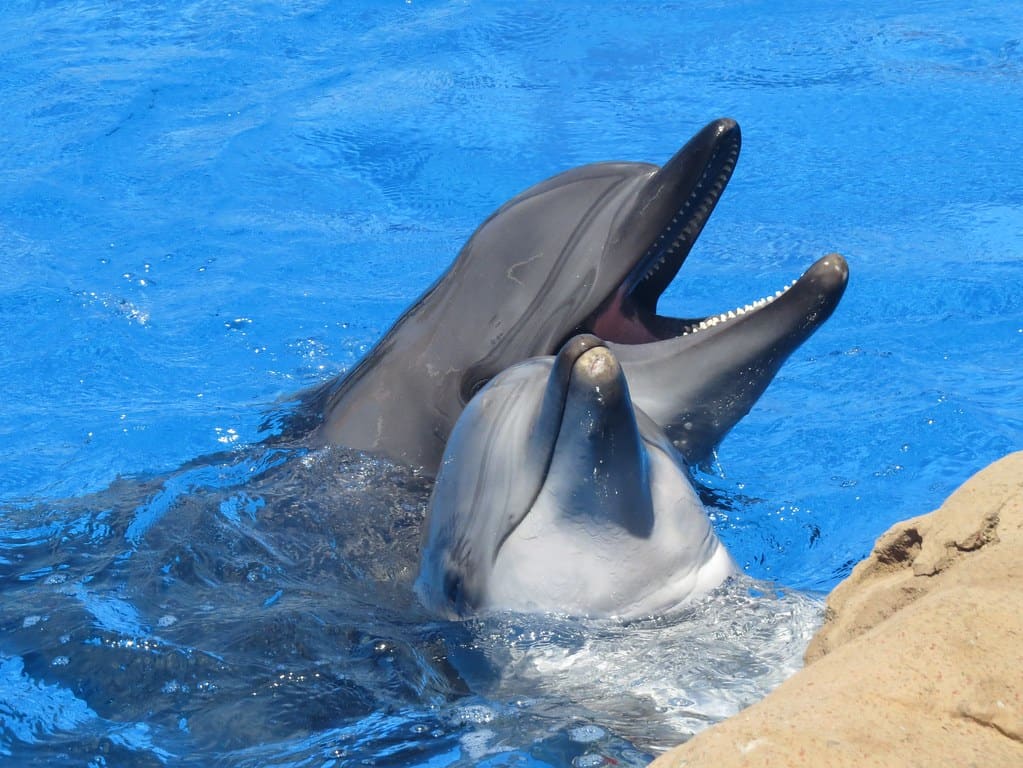
Self-recognition in mirrors is considered a hallmark of advanced cognitive ability and self-awareness, and dolphins are among the very few animals that have demonstrated this capability conclusively. In controlled experiments, researchers marked dolphins with temporary, non-toxic dye in locations they couldn’t see directly, such as their foreheads. When presented with mirrors, the dolphins clearly adjusted their positions to view the marked areas and spent significantly more time examining these areas compared to unmarked parts of their bodies. This behavior strongly indicates they recognized the reflection as themselves rather than another dolphin.
The mirror self-recognition test is considered a gold standard for measuring self-awareness in non-human animals, and the exclusive club of animals that have passed it includes only great apes (chimpanzees, bonobos, orangutans), elephants, magpies, and a few others—placing dolphins in a remarkably elite group. This ability suggests that dolphins possess a level of consciousness that enables them to form a sense of identity and distinguish themselves from others, which has profound implications for how we understand animal intelligence.
Moreover, dolphins have demonstrated other behaviors associated with high cognitive function, such as problem-solving, cultural learning, and complex social interactions. Their capacity for self-recognition reinforces the ethical importance of how we treat them in captivity and in the wild. As our understanding of dolphin cognition deepens, so too must our responsibility to protect these intelligent, self-aware beings and ensure that their complex inner lives are respected and preserved.
Conclusion: Getting Real About Dolphins

Dolphins have long captured human imagination with their intelligence, playfulness, and charismatic smiles—but separating fact from fiction is essential to truly understanding these remarkable marine mammals. As we’ve seen, not all of their reputation is earned: they aren’t always friendly, they don’t save humans on command, and they’re not just cheerful ocean clowns. Many popular myths romanticize dolphins while overlooking their complex behaviors, including aggression, competition, and even manipulation within their pods.
Yet, some truths do hold strong. Dolphins are highly intelligent, they do use sophisticated forms of communication, and they can form deep social bonds that rival those of primates. By challenging the myths and recognizing the realities, we gain a deeper respect for dolphins—not as magical sea creatures, but as real, complex animals with both flaws and brilliance. Understanding them on their own terms not only enriches our appreciation of marine life but also strengthens our responsibility to protect their habitats and ensure their survival in the wild.

From exploring the marine wonders in the Azores and witnessing the vast savannas of Kenya, to delving deep into the rich biodiversity of South Africa and traversing iconic landscapes in Australia and the US like Yellowstone, Chris's experiences are vast.
With a penchant for diving alongside sharks, the ocean holds a special place in his heart.
Through his academic insights, he champions wildlife conservation, striving with 'Animals Around The Globe' to cultivate a profound connection between humans and animals, enhancing our mutual appreciation.
Connect with him at Feedback@animalsaroundtheglobe.com.