
Snakes have long captured human fascination with their sleek bodies, mesmerizing movements, and distinctive personalities. While many people fear these reptiles, experienced handlers know that snake temperaments vary dramatically between species. Some snakes naturally gravitate toward human interaction, showing curiosity and docility that makes them excellent companions. Others, however, retain their wild instincts more strongly, preferring solitude and sometimes responding defensively to human contact.
It’s important to understand that even within “friendly” species, individual temperament can vary based on factors like handling frequency, early socialization, and natural disposition. Additionally, a snake’s reaction to humans often depends on how it was raised—captive-bred specimens typically adjust better to handling than wild-caught individuals. Before bringing any snake into your home, researching its specific needs, temperament tendencies, and care requirements is essential for a positive relationship with your scaly companion.
Corn Snakes: The Friendly Beginners

Corn snakes (Pantherophis guttatus) have earned their reputation as one of the most people-friendly snake species available in captivity. These North American natives display a remarkably calm temperament, rarely striking even when startled. Their moderate size—typically reaching 3-5 feet in length—makes them manageable for handlers of all experience levels. Corn snakes rarely bite, and when properly socialized from a young age, they often appear to enjoy gentle handling sessions.
What makes corn snakes particularly appealing is their curious nature. Many owners report that their corn snakes will actively explore during handling sessions rather than trying to escape. Their vibrant coloration, which includes beautiful orange, red, and yellow patterns, combined with their docile nature, makes them ideal first snakes for beginners. With proper care, including appropriate temperature gradients and regular feeding schedules, corn snakes can live 15-20 years, providing a long-term reptilian companion that genuinely seems to appreciate human interaction.
Ball Pythons: The Gentle Giants

Ball pythons (Python regius) have earned their place as one of the most beloved snake species among reptile enthusiasts, primarily due to their exceptionally gentle temperament. Named for their defensive behavior of curling into a tight ball when stressed, these African pythons quickly learn to trust their handlers and often become remarkably tolerant of human interaction. Growing to a manageable 3-5 feet in length, ball pythons are substantial enough to feel secure during handling without being overwhelmingly large or powerful.
What distinguishes ball pythons from other species is their calm, methodical movement when being handled. Unlike some snakes that constantly seek escape, ball pythons typically move slowly and deliberately, often content to wrap gently around their handler’s arm or simply rest in their hands. This relaxed nature has made them especially popular among families and first-time snake owners. Additionally, their availability in hundreds of captive-bred color morphs means enthusiasts can choose from an incredible variety of patterns and colors while still enjoying the species’ famously placid personality.
Kingsnakes: The Curious Companions
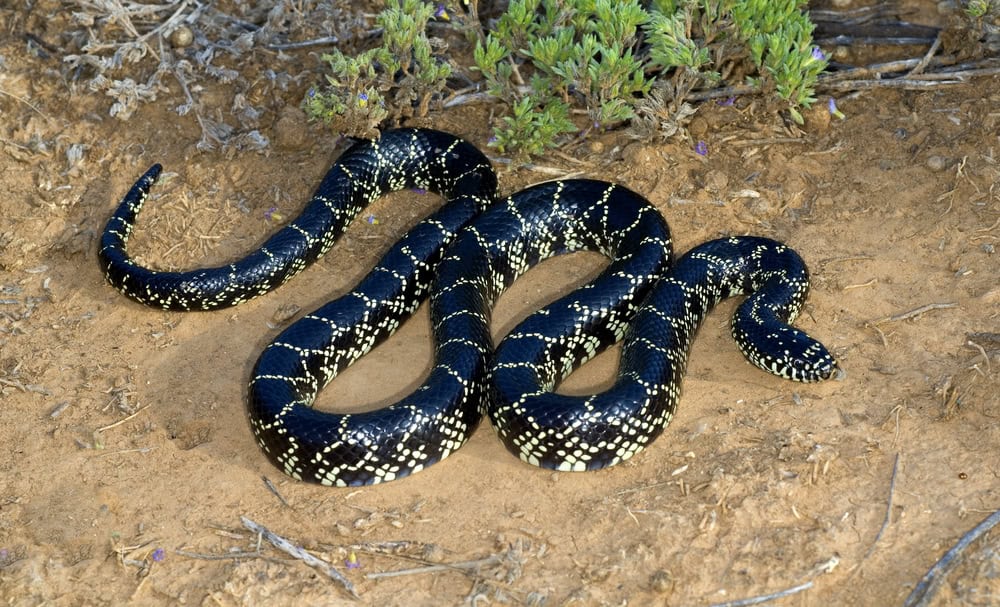
Kingsnakes, particularly the common kingsnake (Lampropeltis getula) and its subspecies, represent some of the most handleable snakes available in the pet trade. These striking reptiles, known for their iconic banded patterns, display a notable inquisitiveness toward their human caretakers. Unlike some species that merely tolerate handling, kingsnakes often actively explore their surroundings during handling sessions, making interactions more engaging for both snake and owner. Their moderate size of 3-4 feet makes them substantial enough to handle confidently without being intimidating.
What makes kingsnakes particularly appealing as human-friendly snakes is their adaptability and resilience. They tend to feed readily in captivity, rarely refuse meals, and adjust quickly to regular handling routines. While young kingsnakes may occasionally exhibit defensive behaviors, including striking or musking (releasing a foul-smelling substance), they typically outgrow these tendencies with consistent, gentle handling. Their natural immunity to the venom of other snakes—an adaptation that allows them to prey on venomous species in the wild—adds another fascinating dimension to these intelligent, people-oriented reptiles.
Garter Snakes: The Sociable Slitherers

Garter snakes (Thamnophis species) stand out among reptiles for their surprisingly sociable nature. Unlike many snake species that lead solitary lives, garter snakes often form loose communities in the wild, basking together and sharing hibernation sites. This natural inclination toward social behavior seems to translate well to human interaction. While smaller than many popular pet snakes—typically reaching only 2-3 feet in length—garter snakes make up for their modest size with personality and charm. Their quick, alert movements and expressive faces make handling sessions dynamic and engaging.
These adaptable reptiles quickly learn to recognize their keepers, often showing visible excitement during feeding times or when their enclosure is approached. Though they may initially be skittish, consistent, gentle handling usually results in a remarkably tame snake that appears genuinely interested in human interaction. Their diverse diet, which can include fish and earthworms rather than just rodents, makes them appropriate for keepers who prefer not to handle frozen mice. With proper care, these intelligent, personable snakes can form strong bonds with their human handlers, demonstrating that even small snake species can develop meaningful connections with people.
Rosy Boas: The Calm Cuddlers
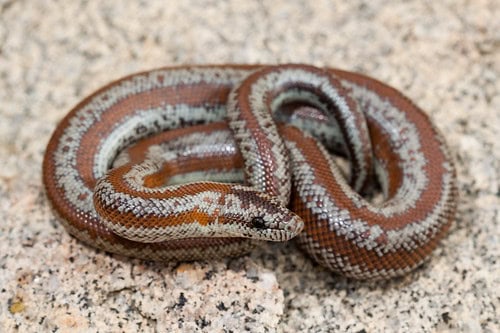
Rosy boas (Lichanura trivirgata) exemplify the gentlest qualities snake enthusiasts seek in a reptilian companion. Native to the southwestern United States and northwestern Mexico, these small constrictors rarely exceed 3 feet in length and possess a temperament that seems almost custom-designed for human interaction. Unlike many snake species that may tolerate handling, rosy boas often appear to enjoy it, frequently curling comfortably in their handler’s hands rather than constantly seeking escape. Their slow, deliberate movements make them particularly suitable for beginners or those who prefer a less active snake.
What truly distinguishes rosy boas is their remarkable tolerance for handling mistakes that might provoke defensive responses in other species. They rarely bite, even when startled, and instead rely on their muscular bodies to stabilize themselves during handling. Their naturally inquisitive nature means they’ll often explore their handler’s hands and arms with gentle nudges of their snouts, creating interactive handling experiences. Combined with their beautiful coloration—typically featuring three longitudinal stripes against backgrounds ranging from cream to dark brown—and their manageable size, these traits make rosy boas ideal companions for snake enthusiasts seeking a genuinely people-friendly species that thrives on gentle interaction.
Hognose Snakes: The Dramatic Friends

Western hognose snakes (Heterodon nasicus) combine friendly temperaments with theatrical personalities, making them among the most entertaining snake species to interact with. Named for their upturned snouts used for digging, hognose snakes rarely exceed 3 feet in length and possess a stocky, manageable build that makes handling comfortable for both snake and keeper. While they’re technically rear-fanged venomous snakes, their mild venom is designed for subduing amphibian prey and poses virtually no threat to humans beyond possible mild irritation in sensitive individuals.
What truly endears hognose snakes to their keepers is their remarkable repertoire of defensive behaviors that rarely escalate to actual biting. When initially startled, they may flatten their necks cobra-style and hiss dramatically, but this bluffing display quickly gives way to calm handling once they recognize their keeper. If particularly stressed, they may perform their famous “playing dead” routine—rolling onto their backs with mouths open, sometimes even leaking a foul-smelling musk for authenticity. Despite these dramatic displays, properly socialized hognose snakes typically become remarkably tame, curious companions that seem to recognize and respond positively to their regular handlers, making them ideal for reptile enthusiasts who appreciate both docility and personality.
Children’s Pythons: The Underrated Gentle Souls
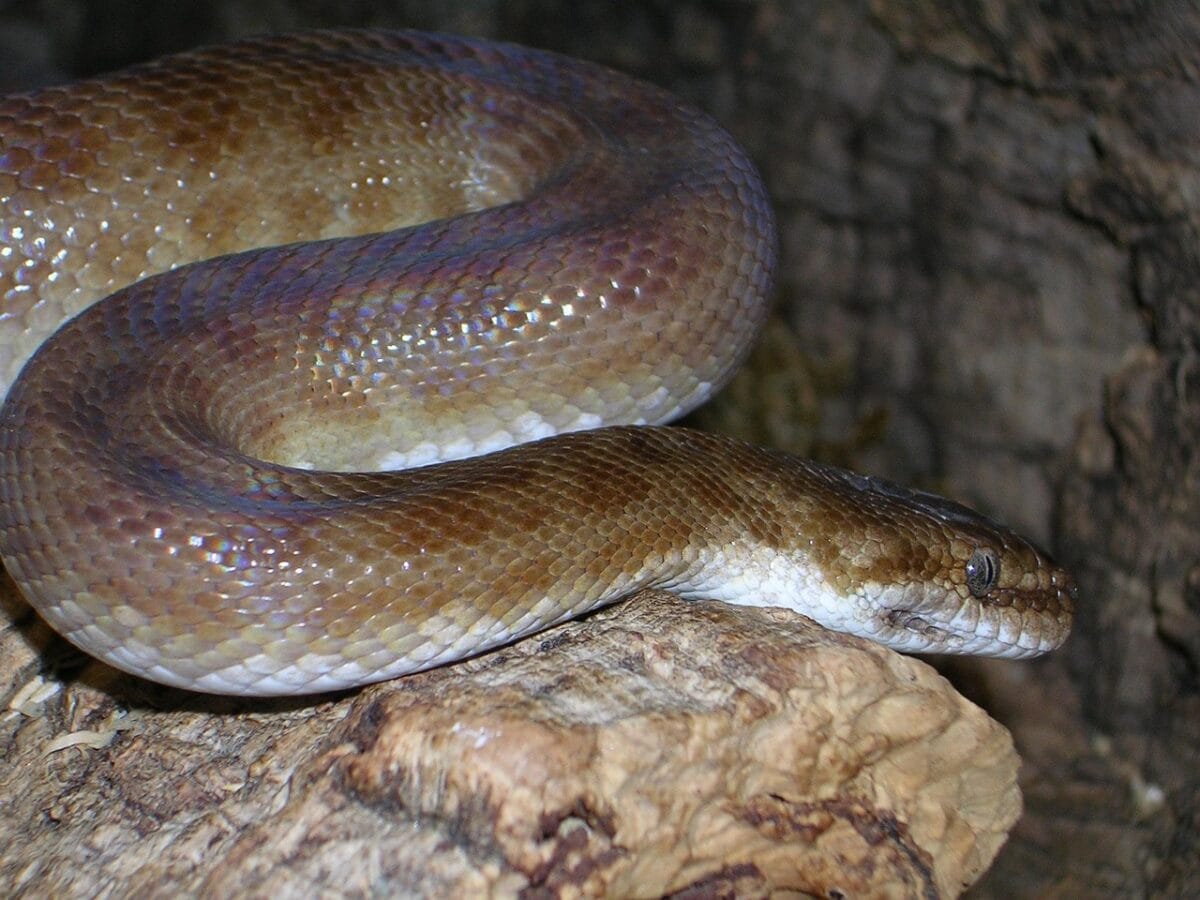
Children’s pythons (Antaresia childreni), despite their somewhat misleading name (they’re actually named after zoologist John George Children), represent one of the reptile hobby’s best-kept secrets when it comes to people-friendly snake species. These Australian pythons typically reach only 2-4 feet in length, making them ideal for keepers with limited space or those who prefer a more manageable snake. Their slender build belies their strength, but their temperament is remarkably gentle, with most specimens showing extraordinary patience during handling sessions.
What distinguishes Children’s pythons from other small python species is their adaptability to human interaction. While initially shy, they quickly become accustomed to regular, gentle handling, often displaying a curious demeanor as they explore their handler’s hands and arms. Their nocturnal nature means they’re typically more active during evening handling sessions, creating more engaging interactions. Additionally, their compact size means they require less elaborate enclosures than larger python species, while still displaying the same intelligent, inquisitive behaviors that make pythons so appealing as companion animals. For snake enthusiasts seeking a smaller species with a genuinely people-friendly disposition, Children’s pythons offer the perfect combination of manageable size and gentle temperament.
Black Mambas: The Deadly Defenders
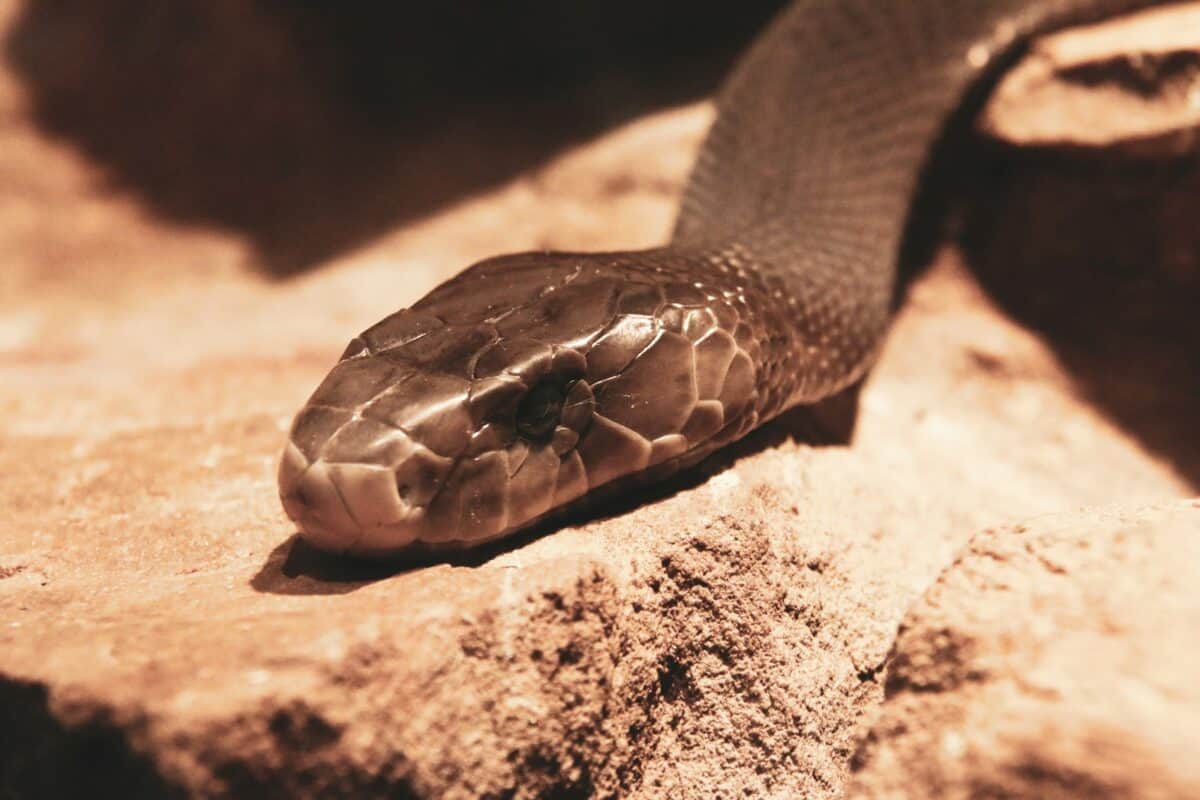
Black mambas (Dendroaspis polylepis) stand as perhaps the most notoriously human-averse snakes in the world, combining exceptional speed, potent neurotoxic venom, and a defensive temperament that makes them entirely unsuitable for handling under any circumstances. Native to various regions throughout sub-Saharan Africa, these elapids can reach lengths of 14 feet, making them among the longest venomous snakes on the continent. Their name comes not from their external coloration, which is typically olive to gray-brown, but from the inky black interior of their mouths, which they display when threatened.
What makes black mambas particularly dangerous is their combination of intelligence, speed, and defensive aggression when cornered. Capable of traveling at speeds up to 12.5 miles per hour, they can deliver multiple strikes in rapid succession when threatened. Their venom is extraordinarily potent, with untreated bites having a nearly 100% mortality rate, often within hours. Unlike some venomous species that may give warning displays before striking, black mambas may attack with minimal provocation when they feel threatened. Their nervous, high-strung temperament means they interpret many human movements as threats, making them completely unsuitable for any form of regular handling, even by the most experienced herpetologists.
King Cobras: The Regal Recluses
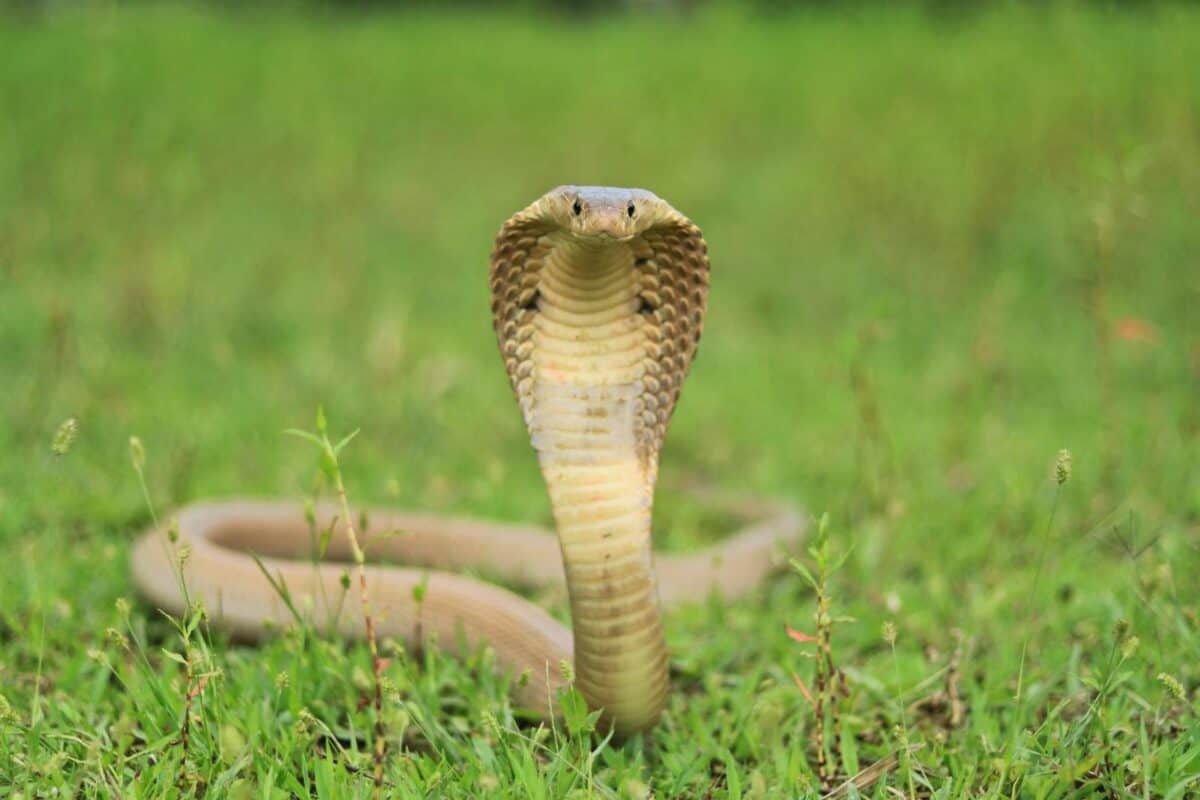
King cobras (Ophiophagus hannah) command respect not only for their impressive size—reaching up to 18 feet in length—but also for their intelligence and highly defensive nature that makes them entirely unsuitable for handling. As the world’s longest venomous snake, king cobras possess a neurotoxic venom potent enough to kill an elephant, with enough delivered in a single bite to potentially kill 20 human adults. Unlike many snake species that flee from human presence, king cobras often stand their ground, raising the front third of their bodies and spreading their distinctive hoods when threatened.
What makes king cobras particularly human-averse is their combination of intelligence and territoriality. They demonstrate remarkable spatial awareness and memory, recognizing regular human intruders into their territory and responding accordingly. While they generally prefer to avoid human contact, they become exceptionally defensive when cornered or protecting their nests—one of the few snake species to build nests and guard their eggs. Their ability to deliver precision strikes from a considerable distance, combined with their analytical approach to perceived threats, makes them among the most dangerous snakes to handle. Even professional handlers with decades of experience maintain extreme caution around these magnificent but decidedly people-averse reptiles.
Gaboon Vipers: The Hidden Heavyweights

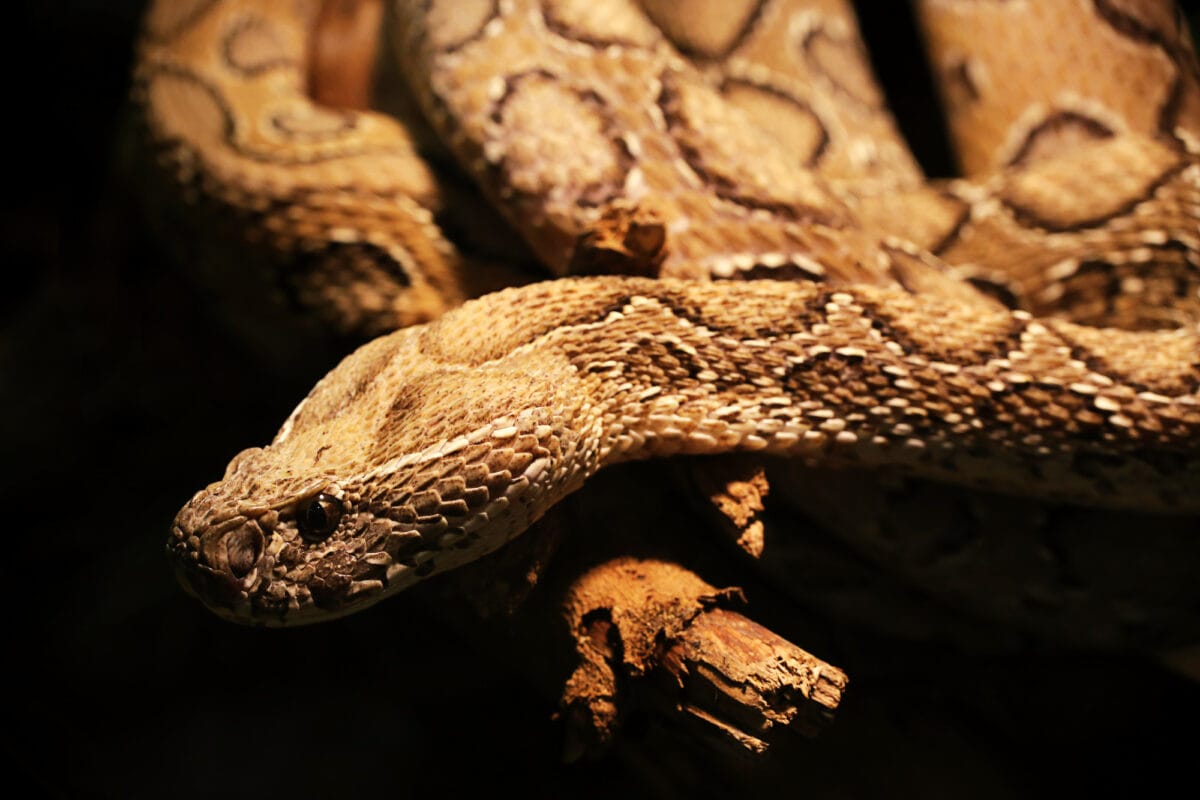
Gaboon vipers (Bitis gabonica) represent the antithesis of people-friendly snake species, combining a highly defensive temperament with physical characteristics specifically evolved to avoid human detection and deliver devastating bites when provoked. These massive vipers, which can reach weights exceeding 25 pounds with bodies as thick as a man’s arm, possess the longest fangs of any snake species—sometimes exceeding two inches in length. Their intricate geometric patterning creates nearly perfect camouflage in forest leaf litter, making them nearly impossible to spot before accidentally approaching too closely.
What makes Gaboon vipers particularly unsuitable for human interaction is their combination of cryptic behavior and explosive striking capability. Unlike some venomous species that give clear warning signs, Gaboon vipers rely on remaining undetected, often refusing to move even when approached closely. When they do strike, they can do so with astonishing speed despite their massive bulk, delivering enormous quantities of hemotoxic venom that destroys tissue and prevents blood clotting. Their reluctance to move, even when discovered, has been misinterpreted by inexperienced observers as docility—a potentially fatal misunderstanding. These snakes have evolved specifically to avoid detection by large mammals, including humans, and their entire defense strategy revolves around remaining hidden until forced to deliver a devastating defensive bite.
Bushmaster Snakes: The Forest Phantoms
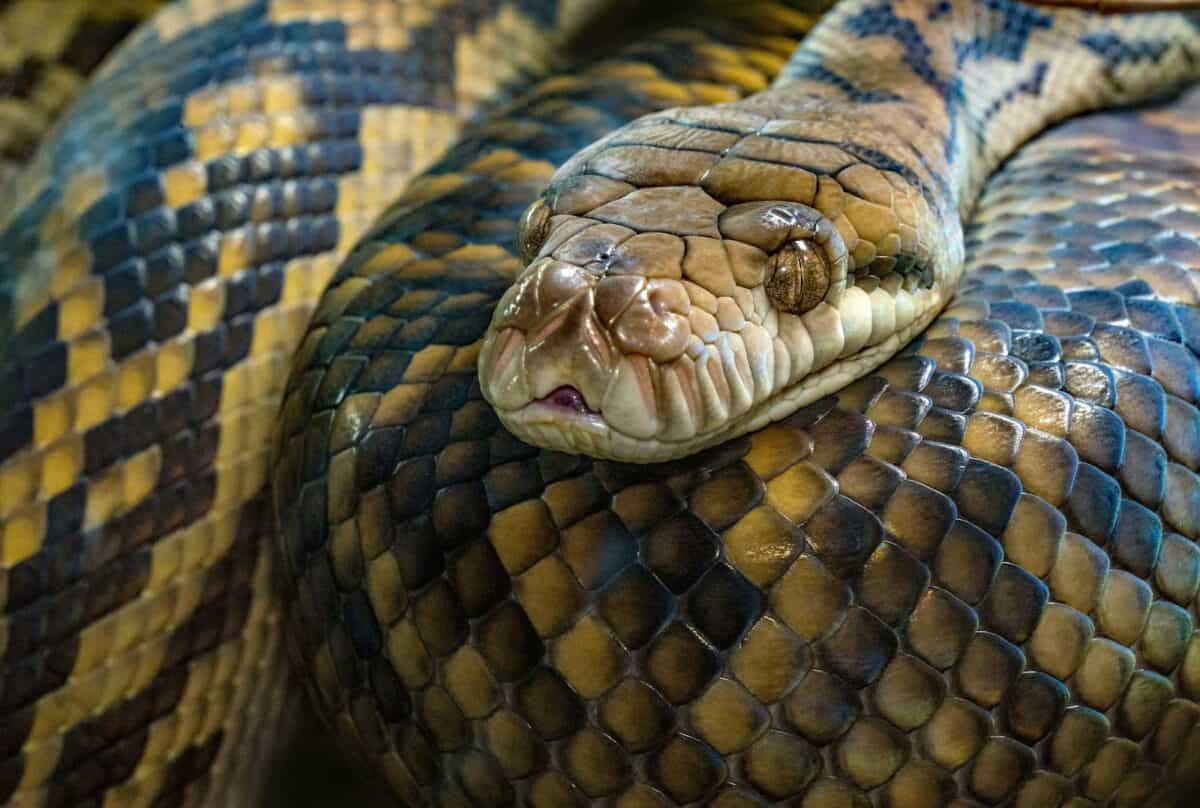
Bushmaster snakes (Lachesis genus), particularly the South American bushmaster (Lachesis muta), represent some of the most human-averse pit vipers in the world. As the longest venomous snake in the Western Hemisphere, reaching lengths up to 12 feet, the bushmaster combines size, potent hemotoxic venom, and a nervous, defensive temperament that makes them completely unsuitable for handling. Unlike some venomous species that may become more predictable in captivity, bushmasters typically retain their wild, defensive nature regardless of how long they’re kept by humans.
What makes bushmasters particularly dangerous is their combination of cryptic behavior and extraordinary striking range. In the wild, they rely on their intricate pattern of light and dark scales to blend perfectly with forest floor debris, often remaining motionless for days at a time. When threatened, however, they can launch lightning-fast strikes that cover nearly two-thirds of their body length. Their extreme sensitivity to vibration means they often interpret even careful human movements as threats. Additionally, they’re among the few venomous snakes that guard their eggs, making females particularly defensive during breeding season. Their nervous temperament, combined with potentially fatal venom and explosive striking capability, places bushmasters firmly in the category of snakes that have no interest in positive human interaction.
Coastal Taipans: The Lightning Strikers

Coastal taipans (Oxyuranus scutellatus) have earned their reputation as one of Australia’s most human-averse snake species through their combination of extreme venom potency and nervous, defensive temperament. These elegant elapids can reach lengths of 6-7 feet and possess the longest fangs of any Australian venomous snake, allowing them to deliver deep intramuscular injections of their neurotoxic venom. Before the development of effective antivenom in 1956, the mortality rate from untreated taipan bites approached 100%, often within hours of envenomation.
What places coastal taipans firmly in the “doesn’t like people” category is their extraordinary nervous system and defensive behavior. They possess perhaps the fastest strike of any snake species, capable of launching multiple precision bites in fractions of a second. While they typically attempt to flee from human encounters, when cornered or surprised, they transition instantly to defensive behavior, striking repeatedly with remarkable accuracy. Their slender, athletic build gives them exceptional mobility and strike range, allowing them to defend themselves effectively against perceived threats. Unlike some venomous species that may give clear warning displays, taipans often strike with minimal provocation when they feel threatened, making them particularly dangerous for handlers. Even professional herpetologists who work with taipans maintain extraordinary precautions, recognizing these snakes’ fundamental aversion to human interaction.
Russell’s Vipers: The Temperamental Terrors
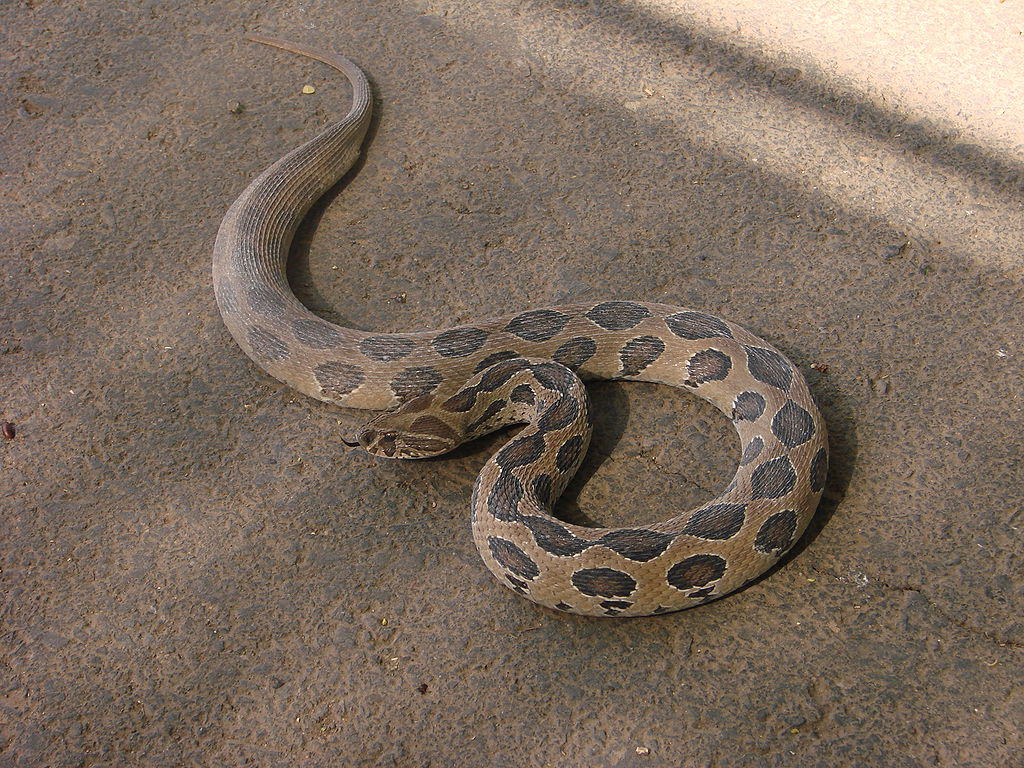
Russell’s vipers (Daboia russelii) combine a highly irritable temperament with deadly venom delivery systems, making them among the most human-averse snakes in the world. Responsible for thousands of deaths annually across their range in South and Southeast Asia, these heavy-bodied vipers reach lengths of up to 5.5 feet, with distinctive chain-like patterns running along their robust bodies. Equipped with long, hinged fangs and potent hemotoxic venom, they can cause severe tissue damage, internal bleeding, and organ failure within hours of a bite. Their defensive behavior is equally alarming—when threatened, Russell’s vipers produce a loud, menacing hiss and coil tightly before striking with lightning speed. Found in a variety of habitats, from farmlands to forests, they often come into conflict with humans, especially in agricultural areas where they hunt for rodents. This combination of potency, aggression, and proximity to human activity makes them one of the most medically significant snakes in Asia.

- Could the Tasmanian Tiger Be Brought Back to Life? - July 21, 2026
- Why You Should Never Approach a Sleeping Hippo - July 21, 2026
- The Truth About Hyena Intelligence and Social Power - July 21, 2026