
The Pacific Northwest, encompassing Washington, Oregon, Idaho, and parts of British Columbia, is known for its lush forests, rugged coastlines, and diverse wildlife. While most creatures in this region pose little threat to humans, some animals deserve our respect and caution. This guide explores ten potentially dangerous animals you might encounter in the Pacific Northwest, along with five harmless creatures that bring joy to wildlife enthusiasts. Whether you’re hiking through the Cascade Mountains, exploring the Olympic Peninsula, or simply enjoying your backyard, knowing which animals to watch out for—and which are completely harmless despite their appearance—can enhance your outdoor experience while keeping you safe.
1. Black Bears: Powerful Omnivores
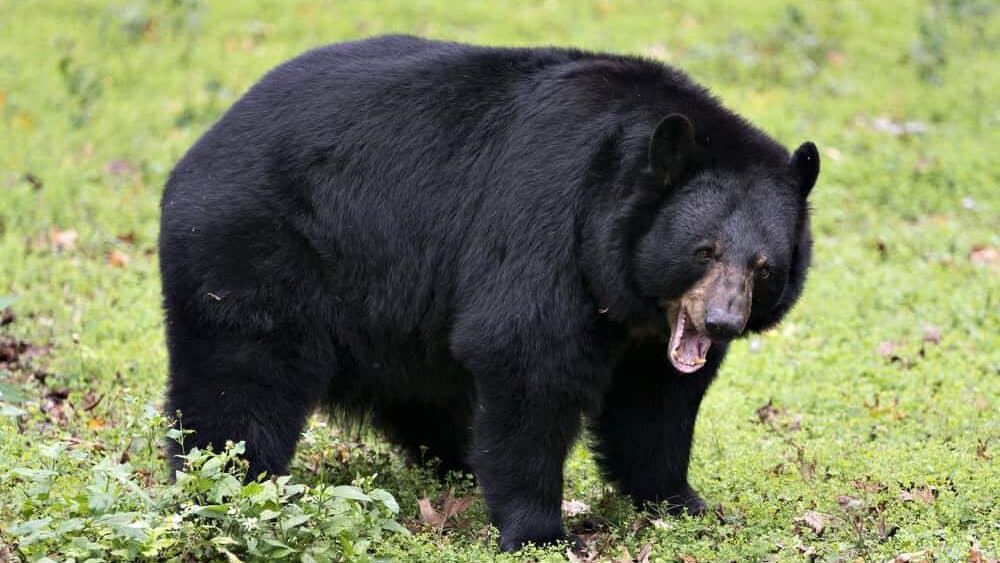
Black bears (Ursus americanus) are among the most formidable animals in the Pacific Northwest, with adults weighing between 200-600 pounds. Despite their name, these bears can be brown, cinnamon, or even blonde in color. While they generally avoid humans, black bears can become dangerous if surprised, threatened, or if they’re protecting cubs. They’re also attracted to human food and garbage, which can lead to problematic encounters in campgrounds and recreational areas.
The best defense against black bear encounters is prevention. When hiking in bear country, make noise to announce your presence, travel in groups, and properly store food and garbage. If you do encounter a black bear, don’t run—instead, make yourself look large, speak in a calm but firm voice, and slowly back away. Bear attacks are rare, but understanding these powerful omnivores and respecting their space is essential for coexistence in the Pacific Northwest wilderness.
2. Cougars: Elusive Predators

The cougar (Puma concolor), also known as the mountain lion or puma, is the largest wild cat in the Pacific Northwest. These solitary, stealthy predators can weigh up to 200 pounds and are capable of taking down prey much larger than themselves. Cougars are most active at dawn, dusk, and night, making them difficult to spot. Their preferred habitat includes mountainous terrain, forests, and areas with adequate cover and prey, particularly deer.
While cougar attacks on humans are extremely rare, they do occur. Children and solitary individuals are at higher risk. If you encounter a cougar, maintain eye contact, appear large by raising your arms or opening your jacket, make noise, and never run or turn your back. In the unlikely event of an attack, fight back aggressively. Cougars typically avoid human interaction, but development encroaching on their habitat has increased the potential for encounters, making awareness crucial for those exploring cougar territory.
3. Western Rattlesnakes: Venomous Residents
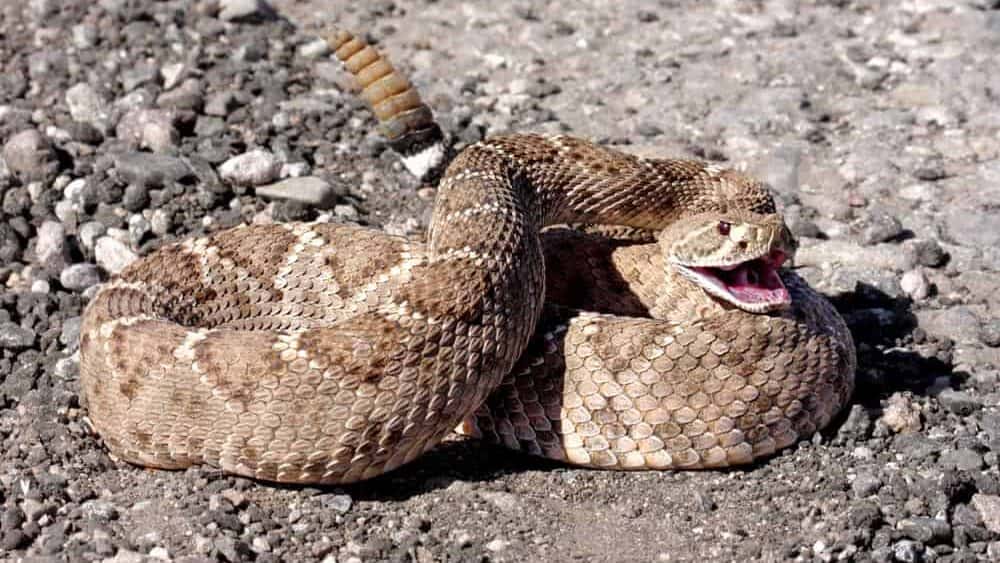
The Western Rattlesnake (Crotalus oreganus) is the only venomous snake species native to the Pacific Northwest, primarily found in drier areas east of the Cascade Mountains. These pit vipers typically grow to 2-4 feet in length and possess a distinctive rattle at the end of their tail that serves as a warning when threatened. Their coloration varies from brown to olive, with darker diamond or hexagonal patterns along their backs, providing excellent camouflage in their rocky, brushy habitats.
While rattlesnake bites are rarely fatal to humans with proper medical treatment, they can cause severe pain, tissue damage, and in some cases, long-term complications. Rattlesnakes typically strike only when threatened or cornered, often after warning with their distinctive rattle. Hikers should stay on established trails, wear appropriate footwear, and carefully watch where they place their hands and feet, especially when climbing rocks or logs. If bitten, remain calm, immobilize the affected area, and seek immediate medical attention—do not attempt to cut the wound or suck out venom, as these outdated techniques can cause more harm.
4. Northern Pacific Rattlesnake: A Subspecies to Watch
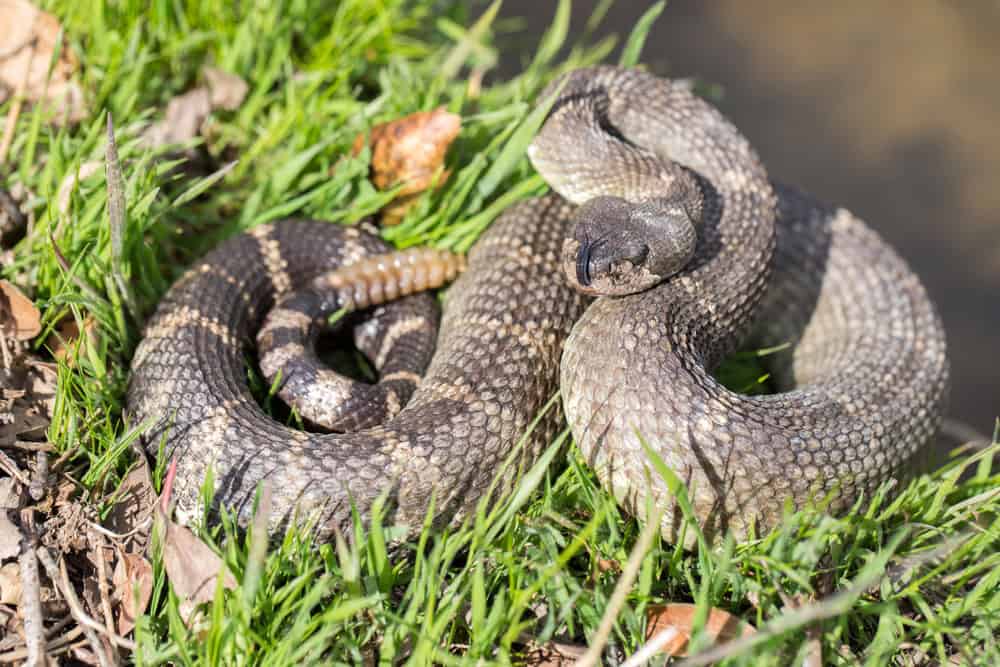
The Northern Pacific Rattlesnake (Crotalus oreganus oreganus), a subspecies of the Western Rattlesnake, deserves special mention due to its specific range within the Pacific Northwest. This rattlesnake is found primarily in drier regions of Oregon, Washington, and British Columbia’s Okanagan Valley. They prefer rocky outcroppings, talus slopes, and sagebrush habitats where they can find adequate sunning spots and shelter. These snakes play a crucial role in controlling rodent populations, helping maintain ecological balance in their native habitats.
The venom of the Northern Pacific Rattlesnake contains hemotoxins that destroy tissue and disrupt blood clotting. While their venom is potent, these snakes typically inject only a small amount when biting defensively. They are most active during warmer months, especially in the morning and evening when temperatures are moderate. During the hottest part of summer days, they seek shade to avoid overheating. In winter, they hibernate in communal dens, sometimes with hundreds of other snakes. Understanding their patterns can help outdoor enthusiasts avoid dangerous encounters while appreciating these important predators from a safe distance.
5. Wolves: Returning Apex Predators

Gray wolves (Canis lupus) have made a remarkable comeback in parts of the Pacific Northwest after being nearly extirpated in the early 20th century. Today, wolf packs can be found in Washington, Oregon, and Idaho, primarily in remote wilderness areas. Adult wolves typically weigh between 70-120 pounds and live in highly organized family groups. These apex predators primarily hunt ungulates like elk and deer, playing a vital role in maintaining healthy ecosystems by controlling prey populations and influencing their behavior.
Despite their fearsome reputation, wolf attacks on humans are extraordinarily rare in North America. Wolves typically avoid people and are more likely to flee than confront humans. However, they can become dangerous if habituated to human food or if cornered. The greatest risk comes from wolves that have lost their natural fear of humans. If you encounter a wolf, stand your ground, make yourself look large, make noise, and slowly back away. Never run, as this may trigger a predatory response. The return of wolves to the Pacific Northwest represents both a conservation success story and a reminder of the region’s wild heritage.
6. Yellowjackets and Bald-faced Hornets: Aggressive Defenders
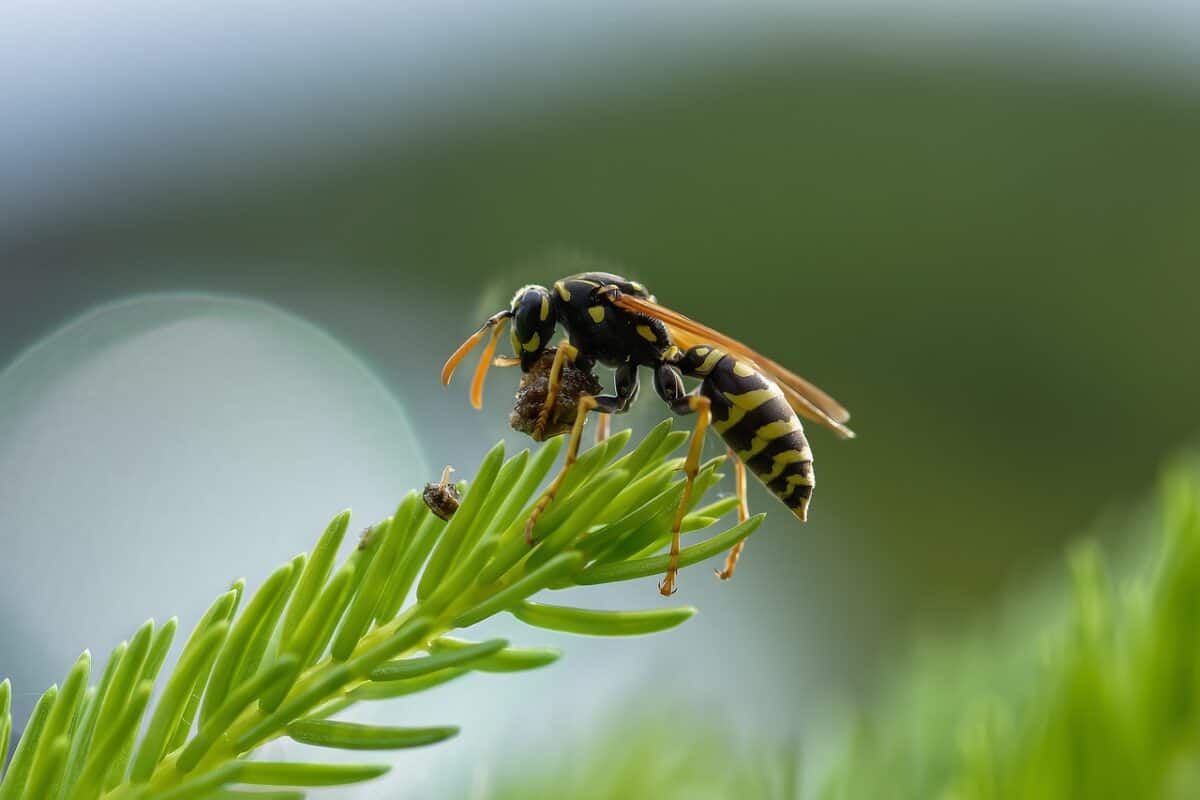
While small in size, yellowjackets (Vespula species) and bald-faced hornets (Dolichovespula maculata) pose a significant danger to many Pacific Northwest residents and visitors. These social wasps build paper nests that can house thousands of individuals, and they fiercely defend their colonies against perceived threats. Unlike honeybees, these insects can sting repeatedly, injecting venom that causes pain, swelling, and potentially severe allergic reactions. Yellowjackets are particularly aggressive in late summer and fall when their colonies reach peak size and food sources become scarce.
Encounters with these stinging insects are common during outdoor activities, especially when food is present. Yellowjackets are attracted to sweet foods, meats, and garbage, making picnics and outdoor dining prime opportunities for interaction. Bald-faced hornets typically build aerial nests in trees and bushes, while yellowjackets may nest in the ground, in hollow trees, or in structural voids. If you discover a nest near your home or encounter these insects while outdoors, remain calm and slowly move away. For those with known allergies, carrying an epinephrine auto-injector (EpiPen) is essential, as anaphylaxis from stings can be life-threatening and requires immediate medical attention.
7. Pacific Giant Octopus: Powerful Marine Predator

The Pacific Giant Octopus (Enteroctopus dofleini), the largest octopus species in the world, inhabits the cold waters of the Pacific Northwest coast. These remarkable cephalopods can grow to more than 16 feet in length and weigh up to 110 pounds. With powerful suction cups lined with thousands of chemoreceptors, a hard parrot-like beak capable of cracking shellfish, and highly developed problem-solving abilities, they are formidable predators in their marine environment. Though not aggressive toward humans, they possess the strength to injure divers if they feel threatened.
These intelligent creatures typically avoid human interaction, preferring to hide in dens among rocks or artificial structures. However, curious divers who harass or threaten these animals may experience a painful bite from their sharp beak, which can deliver a paralyzing venom used to subdue prey. While not lethal to humans, their bites can cause significant pain and tissue damage. Despite this potential danger, attacks are extremely rare, and these fascinating animals are usually more interested in retreating than confronting humans. For those exploring the underwater world of the Pacific Northwest, observing these masters of camouflage from a respectful distance offers a glimpse into one of the ocean’s most intelligent invertebrates.
8. Ticks: Tiny Disease Vectors

Despite their small size, ticks represent one of the most significant wildlife dangers in the Pacific Northwest due to their ability to transmit serious diseases. Several species inhabit the region, including the Western black-legged tick (Ixodes pacificus), which can carry Lyme disease, anaplasmosis, and babesiosis. These parasitic arachnids are found in grassy, brushy, and wooded areas, particularly along trails and in transition zones between different habitats. They become most active during spring and early summer, though some species remain active year-round in milder coastal areas.
Prevention is key when it comes to tick encounters. When hiking or spending time outdoors, wear light-colored clothing (which makes ticks easier to spot), use EPA-approved insect repellents containing DEET or picaridin, and tuck pants into socks. Perform thorough tick checks after outdoor activities, paying special attention to warm, moist areas like the groin, armpits, and scalp. If you find an attached tick, remove it promptly using fine-tipped tweezers, grasping it as close to the skin as possible and pulling upward with steady pressure. Save the tick for identification if possible, and monitor for symptoms like expanding rashes, fever, fatigue, or joint pain in the weeks following a bite. Early treatment of tick-borne diseases significantly improves outcomes.
9. Great White Sharks: Oceanic Apex Predators

The Great White Shark (Carcharodon carcharias) occasionally visits the coastal waters of the Pacific Northwest, particularly during warmer months and El Niño years when water temperatures increase. These massive predators can grow to over 20 feet in length and weigh up to 4,500 pounds. With powerful jaws lined with serrated teeth designed for tearing flesh, great whites are perfectly evolved hunters. Their primary prey includes seals, sea lions, and other marine mammals, which is why they’re sometimes spotted near pinniped colonies along the Oregon and Washington coasts.
While shark attacks on humans are extremely rare in the Pacific Northwest—much less common than in California or Hawaii—they do occasionally occur. Most attacks appear to be cases of mistaken identity, with the shark possibly confusing a swimmer or surfer for a seal, especially in murky water conditions. To reduce risk, avoid swimming at dawn, dusk, or night when sharks are most active; stay away from areas with seals or sea lions; avoid wearing high-contrast clothing or shiny jewelry in the water; and consider swimming in groups, as sharks are more likely to approach solitary individuals. Despite their fearsome reputation, great white sharks play a crucial role in maintaining healthy marine ecosystems and are themselves a vulnerable species facing numerous threats from human activities.
10. American Bison: Deceptively Dangerous Behemoths
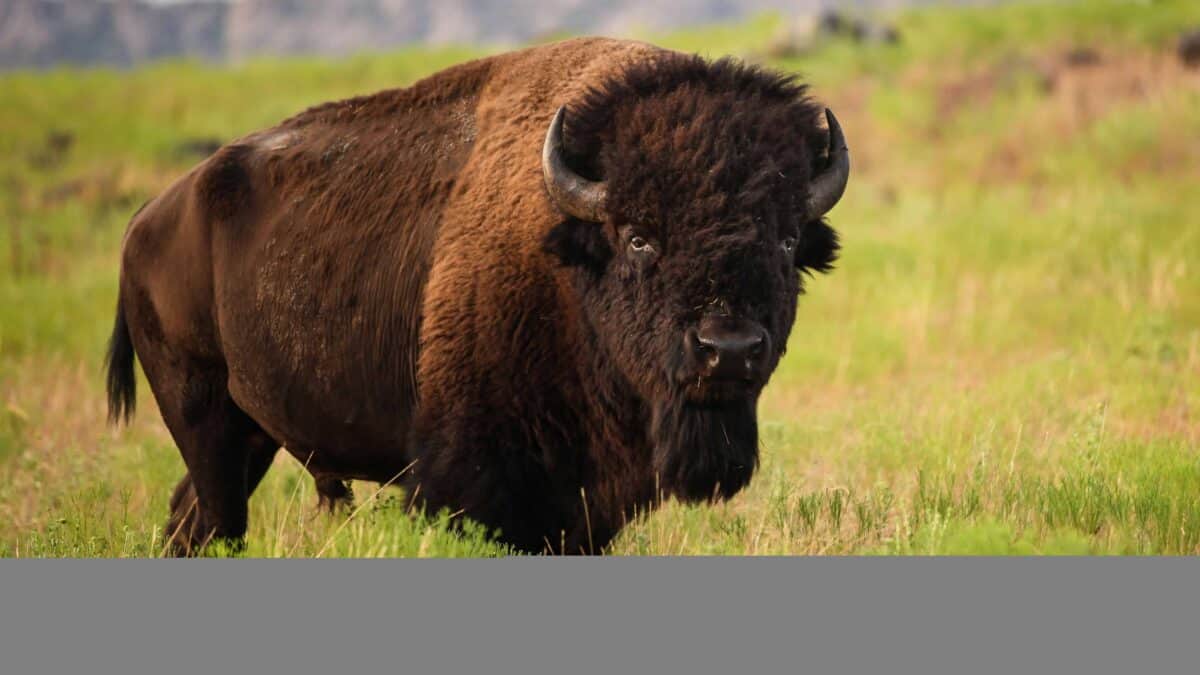
While not typically associated with the Pacific Northwest, American bison (Bison bison) can be found in parts of Idaho and eastern Oregon, particularly in wildlife refuges and protected areas. These massive ungulates, weighing up to 2,000 pounds and standing six feet tall at the shoulder, are the largest land mammals in North America. Despite their placid appearance and seemingly slow movements, bison are surprisingly agile, capable of running at speeds up to 35 mph, and can change direction quickly. They’re also unpredictable and can be extremely territorial, especially during mating season (July-August) or when calves are present (spring).
Bison injure more people in North American wildlife areas than any other animal, largely because visitors underestimate their speed and temperament, approaching too closely for photographs or better views. These animals give subtle warning signs before charging, including raising their tail, pawing the ground, snorting, or making short charges that stop before reaching the perceived threat. Park regulations typically require staying at least 25 yards (23 meters) from bison, though a greater distance is advisable. If you encounter bison while hiking, give them a wide berth, avoid getting between a mother and calf, and be prepared to detour your route if necessary. Despite their potential danger, viewing these magnificent animals—representatives of one of America’s greatest conservation success stories—can be a highlight of experiencing Pacific Northwest wilderness areas.
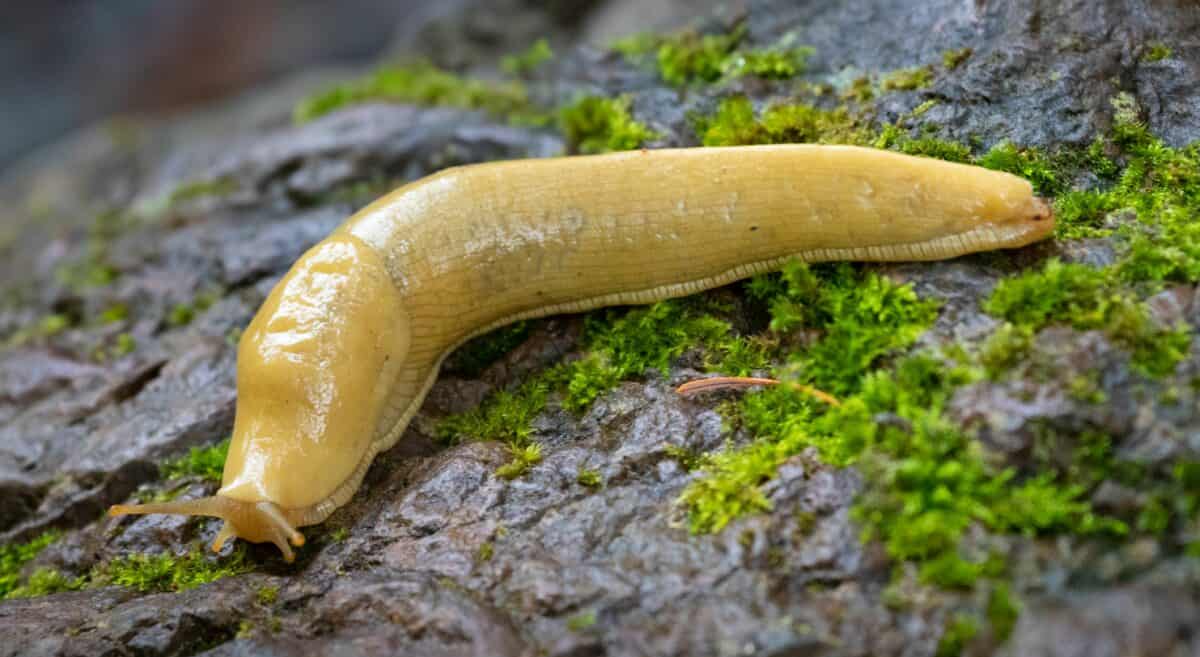
1. Banana Slugs: Gentle Forest Recyclers
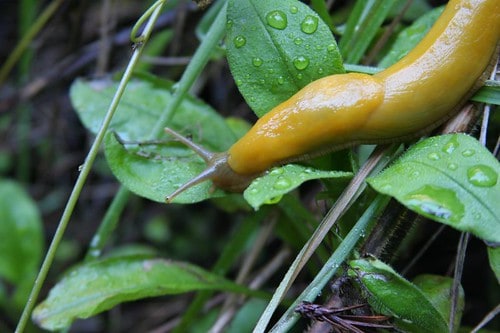
The Pacific banana slug (Ariolimax columbianus) is one of the most recognizable and beloved creatures of the Pacific Northwest forests. These bright yellow mollusks, which can sometimes display brown spots or even appear entirely brown or green, are the second-largest slug species in the world, growing up to 10 inches long. Despite their somewhat slimy appearance that might make some visitors squeamish, banana slugs are completely harmless to humans and play a vital ecological role as decomposers, breaking down dead plant material, animal droppings, and mushrooms, then recycling these nutrients back into the forest soil.
Banana slugs are most active during wet conditions, which is why they’re commonly spotted after rain or in the morning when dew covers the forest floor. They secrete a thick mucus that helps them move and deters predators, as it contains an anesthetic compound that numbs the mouth of animals that try to eat them. This mucus also helps them retain moisture during dry periods. The University of California Santa Cruz even adopted the banana slug as their official mascot, celebrating this unassuming forest dweller for its ecological importance and symbolic representation of the region’s unique biodiversity. Spotting these bright yellow creatures during a hike through old-growth forests is considered good luck by many Pacific Northwest naturalists.
2. Sea Otters: Charismatic Marine Mammals

Sea otters (Enhydra lutris) have made a remarkable comeback along parts of the Pacific Northwest coast after being hunted to near extinction during the maritime fur trade of the 18th and 19th centuries. These playful marine mammals, the smallest marine mammals in North America, spend most of their lives in the water and can often be spotted floating on their backs, sometimes using stones as tools to crack open shellfish on their chests. With the densest fur of any animal (up to one million hairs per square inch), they rely on their thick coat rather than blubber for insulation in cold Pacific waters.
Despite their cuddly appearance, sea otters should be observed from a distance. While not dangerous to humans, federal law protects them, requiring observers to maintain a distance of at least 100 yards. The best places to spot sea otters in the Pacific Northwest include the Olympic Coast in Washington and increasingly along the northern Oregon coast as their population slowly recovers. Their return represents one of the region’s great conservation success stories, as they play a crucial role in maintaining healthy kelp forest ecosystems by controlling sea urchin populations that would otherwise overgraze these underwater forests. Watching sea otters wrap themselves in kelp while sleeping or grooming their thick fur is an unforgettable wildlife experience that connects visitors to the rich marine heritage of the Pacific Northwest.
3. Rough-skinned Newts: Harmless Despite Their Toxicity
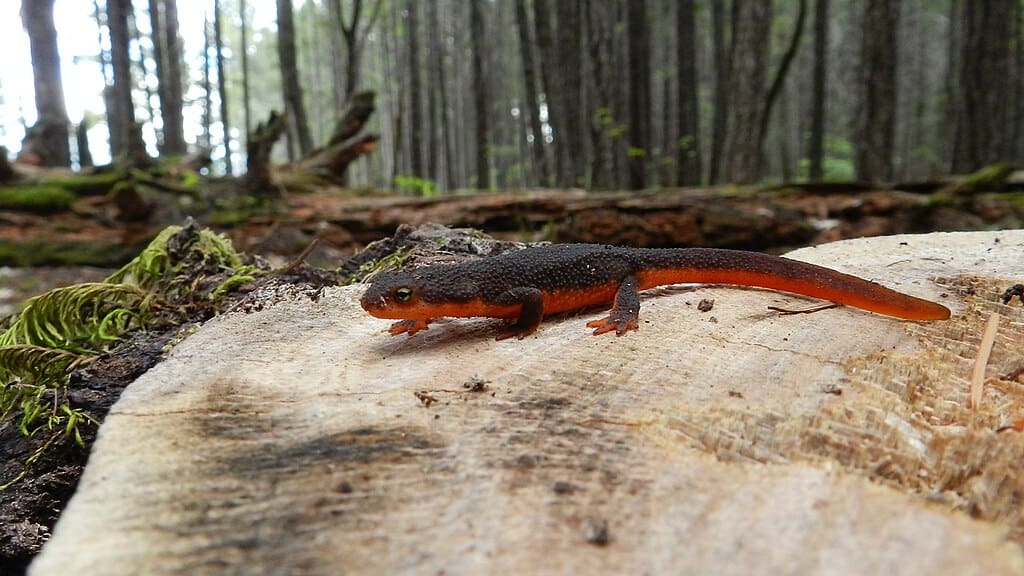
The rough-skinned newt (Taricha granulosa) is a fascinating amphibian found throughout the Pacific Northwest in damp forests, ponds, and streams. While technically one of the most toxic animals in North America—containing enough tetrodotoxin in their skin to kill several adult humans—these newts pose virtually no danger to people who simply observe them. The toxin is only harmful if ingested, and the newt’s bright orange-red underside serves as a warning coloration to potential predators. This vivid coloration, known as aposematism, signals that the newt is highly toxic and best avoided. Most animals quickly learn to steer clear after a single encounter. For humans, the rough-skinned newt is safe to handle gently with clean, dry hands, though it’s strongly advised not to touch your mouth or eyes afterward—and never to eat one. Despite their deadly potential, these amphibians are calm, slow-moving, and play a vital role in their ecosystems as both predators of insects and prey for a few toxin-resistant species like garter snakes.

- The Story of the Arctic Fox’s Incredible Seasonal Transformation - July 18, 2026
- 10 Most Venomous Snakes in US National Parks - July 18, 2026
- The Moth That Drinks Blood - July 18, 2026