

In a remarkable scientific discovery that highlights the vast biodiversity still waiting to be uncovered in Earth’s most extreme environments, researchers have identified six previously unknown species in the depths of the Antarctic Ocean. These creatures were discovered beneath a massive iceberg in one of the planet’s most inhospitable regions, where sunlight barely penetrates and temperatures hover just above freezing. The finding represents a significant breakthrough in marine biology and underscores the importance of exploring these remote ecosystems, especially as climate change threatens to alter them forever.
The Unexpected Discovery Beneath the Ice
The discovery occurred during an expedition led by international scientists who were studying the marine ecosystem beneath a massive Antarctic iceberg designated A-68, which had calved from the Larsen C Ice Shelf in 2017. What began as a mission to document how marine life responds to newly exposed seabed areas quickly turned into something much more significant.
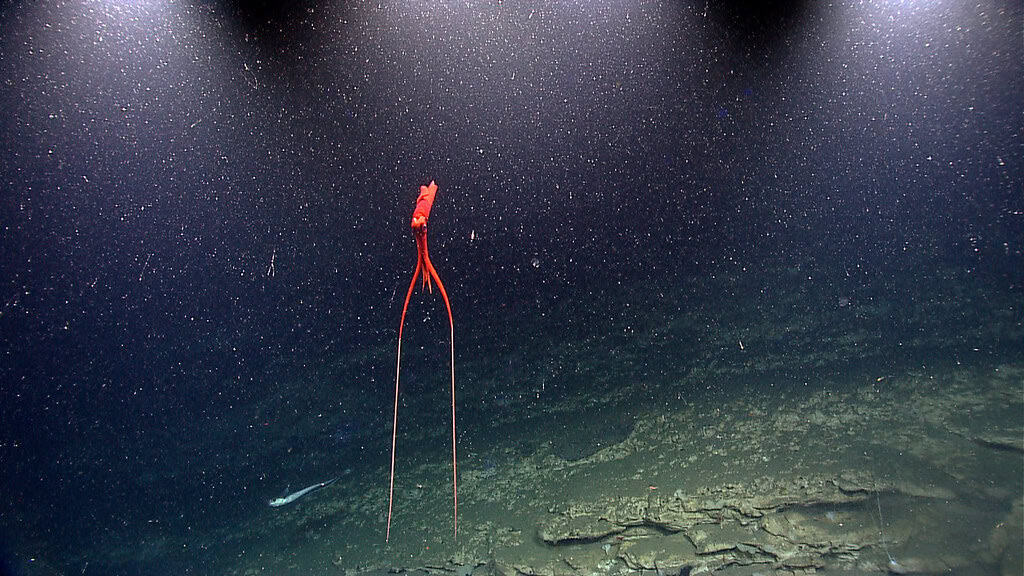
Using remote-operated vehicles (ROVs) equipped with high-definition cameras and sampling tools, the team was able to venture into depths reaching over 1,000 meters below the surface. In this frigid darkness, they encountered a thriving community of organisms that had never before been documented by science. The six new species include two types of sea sponges, a deep-sea worm, a unique species of sea cucumber, a previously undocumented crustacean, and a type of sea star with distinctive anatomical features not seen in known species.
The Antarctic Deep-Sea Environment
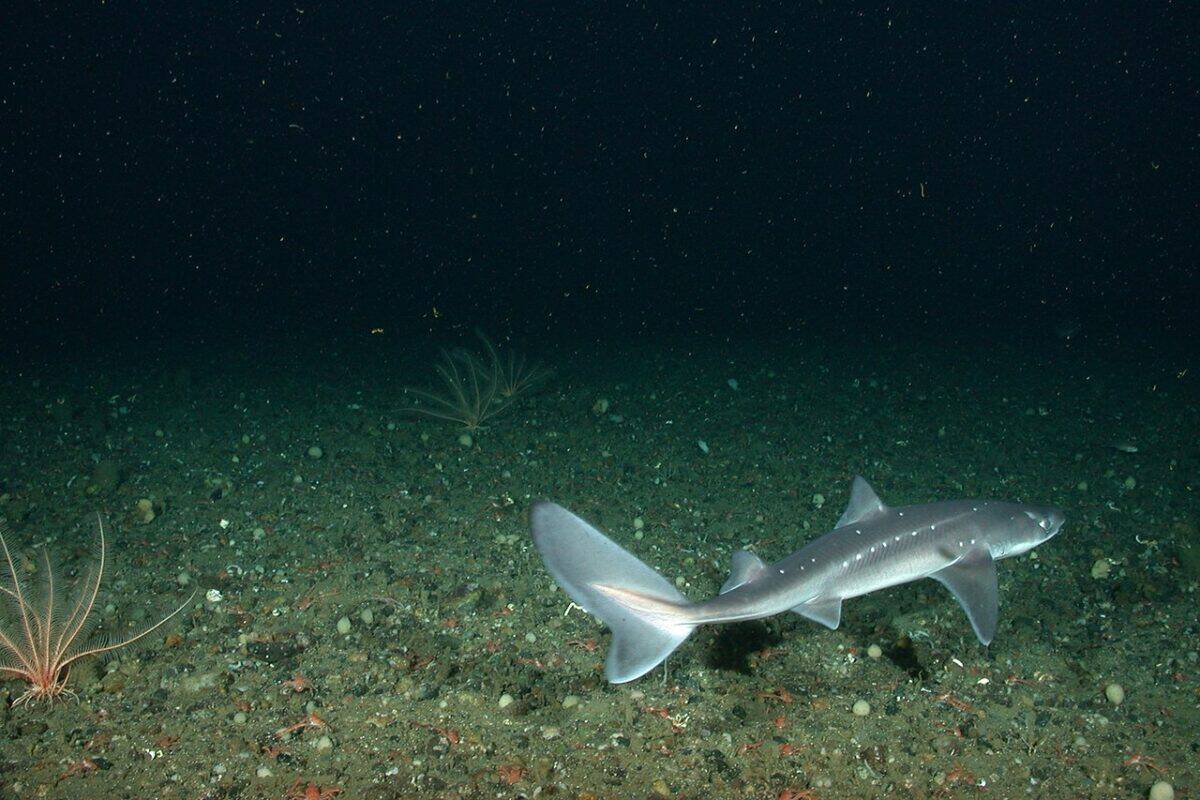
The Antarctic deep sea represents one of Earth’s most extreme environments. Water temperatures typically range between -1.9°C to 2°C, with immense pressure from the water column above. These conditions have historically made exploration challenging, with technological limitations preventing comprehensive studies until recent decades. Despite these harsh conditions, the Antarctic deep sea supports remarkably diverse ecosystems.
The region’s isolation has allowed unique evolutionary pathways to develop, creating species found nowhere else on Earth. The water beneath permanent ice shelves represents a particularly understudied habitat, as accessing these areas requires specialized equipment and favorable ice conditions. This recent discovery highlights how much remains unknown about these remote underwater realms.
The Six New Species in Detail

Among the newly discovered organisms, the most visually striking is a glass sponge with an intricate lattice-like skeleton composed of silica. Unlike typical sponges, this species exhibits a luminous quality when illuminated by ROV lights, suggesting possible bioluminescent properties that researchers are eager to study further. Another notable discovery is a deep-sea polychaete worm measuring approximately 30 centimeters in length, with specialized feeding appendages that allow it to capture organic particles in the water column.
The team also documented a previously unknown sea cucumber with unusual defensive mechanisms, a crustacean that appears to have evolved specialized adaptations for attaching to ice formations, a second sponge species with potential pharmaceutical compounds in its cellular structure, and a sea star with an unprecedented 12 arms instead of the typical five seen in most asteroids. Each organism represents not just a new species, but potentially new insights into evolutionary adaptations to extreme environments.
Research Methods and Technology

The expedition utilized cutting-edge technology to access the challenging environment beneath the Antarctic ice. The primary research vessel was equipped with ice-strengthened hulls and advanced navigation systems designed specifically for polar research. The team deployed ROVs capable of operating at depths exceeding 2,000 meters, equipped with 4K cameras, manipulator arms for collecting specimens, and sensors that measured water parameters including temperature, salinity, and dissolved oxygen levels.
These ROVs were controlled by operators aboard the research vessel, allowing real-time exploration and targeted sampling. Additionally, specialized collection chambers preserved specimens at their native pressure and temperature during retrieval, ensuring they remained viable for laboratory analysis. The research team also employed environmental DNA (eDNA) sampling techniques, which allowed them to detect genetic material in the water column from organisms that weren’t visually identified, potentially indicating even more undiscovered species in the region.
Significance for Biodiversity Studies
The discovery of six new species in a single expedition underscores the extraordinary biodiversity that likely exists in unexplored deep-sea environments worldwide. Marine biologists estimate that we have identified less than 10% of all species living in the world’s oceans, with deep-sea environments being particularly understudied.
The Antarctic, due to its isolation and extreme conditions, may harbor an especially high percentage of endemic species found nowhere else on Earth. These new discoveries challenge previous assumptions about the limits of life in extreme environments and suggest that areas beneath permanent ice shelves may serve as unique evolutionary laboratories where species develop in isolation. Each new species discovered provides a piece to the puzzle of understanding Earth’s biodiversity, evolutionary history, and the complex ecological relationships that sustain marine ecosystems.
Adaptation to Extreme Conditions

What makes these newly discovered species particularly fascinating to scientists is their remarkable adaptations to one of Earth’s most challenging environments. Living in perpetual darkness, these organisms have developed alternatives to photosynthesis-based food chains. The newly discovered sponges, for instance, have highly efficient filtration systems that can extract nutrients from water containing minimal organic matter. The sea cucumber species has developed specialized metabolic pathways that allow it to survive on extremely limited food resources, potentially going months between significant feeding opportunities.
Several of the species display adaptations to handle the immense pressure at depth, including specialized cell membranes and protein structures that function optimally under high-pressure conditions. Perhaps most remarkable are the adaptations to cold, with specialized antifreeze proteins that prevent ice crystal formation in their tissues, and lipid compositions that maintain cellular fluidity at temperatures that would solidify the cell membranes of most other organisms. These adaptations represent millions of years of evolutionary innovation and offer insights into the possibilities for life in extreme environments both on Earth and potentially on other worlds.
Climate Change Implications

The discovery comes at a critical time as climate change increasingly affects Antarctic ecosystems. Rising ocean temperatures and changing ice patterns are already altering the delicate balance of Antarctic marine ecosystems. The calving of iceberg A-68 itself, which created the conditions for this discovery, represents part of the ongoing changes to Antarctic ice shelves influenced by warming temperatures.
These newly discovered species may be particularly vulnerable to climate disruptions, as they have evolved in extremely stable conditions that are now changing more rapidly than at any point in their evolutionary history. Scientists are concerned that we may be losing species before we even discover them, making expeditions like this one increasingly urgent. The research team has emphasized that understanding these deep-sea communities is essential for establishing environmental protection measures and monitoring programs to track how these ecosystems respond to ongoing climate change.
Potential for Biomedicine and Biotechnology
Beyond their ecological significance, these new species hold potential for biomedical and biotechnological applications. Organisms that survive in extreme environments often produce unique compounds and enzymes that function under conditions that would disable most biological molecules. The glass sponge species, for example, contains silica structures with potential applications in optical technology and materials science. Initial analysis of tissue samples from the newly discovered sea cucumber has revealed compounds with promising anti-inflammatory properties that could lead to novel pharmaceutical developments.
The antifreeze proteins found in several of the species could inspire new approaches to tissue preservation for medical purposes or food storage technologies. Additionally, the enzymes that function at near-freezing temperatures could have applications in industrial processes where low-temperature reactions are desirable for energy efficiency or product stability. This biotech potential adds economic incentive to the preservation of these unique deep-sea environments and further study of their inhabitants.
The Research Team and Expedition Challenges
The expedition that led to these discoveries involved collaboration between scientists from twelve countries, bringing together experts in marine biology, oceanography, glaciology, and underwater technology. The team faced numerous challenges during their three-month expedition in one of Earth’s most inhospitable regions. Weather conditions frequently threatened operations, with storms forcing the research vessel to seek shelter and delaying dive operations. Technical difficulties with equipment exposed to extreme cold required innovative on-the-spot repairs.
The remoteness of the location meant that the team had limited options for outside assistance or additional supplies. One particularly harrowing incident involved an ROV becoming temporarily trapped beneath an ice formation, requiring delicate maneuvering to free the valuable equipment without damaging it. Despite these challenges, the research team persevered, driven by the rare opportunity to explore an environment few humans will ever witness firsthand. Their dedication resulted in not only the discovery of new species but also the collection of invaluable data about environmental conditions, ice shelf dynamics, and deep-sea currents in this remote region.
Conservation Implications

The discovery of these six new species has significant implications for conservation efforts in Antarctic waters. Currently, less than 5% of the Antarctic marine environment has formal protection status, despite increasing human activities including fishing, tourism, and potential future resource extraction. These new findings strengthen the case for expanding Marine Protected Areas (MPAs) in Antarctic waters, particularly in regions where ice shelf retreat is exposing previously inaccessible seabed.
The Commission for the Conservation of Antarctic Marine Living Resources (CCAMLR), which governs human activities in Antarctic waters, is considering these findings as part of ongoing discussions about new protected areas. Conservation scientists argue that these unique deep-sea communities deserve protection not just for their scientific value, but as part of humanity’s responsibility to preserve Earth’s biodiversity. The discovery also highlights the need for establishing research protocols that minimize disturbance to these sensitive ecosystems during scientific expeditions.
Future Research Directions

This breakthrough discovery has opened numerous avenues for future research. The research team has already secured funding for a follow-up expedition scheduled for next year, which will focus on more extensive sampling and analysis of the newly discovered species. Genetic sequencing is underway to understand the evolutionary history of these organisms and their relationship to known species. Laboratory studies aim to understand the physiological adaptations that allow these creatures to thrive in such extreme conditions.
The team also plans to deploy long-term monitoring equipment to track environmental conditions and community changes over time in this dynamic environment. Additionally, researchers are developing new technologies specifically designed for Antarctic deep-sea exploration, including autonomous underwater vehicles capable of extended operations beneath ice shelves and improved collection methods that minimize stress to specimens. These research directions will not only expand our understanding of Antarctic marine life but also contribute to broader knowledge about the limits and adaptations of life on Earth.
The Global Context of Deep-Sea Exploration
This Antarctic discovery takes place within a broader context of increasing deep-sea exploration worldwide. Until recently, technical limitations made comprehensive study of the deep ocean nearly impossible, leading scientists to describe it as less well-mapped than the surface of Mars. However, advances in underwater technology, including improved ROVs, autonomous underwater vehicles, and deep-sea sampling equipment, have launched a new era of ocean exploration.
Similar expeditions in other parts of the world’s oceans are regularly discovering new species, particularly around hydrothermal vents, seamounts, and deep-sea trenches. Each expedition adds to our understanding of the planet’s largest habitat, with the deep sea covering more than 60% of Earth’s surface. Despite this progress, it’s estimated that less than 20% of the ocean floor has been mapped in detail, and less than 0.0001% has been biologically sampled and studied. The Antarctic discoveries thus represent just one chapter in humanity’s ongoing exploration of Earth’s final frontier.
Conclusion: A Glimpse into Earth’s Hidden Biodiversity

The discovery of six new species beneath Antarctic ice represents far more than just additions to taxonomic catalogs; it offers a profound glimpse into the vast unknown biodiversity that exists in Earth’s most extreme environments. These findings remind us that our planet still holds countless secrets waiting to be uncovered, even as we venture into space in search of new frontiers.
The Antarctic deep-sea ecosystem, with its unique evolutionary pathways and specialized adaptations, provides invaluable insights into the resilience and diversity of life on Earth. As climate change continues to transform our planet, expeditions like this one take on added urgency, racing to document and understand ecosystems that may be changing faster than we can study them. The challenge now facing scientists and policymakers is how to balance the pursuit of knowledge with the need to protect these fragile environments, ensuring that future generations will still have the opportunity to marvel at Earth’s extraordinary biodiversity.

From exploring the marine wonders in the Azores and witnessing the vast savannas of Kenya, to delving deep into the rich biodiversity of South Africa and traversing iconic landscapes in Australia and the US like Yellowstone, Chris's experiences are vast.
With a penchant for diving alongside sharks, the ocean holds a special place in his heart.
Through his academic insights, he champions wildlife conservation, striving with 'Animals Around The Globe' to cultivate a profound connection between humans and animals, enhancing our mutual appreciation.
Connect with him at Feedback@animalsaroundtheglobe.com.