


Alaska’s vast wilderness is home to some of the most magnificent wildlife in North America. From towering grizzly bears to elusive wolves, the Last Frontier boasts diverse ecosystems teeming with fascinating creatures. However, amid this natural splendor lurk animals that can pose serious—and sometimes deadly—threats to humans. At the same time, many harmless species deserve our respect and distance. This comprehensive guide explores Alaska’s most dangerous animals and some deceptively harmless wildlife that still warrant caution.
Alaska’s Wilderness: Beautiful But Potentially Dangerous
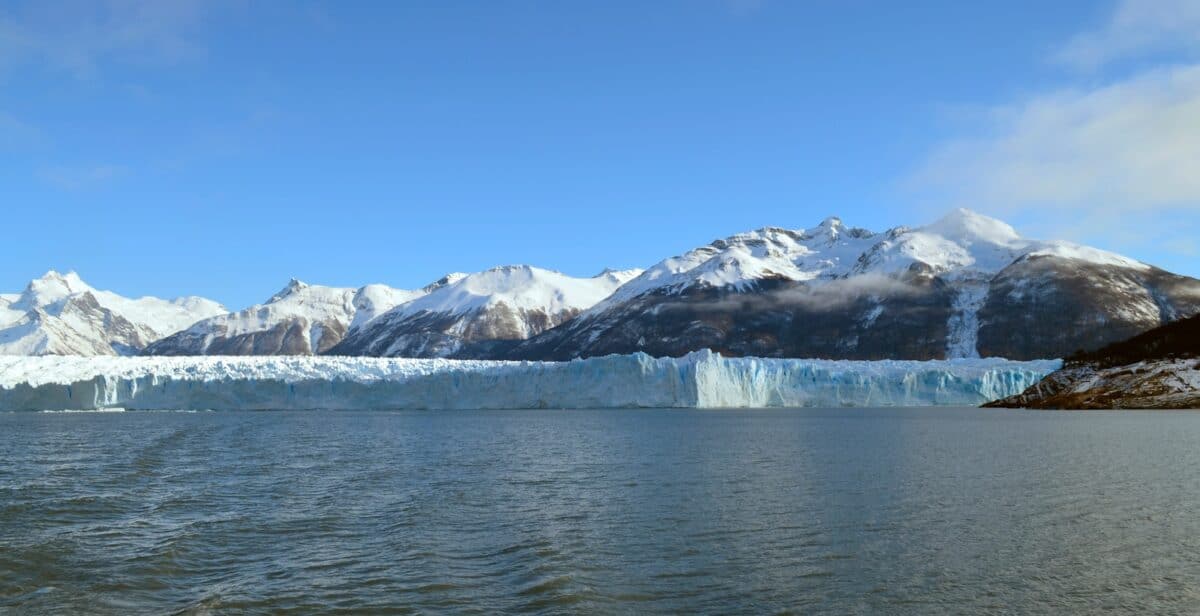
Alaska encompasses over 663,000 square miles of rugged terrain, from coastal rainforests to arctic tundra. This varied landscape supports extraordinary biodiversity, but also presents unique dangers to residents and visitors alike. Unlike many other states, Alaska’s threats come primarily from large mammals and marine life rather than venomous creatures, reflecting the state’s northern climate and ecological makeup.
Understanding which animals pose genuine threats and which are merely misunderstood is essential for anyone exploring Alaska’s natural areas. While fatal animal encounters remain rare, they occur frequently enough to warrant serious consideration of safety protocols when venturing into the Alaskan wilderness. Most dangerous encounters happen when humans surprise animals, threaten their young, or inadvertently position themselves between predators and food sources.
1. Brown/Grizzly Bears: Alaska’s Most Feared Predator

No discussion of dangerous Alaskan wildlife would be complete without addressing the brown bear (Ursus arctos), including the subspecies known as the grizzly. Alaska hosts approximately 30,000 brown bears, representing about 98% of the U.S. brown bear population. These massive omnivores can weigh up to 1,500 pounds and stand 9 feet tall when on their hind legs. Their immense strength, sharp claws, and powerful jaws make them formidable predators capable of killing an adult human with relative ease.
Brown bear attacks, while relatively rare, are among the most dangerous wildlife encounters in Alaska. Most attacks occur when bears are surprised, when humans come between a mother and her cubs, or during the salmon spawning season when bears are actively feeding. Between 2000 and 2017, Alaska recorded 10 fatal bear attacks, demonstrating the very real—if statistically uncommon—danger these animals pose. Bear spray, making noise while hiking, proper food storage, and understanding bear behavior are all critical components of staying safe in bear country.
2. Moose: Deceptively Dangerous Herbivores
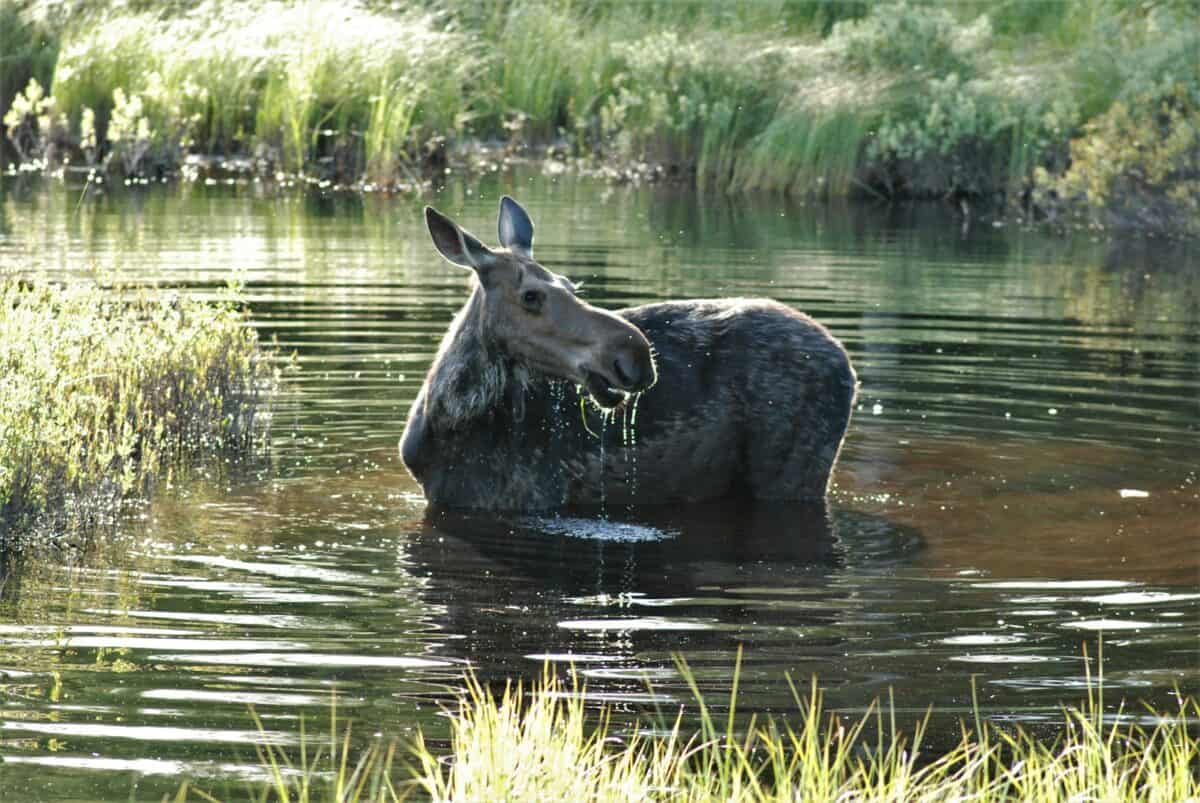
Many visitors are surprised to learn that moose (Alces alces) cause more injuries to humans in Alaska than bears. Standing up to 7 feet tall at the shoulder and weighing up to 1,600 pounds, moose are the largest members of the deer family and possess surprising speed and agility. Though herbivores, moose are notoriously temperamental and territorial, particularly during mating season (September-October) and when cows are protecting calves (May-June).
A charging moose can inflict severe or fatal injuries with its hooves and antlers. Alaska records dozens of moose attacks annually, with injuries ranging from minor to life-threatening. Moose give few warning signs before charging, making them particularly dangerous to unsuspecting hikers. Unlike with bears, playing dead is not effective with an aggressive moose. Experts recommend putting solid objects between yourself and a charging moose and running away if necessary—contrary to advice for bear encounters.
3. Gray Wolves: Elusive but Potentially Lethal
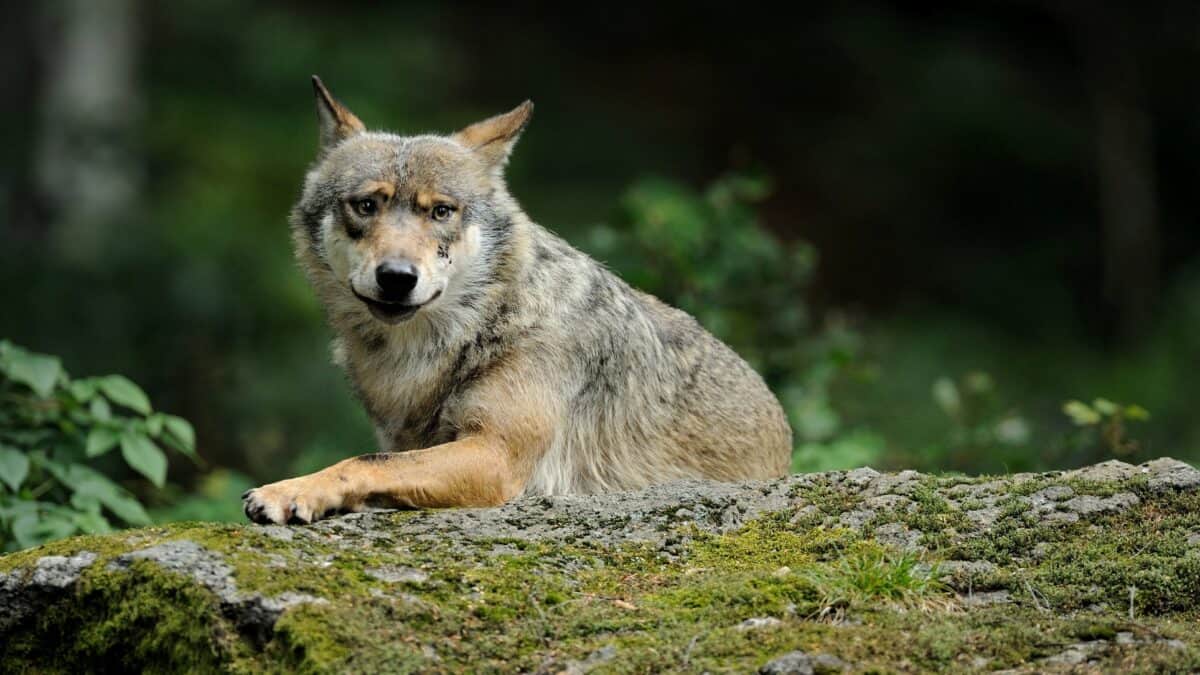
Alaska’s gray wolf (Canis lupus) population numbers between 7,000 and 11,000, representing the largest wolf population in the United States. Weighing up to 145 pounds and hunting in coordinated packs, wolves possess the physical capabilities to kill humans. However, wolf attacks on humans are exceedingly rare. Alaska has recorded only a handful of wolf attacks in its history, with just one confirmed fatal attack in 2010 near the village of Chignik Lake.
Despite their fearsome reputation, wolves typically avoid human contact. The greatest danger comes from habituated wolves that have lost their natural fear of humans, often due to improper food storage or intentional feeding. Wolf attacks are most likely to occur in remote areas where wolves have had little exposure to humans or in cases involving rabid animals. Unlike more common dangerous wildlife in Alaska, wolves require specific circumstances to pose a threat to humans, making them dangerous but rarely encountered adversaries.
4. Black Bears: Common but Deadly When Provoked

Black bears (Ursus americanus) are more numerous in Alaska than their brown cousins, with an estimated population of 100,000. While generally considered less aggressive than brown bears, black bears are still responsible for serious injuries and occasional fatalities. Weighing between 200-600 pounds, black bears are smaller than brown bears but possess sufficient strength and weaponry to be lethal. What makes black bears particularly dangerous is their prevalence near human settlements and their occasional boldness in searching for food.
Unlike brown bears, which often attack defensively, predatory attacks by black bears—though rare—are more likely to be predatory in nature. This means the bear actively hunts and targets a human as prey. Between 1900 and 2009, black bears were responsible for 63 fatal attacks across North America, with several occurring in Alaska. Proper food storage, making noise while hiking, and carrying bear spray are essential precautions in black bear territory, just as with their larger brown relatives.
5. Killer Whales (Orcas): Ocean’s Apex Predators
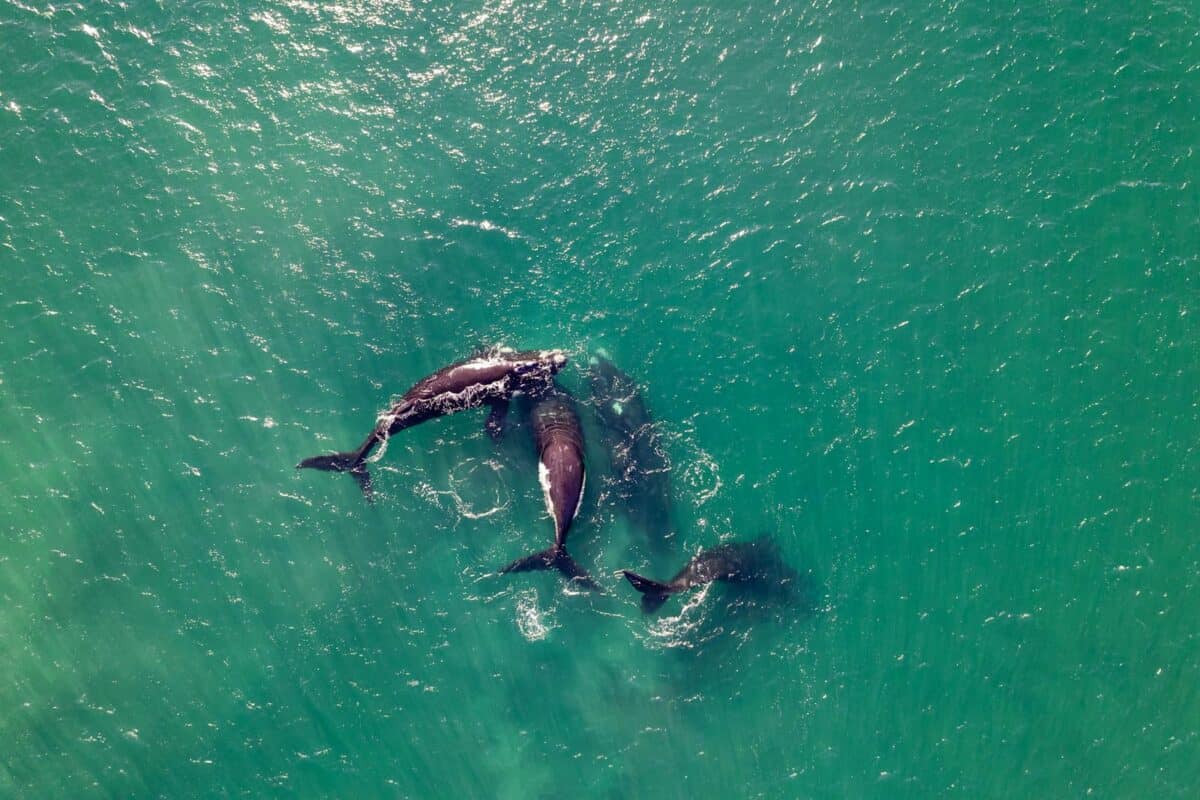
Alaska’s coastal waters are home to significant populations of killer whales (Orcinus orca), the ocean’s apex predators. Weighing up to 6 tons and measuring up to 32 feet long, these massive marine mammals hunt in coordinated pods with remarkable intelligence and physical capability. While killer whales in the wild have never been documented killing a human, their power and predatory nature place them firmly in the category of potentially dangerous Alaskan wildlife.
Alaska’s orcas belong to several ecotypes, including resident fish-eaters and transient mammal-hunters that prey on seals, sea lions, and even other whales. The transient orcas demonstrate sophisticated hunting tactics and possess the physical ability to consider humans prey if they chose to. The absence of attacks on humans likely reflects a lack of interest rather than capability. For kayakers and small boat operators in Alaska’s coastal waters, maintaining a respectful distance from these magnificent but powerful predators is essential for safety.
6. Polar Bears: Arctic Killing Machines

Along Alaska’s northern and western coasts, polar bears (Ursus maritimus) represent one of the few animals that actively hunt humans as prey. Unlike brown or black bears, polar bears have not evolved to fear humans and view them simply as potential food sources. Weighing up to 1,500 pounds and possessing immense strength, polar bears are specialized hunters with a remarkable sense of smell that can detect seals—or humans—from miles away.
While polar bear encounters are rare due to their remote habitat, they are extremely dangerous when they occur. Alaska’s North Slope oil operations and remote villages implement extensive safety measures to prevent polar bear encounters, including 24-hour bear monitors during field operations. Between 1870 and 2014, researchers documented 73 polar bear attacks on humans throughout the Arctic, resulting in 20 human fatalities. Climate change has increased the danger as melting sea ice forces hungry bears to spend more time on land, potentially increasing human-bear conflicts along Alaska’s northern communities.
7. Wolverines: Pound-for-Pound Ferocity

The wolverine (Gulo gulo) might be the smallest animal on this list, but what it lacks in size, it makes up for in ferocity and strength. Weighing just 20-40 pounds, these muscular members of the weasel family are known for their disproportionate strength, allowing them to bring down prey many times their size and even drive bears away from kills. With powerful jaws that can crush bone and semi-retractable claws ideal for climbing and fighting, wolverines have earned their fearsome reputation.
While verified wolverine attacks on humans are extremely rare, these animals possess both the temperament and physical capability to cause serious injury. Their legendary aggression and territorial nature make them potentially dangerous to humans who encounter them at close range, particularly if the wolverine feels cornered. Alaska’s wolverine population of approximately 3,000-6,000 individuals roams across the state’s wilderness areas, making unexpected encounters possible for backcountry travelers. Though not as immediately lethal as bears or moose, wolverines deserve a place among Alaska’s dangerous wildlife due to their unpredictable nature and remarkable physical capabilities.
8. Bison: America’s Heaviest Land Mammal

The Alaska wood bison (Bison bison athabascae), reintroduced to Alaska in 2015 after being absent for over a century, represents a growing potential hazard in parts of interior Alaska. Weighing up to 2,000 pounds and capable of running at speeds of 35 mph, bison combine mass, power, and surprising agility. While herbivores, bison are notoriously unpredictable and can be aggressive, particularly during the summer rut when bulls compete for dominance.
Across North America, bison injure more national park visitors than any other animal, demonstrating their potential danger despite their non-predatory nature. The Alaska Department of Fish and Game warns that the reintroduced wood bison herds should be given a wide berth by wilderness travelers. Unlike some dangerous wildlife, bison may show little fear of humans and minimal warning before charging. Their massive heads and horns can inflict devastating injuries, and their weight alone makes being trampled potentially fatal. As Alaska’s wood bison population grows and expands its range, human-bison encounters will likely increase.
9. Sharks: Undersea Predators in Alaskan Waters
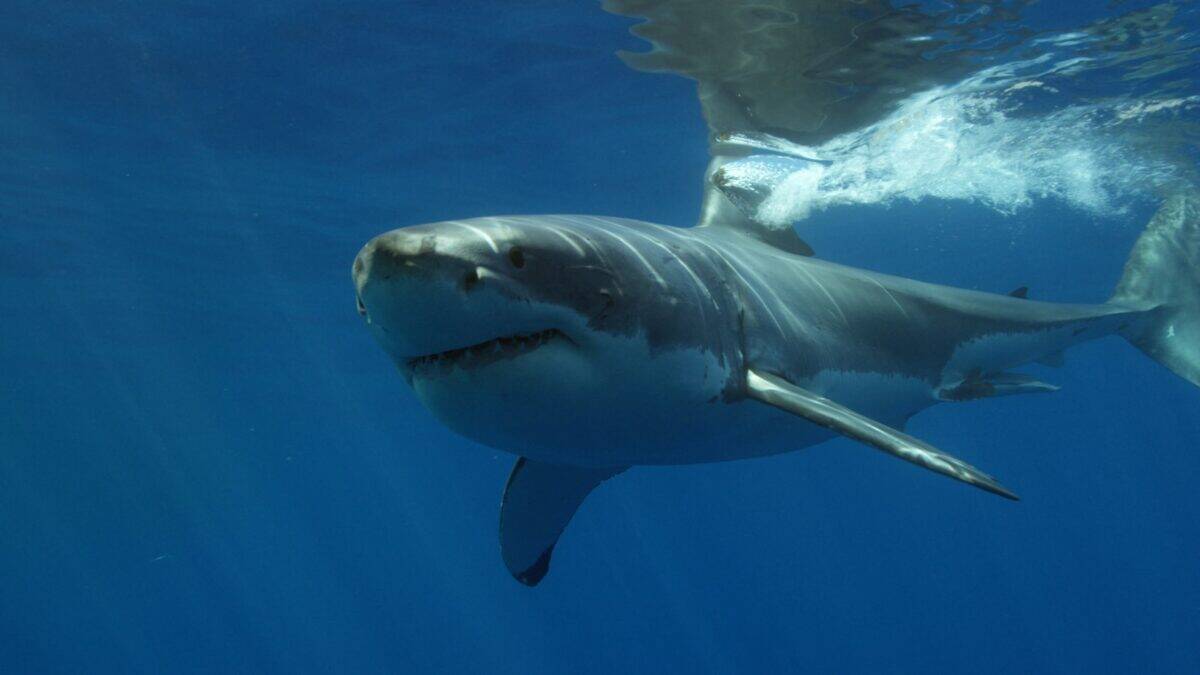
Alaska’s cold waters host several shark species, including the Pacific sleeper shark, salmon shark, and occasionally the formidable great white shark. Of these, the salmon shark (Lamna ditropis) poses perhaps the most significant potential danger to humans. Growing to lengths of 10 feet and weighing up to 660 pounds, salmon sharks are closely related to great whites and makos, with similar predatory capabilities. Their presence in Alaskan coastal waters, particularly during the summer salmon runs, creates potential danger zones for divers, surfers, and kayakers.
While confirmed shark attacks in Alaska are exceedingly rare—with no recorded fatalities in modern times—the potential danger remains real. The relative lack of attacks likely reflects the limited human water activities in Alaska’s cold seas rather than any lack of capability by these predators. As climate change warms Alaska’s waters and water recreation increases, experts caution that human-shark encounters could become more common. Commercial fishermen already report frequent interactions with salmon sharks, which can be aggressive when caught or cornered.
10. Steller Sea Lions: Marine Mammals with Attitude
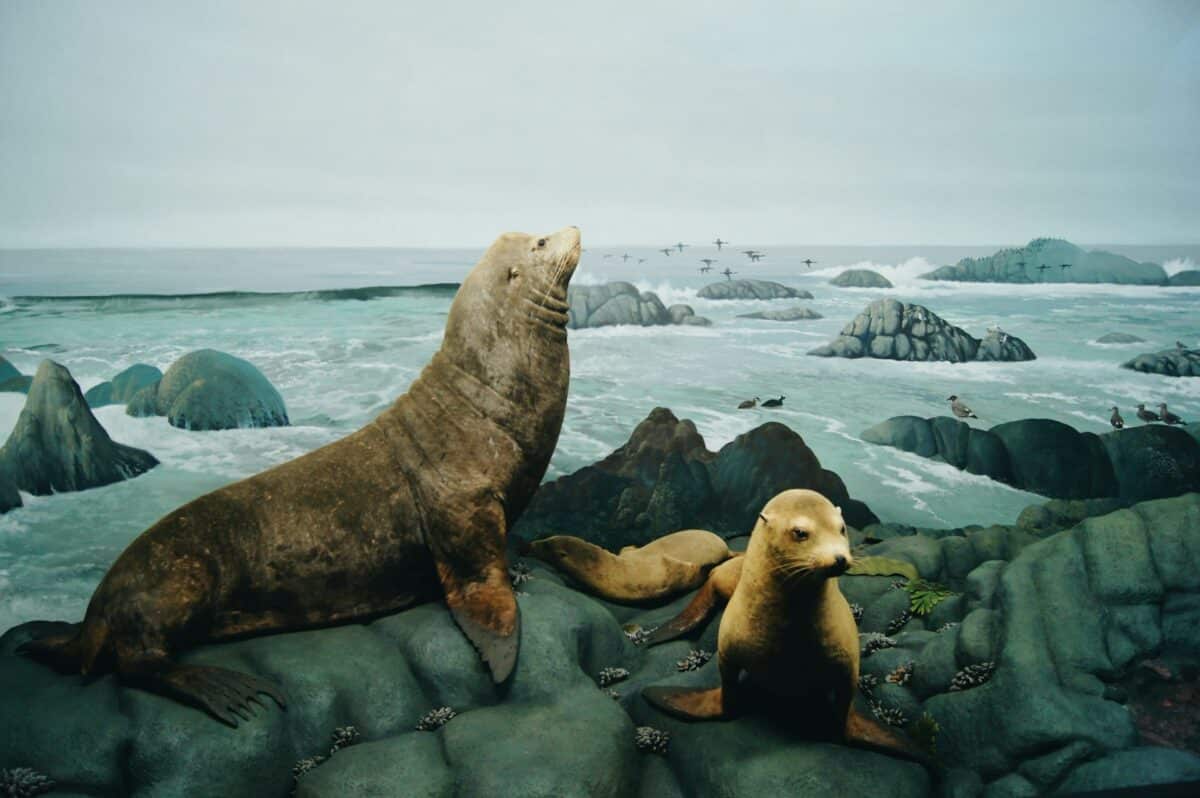
Steller sea lions (Eumetopias jubatus), the largest of the eared seals, inhabit Alaska’s coastal waters in large numbers. Male Stellers can weigh over 2,500 pounds and grow to 11 feet in length, with females reaching about 800 pounds. While not typically aggressive toward humans, these massive pinnipeds possess the size, strength, and dental equipment to inflict serious or fatal injuries if provoked or threatened. Bull sea lions are particularly dangerous during breeding season when they aggressively defend their territories and harems.
Encounters between humans and sea lions typically occur when boaters, kayakers, or divers approach rookeries or haul-out areas too closely. Professional wildlife guides in Alaska maintain strict minimum distances from sea lion colonies, typically 100 yards or more. Several serious injuries have been documented when sea lions have bitten divers or pulled them underwater. In one notable incident near Sitka, a sea lion grabbed a diver and pulled her 70 feet underwater before releasing her. The combination of their size, aquatic speed, and powerful jaws makes Steller sea lions a genuinely dangerous Alaskan animal despite their generally non-aggressive nature.
11. Harmless But Respected: Porcupines

The North American porcupine (Erethizon dorsatum) is abundant throughout Alaska’s forests and poses virtually no direct threat to human life. These slow-moving rodents, weighing 15-35 pounds, defend themselves with up to 30,000 barbed quills rather than aggression. Contrary to popular belief, porcupines cannot “shoot” their quills—contact is required for them to become embedded in a victim. While painful and potentially requiring medical attention, porcupine quill injuries are rarely life-threatening to humans.
Despite their harmless nature toward humans, porcupines deserve respect and distance. Dogs frequently suffer serious injuries from porcupine encounters, sometimes requiring emergency veterinary care to remove deeply embedded quills that can migrate through tissue. For wilderness travelers, porcupines pose an indirect risk by damaging equipment—they are attracted to the salt in sweat and urine and will chew on backpack straps, tool handles, and even canoe paddles to obtain sodium. Their presence in Alaska’s ecosystem as herbivores and prey for larger predators makes them an important species worthy of respect despite their lack of danger to humans.
12. Harmless But Respected: Sitka Black-tailed Deer
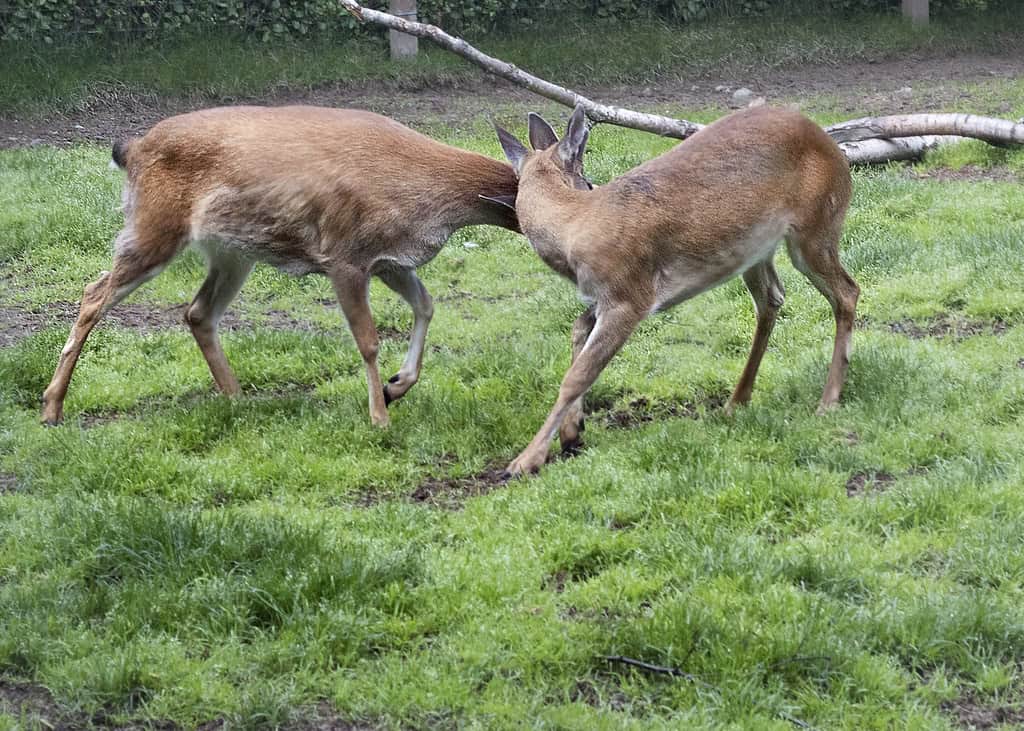
The Sitka black-tailed deer (Odocoileus hemionus sitkensis) inhabits Southeast Alaska’s coastal rainforests and islands in large numbers. Much smaller than their moose cousins, these deer typically weigh 80-120 pounds and stand about 3 feet at the shoulder. They are among Alaska’s most docile large mammals, with virtually no recorded aggressive behavior toward humans. Even during rutting season, male Sitka deer rarely display the aggressive tendencies seen in larger deer species.
Though harmless to humans, these deer warrant respect for several reasons. As important prey species for wolves, bears, and human hunters, they play a crucial ecological role in Alaska’s rainforest ecosystems. Additionally, deer can carry ticks that transmit diseases, though this is currently less common in Alaska than in the lower 48 states. Wildlife managers advise maintaining distance from all wild deer, as habituation to humans ultimately harms deer populations by making them more vulnerable to predators and poachers. Motorists in Southeast Alaska should also remain vigilant, as deer-vehicle collisions are common and can result in serious accidents.
13. Harmless But Respected: Sea Otters

Sea otters (Enhydra lutris) have become iconic marine mammals along Alaska’s southern coasts, delighting observers with their playful behavior and tool use. Weighing 35-90 pounds, sea otters lack the size and aggression to pose any significant threat to humans. These marine mustelids spend their lives in the ocean, rarely coming ashore, and typically avoid close human contact. Their diet consists primarily of sea urchins, mollusks, crustaceans, and fish—never mammals.
Despite their harmless and even beneficial nature (sea otters are keystone species that help maintain kelp forest ecosystems), they deserve significant respect and distance. Sea otters are protected under the Marine Mammal Protection Act, making harassment or close approaches illegal. Additionally, they can carry zoonotic pathogens including Toxoplasma gondii and Sarcocystis neurona, which can infect humans who handle otters or consume contaminated shellfish from areas with high otter populations. Wildlife viewing guidelines recommend staying at least 50 yards from sea otters to avoid disrupting their essential activities like feeding and resting—crucial for animals with extremely high metabolic rates that must consume 25% of their body weight daily.
14. Harmless But Respected:
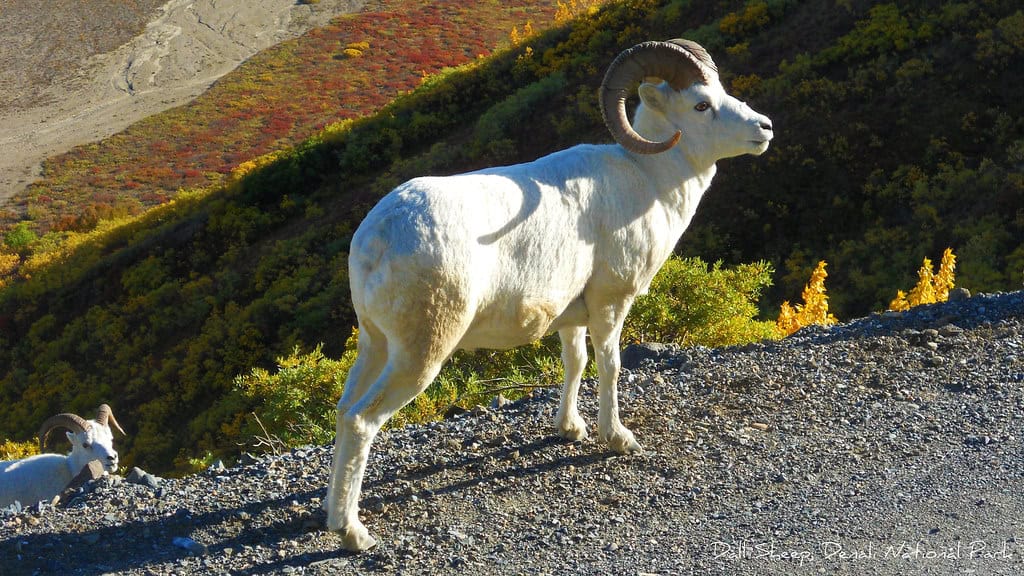
Dall sheep (Ovis dalli) inhabit Alaska’s mountain ranges, distinctive with their brilliant white coats and curved horns. Weighing 130-180 pounds for males and 80-110 pounds for females, these sure-footed climbers are well-adapted to the steep, rocky terrain where they escape predators by navigating slopes too treacherous for most animals. Despite their muscular build and imposing horns—particularly in rams—the Dall sheep pose no threat to humans and are generally shy and reclusive.
Their dramatic horn clashes, which occur during mating season as males compete for dominance, are more a spectacle of natural behavior than a danger to people. These sheep are valued not only for their ecological role but also for their cultural and symbolic significance in Alaskan wilderness heritage. Though harmless, Dall sheep earn respect for their resilience, agility, and the rugged landscapes they call home.
Conclusion: Wild Beauty With Caution in Every Step

Alaska’s untamed wilderness is as breathtaking as it is unpredictable, home to some of North America’s most formidable wildlife. From towering brown bears and stealthy wolves to venomous jellyfish and cold-climate parasites, the state hosts a variety of animals that, under the wrong circumstances, can pose serious threats to humans. Yet even Alaska’s most dangerous creatures typically want nothing to do with people—most incidents happen when humans venture too close, act unpredictably, or fail to follow safety guidelines in remote areas.
At the same time, Alaska is also home to many wild animals that, while harmless in the traditional sense, still demand respect. Majestic moose, curious porcupines, and even seals or snowshoe hares can cause injury if startled, approached, or mishandled. Respecting all wildlife—deadly or not—is key to safe, enriching outdoor experiences. In the Last Frontier, survival hinges not only on gear and grit but also on knowledge, awareness, and the understanding that we are guests in a land ruled by wild rhythms.

From exploring the marine wonders in the Azores and witnessing the vast savannas of Kenya, to delving deep into the rich biodiversity of South Africa and traversing iconic landscapes in Australia and the US like Yellowstone, Chris's experiences are vast.
With a penchant for diving alongside sharks, the ocean holds a special place in his heart.
Through his academic insights, he champions wildlife conservation, striving with 'Animals Around The Globe' to cultivate a profound connection between humans and animals, enhancing our mutual appreciation.
Connect with him at Feedback@animalsaroundtheglobe.com.
- This Monkey Has a Mustache - July 21, 2026
- How Steve Irwin Changed the World’s View of Wildlife - July 21, 2026
- The Catfish That Caused Earthquakes in Japanese Folklore - July 21, 2026