


The haunting howl of a wolf echoing through a forest at night has been enough to send shivers down human spines for centuries. Wolves have been villainized in countless fairy tales, portrayed as savage beasts lurking in the shadows, waiting to pounce on unsuspecting humans. From Little Red Riding Hood to The Three Little Pigs, these magnificent creatures have been cast as the antagonists, fueling an unwarranted fear that persists to this day. Yet, the reality of wolf-human interactions tells a dramatically different story. Despite their fearsome reputation, documented wolf attacks on humans are exceedingly rare, especially in North America and Europe. This article explores the fascinating reasons behind this disconnect between perception and reality, examining wolf behavior, ecology, and the complex history of our relationship with these apex predators.
The Historical Mythology Around Wolves
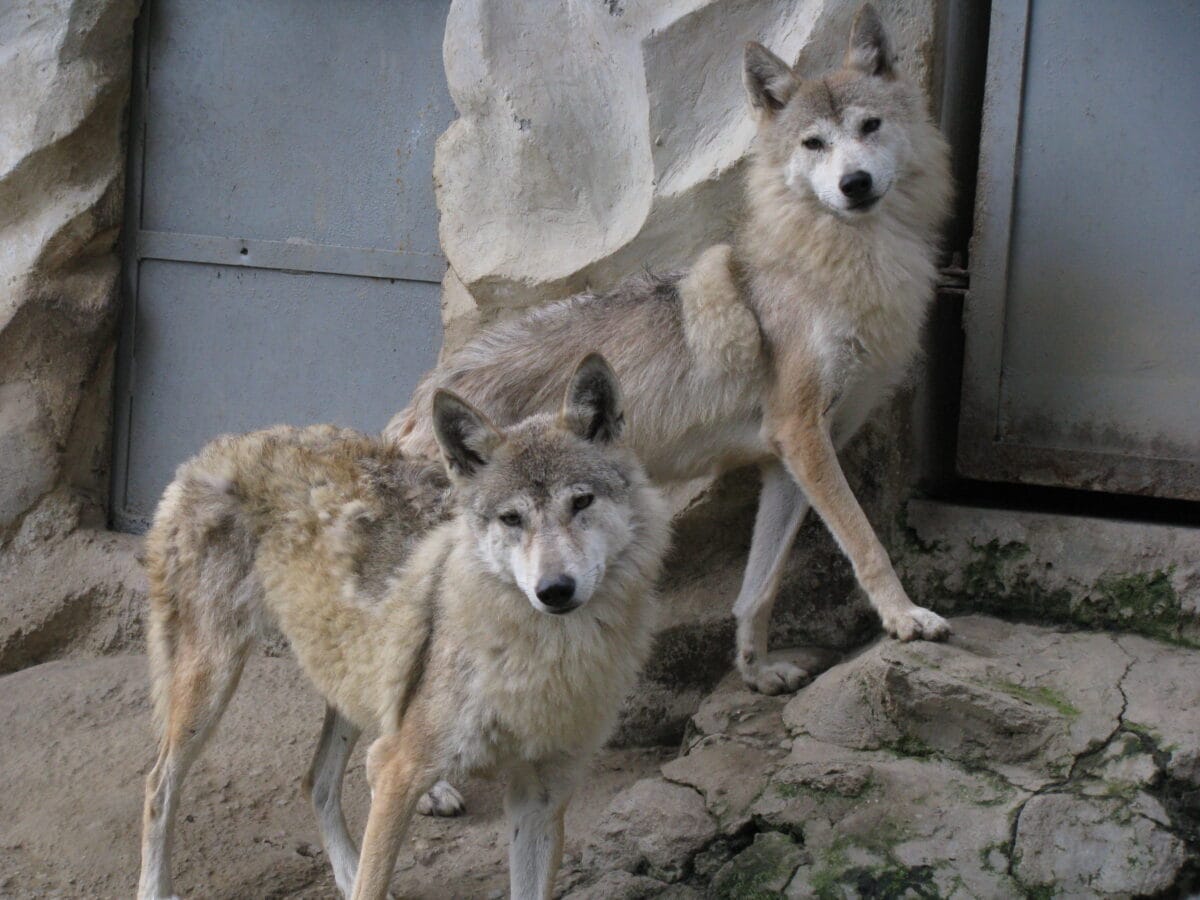
Throughout human history, wolves have been demonized in folklore, literature, and cultural narratives across civilizations. Medieval European tales frequently depicted wolves as symbols of evil and gluttony, while Native American cultures often viewed them with respect but also caution. The Brothers Grimm’s fairy tales cemented the wolf’s reputation as a cunning predator of humans, particularly vulnerable women and children. This portrayal wasn’t accidental but served specific societal purposes – wolves competed with humans for game animals and occasionally preyed on livestock, making them economic threats to agricultural communities.
These persistent negative depictions created what historians call the “Big Bad Wolf” syndrome, a deeply ingrained cultural fear that has little basis in biological reality. Religious symbolism further complicated matters, with wolves sometimes representing the devil or demonic forces in Christian traditions. This historical baggage continues to influence modern perceptions, making it difficult for many people to view wolves objectively despite scientific evidence contradicting these fearsome portrayals. Even today, the wolf remains a potent symbol of wilderness danger in movies, books, and popular media, perpetuating myths that have existed for millennia.
The Statistical Reality of Wolf Attacks

When examining verified statistics on wolf attacks, the data tells a compelling story that contradicts popular perception. In North America, there have been only two confirmed fatal wolf attacks on humans in the past century. In comparison, domestic dogs kill approximately 30-50 people annually in the United States alone. Even in regions where wolves and humans coexist more closely, such as parts of Russia, India, and Eastern Europe, attacks remain extremely rare events. A comprehensive study published in the Journal of Wildlife Management analyzed wolf-human encounters worldwide and found that most documented attacks involved rabid wolves, wolves habituated to humans, or cases of extreme provocation.
The numbers become even more revealing when compared to other wildlife. In North America, bees and wasps kill an average of 60 people annually, while deer cause approximately 200 human deaths each year (primarily through vehicle collisions). Even domestic cattle are responsible for about 22 deaths annually in the United States. Bears and mountain lions, though also rare attackers, have significantly higher incident rates than wolves. These statistics highlight an important truth: despite their fearsome reputation, wolves pose a statistically negligible threat to human safety in the modern world, ranking far below many animals we commonly consider harmless.
Natural Wolf Behavior and Hunting Patterns
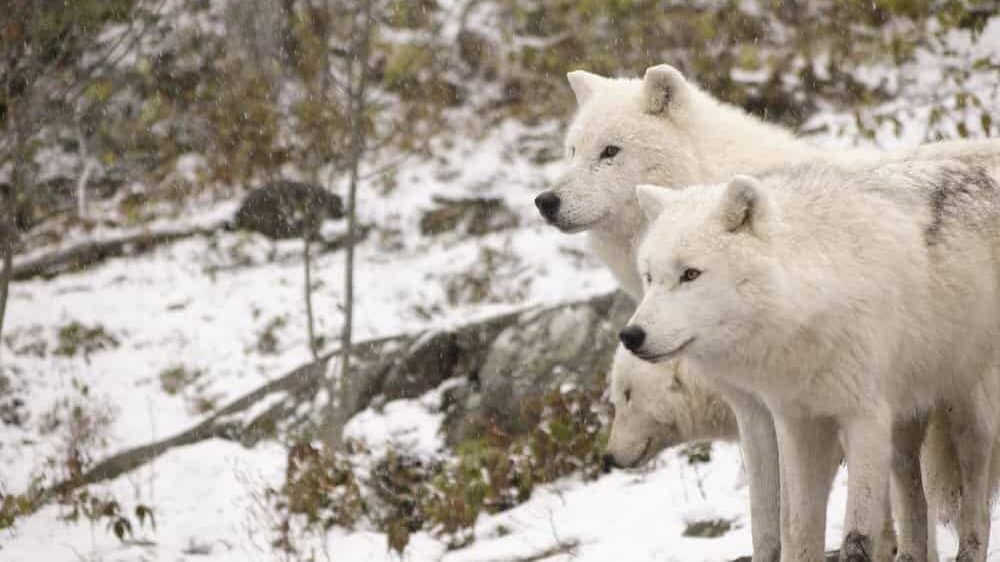
Wolves are highly intelligent social predators with complex hunting strategies that have evolved over millennia. They typically target prey species they’ve evolved alongside – primarily ungulates like deer, elk, moose, and caribou. Their hunting techniques are specifically adapted to these animals, focusing on identifying weak, sick, or vulnerable individuals within herds. A wolf’s natural hunting instinct doesn’t recognize humans as potential prey. Instead, they perceive humans as potential threats to be avoided. Wolf packs maintain territories ranging from 50 to over 1,000 square miles depending on prey availability, and they generally avoid human settlements within these ranges.
Research into wolf predatory behavior demonstrates that they’re highly selective hunters who minimize risk during hunts. Even when pursuing their natural prey, wolves have approximately a 10-20% success rate and frequently sustain injuries during hunting attempts. This risk-averse hunting strategy makes unfamiliar prey like humans particularly unattractive targets. Wolves can easily distinguish humans from their natural prey through scent, sound, and visual cues, and they’ve developed strong evolutionary instincts to avoid novel potential threats. Wolf biologists who have spent decades studying these animals in the wild consistently report that wolves typically retreat upon detecting human presence, often before humans even realize wolves are nearby.
The Natural Wariness of Wild Wolves

One of the most significant factors preventing wolf attacks on humans is the species’ natural neophobia – a fear of new or unfamiliar things. Wild wolves exhibit extreme caution toward novel stimuli in their environment, including unfamiliar sounds, smells, and objects. This innate wariness serves as a crucial survival adaptation, protecting wolves from potential dangers in their habitat. Humans, with our distinct odor, upright posture, and associated tools and technology, represent something distinctly foreign and potentially threatening in a wolf’s world. Most wild wolves will detect humans through their acute senses long before visual contact and will actively avoid the encounter.
Wolf researchers have documented this avoidance behavior through tracking studies using GPS collars. These studies reveal that wolves often alter their movement patterns to maintain distance from areas of human activity. Even in national parks where wolves have theoretically become more habituated to human presence, they generally maintain a respectful distance. This natural wariness can only be overcome through unusual circumstances – such as disease (particularly rabies), extreme food scarcity, or prolonged positive conditioning through food provisioning by humans. Under normal conditions, a wild wolf’s first instinct upon detecting humans is not aggression but avoidance – a behavioral trait that has served both species well throughout our long shared history.
Evolutionary Reasons for Avoiding Humans

From an evolutionary perspective, wolves have developed good reasons to fear and avoid humans. For thousands of years, humans have hunted wolves, sometimes to the point of regional extinction. This sustained pressure has likely selected for wolves that instinctively avoid human contact. Wolves with genes predisposing them to boldness around humans would have been more likely to be killed, while those naturally wary of humans would have survived to pass on their genes. This process represents a form of artificial selection that has shaped modern wolf behavior toward extreme caution around humans.
Beyond direct hunting, human activities have historically reduced wolf populations through habitat destruction, competition for prey resources, and systematic extermination programs. As recently as the mid-20th century, wolves were subject to government-sponsored eradication campaigns in the United States and many European countries. This long history of conflict has created strong evolutionary pressure favoring wolves that instinctively recognize humans as dangerous and best avoided. Research into wolf genetics has identified specific genetic markers associated with flight distance and fear responses that differ between wild wolves and their domesticated relatives, suggesting this wariness has a hereditary component that has been reinforced over many generations of wolf-human interaction.
The Rabies Factor in Historical Attacks

When examining historical records of wolf attacks on humans, one factor appears with remarkable frequency: rabies. Prior to modern rabies control programs, rabid wolves were responsible for the majority of serious wolf attacks on humans, particularly in Europe and Asia. A rabid wolf behaves fundamentally differently from a healthy one, losing its natural fear of humans and potentially becoming aggressive due to the neurological effects of the virus. Historical accounts from 18th and 19th century Russia, France, and other regions describe “mad wolves” entering villages and attacking multiple people – behavior entirely inconsistent with healthy wolf conduct.
The development of effective rabies vaccines and wildlife management programs has dramatically reduced the incidence of rabies in wolf populations throughout much of their range. In North America, where rabies control has been particularly effective, rabid wolves are now extremely rare. This helps explain why wolf attacks have declined so significantly in the modern era. Studies of wolf attacks in India and parts of Central Asia, where rabies remains more prevalent, still show a correlation between rabies and the majority of serious wolf-human conflicts. This critical public health context is often missing from discussions about historical wolf dangers, leading to misinterpretations of historical accounts as evidence of general wolf aggression rather than the result of a devastating neurological disease.
Food Conditioning and Habituation Risks

While wolves naturally avoid humans, this behavior can change through a process called habituation – the gradual loss of fear response through repeated non-threatening exposure. This becomes particularly problematic when combined with food conditioning, where wolves begin to associate humans with food rewards. When people feed wolves (either intentionally or through improper food storage in wolf country), these intelligent animals can quickly learn that humans represent an easy food source. This dangerous association undermines their natural wariness and can lead to increasingly bold behavior around people.
Notable examples of this phenomenon have occurred in various national parks and protected areas where visitors sometimes deliberately feed wildlife. Yellowstone National Park officials have occasionally had to remove wolves that became too comfortable approaching people or campgrounds seeking food. Wildlife managers emphasize that “a fed wolf is a dead wolf,” as these habituated animals often end up being euthanized due to safety concerns. Most documented cases of non-rabid wolves showing aggression toward humans involve animals that had previously been fed by people or had regular access to human food sources like garbage dumps. This underscores an important reality: most problematic wolf behavior stems from human actions that alter the animals’ natural behavior patterns rather than from inherent aggression.
Wolf-Dog Hybrids and Mistaken Identity

An important factor in understanding reports of “wolf attacks” involves correctly identifying the animals involved. In many cases, particularly in areas where wolves and domestic dogs coexist, attacks attributed to wolves are actually perpetrated by feral dogs, wolf-dog hybrids, or dogs that are mistakenly identified as wolves by frightened observers. Wolf-dog hybrids combine the physical capabilities of wolves with potentially less predictable behavior patterns and reduced fear of humans, making them statistically more dangerous than pure wolves. These animals are sometimes kept as pets and may escape or be released when owners can’t manage them properly.
Forensic investigation of alleged wolf attacks often reveals evidence of domestic dog involvement, including DNA analysis, bite pattern examination, and behavioral characteristics inconsistent with wild wolves. A notable study in India found that up to 80% of attacks initially attributed to wolves in certain regions were actually committed by feral dogs when rigorous verification methods were applied. Even wildlife professionals can have difficulty distinguishing wolves from certain dog breeds or hybrids based on visual identification alone, especially under stress or in poor visibility conditions. This misidentification problem contributes significantly to inflated perceptions of wolf danger and has complicated efforts to accurately document genuine wolf attacks throughout history.
The Role of Pack Structure in Moderating Aggression

Wolves’ sophisticated social organization plays a crucial role in regulating aggressive behavior. Wolf packs are not random assemblages of individuals but highly structured family units typically consisting of a breeding pair (the alpha male and female) and their offspring from current and previous years. This family structure includes complex communication systems and behavioral norms that help maintain pack cohesion. Senior wolves actively teach younger pack members appropriate behaviors, including what to hunt and what to avoid. This social learning process helps transmit the instinct to avoid humans across generations within a pack.
Research into wolf pack dynamics reveals that stable packs with experienced leaders typically exhibit more predictable and conservative behavior patterns, including greater caution around novel situations like human encounters. Disruption of pack structure – through hunting that removes alpha animals, for instance – can lead to less stable social dynamics and potentially more unpredictable behavior. Wolf biologists have observed that packs with stable, experienced leadership are more likely to maintain traditional hunting patterns focused on natural prey and avoid risky novel food sources, including livestock and anything associated with humans. This internal social regulation represents another layer of protection against potential wolf-human conflicts beyond individual wolves’ natural wariness.
Modern Conservation and Human Coexistence

The relationship between wolves and humans has entered a new phase in many regions as conservation efforts have helped wolf populations recover from near-extinction. In places like the Northern Rocky Mountains of the United States, parts of Europe, and Scandinavia, wolves have returned to landscapes they hadn’t inhabited for generations. This recovery has necessitated the development of new coexistence strategies that protect both wolves and human interests. Modern wolf conservation incorporates scientific monitoring, public education, and adaptive management practices that help prevent conflicts before they occur.
Successful coexistence tools include livestock protection methods like guard dogs, fladry (flags on rope that deter wolves), proper carcass management, and increased human presence in grazing areas. Communities in regions with wolves are also learning to adopt precautionary measures like proper food storage when camping, keeping pets leashed in wolf country, and understanding wolf behavior signs. Educational programs help replace fear-based mythology with scientific understanding, enabling people to take appropriate precautions without excessive fear. Research shows that these proactive approaches significantly reduce wolf-livestock conflicts and help maintain wolves’ natural wariness of humans. As one wolf biologist noted, “The problem is rarely the wolf doing what comes naturally, but rather humans creating situations that change natural wolf behavior.”
Cultural Differences in Wolf Perceptions

Attitudes toward wolves vary dramatically across different cultures and regions, influencing both how people interact with these animals and how risk is perceived. In North American Indigenous cultures, wolves have traditionally been viewed with respect and sometimes reverence, seen as teachers, guides, or fellow hunters rather than enemies. Many Native American tribes incorporated wolves into their spiritual practices and origin stories. This contrasts sharply with European settler perspectives that imported Old World fears and extermination policies. In parts of Asia, particularly Mongolia and Kazakhstan, some communities have traditions of raising wolf cubs and celebrating wolves for their strength and hunting prowess.
These cultural differences directly impact wolf-human interactions. Regions with traditions of wolf respect tend to develop practices that minimize conflict while acknowledging the wolf’s role in the ecosystem. Studies of human attitudes toward wolves show that fear levels correlate strongly with cultural background and exposure to negative messaging rather than actual local risk from wolves. Educational programs that include cultural context and traditional ecological knowledge alongside scientific information have proven particularly effective at fostering coexistence. As wolf recovery continues globally, conservation biologists increasingly recognize that addressing cultural perceptions is as important as managing the biological aspects of wolf populations, since human attitudes ultimately determine whether long-term coexistence will succeed.
Conclusion: Understanding Our Relationship with Wolves

The stark contrast between wolves’ fearsome reputation and the statistical reality of their minimal threat to humans serves as a powerful reminder of how cultural narratives can diverge from biological truth. Wolves avoid humans for good evolutionary reasons – we’ve been their most dangerous predator for thousands of years. Their natural wariness, combined with sophisticated social structures, hunting patterns specialized for ungulate prey, and instinctive neophobia, makes healthy wild wolves among the least dangerous large predators humans might encounter in the wilderness. The rare exceptions typically involve rabies, food conditioning, or misidentification of the animals involved.
As we continue to share landscapes with recovering wolf populations, replacing fear with understanding becomes increasingly important. Educational efforts based on scientific evidence rather than mythological portrayals help communities develop realistic risk assessments and appropriate precautions. Conservation success ultimately depends on this more nuanced relationship – one that acknowledges both the legitimate concerns of people living in wolf country and the ecological benefits wolves bring to healthy ecosystems. Perhaps most importantly, the story of wolves reminds us to question our inherited fears and examine whether they’re supported by evidence. In doing so, we may discover that one of our most ancient and feared adversaries deserves not our terror but our respect and, from a safe distance, our admiration.

From exploring the marine wonders in the Azores and witnessing the vast savannas of Kenya, to delving deep into the rich biodiversity of South Africa and traversing iconic landscapes in Australia and the US like Yellowstone, Chris's experiences are vast.
With a penchant for diving alongside sharks, the ocean holds a special place in his heart.
Through his academic insights, he champions wildlife conservation, striving with 'Animals Around The Globe' to cultivate a profound connection between humans and animals, enhancing our mutual appreciation.
Connect with him at Feedback@animalsaroundtheglobe.com.
- This Monkey Has a Mustache - July 21, 2026
- How Steve Irwin Changed the World’s View of Wildlife - July 21, 2026
- The Catfish That Caused Earthquakes in Japanese Folklore - July 21, 2026