

The United States is home to a remarkable diversity of wildlife, from majestic bald eagles to elusive mountain lions. While most animal encounters remain peaceful, some species can pose significant threats to human safety. Understanding which dangerous animals might be sharing your local ecosystem isn’t just fascinating—it could potentially save your life. Across the country’s varied landscapes, from dense forests to suburban neighborhoods, potentially hazardous creatures lurk closer than many Americans realize. This comprehensive guide explores the most dangerous animals in the United States, where they’re commonly found, how to identify them, and what to do if you encounter them. Whether you’re an outdoor enthusiast, a concerned parent, or simply curious about your wild neighbors, knowing which potentially deadly animals inhabit your region is valuable knowledge in an increasingly interconnected world.
Venomous Snakes: Silent Dangers Across America
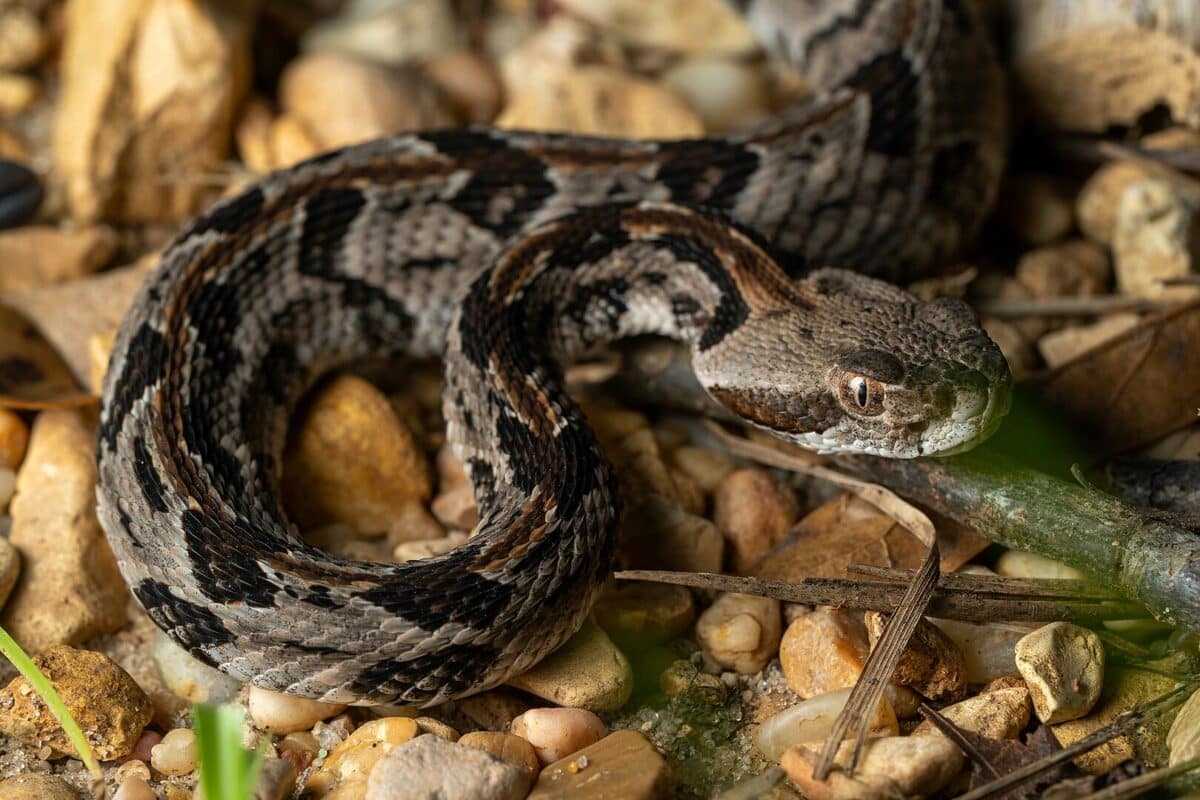
The United States is home to four primary groups of venomous snakes: rattlesnakes, copperheads, cottonmouths (water moccasins), and coral snakes. Rattlesnakes are the most widespread, found in almost every state except Alaska, Hawaii, and Maine. These reptiles are responsible for the majority of snakebite fatalities in the country, though deaths remain relatively rare with only about 5-6 fatalities annually. Copperheads, recognizable by their distinctive hourglass-shaped markings, inhabit the eastern and central United States and deliver painful, though rarely fatal, bites. Cottonmouths prefer the southeastern states’ swampy areas, while the brightly colored coral snakes with their distinctive red, yellow, and black bands are found primarily in the southern states.
Though venomous snakebites occur in all continental states, the highest concentration is in Texas, Florida, Georgia, Louisiana, North Carolina, Oklahoma, and Arizona. Interestingly, many bites happen when people deliberately handle snakes. The CDC estimates approximately 7,000-8,000 venomous snakebites occur annually in the U.S., with Texas consistently reporting the highest numbers. If you live in these regions, be cautious when working in gardens, hiking, or exploring natural areas, especially during warmer months when snakes are most active. Remember the safety mantra: leave snakes alone, watch where you place your hands and feet, and wear appropriate footwear when in snake country.
Black Bears: Increasingly Common Suburban Visitors

Black bears, North America’s most common bear species, have demonstrated remarkable adaptability to human expansion. These omnivorous mammals now inhabit 40 states, with significant populations in the Appalachian Mountains, Rocky Mountains, Pacific Northwest, and Alaska. As suburban development encroaches on their natural habitats, black bear sightings in residential neighborhoods have increased dramatically over the past decade. States like New Jersey, Pennsylvania, North Carolina, and California regularly report bears raiding garbage cans, bird feeders, and outdoor pet food bowls. While typically shy and eager to avoid human contact, black bears can become dangerous when habituated to human food sources or when mothers feel their cubs are threatened.
Despite their imposing size—males typically weigh between 150-600 pounds—black bears are responsible for remarkably few human fatalities, averaging less than one death per year across North America. However, encounters resulting in injuries are more common, with approximately 10-25 significant incidents annually. The National Park Service reports that most aggressive bear encounters involve people approaching bears for photographs or inadvertently surprising them on trails. If you live in bear country, experts recommend storing food securely, making noise while hiking, carrying bear spray in backcountry areas, and never approaching or feeding these powerful animals. Remember that a fed bear often becomes a dead bear, as wildlife officials frequently must euthanize animals that lose their natural fear of humans.
Mountain Lions: America’s Elusive Predators
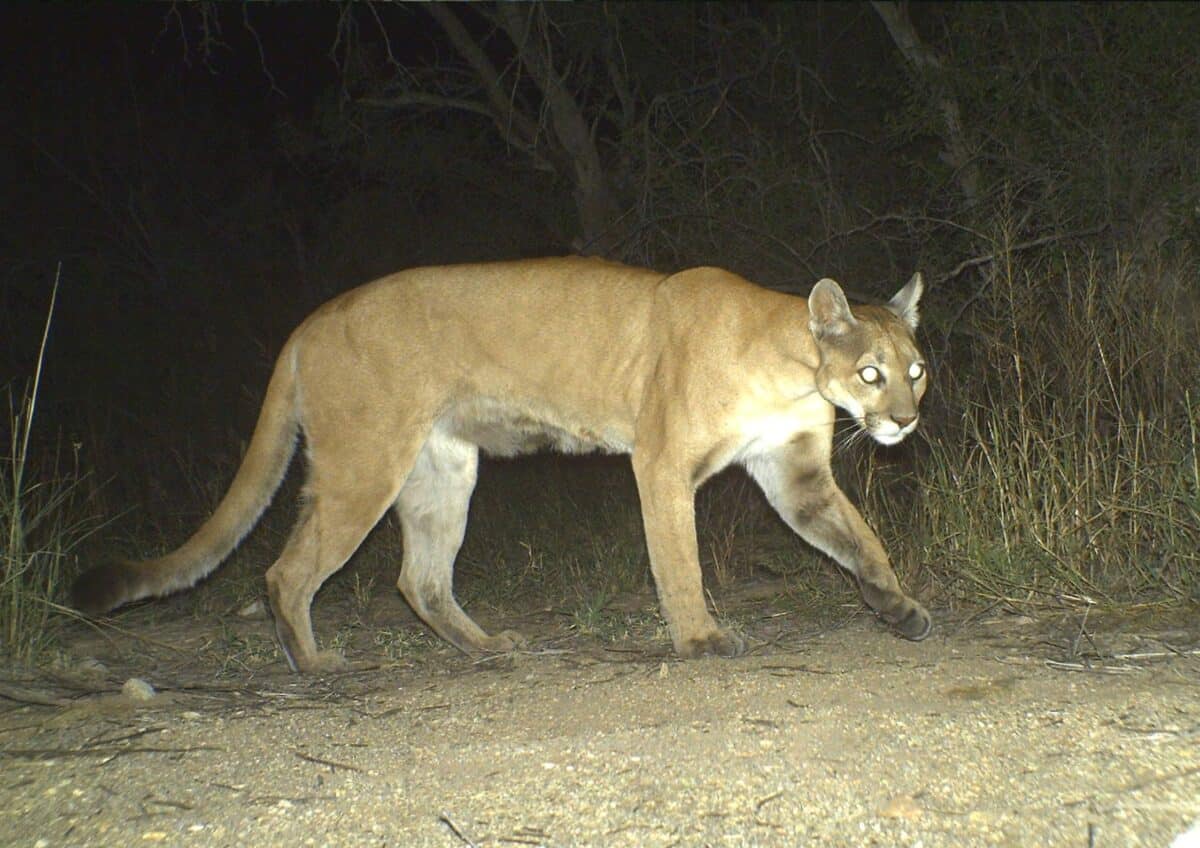
Mountain lions—also known as cougars, pumas, or panthers—remain one of America’s most formidable predators. These powerful cats inhabit 15 western states along with Florida, where the endangered Florida panther subspecies clings to existence. California, Colorado, and Idaho host particularly robust populations. Despite their wide range and large size (males can exceed 200 pounds), mountain lions are exceptionally secretive, and most residents in cougar country will never spot one. These apex predators primarily hunt deer and smaller mammals, but occasionally their territory overlaps with human settlements, especially as development pushes into previously wild areas. States like California and Colorado have seen increasing reports of mountain lions appearing in suburban neighborhoods and parks.
Attacks on humans remain extraordinarily rare, with fewer than 30 fatal attacks recorded in North America over the past 100 years. However, encounters have increased as more people use wilderness areas for recreation and as housing developments expand into cougar habitat. The California Department of Fish and Wildlife reports that mountain lion attacks are most likely to occur at dawn, dusk, or night when the cats are actively hunting. If you live in mountain lion country, experts recommend supervising children outdoors, securing pets at night, installing motion-activated lighting, and removing vegetation that could provide hiding places near homes. Should you encounter a mountain lion, stand tall, make yourself look larger, make noise, and never run, as this may trigger the cat’s predatory chase instinct.
Alligators: Southern Swamp Sovereigns
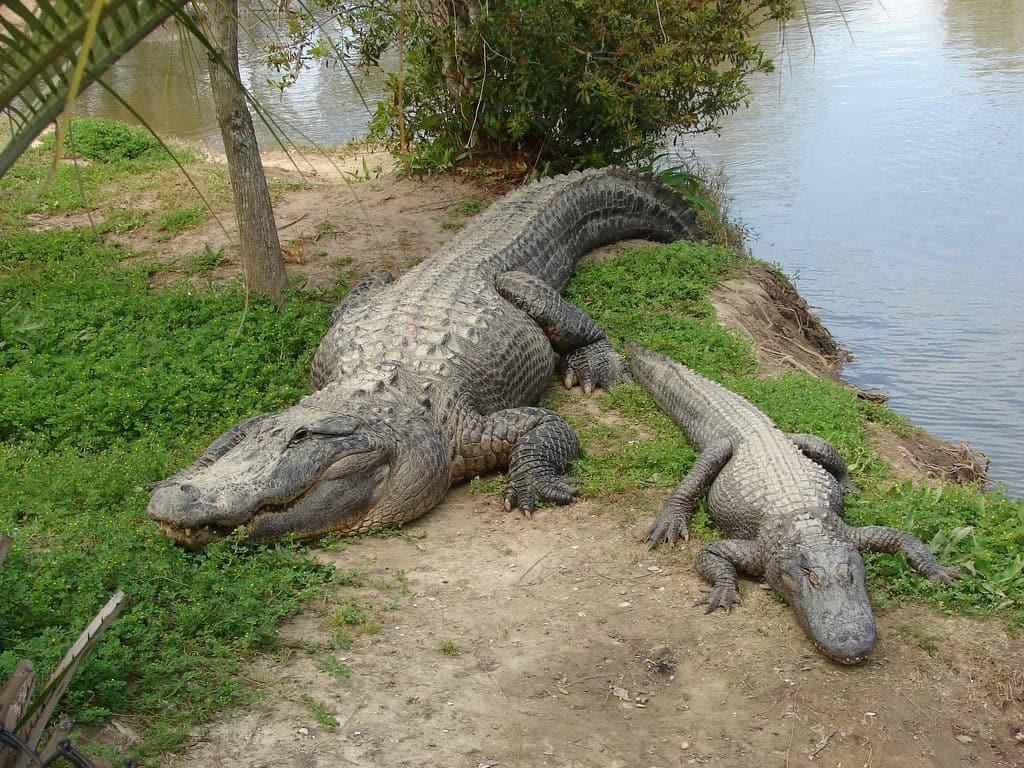
American alligators have made a remarkable recovery from near extinction and now thrive throughout the southeastern United States. These prehistoric reptiles inhabit freshwater environments in Florida, Louisiana, Georgia, Alabama, Mississippi, North and South Carolina, Texas, and Arkansas. Florida alone is estimated to host over 1.3 million alligators, with Louisiana claiming nearly 2 million. As human populations expand in these states, alligator encounters have become increasingly common in residential areas, particularly near golf courses, retention ponds, and canals. These powerful reptiles can grow to over 13 feet long and weigh more than 1,000 pounds, making them formidable predators capable of taking down deer, wild pigs, and occasionally, domestic pets.
Despite their intimidating presence, fatal alligator attacks remain relatively uncommon, with the Florida Fish and Wildlife Conservation Commission reporting only 26 fatalities from 1948 to 2021. However, non-fatal attacks occur more frequently, especially during the spring and summer breeding season when males become more aggressive and females protect their nests. Most attacks occur in or near water, with dusk and dawn being particularly dangerous times. If you live in alligator country, never feed these reptiles (it’s illegal and causes them to associate humans with food), keep pets away from water edges, swim only in designated areas, and maintain a healthy distance when observing these impressive animals. Remember that alligators can move surprisingly quickly on land, though they typically avoid human contact unless provoked or habituated.
Sharks: Coastal Predators in Perspective
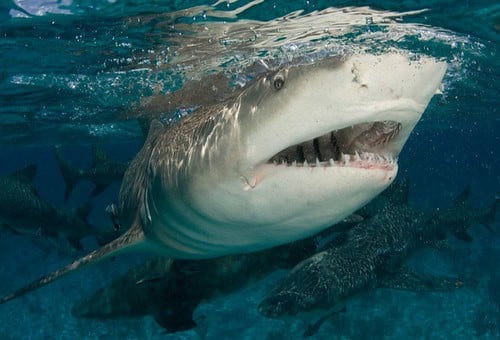
America’s coastlines are home to diverse shark species, from the massive but gentle whale shark to the more notorious great white. Shark populations are particularly concentrated along the Atlantic Coast from Florida to North Carolina, the Gulf of Mexico, and parts of California and Hawaii. Florida consistently leads the nation in shark attacks, accounting for nearly 40% of all incidents in the United States, with Volusia County (home to Daytona Beach) recording the highest number. Bull sharks, tiger sharks, and great whites are responsible for most serious attacks, though dozens of species inhabit U.S. waters. These apex predators play crucial roles in marine ecosystems, and their populations have declined dramatically in recent decades due to overfishing and habitat destruction.
Despite their fearsome reputation fueled by movies and sensationalist media coverage, shark attacks remain extraordinarily rare. The International Shark Attack File typically records fewer than 20 unprovoked attacks annually in U.S. waters, with fatalities averaging less than one per year. To put this in perspective, Americans are approximately 30 times more likely to be killed by lightning than by a shark. Coastal residents and visitors can reduce their already minimal risk by avoiding swimming at dawn, dusk, or night when sharks feed more actively; staying away from areas where people are fishing; removing shiny jewelry that might resemble fish scales; swimming in groups rather than alone; and avoiding areas with schools of baitfish or seals, which attract larger predators. Most importantly, understanding that sharks rarely target humans can help replace fear with appropriate respect for these essential marine animals.
Bees and Wasps: Tiny but Potentially Deadly

While large predators often capture public imagination, America’s most lethal animals are actually among its smallest. Bees, wasps, and hornets cause more human fatalities in the United States than any other animal group, responsible for an average of 62 deaths annually according to CDC data. These stinging insects are ubiquitous across all 50 states, with particularly high concentrations in warmer southern regions. Honeybees, despite their ecological importance as pollinators, account for many stinging incidents, while more aggressive species like yellowjackets, paper wasps, and hornets pose greater risks. The invasive European honey bee and increasingly common Asian giant hornet (nicknamed “murder hornets”) have further complicated America’s relationship with stinging insects.
For approximately 2 million Americans with severe insect venom allergies, a single sting can trigger life-threatening anaphylaxis, requiring immediate medical intervention. Even for non-allergic individuals, multiple stings can cause serious reactions or even death. Suburban landscapes with flowering gardens, fruit trees, and sugary food sources often support large populations of these insects. If you live in an area with significant bee or wasp activity, experts recommend avoiding wearing floral perfumes or bright clothing that might attract them, covering food and drinks when outdoors, checking for nests before mowing or gardening, and keeping epinephrine auto-injectors (EpiPens) available if you or family members have known allergies. Professional removal is advised for nests near homes, particularly for more aggressive species like yellowjackets or hornets, which can attack in swarms if they perceive threats to their colonies.
Ticks and Mosquitoes: Tiny Vectors of Serious Disease

The most dangerous wildlife encounters many Americans will ever experience come from creatures so small they often go unnoticed until it’s too late. Ticks and mosquitoes serve as vectors for numerous serious diseases, affecting hundreds of thousands of Americans annually. Blacklegged ticks (deer ticks) transmit Lyme disease, with the CDC estimating approximately 476,000 Americans diagnosed annually, primarily in the Northeast and Upper Midwest. Meanwhile, mosquitoes spread West Nile virus, Eastern equine encephalitis, and other pathogens capable of causing severe illness or death. Climate change has expanded the range of both these disease vectors, with mosquito-borne illnesses now reported in all 48 continental states and tick-borne diseases reaching previously unaffected regions.
Geographic hot spots for these dangerous arthropods include the Northeast (particularly Connecticut, Massachusetts, New York, New Jersey, and Pennsylvania) for Lyme disease-carrying ticks, while mosquito-borne illnesses concentrate in warm, humid regions like Florida, Texas, and Louisiana. However, no region is entirely safe. Residents in high-risk areas should regularly check for ticks after outdoor activities, apply EPA-approved repellents containing DEET or picaridin, wear protective clothing, and eliminate standing water around homes where mosquitoes breed. Many local health departments now offer tick identification services and mosquito surveillance programs to track disease risk. For those living in high-risk areas, prompt medical attention for unexplained fever, rash, or flu-like symptoms following potential exposure can prevent serious complications from these increasingly common vector-borne diseases.
Wolves: Returning Predators of the Northern States

Gray wolves have made a remarkable comeback in parts of the United States after being nearly exterminated by the mid-20th century. Today, established wolf populations inhabit Minnesota, Wisconsin, Michigan, Montana, Idaho, Wyoming, Washington, Oregon, and Alaska, with smaller numbers in California and Arizona. The successful reintroduction of wolves to Yellowstone National Park in the 1990s has allowed their range to expand, sometimes bringing these intelligent predators into conflict with ranchers and rural communities. Gray wolves typically weigh between 60-145 pounds and hunt in coordinated packs, primarily targeting deer, elk, and occasionally livestock. Their howls—audible for miles—have become iconic sounds in America’s northern wilderness areas.
Despite widespread misconceptions fueled by folklore and fairy tales, wolf attacks on humans remain extraordinarily rare. The last documented fatal wolf attack in the contiguous United States occurred in 2010 in Alaska, and verification of attacks can be difficult as they’re often confused with large dog incidents. Wildlife biologists emphasize that wolves typically avoid human contact and pose minimal threat to people. However, the species generates significant controversy in regions where they’ve been reintroduced, with ranchers concerned about livestock predation and some hunters worried about competition for game animals. If you live in wolf country, experts recommend keeping dogs leashed during walks, properly securing livestock, avoiding approaching wolves in the wild, and never feeding these animals, which can lead to habituation and potential conflict. Conservation efforts continue to balance wolf recovery with human concerns across the northern states.
Brown Bears: Kings of the North

Brown bears, including the coastal brown bears and interior grizzlies, represent North America’s most formidable land predators. In the contiguous United States, these massive omnivores are found primarily in Montana, Wyoming, Idaho, and Washington, with approximately 1,500 bears inhabiting these northern Rocky Mountain states. Alaska hosts a much larger population of around 30,000 brown bears. Adult males can weigh between 300-850 pounds in interior regions and over 1,500 pounds in coastal areas where salmon provide abundant food. Their distinctive shoulder humps, dish-shaped faces, and impressive claws (up to 4 inches long) make them unmistakable. While primarily plant-eaters, consuming berries, roots, and grasses, brown bears will opportunistically prey on elk calves, fish, and occasionally livestock.
Brown bears are responsible for the majority of fatal bear attacks in North America, though such incidents remain rare, averaging fewer than two per year across the continent. Most attacks occur when bears are surprised at close range, when mothers are defending cubs, or when bears associate humans with food. Residents and visitors in grizzly country are advised to carry bear spray, travel in groups, make noise while hiking, properly store food and garbage, and learn to recognize bear signs such as tracks, scat, and diggings. The National Park Service reports that bear spray has proven more effective than firearms in preventing injury during bear encounters. With brown bear populations slowly recovering in parts of their historic range, understanding how to coexist safely with these magnificent but potentially dangerous animals becomes increasingly important for residents of America’s northern states.
Scorpions: Desert-Dwelling Venomous Arachnids

Scorpions inhabit much of the southern United States, with the highest concentrations found in Arizona, New Mexico, Texas, Nevada, and southern California. These ancient arachnids are perfectly adapted to arid environments, hiding during scorching days and emerging at night to hunt. While the United States hosts about 90 scorpion species, only the Arizona bark scorpion (Centruroides sculpturatus) possesses venom potent enough to cause serious medical concerns in humans. This species, recognizable by its slender body and light yellow-brown coloration, inhabits the Sonoran Desert region, particularly central and southern Arizona. In urban areas like Phoenix and Tucson, these scorpions frequently enter homes seeking moisture and prey, leading to thousands of stings annually.
For most healthy adults, scorpion stings cause intense pain, numbness, and tingling that typically resolve within 24-48 hours without medical intervention. However, stings can prove dangerous or even fatal for small children, elderly individuals, and those with compromised immune systems. The Banner Poison and Drug Information Center in Arizona reports approximately 12,000 scorpion stings annually in the state, though fatalities have become extremely rare since the development of antivenom. Residents in scorpion-prone regions should check shoes before wearing them, shake out bedding, wear gloves when moving stored items or firewood, seal cracks in home foundations, remove debris piles from yards, and consider installing weatherstripping around doors and windows. UV flashlights can be useful tools for detecting scorpions, as their exoskeletons fluoresce brightly under ultraviolet light, making these nocturnal hunters easier to spot during evening inspections around homes.
Feral Hogs: An Invasive Menace Spreading Nationwide

Feral hogs represent one of America’s most destructive and potentially dangerous invasive species, wreaking havoc on agriculture, native ecosystems, and even public safety. With populations now established in at least 35 states, these aggressive, fast-breeding animals root up crops, damage infrastructure, and compete with native wildlife for resources. Their presence can spread disease to livestock and humans alike, including swine brucellosis and leptospirosis. As their numbers and range continue to grow, managing feral hog populations has become a costly and complex challenge for landowners, wildlife agencies, and local governments across the country.

- This Tiny Insect Can Survive in Outer Space—Here’s How - July 21, 2026
- Could the Tasmanian Tiger Be Brought Back to Life? - July 21, 2026
- Why You Should Never Approach a Sleeping Hippo - July 21, 2026