
Most people think migration is something that happens somewhere else. Somewhere remote, above distant coastlines or across vast wetlands far from where they live. The truth is quietly different. Birds follow well-established pathways known as flyways, invisible highways in the sky that provide stopover sites for rest and refueling. Many of those stopover sites are surprisingly ordinary places, including the yard behind your house.
Of the more than 650 species of North American breeding birds, more than half are migratory. Of those, the vast majority take flight at night, and some fly hundreds or even thousands of miles nonstop. The birds below are not rare exotics. They’re faces you likely recognize, and their journeys are far more remarkable than most people realize.
1. American Robin
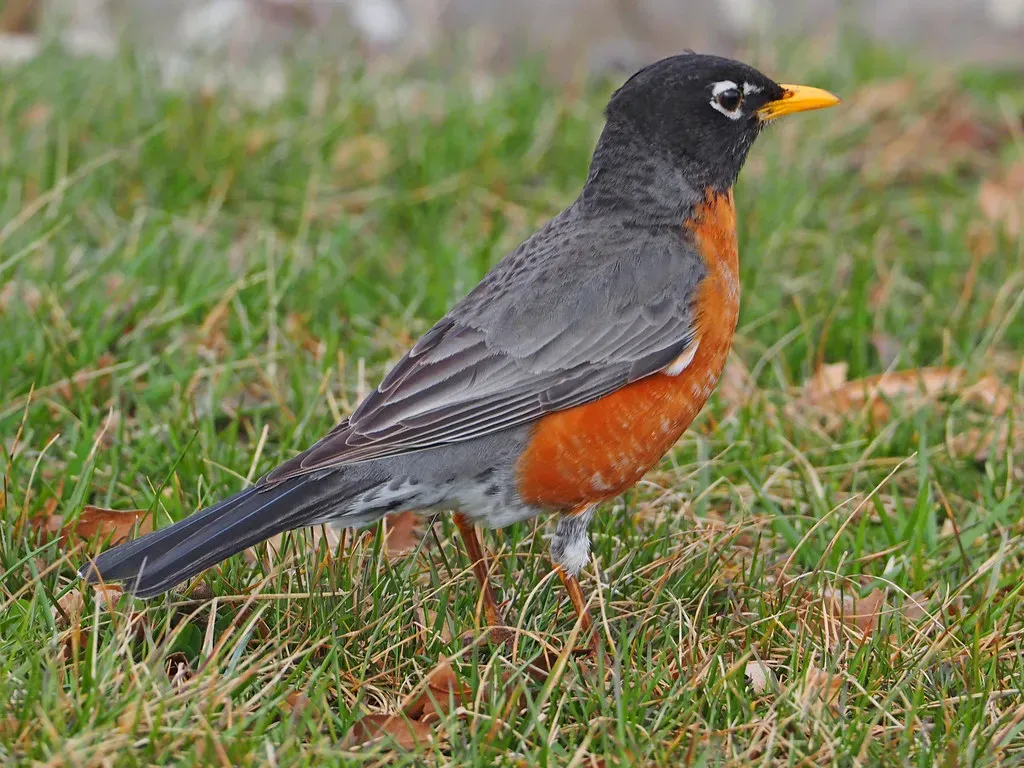
The American Robin is so tied to the image of spring that most people simply assume it lives nearby year-round. In reality, its movements are more complex than that. Robins are partial migrants, meaning populations shift significantly between seasons depending on how far north they breed.
Migration is primarily driven by seasonal changes in food availability and climate. As insects disappear and plants stop producing fruit in northern regions, birds move south to find abundant food and warmer weather. Robins follow this pattern closely, with northern breeding populations heading south in fall and returning in early spring.
What trips most people up is that robins can appear at almost any time of year in temperate zones. Migrating birds may stay in your area for a short time as they continue their journey, or they may stay for an entire season. A robin in your yard in February may well be a visitor from much further north, just passing through.
2. Ruby-Throated Hummingbird
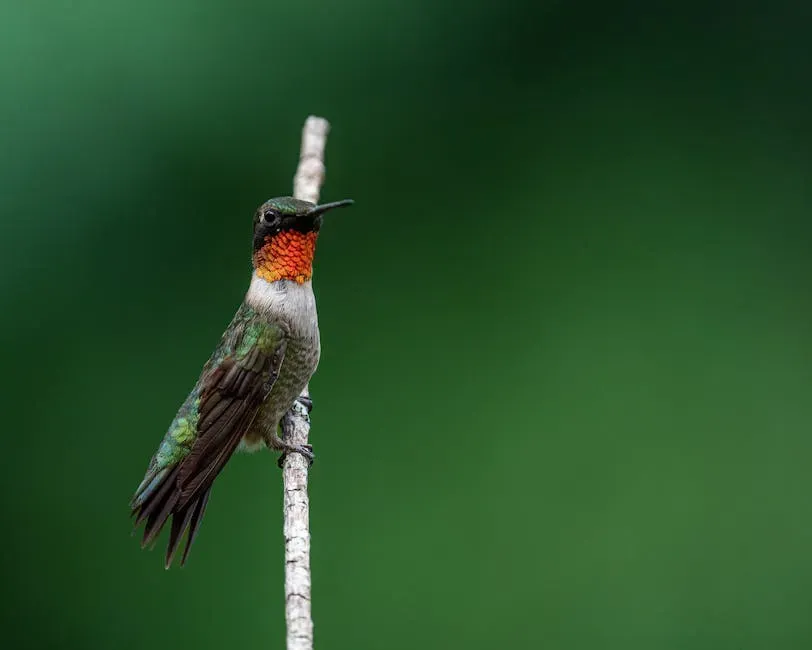
The Ruby-throated Hummingbird is the only breeding hummingbird in eastern North America. Despite its tiny size, the distances it covers are genuinely staggering. Small but impressive, some Ruby-throats may migrate all the way from Canada to Costa Rica.
These tiny birds, only 3 to 4 inches long and weighing 2 to 6 grams, migrate north from Central America and Mexico every spring to breed throughout the US and parts of Canada. Before setting off, they prepare intensively. A hummingbird will typically gain 25 to 40 percent of their body weight before they start migration in order to make the long trek over land and water.
As fall approaches, hummingbirds intensify their feeding to build up fat deposits for the long trip back to Mexico or Central America. If you have a feeder up in late summer, you may be hosting a bird that’s fueling up for one of the most demanding journeys in the bird world.
3. Baltimore Oriole
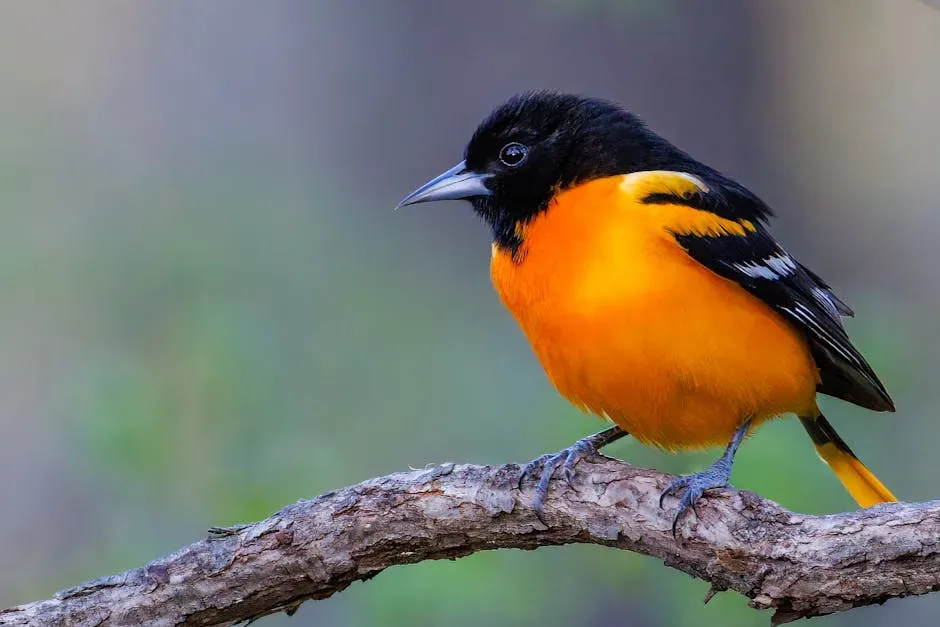
A stunning mix of bright orange, black, and white, Baltimore Orioles are a colorful migratory bird from Central America. They’re one of the later arrivals in spring migration, which surprises a lot of birders who expect them earlier.
Most Baltimore Orioles are still in Mexico and Central America even on April 12. By April 19 the migration has begun, and it typically takes until early May for the bulk of the orioles to reach areas like the Midwest and Mid-Atlantic. Orioles are fairly late to the migration, but they make it quick once they’re on their way.
There are about a dozen orioles that spend their summers in the US and southern Canada. These fruit and berry-loving birds will fly south after their primary food sources disappear, often in early August. They return from Central America in the late spring. Grape jelly on an oriole feeder during migration can stop them mid-flight.
4. Yellow Warbler
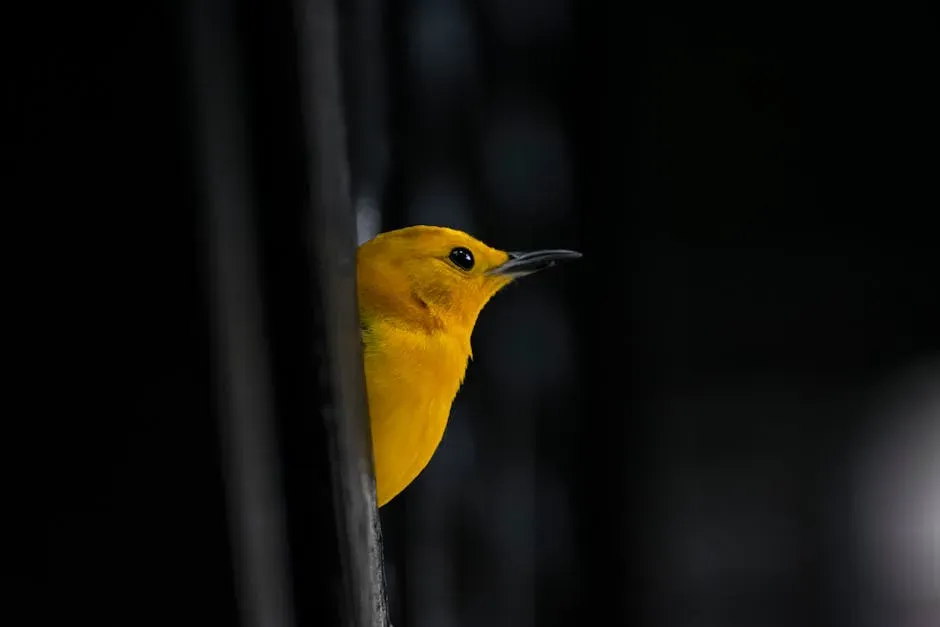
Yellow Warblers are small bright yellow birds with a yellow-green back, and the males have chestnut streaks on the breast. They’re one of the most widespread warblers on the continent, and their migration route covers an enormous stretch of North America.
Yellow Warblers migrate a long distance to breed in Canada and the US, except for southeastern states, before heading back into Central and South America for winter. They can be seen during migration in southeastern US states. Their travel window is fairly concentrated, making a brief backyard appearance feel like a genuine event.
You can find Yellow Warblers along streams and wetlands in thickets and along the edges of fields foraging for insects, including caterpillars, midges, beetles, bugs, and wasps. Even a small garden with dense shrubs near a water feature can act as a magnet during peak migration weeks.
5. Indigo Bunting
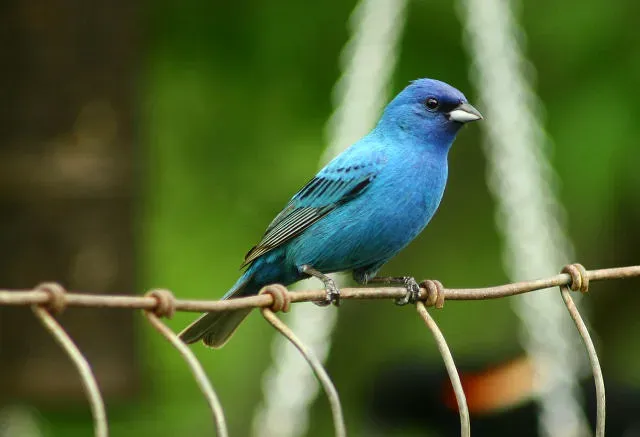
Indigo Buntings are a stunning migratory songbird in North America. Their vibrant blue color makes them a standout in any backyard. The males are electric blue in breeding plumage, almost unreal looking in direct sunlight.
They start their northern spring migration, usually traveling around 1,200 miles, in April and return south in September. Navigation for these birds is a remarkable thing. Experiments done with Indigo Buntings have revealed one of the cues that migratory birds use to navigate: stars. Buntings specifically use the pattern of stars around the North Star.
Indigo Buntings migrate far from breeding grounds in eastern US states, southeastern Canada, and southern US states to winter grounds in Florida, Central and South America, and the Caribbean. Offering nyjer or thistle seed in late spring can pull them in while they’re passing through.
6. Cedar Waxwing
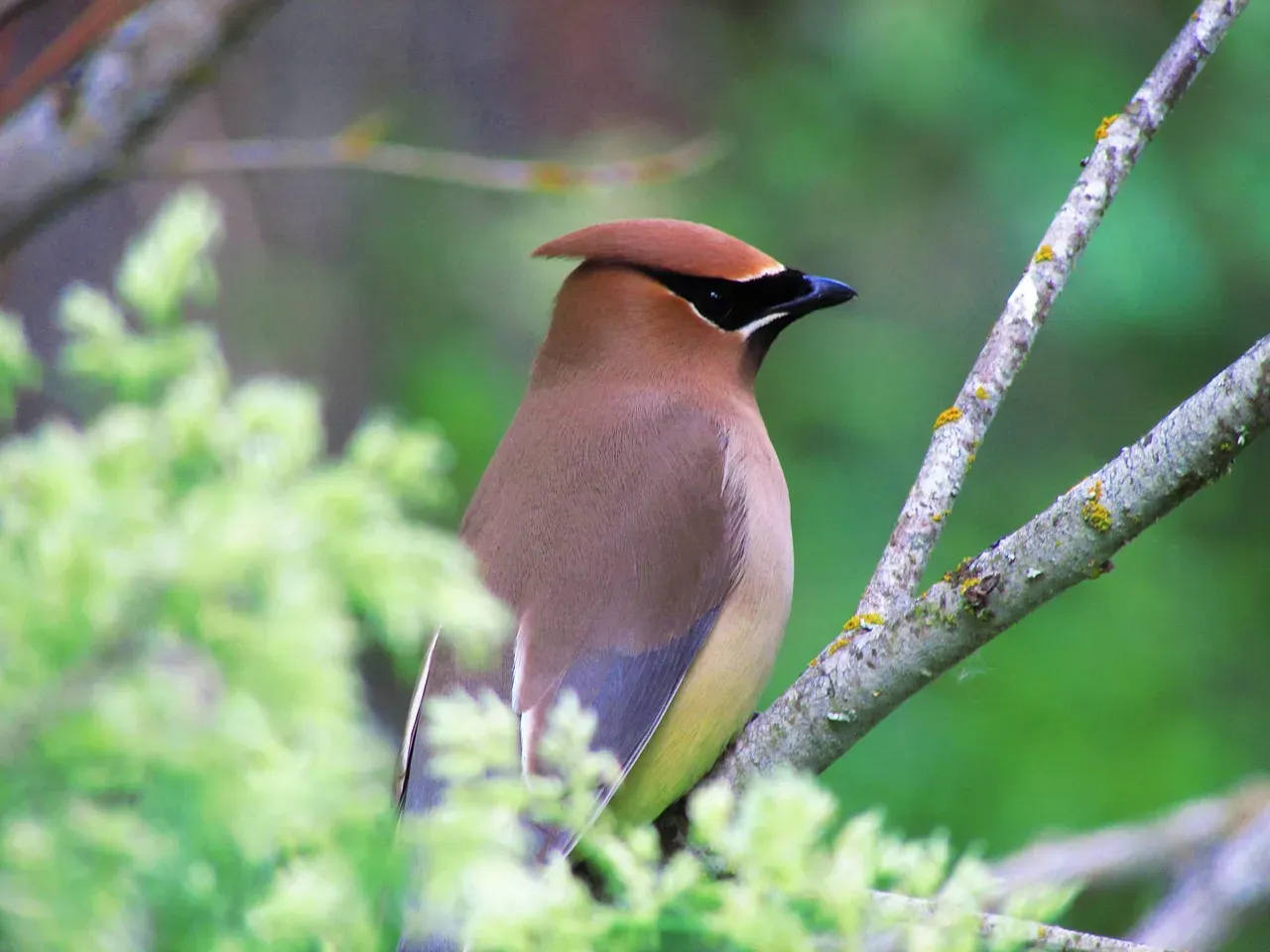
Cedar Waxwings are elegant social birds that are pale brown on the head, chest, and crest, which fades to gray on the back, wings, and tail. Their belly is pale yellow and bright yellow towards the tail. They have a narrow black mask over their eyes and bright red on the wingtips. They travel in flocks and move through areas quickly and quietly.
Cedar Waxwings remain all year in the northern half of the US. Those that breed in Canada migrate to the southern half of the US for winter. Their movements are closely tied to fruit availability rather than strict seasonal dates, which makes them somewhat unpredictable compared to other migrants.
Attract Cedar Waxwings to your backyard by planting native trees and shrubs with small fruit such as serviceberry, dogwood, juniper, winterberry, and hawthorn. You can also try fruit on platform feeders. A berry-laden shrub in the right spot can bring a whole flock down in an instant.
7. Dark-Eyed Junco
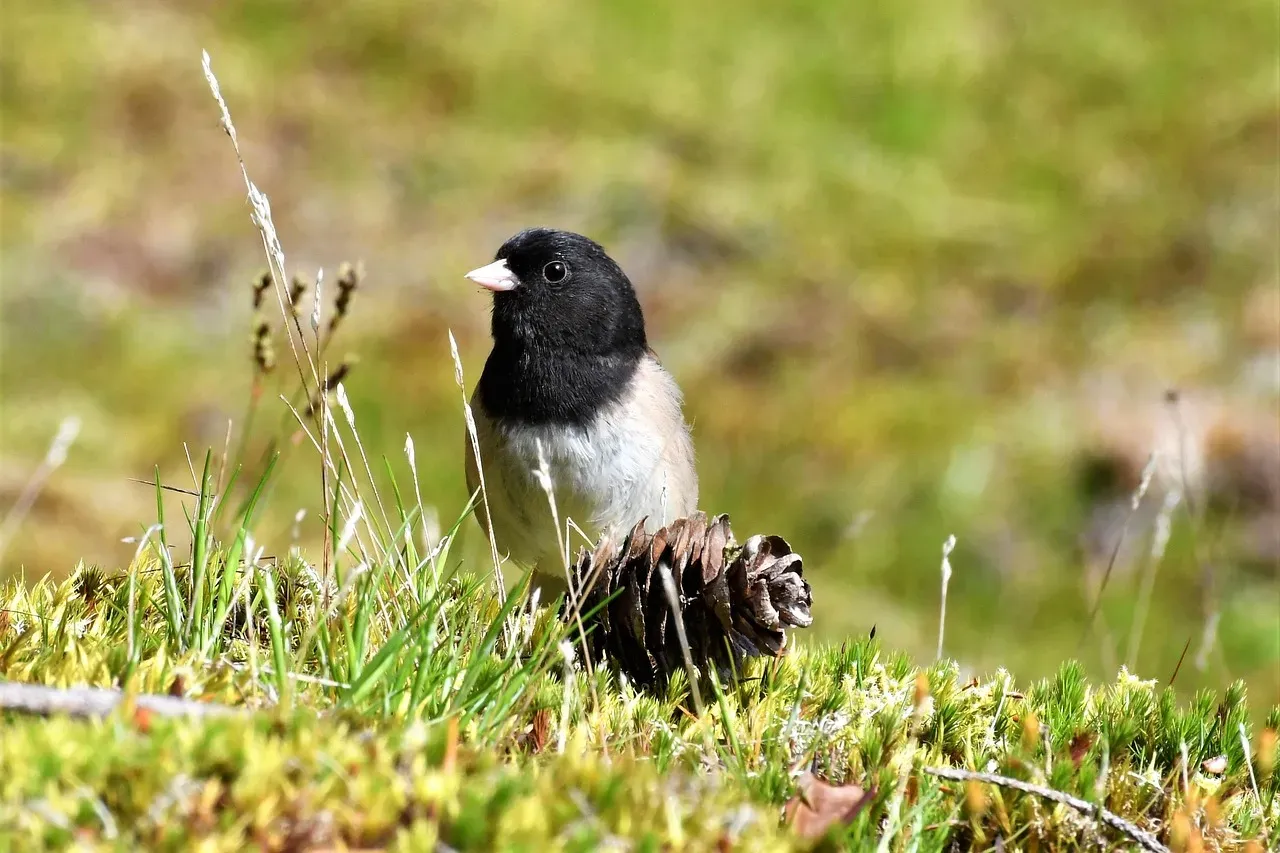
Juncos are the “snowbirds” of the middle latitudes. Over most of the eastern United States, they appear as winter sets in, and then retreat northward each spring. They arrive quietly, seem to multiply overnight, and then vanish just as spring settles in.
The Dark-eyed Junco is one of the most common birds in North America and can be found across the continent, from Alaska to Mexico, from California to New York. A recent estimate set the junco’s total population at approximately 630 million individuals. That makes them one of the most abundant migrating birds on the continent.
Dark-eyed Juncos remain resident all year in northeastern and western US states and the Appalachian Mountains. Those that breed in Canada and Alaska migrate south in winter to the United States. If they show up at your feeder in October, they’ve likely flown south from boreal forests you’ll never visit.
8. Yellow-Rumped Warbler
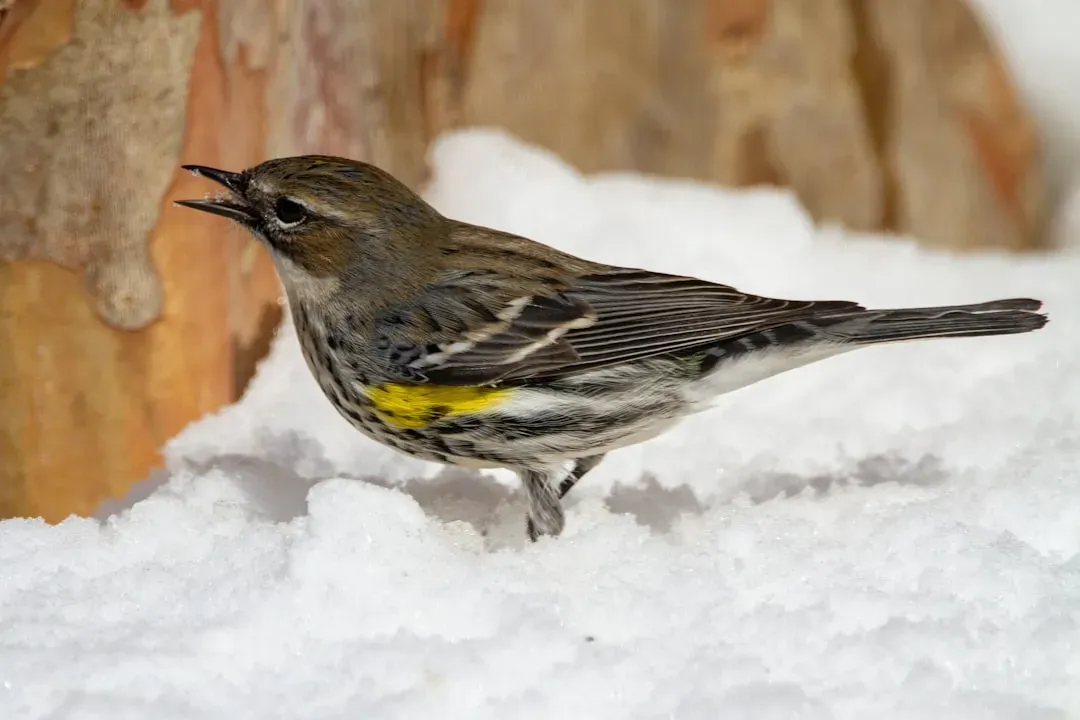
Yellow-rumped Warblers are gray with flashes of yellow on the face, sides, and rump and white in the wings. Females may be slightly brown and winter birds are paler brown with bright yellow rumps and sides turning bright yellow and gray again in spring. The yellow rump patch is distinctive and unmistakable in flight.
Yellow-rumped Warblers breed predominantly in Canada, but also parts of the Rockies and the Appalachian Mountains. During migration, they can be seen in the Midwest before overwintering in the South, Southwest, and Pacific Coast as well as into Mexico and Central America.
After most warblers have gone south, Yellow-rumped Warblers continue as common migrants through October and into November. Yellow-rumped Warblers can be found in coniferous forests especially during the breeding season; during winter they can be found in open areas with fruiting shrubs. In summer they eat mostly insects, and on migration and in winter they mostly eat fruit including bayberry and wax myrtle.
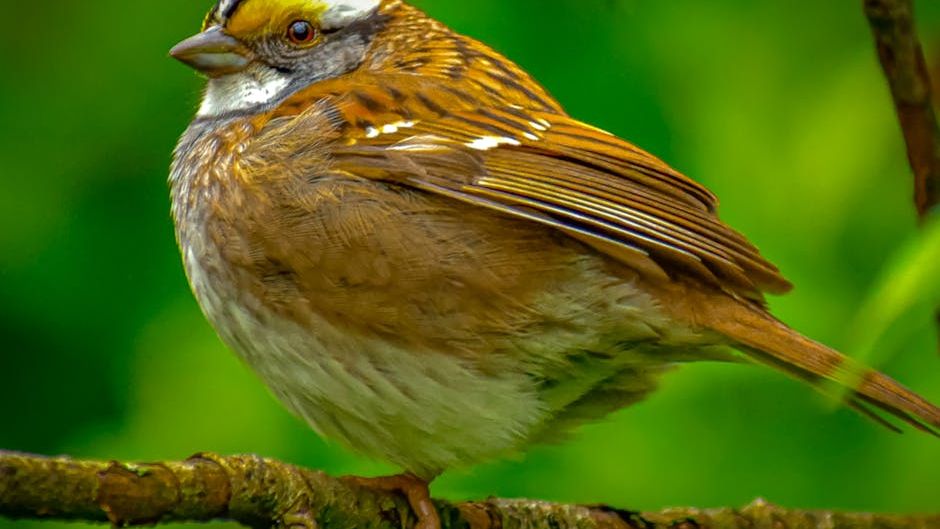
9. White-Throated Sparrow
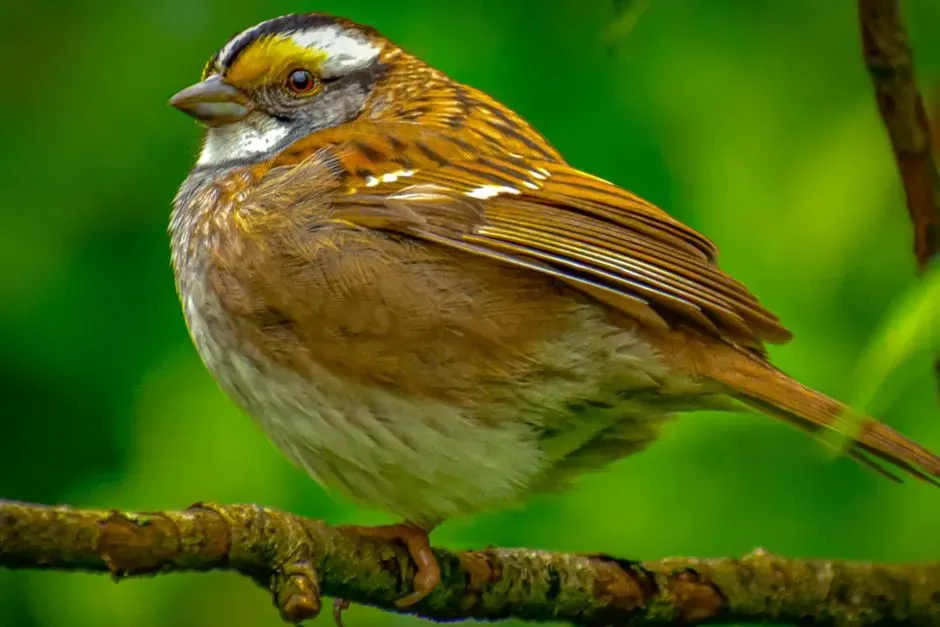
White-throated Sparrows have a distinctive black and white striped head, bright white throat, and yellow between the eye and bill. Their backs are brown and underneath is gray. Once you know what to look for, they’re easy to pick out from mixed sparrow flocks on the ground below feeders.
White-throated Sparrows are migratory birds, breeding mainly in Canada before heading south in winter to eastern and southern US states and the Pacific Coast. They are mainly spotted during the spring and fall migration. Some also spend the breeding season in the north of the state and winter in the south.
You can find White-throated Sparrows on the ground in forests and woods and along the edges of wooded areas, often in large flocks. Scattering white millet on the ground under your feeder is one of the simplest ways to keep them around while they refuel.
10. Song Sparrow
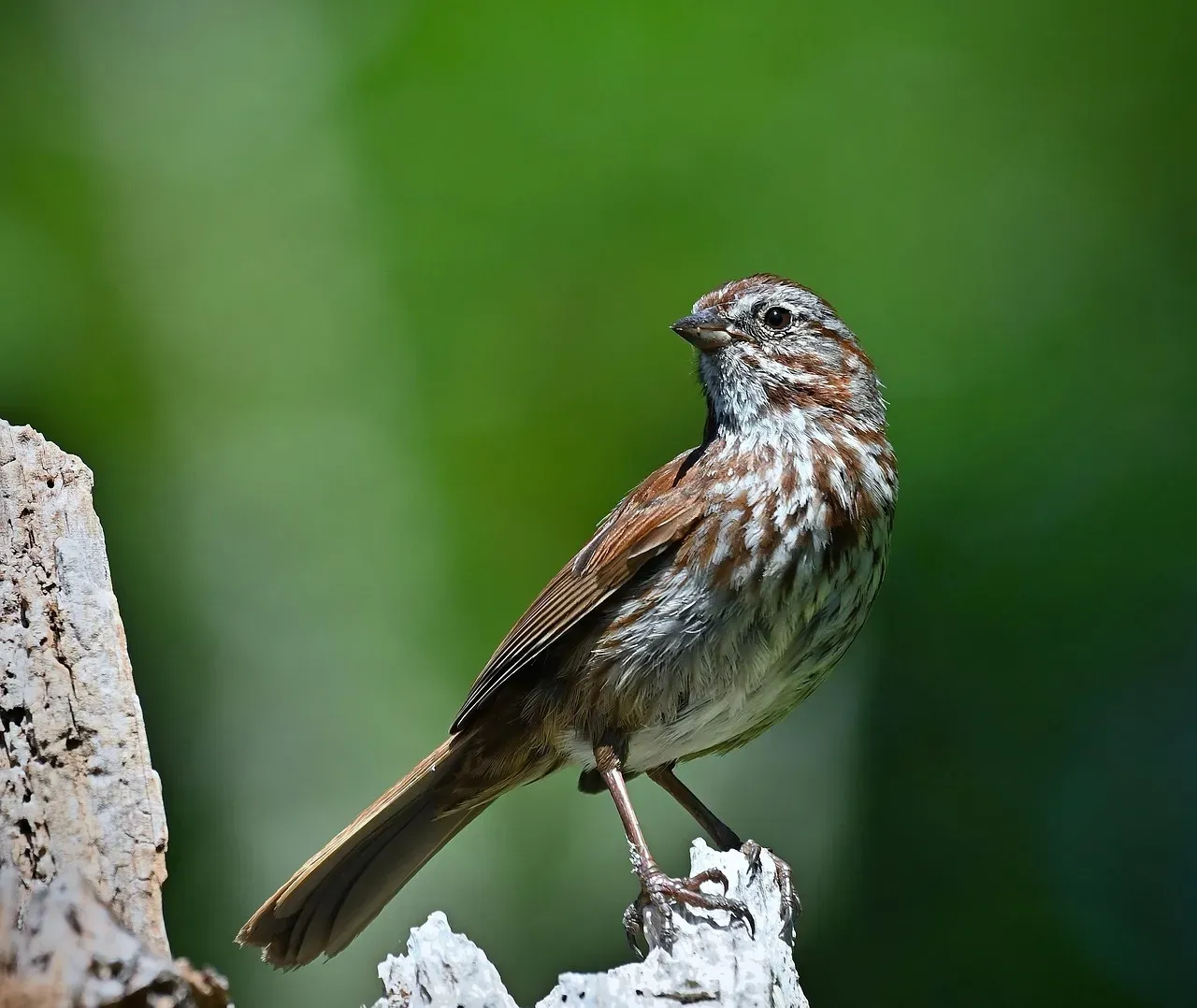
Song Sparrows use their almost constant song to attract mates in spring and summer. They’re not flashy birds, but their singing is persistent and recognizable once you learn it. Song Sparrows are little birds that prefer to live in shrubby areas with water sources. They look a bit different depending on where you are in the US, but you can identify them by their streaky brown and grey plumage and white breasts.
Song Sparrows live all year in the northern US. Those that breed in Canada then migrate to the southern US states for winter. So the bird singing in your yard in May might be a year-round resident, or it might be a Canadian visitor just pausing on a longer journey.
Song Sparrows eat a wide variety of insects and plants, including beetles, caterpillars, midges, spiders, and earthworms. They will also eat buckwheat, sunflower, raspberries, wild cherries, blackberries, wheat, and rice. A diverse native garden and a simple platform feeder will serve them well during stopovers.
11. Chipping Sparrow
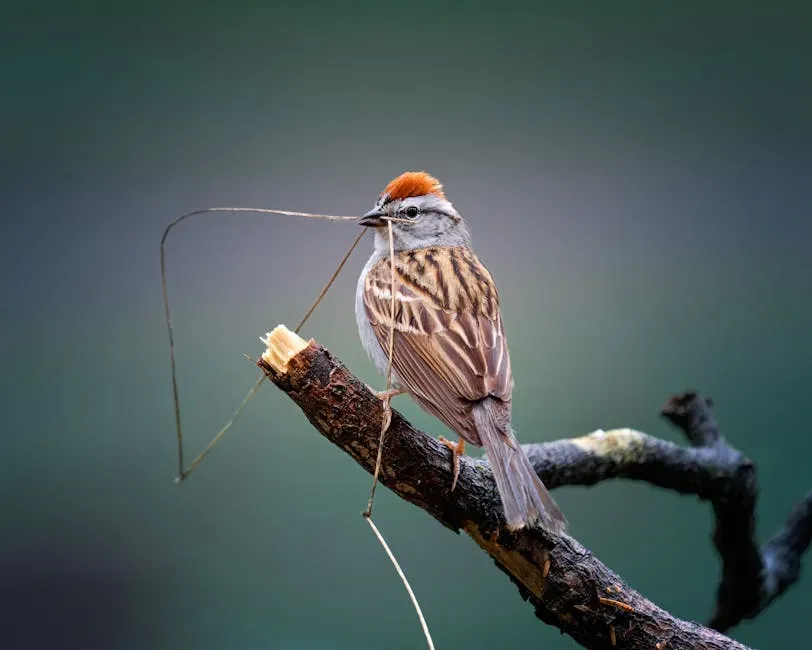
Chipping Sparrows are slender, long-tailed birds with a grayish belly and brown and black-streaked back, with a rusty crown and black eye line. In winter, the colors are more subdued. In breeding plumage they’re sharp-looking little birds, easy to spot once you’re familiar with the rusty cap.
Chipping Sparrows spend their summer breeding in the US and Canada before flying to Mexico and Florida for winter. Some remain all year in the southern states. Their migration is quieter than some of the more dramatic species, but they move through in good numbers during spring and fall.
You can find Chipping Sparrows in small flocks on open ground and they will come to backyards for many kinds of birdseed. They tend to feed low, often right on the lawn, so platform feeders placed close to the ground work best for attracting them during migration.
12. Common Yellowthroat
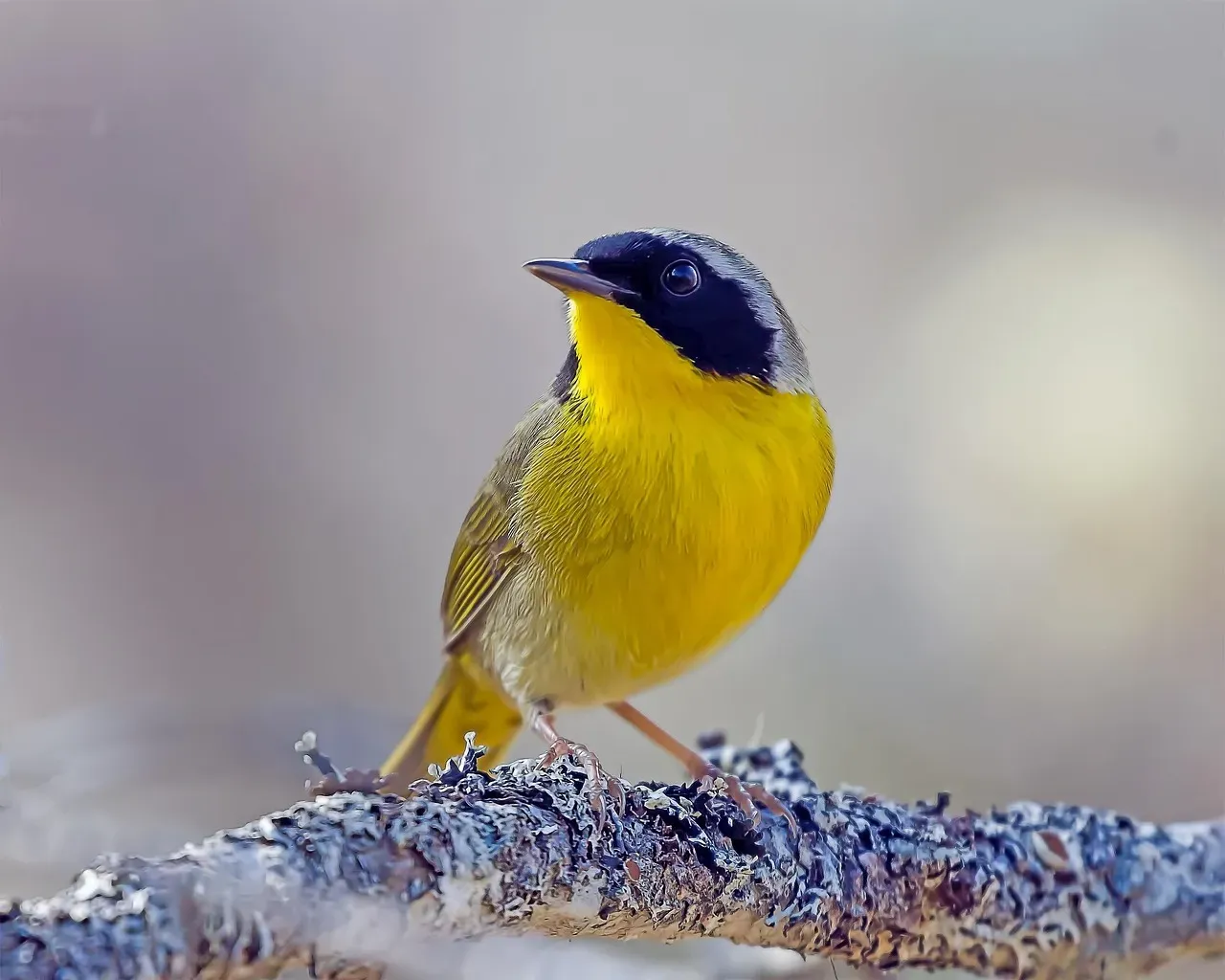
The Common Yellowthroat is one of those birds that many people hear long before they ever see. The male’s bright yellow throat and black mask make it one of the more distinctive warblers when it does reveal itself. The Common Yellowthroat is an insectivorous migratory bird species, meaning they eat mostly insects, including grasshoppers, dragonflies, and beetles.
For birds that depend primarily on insects as their main food source, the ebb and flow of insect populations can greatly affect the timing, duration, and success of their migration. The Yellowthroat tracks insect availability closely, which is why it tends to favor dense, wet vegetation during stopovers.
Spring migration is an especially good time for those who feed birds in their backyard to attract species they normally do not see. The Yellowthroat is a prime example: it won’t typically visit feeders, but a brushy garden edge or a patch of tall native grasses near a water source can bring it in reliably during migration windows.
What You Can Do to Help
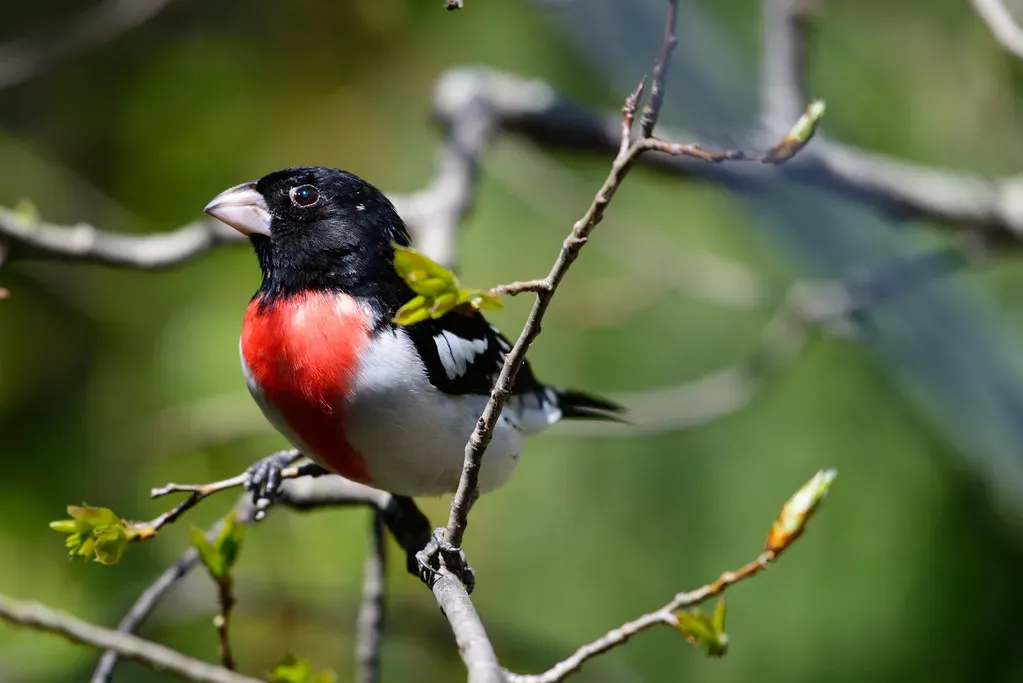
Migratory species don’t make their long journeys south in just one day, and they rely on healthy woodlands along the way to stop for food, water, and rest. Your backyard, however modest, can genuinely function as one of those stops. The details matter more than the scale.
Plant native shrubs and trees that offer berries and shelter. Keep outdoor lights off at night during migration peaks. Offer a clean water source for drinking and bathing. These three actions alone can meaningfully improve your yard’s value to passing birds.
Keeping artificial lights off between dawn and dusk during fall and spring migration seasons helps birds use the starry night sky to navigate. It’s a surprisingly simple change that asks very little of us but can make a real difference for birds traveling hundreds of miles through the dark.
A Quiet Conclusion
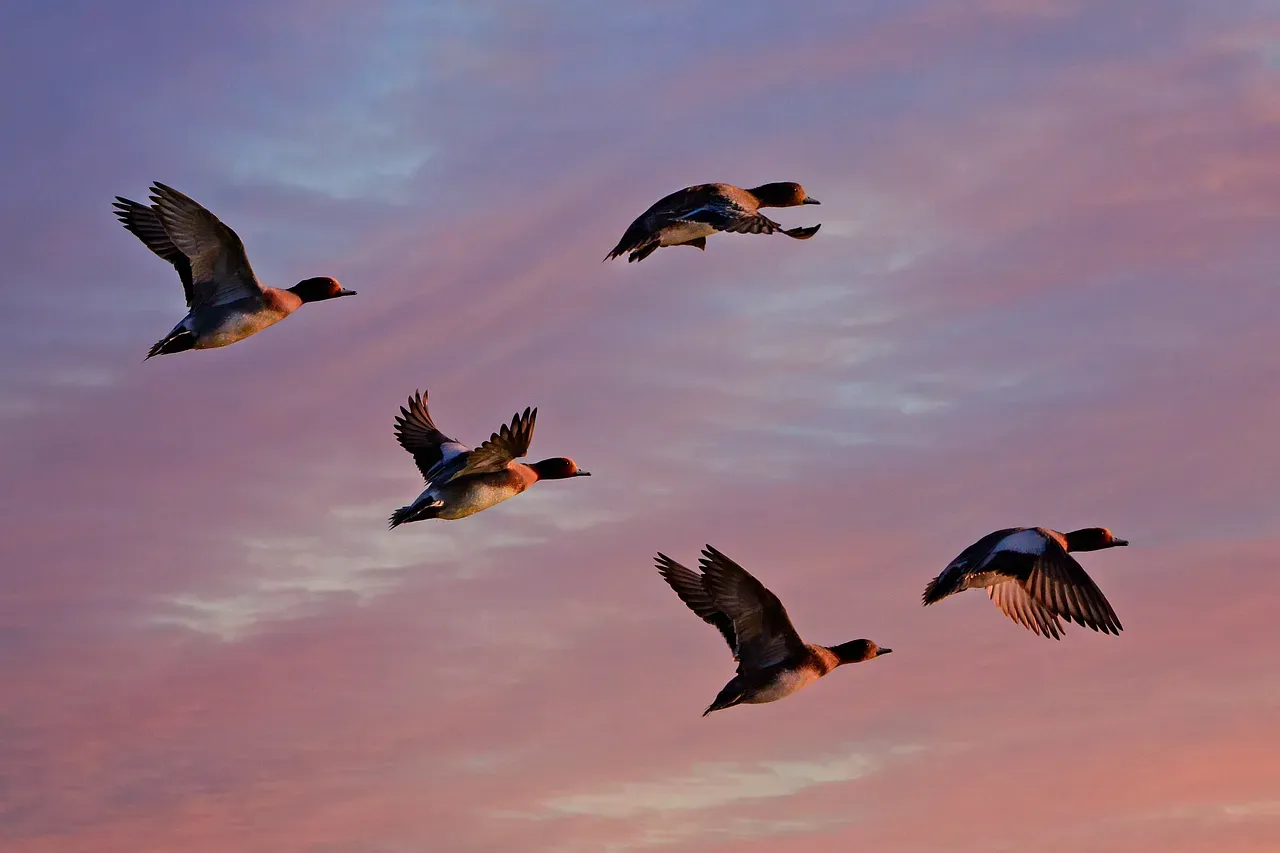
Migration has been happening over your neighborhood for thousands of years. The routes predate every road, building, and fence line. What’s changed is our awareness of it, and in some places, how hospitable our landscapes have become for birds in transit.
The total North American bird population has lost a staggering 2.9 billion birds since 1970, a 29 percent decline. The vast majority of individuals lost were birds that migrate. That number is worth sitting with for a moment.
None of the twelve birds on this list are rare. They’re the ordinary ones, the ones that share our seasons and our spaces without us fully noticing. Perhaps the most useful thing is simply to start paying attention to what’s already passing through, because the migration has never stopped. It just keeps going, quietly, overhead and through the hedges, season after season.
