

In the annals of scientific history, few figures embody the intersection of groundbreaking discovery and unrecognized genius quite like Rosalind Franklin. Her pioneering X-ray crystallography work provided the crucial evidence for DNA’s double helix structure, forever changing our understanding of life itself. Today, as we face unprecedented biodiversity loss, Franklin’s techniques and scientific legacy have found new purpose in the conservation of endangered species. This article explores how Franklin’s methodologies for understanding DNA structure are now being applied to protect Earth’s most vulnerable creatures, creating an unexpected but powerful connection between a mid-20th century scientist and today’s conservation crisis.
The Unsung Hero of DNA Discovery
Rosalind Franklin (1920-1958) was a British chemist and X-ray crystallographer whose meticulous work produced “Photograph 51” – the critical X-ray diffraction image that revealed DNA’s helical structure. Despite her fundamental contribution, she was largely sidelined in the narrative of DNA discovery, with James Watson, Francis Crick, and Maurice Wilkins receiving the 1962 Nobel Prize in Physiology or Medicine for the discovery of DNA’s structure – four years after Franklin’s death from ovarian cancer at age 37.
Franklin’s rigorous approach to science, her perfection of X-ray crystallography techniques, and her ability to interpret complex structural data laid the groundwork for molecular biology as we know it today. Her legacy extends far beyond the double helix discovery, influencing scientific methodologies that continue to evolve and find new applications in fields she could never have anticipated, including modern conservation genetics.
Franklin’s Techniques: The Foundation of Modern Molecular Biology
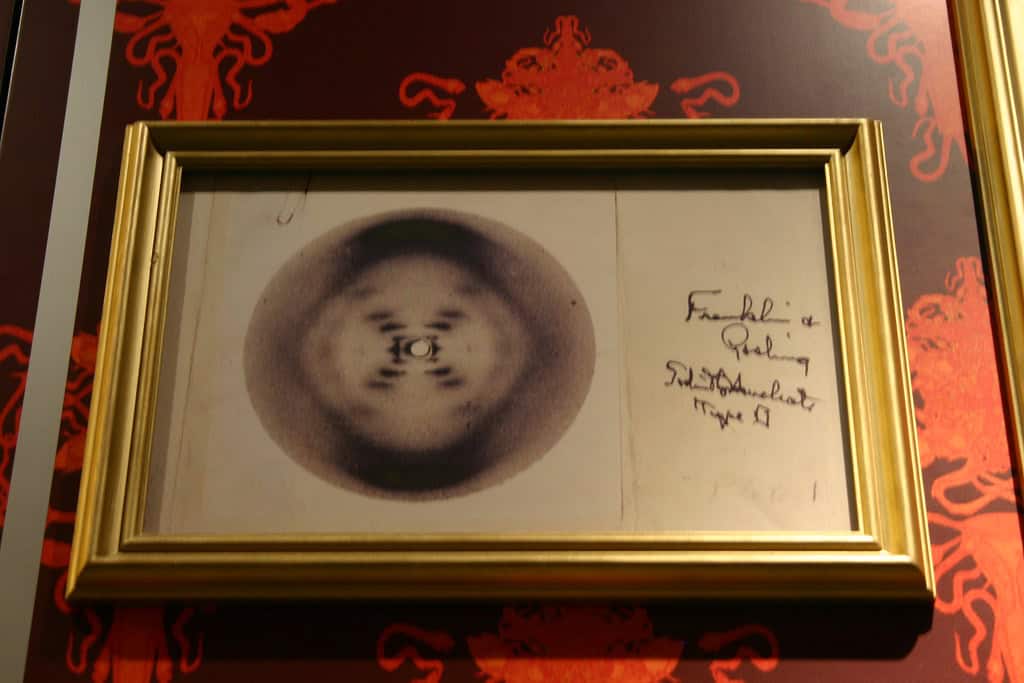
At the heart of Franklin’s contribution to science was her mastery of X-ray crystallography. This technique involves directing X-rays through a crystallized sample and analyzing the diffraction pattern that results when the rays scatter off the atoms in the crystal. Franklin refined this method to unprecedented levels of precision, developing techniques that allowed her to capture clear diffraction patterns from DNA fibers. Her approach was characterized by meticulous attention to detail, careful sample preparation, and innovative data analysis.
These methods formed the cornerstone of structural biology, allowing scientists to determine the three-dimensional structure of biological molecules with atomic precision. Today, descendants of Franklin’s techniques, including cryo-electron microscopy and advanced DNA sequencing technologies, enable scientists to examine the genetic makeup of organisms with extraordinary detail – capabilities that have become invaluable in the study and conservation of endangered species.
The Biodiversity Crisis: A Challenge of Our Time
We currently face what scientists describe as the sixth mass extinction event in Earth’s history – the first to be caused by a single species: humans. According to the International Union for Conservation of Nature (IUCN), more than 41,000 species are currently threatened with extinction, representing approximately 28% of all assessed species. This unprecedented rate of biodiversity loss threatens ecosystem stability, human food security, medicine discovery, and countless other aspects of human well-being.
Conservation efforts have traditionally relied on habitat protection, breeding programs, and policy interventions. However, genetic approaches to conservation have emerged as powerful tools in recent decades. Understanding the genetic health, diversity, and evolutionary history of endangered populations has become essential for effective conservation planning – creating an unexpected connection to Franklin’s pioneering work on DNA structure.
DNA as a Conservation Tool: Franklin’s Unexpected Legacy
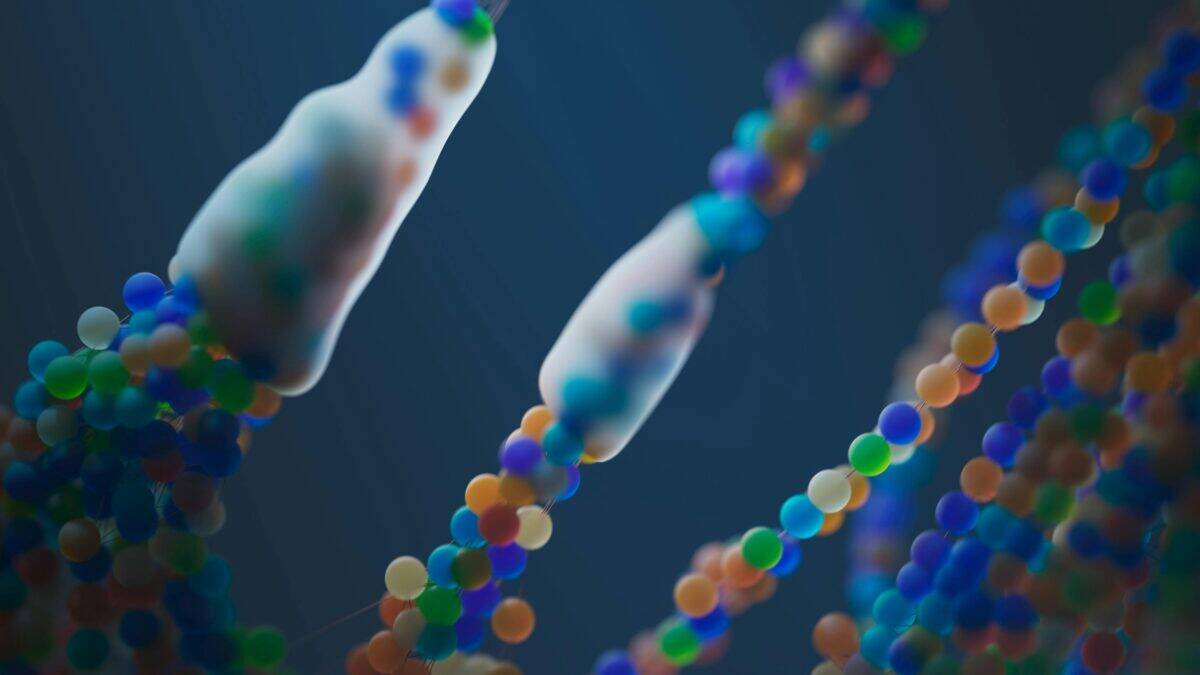
The application of DNA analysis in conservation biology represents one of the most powerful extensions of Franklin’s legacy. By understanding the genetic structure of endangered populations, conservation biologists can make crucial decisions about breeding programs, reintroduction efforts, and habitat protection priorities. Genetic diversity – variation in the DNA sequences within a species – is essential for population health and adaptive potential in the face of environmental changes.
The techniques that evolved from Franklin’s work allow scientists to quantify this diversity, identify distinct evolutionary lineages that may warrant separate conservation attention, detect hybridization between wild and domestic populations, and even resurrect genetic information from recently extinct species. In this way, the structural understanding of DNA that Franklin helped pioneer has become a lifeline for species teetering on the edge of extinction.
Conservation Genomics: From X-ray Diffraction to Genome Sequencing

The field of conservation genomics represents the most sophisticated application of DNA science to biodiversity protection. While Franklin worked to determine DNA’s physical structure through X-ray crystallography, today’s conservation genomicists analyze the complete genetic blueprint of endangered species through next-generation sequencing technologies. This allows them to examine thousands to millions of genetic markers across the genome, providing unprecedented insight into population structure, adaptive potential, and inbreeding depression.
For critically endangered species like the vaquita porpoise (fewer than 10 individuals remaining) or the northern white rhino (only two females left), genomic analysis provides crucial guidance for last-ditch conservation efforts. Scientists can determine whether remaining individuals have sufficient genetic diversity to rebuild the population, identify the most genetically valuable individuals for breeding programs, and even explore techniques like genetic rescue – the introduction of genetic material from related subspecies to restore lost genetic diversity.
The California Condor: A DNA Success Story

The California condor provides a compelling example of how DNA analysis has revolutionized conservation efforts. By 1987, all remaining wild condors (just 22 birds) had been captured for a captive breeding program in a last-ditch effort to save the species. DNA analysis, building on techniques that evolved from Franklin’s work, revealed concerning levels of inbreeding and guided scientists in developing a genetic management strategy for the breeding program.
By carefully managing breeding pairs to maximize genetic diversity and minimize inbreeding, conservationists have increased the condor population to more than 500 birds, with over half flying free in the wild. Ongoing genetic monitoring continues to inform management decisions, including the recent discovery that some female condors can reproduce without mating – a phenomenon called parthenogenesis that would have been impossible to detect without DNA analysis. This success story highlights how the scientific understanding that began with Franklin’s DNA work now serves as a cornerstone of modern conservation.
Ancient DNA and De-extinction: Pushing the Boundaries

Perhaps the most cutting-edge application of DNA science in conservation involves ancient DNA – genetic material recovered from historical specimens, subfossil remains, or even fully fossilized organisms. Building on methodologies that trace their lineage to Franklin’s work, scientists can now extract, sequence, and analyze DNA fragments from specimens thousands of years old. This has allowed researchers to determine the genetic diversity that existed in species before human-caused population declines, providing crucial baselines for restoration efforts.
Some scientists are even exploring the possibility of de-extinction – using genetic engineering techniques to resurrect extinct species or their traits. The passenger pigeon, woolly mammoth, and thylacine (Tasmanian tiger) are among the extinct species being considered for various forms of genetic resurrection. While ethically and technically complex, these efforts represent the furthest extension of Franklin’s legacy – from understanding DNA’s structure to potentially rewriting the genetic code of lost species.
Non-invasive Genetic Sampling: DNA Without Disturbing Wildlife
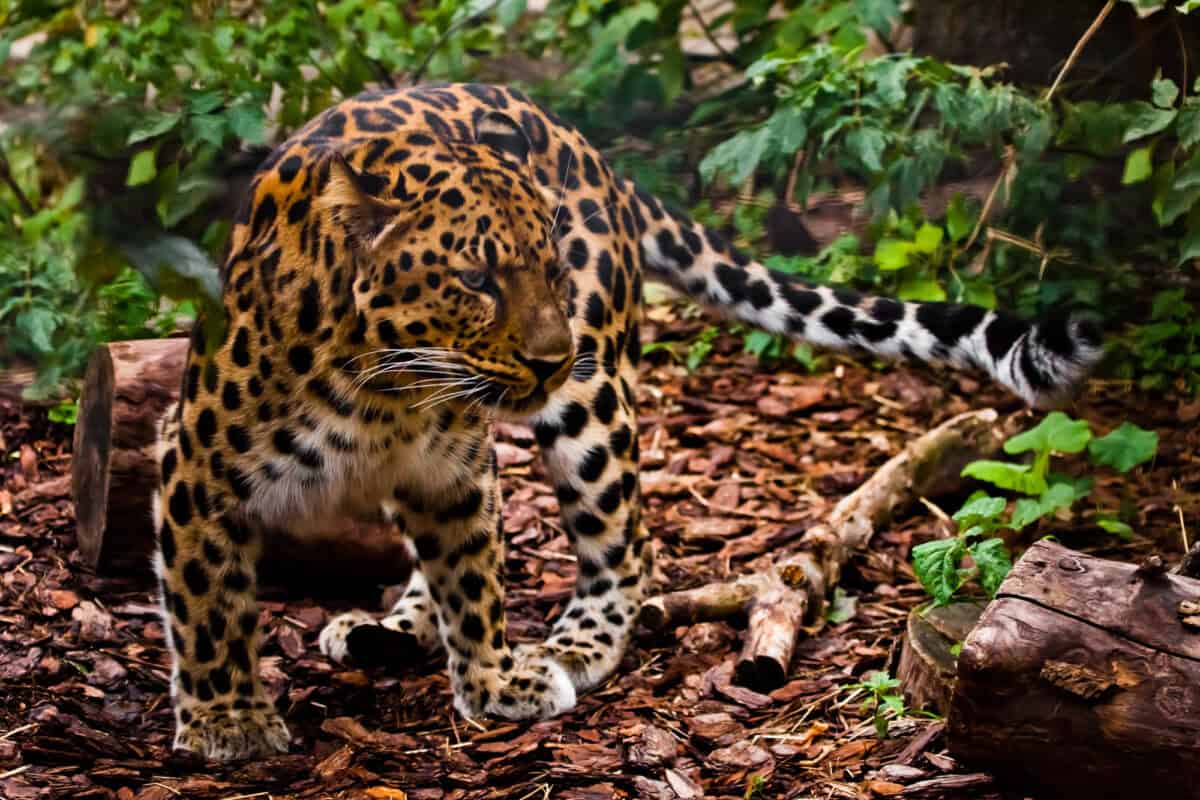
One of the most valuable applications of DNA technology in conservation is the ability to study endangered species without directly disturbing them. Non-invasive genetic sampling involves collecting DNA from sources such as feces, shed hair, feathers, or even environmental DNA (eDNA) floating in water or soil. These techniques allow scientists to monitor elusive, rare, or sensitive species without the stress and risk associated with capture and handling.
For instance, researchers studying the critically endangered Amur leopard – with fewer than 100 individuals remaining in the wild – use scat samples collected along trails to identify individual cats, determine population size, track movements, and assess genetic health. This approach would have seemed like science fiction in Franklin’s time, yet it builds directly on her contributions to our understanding of DNA as the molecule that carries an organism’s genetic identity.
Wildlife Forensics: Combating Illegal Wildlife Trade

The illegal wildlife trade, valued at up to $23 billion annually, represents one of the greatest threats to endangered species worldwide. DNA analysis has emerged as a powerful tool in combating this trade, allowing authorities to identify the species, geographic origin, and sometimes even individual identity of confiscated wildlife products. When authorities seize items like rhino horn, elephant ivory, or tiger bone, DNA testing can provide crucial evidence for prosecution and help trace trafficking networks.
This application of genetic science – wildlife forensics – relies on techniques that evolved from the structural understanding of DNA that Franklin helped establish. The ability to extract, amplify, and sequence DNA from processed wildlife products provides law enforcement with scientific evidence that can stand up in court, creating a deterrent against wildlife trafficking that would have been impossible without the fundamental advances in DNA science to which Franklin contributed.
Gender Parallels: Women in Conservation Genetics

Franklin’s story as a woman whose contributions were underrecognized in her lifetime finds parallels in the field of conservation genetics, where women scientists have made fundamental contributions despite facing gender barriers. Researchers like Dr. Lisette Waits, who pioneered non-invasive genetic monitoring of wildlife, Dr. Elizabeth Hadly, who revolutionized the use of ancient DNA in conservation, and Dr. Uma Ramakrishnan, whose work on tiger genetics has transformed conservation of this iconic species, have all built upon Franklin’s legacy both scientifically and symbolically.
The growth of women’s representation in conservation genetics – from approximately 20% of authors in the field in the 1980s to nearly 50% today – represents progress toward the scientific meritocracy that eluded Franklin in her lifetime. Many of these scientists cite Franklin not only for her technical contributions but also as an inspiration who demonstrated scientific excellence in the face of institutional barriers.
Ethical Considerations in Conservation Genetics

As with any powerful technology, the application of DNA science to conservation raises important ethical questions. The genetic management of endangered species involves decisions about which populations to prioritize, whether to allow hybridization with related subspecies, and when to intervene in natural processes. De-extinction technologies raise even more profound questions about humanity’s role in reversing extinction events we caused and the allocation of limited conservation resources.
Franklin’s own career was marked by a strong ethical compass and commitment to scientific integrity. This aspect of her legacy provides guidance for today’s conservation geneticists grappling with these complex questions. Many practitioners in the field emphasize that genetic technologies should complement, not replace, traditional conservation approaches like habitat protection, and that the voices of indigenous and local communities should be centered in decisions about genetic interventions in wildlife that holds cultural significance.
The Future of DNA-Based Conservation: Franklin’s Enduring Impact

Rosalind Franklin’s contribution to our understanding of DNA’s structure has transcended the boundaries of her own scientific field to influence conservation efforts for Earth’s most threatened species. From the California condor soaring once again over the Grand Canyon to the black-footed ferret reclaiming its prairie habitat, many conservation success stories owe a debt to the molecular understanding that began with Franklin’s X-ray diffraction images. As emerging technologies like CRISPR gene editing, environmental DNA monitoring, and whole-genome sequencing continue to evolve, the connection between Franklin’s work and conservation will only grow stronger.
Perhaps the most fitting tribute to Franklin’s legacy is that the scientific understanding she helped establish continues to expand into realms she could never have imagined, including the preservation of biodiversity. In this way, the scientist whose recognition came too late in her lifetime continues to contribute to humanity’s most urgent biological challenge – preventing the extinction of the very diversity of life that her work helped us understand at its most fundamental level. As we face a biodiversity crisis of unprecedented scale, Franklin’s scientific legacy provides not only practical tools but also inspiration for the meticulous, dedicated work required to protect the DNA of endangered species for generations to come.

From exploring the marine wonders in the Azores and witnessing the vast savannas of Kenya, to delving deep into the rich biodiversity of South Africa and traversing iconic landscapes in Australia and the US like Yellowstone, Chris's experiences are vast.
With a penchant for diving alongside sharks, the ocean holds a special place in his heart.
Through his academic insights, he champions wildlife conservation, striving with 'Animals Around The Globe' to cultivate a profound connection between humans and animals, enhancing our mutual appreciation.
Connect with him at Feedback@animalsaroundtheglobe.com.
- Why Spiders Don’t Get Stuck in Their Own Webs - July 20, 2026
- What Scientists Found in a 10,000-Year-Old Beehive - July 20, 2026
- This Spider Builds Fake Decoys of Itself - July 20, 2026