


South Africa stands as a beacon of wildlife conservation, home to some of the world’s most iconic animal species and diverse ecosystems. The country’s rich biodiversity and commitment to preservation have made it a global leader in wildlife heritage. While the “Big 5” animals—lion, elephant, Cape buffalo, leopard, and rhinoceros—have become synonymous with South African safaris, the nation’s wildlife legacy extends far beyond these magnificent creatures. From pioneering conservation initiatives to community-based wildlife management, South Africa’s approach to protecting its natural heritage offers valuable lessons for the world. This article explores the multifaceted role South Africa plays in preserving wildlife, the challenges it faces, and the innovative solutions being implemented to ensure future generations can experience the wonder of Africa’s magnificent fauna.
The Origin of the Big 5 Concept
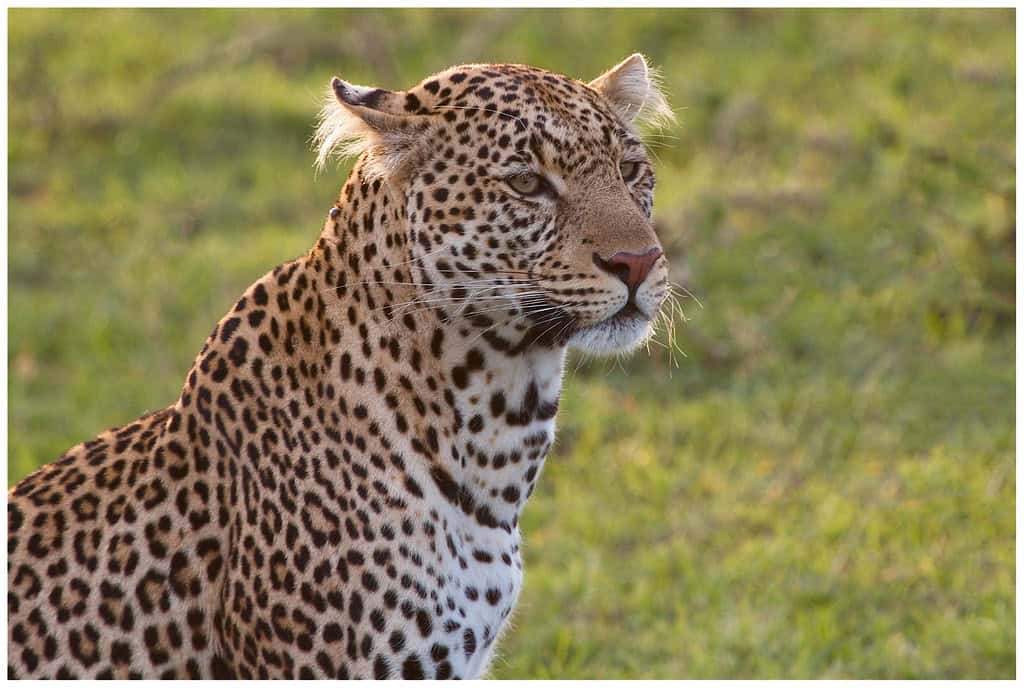
The term “Big 5” wasn’t coined by conservationists or wildlife enthusiasts but by big-game hunters in the colonial era. These five animals—the African lion, African elephant, Cape buffalo, African leopard, and rhinoceros—earned their collective designation because they were considered the most difficult and dangerous animals to hunt on foot. The term represented the ultimate trophy hunting challenge due to the animals’ aggression when cornered, their size, or their elusiveness. In a remarkable transformation, this hunting terminology has evolved into a conservation-focused identifier, with these same animals now attracting wildlife tourists rather than hunters.
Today, the Big 5 concept has been completely reimagined as a conservation priority and tourism draw. South Africa, recognizing the economic and ecological value of these species, has invested significantly in their protection. The shift from hunting to photographic safaris has created a sustainable economy around wildlife viewing, with the Big 5 at its center. This evolution demonstrates South Africa’s ability to transform historical practices into modern conservation approaches, creating financial incentives for preservation rather than exploitation of these iconic species.
South Africa’s Unique Biodiversity

South Africa’s extraordinary biodiversity extends far beyond the famous Big 5. The country is home to nearly 300 mammal species, more than 850 bird species, and approximately 23,000 plant species—many of which occur nowhere else on Earth. This remarkable variety places South Africa among the world’s most biodiverse nations, despite occupying less than 1% of the Earth’s land surface. The country contains three of the world’s 34 biodiversity hotspots: the Cape Floristic Region, the Succulent Karoo, and the Maputaland-Pondoland-Albany Hotspot, making it a priority area for global conservation efforts.
South Africa’s diverse ecosystems range from arid deserts to lush forests, savanna grasslands to marine environments, each supporting unique assemblages of plants and animals. This ecological diversity is due to the country’s location at the meeting point of several major biomes and its varied topography and climate. The fynbos biome in the Western Cape, for instance, contains more plant species than entire countries in the Northern Hemisphere. Beyond mammals, South Africa hosts significant populations of reptiles, amphibians, and invertebrates, many of which are endemic and equally important to the country’s natural heritage as the more charismatic megafauna.
The Economic Impact of Wildlife Tourism
Wildlife tourism serves as a cornerstone of South Africa’s economy, generating substantial revenue and employment opportunities. In pre-pandemic years, tourism contributed approximately 9% to the country’s GDP, with wildlife-based tourism accounting for a significant portion of this figure. The allure of experiencing the Big 5 and other wildlife in their natural habitats attracts millions of international visitors annually, generating foreign exchange earnings and supporting hundreds of thousands of jobs directly and indirectly. According to South African Tourism data, wildlife viewing consistently ranks among the top motivations for tourists visiting the country.
The economic benefits of wildlife tourism extend beyond direct revenue from park fees and accommodation. Local communities surrounding conservation areas benefit from employment in lodges, as guides, and through selling crafts and services to tourists. This economic incentive has proven critical for conservation success, as it demonstrates the financial value of keeping wildlife alive rather than poaching or converting habitat to other land uses. Premium safari experiences in private reserves can command prices exceeding $1,000 per person per night, illustrating the high economic value placed on authentic wildlife encounters and contributing significantly to conservation funding through a sustainable business model.
Conservation Challenges: The Poaching Crisis
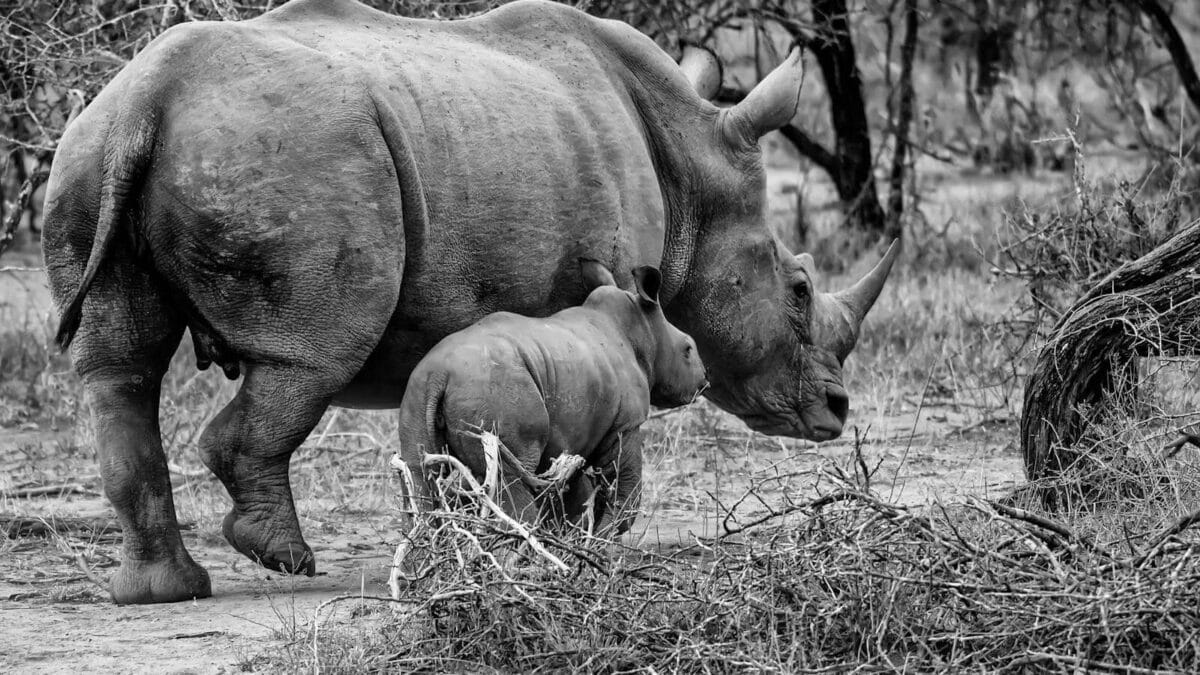
Despite South Africa’s conservation successes, the country faces severe challenges from poaching, particularly targeting rhinoceros for their horns. Since 2008, South Africa has experienced an unprecedented surge in rhino poaching, with cumulative losses exceeding 8,000 animals—a devastating blow to a species already threatened with extinction. At the height of the crisis in 2014, more than 1,200 rhinos were killed in a single year, primarily in Kruger National Park, which shares a border with Mozambique. This poaching is driven by international criminal syndicates supplying rhino horn to Asian markets, where it commands prices higher than gold by weight due to unfounded beliefs in its medicinal properties.
The poaching crisis extends beyond rhinos to other iconic species. Elephants are targeted for ivory, lions for bones used in traditional medicine, and pangolins—the world’s most trafficked mammal—for their scales and meat. The sophisticated nature of modern poaching operations, often involving helicopters, night-vision equipment, and high-powered weapons, presents unprecedented challenges for rangers and law enforcement. The economic impact of the COVID-19 pandemic exacerbated these issues by reducing tourism revenue for conservation while increasing economic desperation in communities surrounding protected areas, creating conditions that can drive locals to participate in poaching activities.
Innovative Anti-Poaching Strategies

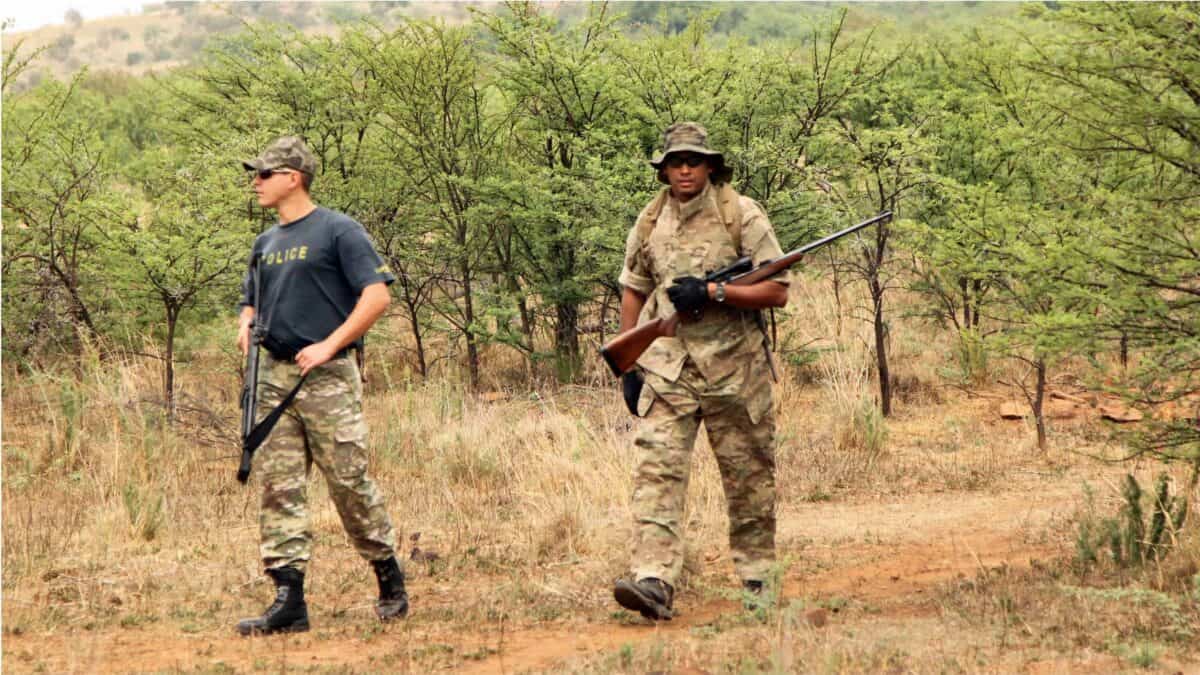
South Africa has responded to the poaching crisis with increasingly sophisticated anti-poaching measures. Many reserves now employ combinations of high-tech surveillance systems, including thermal imaging cameras, drone patrols, and acoustic sensors that can detect gunshots and vehicle movements. These technologies enable rapid response to incursions, even in vast wilderness areas. In Kruger National Park, which spans nearly 20,000 square kilometers, specialized anti-poaching units undergo paramilitary training and utilize aircraft for aerial surveillance, creating a formidable defense for wildlife.
Beyond technology, South Africa has pioneered biological interventions to protect endangered species. Rhino dehorning—though controversial—has proven effective in some reserves, reducing the incentive for poachers by removing the valuable horn while leaving the animal unharmed. DNA databases of rhino horn have been established to aid in prosecuting traffickers when contraband is seized. Community engagement represents another critical strategy, with initiatives that employ local residents as conservation guardians and provide economic alternatives to poaching. The Black Mambas, an all-female anti-poaching unit operating in reserves near Kruger, exemplifies this approach by combining surveillance with community education, dramatically reducing poaching in their patrol areas while empowering women from local communities.
Private Conservation Initiatives
Private wildlife reserves play a crucial role in South Africa’s conservation landscape, complementing government-managed national parks. The country has over 9,000 privately-owned game reserves covering approximately 2 million hectares—nearly as much land as the state-protected areas. Many of these reserves, such as those in the Greater Kruger ecosystem and Eastern Cape, have removed fences with adjacent national parks, creating expanded habitats that allow wildlife to follow natural migration patterns. This private conservation model has been particularly successful in South Africa due to favorable legislation that grants landowners limited ownership rights over wildlife on their property when managed sustainably.
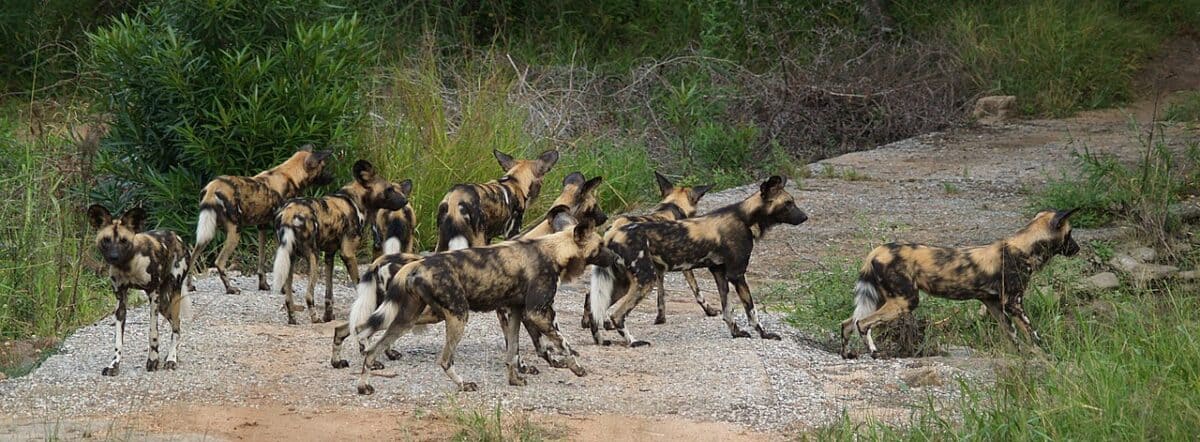
The economic model of private reserves differs significantly from public parks, typically featuring high-end, low-volume tourism that generates substantial revenue per visitor. This approach funds intensive conservation management, including anti-poaching teams, wildlife reintroduction programs, and habitat restoration. Notable success stories include Phinda Private Game Reserve, which transformed degraded agricultural land into thriving wildlife habitat, and Tswalu Kalahari Reserve, South Africa’s largest private wildlife conservancy, which protects rare desert species. These private initiatives have been instrumental in expanding the range of threatened species like black rhino and wild dog, demonstrating how conservation can be financially sustainable when coupled with responsible tourism.
Rewilding Success Stories

South Africa has achieved remarkable success in rewilding previously degraded landscapes and reintroducing species to their former ranges. The most celebrated example is perhaps the restoration of Shamwari Game Reserve in the Eastern Cape, which began in 1990 when entrepreneur Adrian Gardiner purchased 1,200 hectares of overgrazed farmland. Today, the reserve spans over 25,000 hectares of rehabilitated habitat supporting all of the Big 5 and numerous other species that had disappeared from the region. This transformation required removing non-native plants, restoring water systems, and carefully reintroducing wildlife in ecologically appropriate sequences—herbivores first, followed by predators once prey populations were established.
Similar success stories can be found throughout the country. The Eastern Cape has seen multiple former agricultural areas converted to wildlife reserves, effectively extending the historical range of species that had been eliminated from the region during colonial times. In KwaZulu-Natal, the amalgamation of former hunting concessions, forestry land, and farms created the 235,000-hectare Phinda-Mkhuze protected area. The creation of transfrontier conservation areas, such as the Great Limpopo Transfrontier Park connecting Kruger with reserves in Mozambique and Zimbabwe, has further expanded habitat connectivity. These rewilding initiatives demonstrate South Africa’s leadership in practical, large-scale ecosystem restoration—providing models that are increasingly being adopted globally as awareness grows about the importance of rewilding for biodiversity conservation and climate change mitigation.
Community-Based Conservation
South Africa has increasingly recognized that successful long-term conservation requires the active involvement and support of local communities. The country has developed various models of community-based natural resource management, where rural communities participate in and benefit directly from wildlife conservation. One pioneering example is the Makuleke Contractual Park in northern Kruger, where land restitution to the Makuleke community was combined with a conservation agreement. The community chose to maintain their ancestral lands as a protected area rather than converting to agriculture, entering partnerships with private operators to develop eco-tourism lodges that provide employment and revenue sharing.
Community conservation initiatives extend beyond formal protected areas into communal lands. In KwaZulu-Natal, the Somkhanda Game Reserve is owned and managed by the Gumbi community, who decided to dedicate a portion of their land returned through land claims to wildlife conservation. The reserve now protects rhinos and other threatened species while providing skills development and employment opportunities for community members. These models recognize that communities with historical ties to the land must benefit meaningfully from conservation if it is to be sustainable. By transforming local people from potential adversaries to conservation partners, South Africa has created more resilient protection for wildlife while addressing social justice concerns related to historical displacement for conservation purposes.
Beyond the Big 5: Lesser-Known Conservation Priorities

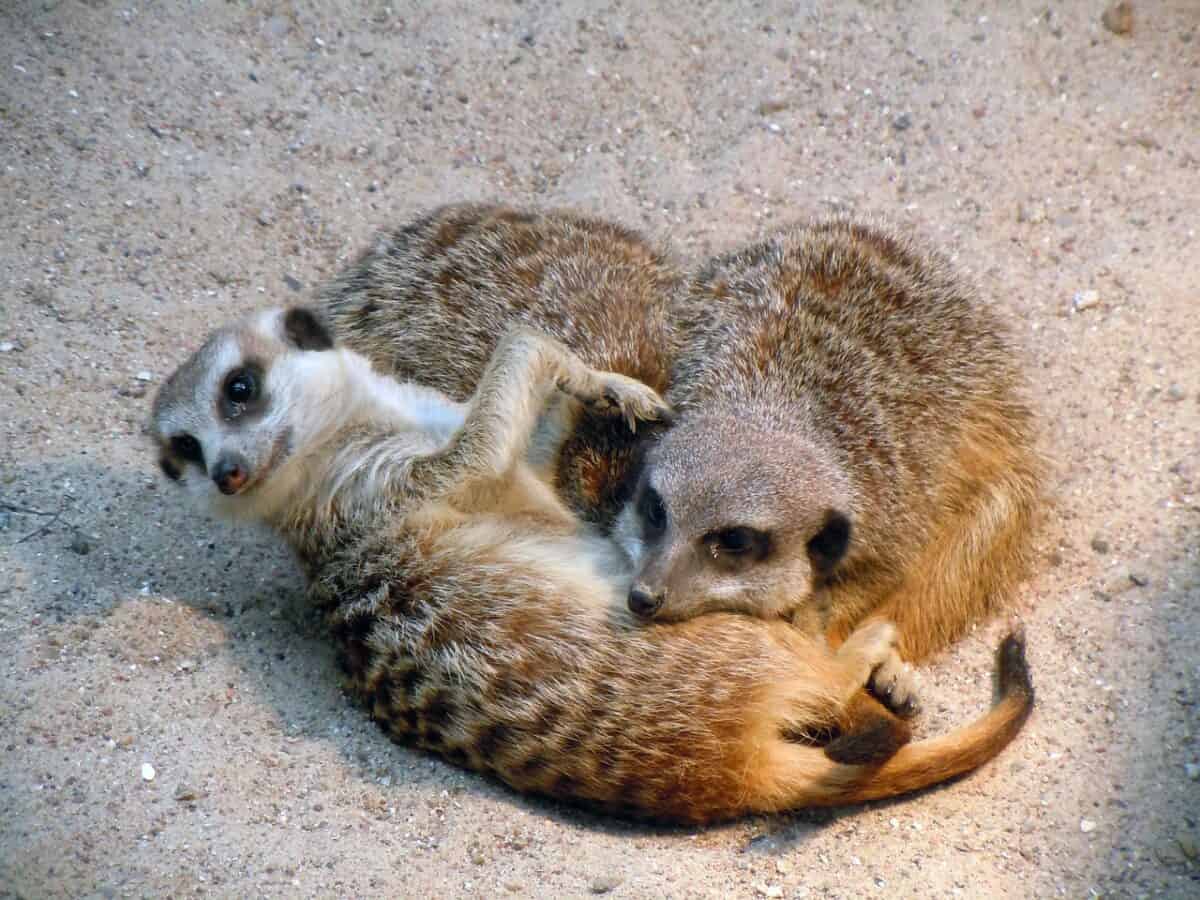
While the Big 5 attract most conservation attention and funding, South Africa is home to numerous lesser-known species facing equal or greater threats. The critically endangered riverine rabbit, found only in the Karoo region, numbers fewer than 1,500 individuals and receives relatively little protection. Similarly, the Albany adder, a highly venomous snake found only in a small area of the Eastern Cape, faces extinction due to habitat loss. Marine species like the African penguin have declined by over 60% in the past three decades, with South African colonies representing critical populations for the species’ survival. These less charismatic species often lack the conservation resources directed toward larger mammals despite their ecological importance.
South Africa has developed specialized conservation programs for these overlooked species. The Endangered Wildlife Trust runs targeted initiatives for threatened small mammals, reptiles, and birds, using scientific monitoring to guide protection efforts. Marine protected areas along the coast provide sanctuaries for penguins, sharks, and numerous fish species vital to ecosystem health. The country’s botanical gardens play a crucial role in conserving South Africa’s unique plant diversity, maintaining seed banks and propagation programs for endangered plant species. These efforts highlight South Africa’s comprehensive approach to biodiversity conservation, recognizing that ecosystem health depends on preserving the full spectrum of species—not just those that attract tourism dollars or international attention.
Wildlife Veterinary Science Innovations
South Africa has emerged as a global leader in wildlife veterinary science, pioneering techniques that have revolutionized conservation management worldwide. The capture and translocation of large mammals, particularly rhinoceros, elephants, and predators, has been refined to an extraordinary level of safety and efficiency by South African wildlife veterinarians. These techniques have enabled the repopulation of protected areas across Africa with animals from well-managed South African populations. The country’s wildlife veterinarians have developed specialized drug combinations and delivery systems for immobilizing dangerous animals, refining dosages and procedures to minimize risks during necessary interventions.
Research institutions like the University of Pretoria’s Faculty of Veterinary Science at Onderstepoort conduct groundbreaking research on wildlife diseases, reproductive technology, and forensic techniques to combat wildlife crime. South African veterinarians performed the world’s first rhino facial reconstruction surgeries on poaching survivors, developing techniques to repair devastating injuries. Conservation organizations like the Endangered Wildlife Trust partner with veterinary teams to address health challenges in endangered species, from vulture poisoning to cheetah genetic diversity. The wildlife disease surveillance programs established in South African parks provide early warning systems for potential outbreaks that could threaten both animal and human populations, exemplifying the One Health approach that recognizes the interconnection between wildlife, domestic animal, and human health.
Climate Change Impacts on Wildlife Conservation

Climate change presents an emerging and potentially devastating threat to South Africa’s wildlife heritage. The country is warming at approximately twice the global average rate, with models predicting temperature increases of 3-4°C in interior regions by the end of the century if emissions continue unabated. These changes are already affecting wildlife through altered rainfall patterns, increased frequency of extreme weather events, and shifts in habitat suitability. Research in Kruger National Park has documented changes in vegetation structure favoring woody plants over grasses—a process called bush encroachment—which reduces habitat quality for grazers like zebra and buffalo while potentially benefiting browsers like kudu.
Water-dependent species face particular challenges as droughts become more frequent and severe. During the 2015-2017 drought in Cape Town and surrounding areas, wildlife populations in reserves experienced significant stress, with managers drilling emergency boreholes to provide water. Marine ecosystems are equally affected, with warming ocean temperatures causing shifts in fish distribution and affecting breeding success of seabirds. South African conservation authorities are responding by incorporating climate change projections into protected area planning, creating wildlife corridors to allow species migration as conditions change, and identifying climate refugia—areas predicted to maintain relatively stable conditions that can serve as havens for vulnerable species. These climate adaptation strategies represent a necessary evolution in conservation thinking, recognizing that protecting land alone is insufficient if habitat conditions change beyond species’ tolerance limits.
The Future of Wildlife Heritage in South Africa
As South Africa looks toward the future, its wildlife heritage faces both unprecedented challenges and remarkable opportunities. The country’s conservation leadership is increasingly focused on developing sustainable financing mechanisms that reduce dependence on volatile tourism revenue. Conservation bonds, carbon credits from habitat protection, and biodiversity offsets represent innovative financial instruments being explored to diversify funding sources. Technological advances continue to enhance protection capabilities, with artificial intelligence improving the effectiveness of camera trap monitoring and predictive analytics helping deploy anti-poaching resources more efficiently.
The expansion of transfrontier conservation areas offers perhaps the most promising development for the long-term preservation of wildlife. These cross-border protected areas—such as the Kgalagadi Transfrontier Park shared with Botswana and the Great Limpopo Transfrontier Park connecting with Zimbabwe and Mozambique—create vast, connected ecosystems that allow natural migration patterns and genetic exchange between wildlife populations. South Africa’s conservation future will likely depend on balancing technological solutions with traditional ecological knowledge, engaging diverse stakeholders in decision-making, and ensuring that the benefits of wildlife protection are equitably shared. By building on its conservation successes while addressing persistent challenges like habitat fragmentation, human-wildlife conflict, and poaching, South Africa can continue to serve as a model for wildlife heritage preservation in an increasingly complex world.
Conclusion: South Africa’s Wildlife Legacy
South Africa’s role in preserving wildlife heritage represents one of the most comprehensive conservation success stories globally, extending far beyond the iconic Big 5 to encompass entire ecosystems and lesser-known species. The country has demonstrated that effective conservation requires multifaceted approaches—combining traditional protected areas with Conclusion: South Africa’s Wildlife Legacy
South Africa’s role in preserving wildlife heritage represents one of the most comprehensive conservation success stories globally, extending far beyond the iconic Big 5 to encompass entire ecosystems and lesser-known species. The country has demonstrated that effective conservation requires multifaceted approaches—combining traditional protected areas with innovative community-based initiatives, private reserves, and transboundary parks. These efforts have not only safeguarded biodiversity but also fostered economic development through ecotourism and sustainable land use practices.
Yet, this legacy is not without challenges. Habitat fragmentation, poaching, human-wildlife conflict, and climate change continue to test the resilience of South Africa’s ecosystems. In response, conservationists, policymakers, and local communities are increasingly embracing adaptive, science-driven strategies—emphasizing ecological restoration, inclusive governance, and environmental education. South Africa’s enduring commitment to protecting its natural heritage serves as a model for the world, proving that a nation’s biodiversity can thrive when conservation is deeply woven into the fabric of its identity, economy, and future vision.

From exploring the marine wonders in the Azores and witnessing the vast savannas of Kenya, to delving deep into the rich biodiversity of South Africa and traversing iconic landscapes in Australia and the US like Yellowstone, Chris's experiences are vast.
With a penchant for diving alongside sharks, the ocean holds a special place in his heart.
Through his academic insights, he champions wildlife conservation, striving with 'Animals Around The Globe' to cultivate a profound connection between humans and animals, enhancing our mutual appreciation.
Connect with him at Feedback@animalsaroundtheglobe.com.
- Why Spiders Don’t Get Stuck in Their Own Webs - July 20, 2026
- What Scientists Found in a 10,000-Year-Old Beehive - July 20, 2026
- This Spider Builds Fake Decoys of Itself - July 20, 2026