
Cats have a reputation for being independent and self-sufficient pets, but this stereotype doesn’t hold true for all feline friends. Many cat breeds form deep bonds with their human companions and experience significant distress when left alone for extended periods. Understanding which breeds are more prone to separation anxiety and loneliness can help potential and current cat owners make informed decisions about the feline companions they bring into their homes. This comprehensive guide explores 12 cat breeds that typically struggle the most with solitude, offering insights into their behaviors, needs, and how to support them if you must leave them alone.
1. Siamese

Siamese cats are renowned for their striking blue eyes and vocal nature, but they’re also among the most attached and people-oriented breeds in the feline world. Originally from Thailand (formerly Siam), these intelligent cats form intense bonds with their owners and thrive on constant interaction. When left alone, Siamese cats often express their distress through loud, persistent meowing that can sometimes sound almost human-like in its emotional range.
Their need for companionship is so pronounced that many Siamese owners report their cats following them from room to room, participating in conversations, and becoming visibly distressed when their humans prepare to leave the house. This breed’s separation anxiety can manifest in destructive behaviors, excessive grooming leading to bald spots, or even depression if regularly left alone for long periods. For those considering a Siamese, having another pet companion or ensuring someone is home most of the time is highly recommended.
2. Sphynx
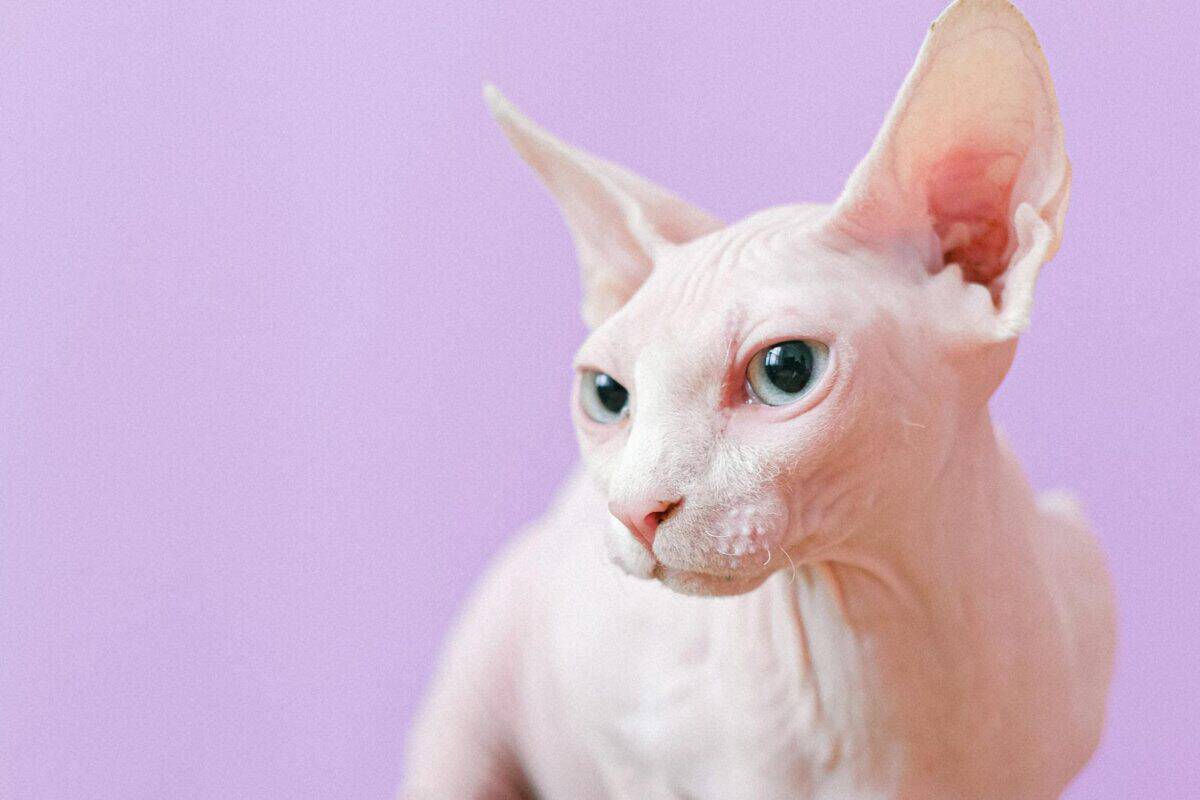
The hairless Sphynx cat isn’t just distinctive in appearance—their personality is equally notable for its dependence on human interaction. These cats seek warmth not only for physical comfort due to their lack of fur but also for emotional security. Sphynx cats are known to sleep under blankets with their owners and may struggle to regulate their body temperature when left alone, adding a physical component to their emotional need for company.
Sphynx cats have been described as “velcro cats” for their tendency to stick close to their owners. When left alone, they may become anxious and engage in attention-seeking behaviors upon their owner’s return. Their high energy levels and intelligence mean they need regular interaction and mental stimulation. Without it, a Sphynx might resort to destructive behaviors or develop stress-related health issues. These cats do best in households where someone is present most of the day or where they have animal companions to interact with.
3. Ragdoll
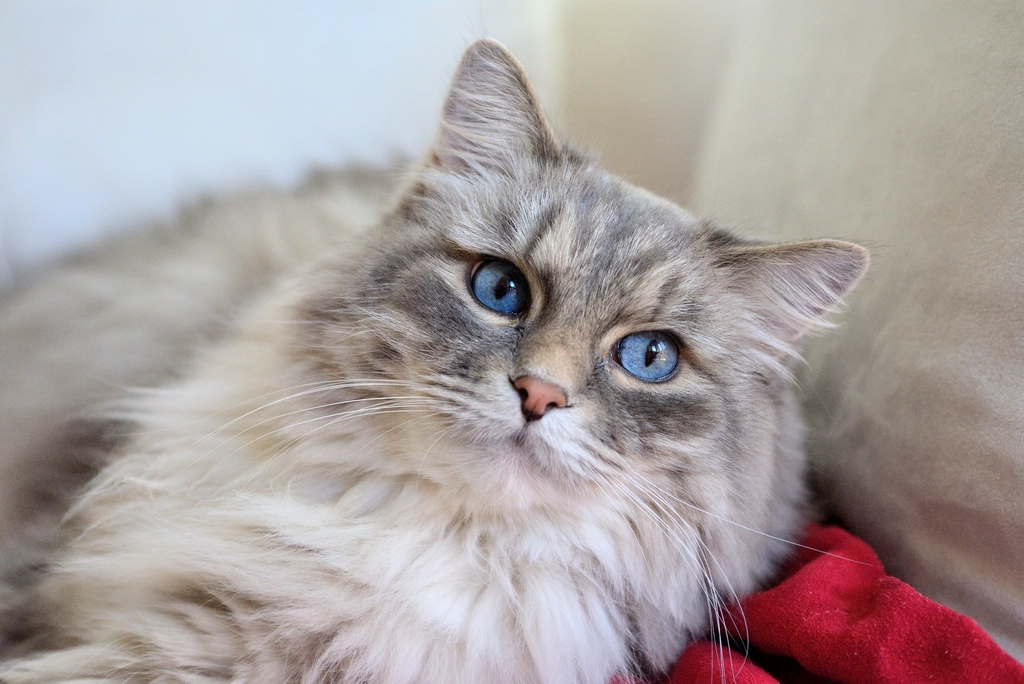
Ragdolls, with their striking blue eyes and semi-longhaired coats, were specifically bred to be companion animals, and this purpose shows in their deeply affectionate nature. Named for their tendency to go limp when held (like a ragdoll), these cats form intense attachments to their human families. While not as vocal as breeds like the Siamese, Ragdolls express their loneliness through behavioral changes that attentive owners will quickly notice.
When left alone regularly, Ragdolls may become withdrawn, lose interest in play, or exhibit uncharacteristic aggression. Their docile nature means they’re less likely to engage in destructive behaviors when lonely, but their emotional suffering can be just as intense. These gentle giants (Ragdolls are among the largest domestic cat breeds) have been known to greet their owners at the door and follow them around the house. For Ragdoll owners who must leave their cats alone, providing interactive toys, comfortable perches near windows, and possibly a feline companion can help mitigate their loneliness.
4. Devon Rex
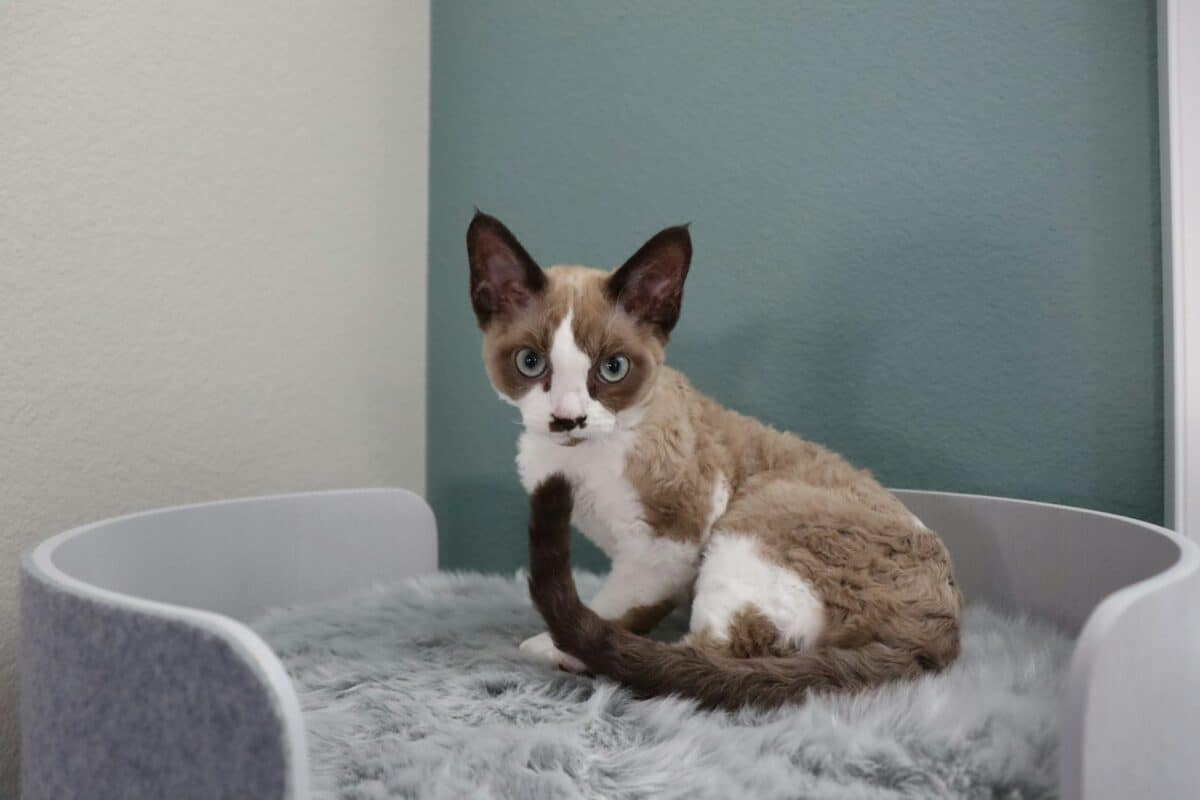
The Devon Rex, with its distinctive wavy coat and large ears, is often described as having a pixie-like or elfish appearance. These playful cats retain kitten-like behaviors well into adulthood and form strong bonds with their human families. Devon Rex cats are known for their mischievous intelligence and their desire to be involved in whatever their humans are doing—from helping with computer work by sitting on keyboards to assisting with cooking by observing from countertops.
This breed’s social nature makes separation particularly challenging. When left alone, Devon Rex cats may become bored and frustrated, leading to behaviors like excessive meowing, destructive scratching, or even attempting to escape to find company. Their high energy levels and need for stimulation mean that isolation can be particularly difficult for them to handle. Owners of Devon Rex cats should consider providing puzzle toys, rotating new play items regularly, and possibly adopting a second pet to keep their Devon Rex company during necessary absences.
5. Burmese
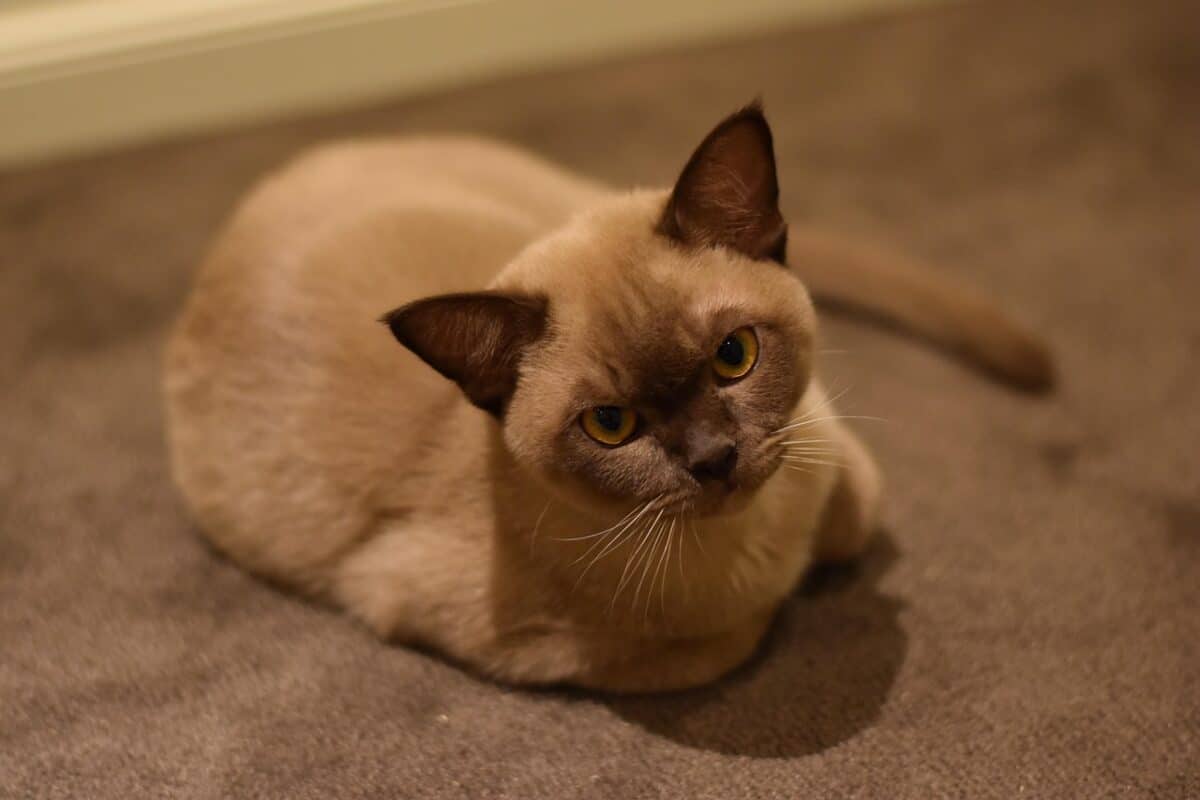
Burmese cats combine a sleek, muscular build with an extremely people-oriented personality. Descended from a single cat named Wong Mau who was brought from Burma (now Myanmar) to America in the 1930s, these cats have been bred specifically for their companionable nature. Burmese are known for their “dog-like” tendency to follow their owners everywhere and their love of being involved in household activities.
When left alone, Burmese cats often experience genuine distress. Their separation anxiety can manifest in excessive vocalization, inappropriate elimination outside the litter box, or destructive scratching. These intelligent cats need mental stimulation and emotional connection to thrive, making them poor candidates for homes where they would be left alone for long workdays. Burmese owners who must leave their cats alone should consider enrichment strategies like hiding treats around the house, providing climbing structures, or adopting a second social cat to keep their Burmese company during absences.
6. Scottish Fold
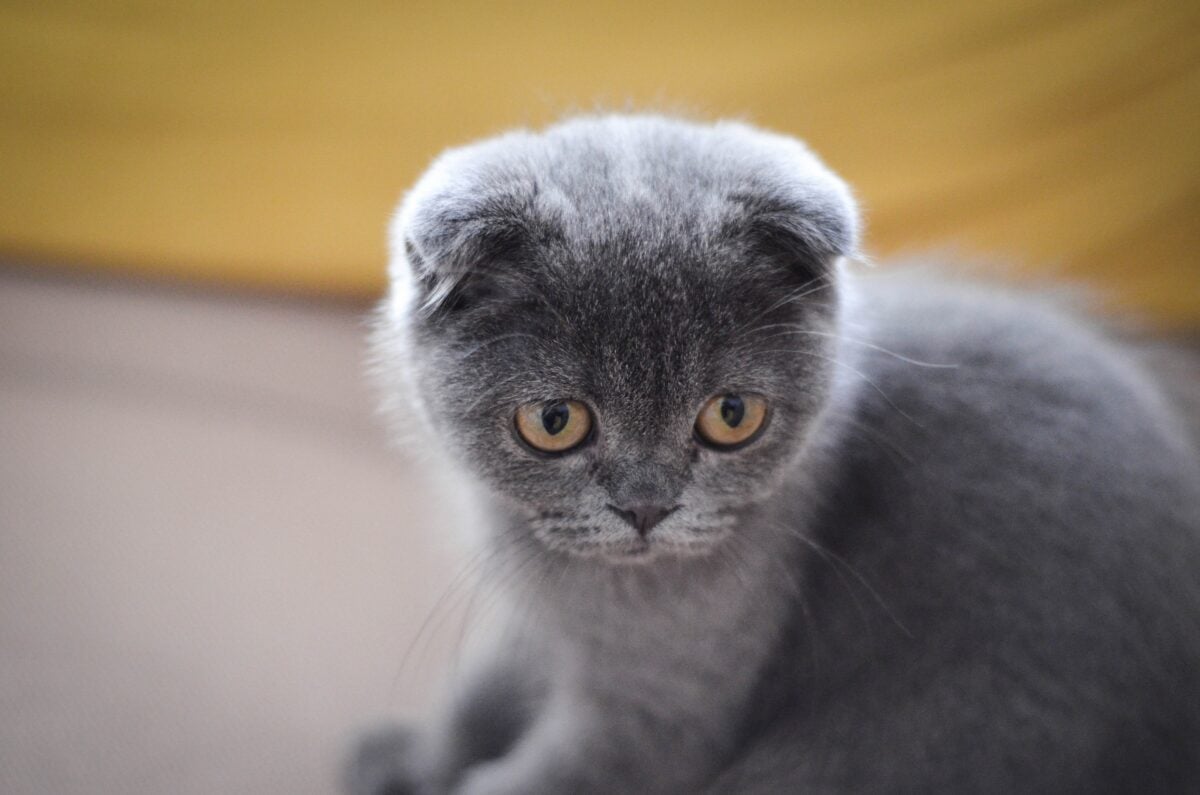
Scottish Folds, immediately recognizable by their unique folded ears (a result of a natural genetic mutation), possess sweet temperaments and form strong bonds with their human companions. Behind their adorable appearance lies a sensitive cat that craves regular interaction and can become distressed when left alone for extended periods. These cats tend to adapt their routines to match their owners’, looking forward to regular interaction times throughout the day.
When their routine is disrupted by being left alone, Scottish Folds may become anxious or depressed. They’re less likely to act out destructively than some other breeds, often internalized their distress instead. This can make their suffering less obvious to owners but no less significant. Scottish Folds benefit from having predictable routines when alone, including scheduled feeding times with automatic feeders and regular play sessions upon their owner’s return. Many Scottish Fold owners report success with providing another friendly cat as a companion, as this breed generally gets along well with other pets.
7. Persian
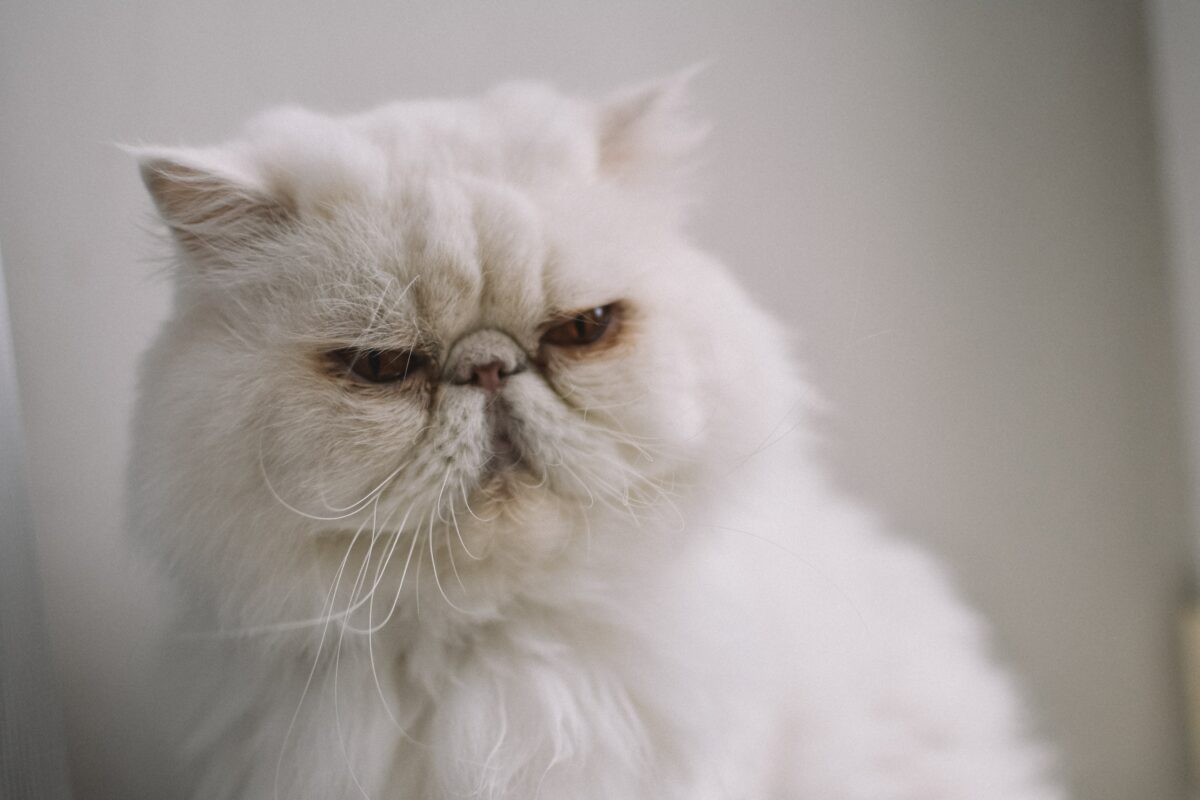
While Persians may appear aloof with their serene expressions and dignified demeanor, these cats actually form deep attachments to their human families and can struggle significantly when left alone. Unlike more energetic breeds, Persians express their loneliness in subtle ways that may not be immediately apparent to their owners. Their quiet suffering can include retreating to hidden spots, decreased appetite, or reduced grooming—the latter being particularly problematic for a breed with such a high-maintenance coat.
Persians have been selectively bred for thousands of years to be companion animals, and this long history of human connection makes solitude particularly challenging for them. Though not as vocal about their distress as Siamese or Burmese cats, Persians can develop anxiety-related behaviors like over-grooming or stress-induced health issues when regularly left alone. Their calm nature means they can sometimes adjust to being alone better than more high-energy breeds, but they still require significant human interaction to remain emotionally healthy. Persian owners should ensure their cats have comfortable resting places and familiar items with their scent when they must be left alone.
8. Abyssinian

The Abyssinian, one of the oldest known cat breeds with a distinctive ticked coat resembling wild cougars, might seem independent at first glance. However, these highly intelligent and active cats form strong bonds with their human families and require regular interaction to stay mentally stimulated. Unlike some breeds that seek constant physical affection, Abyssinians want to be involved in activities—watching, participating, and engaging with their environment and their people.
When left alone, Abyssinians can become bored and frustrated, which often leads to destructive behaviors as they seek stimulation. Their high energy levels and problem-solving abilities mean they may find creative ways to express their discontent, from opening cabinets to knocking items off shelves. This breed needs environmental enrichment when left alone, including climbing structures, puzzle feeders, and rotating toys. Many Abyssinian owners find that providing a second active cat as a playmate significantly reduces their cat’s distress when human companions are absent. Despite their sometimes aloof appearance, these cats deeply value their connections with their human families.
9. Tonkinese
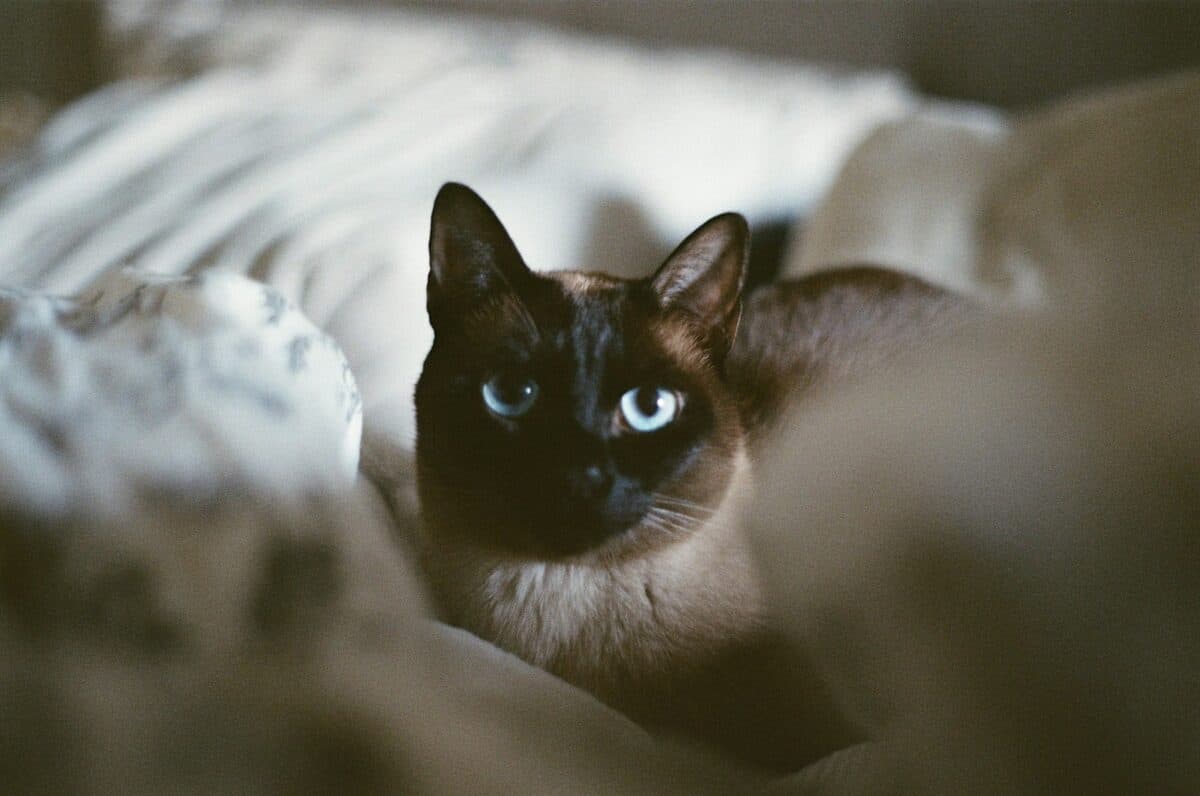
Tonkinese cats, a cross between Siamese and Burmese breeds, inherit the social nature of both parent breeds in abundance. With moderate voices that are less insistent than their Siamese ancestors but more communicative than Burmese, Tonkinese cats use their melodious meows to maintain constant conversation with their human companions. These intelligent, playful cats form exceptionally strong bonds with their owners and consider themselves integral members of the family unit.
When left alone, Tonkinese cats often experience genuine distress that manifests in behaviors like excessive vocalization upon their owner’s return, clingy behavior, or acting out through inappropriate elimination or destructive scratching. Their need for companionship is so strong that many breeders and rescue organizations recommend adopting Tonkinese cats in pairs or into homes with existing pets. For owners who must leave their Tonkinese alone, providing interactive toys, cat videos designed to entertain felines, and multiple comfortable perches near windows can help reduce their loneliness. However, this breed truly thrives when they can maintain regular human contact throughout the day.
10. Bombay

The Bombay cat, bred to resemble a miniature black panther, combines an exotic appearance with an extraordinarily affectionate personality. These glossy black cats with copper or gold eyes form intense attachments to their human families and often select one person as their special favorite. Bombays are known for their desire to be physically close to their people, often sleeping under blankets with them and seeking laps whenever available.
This breed’s dependence on human connection makes separation particularly difficult. When left alone, Bombays may become depressed or anxious, sometimes expressing their distress through excessive meowing when their owners return or becoming overly clingy. Their intelligence means they benefit from puzzle toys and interactive feeders when left alone, but these supplements cannot fully replace the human interaction they crave. Bombay owners who work long hours should consider adopting a second social cat or arranging for pet sitters to break up long periods of solitude. Despite their somewhat exotic appearance, these cats are fundamentally companion animals who need regular human contact to thrive.
11. Cornish Rex
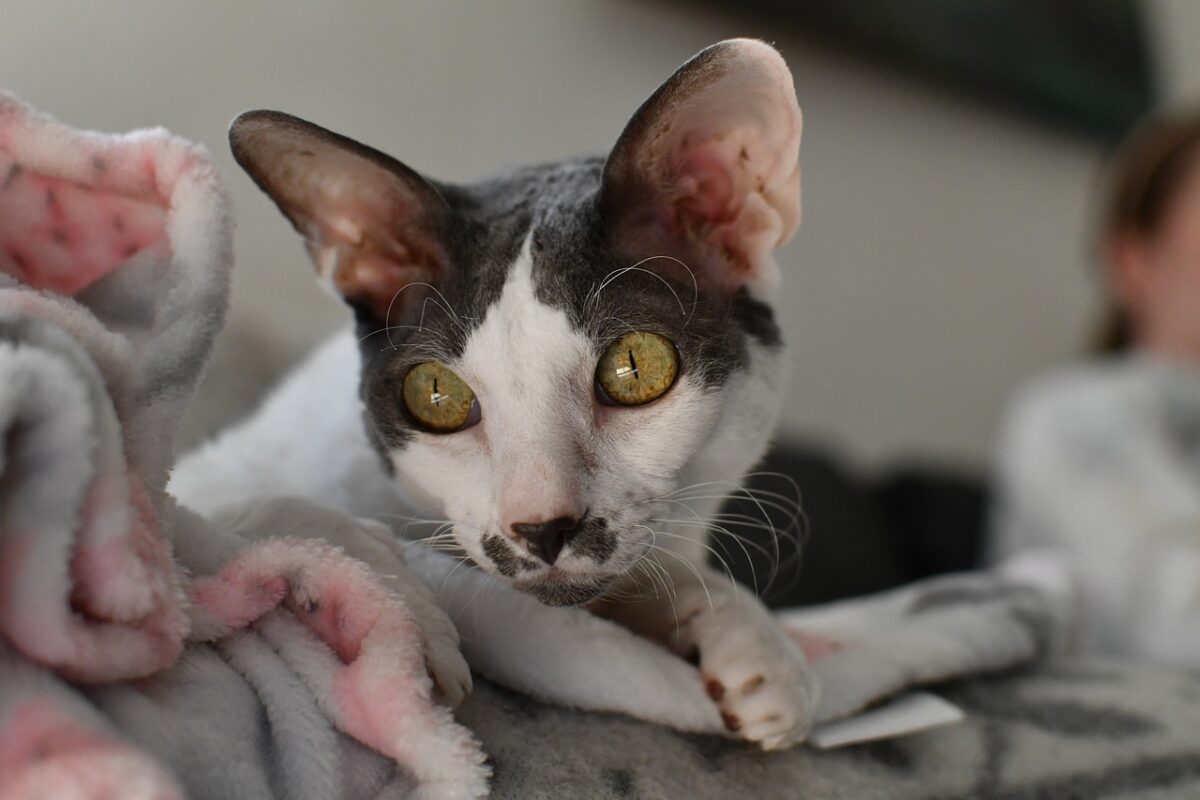
The Cornish Rex, with its distinctive curly coat and sleek, athletic build, possesses a playful temperament that remains kitten-like well into adulthood. These active, curious cats form strong bonds with their human companions and crave regular interaction. Their high energy levels and intelligence mean they need significant mental and physical stimulation, much of which they prefer to get through play with their human family members.
When left alone, Cornish Rex cats can become bored and frustrated, sometimes developing problematic behaviors like excessive vocalization, inappropriate scratching, or even depression. Their need for company is so pronounced that many Rex owners report their cats waiting anxiously by the door before their expected return time. This breed benefits from environmental enrichment when alone, including climbing structures, tunnels, and interactive toys. Many Cornish Rex owners find that adding another active, social cat to the household significantly improves their cat’s emotional well-being during necessary absences. These cats truly thrive with regular human interaction and consider themselves active participants in family life.
12. Maine Coon
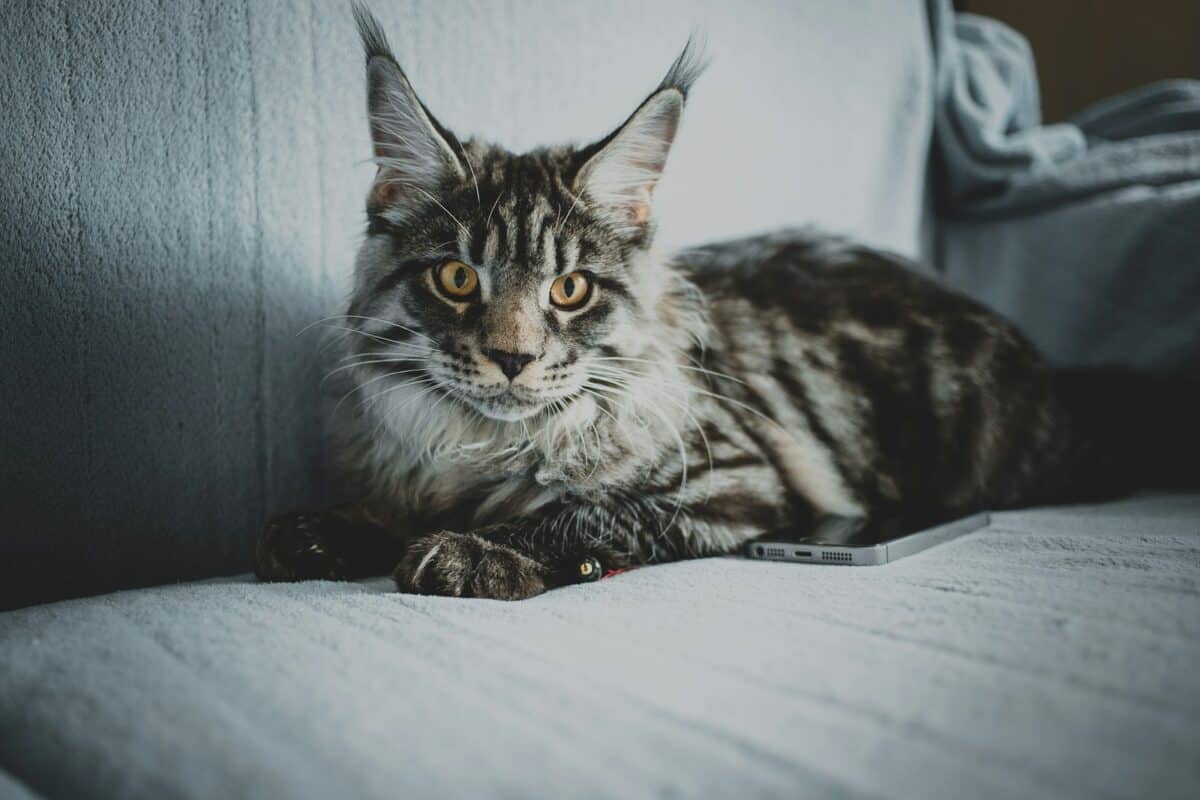
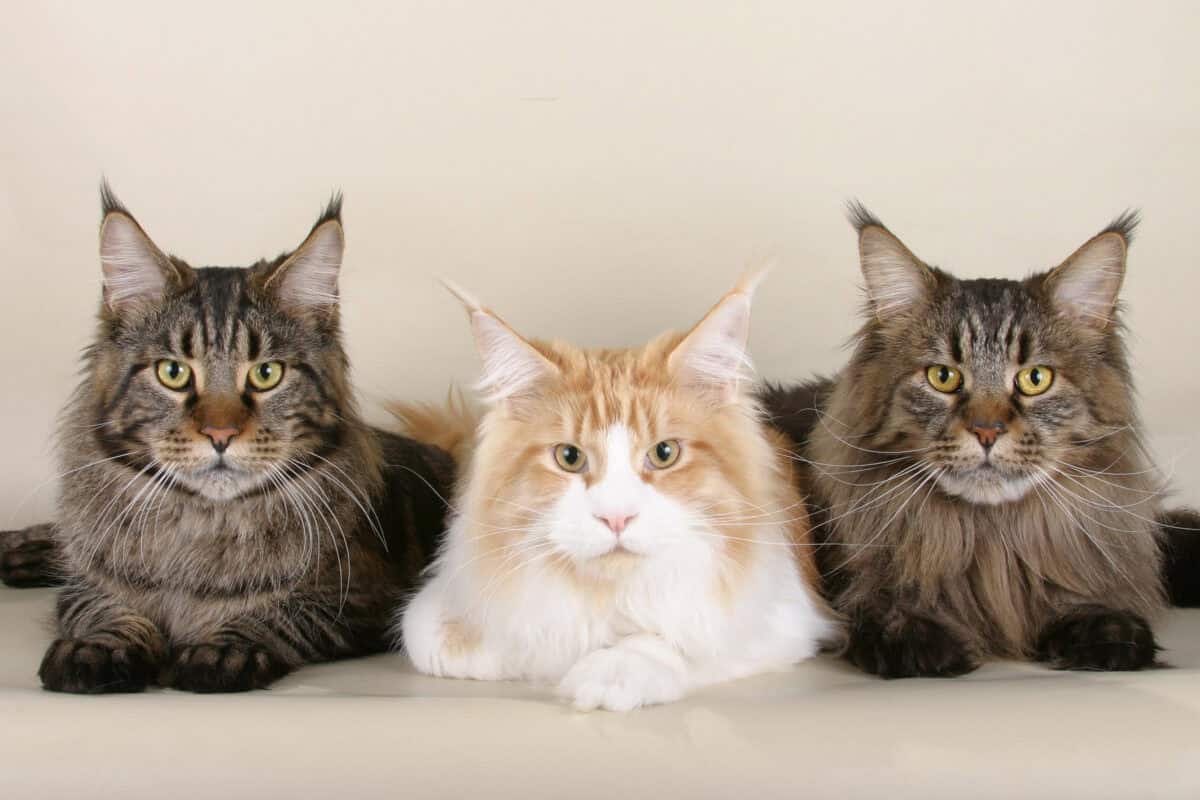
The Maine Coon, America’s native longhaired cat and one of the largest domestic cat breeds, might seem independent due to its robust size and historic role as a farm and ship cat. However, these gentle giants form deep attachments to their families and can struggle significantly when left alone for extended periods. Maine Coons are known for their dog-like loyalty, often following their owners from room to room and greeting them at the door when they return home.
Despite their generally laid-back nature, Maine Coons need regular social interaction to remain emotionally healthy. When left alone too often, these normally good-natured cats can become withdrawn or develop attention-seeking behaviors. Their intelligence and problem-solving abilities mean they benefit from puzzle feeders and interactive toys when alone, but these cannot fully replace human interaction. Maine Coon owners report that their cats often adapt well to having feline companions, making a second cat a good option for households where the humans must be away during the day. These magnificent cats may not demand attention as vocally as some breeds, but their need for companionship is just as significant.
Supporting Your Social Cat When You’re Away

Understanding that certain cat breeds struggle with solitude is the first step toward creating a more supportive environment for these sensitive companions. For owners of the breeds discussed, implementing strategies to reduce separation anxiety can significantly improve their cat’s emotional well-being. Consider enriching your cat’s environment with climbing structures, hiding spots, puzzle feeders, and rotating toys to provide mental stimulation during your absence. Leaving the television or radio on can provide comforting background noise that makes your home feel less empty.
For cats with severe separation anxiety, consulting with a veterinarian about possible behavioral interventions or even medication may be necessary. Many owners of social cat breeds find that adopting a second compatible cat provides their feline with needed companionship during human absences. Remember that each cat is an individual with unique needs regardless of breed tendencies. By observing your cat’s specific behaviors and responses to being alone, you can develop a customized approach to supporting their emotional health. With thoughtful planning and appropriate accommodations, even the most social cat breeds can learn to handle necessary periods of solitude without undue distress.

- The Secret Language of Dolphins Decoded by Researchers - July 20, 2026
- 7 Animals That Can Survive Extreme Environments You Couldn’t - July 20, 2026
- The Longest Snake Ever Found in the U.S. - July 20, 2026