

Owning a pet is a joyful journey, but it also comes with the responsibility of ensuring their health and well-being. Understanding how to manage your pet’s health and vet visits is essential for providing them with a happy and healthy life. This guide will walk you through various strategies to help you care for your furry friend effectively. From regular checkups to recognizing symptoms of illness, being proactive about your pet’s health can make all the difference. Let’s explore how to keep your pet in peak condition.
Understanding Your Pet’s Health Needs

Every pet is unique, and their health needs can vary significantly based on their species, breed, age, and lifestyle. For instance, cats require different healthcare than dogs, and senior pets often need more frequent checkups compared to younger ones. Understanding these specific needs is the first step in managing their health. This involves familiarizing yourself with the common health issues specific to your pet’s breed and learning about their dietary requirements and exercise needs.
Building a Relationship with Your Veterinarian

Having a good relationship with your veterinarian is crucial. They are your best ally in ensuring your pet’s health. Regular visits allow your vet to keep an eye on any potential health issues and provide preventative care. It’s important to choose a vet who is not only knowledgeable but also makes you and your pet feel comfortable. Establishing this rapport can lead to better communication and trust when it comes to making critical health decisions.
Scheduling Regular Health Check-Ups
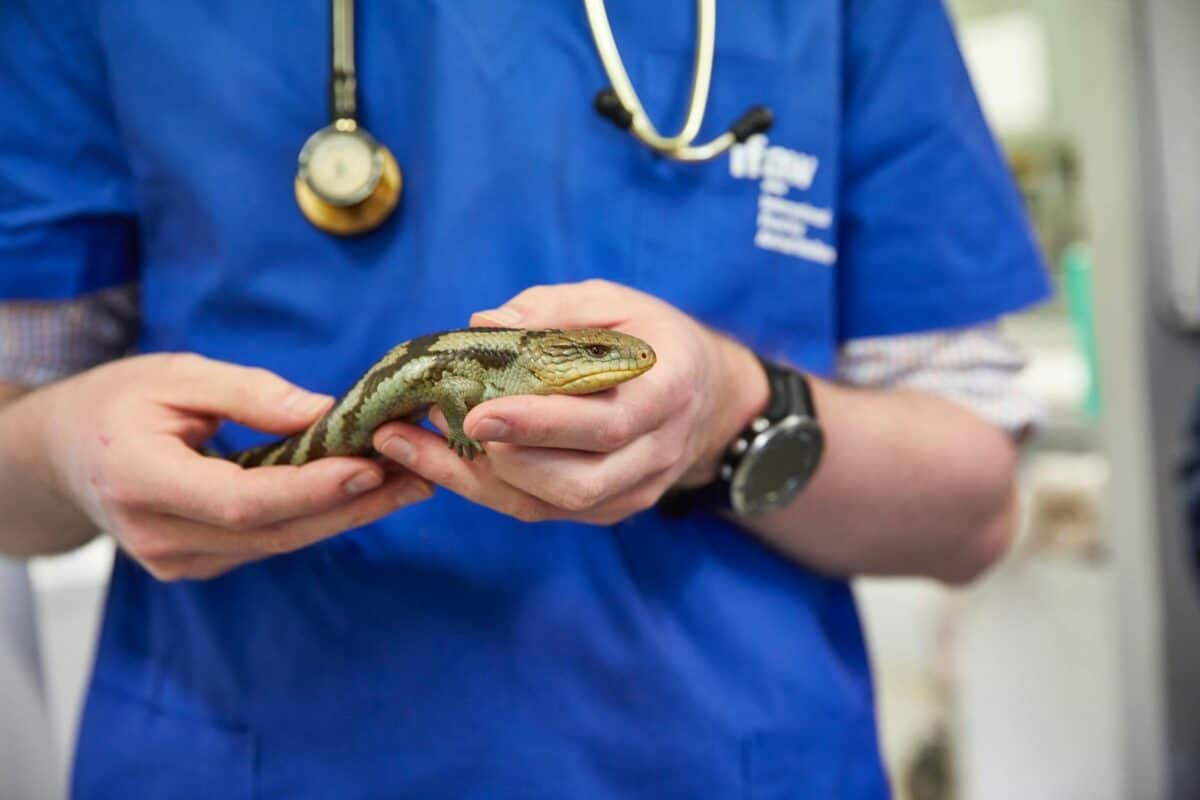
Just like humans, pets benefit from routine health examinations. These check-ups can catch health issues early before they develop into more serious problems. For young and healthy pets, an annual visit is usually sufficient. Older pets or those with existing health conditions might need more frequent visits. Your vet can give you a clear schedule tailored to your pet’s needs.
Understanding Vaccination Schedules

Vaccinations are a crucial part of maintaining your pet’s health. They protect against various contagious diseases and should be kept up to date. Depending on the type of pet and local regulations, the vaccination schedule can vary. Consulting your veterinarian will provide a detailed plan to ensure your pet is protected from common ailments.
Recognizing Signs of Illness

Being observant of your pet’s behavior is key to spotting health issues early. Changes in appetite, energy levels, or behavior can be indicators of underlying health problems. Signs like persistent coughing, vomiting, diarrhoea, or changes in urination and defecation should prompt a vet visit. Knowing what is normal for your pet helps in identifying when something is amiss.
Maintaining a Balanced Diet

A balanced diet is fundamental to your pet’s health. Ensure that your pet receives a nutrient-rich diet appropriate for their age, size, and health status. Overfeeding or feeding an imbalanced diet can lead to obesity and other health issues. It’s always a good idea to consult your vet about the best diet plan for your pet’s unique needs.
Ensuring Regular Physical Activity

Exercise is vital for your pet’s physical and mental well-being. Regular activity helps maintain a healthy weight, reduces behavioral problems, and fosters a stronger bond between you and your pet. Dogs need outdoor walks and playtime, while cats benefit from interactive toys and indoor climbing spaces. Tailor the exercise routine to suit your pet’s age, breed, and health condition.
Managing Parasite Control

Parasites like fleas, ticks, and worms can significantly affect your pet’s health if not controlled. Regular parasite prevention and control are essential, especially for pets that spend time outdoors. Your veterinarian can recommend the best products and routines for parasite prevention based on your pet’s lifestyle and local parasite prevalence.
Dental Care for Pets

Oral health is often overlooked but is crucial for your pet’s overall health. Dental disease can lead to serious health issues, so regular brushing and dental check-ups are important. There are many pet-safe dental care products available, such as toothpaste, chews, and rinses. Incorporating these into your pet’s routine can help maintain their oral hygiene.
Understanding Behavioral Health

Behavioral issues can often be linked to health problems. Changes in your pet’s behavior, such as aggression or lethargy, may be symptomatic of underlying health concerns. Understanding your pet’s normal behavior and seeking professional help when changes occur can help address these issues promptly.
Planning for Emergencies

Emergencies can happen at any time, so it’s essential to be prepared. Know the location and contact information of the nearest 24-hour emergency vet clinic. Having a pet first aid kit and knowing basic pet CPR can be lifesaving. Prepare for emergencies by discussing action plans with your vet and ensuring you have the necessary supplies at home.
Importance of Pet Insurance

Pet insurance can help manage the financial burden of unexpected veterinary expenses. With the rising costs of veterinary care, insurance can provide peace of mind. Compare different policies to find one that fits your budget and covers your pet’s specific health needs. Some policies cover routine care, while others are focused on accidents and illness.
By understanding and implementing these aspects of pet healthcare, you can ensure that your pet lives a healthy and fulfilling life. Regular vet visits and being attentive to your pet’s needs play a fundamental role in this journey. Remember, a healthy pet is a happy pet!

- The Weirdest Fish Ever Pulled from Pacific Depths - July 20, 2026
- 12 Times Animals Saved Human Lives in Incredible Ways - July 20, 2026
- The Most Powerful Earthquake Ever Felt in the U.S. - July 19, 2026