


When darkness falls, most humans struggle to see clearly, relying on artificial light to navigate our surroundings. Yet in the natural world, numerous species have evolved remarkable adaptations that allow them to thrive in low-light conditions. Among these nocturnal specialists, one animal stands above all others as the undisputed champion of night vision: the tarsier. These diminutive primates, native to the islands of Southeast Asia, possess the most extraordinary night vision capabilities documented in any terrestrial animal.
Tarsiers have evolved eyes that are proportionally enormous—if humans had eyes of equivalent relative size, they would be as large as grapefruits. This remarkable adaptation is just one component of a sophisticated visual system that allows tarsiers to detect the faintest glimmers of light in near-total darkness. As we explore the fascinating world of night vision across the animal kingdom, the tarsier’s exceptional abilities will serve as our benchmark for evolutionary excellence in nocturnal visual adaptations.
Meet the Tarsier: Nature’s Night Vision Specialist
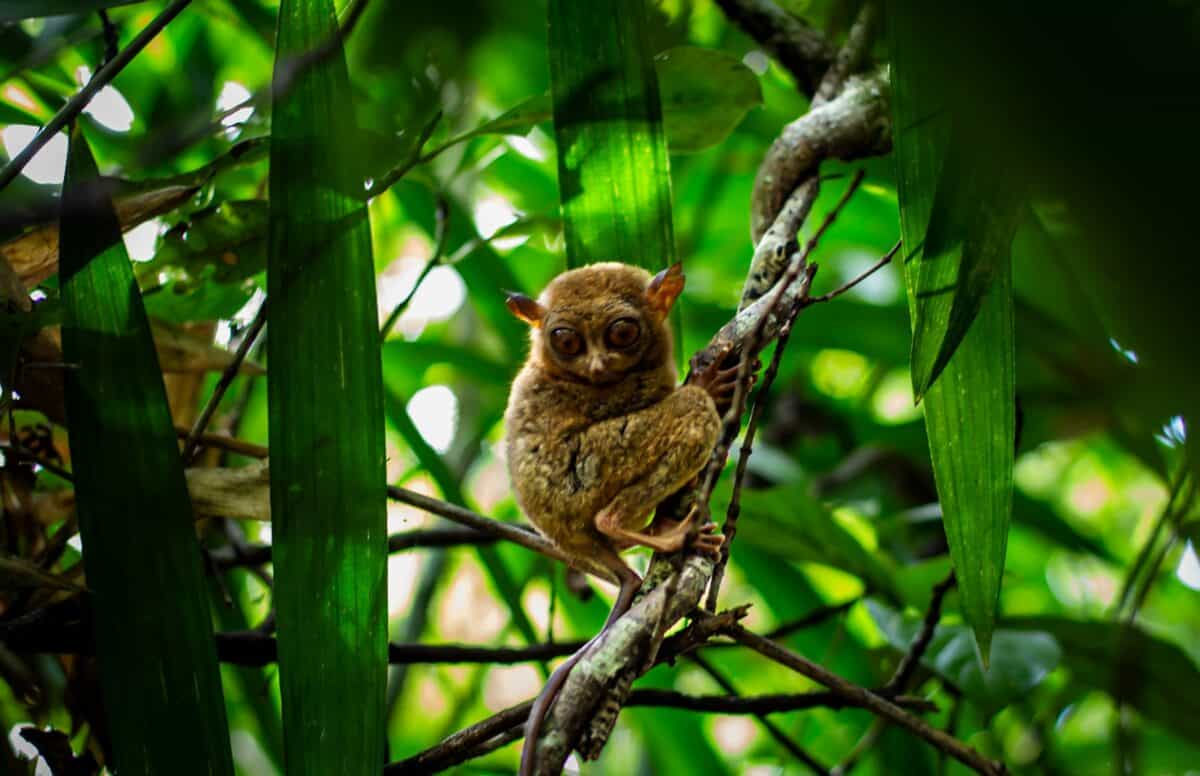
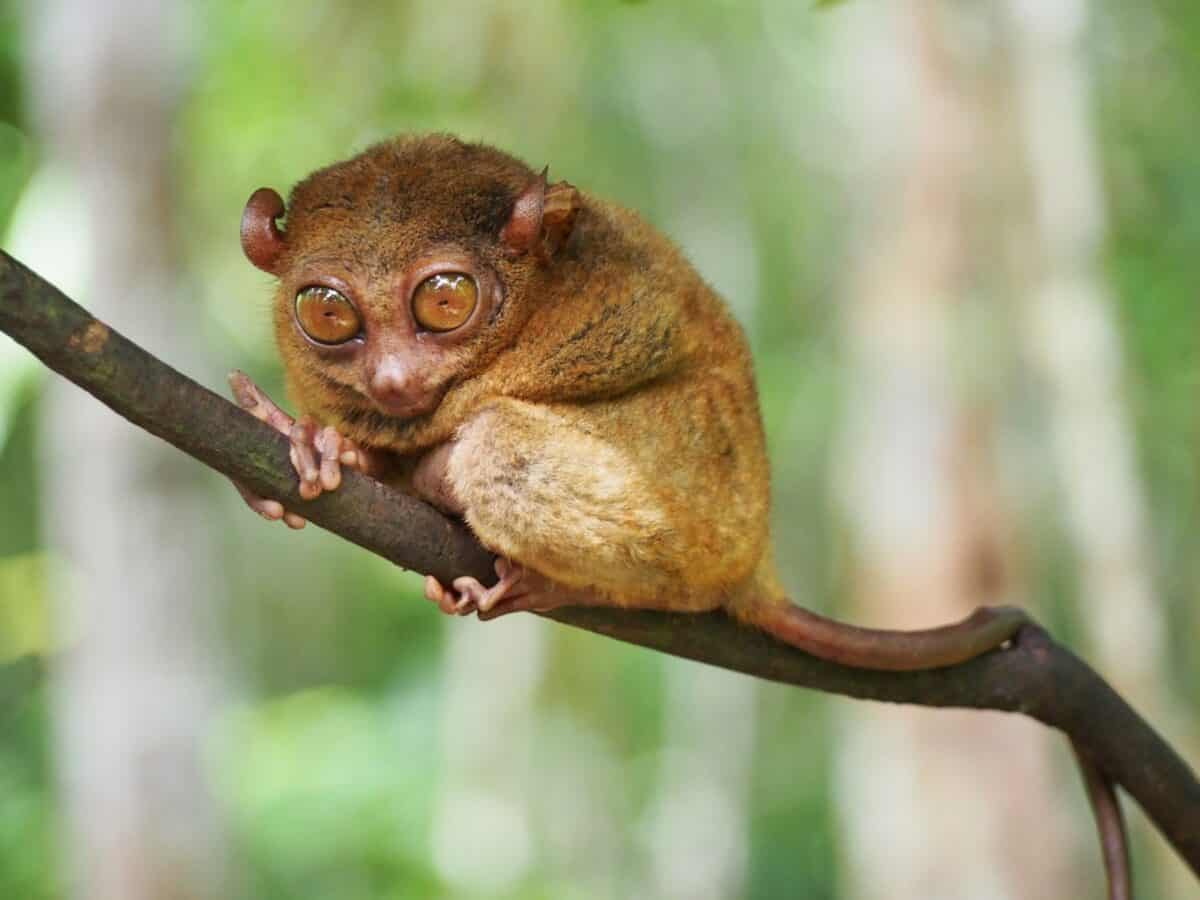
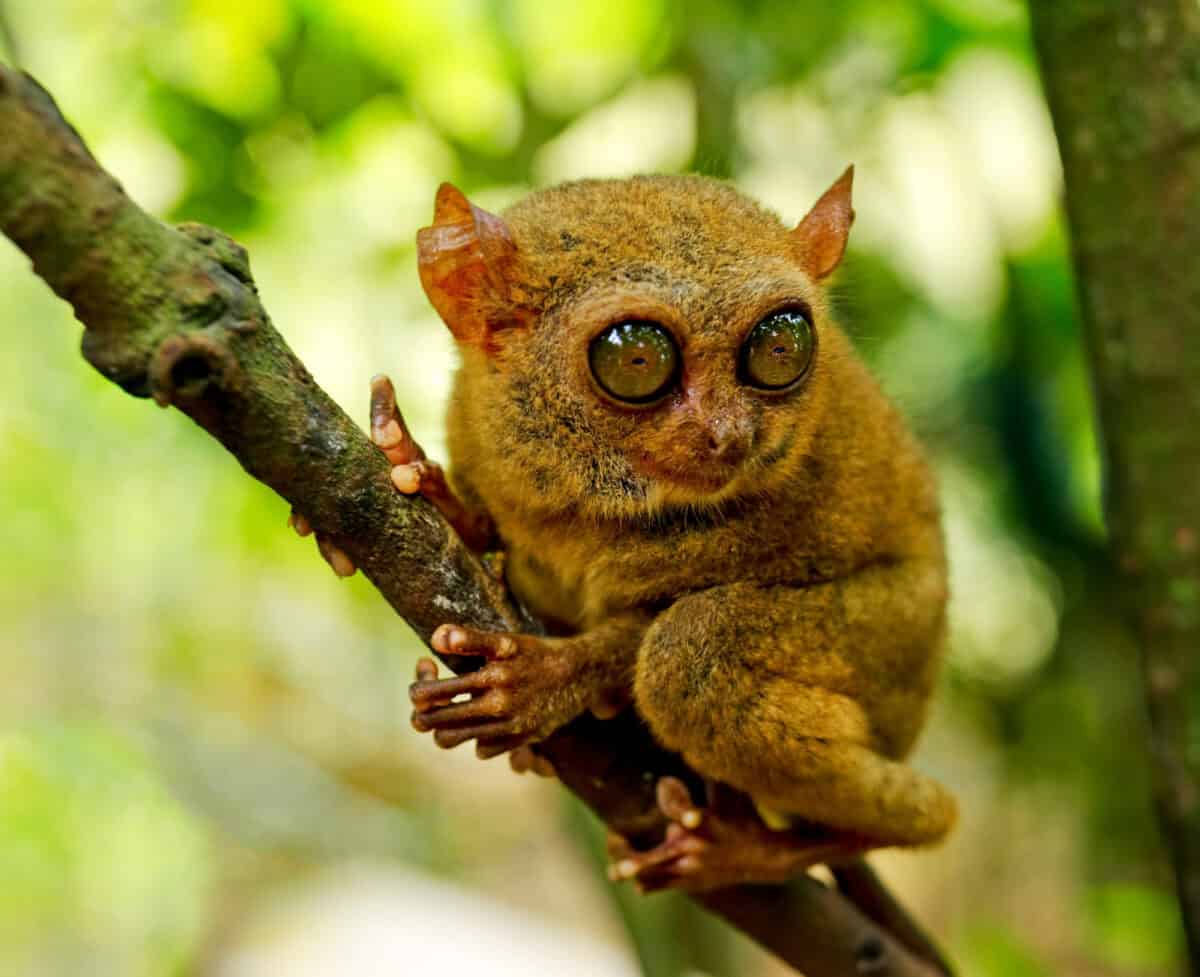
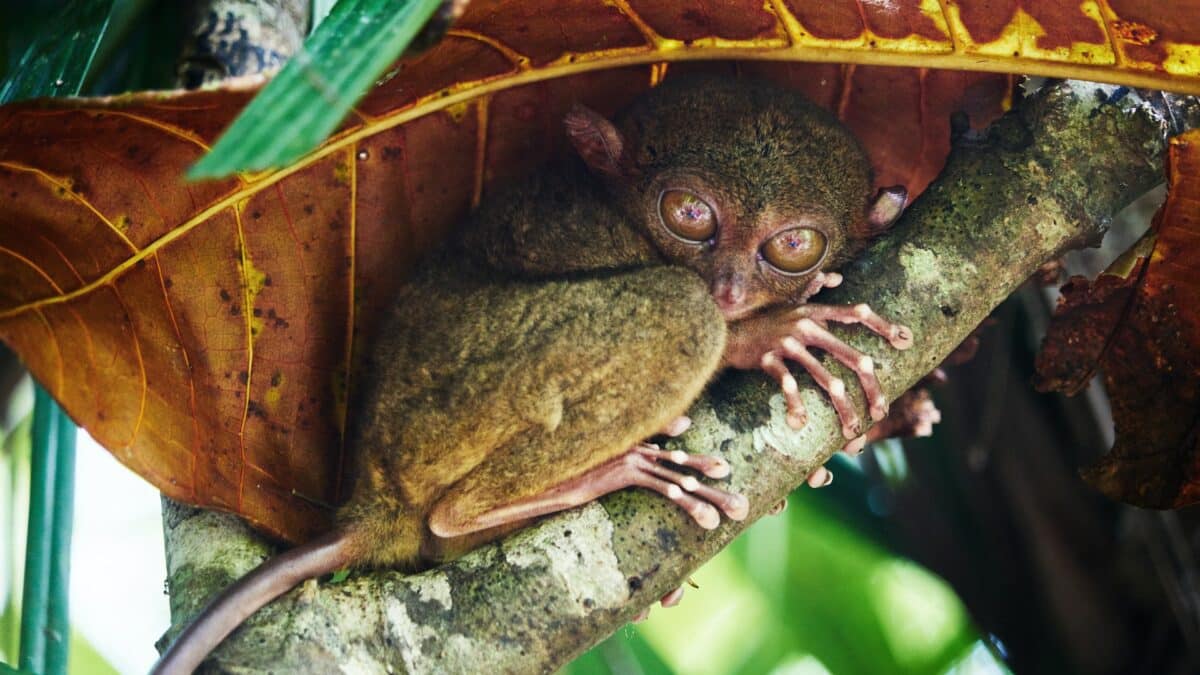
Tarsiers are small primates weighing approximately 80-150 grams, with distinctive features that set them apart from other mammals. Their most striking characteristic is undoubtedly their enormous eyes, which are fixed in their sockets and unable to move. To compensate, tarsiers can rotate their heads nearly 180 degrees in either direction, much like owls. Their enormous eyes each weigh as much as their entire brain, representing the largest eye-to-body size ratio of any mammal on Earth.
These nocturnal hunters are found exclusively in the islands of Southeast Asia, primarily in the Philippines, Borneo, Sumatra, and Sulawesi. They are the only fully carnivorous primates, feeding primarily on insects and small vertebrates they catch with remarkable precision in the dark of night. Tarsiers’ extraordinary visual system has evolved specifically to support their nocturnal hunting lifestyle, allowing them to detect the slightest movements of potential prey even under the densest forest canopy where minimal starlight penetrates.
The Anatomy of Superior Night Vision

The tarsier’s exceptional night vision begins with the remarkable anatomy of its eyes. Unlike most mammals, tarsiers lack the reflective layer behind the retina known as the tapetum lucidum (which causes the “eyeshine” seen in cats and dogs). Instead, they have developed an extraordinarily high density of rod cells—the photoreceptors responsible for detecting light—in their retinas. Scientific studies have revealed that tarsier retinas contain approximately 300,000 rod cells per square millimeter, compared to roughly 200,000 in cats and merely 80,000-150,000 in humans.
Additionally, tarsiers possess a fovea—a specialized region of the retina that enhances visual acuity—that is adapted for low light conditions. This is extremely unusual, as most nocturnal animals lack a fovea entirely. The combination of enormous eyes (which can gather more light), densely packed rod cells, and a specialized fovea allows tarsiers to detect light at intensities about 100 times fainter than what humans can perceive. This remarkable sensitivity enables them to hunt effectively on even the darkest, moonless nights when most predators would be effectively blind.
The Science Behind Tarsiers’ Visual Superpowers
Tarsiers’ night vision capabilities stem from more than just anatomical adaptations. At the molecular level, their rod cells contain specialized proteins and pigments that maximize light sensitivity. Their photoreceptors contain unusually high concentrations of rhodopsin, the light-sensitive protein that initiates the visual process in dim light. Research indicates that tarsier rhodopsin has evolved specific amino acid substitutions that enhance its sensitivity to the types of low-intensity light most common in their forest habitats.
Further enhancing their visual system, tarsiers have evolved unusually large visual centers in their brains. Despite their small overall brain size, the regions dedicated to processing visual information are proportionally massive, allowing for sophisticated interpretation of the limited light information available at night. Scientists believe these neurological adaptations help tarsiers not only detect movement in near-darkness but also construct detailed mental images of their surroundings with minimal visual input—a crucial adaptation for predators that must make split-second hunting decisions based on limited sensory information.
Comparing Tarsier Vision to Other Nocturnal Specialists

While tarsiers hold the title for best night vision among terrestrial animals, other nocturnal specialists have evolved impressive adaptations of their own. Owls, for instance, have tubular eyes that maximize the amount of light reaching their retinas and a high concentration of rod cells. However, even the most night-adapted owl species, such as the Great Horned Owl, can detect light at intensities only about 10-20 times lower than humans—significantly less sensitive than the tarsier’s 100-fold advantage.
Cats, often celebrated for their night vision, possess a tapetum lucidum that reflects light back through their retinas, essentially giving photons a second chance to be detected. This adaptation, while effective, provides cats with vision roughly 6-8 times more sensitive than human vision in low light—impressive, but still far short of the tarsier’s capabilities. Even specialized nocturnal hunters like leopards and jungle cats cannot match the extreme light sensitivity that has evolved in the tarsier’s visual system over millions of years of nocturnal specialization.
The Deep-Sea Challenger: Comparing Tarsiers to Marine Night Vision Specialists
While tarsiers reign supreme on land, the deep ocean hosts creatures with arguably even more extraordinary visual adaptations. The dragonfish (Malacosteus niger), dwelling at depths of up to 2,000 meters where virtually no sunlight penetrates, has evolved one of the most sensitive visual systems on the planet. These fish produce their own red bioluminescence—light that most deep-sea creatures cannot see—and have developed specialized pigments to detect this red light, giving them a secret visual channel for hunting without alerting prey.
Another remarkable deep-sea visual specialist is the barrel-eye fish (Macropinna microstoma), which possesses tubular eyes encased in a transparent dome of soft tissue. These unusual eyes can rotate within their transparent shield, allowing the fish to look upward for silhouettes of prey against the faint downwelling light or forward to hunt using its own bioluminescence. While these deep-sea adaptations are extraordinary, they represent specialized solutions to the unique challenges of deep-ocean environments rather than true night vision as exhibited by terrestrial nocturnal hunters like the tarsier.
Evolutionary History of Tarsier Night Vision
The tarsier’s exceptional night vision didn’t evolve overnight but rather represents millions of years of evolutionary pressure. Fossil records suggest that the tarsier lineage diverged from other primates approximately 55 million years ago. Over this vast timespan, they evolved from diurnal (day-active) ancestors into specialized nocturnal hunters. This evolutionary shift likely occurred as tarsiers found a vacant ecological niche—nocturnal insect hunting—that allowed them to avoid competition with larger diurnal primates.
Genetic studies have revealed that tarsiers experienced strong selective pressure on genes related to visual processing throughout their evolutionary history. Researchers have identified accelerated evolution in genes controlling eye development, photoreceptor function, and visual processing centers in the brain. This genetic evidence aligns with the fossil record, suggesting that extreme nocturnal specialization has been the tarsier’s evolutionary strategy for tens of millions of years, resulting in the most sophisticated night vision system among land animals today.
The Trade-offs of Superior Night Vision

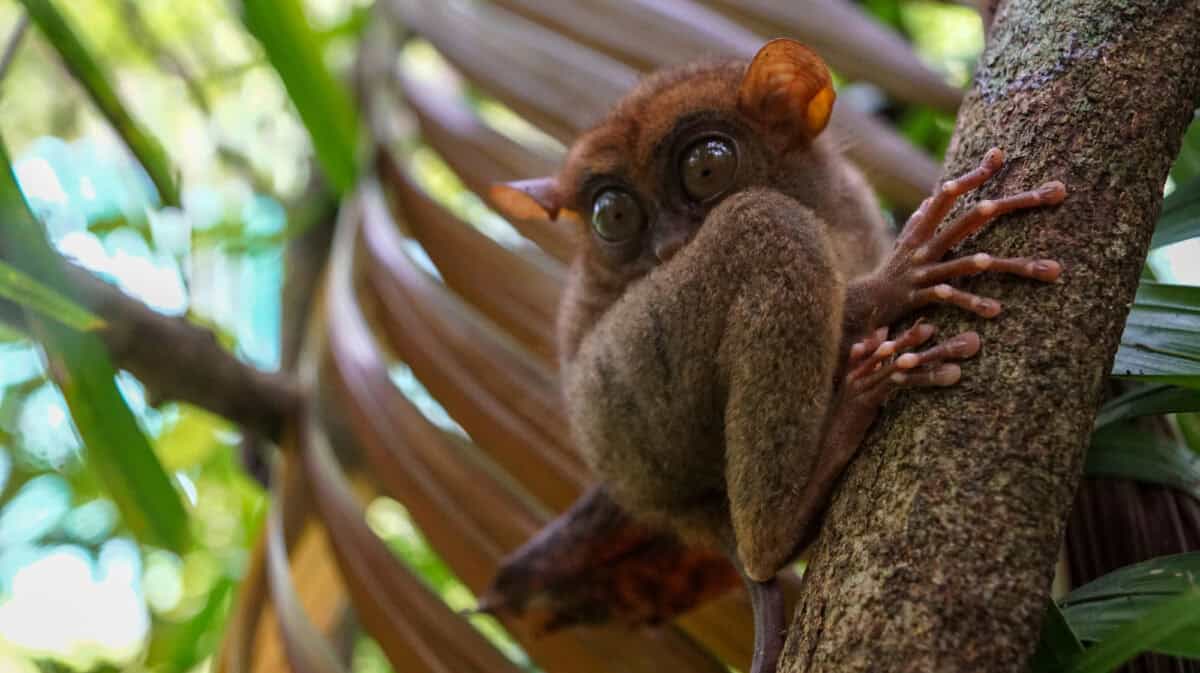
While tarsiers’ extraordinary night vision provides them with significant advantages as nocturnal hunters, these adaptations come with considerable trade-offs. Their enormous eyes, while excellent for gathering light, are completely immobile in their sockets, requiring the tarsier to move its entire head to change its visual field. Additionally, their highly specialized retinas contain relatively few cone cells—the photoreceptors responsible for color vision—meaning tarsiers likely perceive a mostly monochromatic world, sacrificing color discrimination for enhanced light sensitivity.
Perhaps the most significant trade-off is the tarsier’s extreme vulnerability to bright light. Their highly sensitive retinas can be damaged by exposure to daylight, which is orders of magnitude brighter than the nocturnal conditions they’re adapted for. This sensitivity restricts tarsiers to strictly nocturnal activity patterns and specific forest habitats that provide adequate daytime shelter from light. These limitations, while acceptable in their natural habitat, make tarsiers particularly vulnerable to habitat disturbance and environmental changes that might expose them to increased light levels or alter their forest ecosystems.
Conservation Challenges for Nature’s Night Vision Champion

The specialized adaptations that make tarsiers so successful as nocturnal hunters also make them exceptionally vulnerable to habitat disruption. All tarsier species are experiencing population declines, with several classified as endangered or critically endangered by the International Union for Conservation of Nature (IUCN). Their highly specialized ecological niche and dependence on intact forest ecosystems with minimal light pollution make them particularly susceptible to the effects of deforestation and human encroachment.
Light pollution represents a unique threat to these nocturnal specialists. As human development expands into and around tarsier habitats, artificial lighting can disrupt their hunting activities, breeding behaviors, and even cause physiological damage to their sensitive eyes. Conservation efforts focused on tarsiers must address not just habitat preservation but also the quality of that habitat, including the maintenance of natural darkness cycles. Several conservation organizations are now working to establish protected areas specifically designed to preserve the dark forest environments these remarkable primates depend on.
Applications in Technology: Learning from Tarsier Vision
The extraordinary night vision capabilities of tarsiers have inspired researchers and engineers developing advanced night vision technologies. By studying the molecular structure of tarsier rhodopsin and the unique optical properties of their eyes, scientists have gained insights that could lead to improvements in night vision devices for human use. Some research teams are working to develop biomimetic sensors based on the principles of tarsier vision that could function effectively in extremely low-light environments without the need for active illumination.
Beyond traditional night vision applications, tarsier-inspired optical systems could have applications in fields ranging from astronomy to medical imaging. The extremely efficient light-gathering capabilities and neural processing adaptations of tarsiers offer valuable models for designing systems that must operate with minimal available light. As our understanding of the molecular and neural mechanisms behind tarsier night vision continues to advance, we can expect further technological innovations inspired by these remarkable nocturnal specialists.
Observing Tarsiers in Their Natural Habitat
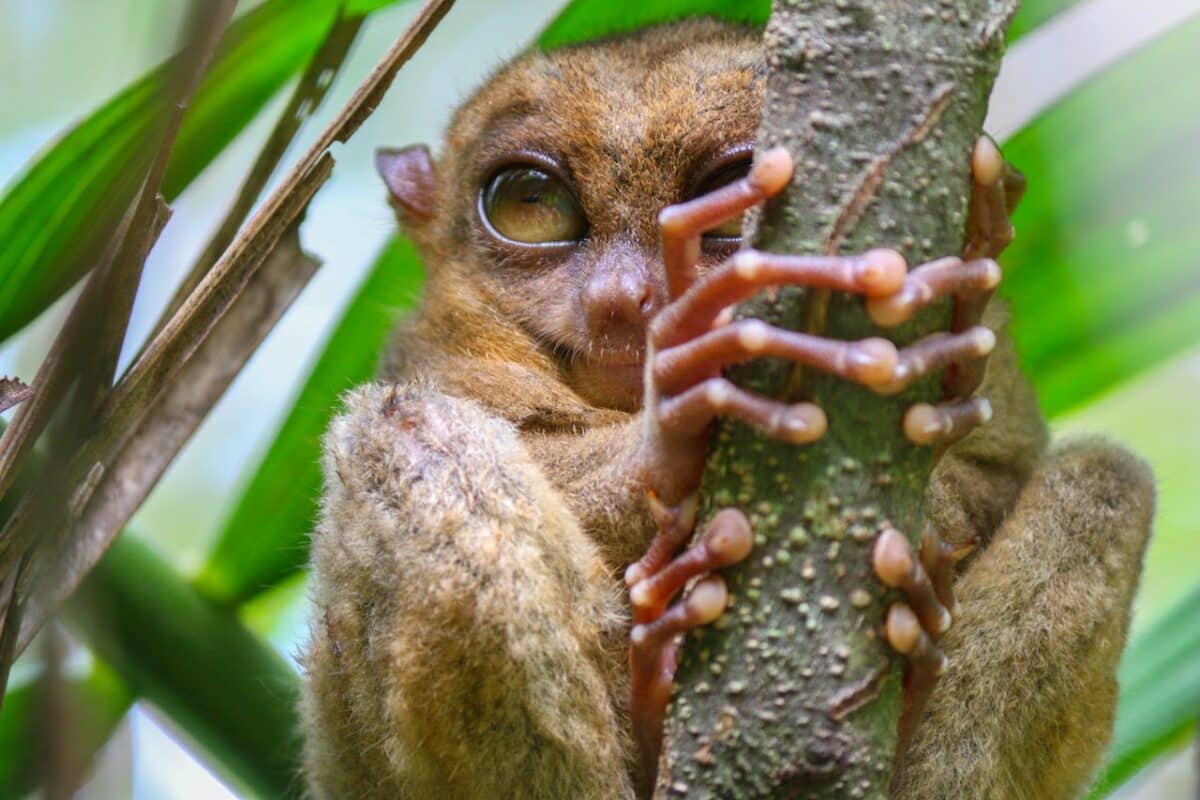
For wildlife enthusiasts hoping to observe tarsiers in their natural environment, several conservation centers and protected areas in Southeast Asia offer responsible viewing opportunities. The Philippine Tarsier Sanctuary in Bohol and the Tangkoko Nature Reserve in Sulawesi provide visitors with chances to see these elusive primates while supporting conservation efforts. However, viewing must be conducted with extreme care, as tarsiers are highly sensitive to disturbance and can experience significant stress from human presence—particularly if exposed to camera flashes or bright lights.
Proper tarsier observation requires special techniques to minimize impact on these sensitive creatures. Visits should be limited to designated sanctuaries with strict protocols, including no-flash photography rules and maintaining appropriate distances. The best viewing opportunities typically occur around dusk when tarsiers become active but ambient light is still sufficient for human observers. For those unable to visit tarsier habitats in person, several conservation organizations offer “virtual adoption” programs that support protection efforts while providing updates and information about these fascinating nocturnal specialists.
Conclusion: The Evolutionary Marvel of Tarsier Night Vision
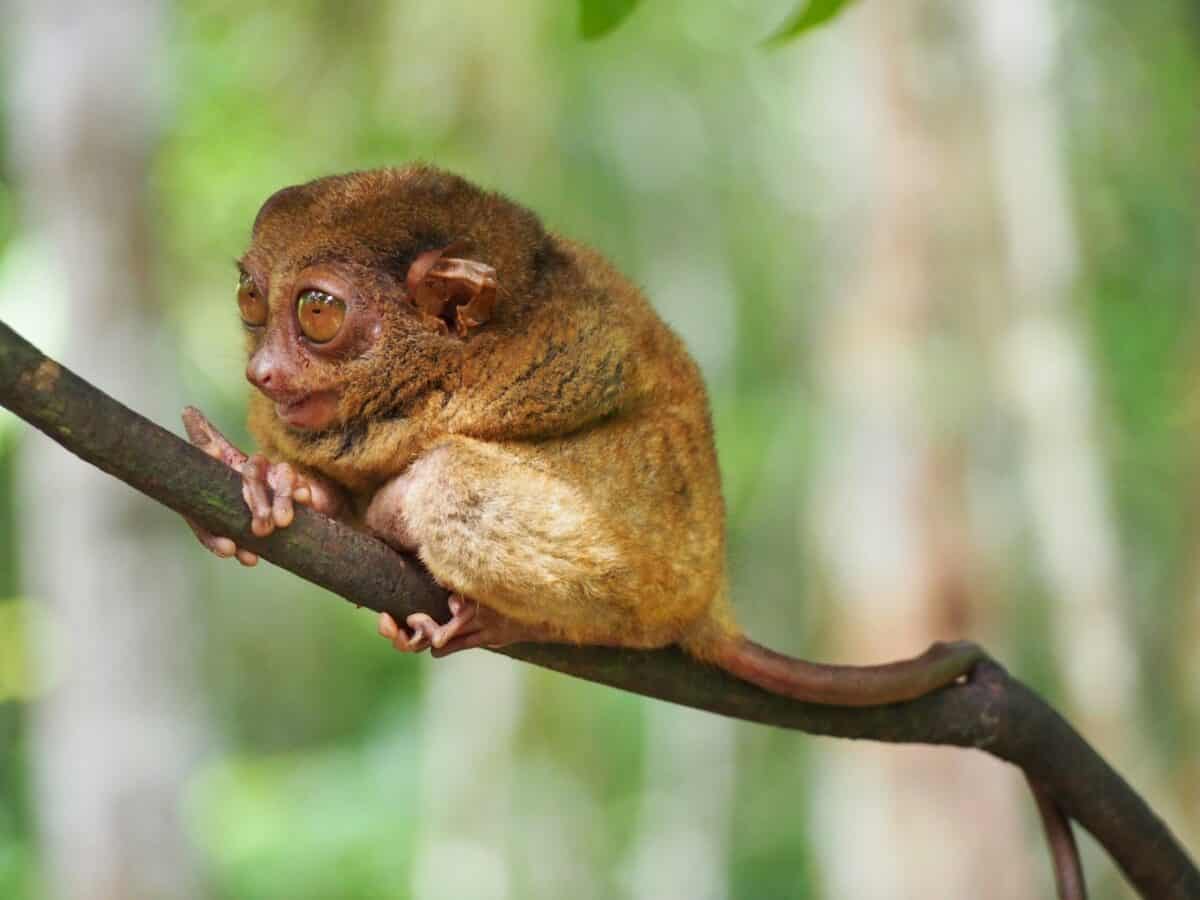
The tarsier stands as nature’s ultimate night vision specialist, possessing visual capabilities that surpass all other terrestrial animals. Through millions of years of evolutionary refinement, these small primates have developed a visual system perfectly adapted to their nocturnal hunting lifestyle, capable of detecting minuscule movements in near-total darkness. Their extraordinary adaptations—from enormous eyes and specialized retinas to sophisticated neural processing—represent one of the most remarkable examples of sensory specialization in the animal kingdom.
As we continue to study these fascinating creatures, we gain not only insights into the remarkable diversity of sensory adaptations in nature but also potential inspiration for technological innovations. Yet the very specializations that make tarsiers so remarkable also render them vulnerable in a rapidly changing world. Their conservation represents both a scientific imperative and an ethical responsibility—preserving not just another species but one of evolution’s most extraordinary sensory achievements.
The story of the tarsier reminds us that even in the darkness, nature has found remarkable ways to thrive through specialized adaptations. In the ongoing effort to understand and protect biodiversity, these night vision champions deserve special attention both for their scientific significance and their irreplaceable role in tropical forest ecosystems. As we continue to unlock the secrets of their remarkable visual capabilities, tarsiers will likely remain unrivaled as Earth’s night vision champions for years to come.

From exploring the marine wonders in the Azores and witnessing the vast savannas of Kenya, to delving deep into the rich biodiversity of South Africa and traversing iconic landscapes in Australia and the US like Yellowstone, Chris's experiences are vast.
With a penchant for diving alongside sharks, the ocean holds a special place in his heart.
Through his academic insights, he champions wildlife conservation, striving with 'Animals Around The Globe' to cultivate a profound connection between humans and animals, enhancing our mutual appreciation.
Connect with him at Feedback@animalsaroundtheglobe.com.
- Why Spiders Don’t Get Stuck in Their Own Webs - July 20, 2026
- What Scientists Found in a 10,000-Year-Old Beehive - July 20, 2026
- This Spider Builds Fake Decoys of Itself - July 20, 2026