

Cats, often misunderstood as aloof or indifferent, actually communicate their emotions quite clearly if you know what to look for. Unlike dogs who wear their hearts on their sleeves, our feline companions express affection through subtle behaviors that many owners might miss or misinterpret. Understanding these communication signals not only strengthens the bond between you and your cat but also helps you recognize when your furry friend might be feeling upset or angry. In this article, we’ll explore eight heartwarming ways cats express their love and two unmistakable signals that indicate your cat might be feeling less than friendly.
The Science Behind Feline Communication
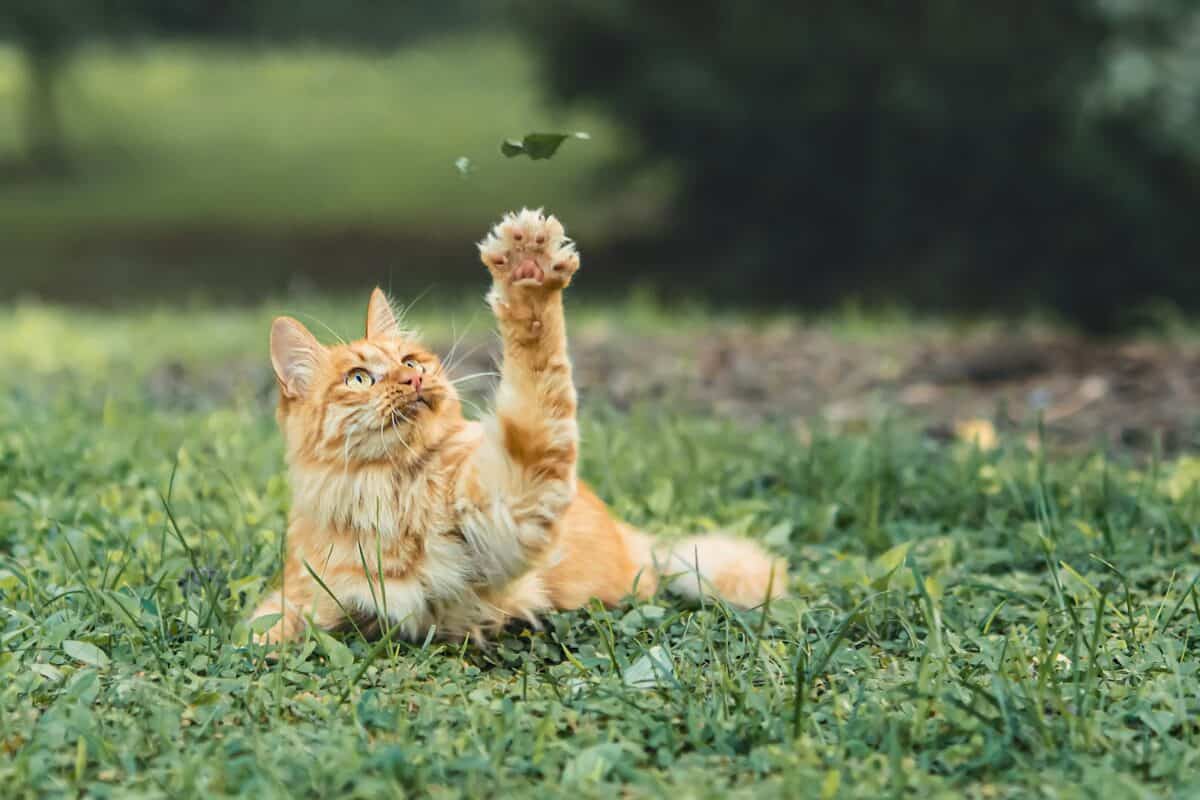
Cats have evolved sophisticated communication systems that serve them well as both predators and social animals. Unlike their canine counterparts, domestic cats aren’t pack animals by nature, which means their communication style developed differently. Researchers at the University of Lincoln found that cats have approximately 16 different vocalizations, but most of their communication is actually non-verbal, relying on body language, facial expressions, and specific behaviors.
Interestingly, many of these communication methods are not innate but learned specifically for human interaction. A 2018 study published in the journal Animal Cognition revealed that cats have adapted their communication style specifically to get their messages across to humans. This demonstrates that your cat is actively trying to communicate with you in ways they believe you’ll understand, showing remarkable adaptability and intelligence in building cross-species relationships.
The Slow Blink: A Feline “I Love You”

One of the most endearing ways cats express affection is through what behaviorists call the “slow blink.” This behavior, sometimes referred to as a “cat kiss,” involves your cat making eye contact with you and deliberately closing their eyes slowly, often keeping them closed for a second before opening them again. According to feline behavior expert Jackson Galaxy, this gesture is a significant display of trust and affection, as cats are naturally vigilant animals who don’t usually close their eyes in the presence of someone they don’t completely trust.
Research published in Scientific Reports in 2020 confirmed the importance of this behavior, showing that cats are more likely to slow-blink at their owners than at strangers, and they’re more receptive to humans who slow-blink at them. You can reciprocate this loving gesture by slow-blinking back at your cat, essentially saying “I love you too” in their language. Many cat owners report that their cats respond positively when this communication is returned, often approaching for further interaction afterward.
Purring: More Than Just Contentment

Perhaps the most recognized sign of a happy cat is purring, but this behavior is actually more complex than many people realize. While purring often indicates contentment, cats also purr when they’re injured, in labor, or even when they’re severely ill. However, the context usually makes it clear when purring is a sign of affection. When your cat curls up on your lap and begins to purr while being petted, they’re expressing comfort and pleasure in your company.
The science behind purring is fascinating—cats produce this sound by vibrating their vocal cords at a frequency of 25 to 150 Hertz. Research has shown these vibrations have healing properties, promoting tissue regeneration and bone growth. When your cat chooses to share this healing sound with you, they’re not just expressing happiness but potentially offering you a health benefit as well. This dual-purpose behavior—self-soothing and social bonding—demonstrates the unique way cats have evolved to communicate their affection.
Kneading: Tapping Into Kitten Memories

When your cat pushes their paws against you in a rhythmic, alternating fashion—often called “making biscuits”—they’re engaging in a behavior that dates back to their earliest days of life. Kittens knead their mother’s belly to stimulate milk flow during nursing. When adult cats knead on their human companions, they’re displaying a behavior associated with comfort, security, and contentment from kittenhood, essentially treating you as they would their mother.
This instinctive behavior indicates that your cat feels secure and happy in your presence. Many cats will knead while purring, often with half-closed eyes, showing they’re in a state of complete relaxation and bliss. Some cats even drool slightly while kneading, further evidence they’re revisiting those comforting kitten memories. While those sharp claws might not feel great on your lap, consider this behavior a high compliment—your cat is telling you that you make them feel as safe and loved as their mother did.
The Gift-Giver: Bringing You “Presents”

Finding a dead mouse or mangled toy on your doorstep might not seem like a token of affection, but when your cat brings you “gifts,” they’re actually showing love in one of the most profound ways they know how. In feline society, hunting and sharing prey is a significant social behavior. In multi-cat households or feral colonies, cats may share food with those they consider family. When your domestic cat brings you a “present,” they’re treating you as part of their family group and sharing their resources with you.
Some feline behaviorists believe this gift-giving serves another purpose as well—cats may be trying to teach their humans to hunt, the same way mother cats teach their kittens. This teaching behavior is reserved for those the cat cares about and feels responsible for. So while these gifts might seem gruesome, they represent your cat’s desire to care for you and ensure your survival. It’s one of the highest compliments in feline language, demonstrating that they consider you both family and someone worth teaching important life skills.
Tail Talk: What Your Cat’s Tail Is Telling You

A cat’s tail is perhaps their most expressive appendage and a key indicator of their emotional state. When a cat holds their tail high and slightly curved at the tip while approaching you, they’re displaying confidence and affection. This “question mark” tail is often accompanied by a slight quiver, which feline behaviorists interpret as excitement at seeing someone they love. Similarly, when a cat wraps their tail around your leg or arm, they’re essentially giving you a hug, marking you with their scent and claiming you as their own.
Pay special attention to the base of your cat’s tail, particularly when you’re petting them. When a cat raises their hindquarters and presses the base of their tail toward your hand, they’re expressing trust and encouraging continued affection. This area contains scent glands that are particularly sensitive, and by inviting you to touch this region, your cat is both marking you as safe and expressing pleasure in your touch. This behavior, sometimes called “elevator butt,” is reserved for those your cat trusts completely and wants to bond with further.
Head Bunting and Cheek Rubs: Marking You as Family

When your cat bumps their head against you or rubs their cheeks on your legs, they’re engaging in a behavior called “bunting.” Cats have scent glands located on their cheeks, forehead, chin, and at the base of their tail. By rubbing these areas against you, they’re depositing their scent on you, effectively marking you as safe and familiar territory. In the complex world of feline communication, this is equivalent to saying, “You’re mine, and I’m comfortable with you.”
This behavior goes beyond simple territorial marking—it’s about creating a communal scent profile that identifies you as part of their family group. In feral cat colonies, members rub against each other to create a shared group scent that helps identify friend from foe. When your house cat bunts against you and your furniture, they’re creating a home environment that smells consistent and safe. This behavior is a significant display of trust and affection, as cats only share their scent with individuals and objects they consider non-threatening and part of their inner circle.
Belly Exposure: The Ultimate Trust Signal

When a cat rolls over and exposes their belly to you, they’re showing extraordinary trust. The abdomen is a cat’s most vulnerable area, containing vital organs with relatively little protection. In the wild, exposing this area would put a cat at serious risk, so when your domestic cat shows you their belly, they’re demonstrating complete faith in your intentions. It’s important to note that this display doesn’t always mean they want a belly rub—for many cats, it’s simply a display of trust, not an invitation to touch.
The context of this behavior matters significantly. If your cat rolls over while playing, they may be shifting into a defensive position where they can use all four paws and teeth if needed. However, if they stretch out and expose their belly while relaxing near you, especially while blinking slowly or purring, they’re expressing profound trust and contentment in your presence. This vulnerability display is one of the highest compliments a cat can give and should be recognized as a significant expression of their affection and trust in your relationship.
Following You Around: Your Feline Shadow
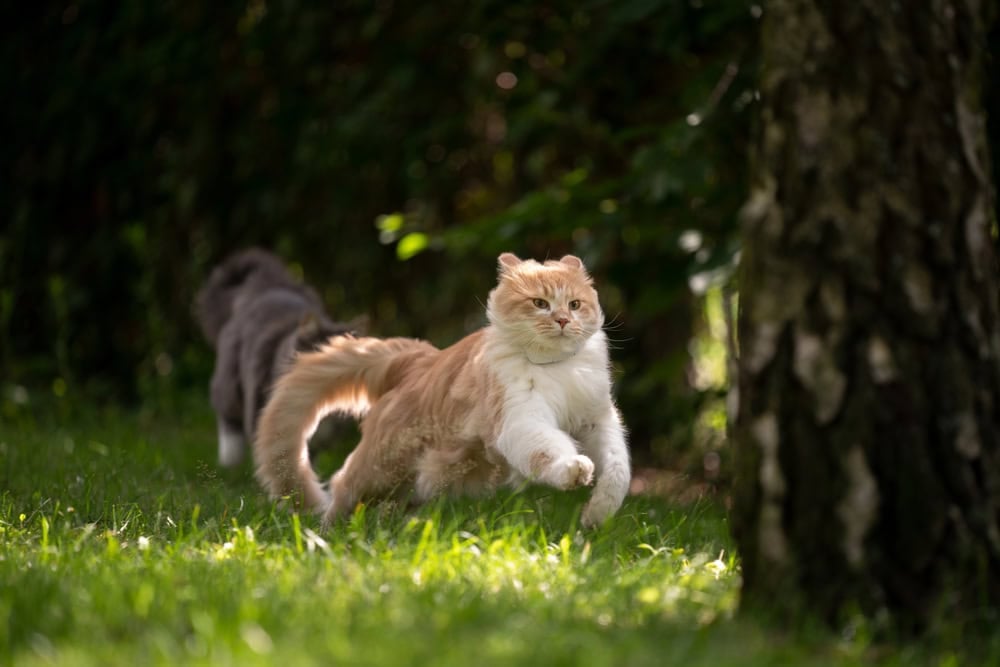
Cats are territorial creatures who value their independence, so when a cat chooses to follow you from room to room, they’re making a conscious decision to prioritize your company over their solitary tendencies. This behavior, sometimes called “shadowing,” demonstrates that your cat finds security and pleasure in your presence. Some cats will follow their owners to the bathroom, sit outside the shower, or wait by the door when their human leaves—all behaviors indicating attachment and affection.
Studies on cat-human relationships have found that cats form genuine social bonds with their owners similar to those seen in dogs and children, albeit expressed differently. When your cat follows you around the house, they’re exhibiting what animal behaviorists call “proximity-seeking behavior,” which is a key component of secure attachment. In essence, your cat is saying they feel safer and happier when they’re near you, a profound expression of trust and affection in a species that naturally values independence and personal space.
Angry Signal #1: The Lashing Tail

While a gently swaying or upright tail indicates contentment, a tail that’s lashing forcefully from side to side is one of the clearest signals that your cat is agitated or angry. This motion is distinctly different from the gentle, curious swish of a content cat—the movements are sharp, quick, and often accompanied by a stiffened body posture. According to feline behavior experts, this tail movement serves as a warning sign, essentially communicating “I’m upset and may act defensively if you don’t back off.”
The intensity of the tail movement often corresponds to the intensity of the cat’s emotion. A slightly irritated cat might display slow, deliberate tail swishes, while a cat on the verge of aggression will lash their tail rapidly and forcefully. Other accompanying signs might include dilated pupils, flattened ears, and tense body language. Respecting this clear communication signal by giving your cat space is crucial for maintaining trust in your relationship. Most cat-related scratches and bites occur when humans miss or ignore these warning signs, so learning to recognize and respond appropriately to a lashing tail can prevent negative interactions.
Angry Signal #2: Hissing and Growling
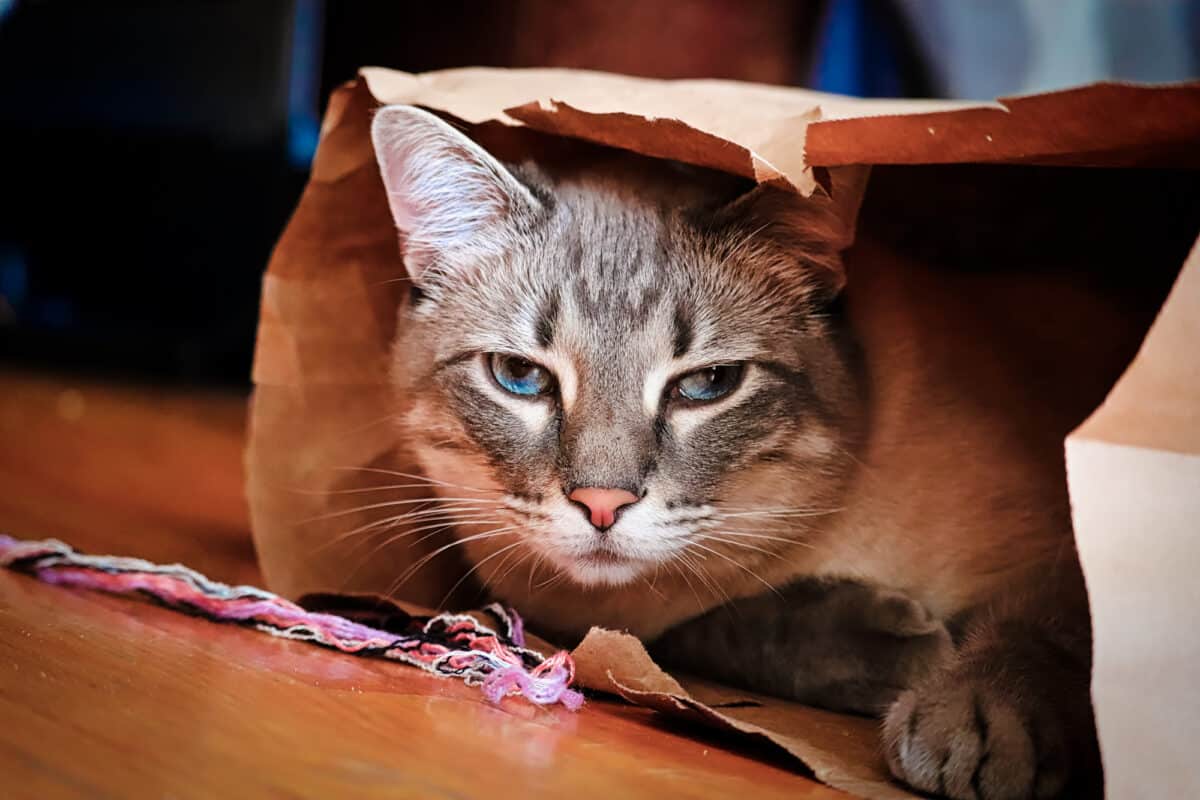
When a cat resorts to hissing or growling, they’ve moved beyond subtle warnings to explicit vocalizations of displeasure or fear. A hiss is an unmistakable sound that mimics the noise of a snake, an evolutionary adaptation designed to startle potential threats. Growling, a low, rumbling sound from deep in the throat, indicates serious agitation. These vocalizations are typically accompanied by defensive body postures—arched back, puffed fur, and possibly even a sideways stance to appear larger.
These sounds are never ambiguous—they always indicate a cat who feels threatened, cornered, or highly stressed. Feline behaviorists emphasize that hissing and growling are not signs of aggression but rather defensive communications from a cat who feels they have no other option. When your cat displays these behaviors, the appropriate response is to remove whatever is causing their distress and give them ample space to calm down. Forcing interaction with a hissing or growling cat will likely result in a defensive bite or scratch and damage the trust in your relationship. Understanding and respecting these clear boundaries is essential for maintaining a healthy relationship with your feline companion.
Understanding Your Cat’s Unique Language
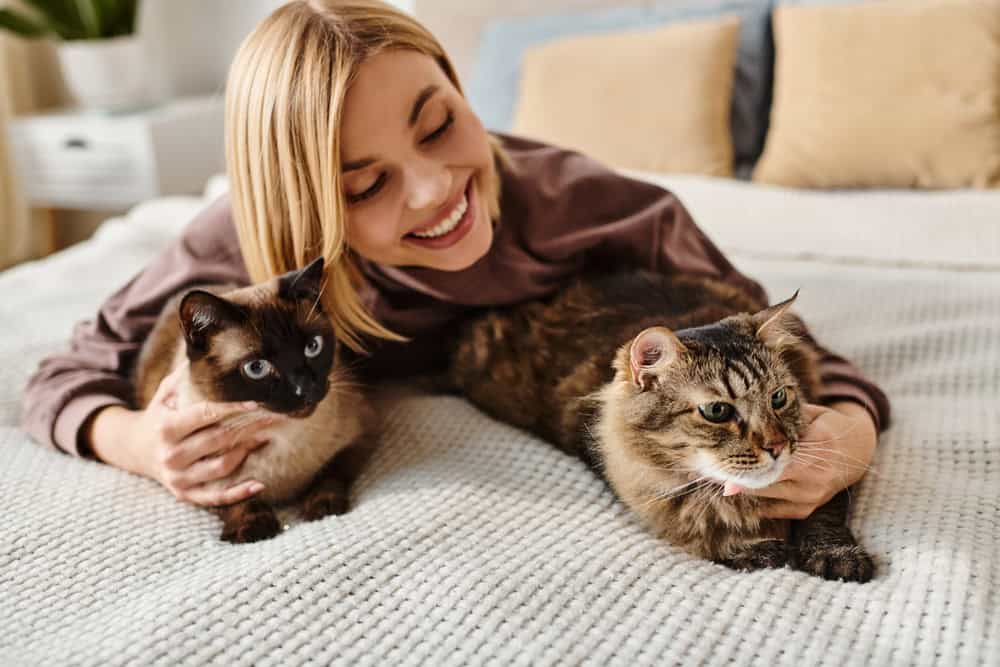
Cats are individuals with their own unique communication styles, shaped by genetics, early experiences, and their specific relationship with you. What begins as a scientific understanding of general feline behavior should evolve into an intimate knowledge of your particular cat’s communication patterns. The key to deepening your bond lies in consistent observation and respectful response to your cat’s signals, both the loving ones and the warning signs. By acknowledging and honoring their communications, you demonstrate that you’re listening to their needs and boundaries.
Remember that your relationship with your cat is a two-way conversation, not a one-sided interaction. The more attuned you become to their subtle cues, the more they’ll trust you with increasingly affectionate behaviors. Cats who feel understood and respected typically become more demonstrative in their affection over time. This beautiful dance of interspecies communication represents one of the most rewarding aspects of sharing your life with a feline companion. Through patience, observation, and respect, you can develop a deep understanding of your cat’s unique language and build a relationship filled with mutual trust, respect, and genuine affection.

- Why You Shouldn’t Chase Butterflies With Nets - July 22, 2026
- The Animal Kingdom’s Best Dads Ranked - July 22, 2026
- The Most Vulnerable Fish Species in U.S. Rivers Today - July 22, 2026