


Tigers, the largest members of the cat family, have captured human imagination for centuries. Yet today, these magnificent creatures face an unprecedented crisis. From a historical population of approximately 100,000 tigers a century ago, their numbers plummeted to a critical low of just 3,200 wild tigers in 2010. This dramatic decline prompted the launch of the ambitious TX2 initiative—an unprecedented global effort to double wild tiger populations by 2022. Through innovative conservation strategies, technological advancements, and international cooperation, conservationists have begun to turn the tide. This article explores the multifaceted approaches being employed to protect tigers in the modern era, highlighting both the challenges faced and the remarkable progress being made in tiger conservation.
The Current State of Wild Tiger Populations
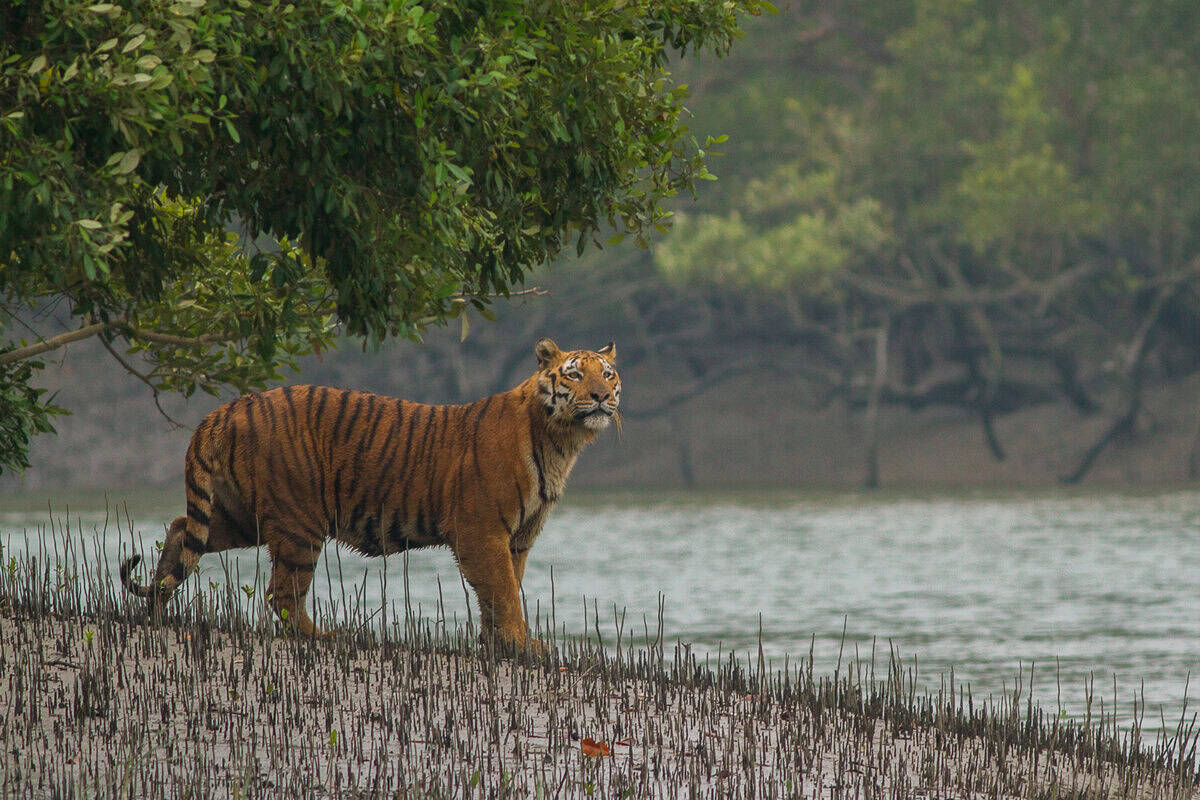
As of 2022, the global wild tiger population stands at approximately 4,500 individuals—a significant increase from the 2010 low but still a fraction of historical numbers. These remaining tigers are distributed across 13 range countries in Asia, with India hosting approximately 70% of the world’s wild tigers. The species remains classified as Endangered on the IUCN Red List, though their status varies dramatically by region. While countries like India, Nepal, and Bhutan have seen encouraging population increases, tigers in Southeast Asia continue to decline at alarming rates.
The subspecies situation presents an even more complex picture. Three of the nine historically recognized tiger subspecies—the Bali, Caspian, and Javan tigers—became extinct in the 20th century. The South China tiger is considered functionally extinct in the wild, with only a small captive population remaining. The Malayan and Sumatran tigers are critically endangered with fewer than 400 individuals combined, while the Amur (Siberian), Bengal, and Indochinese tigers remain endangered but with relatively more stable populations. This varied landscape of conservation status demonstrates both the successes and ongoing challenges in tiger conservation.
Primary Threats to Tiger Survival

Habitat loss represents perhaps the most significant long-term threat to wild tigers. Tigers require large territories—a male Bengal tiger may need up to 100 square kilometers—yet their habitat has been reduced by more than 93% from historical ranges. Deforestation for agriculture, logging, and human settlements continues to fragment remaining tiger landscapes. Infrastructure development, particularly roads and railways, further divides tiger populations and increases human-tiger conflict opportunities. Climate change adds another layer of complexity, as rising sea levels threaten low-lying habitats like the Sundarbans mangroves shared by India and Bangladesh.
Poaching remains an acute threat despite intensified anti-poaching efforts. Tigers are killed primarily for their parts used in traditional Asian medicine, despite no scientific evidence supporting their medicinal value. A single tiger can fetch poachers up to $50,000 on the black market. This illegal wildlife trade is increasingly sophisticated, with organized criminal networks operating across international borders. Additionally, tigers face prey depletion as ungulate populations are hunted unsustainably, leaving tigers with insufficient food resources. Human-tiger conflict also results in retaliatory killings when tigers prey on livestock or, rarely, attack people—a situation exacerbated by habitat encroachment.
Protected Area Management and Expansion

Protected areas form the cornerstone of tiger conservation, with approximately 70% of wild tigers living within these designated sanctuaries. Countries have responded to the crisis by establishing new tiger reserves and expanding existing ones. India alone has 53 tiger reserves covering approximately 75,000 square kilometers, with plans to add more. Nepal has nearly doubled its tiger population through enhanced protected area management, while Russia’s Land of the Leopard National Park has seen Amur tiger numbers increase by over 15% since its establishment in 2012. These successes demonstrate that well-managed protected areas can deliver significant conservation outcomes.
Modern protected area management extends beyond simple designation, employing adaptive management strategies informed by scientific monitoring. Rangers receive specialized training in anti-poaching tactics, wildlife monitoring, and community engagement. Many reserves implement SMART (Spatial Monitoring and Reporting Tool) patrolling systems that use data to optimize enforcement efforts. Buffer zone management has become increasingly important, with programs designed to reduce pressure on core tiger habitats while providing sustainable livelihoods for local communities. Some reserves are experimenting with sustainable tourism models that generate revenue for conservation while minimizing ecological impacts. These comprehensive approaches have transformed protected areas from paper parks into effective conservation units.
Technological Innovations in Tiger Conservation

Technology has revolutionized tiger conservation in the 21st century. Camera traps with motion sensors have become essential tools for monitoring tiger populations, providing critical data on population size, individual identification, and behavior patterns. Advanced camera systems can now transmit images in real-time, allowing for rapid response to poaching threats. DNA analysis from scat, hair, and other biological samples enables non-invasive monitoring of tiger populations, helping to identify individuals, determine genetic diversity, and detect population isolation issues that may require conservation interventions.
Satellite collaring provides unprecedented insights into tiger movements and habitat use. These GPS-enabled collars transmit location data that helps conservationists understand migration patterns, identify critical corridors, and mitigate human-tiger conflict. Drones equipped with thermal imaging cameras patrol protected areas, detecting poachers even at night or in dense forest. Some reserves are implementing acoustic monitoring systems that can identify gunshots or chainsaw sounds, immediately alerting rangers to potential illegal activities. Meanwhile, artificial intelligence is being deployed to analyze vast amounts of camera trap data, significantly reducing the time required to identify individual tigers and track population trends. These technological tools have dramatically improved both monitoring efficiency and the effectiveness of anti-poaching operations.
Combating the Illegal Wildlife Trade

The fight against tiger trafficking has evolved into a sophisticated multi-pronged approach. International frameworks like CITES (Convention on International Trade in Endangered Species) prohibit commercial trade in tigers and their parts, while organizations like TRAFFIC monitor illegal wildlife trade networks. Specialized wildlife crime units have been established in several tiger range countries, with officers trained specifically in investigating wildlife crimes. Forensic techniques, including DNA analysis, help link confiscated tiger parts to specific crime scenes and build stronger legal cases against traffickers. International cooperation has intensified, with INTERPOL coordinating cross-border operations targeting wildlife trafficking networks.
Demand reduction campaigns represent another crucial front in this battle. Organizations like WWF and WildAid run high-profile campaigns featuring celebrities to discourage consumption of tiger products. In China, which historically had a significant market for tiger parts, public awareness campaigns have helped shift attitudes. A 2018 survey found that 93% of Chinese respondents supported a ban on tiger trade. Some countries have strengthened legislative frameworks with severe penalties for wildlife trafficking. In India, wildlife crime can now result in up to seven years imprisonment, while Thailand increased maximum penalties to four years imprisonment and fines up to $1,300. These combined efforts have disrupted major trafficking networks, though the illegal trade continues to adapt and evolve in response to enforcement efforts.
Landscape Conservation and Wildlife Corridors

Conservation biologists increasingly recognize that protected areas alone cannot sustain viable tiger populations long-term. The landscape approach to conservation focuses on maintaining functional ecosystems across broader landscapes, including both protected and non-protected areas. This strategy acknowledges that tigers require space to disperse, find mates, and maintain genetic diversity. Major landscape conservation initiatives include India’s Terai Arc Landscape, which aims to connect 12 protected areas across northern India and Nepal, and the Russian Far East’s Amur Tiger Landscape, spanning territories in Russia and China. These approaches often involve restoring degraded habitat, managing human activities in buffer zones, and establishing legal frameworks for conservation outside protected areas.
Wildlife corridors represent a critical element of landscape conservation. These relatively narrow strips of habitat connect larger habitat blocks, allowing tigers to move between otherwise isolated protected areas. The Kaziranga-Karbi Anglong corridor in India exemplifies successful corridor conservation, linking Kaziranga National Park with the Karbi Anglong hills and allowing tigers to access higher ground during seasonal flooding. In Malaysia, the Central Forest Spine initiative aims to reconnect fragmented forest patches across the peninsula. Establishing effective corridors often requires creative solutions, including wildlife underpasses beneath highways, land purchase for conservation, working with private landowners on wildlife-friendly land management, and community-based conservation agreements. These corridors not only benefit tigers but also maintain ecosystem connectivity for countless other species.
Community-Based Conservation Approaches

Modern tiger conservation recognizes that local communities must benefit from conservation efforts to ensure long-term success. Community-based natural resource management programs give local people stakes in protecting wildlife while providing sustainable livelihoods. In Nepal’s Terai Arc Landscape, community forest user groups manage buffer zone forests, receiving benefits including sustainable harvest rights and a share of tourism revenues. Studies show these areas have experienced reduced poaching and improved tiger habitat. Similarly, India’s eco-development committees around tiger reserves implement alternative livelihood programs that reduce pressure on forest resources while improving community wellbeing.
Innovative compensation schemes address the economic costs communities bear from living with tigers. Insurance programs in India compensate farmers for livestock losses to tiger predation, reducing retaliatory killings. In Russia’s Far East, the Phoenix Fund works with communities to develop tiger-friendly businesses, including ecotourism operations and sustainable forest product harvesting. Education initiatives raise awareness about tiger conservation while building local pride in the species. The Tiger Guardians program in Sumatra trains former poachers as wildlife guides and rangers, transforming them into conservation advocates. These participatory approaches recognize that tigers will only survive if people who share their habitat support conservation efforts and receive tangible benefits from tiger presence rather than bearing only costs.
Captive Breeding and Reintroduction Programs

While in-situ conservation remains the priority, captive breeding programs serve as genetic reservoirs and potential sources for reintroduction efforts. Approximately 20,000 tigers live in captivity worldwide, though only a fraction participate in legitimate conservation breeding programs. The Association of Zoos and Aquariums’ Tiger Species Survival Plan maintains a carefully managed breeding population to preserve genetic diversity. For critically endangered subspecies like the South China tiger, captive populations may represent the last hope for survival. However, conservationists debate the effectiveness of captive breeding for conservation, as captive tigers often develop behaviors unsuitable for wild survival, and many facilities fail to maintain genetically viable populations.
Reintroduction programs attempt to restore tigers to areas of former range where they’ve been extirpated. Kazakhstan is exploring reintroduction of Caspian tigers (or their closest living relatives, Amur tigers) to the Ili-Balkhash region, while South Korea has conducted feasibility studies for potential Amur tiger reintroductions. India has successfully relocated tigers to repopulate reserves like Panna and Sariska after local extinctions. However, reintroductions face significant challenges, including habitat quality, prey availability, human attitudes, and genetic concerns. The most successful reintroductions occur in areas with minimal human disturbance, abundant prey, and strong legal protection. Cambodia’s Cardamom Mountains are being evaluated for potential tiger reintroductions, with extensive preparation including prey restoration and community engagement. These efforts represent attempts to reverse local extinctions, though they cannot substitute for protecting existing wild populations.
International Cooperation and Policy Frameworks

Tiger conservation has become a significant focus of international diplomacy and cooperation. The 2010 St. Petersburg Tiger Summit marked a watershed moment when all 13 tiger range countries committed to the Global Tiger Recovery Program and the ambitious TX2 goal. This high-level political commitment has translated into increased funding, strengthened policies, and enhanced international cooperation. The Global Tiger Forum serves as an intergovernmental body coordinating conservation efforts across range states, while the Global Tiger Initiative provides technical support and facilitates knowledge sharing. Bilateral agreements address cross-border conservation issues, such as the agreement between Russia and China to protect the shared Amur tiger population.
International financial mechanisms increasingly support tiger conservation. The World Bank’s Global Wildlife Program has channeled over $200 million to combat wildlife trafficking and promote conservation in tiger range countries. The Global Environment Facility funds landscape-level conservation projects, while private philanthropies like the Leonardo DiCaprio Foundation provide targeted grants for tiger protection. USAID’s Wildlife Asia program works to reduce demand for tiger products while strengthening enforcement. These diverse funding streams help sustain long-term conservation efforts despite changing political priorities in range countries. Additionally, international frameworks like the UN Sustainable Development Goals now explicitly recognize wildlife conservation as integral to sustainable development, helping to mainstream tiger conservation into broader development planning.
Rewilding and Ecological Restoration

Beyond protecting existing tiger populations, some conservation initiatives focus on restoring degraded ecosystems to create new tiger habitat. Rewilding projects actively restore natural processes and ecosystem functions, often through reintroducing key species including predators like tigers. In India’s Kanha Tiger Reserve, formerly degraded buffer zones have been restored through natural regeneration and targeted reforestation, expanding effective tiger habitat. The Greater Manas Landscape in India and Bhutan demonstrates successful restoration after conflict damaged forest ecosystems, with tigers returning to areas they had abandoned during unrest. These efforts recognize that ecological restoration can effectively increase carrying capacity for tigers beyond simply protecting remaining habitat.
Prey species restoration forms a critical component of tiger habitat restoration. Tigers require abundant prey, typically deer and wild boar, to maintain viable populations. In reserves where prey has been depleted by hunting, active management may include temporary hunting bans, anti-poaching enforcement focused on prey species, and even prey reintroductions. In Thailand’s Huai Kha Khaeng Wildlife Sanctuary, enhanced protection of sambar deer and other ungulates contributed to a tiger population increase from approximately 40 to 90 individuals between 2010 and 2020. Water management represents another important restoration strategy, particularly in dry forest ecosystems. Artificial water holes strategically placed throughout reserves help maintain prey populations during dry seasons, indirectly supporting tigers. These holistic ecosystem restoration approaches recognize that tiger conservation depends on maintaining complete ecological communities rather than focusing narrowly on the predator alone.
Education and Public Awareness Campaigns

Public support remains essential for effective tiger conservation, making education and awareness campaigns important components of conservation strategies. International campaigns like WWF’s “TX2: Double Wild Tigers” initiative have raised the profile of tiger conservation globally, helping to secure political commitment and funding. Celebrity ambassadors including Leonardo DiCaprio, Jackie Chan, and Amitabh Bachchan have lent their voices to tiger conservation, reaching audiences that might otherwise remain unengaged. These high-profile campaigns help transform tigers from abstract conservation symbols into creatures worthy of concrete action and financial support.
At the local level, education programs target communities living near tiger habitats. School curricula in tiger range countries increasingly incorporate conservation education, building the next generation of conservation supporters. The Kids for Tigers program in India has reached over a million children with tiger conservation messages. Community outreach programs provide practical information on coexisting with tigers, including livestock protection measures and human safety protocols. In Thailand, the Freeland Foundation trains Buddhist monks in conservation principles, leveraging their respected position to influence community attitudes toward tigers. These diverse education efforts aim to build a constituency for conservation that spans from local villages to international policy circles, creating the social foundation necessary for long-term tiger protection.
The Future of Tiger Conservation: Challenges and Opportunities

Tiger conservation in the 21st century stands at a critical juncture. Despite encouraging population increases in some regions, tigers face intensifying pressures from habitat loss, infrastructure development, and climate change. The global human population continues to grow, particularly in many tiger range countries, increasing competition for land and resources. Rising affluence in Asia drives both habitat conversion for consumer goods and potential demand for tiger products. Meanwhile, emerging threats include new transportation corridors like China’s Belt and Road Initiative, which could fragment remaining tiger landscapes. Climate change poses particular challenges for subspecies with restricted ranges, such as the Sumatran tiger, which inhabits increasingly vulnerable island ecosystems.
Yet alongside these challenges, new opportunities are emerging. Advances in conservation technology continue to enhance monitoring capabilities and enforcement effectiveness. Growing middle classes in tiger range countries increasingly value wildlife conservation, creating domestic constituencies for tiger protection. Corporate sustainability commitments, including zero-deforestation pledges, potentially reduce habitat conversion threats. Conservation finance innovations, such as biodiversity offsets and payment for ecosystem services, offer new funding mechanisms for tiger habitat protection. The COVID-19 pandemic has highlighted connections between wildlife trade and zoonotic disease risk, potentially strengthening arguments for eliminating tiger trafficking. As we move forward, the fate of wild tigers will depend on our collective ability to address threats while capitalizing on these emerging opportunities. With continued commitment, innovation, and cooperation, the roar of wild tigers could echo through Asian forests for generations to come.

From exploring the marine wonders in the Azores and witnessing the vast savannas of Kenya, to delving deep into the rich biodiversity of South Africa and traversing iconic landscapes in Australia and the US like Yellowstone, Chris's experiences are vast.
With a penchant for diving alongside sharks, the ocean holds a special place in his heart.
Through his academic insights, he champions wildlife conservation, striving with 'Animals Around The Globe' to cultivate a profound connection between humans and animals, enhancing our mutual appreciation.
Connect with him at Feedback@animalsaroundtheglobe.com.
- Scientists Stunned by Electric Pangolin Found in Congo - July 23, 2026
- The Largest Clam Ever Dredged Up From U.S. Waters - July 22, 2026
- How Animated Films Shape What Kids Believe About Animals - July 22, 2026