


Creating the perfect habitat for your pet snake isn’t just about aesthetics—it’s essential for their health, longevity, and overall well-being. Snakes have evolved specific environmental needs over millions of years, and replicating these conditions in captivity requires knowledge, attention to detail, and a genuine commitment to their care. Whether you’re a first-time snake owner or a seasoned herpetologist, understanding the elements that make a snake enclosure thrive—and those that can compromise it—is crucial for responsible pet ownership. This comprehensive guide explores the ten vital components of an optimal snake habitat and highlights four common mistakes that can significantly harm your scaly companion.
The Importance of Proper Enclosure Size
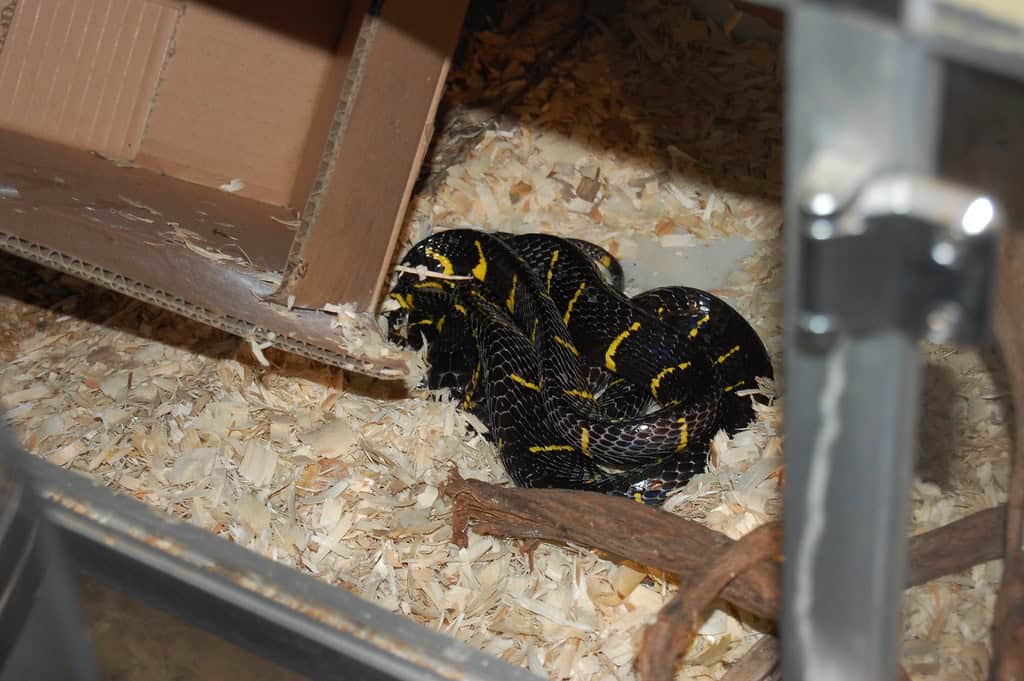
One of the most fundamental aspects of a proper snake habitat is appropriate enclosure size. Unlike some pets that benefit from as much space as possible, snakes require an enclosure that balances adequate room for movement with a sense of security. As a general rule, the length of the enclosure should be at least two-thirds the total length of your snake, with width and height proportional to your snake’s size and arboreal tendencies. For example, a 4-foot corn snake would need an enclosure at least 32 inches long, while tree-dwelling species like green tree pythons require taller enclosures with ample climbing opportunities.
It’s also important to consider your snake’s future growth when selecting an enclosure. Many snake species can live 15-30 years and may grow substantially during that time. Investing in an appropriately sized habitat from the start—or having a plan to upgrade as needed—prevents stress and health issues associated with cramped living conditions. However, avoid enclosures that are excessively large, particularly for younger snakes, as this can create feeding difficulties and increased stress due to feeling exposed in a vast environment.
Temperature Gradients: Creating Essential Thermal Zones
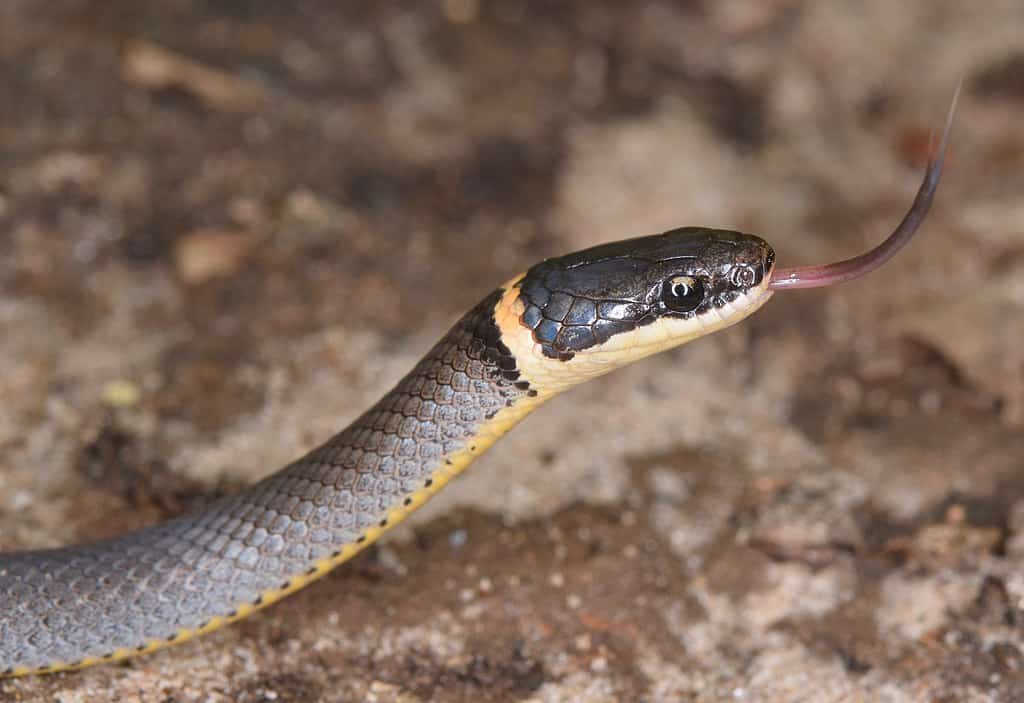
Snakes are ectothermic (cold-blooded) creatures that rely on their environment to regulate body temperature, making proper thermal gradients absolutely essential in captivity. A well-designed snake habitat must feature distinct temperature zones that allow your pet to thermoregulate by moving between warmer and cooler areas as needed. The warm side of the enclosure, often called the basking spot, should be maintained at the higher end of your specific snake species’ preferred temperature range (typically 85-95°F for many common pet snakes), while the cool side should be approximately 10-15°F lower.
This temperature differential can be achieved using a combination of heating elements such as under-tank heaters, ceramic heat emitters, or radiant heat panels—all regulated by accurate thermostats to prevent dangerous temperature fluctuations. Digital thermometers should be placed at both ends of the enclosure to monitor temperatures consistently. Without proper temperature gradients, snakes may experience digestive problems, weakened immune systems, respiratory infections, and overall stress that can significantly shorten their lifespan. Remember that different snake species have evolved in different climates, so research the specific temperature requirements for your particular snake.
Humidity Control for Optimal Health
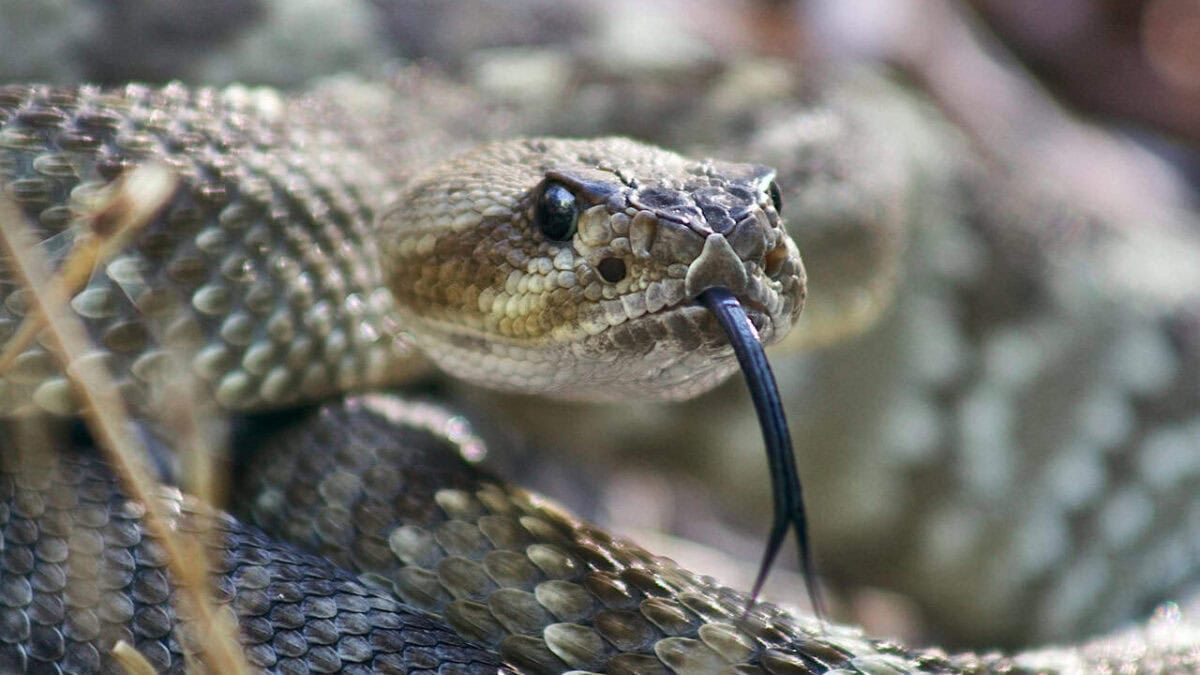
Maintaining appropriate humidity levels is another critical aspect of snake husbandry that directly impacts health, shedding success, and respiratory function. Humidity requirements vary dramatically across snake species based on their native habitats—from arid-dwelling species like kingsnakes that thrive at 40-50% humidity to tropical species like rainbow boas that need 70-90% humidity. Using a reliable hygrometer to monitor moisture levels is essential for maintaining these specific parameters. For higher humidity needs, methods such as larger water dishes, moisture-retaining substrates, regular misting, or automated misting systems can help achieve the necessary levels.
Improper humidity management is one of the most common causes of health issues in captive snakes. Consistently low humidity can lead to difficult sheds (dysecdysis), dehydration, and respiratory problems, while excessive humidity without adequate ventilation creates the perfect environment for bacterial and fungal infections. Humidity should be managed in conjunction with proper ventilation to allow air exchange while maintaining moisture levels. Many successful keepers create “humidity hides”—enclosed spaces with moisture-retaining material like sphagnum moss—that allow snakes to access higher humidity zones when needed for shedding or comfort.
Appropriate Substrate Choices
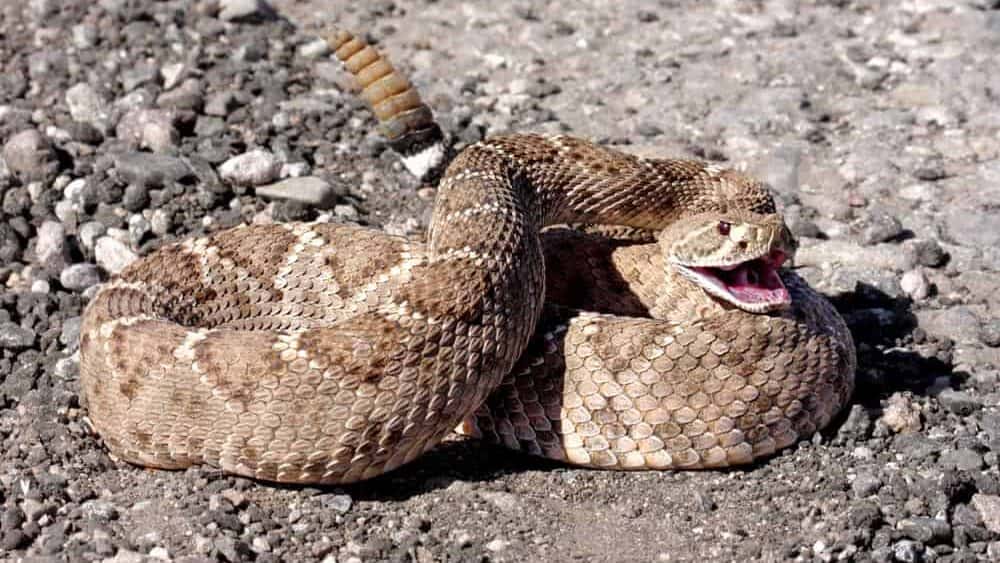
The substrate (bedding material) in your snake’s enclosure serves multiple functions: it provides a comfortable surface for movement, helps maintain humidity, absorbs waste, and satisfies natural behaviors like burrowing for many species. Choosing the right substrate depends on your snake’s species, enclosure setup, and your maintenance preferences. For many common pet snakes, options include paper-based bedding, aspen shavings, cypress mulch, coconut husk products, or bioactive soil mixtures. Each offers different benefits—aspen provides excellent burrowing opportunities but minimal humidity retention, while cypress and coconut products maintain moisture well for tropical species.
Avoid potentially harmful substrates such as cedar or pine shavings, which contain aromatic oils that can damage your snake’s respiratory system, and sand, which can cause impaction if accidentally ingested during feeding. For species with higher humidity requirements, a substrate depth of 2-4 inches allows for moisture retention without becoming waterlogged. In recent years, bioactive substrates—living systems with beneficial microorganisms, isopods, and springtails that help break down waste—have gained popularity for creating more naturalistic and self-maintaining environments, particularly for tropical species.
Essential Hide Spots for Security

Secure hiding places are non-negotiable elements of any snake habitat, as they fulfill the fundamental need for safety and stress reduction. In the wild, snakes spend much of their time concealed from predators and harsh environmental conditions; replicating this security in captivity is essential for their psychological well-being. A properly set up enclosure should include at least two hides—one on the warm side and one on the cool side—allowing your snake to feel secure while still being able to thermoregulate effectively. These hideouts should be snug but not cramped, with openings just large enough for your snake to enter and exit comfortably.
Hide boxes can be commercially purchased or easily created from various materials—ceramic caves, half logs, repurposed plastic containers with entrance holes, or naturalistic cork bark pieces all make excellent options. For burrowing species like sand boas or children’s pythons, providing deeper substrate allows them to create their own underground retreats. Some keepers incorporate “humid hides” filled with damp sphagnum moss to create microenvironments that assist with shedding. Regardless of the style, ensure that hides are stable, have no sharp edges, and are heavy enough that they won’t shift when your snake moves in and out, creating a consistently secure retreat.
Water Sources: More Than Just Hydration
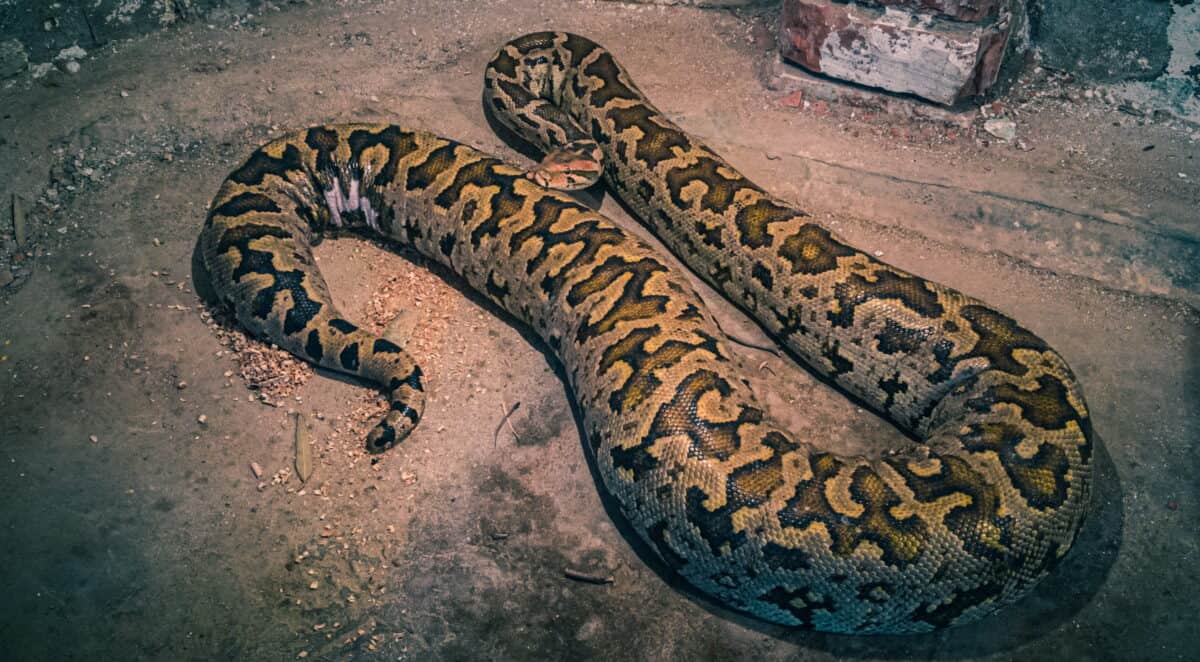
A clean, appropriately sized water source is vital for all captive snakes, serving multiple purposes beyond basic hydration. Most snake species drink regularly, absorb moisture through their skin, and some even enjoy occasional soaking, particularly before shedding or when experiencing mild digestive issues. The water dish should be heavy enough to prevent tipping, large enough for the snake to partially submerge if desired, but not so deep as to pose a drowning risk for smaller specimens. For arboreal species, water dishes should be elevated or secured to prevent spillage during climbing activities.
Water should be changed at least every 1-2 days, with the dish being thoroughly cleaned to prevent bacterial growth that can lead to scale rot or other infections. Chlorine and chloramine in tap water can be harmful to reptiles, so using dechlorinated or filtered water is recommended. For species from humid environments, larger water dishes contribute to ambient humidity through evaporation. Some semi-aquatic species like water snakes may benefit from larger bathing areas, though these require more frequent cleaning and monitoring. Remember that water dishes often become soiled quickly, especially when snakes defecate in them or drag substrate through them, necessitating immediate cleaning regardless of your regular schedule.
Climbing Structures and Enrichment
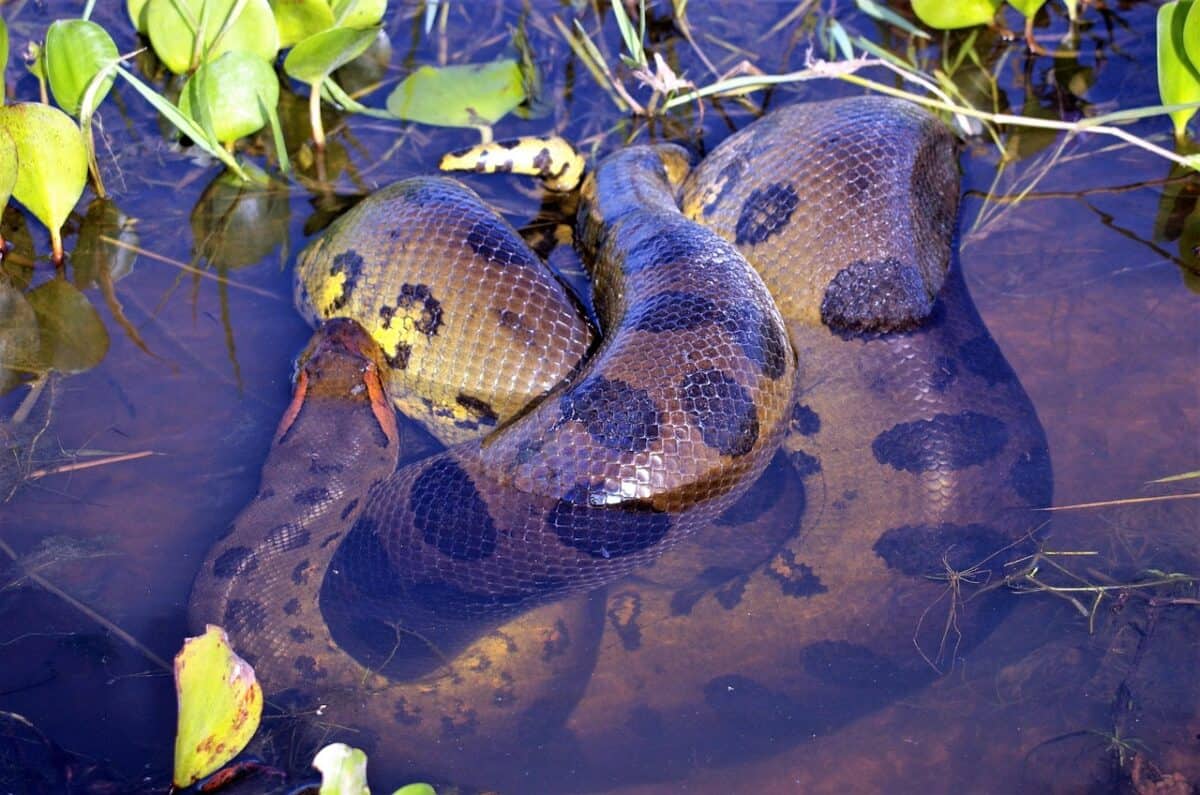
Environmental enrichment through climbing structures, varied textures, and manipulable objects is increasingly recognized as essential for captive snake welfare. While terrestrial species may not require extensive climbing opportunities, most snakes benefit from some form of environmental complexity that allows them to exercise natural behaviors. For arboreal species like green tree pythons or emerald tree boas, sturdy branches, vines, and elevated perches are absolutely necessary and should be arranged at various heights and orientations. Semi-arboreal species like corn snakes and ball pythons appreciate moderate climbing options that allow them to explore vertically without requiring constant aerial positioning.
Beyond climbing structures, consider incorporating various textures and surfaces that provide sensory stimulation—rough bark, smooth stones, and different substrate zones all contribute to a more stimulating environment. Periodically rearranging these elements (while maintaining consistent hide locations) can provide mental stimulation through novel experiences. Some snake keepers also practice “target training” or gentle handling sessions as forms of positive enrichment. These efforts toward environmental complexity pay dividends in reduced stress behaviors, improved appetite, more natural movement patterns, and overall better quality of life for captive snakes.
Proper Lighting and Photoperiod
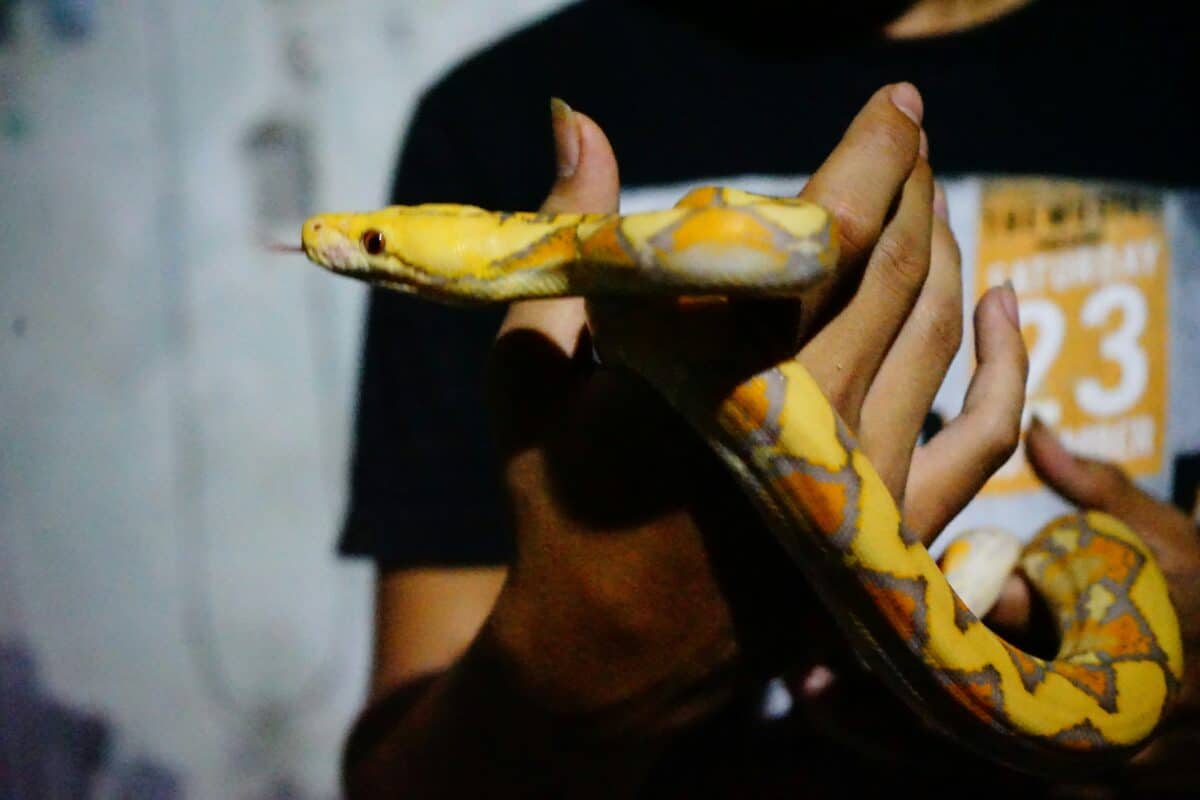
While snakes don’t require UVB lighting to the same degree as many lizards or turtles, appropriate lighting still plays an important role in maintaining their circadian rhythms and overall health. Establishing a consistent day-night cycle of approximately 12-14 hours of light and 10-12 hours of darkness helps regulate your snake’s biological processes, feeding responses, and breeding behaviors. This can be accomplished with simple room lighting if the enclosure is in a consistently lit area, or with dedicated low-wattage LED or fluorescent fixtures for the habitat itself.
Recent research suggests that while most snakes can synthesize vitamin D without UVB exposure (unlike many other reptiles), some species may still benefit from low levels of UVB lighting, particularly those that bask in dappled sunlight in their natural habitats. If incorporating UVB lighting, use low-percentage bulbs (2-5% UVB) and ensure the snake can retreat to shaded areas as needed. Avoid bright, direct lighting that creates glare or excessive exposure, as this can stress your snake. For nocturnal species, red or blue “night lights” should be used sparingly or avoided entirely, as evidence suggests snakes can still perceive these wavelengths, potentially disrupting their natural cycles. Instead, consider infrared or ceramic heat emitters for nighttime heat without visible light.
Secure Enclosure Design for Safety
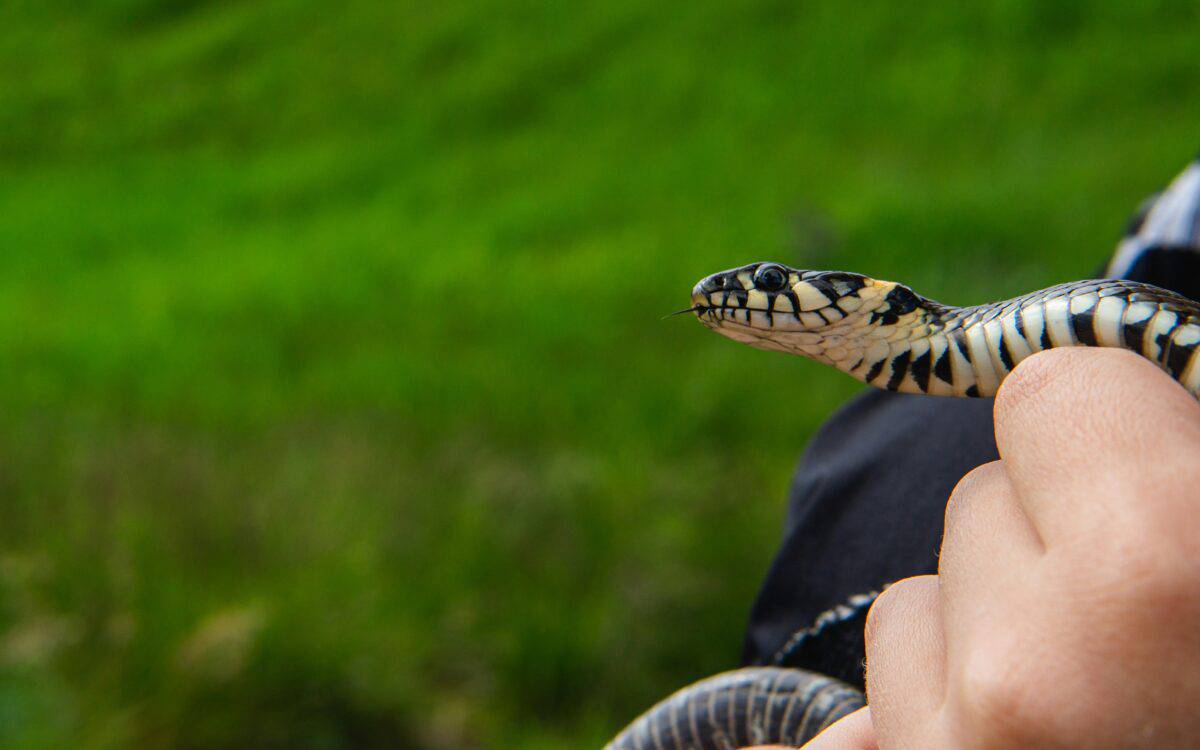
A secure enclosure is paramount for both your snake’s safety and your peace of mind. Snakes are notorious escape artists with remarkable strength and problem-solving abilities when motivated to explore. Enclosure lids or doors must have reliable locking mechanisms—simple slide locks, clips, or even weights on screen tops are often insufficient for stronger species like boas or pythons. Purpose-built reptile enclosures typically feature more secure systems, but always test the security before trusting it with your pet. Any cables entering the enclosure for heating or lighting should pass through specially designed ports that prevent escape while protecting the wiring from damage.
Beyond preventing escapes, security also means protecting your snake from potential hazards within the enclosure. All décor should be stable and unable to collapse or trap your snake if burrowed under or climbed upon. Heating elements must be properly guarded to prevent direct contact that could cause severe burns. If using adhesives for any reason in habitat construction, ensure they are completely inaccessible, as snakes can become fatally stuck to exposed adhesive surfaces. Finally, consider the enclosure’s placement in your home—away from loud speakers, heavily trafficked areas, or locations with dramatic temperature fluctuations that could stress your snake regardless of internal habitat conditions.
Cleanliness and Maintenance Routines
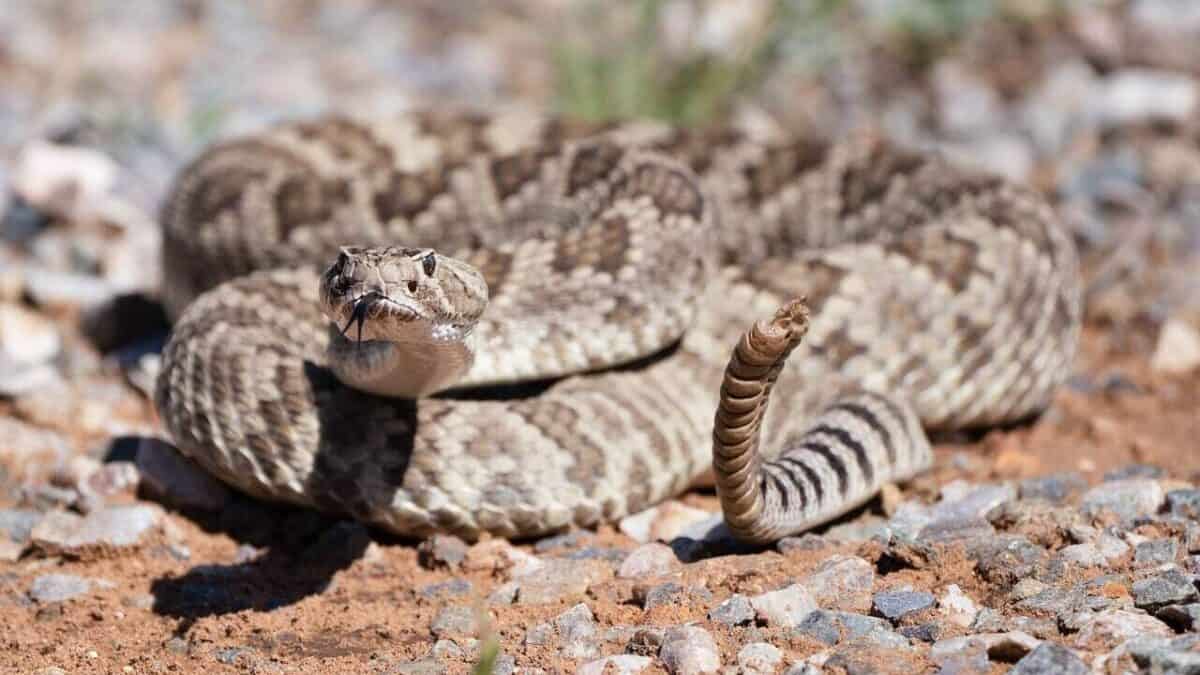
A consistent maintenance routine is essential for preventing disease, detecting potential issues early, and ensuring your snake’s environment remains optimal. Daily maintenance should include visual inspection of your snake, removing any waste, checking temperatures and humidity, and ensuring water is clean and available. Spot-cleaning should be performed as needed to remove feces, urates, or soiled substrate. More thorough partial substrate changes can be performed weekly or biweekly, depending on your snake’s size, feeding frequency, and the type of substrate used.
Complete habitat breakdowns and deep cleaning should occur every 1-3 months, with all décor, substrate, and surfaces being thoroughly disinfected using reptile-safe products. Avoid household cleaners containing phenols, pine oils, or strong fragrances, as these can be toxic to reptiles even in residual amounts. Instead, use veterinary-approved reptile disinfectants or diluted chlorhexidine solutions, followed by thorough rinsing and complete drying before reintroducing your snake. During these deep cleans, take the opportunity to inspect all equipment, replace worn items, and check heating elements and thermostats for proper function. Maintaining detailed records of cleaning, feeding, shedding, and any health observations provides valuable information for both preventative care and in case veterinary intervention becomes necessary.
Danger #1: Inappropriate Temperature Extremes
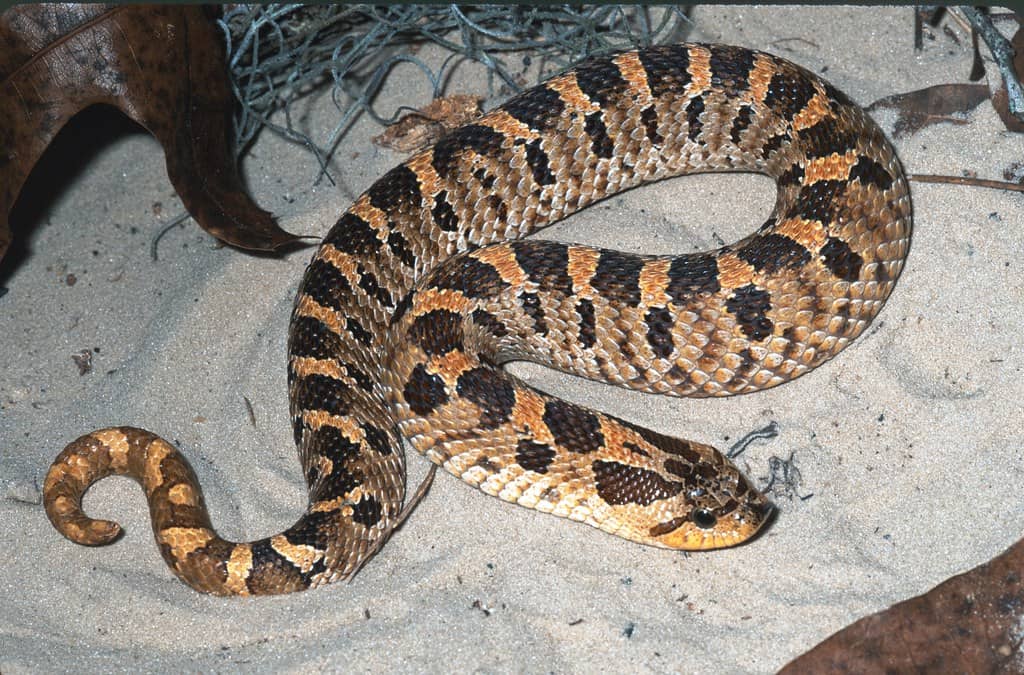
While proper temperature gradients are essential for a thriving snake habitat, temperature extremes can quickly become life-threatening. Unregulated heating elements that malfunction or lack thermostat control can create dangerous hot spots exceeding 110°F, causing severe burns or hyperthermia that can be fatal within hours. These injuries often occur when under-tank heaters or heat rocks contact the snake directly without proper barriers or regulation. Similarly, enclosures placed near windows, heating vents, or in garages may experience dangerous temperature fluctuations based on external conditions, exposing snakes to heat stress during summer months or potentially fatal cold stress below 65°F for tropical species.
Temperature-related emergencies can develop rapidly and have devastating consequences. Heat stroke in snakes presents as excessive gaping, disorientation, muscle tremors, and ultimately neurological damage or death. Hypothermia causes lethargy, feeding refusals, immunosuppression, and inability to digest food properly, potentially leading to regurgitation and secondary infections. The solution is straightforward but non-negotiable: all heating elements must be controlled by quality thermostats with failsafe features, temperatures must be monitored daily with reliable digital thermometers (preferably with remote probes), and enclosures must be placed in locations with stable ambient temperatures. Never rely on heat-producing devices without proper regulation and monitoring systems.
Danger #2: Toxic Substrates and Materials
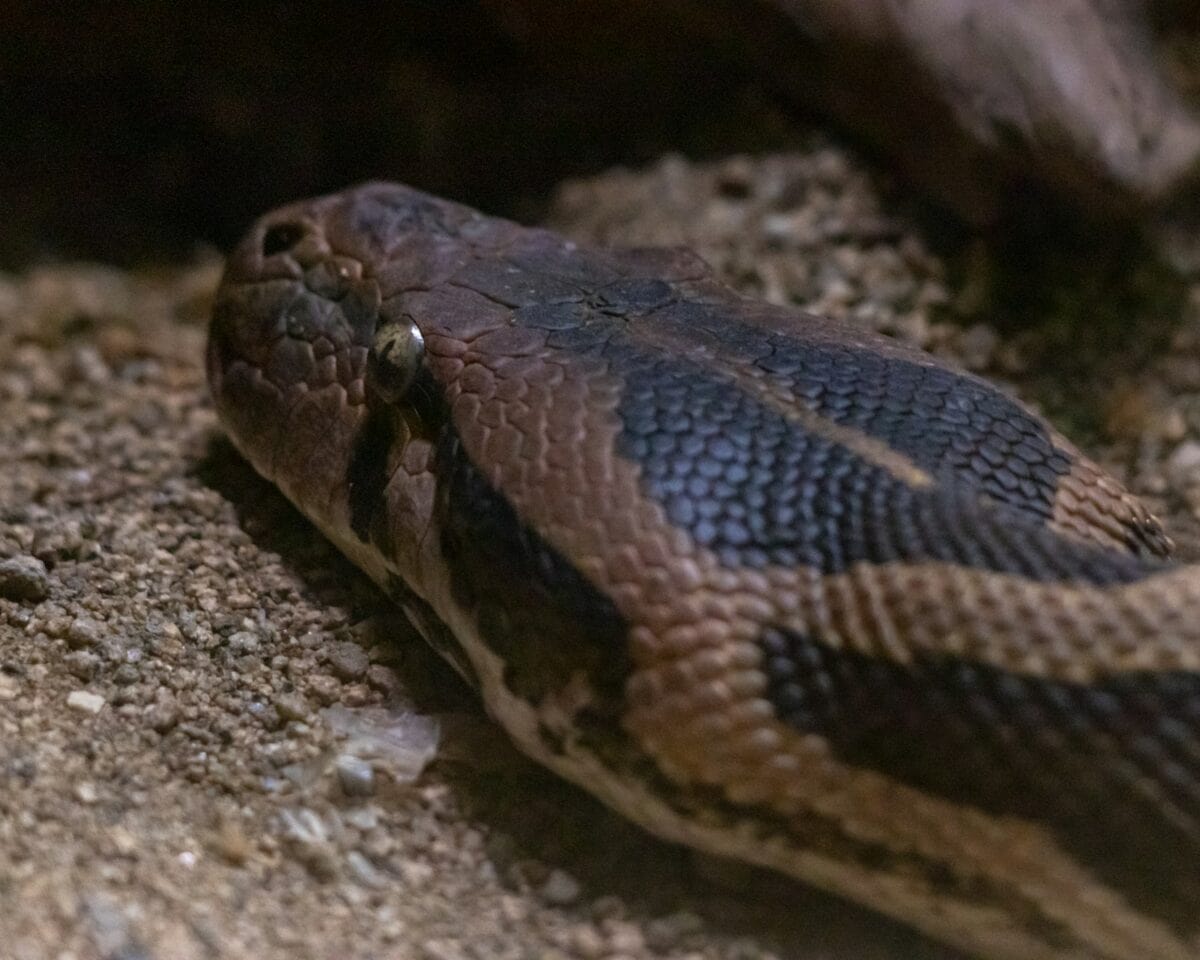
The introduction of toxic materials into snake enclosures represents a silent but deadly threat that can cause progressive decline or sudden death. Cedar and pine substrates contain aromatic phenolic compounds that damage reptilian respiratory systems and can cause liver damage with chronic exposure. These woods should never be used in snake habitats, despite sometimes being marketed for “small pets.” Similarly, certain types of moss sold for decorative purposes may contain pesticides or preservatives harmful to reptiles unless specifically labeled as reptile-safe. Painted or treated woods, particularly those designed for outdoor use, often contain chemicals that can leach into the habitat environment.
Adhesives present another common hazard, as snakes exploring their environments may become fatally stuck to exposed tape or glue traps. When constructing or modifying enclosures, any adhesives used should be completely sealed and inaccessible. Some decorative items marketed for aquariums or terrariums contain metals like copper that can leach into water sources and cause toxicity over time. Even certain plants, while beautiful additions to naturalistic enclosures, may be toxic if ingested during feeding or exploration. Before introducing any new element to your snake’s habitat, research its safety specifically for reptiles, not just for general pet use, and source materials from reputable reptile supply companies rather than general craft or hardware stores when possible.
Danger #3: Inadequate Quarantine Procedures
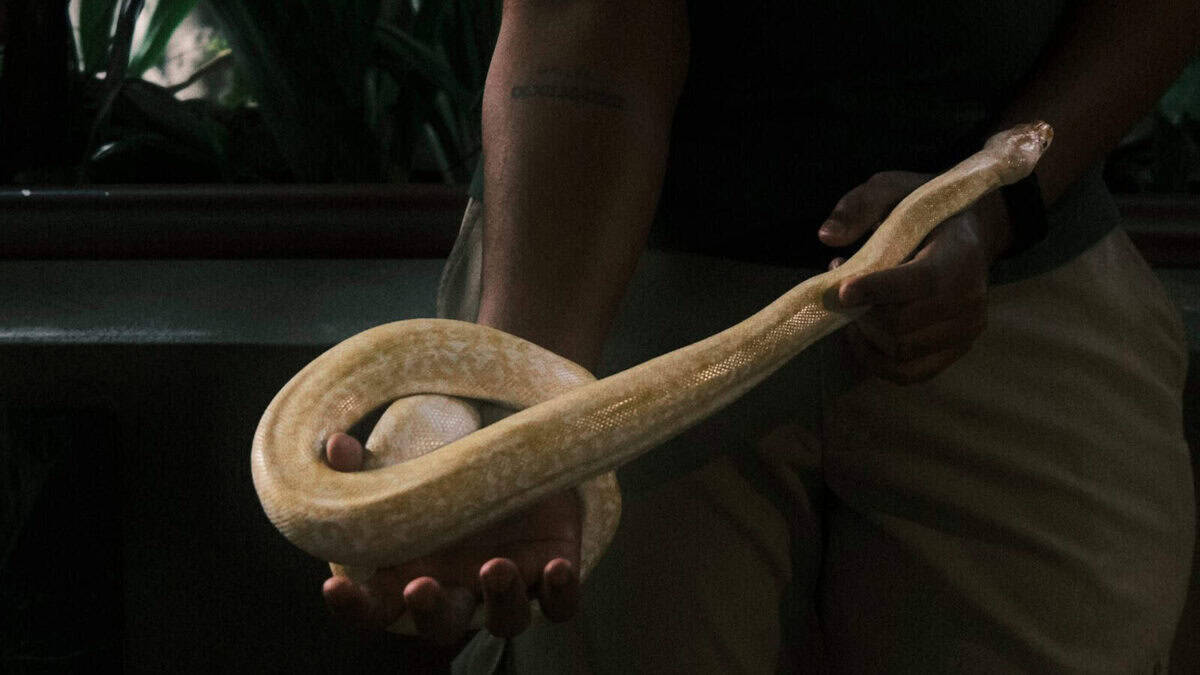
The failure to properly quarantine new animals, plants, or substrates before introducing them to an established snake habitat can have devastating consequences. Many reptiles, including seemingly healthy specimens, can carry parasites, bacteria, or viruses that may not affect them significantly but could ravage other animals with different immunity profiles. New snakes should always be housed separately for a minimum of 60-90 days, during which time they should receive a veterinary examination, fecal parasite screening, and observation for any signs of illness. This quarantine period should occur in a separate airspace when possible (ideally a different room) to prevent airborne pathogens or mites from spreading to existing enclosures. Equipment such as tongs, water bowls, and cleaning tools should be kept entirely separate and disinfected regularly. Cross-contamination—often caused by handling multiple reptiles without proper hygiene—is a common vector for disease transmission and must be rigorously avoided.
Even plants, substrate materials, and enclosure décor introduced from outside environments can harbor harmful organisms. Items sourced from nature should be thoroughly cleaned, baked, or frozen to eliminate pests and pathogens. Failure to follow strict quarantine and decontamination procedures has led to outbreaks of respiratory infections, scale rot, parasitic infestations, and in severe cases, entire collection losses. Responsible herpetoculture demands a preventative mindset: every new addition to a reptile room carries hidden risk until proven otherwise.
Conclusion: Building—and Preserving—the Perfect Home for Snakes

Creating and maintaining a great snake habitat involves more than just the right temperature or terrain—it’s about supporting an entire ecosystem that allows snakes to hunt, hide, thermoregulate, and reproduce successfully. Elements like dense ground cover, access to water, prey availability, and natural shelter help ensure a balanced environment where snakes can thrive. Whether in wild settings or managed lands, these features are crucial for supporting both common and rare species alike.
Conversely, habitat destruction through urban development, pesticide use, and fragmentation poses a serious threat to snake populations. These changes not only eliminate shelter and food sources, but also increase the chances of harmful human-snake encounters. By understanding what snakes need—and what endangers them—we can make more informed decisions about land use and conservation. Protecting snake habitats isn’t just good for the snakes; it’s vital for the health of the ecosystems they help regulate.

From exploring the marine wonders in the Azores and witnessing the vast savannas of Kenya, to delving deep into the rich biodiversity of South Africa and traversing iconic landscapes in Australia and the US like Yellowstone, Chris's experiences are vast.
With a penchant for diving alongside sharks, the ocean holds a special place in his heart.
Through his academic insights, he champions wildlife conservation, striving with 'Animals Around The Globe' to cultivate a profound connection between humans and animals, enhancing our mutual appreciation.
Connect with him at Feedback@animalsaroundtheglobe.com.
- This Monkey Has a Mustache - July 21, 2026
- How Steve Irwin Changed the World’s View of Wildlife - July 21, 2026
- The Catfish That Caused Earthquakes in Japanese Folklore - July 21, 2026