
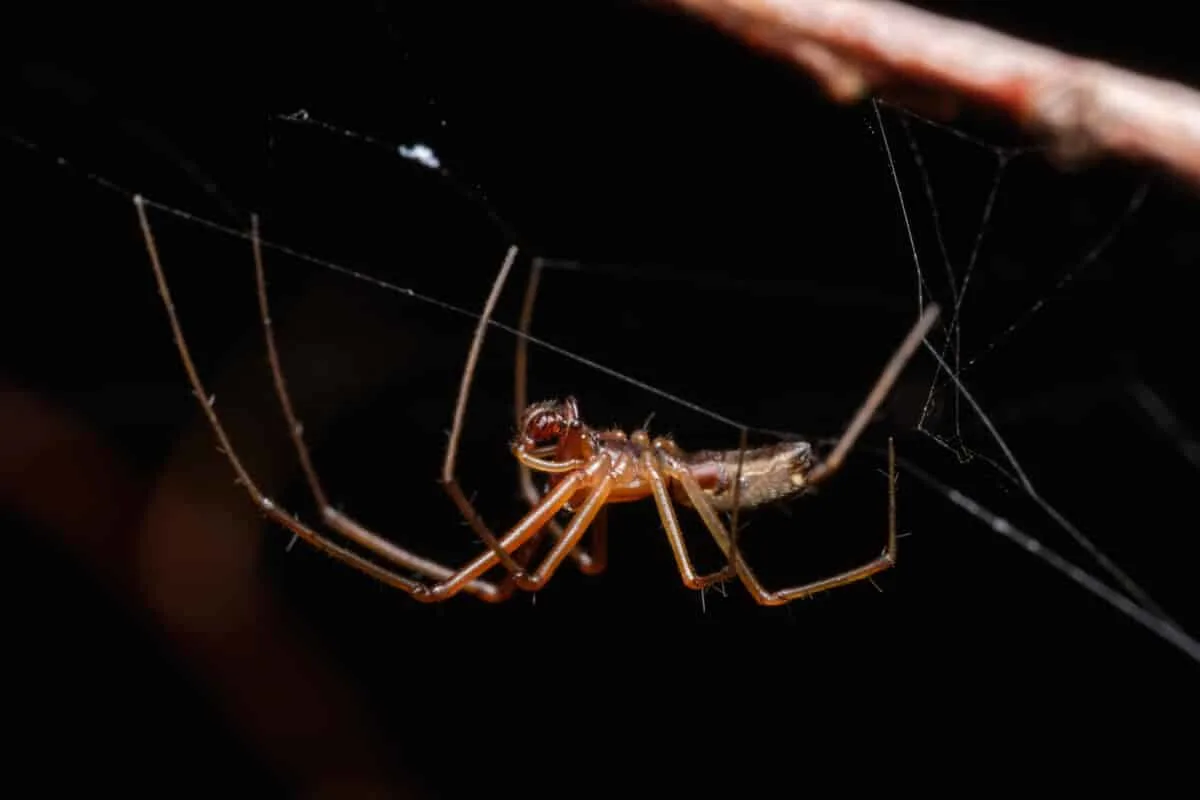
Spiders have long been the subject of myths, misconceptions, and outright fear. These eight-legged creatures often get a bad reputation, with many people suffering from arachnophobia—the irrational fear of spiders. But how much of what we “know” about spiders is actually true? In this comprehensive article, we’ll debunk 13 common myths about spiders, replacing fear with fascination and fiction with facts. From their supposed aggression toward humans to misconceptions about their venom and behavior, prepare to have your spider knowledge transformed as we separate spider myths from reality.
Myth 1: All Spiders Spin Webs
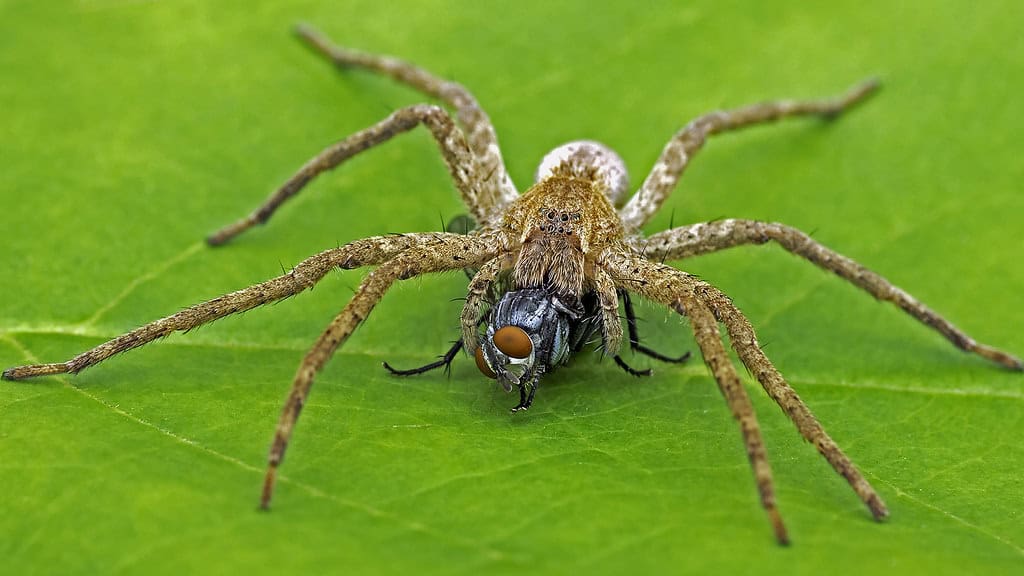
Contrary to popular belief, not all spiders create the classic orb webs we typically associate with these arachnids. While web-building is a common spider behavior, approximately half of all known spider species don’t construct webs to catch prey. Instead, these spiders employ alternative hunting strategies that are equally effective and often more active.
Wolf spiders, jumping spiders, and huntsman spiders are prime examples of non-web builders. These species actively hunt their prey, relying on speed, stealth, or ambush techniques to capture food. Some hunting spiders have excellent vision, allowing them to track and pounce on prey, while others may create trip lines or simple silk retreats rather than elaborate capture webs. Even among web-building species, there’s tremendous variation in web design, from funnel webs to sheet webs to the irregular cobwebs found in corners of homes.
Myth 2: Spiders Are Insects

One of the most persistent misconceptions is that spiders are insects. This is completely false—spiders belong to the class Arachnida, which makes them arachnids, not insects. The differences between these two groups are significant and numerous. Spiders have eight legs, while insects have six. Spiders possess two main body segments (cephalothorax and abdomen), whereas insects have three (head, thorax, and abdomen). Additionally, spiders lack wings and antennae, which many insects possess.
Spiders also differ from insects in their feeding habits. They are almost exclusively predatory and typically liquefy their food externally before consuming it. Most spiders inject venom through their fangs to immobilize prey and use digestive enzymes to break down their food before ingestion. This fundamental biological distinction places spiders in an entirely different taxonomic category from insects, making them more closely related to scorpions, mites, and ticks than to beetles, flies, or butterflies.
Myth 3: Spiders Actively Hunt Humans

Perhaps the most fear-inducing myth is that spiders are out to get us—lying in wait to attack unsuspecting humans. This couldn’t be further from the truth. Spiders have absolutely no interest in hunting or harming humans. In fact, spiders generally view humans as large, threatening predators and will do everything possible to avoid interaction with us. Most spiders are small creatures that prey on insects and other invertebrates appropriate to their size.
When spider bites do occur, they’re almost always defensive reactions when a spider feels threatened or is accidentally pressed against skin. The scenario of a spider seeking out a sleeping human to bite is largely fictional. Spider bites are relatively rare events, especially considering how many spiders live in close proximity to humans. Most species lack fangs long or strong enough to penetrate human skin, and even those that can typically prefer fleeing to biting when confronted by something as massive as a human being.
Myth 4: Daddy Longlegs Are the Most Venomous Spiders

There’s a persistent urban legend claiming that daddy longlegs (also known as harvestmen or cellar spiders, depending on which creature is being referenced) possess extremely potent venom but cannot inject it into humans because their fangs are too short or weak. This myth is doubly false. First, the term “daddy longlegs” can refer to several different creatures, including harvestmen (Opiliones), which aren’t even spiders and have no venom glands at all, and cellar spiders (Pholcidae), which are true spiders.
The cellar spiders that are often called daddy longlegs do produce venom, but it’s very mild and not particularly dangerous to humans. Scientific studies have found no evidence that their venom is especially potent. Additionally, while their fangs are small, some cellar spiders can bite humans—it’s just that their venom causes, at most, mild and brief irritation. The entire notion of these creatures being “deadly but unable to bite” is completely unfounded and has been thoroughly debunked by scientists and arachnologists.
Myth 5: You Swallow Eight Spiders Per Year While Sleeping
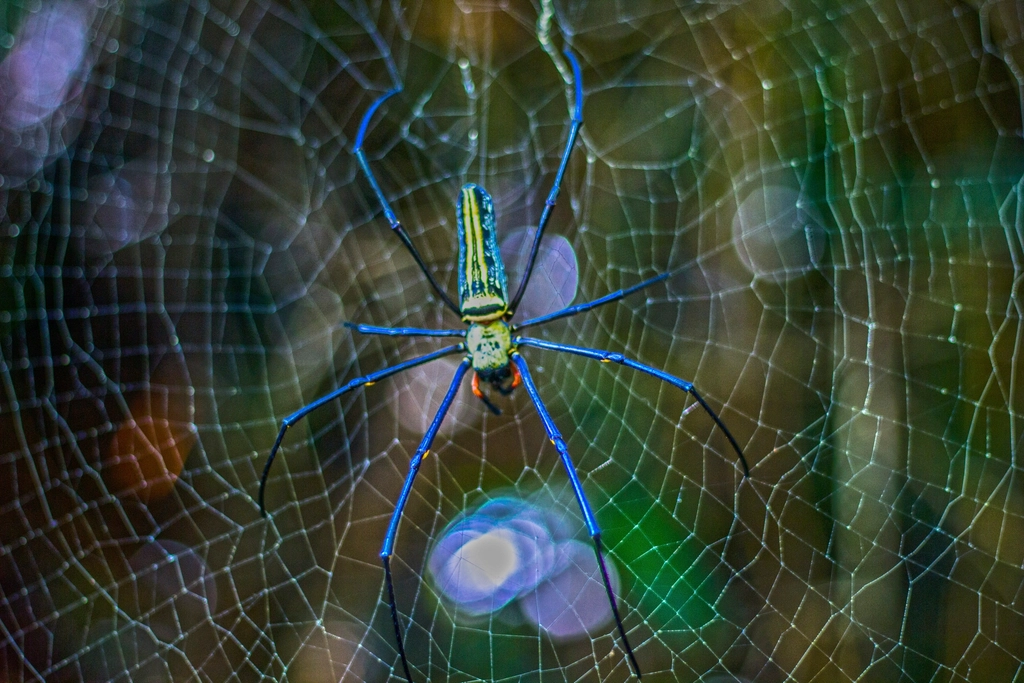
This widely circulated claim has made many people lose sleep, but rest assured: you are not regularly swallowing spiders in your sleep. This myth lacks any scientific evidence and defies both spider and human behavior. Spiders are generally timid creatures that avoid large animals, including humans. A sleeping person presents numerous deterrents to spiders—the vibrations from breathing and snoring, body heat, and the risk of being crushed all make a human mouth an extremely unappealing destination.
The origin of this myth is itself interesting—it’s often cited as an example of how readily people accept and share false information without verification. Some trace it back to a 1993 magazine article about how easily misinformation spreads online, where this “fact” was deliberately invented as an example. Ironically, this fabricated example of misinformation became exactly what it was meant to illustrate—widely shared misinformation. Scientific consensus is clear: accidental spider consumption during sleep is an extremely rare event, not a regular occurrence.
Myth 6: All Spider Bites Are Dangerous
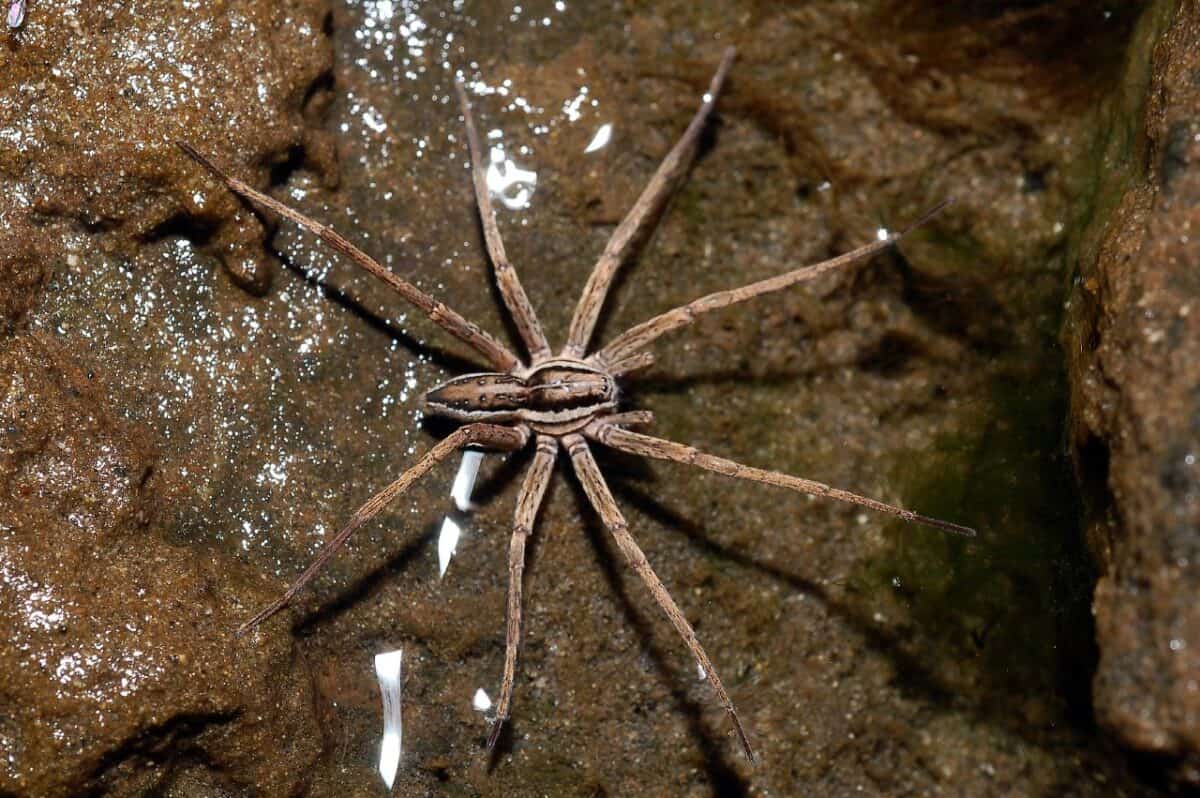
The notion that all spider bites lead to serious medical conditions is greatly exaggerated. Of the approximately 48,000 known spider species worldwide, only a small fraction—about 25 species—have venom that can cause significant health problems for humans. The vast majority of spiders either cannot penetrate human skin with their fangs or possess venom that causes only minor, localized reactions similar to a bee sting or less. Even among the spiders considered medically significant, fatalities are extremely rare with modern medical care.
In North America, only the black widow spiders (Latrodectus species) and brown recluse spiders (Loxosceles species) are considered medically significant. Australian funnel-web spiders and Brazilian wandering spiders are among other species worldwide with potentially dangerous bites. However, effective antivenoms exist for most dangerous species, and deaths from spider bites have become exceedingly rare. Many reported “spider bites” are actually misdiagnosed skin infections, allergic reactions, or bites from other arthropods, contributing to spiders’ undeserved dangerous reputation.
Myth 7: Spiders Lay Eggs Under Human Skin

This particularly disturbing myth has no basis in reality. Spiders do not and cannot lay eggs under human skin or inside human bodies. This misconception may have originated from confusion with certain parasitic insects or mites that can burrow into skin, such as scabies mites or bot flies. Spiders have evolved to reproduce in ways completely unrelated to parasitizing large mammals like humans. They typically lay their eggs in silk egg sacs that are attached to webs, hidden in retreats, or carried by the female.
Spider reproductive biology simply doesn’t include any mechanisms for inserting eggs under the skin of mammals. Their ovipositors (egg-laying organs) aren’t designed to penetrate human skin, and there would be no evolutionary advantage to laying eggs in such an environment, where they couldn’t develop properly. This myth plays on deep-seated fears of bodily invasion and often appears in urban legends or horror scenarios, but has zero scientific backing. Any unexplained skin conditions should be examined by a medical professional rather than attributed to spider eggs.
Myth 8: You’re Never More Than 3 Feet Away From a Spider
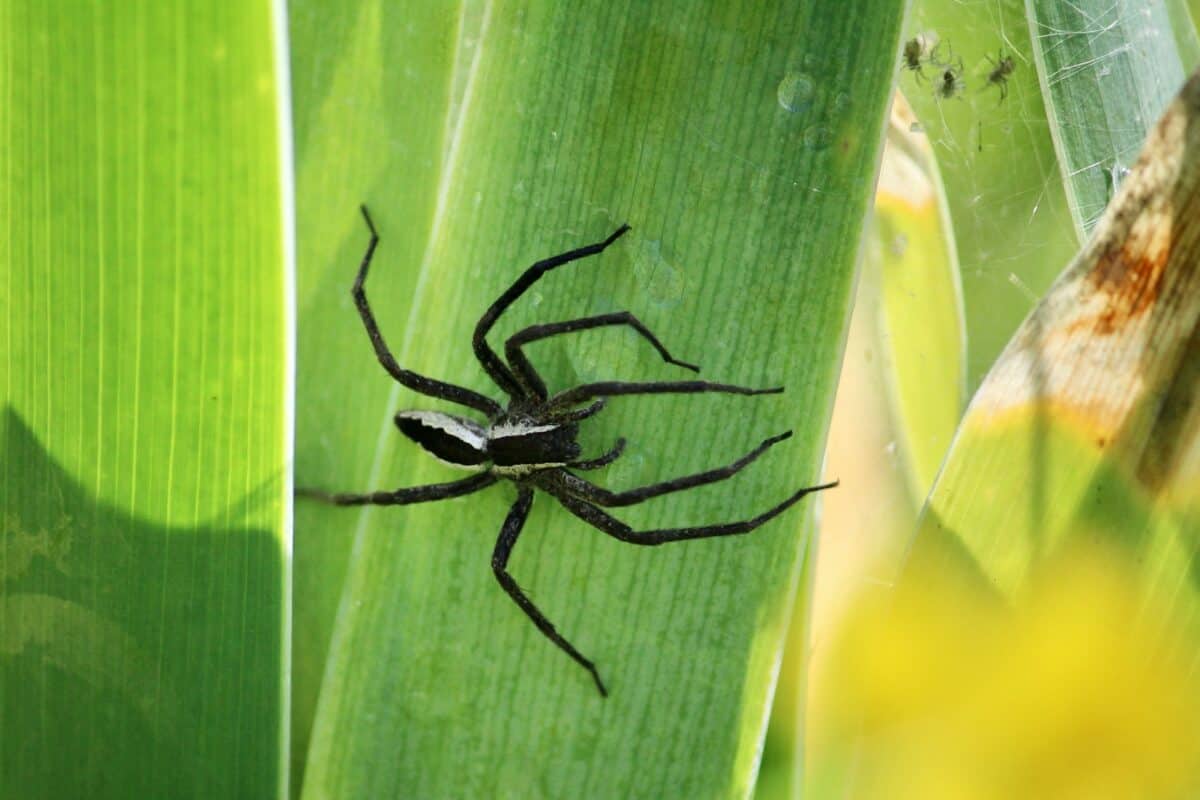
While it’s true that spiders are common in most terrestrial environments, the claim that you’re never more than three feet away from a spider is an oversimplification that isn’t supported by scientific evidence. The abundance of spiders varies dramatically based on habitat, season, geographic location, and level of urbanization. In some environments, such as certain natural areas with favorable conditions, spider density can indeed be quite high. However, in other settings—particularly sterile indoor environments, extremely cold regions, or at high altitudes—spiders may be sparse or absent.
This myth likely originated as a way to emphasize the ubiquity of spiders in our environment, but it has been exaggerated into a precise measurement without scientific basis. What is accurate is that spiders are exceptionally successful arthropods that have colonized nearly every terrestrial habitat on Earth except the polar regions. In many homes, especially those with gardens or surrounded by vegetation, several species of spiders likely coexist with human residents, mostly hidden in corners, crevices, and quiet areas where they perform the beneficial service of controlling insect populations.
Myth 9: All House Spiders Are Invasive Species

Many people believe that all spiders found inside homes have invaded from the outdoors, but this is not entirely accurate. While some spider species do occasionally wander indoors, particularly in autumn when temperatures drop, many common “house spiders” are actually species that have evolved to live primarily in human structures. These synanthropic species have adapted specifically to indoor environments and may struggle to survive outdoors in the local climate.
For example, the common house spider (Parasteatoda tepidariorum) and the cellar spider (Pholcidae family) have coexisted with humans for centuries and spread throughout the world in human habitations. These species find the stable temperatures and abundant insect prey of human dwellings ideal for survival. Research suggests that attempting to relocate true house spiders outdoors often results in their death rather than their “return to nature.” This doesn’t mean all indoor spiders are permanent residents—some are indeed temporary visitors—but many have become as adapted to living in human structures as humans themselves.
Myth 10: Spiders Can Lay Hundreds of Eggs in a Single Banana

The fear-inducing story of deadly banana spiders laying eggs inside bananas that later hatch in people’s homes has circulated widely, especially on social media. This myth is almost entirely false. While it’s true that banana spiders (typically referring to Brazilian wandering spiders, genus Phoneutria) occasionally hitchhike on banana shipments, they don’t lay eggs inside the fruit itself. Spider eggs are typically laid in silk egg sacs, not inside fruit. Additionally, modern fruit shipping includes rigorous inspection and treatment protocols that make the chances of encountering a dangerous spider in store-bought produce extremely remote.
Brazilian wandering spiders do occasionally appear in international banana shipments, but confirmed incidents are exceedingly rare—perhaps a handful of documented cases worldwide per year, mostly intercepted before reaching consumers. These spiders prefer to hide in the foliage or between bunches rather than inside individual fruits. Furthermore, while their venom is indeed potent, effective antivenoms exist, and deaths from their bites are extremely rare even in their native range. The exaggerated stories of deadly spider-filled bananas represent classic internet scaremongering rather than a legitimate concern.
Myth 11: All Spiders Have Fangs and Venom

While the vast majority of spiders do possess both fangs and venom, there are notable exceptions to this rule. The family Uloboridae, known as hackled orb weavers or cribellate spiders, completely lacks venom glands. These spiders have lost their venom-producing capability through evolution and instead rely entirely on silk to subdue their prey. They wrap their victims thoroughly in silk until the prey is immobilized and then use digestive enzymes applied externally to liquefy and consume their food.
Additionally, even among venomous spiders, venom composition varies dramatically between species, having evolved primarily to target the specific prey each spider hunts—typically insects and other invertebrates. Spider venoms are complex cocktails that may contain dozens or hundreds of different compounds, most of which are harmless to humans. The common misconception that spider venom evolved to harm humans ignores the evolutionary reality that spiders have been around for over 300 million years, far predating humans, and developed their venoms to capture the small prey that constitutes their diet, not as a defense against mammals.
Myth 12: Spiders Are Aggressive and Attack Without Provocation

The portrayal of spiders as aggressive creatures that attack humans without provocation is one of the most damaging and inaccurate myths. Spiders are generally shy, reclusive creatures that view humans as potential predators, not prey. Their primary response to human presence is to retreat or hide. When bites do occur, they almost always happen because the spider was threatened, cornered, or accidentally pressed against skin (such as when putting on clothing in which a spider is hiding).
Even species with reputations for aggression, like the Sydney funnel-web spider or the Brazilian wandering spider, don’t actively seek human confrontation. Their defensive displays (rearing up, showing fangs) are last-resort behaviors when they feel threatened and unable to escape. These displays are meant to deter predators, not to initiate attacks. Observation of spider behavior in natural settings confirms that unprovoked aggression toward humans simply isn’t part of their behavioral repertoire. Understanding this fact can help reduce unnecessary fear and promote more peaceful coexistence with these beneficial predators.
Myth 13: Spiders Don’t Serve Any Beneficial Purpose
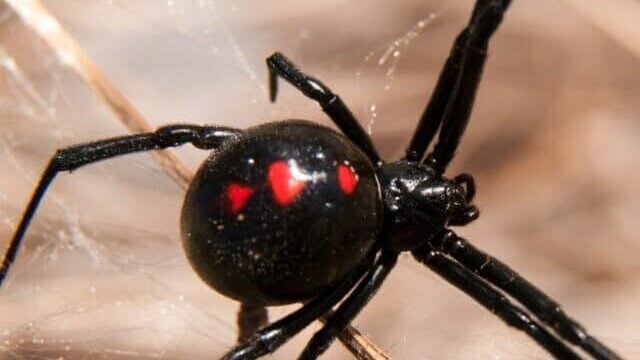
The misconception that spiders serve no useful purpose couldn’t be further from the truth. Spiders are among the most important predators in terrestrial ecosystems and provide numerous ecological and human benefits. As predominately insectivorous predators, spiders play a crucial role in controlling insect populations, including many agricultural pests and disease vectors like mosquitoes. Scientific studies estimate that the global spider community consumes between 400-800 million tons of prey annually—a staggering amount that helps maintain ecological balance.
Beyond pest control, spider venom is becoming increasingly important in medical research. Compounds from spider venom are being investigated for potential treatments for conditions ranging from pain management to stroke recovery and even cancer. Spider silk, one of the strongest natural fibers known, has inspired biomaterials research with applications in medicine, textiles, and engineering. Rather than being useless or merely frightening, spiders represent an important ally in agriculture, medicine, and ecosystem health. Their diverse hunting strategies, venom compositions, and silk properties make them not only fascinating creatures but tremendously valuable ones as well.
Conclusion: Embracing the Truth About Our Eight-Legged Neighbors

Understanding the truth about spiders is essential for moving beyond irrational fear toward appreciation of these remarkable creatures. By debunking these 13 common myths, we can see spiders for what they truly are: primarily shy, non-aggressive animals that play vital ecological roles and generally pose minimal risk to humans. The vast majority of spiders are not only harmless but beneficial, controlling pest populations that would otherwise run rampant in our gardens, farms, and homes. Their evolutionary success—spanning hundreds of millions of years—speaks to their remarkable adaptability and ecological importance.
Next time you encounter a spider, consider the facts rather than the myths. Remember that this small creature is far more afraid of you than you should be of it, and it’s likely providing free pest control services. While sensible caution around unfamiliar spiders is reasonable, particularly in regions with medically significant species, the widespread fear and misinformation surrounding these arachnids is largely unwarranted. By replacing myth with knowledge, we can develop a more balanced relationship with spiders—one based on facts, not fiction, and on respect rather than fear.

- Why You Shouldn’t Chase Butterflies With Nets - July 22, 2026
- The Animal Kingdom’s Best Dads Ranked - July 22, 2026
- The Most Vulnerable Fish Species in U.S. Rivers Today - July 22, 2026