

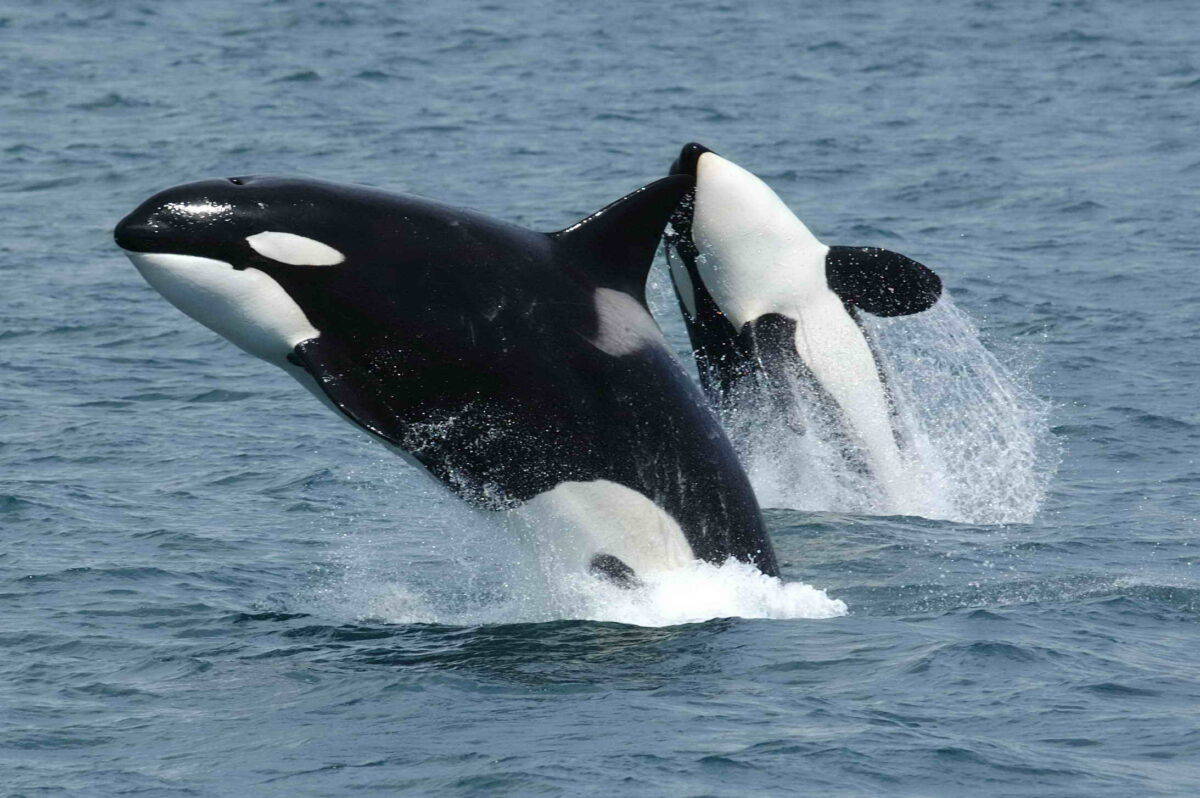
Nature’s ability to surprise us has no bounds, especially when it comes to the incredible journeys some animals embark on. These creatures traverse thousands of miles without stopping, showcasing not only remarkable endurance but also a deep connection with Earth’s varied ecosystems. Let’s delve into the fascinating world of five such wanderers.
The Monarch Butterfly A Fluttering Marvel

The Monarch butterfly might seem fragile, but its journey is anything but. Each year, these butterflies embark on a remarkable 3,000-mile migration from North America’s Great Lakes to the warm forests of Central Mexico. What’s astonishing is that for many, it’s their first and last journey as they won’t return north. Instead, their descendants will continue the cycle, guided by instinct and environmental cues, perpetuating an epic journey that spans generations.
Arctic Tern The Long-Distance Champion
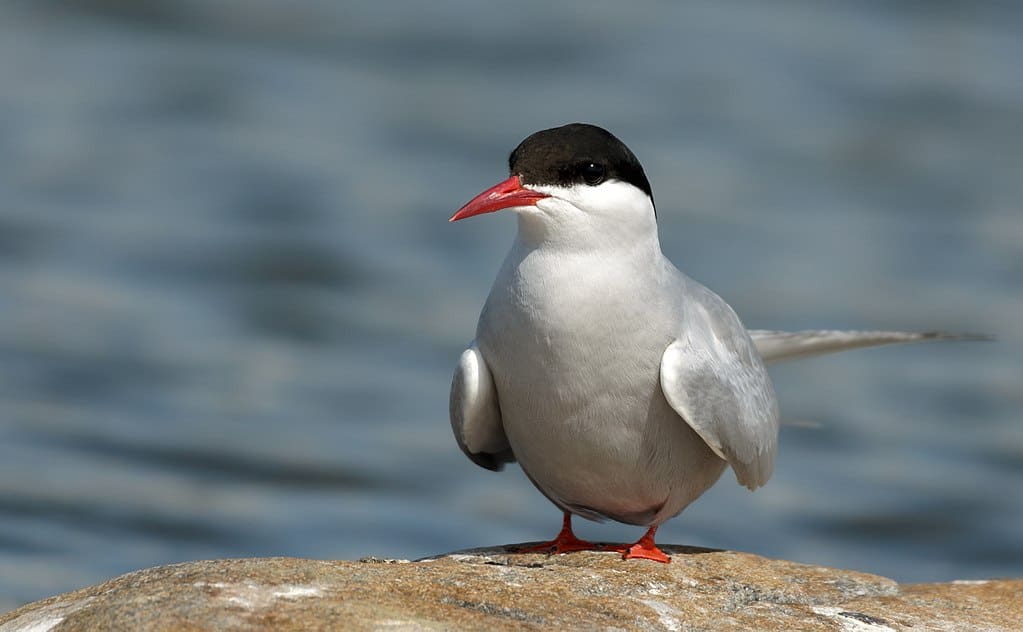
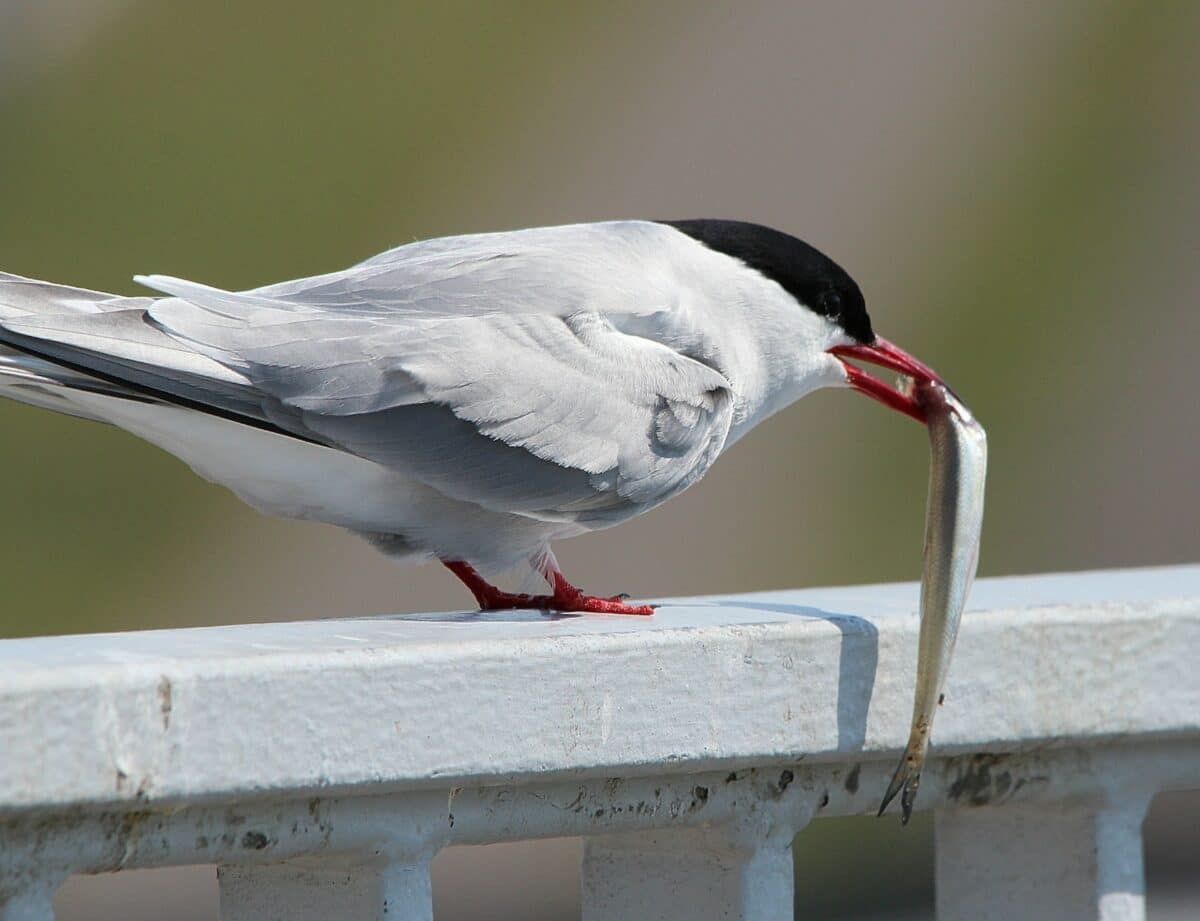
The Arctic Tern’s migration is a stunning example of animal endurance. This small bird boasts the longest migration of any species, traveling from its breeding grounds in the Arctic to the Antarctic and back, covering around 22,000 miles annually. The Arctic Tern takes advantage of global wind patterns and seeks out continuous daylight, a testament to its incredible adaptability and navigation skills.
The Caribou Nomads of the Frozen North

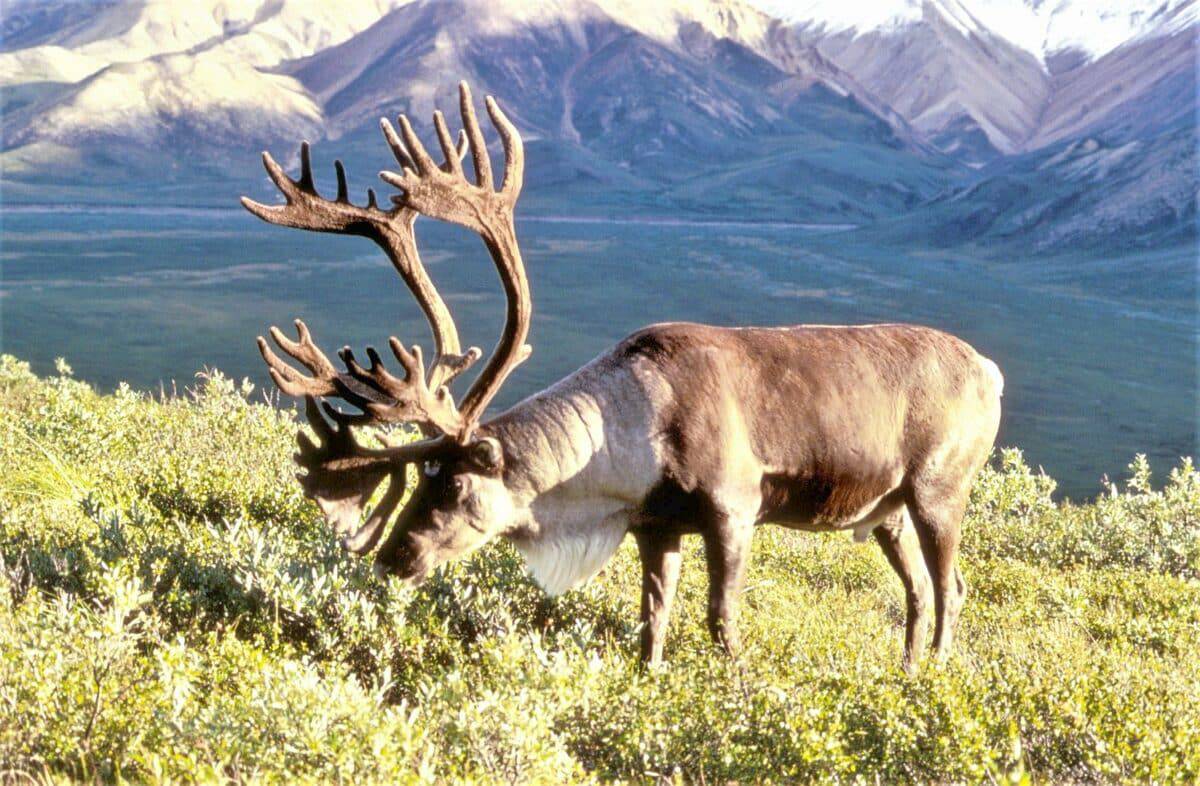
Caribou, or reindeer, undertake one of the long-distance migrations in the animal kingdom. They travel over 3,000 miles annually across the tundra and boreal forest of North America and Eurasia. These hoofed wanderers are in constant search of lush pastures, tracing well-trodden paths guided by ancient instincts. Their journey is integral to the ecosystems they traverse, affecting plant growth and the survival of predators like wolves.
Angelic Albatross Masters of the Seas
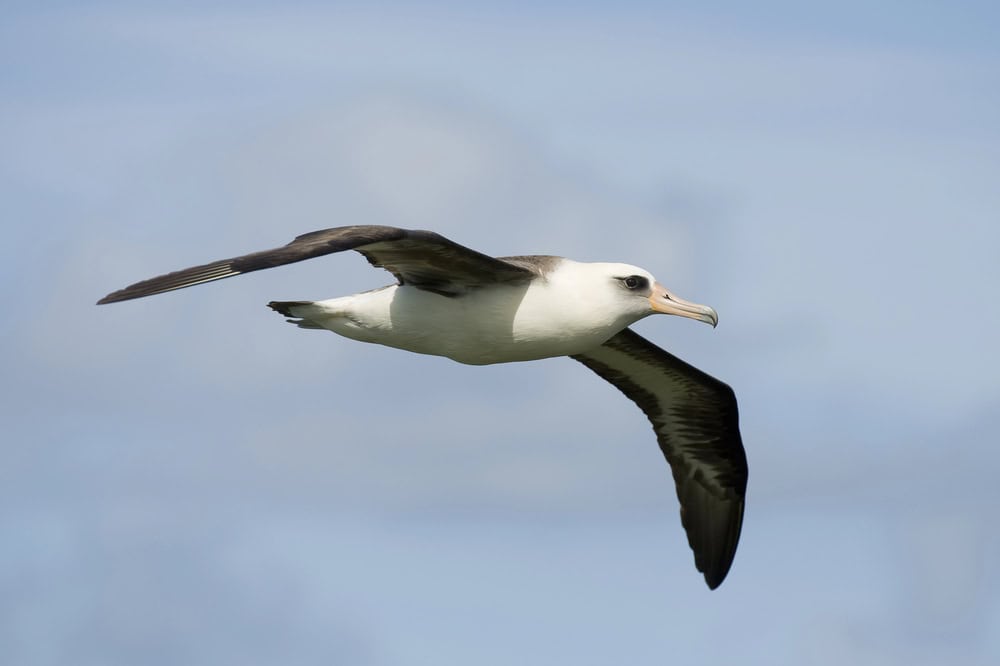
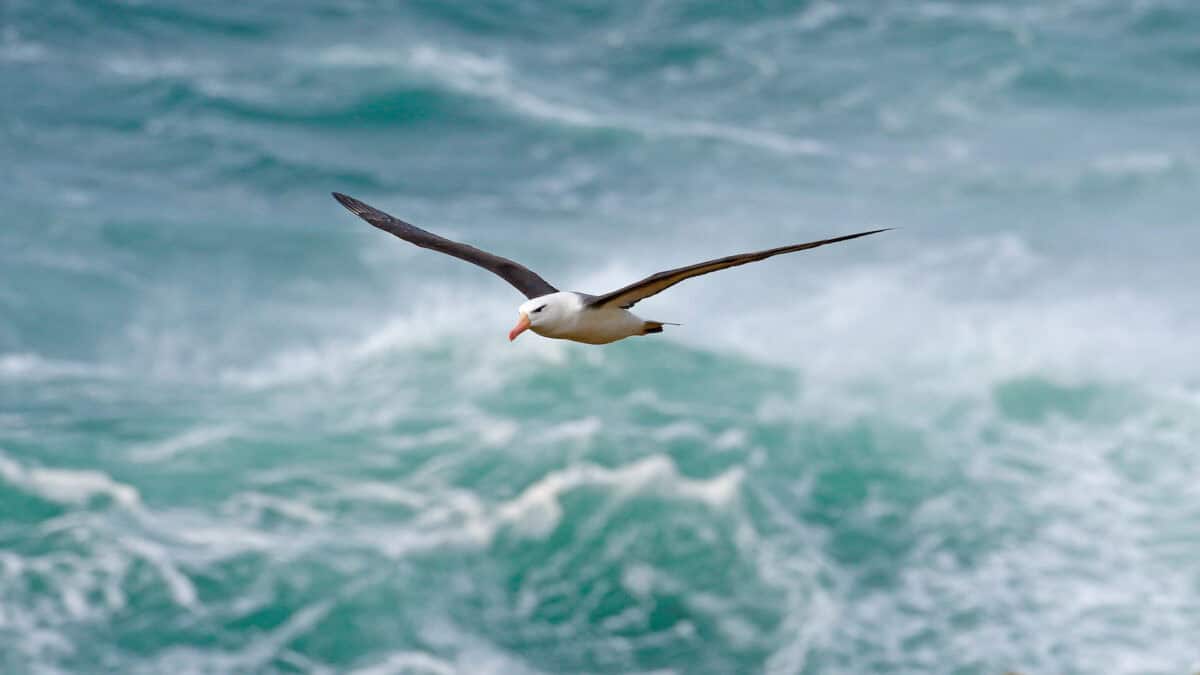
The wandering albatross is renowned for its breathtaking gliding flights across the Southern Ocean. Covering up to 10,000 miles in a single journey without flapping their wings often, these grand seabirds exploit ocean winds to sustain their perpetual search for sustenance. Their extraordinary wingspan, the largest of any bird, equips them with the ability to endure extensive travels that defy imagination.
Humpback Whales Ocean Voyagers

Among marine mammals, humpback whales are notable for their sizable migrations. They journey from the nutrient-rich feeding grounds of polar waters to the warm breeding grounds in tropical seas, covering up to 6,000 miles one way. These vocal giants rely on their fat stores during travel, showcasing an incredible feat of nature where survival aligns with reproduction and climate.
Subtle Navigational Abilities

Each of these creatures exhibits navigation skills that rival the best human technology. Monarch butterflies use a combination of the sun’s position and the Earth’s magnetic field. Similarly, Arctic terns and wandering albatrosses rely on the sun, stars, and possibly even odors to find their way. It is a reminder of nature’s unparalleled creativity in evolutionary adaptations.
Endurance and Energy Conservation

These animals balance their energy use to sustain their remarkable journeys. The Arctic Tern, for instance, conserves energy by sleeping on the wing. Meanwhile, humpback whales enter a fasting phase, living off their fat stores during migration. This endurance mechanism is a central theme in their survival strategy.
The Impact of Climate Change
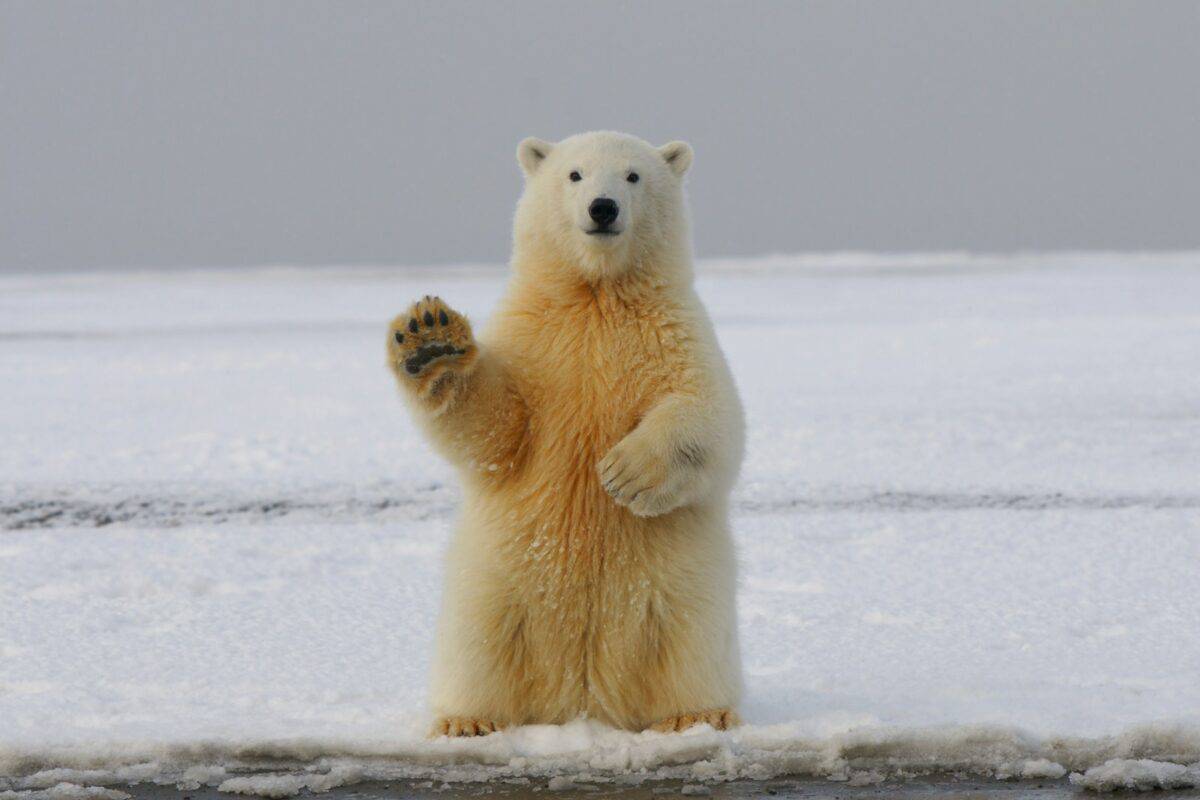
Climate change bears significant implications for these migratory patterns. As global temperatures shift, breeding and feeding grounds are threatened, testing these species’ resilience. Conservation efforts are essential to preserving the delicate balance of these remarkable migrations.
Human Influence and Conservation
Human activities, however, also pose challenges. Habitat destruction, pollution, and fishing nets are among the threats endangering these paths. There’s an urgent need to safeguard migratory routes through environmental policies and international cooperation, emphasizing the universal importance of these animals to Earth’s biosphere.
Advancements in Tracking Technology
Advancements in tracking technologies have unlocked secrets of these journeys, allowing scientists to gather crucial data to understand and protect migratory species. Through satellite tracking, biologists monitor their paths, providing insights into their habits and the challenges they face along the way.
The Connection Between Migration and Ecosystem Health
Each of these migrations plays a vital role in the broader ecosystem, highlighting a symbiotic relationship. Migratory species often act as transporters of nutrients and seeds across vast areas, influencing everything from plant diversity to predator-prey dynamics and keeping ecosystems balanced and thriving.
Wildlife Migration and Human Culture
Migration has touched human culture deeply, inspiring myths, stories, and even scientific curiosity. Observing these epic voyages emphasizes the shared journey of life on Earth, reminding us of the interconnectedness of all living things and our responsibility to foster a sustainable coexistence.
Conclusion

In closing, the incredible journeys of these five animals exemplify nature’s ability to push boundaries and adapt to environmental challenges. These migrations are not just about survival; they are stories of courage, resilience, and the intricate dance of life across our planet. Through understanding and preserving these natural phenomena, we ensure that future generations can marvel at the wonders of these epic travelers.

As a little kid, I fell in love with nature, wildlife, and animals. Living in the USA, South Africa, Italy, China and Germany gave me the opportunity to discover the world's Wildlife. My favorite animals are Mountain Gorillas, Siberian Tigers, and Great White Sharks.
I'm a certified PADI Open Water Diver, went to Everest Base Camp and Trekked Gorillas in Uganda. I hold a Master of Science in Economics and Finance.
Please send any feedback to feedback@animalsaroundtheglobe.com
- 11 Most Endangered Insects Buzzing in America Today - July 22, 2026
- 10 Most Frequently Googled Animal Birth Facts - July 22, 2026
- 10 Incredible Migration Journeys in the Animal Kingdom - July 22, 2026