

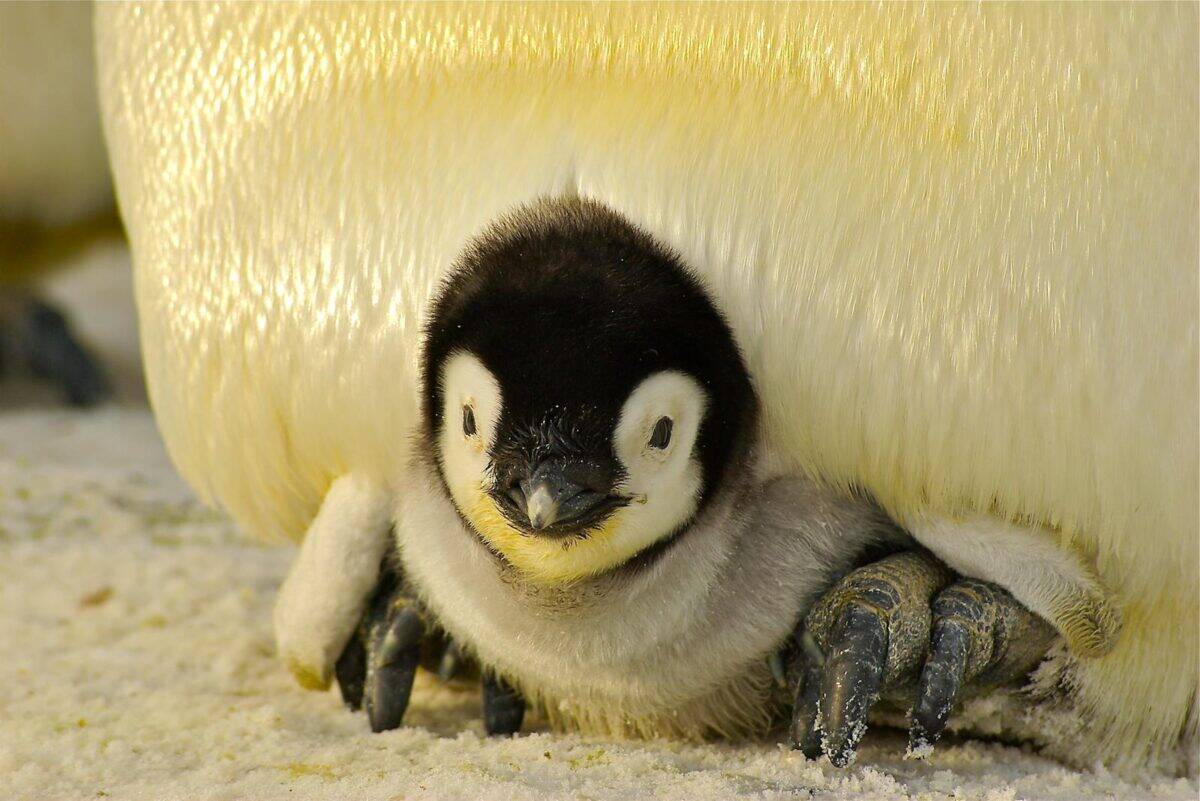
In the harshest environment on Earth, where temperatures plummet to -40°F (-40°C) and wind speeds exceed 100 mph (160 km/h), a remarkable biological miracle unfolds each year. Male emperor penguins (Aptenodytes forsteri) undertake one of the most extraordinary parenting feats in the animal kingdom—keeping a single egg warm through the pitch-black Antarctic winter. This article explores the fascinating adaptations, behaviors, and sacrifices these devoted fathers make to ensure the survival of their offspring in conditions that would be lethal to most other creatures. From specialized physical features to remarkable social strategies, discover how these tuxedo-clad birds have mastered survival in Earth’s most extreme nursery.
The Antarctic Winter Challenge

The Antarctic winter presents arguably the most hostile breeding environment on the planet. From April to August, the continent experiences complete darkness as temperatures regularly plunge below -40°F, and katabatic winds can reach hurricane force, creating a wind chill that drops the effective temperature even further. It is during this unforgiving season that emperor penguins choose to breed, unlike most other Antarctic birds that migrate north during winter.
This counterintuitive timing allows their chicks to mature during the relatively abundant Antarctic summer. The challenge for male emperors is monumental: keep an egg at approximately 95°F (35°C) while their own body temperature is just 3°F (1.7°C) above freezing, all while fasting for up to 115 days in the most extreme weather conditions on Earth.
The Specialized Brood Pouch
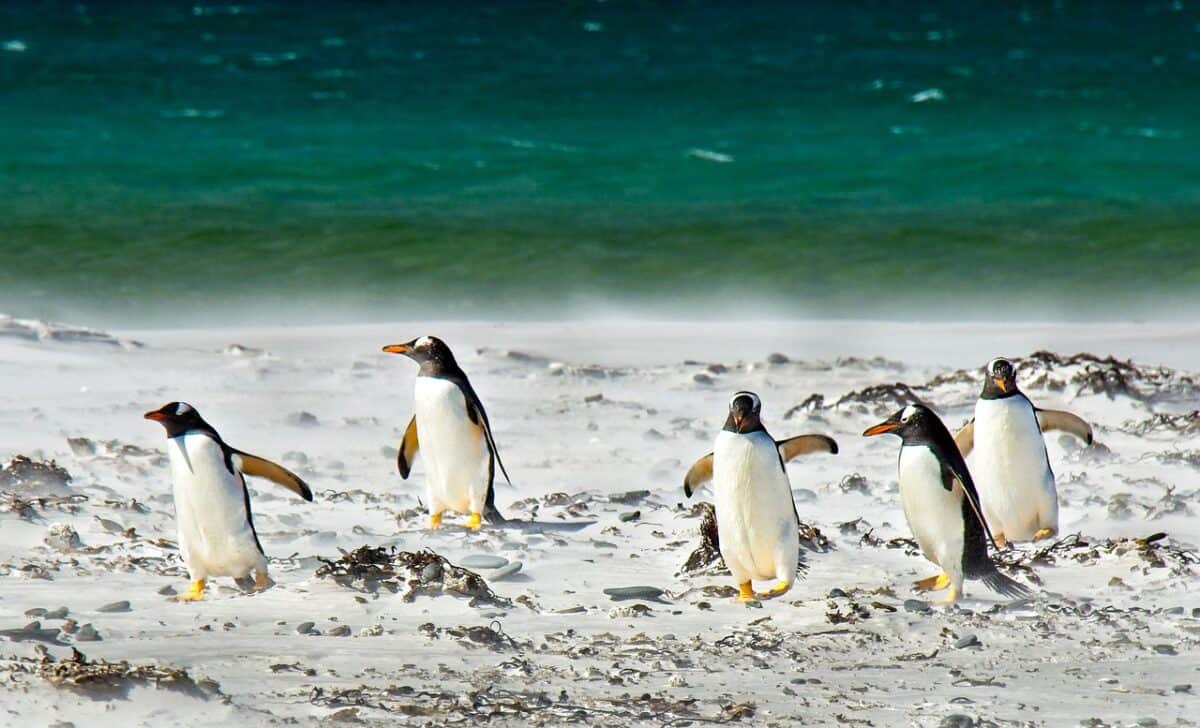
The male emperor penguin’s primary tool for egg incubation is a specialized feathered skin fold called the brood pouch. Located on the lower abdomen between the feet and the belly, this pouch is richly supplied with blood vessels that transfer body heat directly to the egg. When a female transfers the freshly laid egg to her mate, he performs a careful maneuver to roll the egg onto his feet and then cover it with this insulating pouch.
The transfer must be completed within seconds to prevent the egg from freezing. Inside the brood pouch, the temperature remains at a constant 95-97°F (35-36°C), creating a microclimate that differs by over 135°F (75°C) from the outside air temperature during the coldest days. This remarkable temperature gradient is maintained with almost thermostat-like precision throughout the entire 65-75 day incubation period.
The Four-Layer Insulation System
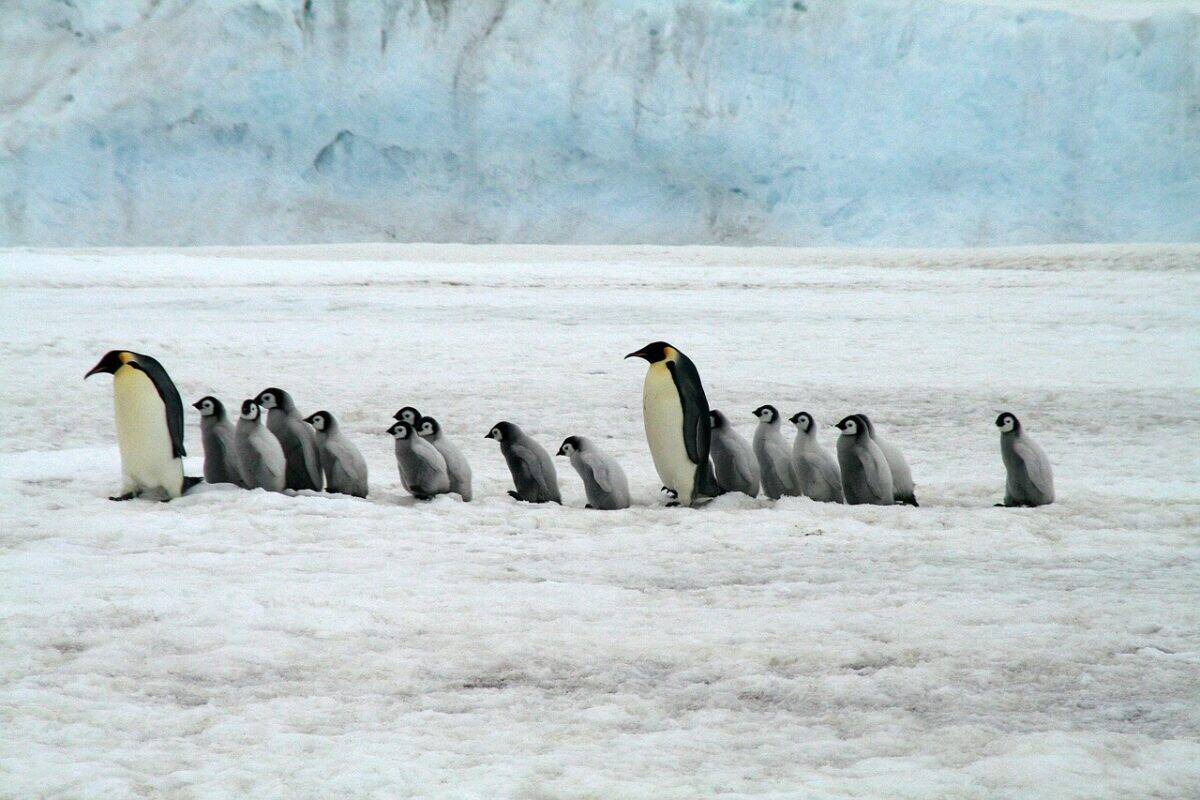
Emperor penguins possess perhaps the most effective natural insulation system of any warm-blooded animal, consisting of four distinct layers. The outermost layer comprises short, densely packed waterproof feathers that overlap like roof tiles, preventing wind penetration and moisture from reaching the skin. Beneath this lies a layer of fluffy down feathers that traps air for insulation. The third layer is subcutaneous fat that can reach 3 cm (1.2 inches) thick, providing both energy reserves and insulation.
Finally, a specialized circulatory system uses countercurrent heat exchange to minimize heat loss through the extremities. This multilayered approach is so effective that emperors often need to prevent overheating rather than conserving heat, even in temperatures far below freezing. Scientific studies have shown that this insulation system is approximately four times more efficient than the best man-made cold-weather gear.
The Balancing Act

Throughout the incubation period, male emperor penguins perform a remarkable balancing act, keeping the egg permanently positioned on top of their feet and covered by the brood pouch. This position elevates the egg above the ice, preventing direct contact with the frozen ground that would quickly drain its heat. The males develop a specific wide-legged stance and shuffling gait that allows movement while maintaining this precarious balance.
If the egg rolls off the feet even briefly, it can freeze within minutes. Research has documented that experienced males lose fewer eggs than first-time fathers, suggesting this balancing skill improves with practice. The penguins also develop specialized muscles in their lower legs that allow them to maintain this unusual posture for weeks on end without fatigue, an adaptation unique to this species among birds.
The Huddling Strategy

Perhaps the most visually striking aspect of emperor penguin behavior during incubation is the formation of dense huddles. These social structures are not random gatherings but highly organized energy conservation systems. Up to several thousand males pack tightly together in a formation that can reduce individual heat loss by up to 50%. Birds on the windward edge of the huddle experience the full force of the elements and gradually rotate toward the protected center in a continuous movement pattern researchers have compared to fluid dynamics.
Thermal imaging has revealed that the surface temperature of penguins in the center of a huddle can rise to 37°C (98.6°F), sometimes necessitating temporary breaks from the group to prevent overheating. These huddles are constantly forming, dissolving, and reforming, with complex social rules governing movement that scientists are still working to fully understand.
The Fasting Feat
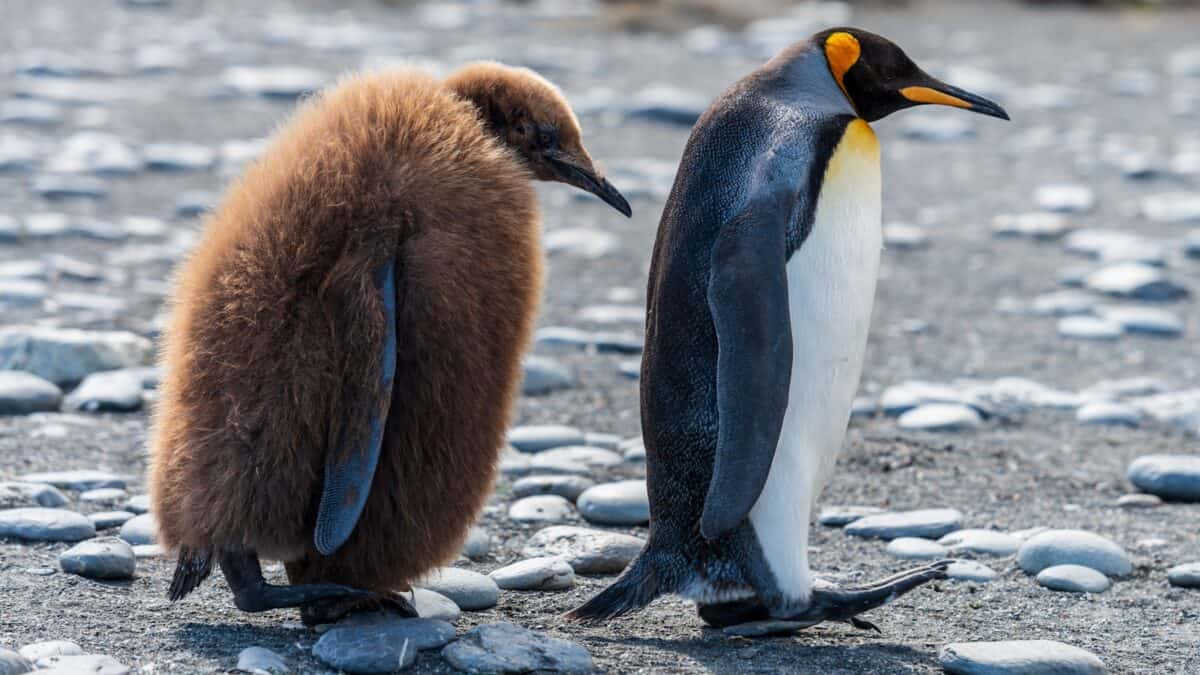
During the entire incubation period, male emperor penguins perform one of nature’s most impressive fasting feats. Having gorged themselves before the breeding season, males typically accumulate up to 20kg (44 pounds) of fat reserves, increasing their body weight by approximately 50%. Once they begin incubating, they will not eat, drink, or defecate for up to 115 days—possibly the longest voluntary fast of any vertebrate. By the end of this period, they will have lost up to 45% of their body weight, surviving entirely on metabolizing their fat stores.
What makes this fast even more remarkable is that it occurs during the Antarctic winter when the males’ energy expenditure for thermoregulation is at its highest. They maintain strict energy conservation, reducing their metabolic rate by about 15% and remaining largely stationary except for huddle movements. This metabolic efficiency is so finely tuned that males typically retain just enough fat reserves to survive the 100 km (62 mile) journey back to the sea if the female does not return promptly after hatching.
The Sleep Adaptation

Male emperor penguins have evolved unique sleep patterns that allow them to maintain egg temperature while still obtaining necessary rest. Research using EEG monitoring has shown that incubating males experience thousands of microsleep episodes lasting just seconds rather than consolidated sleep periods. This fragmented sleep pattern allows them to remain vigilant against egg displacement while still accumulating enough total sleep to function. Additionally, they exhibit unihemispheric sleep—resting one half of their brain while keeping the other half alert—similar to the sleep pattern observed in some marine mammals and migratory birds.
Studies indicate they can enter REM sleep while standing, maintaining their balance through specialized adaptations in their leg muscles that lock into position. This remarkable sleep efficiency allows males to survive on approximately 30% less total sleep than they would normally require, while still performing the complex cognitive functions necessary for huddle navigation and egg protection.
Communication and Recognition

Within the bustling emperor penguin colony, individual recognition becomes crucial for successful breeding. Each male memorizes his mate’s unique call—a distinct vocalization pattern as individual as a human fingerprint. This acoustic signature allows pairs to find each other when the female returns from her feeding journey at sea, which coincides closely with the hatching of the egg.
The male’s ability to recognize his partner’s call among thousands of similar-sounding penguins is remarkable, with studies showing recognition accuracy exceeding 90% even in chaotic colony conditions. Researchers have documented that this vocal recognition system involves specialized brain regions that activate only in response to the mate’s specific call pattern. This sophisticated communication system ensures the successful transfer of the newly hatched chick and allows the desperately hungry male to depart for his own feeding journey without delay.
Weather Prediction and Movement

Male emperor penguins display an uncanny ability to anticipate weather changes and adjust their behavior accordingly. Research using weather stations placed within colonies has shown that huddle formations often begin several hours before the arrival of storms, suggesting the penguins can detect subtle barometric pressure changes or other environmental cues imperceptible to humans. During particularly severe blizzards, colonies have been observed to move collectively to more sheltered locations, sometimes traveling several kilometers while maintaining their incubation posture.
This weather-responsive behavior is coordinated without any apparent leadership structure, functioning instead as a type of swarm intelligence. GPS tracking studies have revealed that colonies gradually drift during the winter months, with the position at the end of incubation sometimes being more than 10 km (6.2 miles) from the original nesting site, as the penguins continuously seek optimal protection from the prevailing winds.
Physiological Extremes
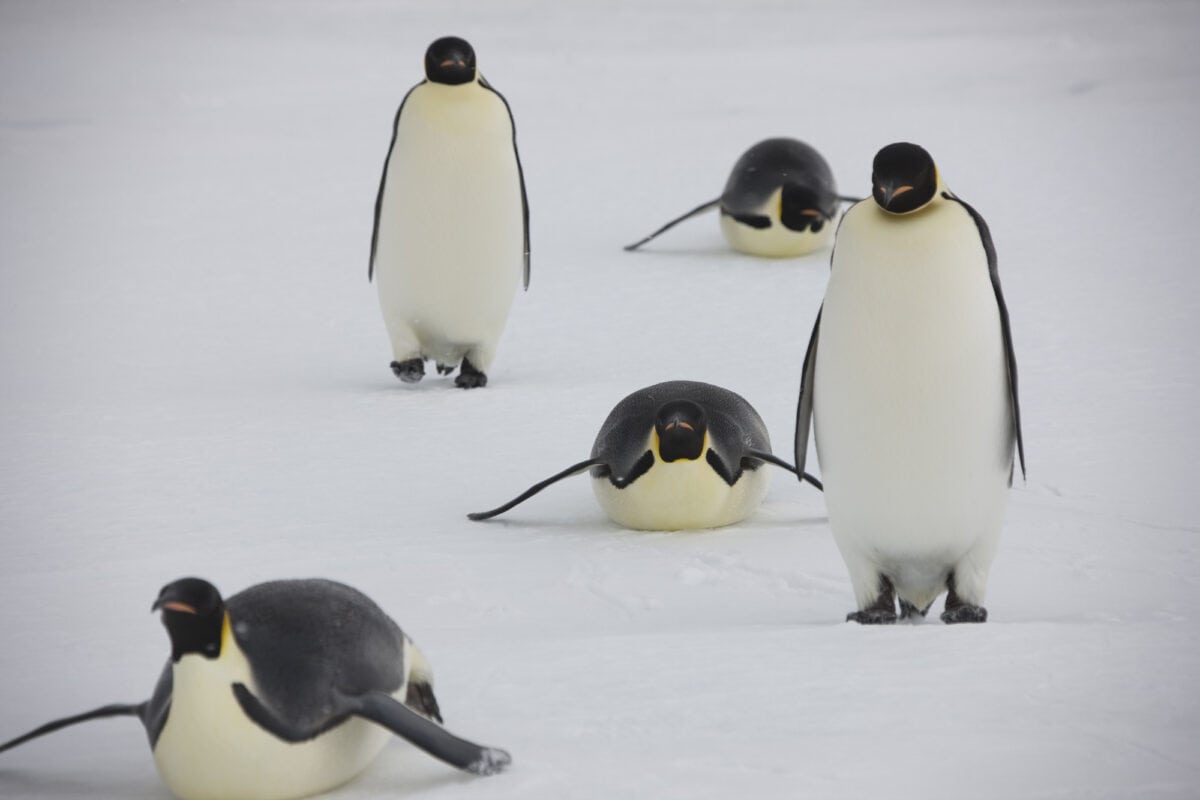
The male emperor penguin’s body undergoes extraordinary physiological adaptations during incubation. Their heart rate drops to as low as 15 beats per minute during rest periods (compared to a normal rate of 60-70 bpm), a bradycardia comparable to that of diving marine mammals. Their blood contains specialized hemoglobin variants that maintain oxygen delivery efficiency at low body temperatures. Perhaps most remarkably, they develop temporary heterothermy—allowing their extremities to cool to near-freezing temperatures while maintaining critical core warmth.
Thermal imaging studies have shown that their feet can operate at just above freezing point (as low as 1°C or 34°F), while their brood pouch maintains temperatures above 35°C (95°F). This temperature gradient within a single organism represents one of the most extreme examples of regionalized thermoregulation in the animal kingdom. Additionally, their liver and kidney functions undergo significant modifications to handle the toxins produced during the extended fast, with adaptations that would be pathological in most other vertebrates.
The Hatching Synchronization

One of the most remarkable aspects of emperor penguin reproduction is the precise timing of the egg hatching with the return of the female. After approximately two months at sea feeding intensively, females return to the colony within a narrow time window that coincides almost exactly with when the eggs are ready to hatch. This synchronization is critical, as males are reaching the physiological limits of their fast, with body weight losses approaching dangerous thresholds.
Research suggests that this timing coordination involves multiple factors, including photoperiod sensitivity, internal clocks in both parents, and potentially acoustic communication between the developing chick and the female parent. When successful, this synchronized return allows for a smooth transition, with the female taking over care of the newly hatched chick while providing the first meal of regurgitated fish, and the exhausted male finally departing for his own urgent feeding journey. The precision of this timing represents one of nature’s most impressive examples of reproductive coordination.
Conclusion: Nature’s Ultimate Fathers
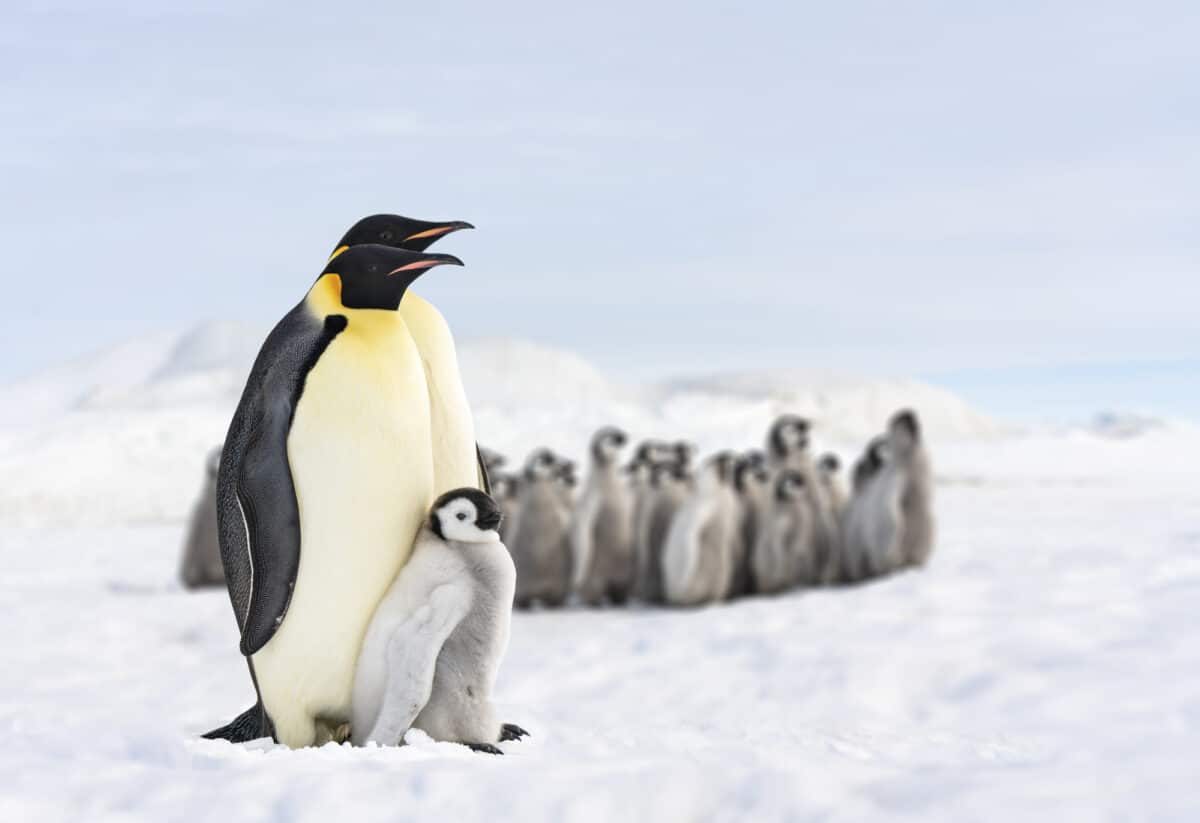
The male emperor penguin’s ability to incubate an egg through the Antarctic winter stands as one of nature’s most extraordinary examples of paternal devotion. Through specialized physical adaptations, sophisticated social behaviors, and remarkable physiological resilience, these birds have conquered breeding conditions that would be lethal to almost any other vertebrate.
Their success demonstrates the power of evolutionary adaptation to extreme environments and the remarkable plasticity of avian biology. As climate change continues to alter the Antarctic environment, understanding these penguins’ specialized adaptations becomes increasingly important for conservation efforts. The emperor penguin father—enduring months of darkness, starvation, and the most extreme weather on Earth to bring new life into the world—truly represents one of nature’s most impressive parenting achievements.

From exploring the marine wonders in the Azores and witnessing the vast savannas of Kenya, to delving deep into the rich biodiversity of South Africa and traversing iconic landscapes in Australia and the US like Yellowstone, Chris's experiences are vast.
With a penchant for diving alongside sharks, the ocean holds a special place in his heart.
Through his academic insights, he champions wildlife conservation, striving with 'Animals Around The Globe' to cultivate a profound connection between humans and animals, enhancing our mutual appreciation.
Connect with him at Feedback@animalsaroundtheglobe.com.
- The Largest Clam Ever Dredged Up From U.S. Waters - July 22, 2026
- How Animated Films Shape What Kids Believe About Animals - July 22, 2026
- The Most Iconic Animals Saved from Extinction in the U.S. - July 22, 2026